
Jun 9, 2026
What is a threaded pipe fitting called a street elbow?
Professionals call a threaded pipe fitting with one male end and one female end that makes a 90-degree turn a "street elbow." These unique parts, especially the square face galvanized 90° male female threaded elbow pipe fittings, are the result of decades of engineering work that has saved space, cut down on the number of parts needed, and made installations easier for water, gas, and fire protection systems in factories. The name "street" comes from the fact that they were first used in city streets for public water distribution lines, where installers needed small fittings to get through tight underground areas without having to use extra pipe nipples between connections.
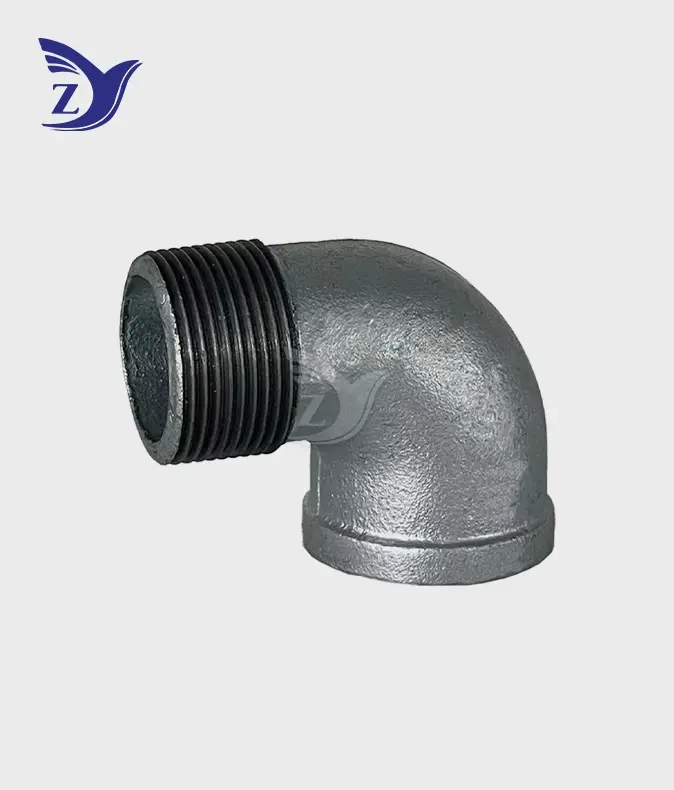
Introduction to Threaded Pipe Fittings and Street Elbows
Threaded pipe fittings are the most important part of removable pipe systems in all kinds of businesses. To make mechanical seals, these parts have internal or external threads that are cut with great accuracy and meet standard sizes such as NPT (National Pipe Taper) or BSPT (British Standard Pipe Taper). When torque is applied, the threads get tighter, creating metal-to-metal interference that stops leaks in systems that are under pressure.
What Makes Street Elbows Unique
Street elbows are different from other joints because they have two threads on them. A street elbow has one external male thread and one internal female thread. A normal elbow has two female ends that need pipe nipples to join them. This design gets rid of the middle nipple, which cuts installation time by about half and cuts down on possible leak tracks. When upgrading sprinkler systems in old buildings with limited roof access and the need for every inch of clearance, our clients in fire protection engineering often choose these fittings.
Thread Standards and Compatibility
It's impossible to say enough about how precise thread measurements are. NPT threads have a side angle of 60 degrees and a taper ratio of 1:16. BSPT threads, on the other hand, have a 55-degree Whitworth shape that meets ISO 7/1 standards. When you mix these standards, threads get damaged and the system fails for sure. Specification mismatches have cost procurement teams a lot of money, which is why engineers in charge of complex setups at petrochemical plants and local water systems must still check thread compatibility before placing an order.
Key Features and Benefits of Square Face Galvanized 90° Male Female Threaded Elbow Fittings
The tech behind square face galvanized 90° male female threaded elbow pipe fittings solves problems that come up in real life that are common in industrial pipe projects. These parts aren't just bent lines with threads on them; they're complex answers to problems like corrosion, fitting torque, and limited space.
The bolts are made from black heart malleable iron that meets ASTM A197 standards. This iron has a tensile strength of more than 300 MPa and a 6% expansion. This type of material makes it possible for the fitting to withstand changes in temperature and physical shock without breaking. This is very important for steam lines and other systems that experience temperature changes.
Understanding the Square Face Advantage
The banded or "square face" form refers to the flat-surfaced ring that is strengthened at the head opening. This geometry trait makes the bead area mass 15-20% higher than with round faces. When workers use pipe wrenches to put things together, this wider surface spreads out the torque forces more equally. This keeps the wrench from slipping, which damages threads and slows down projects. We've heard from HVAC workers who used to have problems with threads coming loose on round bead fittings but now have no problems with installation since moving to square face designs.
Hot-Dip Galvanization Process
Following ASTM A153 guidelines, we immerse finished fittings in liquid zinc that has been heated to 450°C as part of our galvanization process. This process makes a mechanical bond between the zinc and the iron surface, which forms several protected layers that are over 70 microns thick (about 500g/m²). The zinc layer acts as a sacrifice, corroding more quickly to protect the iron underneath. The results of tests show that these fittings can last more than 1,200 hours in salt spray tanks without turning red. This means that they can be used for decades in coastal factories and underground city pipes.
NPT/BSPT Thread Precision
Each fitting is CNC-machined to make sure that the thread specs are within 0.05 mm, which makes sure that the thread engages properly. Because the threads are tapered, when you tighten the link, an interference fit forms that gets tighter under pressure. This is different from parallel threads, which need seals. Because they shut themselves, male-female street elbows are very useful in gas distribution systems, where even small leaks can be dangerous.
These benefits in tech help our customers solve problems that keep coming up. Construction companies like lower labor costs, local water authorities like corrosion resistance that cuts down on replacement cycles, and managers of industrial plants depend on the pressure stability during heat cycling.
How to Select and Install 90° Male Female Threaded Elbow Fittings?
To choose the right square face galvanized 90° male female threaded elbow pipe fittings, you have to match a lot of scientific factors to the needs of the system. This process includes more than just matching line sizes; it also looks at thread standards, pressure ratings, material compatibility, and flow traits.
Critical Selection Parameters
Size compatibility starts with the standard pipe size and needs to take schedule width into account as well. It is possible to use a ¾-inch NPT street elbow with ¾-inch schedule 40 pipe, but it doesn't work with schedule 80 pipe because the walls are too thick. When buying in bulk for projects, we suggest that procurement teams check both standard size and schedule requirements.
Thread standard checking helps avoid expensive mistakes. If you push an NPT fitting onto BSPT threads, it might look tight at first, but when you put pressure on it, it will leak because the angles aren't right by 5 degrees. Before buying new valves, you should always check to see if your current system uses American NPT or British BSPT standards.
Pressure ratings vary on the type of joint and the grade of the material. Our Class 150 galvanized bendable elbows can easily handle 300 psi at normal temperatures (-20°F to 150°F) and are good for most business and light industry uses. Petrochemical plants that need higher grades should ask for Class 300 versions that can handle up to 600 psi of pressure.
Installation Best Practices
Preparing the threads is the first step in a proper operation. Thoroughly clean all threads, getting rid of any dirt, old sealant, or rust that might get in the way of proper contact. Use PTFE tape or pipe dope that is rated for the conditions of service. Sealants for gas systems are different from sealants for water systems. When looking at the male end, wrap the tape backward to keep it from coming apart during assembly.
Tighten the fitting by hand until it becomes harder to turn. Then, use two wrenches to make the last few turns. To stop the pipe from turning, put one wrench on the square face of the fitting and the other on the pipe. Most setups need two to three turns past hand-tight to get a good seal, but for important jobs, you should follow the torque specs. When you tighten too much, you damage the threads and could crack the pliable iron.
Before hiding links, leak testing should be done. For water systems, raise the pressure to 1.5 times the working pressure and check for leaks. For gas lines, you should only use a soap solution test or an automatic leak detector. You should never use air pressure checking before making sure the line is solid.
Comparison and Market Insights for Galvanized Threaded Elbow Fittings
When procurement workers understand comparative benefits, they can make decisions based on facts instead of falling back on tried-and-true options that might not be the best for the project.
Threaded vs. Welded Connections
Welded joints can't be used in both directions, but threaded parts can. To service equipment, maintenance teams can take apart threaded joints without having to cut pipes. This saves hours of work and money on materials. This adaptability is very helpful in pharmaceutical and food preparation plants where regular system entry is needed for cleaning validation.
Welded connections are better at withstanding vibrations in places like pump discharge lines, where shocks and constant shaking could break threaded joints over time. But soldering galvanized fittings gives off dangerous zinc oxide fumes and breaks down the pliable iron structure, which makes the joint weak and likely to crack. Because of this restriction, welding is not an option for coated parts.
A cost study shows that threaded systems need less money up front because they are easier to install and don't need qualified welders or other specialized tools. Timelines for projects get cut down by a huge amount because a skilled plumber can put in threaded connections five times faster than welded parts of the same size.
Square Face vs. Round Face Design Comparison
Round face (or "bead") fits work well for light-duty plumbing in homes where torque needs are low and there is room for a wrench to be placed more easily. The slightly lower cost of materials is due to the rounded bead shape, but there isn't much surface area for tools to grab.
Square face galvanized 90° male female threaded elbow pipe fittings work great in factories where higher torque values are needed to make sure that vital systems don't leak. The strengthened design keeps the shape from changing when it's put under stress, which extends its useful life in places where temperature and pressure change. Plumbing dealers say that builders are asking for square face designs more and more in all kinds of situations because they are so reliable.
Current Market Dynamics and Supplier Selection
The global market for malleable iron pipe fittings is still growing. This is because infrastructure is being updated in emerging economies and old systems are being replaced in established markets. There are still big differences in quality between makers, which is why it's important to check out suppliers.
Since 2006, we've been doing business as Zhiyuan Malleable Steel, and we keep our ISO 9001 certification and keep investing in our quality control infrastructure. Our plant in Taigu District, Shanxi Province, handles more than 1,000 different types of products every year, totaling 30,000 tons. This production capacity guarantees a steady supply for wholesalers who need large supplies all the time.
Procurement managers should check a number of key signs when reviewing suppliers. Ask for proof that the material meets the requirements of ASTM A197 for makeup and ASTM A153 for galvanization. For every batch of products they make, good makers give mill test results, dimensional inspection records, and pressure test certificates.
Production capacity has a direct effect on how reliably deliveries happen. When building seasons are busy, suppliers who are already close to full capacity find it hard to handle rush orders or large jumps in volume. We keep smart inventory backups that allow standard sizes to be delivered in two hours, which keeps project delays to a minimum when fitting needs come up out of the blue.
Conclusion
In industrial pipe systems, street elbows are beautiful engineering answers to problems with limited space and inefficient installation. Our square face galvanized 90° male female threaded elbow pipe fittings are made with accurate threads, corrosion-resistant hot-dip galvanization, and a stronger mechanical design so they will last for decades. Procurement experts can choose the right fittings that save money on the project's start-up costs and work well for a long time by knowing the selection criteria, best installation practices, and upkeep needs. The two-threaded design cuts down on the number of parts needed and the time it takes to install them. It also keeps the pressure stability that is needed for fire protection, city water distribution, HVAC systems, and industrial process pipes.
FAQs
What distinguishes a street elbow from a standard elbow?
To connect two pipes, you need a pipe nipple because standard joints have female threads on both sides. Because they have male-female threads, street bends don't need this because they let pipes join directly while changing direction. In most installs, this design cuts by half the time it takes to put together, the cost of the parts, and the number of possible leak points.
Can galvanized threaded elbows handle high-pressure applications?
Class 150 galvanized malleable iron street elbows can easily work at 300 psi in temperatures ranging from -20°F to 150°F, making them good for most business and city uses. Different types of Class 300 can handle pressures of up to 600 psi, which is enough for many industrial process systems. Always check pressure ratings against the conditions you will be using them in and make sure you include enough safety margins.
How do I ensure thread compatibility when sourcing internationally?
Check the thread standard carefully: is it NPT (60 degrees, common in North America) or BSPT (55 degrees, common in Europe and Asia)? Before agreeing to large orders, make sure that your sources can certify your thread gauges and test samples with Go/No-Go gauges. When you mix thread standards, you damage the structure and make the system leak.
Partner with Zhiyuan Malleable Steel for Reliable Galvanized Pipe Fittings
Industrial-grade square face galvanized 90° male female threaded elbow pipe fittings are available from Zhiyuan Malleable Steel. They are ISO 9001 certified and have been making high-quality products for 18 years. Our yearly production capacity of 30,000 tons across more than 1,000 specifications makes sure that wholesalers, building companies, and foreign trade partners always have what they need. Every fitting meets international standards, such as CE, UL, and FM certifications, thanks to its precise BSPT and NPT threading, hot-dip galvanization that goes beyond 70 microns, and thorough hydraulic testing. We can customize ODM/OEM orders for sizes that aren't standard, deliver in two hours for items that are in stock, and fix broken items for free. If purchasing managers and engineers need a dependable supplier, they can email our technical team at q1236800000@gmail.com or go to zymalleablepipefitting.com to get more information, including bulk prices and sample requests. We can help you with your next industrial project by providing you with high-quality parts and quick service based on our knowledge of molding iron and making pipe fittings.
References
- American Society for Testing and Materials. (2019). ASTM A197: Standard Specification for Cupola Malleable Iron. West Conshohocken, PA: ASTM International.
- American Society of Mechanical Engineers. (2018). ASME B1.20.1: Pipe Threads, General Purpose (Inch). New York, NY: ASME Standards Committee.
- International Organization for Standardization. (2020). ISO 7/1: Pipe Threads Where Pressure-Tight Joints Are Made on the Threads - Part 1: Dimensions, Tolerances and Designation. Geneva, Switzerland: ISO.
- American Society for Testing and Materials. (2017). ASTM A153: Standard Specification for Zinc Coating (Hot-Dip) on Iron and Steel Hardware. West Conshohocken, PA: ASTM International.
- Hydraulic Institute. (2021). Piping System Design and Engineering: Best Practices for Industrial Applications. Parsippany, NJ: Hydraulic Institute Publications.
- National Fire Protection Association. (2022). NFPA 13: Standard for the Installation of Sprinkler Systems. Quincy, MA: NFPA Technical Committee on Sprinkler System Discharge Criteria.
Online Message
YOU MAY LIKE
High quality furniture manufacturer
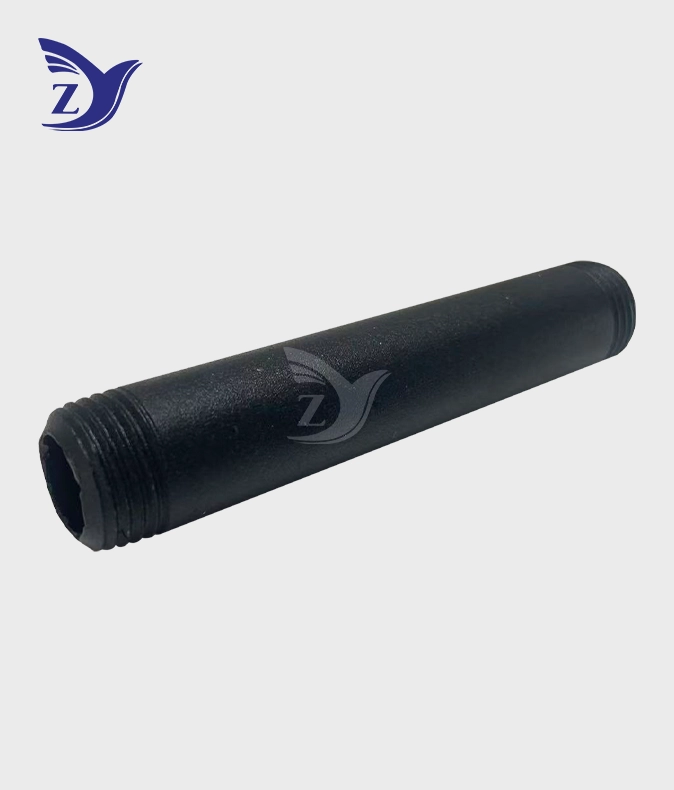
Carbon Steel Pipe Male Threaded Fittings Black Oxide Treated
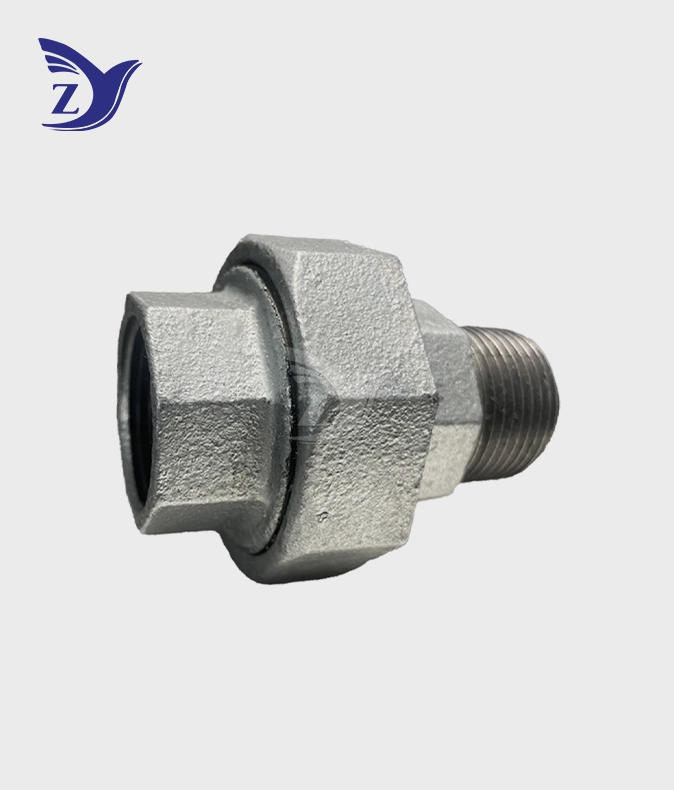
NPT Galvanized Male Female Threaded Union 331 Pipe Fittings
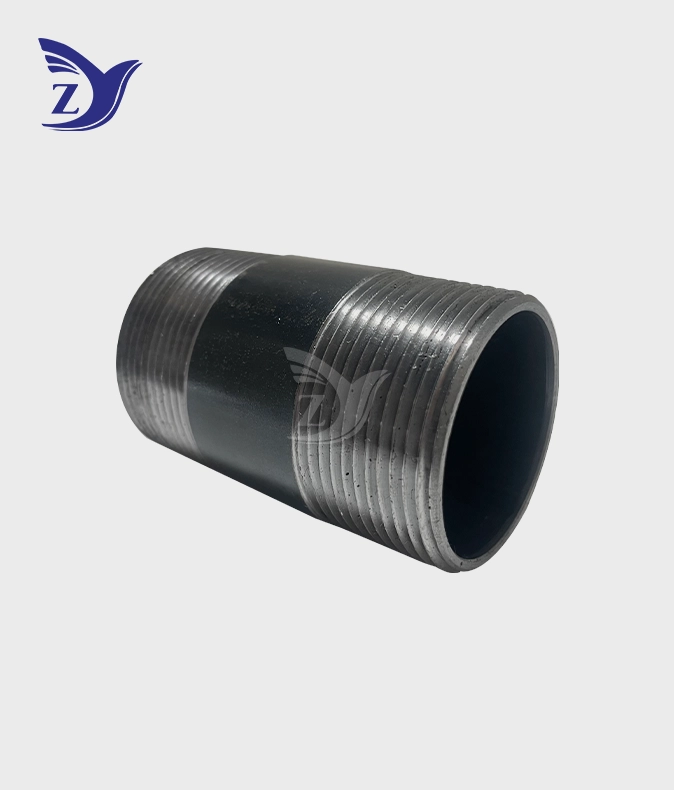
Double Male Thread Oil Tubing
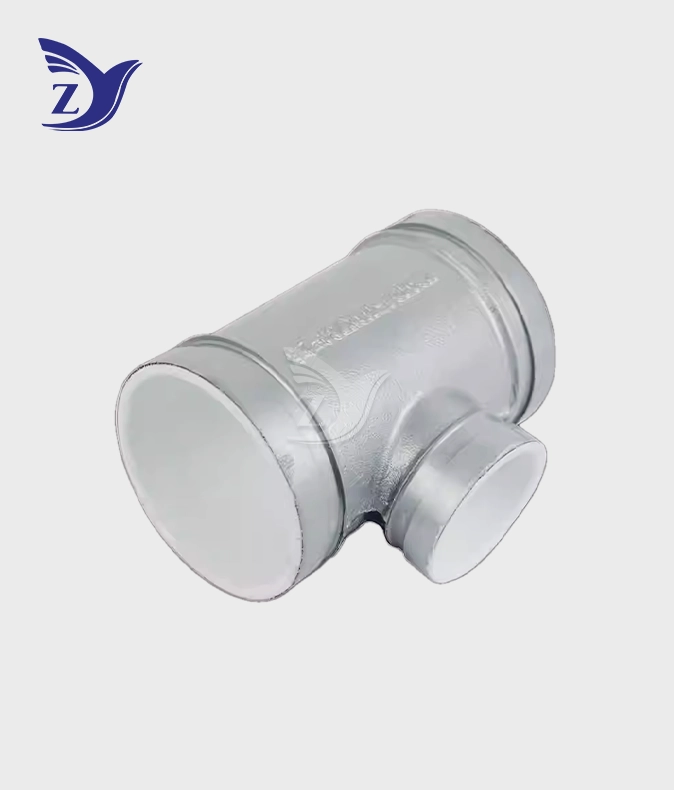
Water Grooved Reducing Tee
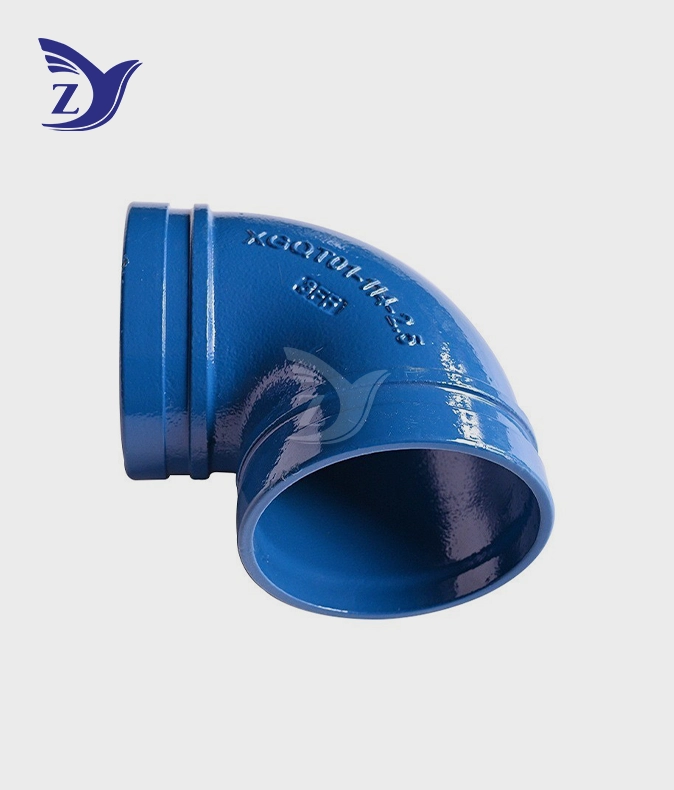
Water Grooved 90° Elbow
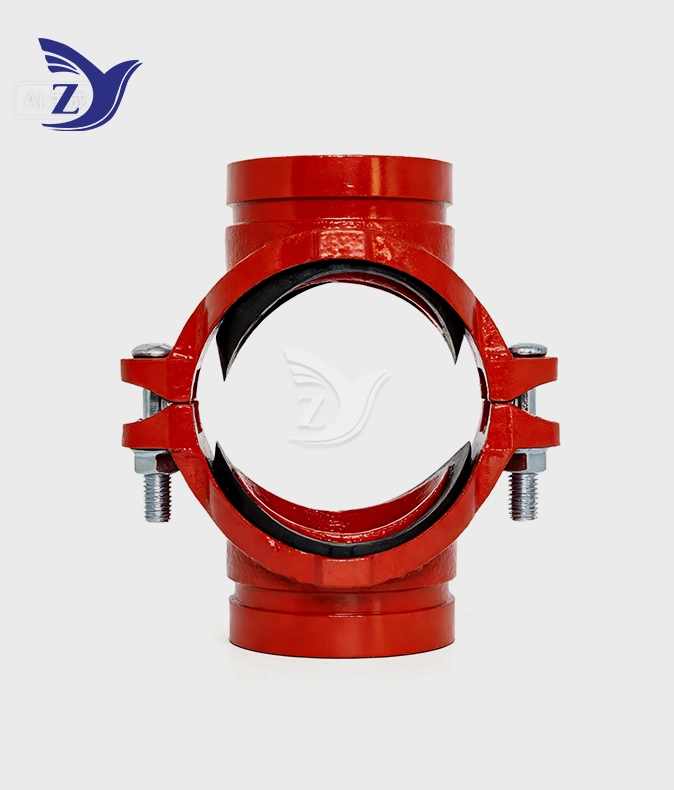
Threaded Mechanical Cross
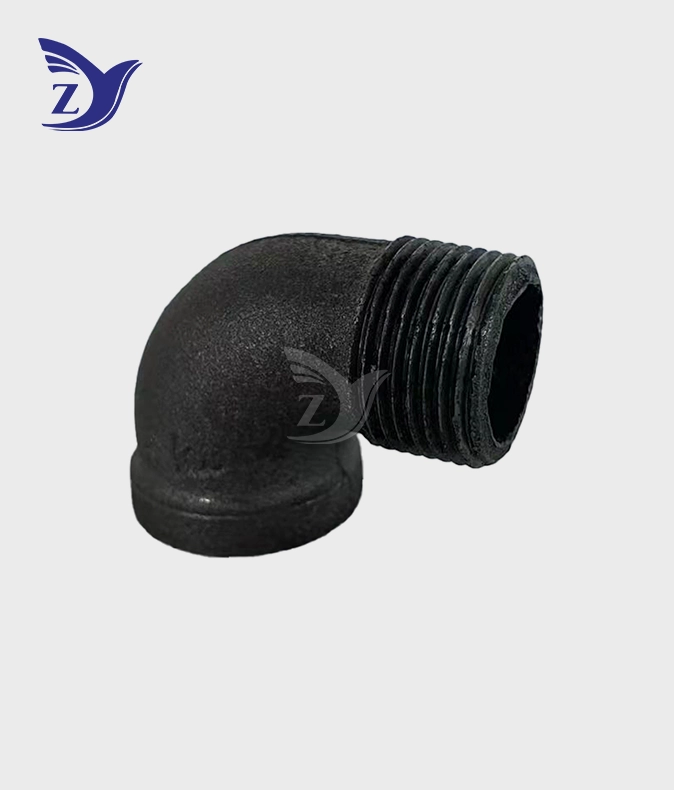
NPT Black Square Face Male-Female 90° Elbow Pipe Fittings
Fire Grooved Cross