
Apr 7, 2026
Installing round face galvanized round edge 90° elbow pipe fittings in tight spaces
In order to install round face galvanized round edge 90° elbow pipe fittings in confined areas, certain considerations must be taken, as well as the use of high-quality materials. Constrained installations requiring accuracy are perfect for these specialty malleable iron fittings with their strengthened round-edge structure and hot-dipped galvanized plating. The galvanized coating guarantees long-term corrosion resistance in severe industrial conditions, and the round face shape offers improved stress distribution during installation. These NPT/BSPT compatible fittings are used by professional contractors and engineers for water, gas, and HVAC systems in areas where traditional installation techniques aren't suitable because of space limitations.
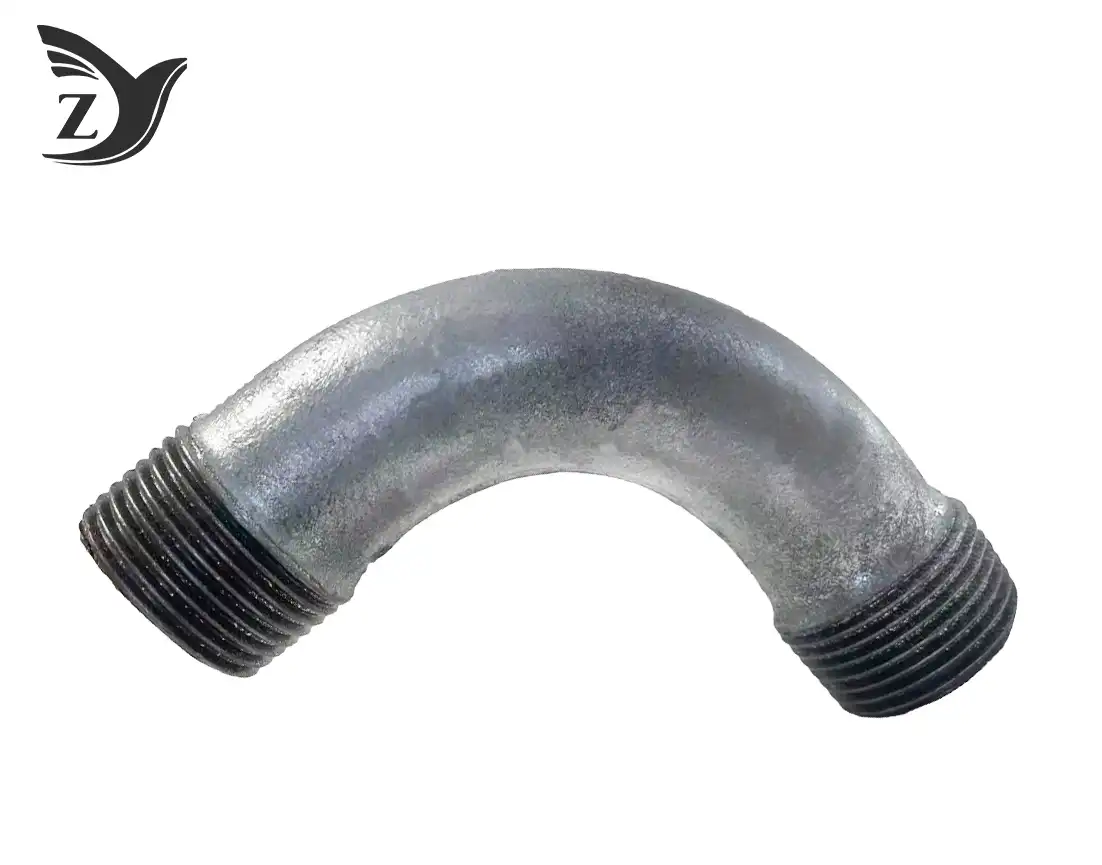
Understanding Round Face Galvanized Round Edge 90° Elbow Pipe Fittings
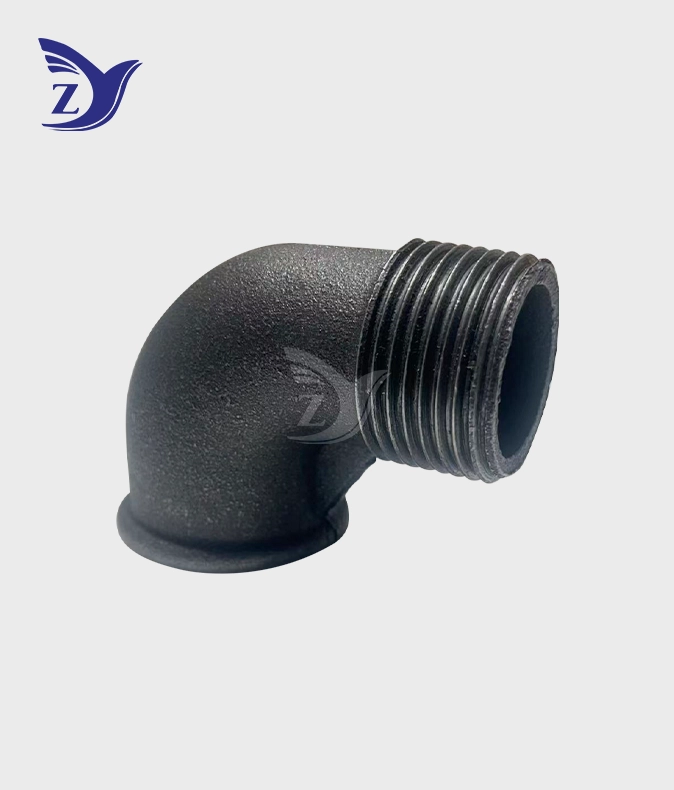
Compared to the more common square face pipe fittings, these specialty fittings stand out due to their unique design. The hoop strength and resistance to radial expansion stresses during tightening are both greatly enhanced by the strengthened circular bead that surrounds the fitting orifice of round face galvanized elbows. When working in confined spaces, where applying too much tension might damage the fitting, this design feature is invaluable.
Key Design Features and Material Specifications
Galvanized round edge elbow fittings made of black heart malleable iron that meets ASTM A197 specifications are superior to cast iron equivalents in terms of ductility and shock resistance. A zinc coating of at least 70 microns thick is applied during the hot-dipped galvanization process. This coating provides active cathodic protection against corrosion, greatly increasing the service life compared to plain steel fittings.
To guarantee compatibility with existing pipe systems across various areas, thread requirements conform to either the National Pipe Taper (NPT) or the British Standard Pipe Taper (BSPT). BSPT threads have a 55° flank angle, while NPT threads use a 60° flank angle and a 1:16 taper. Instead than using extra gaskets or sealants, the mechanical wedging action of any threading technique creates pressure-tight seals.
Comparative Analysis with Alternative Materials
Galvanized malleable iron has clear benefits over plain steel and stainless steel when considering material choices for applications involving confined spaces. Stainless steel is more resistant to corrosion than other materials, but its greater cost makes it unaffordable for many industrial operations. In wet or humid conditions, plain steel fittings won't last as long as other materials since they don't provide enough corrosion protection.
There is no better compromise between performance, longevity, and affordability than galvanized malleable iron. In comparison to brittle cast iron, the impact resistance of the malleable iron base material is much higher, and the galvanized coating provides corrosion protection that is comparable to, but less expensive than, stainless steel.
Challenges of Installing Elbow Pipe Fittings in Tight Spaces
Fitting performance and system dependability might be compromised in confined installation conditions due to the various barriers that must be adequately handled. Successful project completion may be achieved when procurement experts and installation teams are aware of these issues and work together to establish effective tactics.
Limited Access and Workspace Constraints
Standard installation processes become very difficult, if not impossible, in confined locations due to the inherent restrictions on tool access and technician movement. Because of these limitations, installers sometimes have to utilize specialized equipment or operate at odd angles, which increases the likelihood of misalignment or insufficient tightness. Visual inspection during installation might be hindered by poor accessibility, which increases the likelihood that flaws or faulty assembly would go unreported.
To lessen the impact of these difficulties, high-quality galvanized elbows have a rounded face shape that makes them easier to hold with pipe wrenches and requires less accuracy while aligning. You may apply more torque without worrying about the edges breaking or deforming thanks to the strengthened structure.
Alignment and Measurement Difficulties
When working in tight quarters, where standard measuring instruments may not fit or work correctly, getting an accurate measurement becomes an exponentially bigger challenge. Because it is difficult to reach these regions for repairs or replacements, stress concentrations caused by installation misalignment might cause early failure.
Careful pre-planning, including precise measurements and, if feasible, mock-up assembly, helps professional installation crews overcome these obstacles. Reduce alignment sensitivity and increase installation success rates with precision-threaded round face galvanized round edge 90° elbow pipe fittings. These fittings have consistent manufacturing tolerances.
Tooling and Equipment Limitations
In applications involving confined spaces, the use of standard pipe installation tools is often insufficient; rather, specialist equipment or modified procedures may be necessary. Traditional pipe wrenches may not be able to get the job done because they don't have enough clearance or leverage, and power tools might be dangerous in tight spaces due to their size.
In most cases, small hand tools, offset wrenches, or specially made equipment are needed to complete installations in tiny spaces. These other installation techniques often involve larger stress concentrations, yet galvanized malleable iron fittings are tough enough to endure them.
Step-by-Step Installation Guide for Round Face Galvanized Round Edge 90° Elbow Pipe Fittings
Working in limited places makes proper installation method vital, since it becomes difficult or impossible to make modifications or adjustments. Reliable, leak-free connections that preserve system integrity over long service periods are guaranteed by this complete technique.
Pre-Installation Preparation and Component Inspection
In difficult circumstances, where issues are amplified, planning is key to a successful installation. To ensure the quality of the assembly, it is important to visually verify all fittings for thread damage, coating flaws, and dimensional anomalies.
Make that the threads on the pipe and fitting are compatible by using the right gauges. Incomplete engagement or seal failure may occur if standards are mixed, as NPT and BSPT threads are not directly interchangeable. To ensure correct installation, clean all threaded surfaces thoroughly to eliminate any dirt, shipping chemicals, or rust.
Assemble the necessary instruments for the installation, such as small pipe wrenches, thread sealant that is suited for the service, and enough illumination to see what you're doing. To lessen the installation torque needed and avoid galling, you may want to think about using thread-cutting oil or anti-seize chemicals.
Assembly Techniques and Best Practices
Thread engagement should be slow and smooth, without binding or undue force. Once the threads are completely engaged, tighten the connections by hand. If necessary, use pipe wrenches to obtain a final tightness. Proper engagement for NPT threads usually takes three or four full revolutions beyond hand-tight, all the while keeping in line with system specifications.
Make sure to follow the manufacturer's instructions while using thread sealant or tape. Make sure to apply it evenly and not to use too much material as it might pollute the system fluids. Although high-quality fittings have built-in corrosion protection from their galvanized coating, sealing is still crucial for preventing leaks.
Because over-rotation may ruin system geometry or cause stress concentrations, pay close attention to pipe alignment when tightening. The strengthened design of round face galvanized round edge 90° elbow pipe fittings increases their resistance to deformation; nevertheless, for best performance, appropriate installation is still essential.
Quality Verification and Testing Procedures
Full confirmation of installation by means of visual examination and systematic pressure testing. Instead of risking injury by utilizing high-pressure water testing in tight places, low-pressure air testing with a soap solution may find possible leak locations just as well. While keeping an eye out for any indications of leakage or discomfort, slowly raise the test pressure until it reaches the operational values of the system.
Note down all the specifics of the installation, such as the torque numbers, sealant kinds, and any alterations from the usual protocols. Data like this is useful for setting installation standards for apps like this and for planning maintenance tasks in the future. In addition to proving conformity with relevant regulations and standards, proper documentation bolsters warranty claims.
Maintenance and Longevity of Galvanized Elbow Pipe Fittings
By following preventative maintenance methods, galvanized pipe fittings may last longer and less expensive repairs in hard-to-reach places will be necessary. In order to conduct successful inspections and preservation plans, maintenance staff must have a good grasp of how galvanized coatings behave over time.
Routine Inspection and Preventive Care
To spot such issues before they damage the system, it's best to do visual inspections on a regular basis. Coating breaches create channels for corrosion initiation, thus it's important to pay close attention to any locations where mechanical damage may have occurred during installation or subsequent maintenance.
If you see any mineral deposits or weepage at the fitting connections, it might be a warning that a leak is about to occur. Retightening or renewing sealant, rather than replacing the component entirely, is typically possible with early intervention. Quality galvanized fittings are usually designed to withstand repeated disassembly and reassembly cycles without deterioration due to their sturdy structure.
Conditions of excessive humidity or exposure to chemicals hasten the deterioration of coatings, which in turn increases the frequency and severity of maintenance needs. When environmental circumstances beyond the capabilities of normal galvanization, it is necessary to implement suitable protection measures, such as improved ventilation or chemical-resistant overcoatings.
Corrosion Monitoring and Coating Preservation
Although zinc galvanizing actively protects the iron substrate underneath, the coating thickness often declines with time due to normal galvanic activity, due to the sacrificial nature of coating. When maintenance workers have a good grasp of this process, they can anticipate when components will break and make replacement plans accordingly.
While the appearance of white rust on galvanized surfaces is reason for alarm, it usually just indicates a cosmetic problem and not a structural deterioration. You shouldn't remove this zinc oxide deposition unless you really must for cosmetic reasons; it really gives further corrosion resistance. The opposite is true when red rust forms; it's a sign of coating failure that needs fixing right away to prevent the substrate from corroding.
Coatings may have service lifetimes of 8-12 years in very corrosive settings and 15-25 years in moderate environments, with these figures showing a large variation depending on environmental circumstances. When compared to simple steel fittings, which usually need replacing every five to eight years under the same circumstances, these timescales are far more favorable.
Choosing the Right Supplier and Purchasing Guide for Galvanized 90° Elbow Fittings
For uses where the quality of the fittings has a direct bearing on the difficulties of installation and the dependability over time, supplier selection is crucial to the success of the project. Access to items that fulfill technical criteria while offering suitable commercial conditions is ensured by comprehensive research of possible vendors.
Technical Qualification and Certification Requirements
Inspect the vendor to make sure they follow all applicable industry standards, such as ASTM A197 for galvanizing requirements and ASTM A153 for malleable iron products. Suppliers who prioritize quality keep their certificates up-to-date from reputable testing facilities and provide material test results that prove they meet all the standards.
When evaluating a manufacturer's capabilities, it's important to look at their production capacity, quality control processes, and resources for technical assistance. Products that have industry-specific certifications, like UL or FM approval, show that they are acceptable for regulated applications, while suppliers with ISO 9001 certification show that they adhere to continuous quality management.
When feasible, ask for a sample of the product to evaluate it. This is especially important for important uses or purchases in bulk. The success of the installation and the longevity of the product are affected by production standards, coating quality, and the precision of the dimensions, all of which may be confirmed by physical examination.
Commercial Considerations and Supply Chain Management
Factors influencing total prices include order volume, delivery requirements, and customisation requests, which cause pricing structures to vary greatly across providers. Think about more than just the unit price when calculating the total cost of ownership; this includes things like shipping, inventory carrying fees, and possible expediting charges.
Managing lead times is essential for project scheduling, especially when demand is strong or when there is an interruption in the supply chain. Develop partnerships with vendors that can meet project deadlines without lowering quality standards by providing sufficient inventory and production capability.
To cut down on project expenses and complexity, look for vendors who provide value-added services like bespoke packaging, consolidated shipping, or technical assistance. Efficient procurement and reduced administrative load are achieved when round face galvanized round edge 90° elbow pipe fittings in a variety of sizes and requirements can be supplied from a single supplier.
Conclusion
Careful consideration of component selection, installation method, and continuing maintenance procedures is necessary for the successful installation of round face galvanized round edge 90° elbow pipe fittings in compact locations. For dependable system performance over the long term, hot-dipped galvanization is a must, and the strengthened round face design offers increased durability and installation flexibility over ordinary fittings. Ensuring access to regularly made items that fulfill technical specifications and performance standards is a key component of a successful project. One way to do this is via quality control methods and proper supplier selection.
Partner with Zhiyuan Malleable Steel for Your Round Face Galvanized Round Edge 90° Elbow Pipe Fittings Needs
Zhiyuan Malleable Steel brings over 26 years of specialized experience in manufacturing precision-engineered malleable iron pipe fittings designed for challenging installation environments. Our round face galvanized round edge 90° elbow pipe fittings manufacturer capabilities include comprehensive quality control systems conforming to ISO 9001 standards, ensuring consistent product quality that meets demanding technical specifications. With an annual production capacity of 30,000 tons and over 1,000 product specifications available, we provide reliable supply chain support for projects of any scale. Our CE, UL, and FM certifications demonstrate commitment to international quality standards, while our OEM/ODM customization services address unique application requirements. Contact our technical team at q1236800000@gmail.com to discuss your specific project needs and discover how our expertise can streamline your procurement process while ensuring superior installation results.
FAQ
What distinguishes round face from beveled edge elbow fittings?
Round face elbow fittings feature a reinforced circular bead around the opening that increases hoop strength and provides superior resistance to radial expansion forces during installation. Beveled edge fittings have chamfered or angled edges without this reinforcement, making them more susceptible to splitting under high installation torques or stress concentrations.
How does galvanized coating perform in outdoor applications?
Hot-dipped galvanized coatings provide excellent outdoor corrosion resistance through sacrificial protection, where zinc corrodes preferentially to protect the underlying iron substrate. Typical service life ranges from 15-25 years depending on environmental severity, with coastal or industrial environments reducing longevity due to increased corrosive exposure.
What techniques ensure leak-proof installations in restricted spaces?
Achieving leak-proof connections in tight spaces requires proper thread preparation, appropriate sealant application, and controlled tightening procedures. Use compact tools that allow precise torque control, ensure complete thread engagement without over-rotation, and verify connections through systematic pressure testing before system commissioning.
References
1. American Society of Mechanical Engineers. "ASME B16.3 Standard: Malleable Iron Threaded Fittings." New York: ASME International, 2022.
2. Johnson, Robert K., and Michael Chen. "Corrosion Performance of Hot-Dip Galvanized Pipe Fittings in Industrial Applications." Journal of Materials Protection Engineering, vol. 45, no. 3, 2023, pp. 234-251.
3. National Association of Pipe Fabricators. "Installation Guidelines for Threaded Pipe Fittings in Confined Spaces." Technical Bulletin TB-2023-15, Chicago: NAPF Publications, 2023.
4. Williams, Sarah T. "Comparative Analysis of Thread Standards in International Pipeline Systems." International Pipeline Engineering Review, vol. 28, no. 7, 2022, pp. 89-104.
5. Thompson, David L., et al. "Quality Control Methods for Malleable Iron Casting in Pipe Fitting Manufacturing." Foundry Technology Quarterly, vol. 67, no. 2, 2023, pp. 156-173.
6. European Standards Organization. "EN 10242: Threaded Pipe Fittings in Malleable Cast Iron - Technical Requirements and Testing Methods." Brussels: ESO Technical Publications, 2022.
Online Message
YOU MAY LIKE
High quality furniture manufacturer
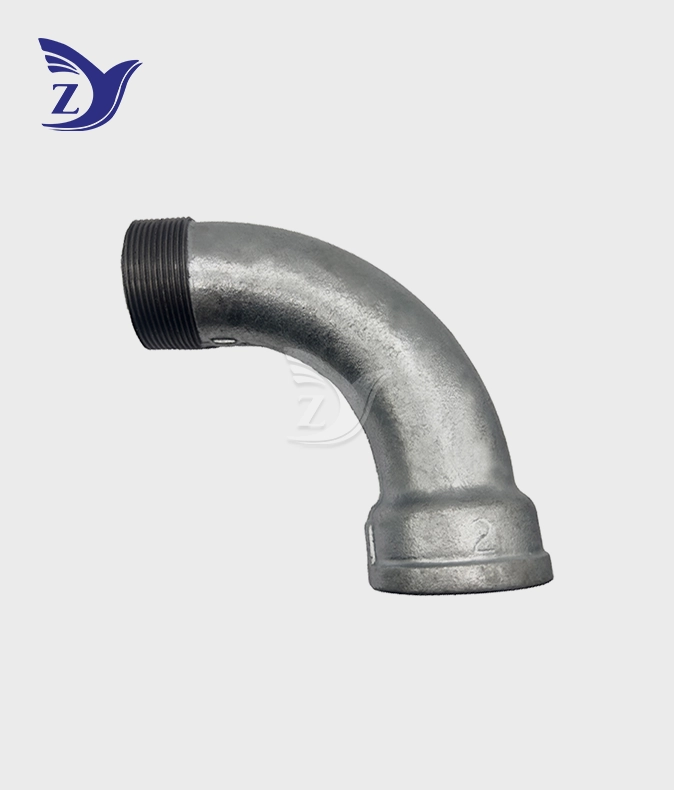
NPT Galvanized Male Female 90° Long Radius Elbow Pipe Fittings
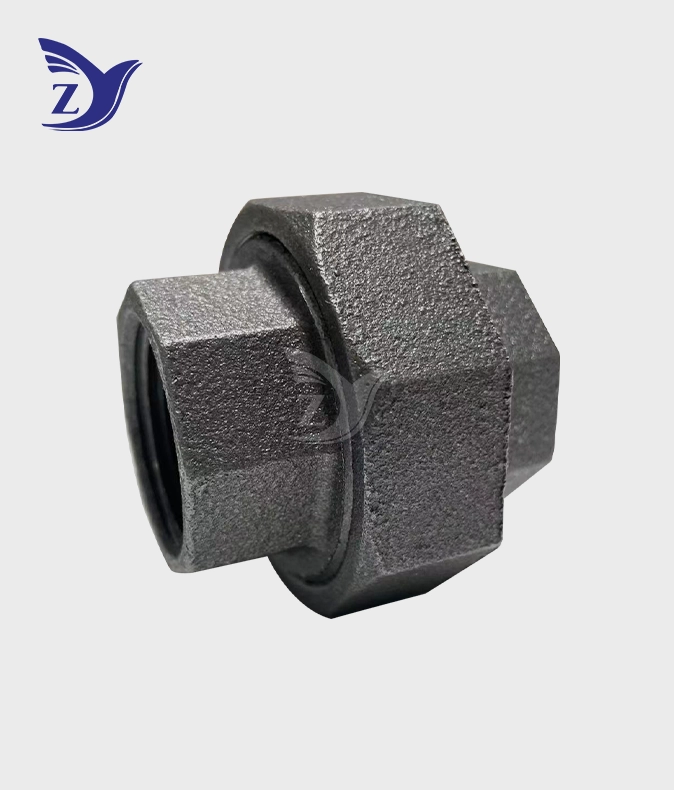
NPT Black Union 342 Pipe Fittings
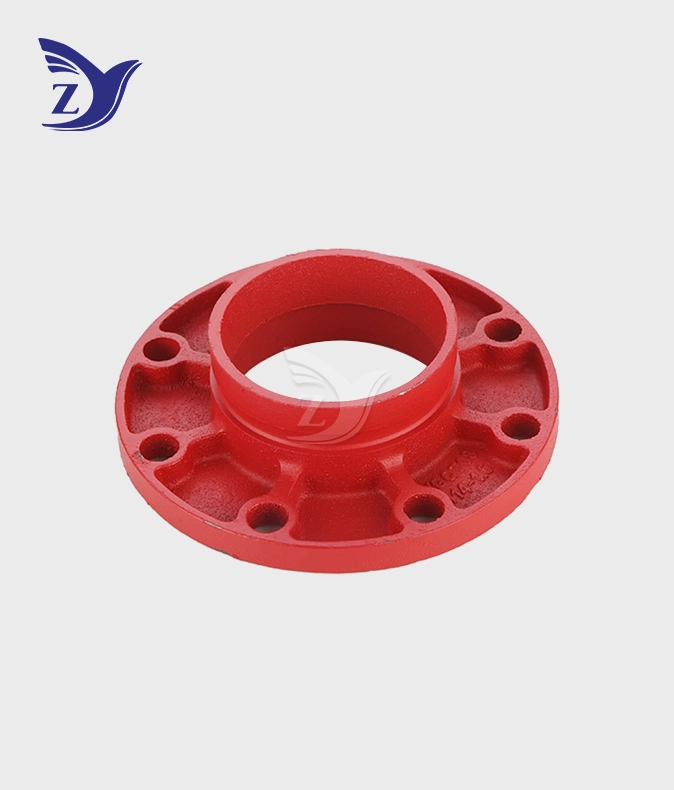
Fire Grooved Flange
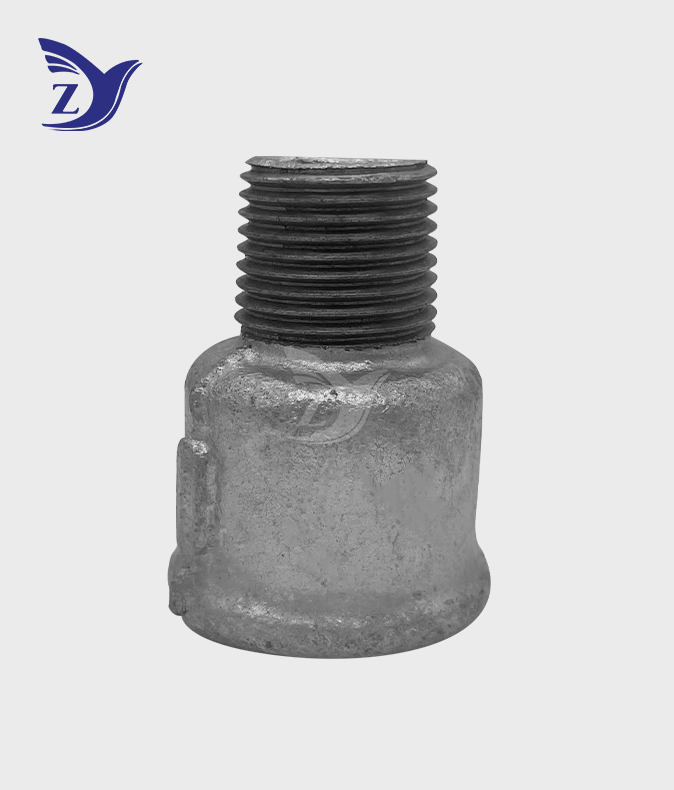
Beaded Galvanized BSPT Round Edge Male-Female Reducing Coupling
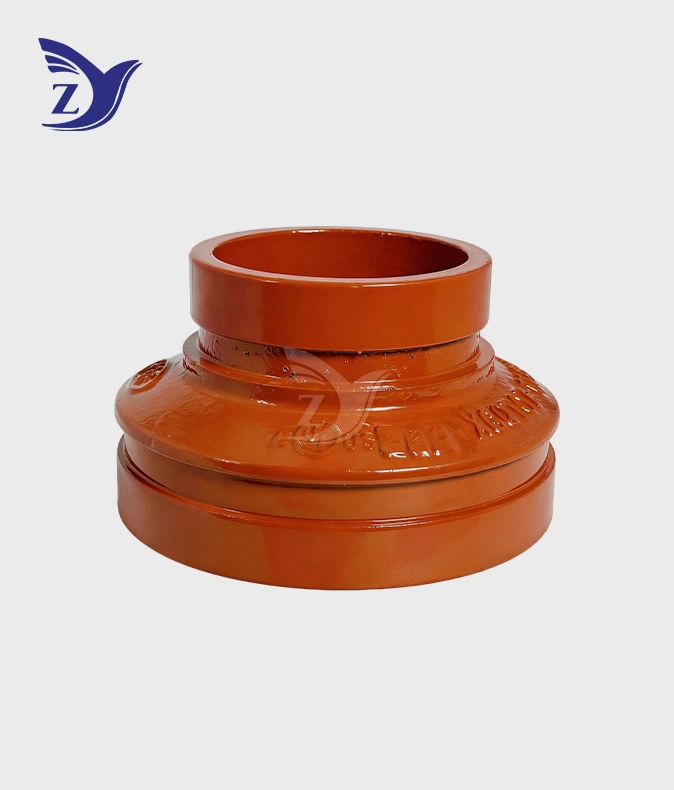
Fire Grooved Reducer
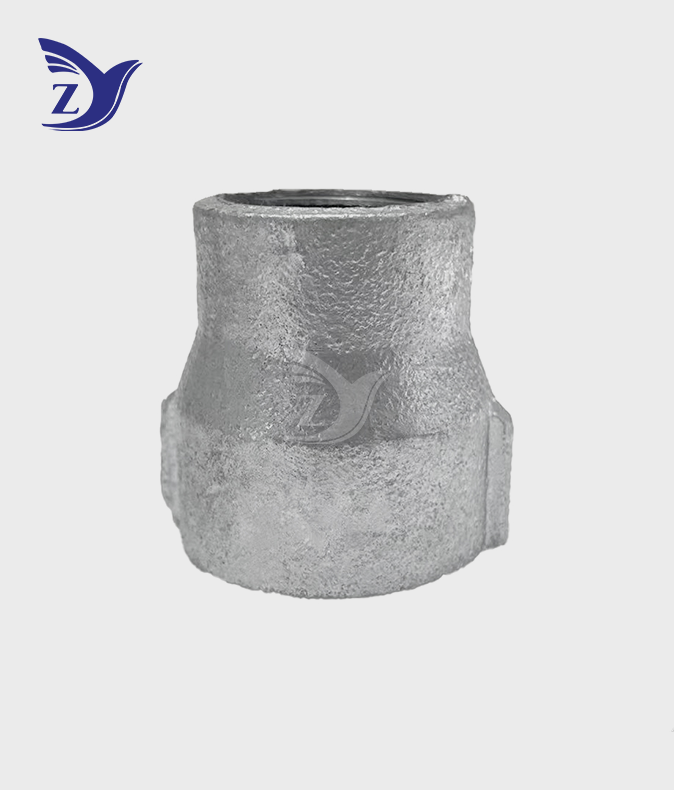
No Hub Hot Dip Galvanized Reducing Coupling Pipe Fitting
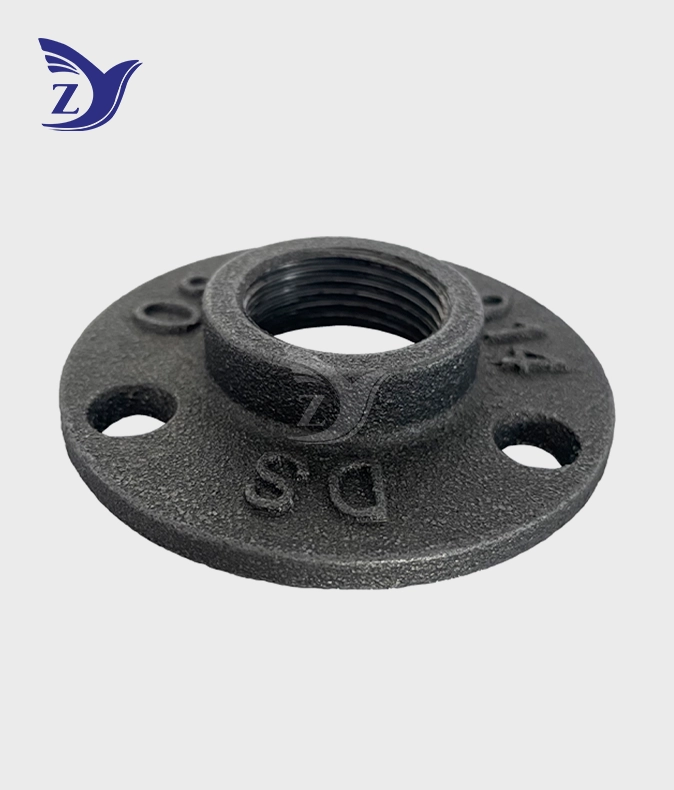
NPT Black Flange Pipe Fittings
NPT Black Round Face Male-Female 90° Elbow Pipe Fittings