
Jun 30, 2026
When to use BSPT elbow?
The correct fitting is important in industrial pipe systems because they are very complicated. It can mean the difference between a reliable installation and costly downtime. BSPT round face galvanized round edge 90° elbow pipe fittings are an important part of this environment because they control the flow of fluid in a wide range of situations. When piping systems need to make exact changes in direction while keeping the structure's integrity and performing without leaks, these specialized fittings are the most reliable option. Whether you're in charge of fire safety systems, water supply networks, or petrochemical sites, knowing when and why to use these bends will have a direct effect on the success, life, and operating efficiency of your project. In this guide, engineers, system designers, and procurement workers working in the US market will find the technical details, use cases, and buying factors that are most important to them.
BSPT (British Standard Pipe Taper) elbows have a 55-degree thread angle and a 1:16 taper ratio. This makes a mechanical interference seal that gets tighter as it is installed. The round face design, which is also known as the beaded edge, has a stronger collar that can handle radial expansion forces better than plain fittings. During hot-dip galvanization, a protected zinc layer of about 70 micrometers is added. This layer acts as an active cathode to protect against corrosion in harsh conditions.
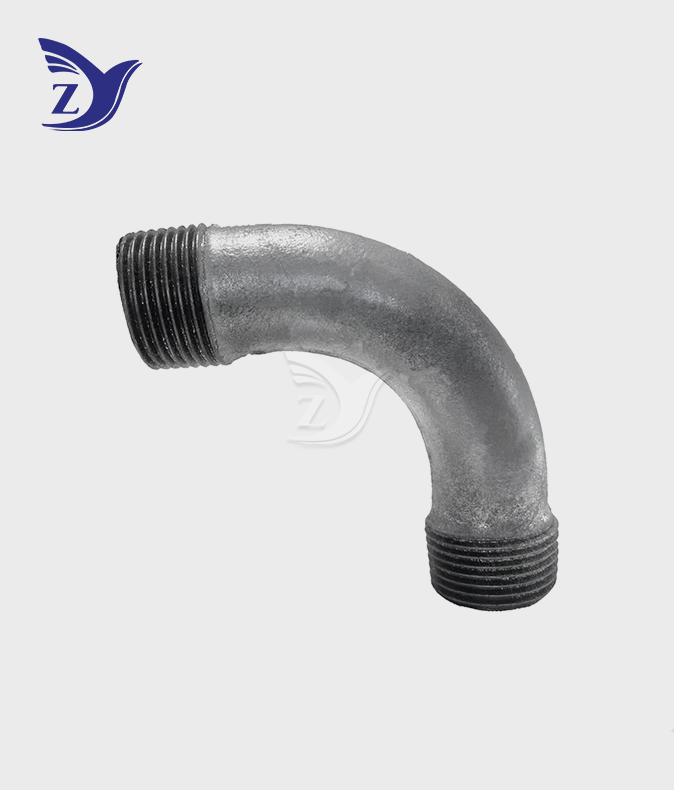
BSPT Round Face Galvanized 90° Elbow Fittings
These threaded elbows are made from black heart malleable iron and meet ASTM A197 standards for commercial use. The choice of material gives the pipes great flexibility and shock protection, which are very important when the pipes are exposed to temperature changes, vibrations, or changes in pressure. In contrast to cast iron options that break easily, bendable iron elbows can handle mechanical stress without breaking. This lowers the risk of catastrophic failure in mission-critical settings.
The Technical Architecture of BSPT Threading
BSPT round face galvanized round edge 90° elbow pipe fittings are made to meet the requirements of ISO 7-1. This makes sure that it works with both European and Asian pipe standards and can be used with many British-made parts. As the fittings get tighter, the curved shape creates a wedge effect that presses the thread surfaces together to make a pressure-tight seal that doesn't just depend on O-rings or gaskets. This locking system works especially well in long-term setups that don't need to be taken apart often and value long-term dependability. A 1:16 thread taper rate means that the width shrinks by one unit for every 16 units of thread length. This makes a graduated compression zone.
Round Face Design Advantages
The fitting's female thread hole has a round edge support that helps with structure in more ways than one. When torque is applied, this beaded collar spreads the hoop's stress more widely around its diameter. This keeps stress from building up in one place, which can cause plain-edge fittings to crack. When workers use pipe tools to apply the right amount of tightening force, the reinforced edge keeps its shape, which protects the quality of the thread engagement. Test results show that round face elbows can handle about 15 to 20 percent more radial forces before they break compared to normal designs. This directly leads to higher safety margins for the system.
Galvanization Process and Corrosion Protection
For hot-dip galvanization, finished elbows are submerged in molten zinc that is about 450 degrees Celsius hot. This forms a strong metal link between the zinc coating and the iron base. This method creates several layers of a zinc-iron mixture on top of which is a pure zinc layer. The final finish usually weighs more than 500 grams per square meter. The zinc acts as a sacrifice anode, corroding more quickly to protect the iron below, even if the layer gets some small scratches or wears away. In mild weather, galvanized fittings can usually last more than 50 years with little upkeep, which makes their lifetime costs much lower than those of painted or unprotected alternatives.
When to Use BSPT Elbows: Applications and Advantages
To choose the right elbow fitting, you have to match the technical details with the system pressure needs, the fluid properties, and the surroundings. When used in certain ways that take advantage of their natural design benefits, BSPT round face galvanized round edge 90° elbow pipe fittings work very well.
Fire Protection System Integration
Companies that work in fire protection engineering and build sprinkler systems, hydrant networks, and pump house piping benefit a lot from the fact that round-edge pipe bends don't rust. The galvanized layer doesn't rust in damp places where systems stay charged with water for long periods of time. In these situations, thread integrity is still very important because leaks during fires could put people in danger and break NFPA rules. The 90-degree pipe bend makes it easier to route around structure elements while still meeting the flow speed standards set by hydraulic calculations.
Municipal Water and Gas Distribution
Water supply companies and gas providers that run local pipeline networks need fittings that balance how much they cost at first with how long they last. The anti-rust, pliable iron construction doesn't break down quickly when exposed to changes in soil chemistry, groundwater, or yearly temperature changes. If you place these elbows correctly, they will make joints that keep the pressure integrity in Class 150 (PN 20/25) applications and can handle up to 25 bar of working pressure at room temperature. This pressure number is good for most city distribution system needs, which are between 60 and 120 PSI.
HVAC and Process Piping Systems
The precision-threaded design makes field assembly easier, which is appreciated by construction companies that put HVAC systems in homes, businesses, and institutions. The curved threads allow for small errors in alignment during installation while still creating reliable seals. This cuts down on fitting waste and labor costs. The galvanized surface is a cheap way to protect against acidic process fluids in chemical processing and power generation facilities. It can be used in a wide range of mild to heavy service conditions. The high strength helps system designs that go through thermal cycles and vibration transfer from moving parts.
Cost-Performance Optimization
Stainless steel fittings can be 300–400% more expensive than galvanized malleable iron elbows, but they offer similar rust protection in many situations and cost a lot less. When fitting counts hit hundreds or thousands of pieces for big jobs, this cost savings becomes very important. Instead of using premium metals throughout whole systems, wholesale wholesalers and project-based engineering buyers can save up to 70% on material costs by selecting galvanized fittings correctly. Because they are durable, can handle pressure, and are affordable, these fittings are the best choice for many businesses that want to get the most for their money without sacrificing safety or dependability.
Procurement Guide: Buying BSPT Round Face Galvanized 90° Elbow Fittings
Strategic buying practices keep costs low while ensuring the quality of the goods and their timely delivery. Knowing how to evaluate suppliers and how to buy things saves project schedules and funds.
Supplier Qualification and Certification
Reputable makers have quality management systems that are approved to ISO 9001 standards. These systems show that they have structured process controls that make sure the quality of their products is always the same. Extra qualifications like CE marking, UL listing, or FM approval show that the product meets certain safety standards needed in controlled industries. If you buy fittings from foreign sellers or selling companies, make sure the standards they say they meet by asking for certification documents and test reports. Testing by independent labs gives you more faith in the coating's quality, its mechanical qualities, and its accuracy in measurements.
Zhiyuan Malleable Steel was founded in 2006 and has production facilities that cover 50,000 square meters and can make up to 30,000 tonnes of steel each year. The company has many certifications, such as ISO 9001, CE, UL, and FM approvals, which make them qualified providers that meet foreign standards.
Bulk Purchasing Advantages
Buying in bulk takes advantage of economies of scale to cut costs per unit by a large amount on big orders. Discounts of 10 to 30 percent are common for suppliers who offer tiered price structures that reward customers who place bigger orders. In addition to lower unit prices, orders in bulk may also get faster production schedules, specialized expert support, and more flexible payment terms. When you establish long-term supply relationships with qualified manufacturers, you build a partnership where sellers put in the work to understand your unique needs and keep the right amount of inventory on hand.
Customization and OEM Capabilities
Most of the time, standard valves work for most situations, but sometimes, unique projects need sizes, pressure ratings, or coating requirements that aren't standard. Manufacturers that offer OEM and ODM services can make custom parts that fit the needs of a particular project. For custom production runs, however, there are usually minimum order numbers. Having engineering help during the specification step makes ideas easier to make while still meeting performance standards. Custom choices could include different thread types, unique coatings, or changes to the size to fit unusually small spaces or equipment connections.
Conclusion
To get the best system performance and lifetime value, choosing the right pipe fittings means combining technical needs, environmental factors, and cost considerations. BSPT round face galvanized round edge 90° elbow pipe fittings are very good at resisting rust, being strong, and reliably closing. They can be used in a wide range of industrial settings, from fire safety systems to city infrastructure. The tapered thread design makes strong mechanical locks that can be used in fixed installations. Hot-dip galvanization protects against rust and corrosion for decades. Knowing the differences between thread standards, material choices, and fitting requirements helps you make smart design choices that keep your products from not working with each other or breaking too soon. Strategic purchase practices, such as qualifying suppliers, buying in bulk, and offering customization options, cut costs as much as possible without sacrificing quality or dependability. These industrial water and gas pipeline reroute parts are tried-and-true options that meet high performance standards and offer great value across a wide range of industries.
FAQ
Can BSPT Elbows Connect Directly to NPT Threaded Pipes?
Because the thread angles are different, you shouldn't connect BSPT and NPT threads directly. The thread side angle for BSPT is 55 degrees, while the angle for NPT is 60 degrees, which stops the thread from engaging properly. Trying to force these threads that don't work well together leads to bad fitting, damaged threads, and leaks no matter how much force is used to tighten them. When connecting BSPT and NPT parts in a system, it's important to have the right thread adapters made with matched threads on both ends. These adapters keep the seals on both sides intact while crossing between standards. However, they add more connection points and possible leak sites, so they need to be installed carefully.
What Temperature Range Can Galvanized BSPT Elbows Withstand?
In ongoing working situations, galvanized malleable iron elbows keep their full pressure ratings up to about 120 degrees Celsius. Even though the fittings can handle higher temps, pressure levels usually drop as temperatures rise above a certain point. When systems are used in temperatures up to 300 degrees Celsius, they need lower pressure levels, usually down to PN 20 or less based on the situation. When temperatures get very high, the galvanized layer may start to break down, but the pliable iron underneath stays strong. Applications that require high temperatures to last a long time or thermal cycling should be carefully checked against maker specs.
How Often Should Installed BSPT Fittings Be Inspected?
Permanent placements in stable settings usually only need a few checks after systems have been successfully tested for pressure and put into service. Most uses only need to be visually checked once a year to see if the covering is wearing off, there is obvious corrosion, or there are weeping joints. Systems that are in settings that are corrosive, have a lot of shaking, or go through big changes in temperature should be inspected more often, maybe every three or six months. Any sign of leakage, coating failure, or structure damage needs to be looked into and fixed right away so that small problems don't get worse and become system failures or safety risks.
Partner with Zhiyuan Malleable Steel for Superior BSPT Fittings
With 26 years of experience in casting and making high-quality products, Zhiyuan Malleable Steel is one of the best places to get BSPT round face galvanized round edge 90° elbow pipe fittings. Our factory in Shanxi makes more than 1,000 different types of products. It has strict quality control methods and foreign certifications like ISO 9001, CE, UL, and FM. We keep a lot of products in stock so that we can supply standard products within two hours for urgent projects. Our OEM/ODM capabilities allow us to meet the specific needs of specialized uses. Every fitting goes through strict pneumatic leaking testing and measurement verification to make sure it works perfectly with no problems. When you need help with a program, our technical team can help you find the best options for your system. You can talk to us about your project needs, get cheap quotes, or send us full specifications at q1236800000@gmail.com. You can look at our whole product line at zymalleablepipefitting.com and find out why building companies, system developers, and distributors around the world choose Zhiyuan Malleable Steel as their trusted partner for providing certified, reliable pipe fittings that go above and beyond.
References
British Standards Institution. (2018). Pipe Threads for Tubes and Fittings Where Pressure-Tight Joints Are Made on the Threads: Taper External Threads and Parallel Internal Threads. BS EN 10226-1:2004.
American Society for Testing and Materials. (2019). Standard Specification for Cupola Malleable Iron. ASTM A197/A197M-19.
International Organization for Standardization. (2016). Pipe Threads Where Pressure-Tight Joints Are Made on the Threads — Part 1: Dimensions, Tolerances and Designation. ISO 7-1:1994.
National Fire Protection Association. (2021). Standard for the Installation of Sprinkler Systems. NFPA 13-2021 Edition.
European Committee for Standardization. (2015). Malleable Cast Iron Fittings with Compression Ends for Polyethylene Piping Systems. EN 1562:2011.
Davies, Thomas R. (2017). Corrosion Protection Methods in Industrial Piping Systems. Engineering Materials Press, pp. 143-187.
Online Message
YOU MAY LIKE
High quality furniture manufacturer
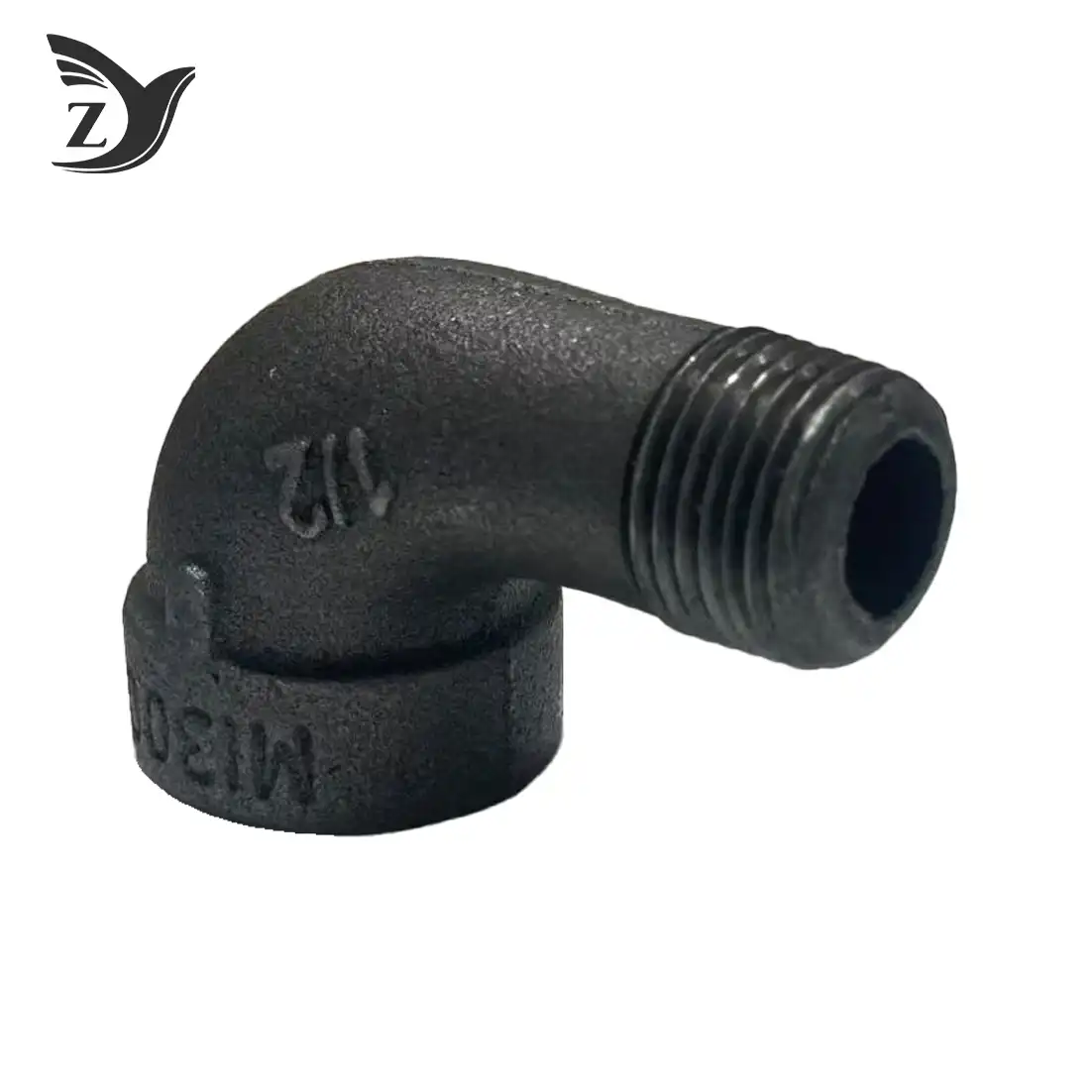
300# Black Threaded 90° Elbow, Male & Female
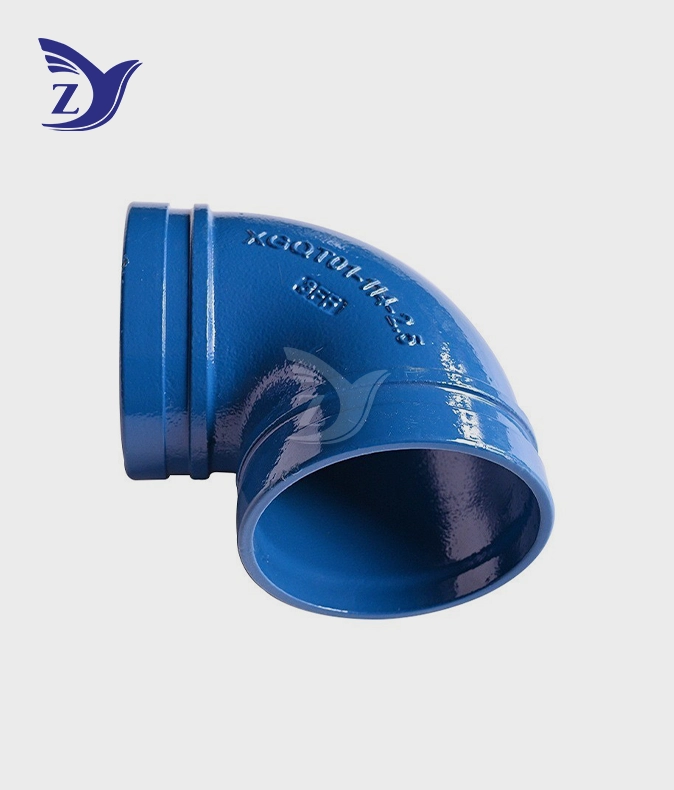
Water Grooved 90° Elbow
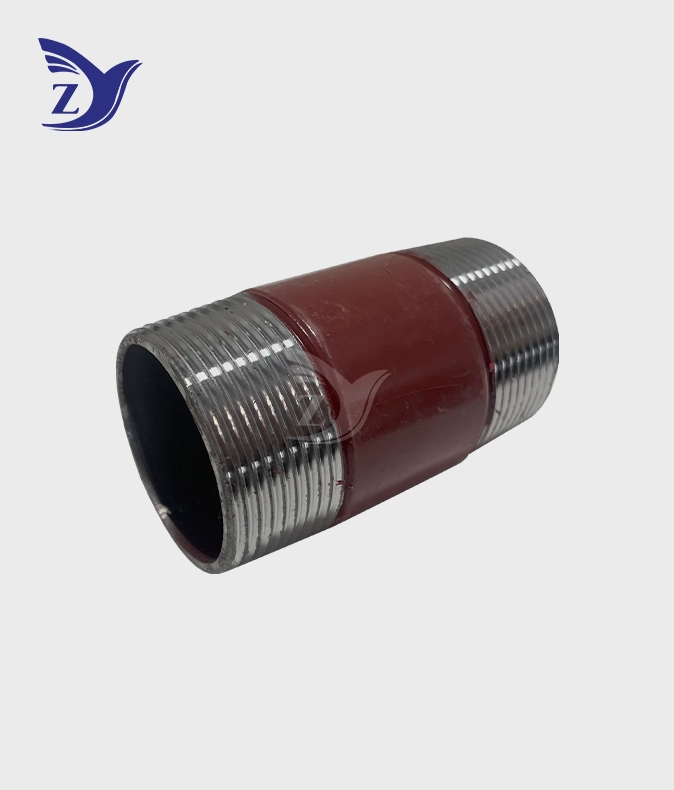
Carbon Steel Pipe Male Threaded Fittings Red Coated
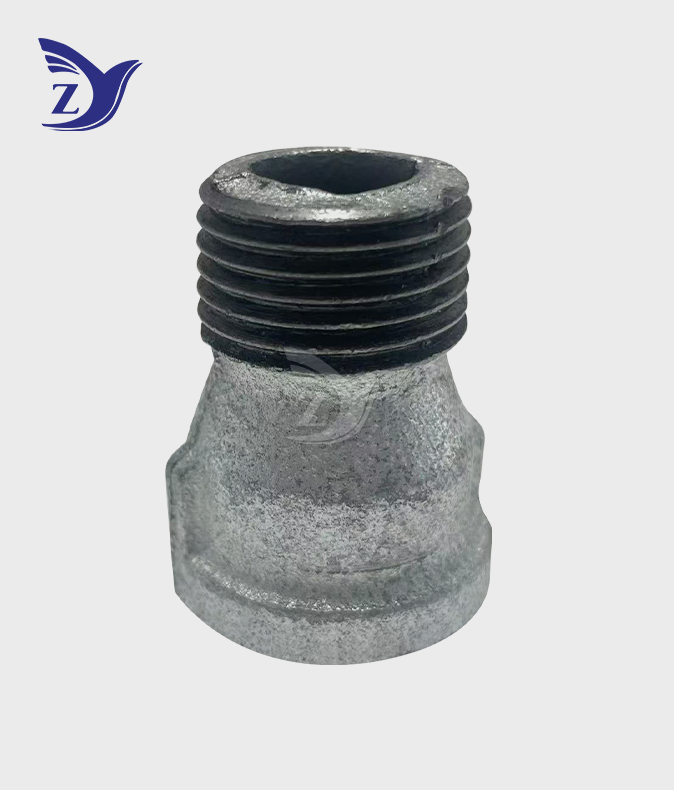
NPT Thread Square Edge Reducing Street Coupling Pipe Fittings
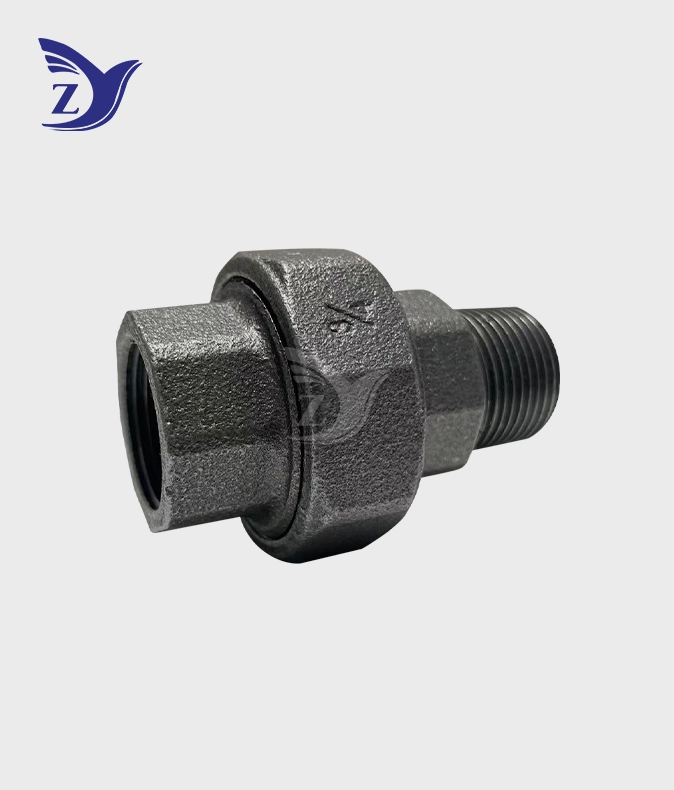
NPT Black Male-Female Union 343 Pipe Fittings
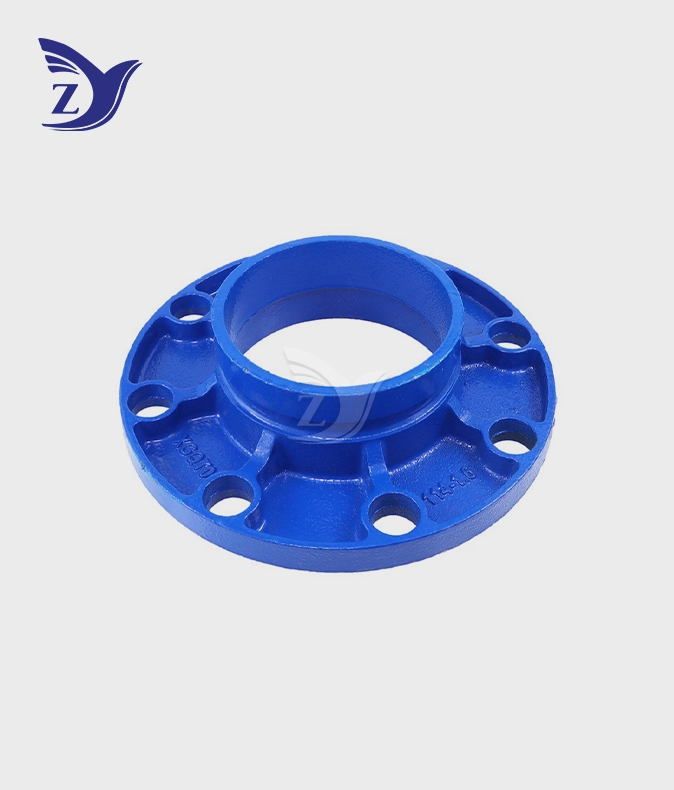
Water Grooved Flange
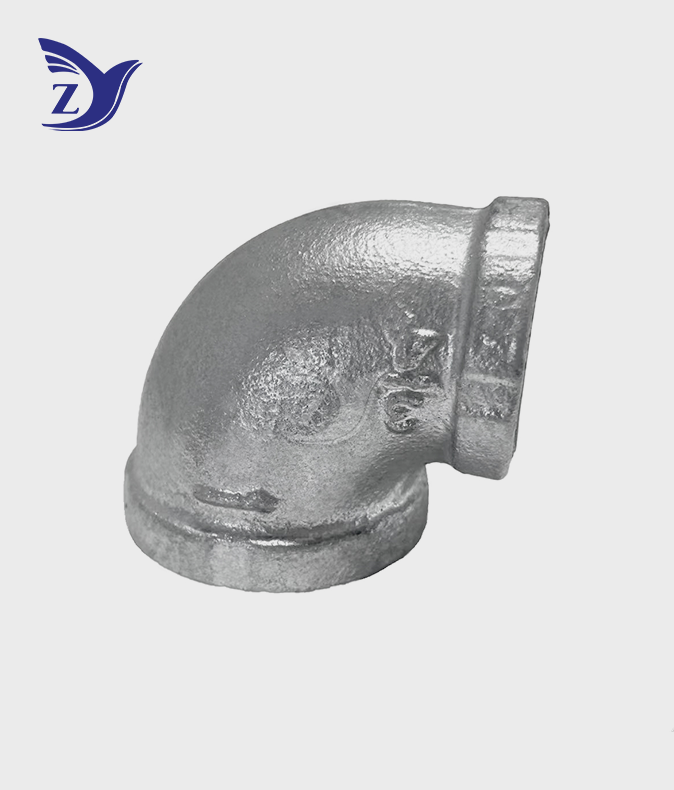
Galvanized NPT 90° Reducing Elbow
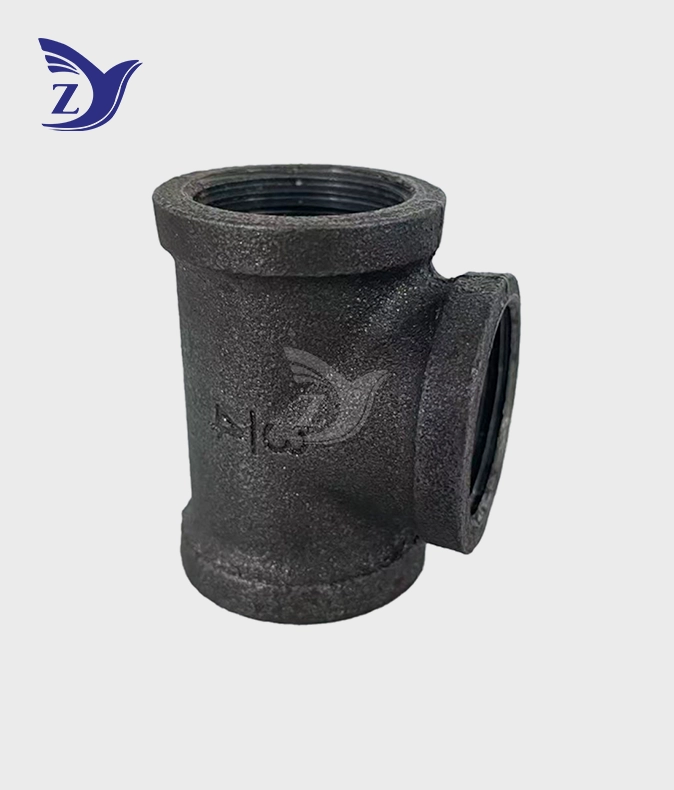
NPT Black Square Face Straight Tee Pipe Fittings