
May 27, 2026
What is the advantage of a detachable black male-female union?
If you are in charge of industrial pipe systems, you know how annoying it is when links don't work. For every fix, you have to cut, re-thread, and have expensive downtime. Those are the best places for black male-female union 331 pipe fittings. These detachable links have a simple but useful benefit: they let you connect and disconnect pipeline parts without taking whole systems apart. These unions are made from long-lasting, moldable cast iron and have precise NPT or BSPT threads. They take away the problems that come with hard installs. This means faster upkeep, lower labor costs, and great dependability under pressure for fire protection experts, city workers, and plumbing distributors alike. Inside the 331 design, there is a dual-threaded arrangement that makes leak-proof seals and lets techs remove parts quickly, instead of taking hours.
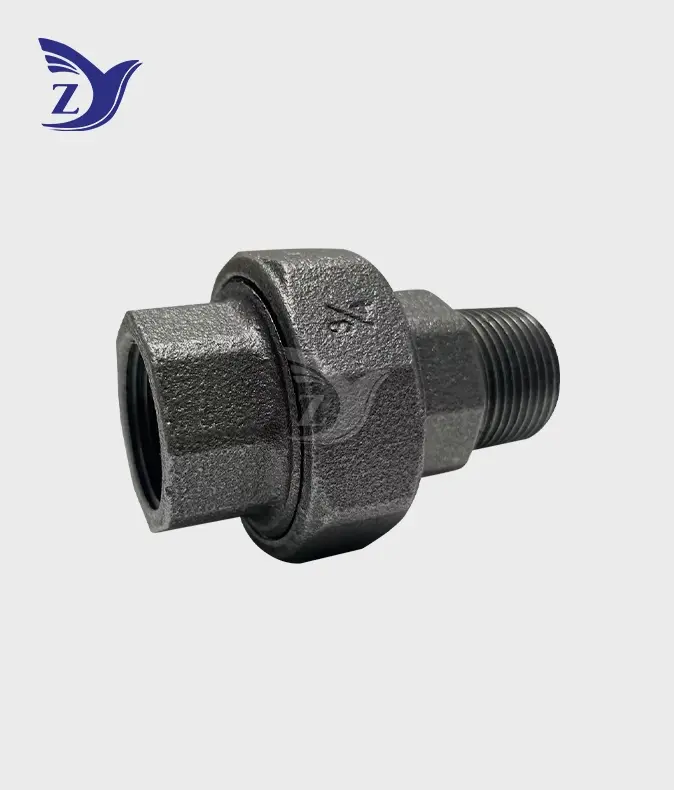
Advantages of Detachable Black Male-Female Union 331 Pipe Fittings
Black male-female union 331 pipe fittings are useful for a lot more than just being easy to use. In real life, they solve problems that fixed-connection designs keep having, in areas ranging from fire control systems to industrial process lines.
Rapid Installation Without Pipe Rotation
In the old way of joining pipes, whole black male-female union 331 pipe fittings have to be rotated to make thread connections, which is not possible when equipment is already in place or when working in a small area. The union between a man and a woman gets rid of this problem completely. The male tailpiece can be threaded into one part of the pipeline, and the female helmet can be threaded into the other section. After that, the union nut connects the two parts without having either pipe turn. This feature is very useful in pump rooms where the position of the equipment is set or in crowded mechanical areas where there isn't enough room to turn.
Compared to standard nipple-and-coupling ways, we've seen installation times cut by 40 to 60 percent. It now takes less than six minutes to make a standard 2-inch link that used to take fifteen minutes of wrench work. When you're connecting hundreds of points on a business building's fire sprinkler system, those minutes add up to a lot of time saved.
Maintenance Access and System Flexibility
Failures of equipment don't happen at handy times for upkeep. When a pump seal breaks or a valve needs to be changed, your team needs to be able to get to it right away. That's exactly what detachable unions do. By loosening the union joint, techs can disconnect the link without affecting the pipes that are further upstream or further downstream. The whole fix is done at the component level, so the whole system doesn't have to be shut down.
This modularity includes changes to the system itself. Building additions, process changes, and equipment upgrades are turned into jobs that can be handled instead of major overhauls. Being able to disconnect and re-configure without cutting or welding protects investments in current infrastructure while adapting to changing operating needs.
Long-Term Durability and Corrosion Performance
The texture of malleable iron has benefits that make it last longer in harsh settings. The nodular carbon distribution makes tiny stress release places that can handle thermal expansion and vibration without cracks spreading, which is a typical way for gray iron molds to fail. Tests done by a third party show that these unions can handle more than 100 thermal cycles between 20°C and 180°C without the sealing areas wearing down. This is very important for uses that use steam or hot water.
Even though it's not as resistant to corrosion as stainless steel, it works well enough for most commercial uses. The black finish protects for a short time, and once it's in an oil or gas system, the hydrocarbon climate stops rusting on its own. Corrosion rates stay below 0.05 mm per year in water uses, especially in closed-loop heating or chilled water systems where dissolved oxygen levels stay low. This means that corrosion doesn't happen at all over a normal 20-year service life.
Here are the real benefits that make black male-female union 331 pipe fittings stand out in business settings. The dual-threaded design speeds up installation processes and greatly reduces the amount of work that needs to be done. Technicians can separate and reach specific parts without having to go through complicated disassembly processes, which greatly reduces the amount of time the system is down for maintenance. Not only does shorter construction time save money, but so does longer service life and reusability—unions can be taken apart and put back together more than once without having to replace any parts. The ability to handle pressure meets or goes beyond what is needed for Class 150 uses. This makes sure that fire protection, HVAC, and industrial process systems are reliable. Temperature tolerance from below zero to 200°C allows for a wide range of temperatures without damaging the material. These benefits work together to solve the problems that procurement managers and project engineers have every day, resulting in measurable changes in project timelines and total costs.
Practical Guide to Procurement and Supplier Selection
Comparing prices per unit is only one part of successful shopping. The total cost of ownership includes consistent quality, on-time delivery, and assistance after the sale. These are the things that set professional sellers apart from commodity providers.
Evaluating Manufacturer Credentials
Certifications let you know if a company follows well-known quality standards. ISO 9001 approval means that there are written quality management systems in place that cover checking materials, keeping an eye on production, and doing a final review. We've had ISO 9001 approval since the beginning, and every year we get checked to make sure we're following the rules. For fire safety uses, FM approval and UL rating make sure that parts meet strict performance standards for life safety systems. Both certificates are on our product line, which gives specifiers peace of mind that it will meet code.
When projects get bigger, production ability is important. With an annual output of 30,000 tons, we are one of the bigger factories in our area and can meet large orders without missing delivery dates. The 50,000 square meters of our building are home to separate production lines for casting, heat treatment, drilling, and surface finishing. This is called "vertical integration," and it makes sure that quality control is maintained at every stage of the manufacturing process.
Ordering Considerations for B2B Buyers
Inventory tactics are affected by minimum order amounts. Our sales process is set up so that we can help both large wholesalers who want to buy whole containers and project-specific buyers who need several hundred pieces. Standard goods can be shipped in mixed-size orders as few as 500 units, but custom standards usually need at least 2,000 pieces to warrant setting up the tools.
When you send something internationally, packaging keeps it safe. Our two-layer cardboard carton method puts each black male-female union 331 pipe fitting in its own compartmented inner box and then groups these into stronger outer cartons that can be stacked six units high in containers. This method has cut down on damage claims to less than 0.2% of shipped units, which is a lot better than the industry average of 1-2%.
Lead Times and Logistics Optimization
Standard inventory items are shipped within 48 hours of a confirmed sale for buyers who already have an account. There is a better schedule for production orders. As soon as the specs are approved and deposits are received, our casting plan assigns furnace space within a week. For black unions, the whole production process takes 18 to 22 days, including casting, annealing, machining, checking, and packing. It will take five to six weeks from the time you place your order to the time it arrives if you choose special amounts. This includes seven to ten days for international shipping to major US ports.
Logistics costs per unit drop by a huge amount when you combine freight. A single 20-foot container can hold between 18 and 22 tons of fittings, based on the size distribution. Ocean freight to ports on the US East Coast costs between $2,800 and $3,500. Shipping costs about $0.15 to $0.20 per kilogram, which is a small amount compared to air freight at $4 to $6 per kilogram but needs to be planned ahead of time to fit into project plans.
Installation Best Practices and Troubleshooting Tips
Whether these parts work as well as they should in real life depends on how well they were installed. We've put together advice from thousands of setups in the field to help your teams avoid common problems.
Pre-Installation Inspection and Preparation
Look at the threads before putting them together. Check for broken threads, junk in the thread dips, or worn-out sitting surfaces. Even small flaws can make sealing less effective. Clean the thread surfaces with a wire brush to get rid of any store dust, oil waste, or surface rust. Check to see if the thread standards for the black male-female union 331 pipe fittings are the same. Using NPT and BSPT threads together can cause problems with contact and leaking.
Follow the directions on the thread sealer package to use it correctly. For gas lines, only use pipe joint compounds that have been cleared and won't break down in hydrocarbon settings. When looking at the male thread end-on, wrap the PTFE tape backward to keep it from coming off during threading. 3–4 wraps are needed for threads with a thickness of 1 inch or more. To keep the sealer from getting into the system, don't cover the first thread.
Assembly Procedures and Torque Specifications
Put the male endpiece into the pipeline section and tighten it by hand. Then use a wrench to apply pressure. Final torque should be 25 to 35 ft-lbs for 1/2-inch to 1-inch sizes, 40 to 55 ft-lbs for 1-1/4-inch to 2-inch sizes, and 60 to 80 ft-lbs for bigger widths. These numbers make thread interference good enough without putting the material at risk of distortion. Do it again for the female helmet in the tunnel that is opposite it.
Align the black male-female union 331 pipe fitting seats on both pipe pieces so that there is only a small gap between them. Engage several threads on the union nut before adding force to the male tailpiece. Tighten the nut by hand until it touches the female cap, then use a wrench to apply pressure. As you tighten the nut, the resistance should slowly rise. Any sudden changes in resistance could mean cross-threading or interference from debris. Back off right away and look into it.
Leak Detection and Resolution Strategies
After the work is done, do a pressure test. For water systems, put 150% of the normal working pressure on them for 30 minutes and look at all of the joints. For gas systems, the soap solution has to be tested at full pressure while bubbles are being watched for. Small leaks at the union seat can usually be fixed by tightening the nut even more, quarter-turn at a time, until the leak stops. Constant leaking could mean that the sitting areas are broken or that the sealant wasn't applied properly.
Seat leaks and thread leaks look different. Take the black male-female union 331 pipe fitting apart fully, check the threads again for damage, replace a lot of sealant, and put it back together making sure to use the right torque values. If the leak keeps happening, the part may have been made wrong and needs to be replaced. We offer a flaw repair policy that covers both material and workmanship problems. This way, we can make sure that your projects don't get held up by the occasional substandard part.
Conclusion
There are practical benefits to detachable black male-female union 331 pipe fittings that directly lead to lower costs and higher system stability. The precision-threaded, malleable iron construction makes links that are strong enough to survive the high temperatures and pressures of industry while still allowing for quick assembly and removal. Compared to other types of materials and designs, these fittings provide the best performance and value for money in fire protection, HVAC, city water, and industrial process uses. When you buy from certified makers with proven production capacity, you can be sure that the quality will be stable and meet the needs of the project and the code. For an installation to go well, you need to follow standard methods for thread preparation, applying sealant, and applying pressure. These unions have been used for decades in a wide range of industrial settings and have been proven to work well. They are a reliable solution for procurement managers and project engineers who want parts that are easy to install and don't need much upkeep over time.
FAQ
What distinguishes a union from a coupling in pipe fittings?
When you connect two pipes with the same thread type, you have to turn both pipes around. Unions are made up of three parts, and they have a nut that holds the male and female parts together without the pipe rotating. This makes it possible to place them in fixed areas and disconnect them for repair.
Can black malleable iron unions be used in potable water systems?
Because the coating on the surface of black malleable iron is not approved, it is not allowed to come into direct touch with drinkable water in most places. These fittings can be used for closed-loop heating systems, fire suppression systems that use drinkable water, and industrial water uses that don't use potable water. Materials that are steel or NSF-certified must be used to distribute drinking water.
How do I ensure compatibility between different manufacturers' components?
Standardized threads make it possible for quality makers who follow ASME or ISO standards to use the same basic parts. But the size of the seat and the threads on the union nut can be a little different. When putting together parts from different makers in one union assembly, make sure that the sizes are compatible or get all the unions from the same seller to make sure they fit well and seal well.
Partner with Zhiyuan Malleable Steel for Reliable Union Solutions
Since 2006, Zhiyuan Malleable Steel has been making industrial-grade black male-female union 331 pipe fittings for fire protection contractors, city engineers, and plumbing wholesalers around the world. Our plant in Shanxi Province is ISO 9001-certified and has eight medium-frequency furnaces and two 100-ton annealing kilns. It makes 30,000 tons of products every year that meet more than 1,000 different standards. We keep a lot of standard sizes in stock so that they can be delivered right away or within 48 hours. Our OEM services can also handle custom specs for orders that meet minimum amounts. Before being sent to your project site, each fitting is put through pressure tests and measurement checks. Our special double-layer packing also makes sure that none of the parts get damaged in transit. As a reliable provider of black male-female union 331 pipe fittings, we stand behind our goods with guarantees that they will be replaced if they are defective and offer technical help throughout the whole process of buying them. To get quotes, detailed models, or sample evaluation units, email our team at q1236800000@gmail.com. Visit zymalleablepipefitting.com to see all of our products and learn how our production benefits can help your project succeed.
References
- American Society of Mechanical Engineers. (2021). ASME B16.3: Malleable Iron Threaded Fittings - Classes 150 and 300. ASME Standards Collection.
- ASTM International. (2019). ASTM A197/A197M: Standard Specification for Cupola Malleable Iron. ASTM Volume 01.02 Ferrous Castings.
- International Organization for Standardization. (2020). ISO 5922: Malleable Cast Iron - Material Properties and Testing Methods. ISO Technical Committee 25.
- Smith, J.R., & Thompson, K.L. (2018). Industrial Piping Systems: Design, Installation, and Maintenance Practices. McGraw-Hill Professional Engineering.
- National Fire Protection Association. (2022). NFPA 13: Standard for the Installation of Sprinkler Systems - Pipe and Fitting Requirements. NFPA Codes and Standards.
- Henderson, M.P. (2020). Malleable Iron Metallurgy: From White Iron to Ductile Structures. Materials Science Quarterly, Volume 47, Issue 3, pp. 215-234.
Online Message
YOU MAY LIKE
High quality furniture manufacturer
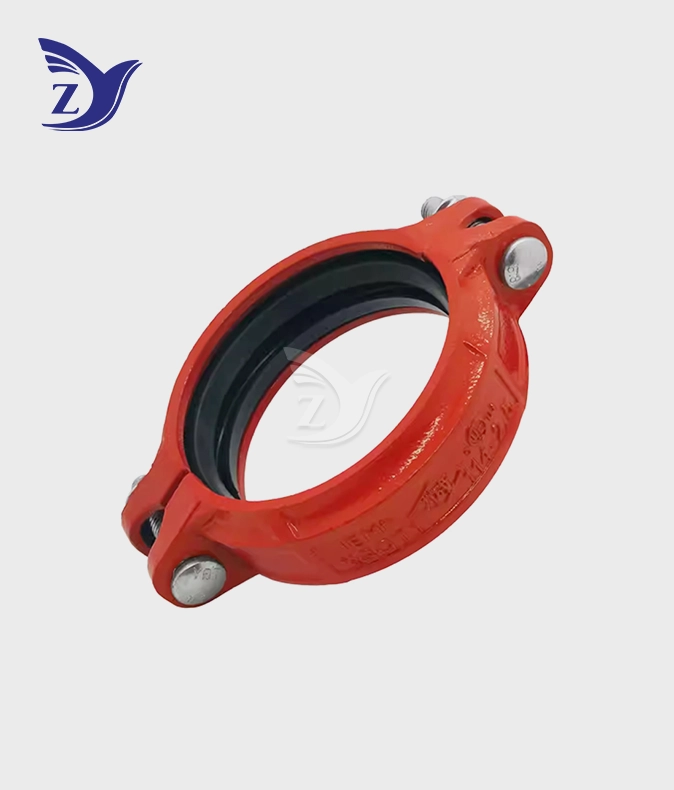
Fire Grooved Clamp
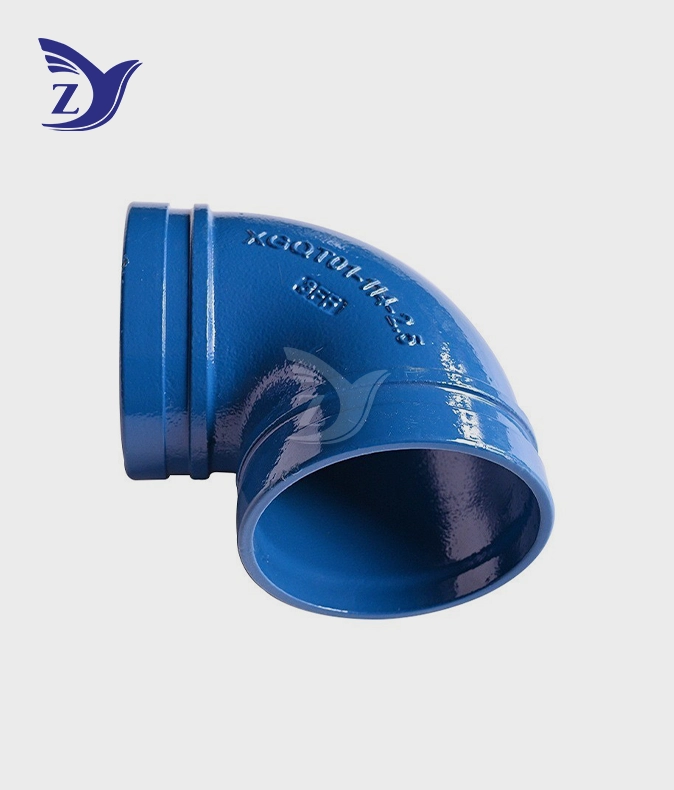
Water Grooved 90° Elbow
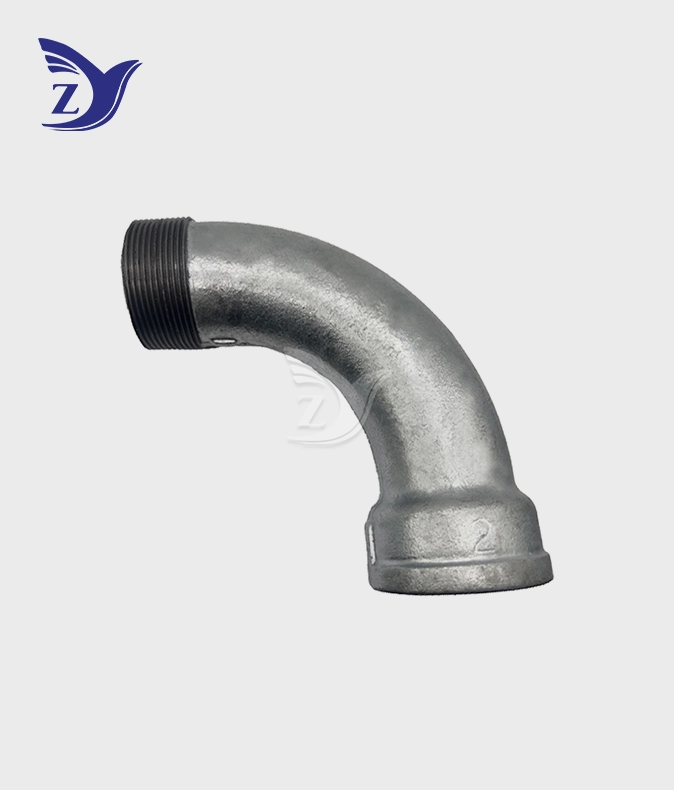
BSPT Galvanized Male Female 90° Long Radius Elbow Pipe Fittings
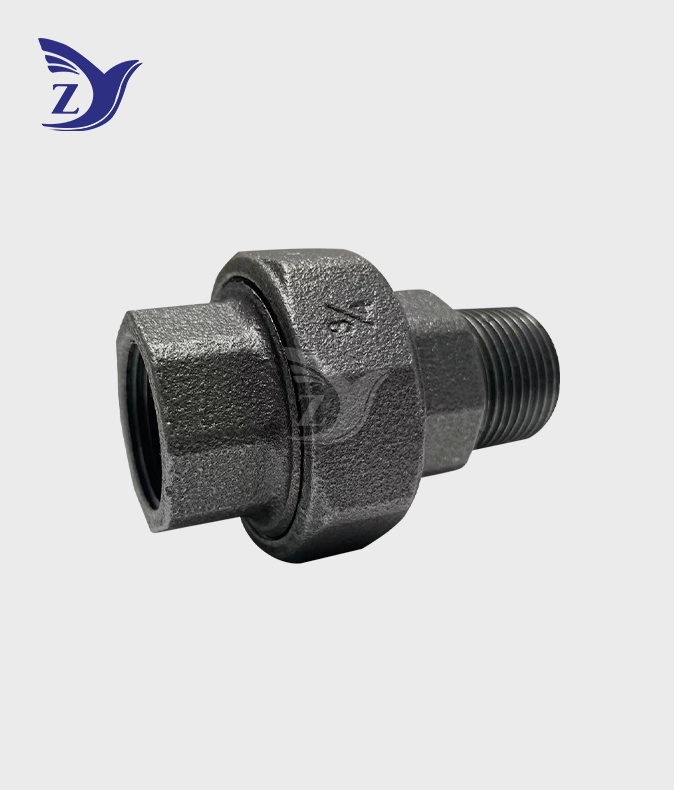
NPT Black Male-Female Union 341 Pipe Fittings
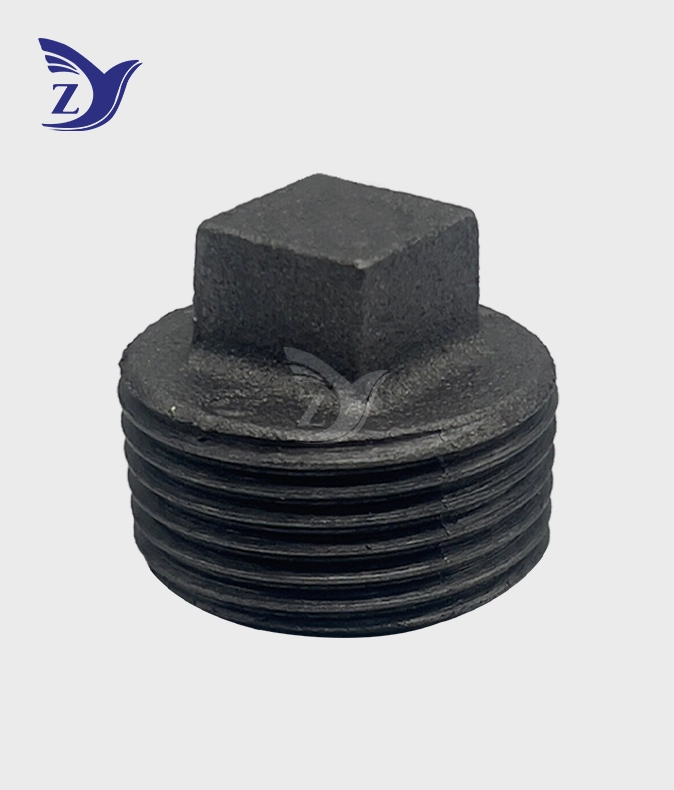
NPT. Black Flangeless Plug Pipe Fittings
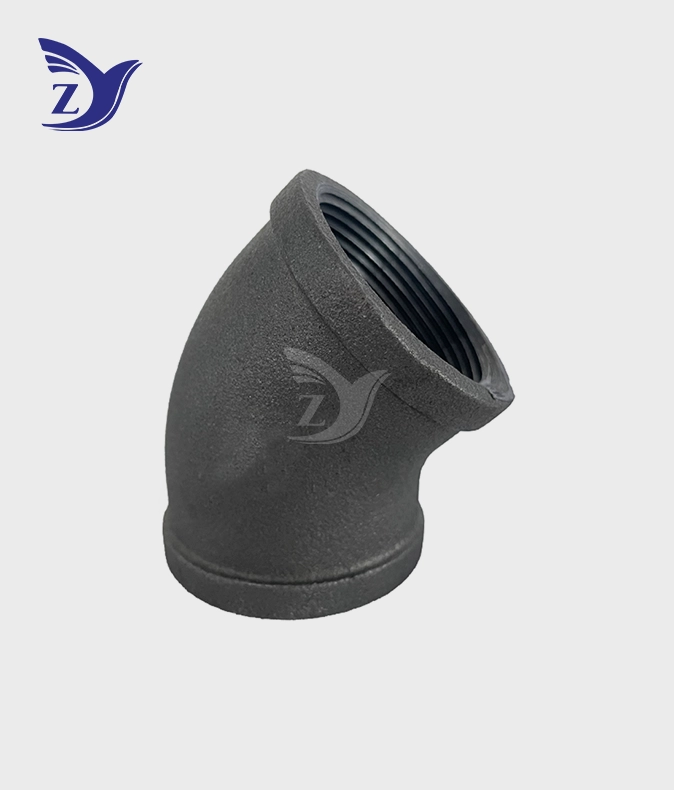
BSPT Black Square Face 45° Elbow Pipe Fittings
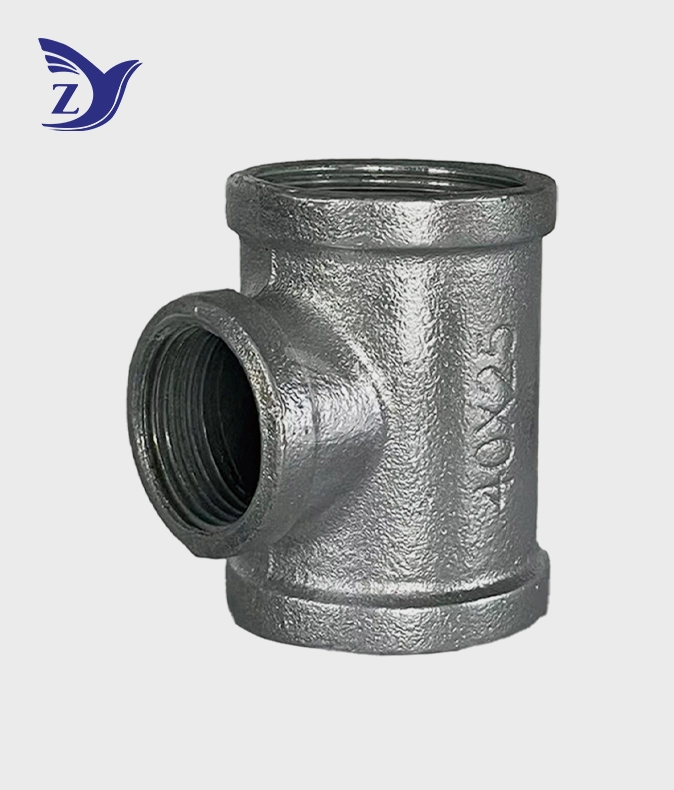
NPT Square Face Galvanized Square Edge Reducing Tee Pipe Fittings
Water Grooved Blind Flange