
Apr 24, 2026
What is a union elbow?
Specialized pipe fittings like union elbows combine the flexibility of a regular elbow with the portability of a union junction, making them ideal for situations where you need to change directions often. Connecting pipes at a right angle is now possible with this ingenious fitting, which also lets you remove the junction for servicing without having to cut or weld the pipeline. Galvanized union elbow threaded pipe fittings with male and female ends are ideal for industrial applications that need regular access for maintenance and system adjustments. These fittings differ from conventional elbows in that they have threads on both ends and a detachable union nut.
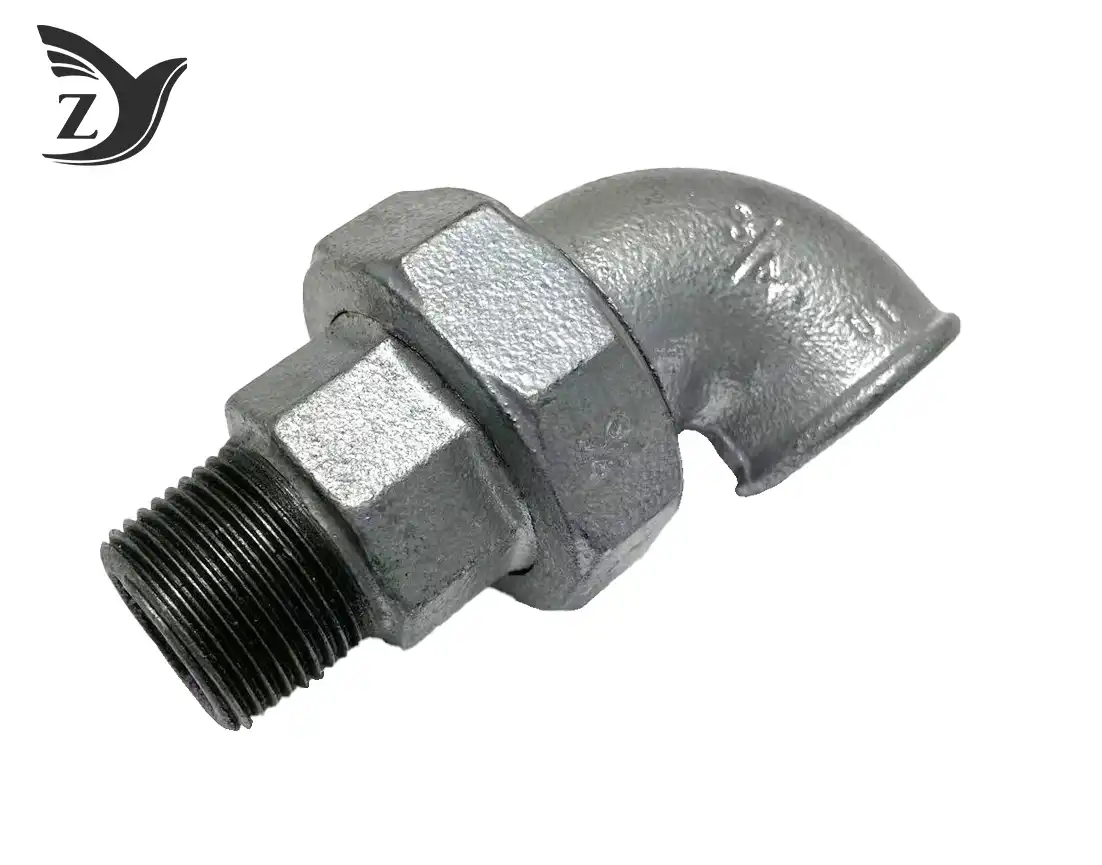
Union Elbows – Definition and Core Functionality
Modern plumbing systems have major issues with regard to accessibility and maintenance efficiency, which are addressed by the technical design of union elbows. These fixtures include three separate mechanical components that, when combined, provide top-notch performance in harsh industrial settings.
Advanced Mechanical Design and Flow Characteristics
It is possible to connect union elbows directly to equipment ports thanks to their dual-threaded design, eliminating the need for intermediary nipples and other fittings. Through meticulous engineering of the interior channels, this simplified design minimizes possible places of leakage while preserving the best possible flow characteristics. Fluids are able to move smoothly thanks to the geometry's 90-degree bend, which reduces the likelihood of inefficiencies caused by turbulence and pressure drop.
Typically made from blackheart malleable iron that meets ASTM A197 specifications, modern galvanized union elbow threaded pipe fittings with male and female ends use sophisticated metallurgy. This material choice combines high ductility with outstanding tensile strength (over 40,000 psi), making it suitable for use in industrial settings where heat shock cycles and installation torque are frequent.
Pressure Handling and Sealing Technology
For hermetic sealing in liquid applications, the union mechanism uses precision-machined seating surfaces that can sustain pressures up to PN25 (25 Bar), and in saturated steam systems, Class 150 (150 PSI). Thread flank interference promotes mechanical sealing via tapered thread profiles, such as NPT (1:16 ratio) or BSPT (55-degree Whitworth), which eliminates the need for extra sealants in many applications.
When conventional threaded connections are likely to deteriorate with time, this sealing technique comes in handy for applications that involve numerous disconnection cycles. Even after being assembled and disassembled several times, the union seat design—which often has contact surfaces made of brass to iron or precision-machined iron to iron—maintains its sealing integrity.
Key Specifications and Dimensions of Union Elbows
It is crucial to have a thorough grasp of dimensional requirements, material qualities, and performance parameters when choosing the right union elbows. These factors have a direct bearing on the operational safety and dependability of the system.
Threading Standards and Compatibility
These galvanized union elbow threaded pipe fittings are designed to meet the needs of a wide range of industries throughout the world. They come with male and female ends and are compatible with both the National Pipe Thread (NPT) and the British Standard Pipe Thread (BSPT). BSPT threads have a 55-degree Whitworth profile, while NPT threads have a 1:16 taper ratio and a thread angle of 60 degrees. Because mixing thread standards leads to connection failure and system leakage, it is critical for procurement experts to understand these distinctions.
The male-female arrangement makes installation easier in tight locations and reduces total fitting length by eliminating the requirement for near nipples in many installations. More extensive bespoke sizes are possible via specialized manufacturing methods, although standard sizes usually range from 1/8 inch to 4 inches.
Material Properties and Corrosion Protection
The zinc coating thickness of hot-dip galvanized products averages 86 microns (500g/m²), which is better than electro-galvanized ones when it comes to corrosion prevention. Marine, chemical processing, and outdoor applications are just a few examples of the harsh conditions that may be extended by this metallurgical bonding method, which offers barrier protection and cathodic sacrifice mechanisms.
To guarantee uniform coating quality and thickness distribution over intricate fitting geometries, the galvanization process follows ASTM A153 and EN 10242 requirements. Applications requiring soil contact, exposure to dampness, or handling caustic fluids greatly benefit from this protection.
Comparison and Selection Guide – Choosing the Right Union Elbow
It is important to thoroughly assess the application requirements, environmental circumstances, and maintenance accessibility demands before making procurement selections for union elbow fittings. Optimal performance and starting cost may be achieved by making an educated decision based on knowledge of the benefits and drawbacks of various fitting types.
Union Elbows vs. Standard Elbows
Welding or threading standard elbows into predetermined pipeline designs is the only permanent installation method. Cutting procedures are required for maintenance access or system adjustments due to these connections, despite the outstanding structural stability they offer. Union elbows overcome this restriction by including detachable union nuts that enable total disengagement without affecting nearby pipes.
In comparison to welded connections, there are more potential leak pathways and a little higher initial cost. In applications that need equipment servicing on a regular basis, seasonal shutdowns, or frequent system reconfiguration, the maintenance benefits usually outweigh the expenditure.
Material Selection Considerations
When it comes to basic industrial applications, malleable iron union elbows give great strength-to-cost ratios. On the other hand, stainless steel versions provide greater corrosion resistance, making them ideal for chemical processing and food-grade applications. Because of its anti-seize and natural corrosion resistance, brass union elbows are ideal for maritime conditions and applications that need frequent disconnection.
Considerations of temperature also play a role in material selection; for example, specialist high-temperature alloys are available for very hot conditions, while malleable iron is appropriate for uses up to 650°F (343°C). Optimizing total cost of ownership requires procurement specialists to balance material cost against application needs.
Where and How to Buy Union Elbows?
Knowing the capabilities of suppliers, certification criteria, and quality assurance methods is crucial for successful procurement of industrial-grade galvanized union elbow threaded pipe fittings with male and female ends. These components must reliably operate in essential applications.
Supplier Evaluation and Quality Assurance
The best manufacturers have thorough quality management systems that follow the guidelines set forth by ISO 9001. Some of these systems also have further certifications, like UL, FM, or CE marking, to meet the special demands of different markets. For applications that are subject to regulatory scrutiny or insurance requirements, it is vital to verify these certificates.
Project timeframes are greatly affected by production capacity and inventory management skills. This is especially true for large-scale installations that need coordinated delivery dates. Major benefits accrue to maintenance operations and emergency repairs when suppliers provide standard product delivery within hours instead of weeks.
Customization and OEM Capabilities
Applications that need non-standard specifications, such as customized threading, unique materials, or altered geometries, are better served by vendors who provide ODM/OEM services. Being able to provide technical assistance throughout the formulation of specifications is crucial for making sure that difficult applications have the best possible fit.
Ensuring quality in packing and delivery goes beyond only the original production process. Efficient inventory management is made possible for both distributors and end users with the help of double-layer cardboard packaging solutions, which protect galvanized surfaces during transit and include ordered labeling.
Partner with Zhiyuan Malleable Steel for Premium Union Elbow Solutions
Zhiyuan Malleable Steel brings over 18 years of specialized manufacturing expertise to global B2B customers seeking reliable union elbow solutions. Our comprehensive product portfolio includes NPT/BSPT compatible fittings manufactured from high-grade malleable iron with precision hot-dip galvanization processes. With annual production capacity of 30,000 tons and over 1,000 product specifications, we serve as your trusted galvanized union elbow threaded pipe fittings with male and female ends supplier for projects ranging from fire protection systems to industrial process piping. Our ISO 9001 certified facilities ensure consistent quality, while our standard product inventory enables delivery within two hours for urgent requirements. Contact our technical team at q1236800000@gmail.com to discuss your specific application requirements and discover how our proven track record in serving fire protection, construction, and industrial customers can support your project success.
Conclusion
Modern industrial piping systems would not be complete without union elbows, which provide a remarkable combination of directional change capability and maintenance accessibility. These fittings, which may be found in galvanized union elbow threaded pipe fittings with male and female ends, are indispensable. For uses that need regular disconnection, system changes, or access to equipment servicing, their specific design provides crucial solutions. Optimal system performance, reduced maintenance costs, and long-term dependability may be achieved by engineers and procurement experts who have a firm grasp of the technical specifications, installation requirements, and procurement concerns detailed in this book. Spending money on certified union elbows pays off in the long run with less downtime, easier maintenance procedures, and more system flexibility for all sorts of industrial uses.
FAQ
What is the difference between NPT and BSPT union elbows?
NPT union elbows feature 60-degree thread angles with 1:16 taper ratios, designed for North American plumbing standards. BSPT elbows utilize 55-degree Whitworth thread profiles conforming to British and European standards. These threading systems are not interchangeable, and mixing them results in thread damage and guaranteed leakage. Always verify equipment thread specifications before procurement.
Can union elbows handle high-pressure steam applications?
Quality malleable iron union elbows typically handle pressures up to Class 150 (150 PSI) for saturated steam applications, with higher ratings available for specialized designs. The union seat material significantly impacts steam performance, with brass seats preferred over iron seats due to superior sealing characteristics and resistance to seizure under thermal cycling conditions.
How often should union elbow connections be inspected?
Industrial applications typically require quarterly visual inspections for corrosion, thread damage, or coating deterioration. Union connections may require retightening annually or after significant thermal cycling events. Applications involving frequent disconnection need inspection after each assembly cycle to ensure thread integrity and proper torque application.
What causes union elbow leakage and how can it be prevented?
Common leakage causes include improper thread engagement, damaged union seats, incorrect torque application, or mixing incompatible thread standards. Prevention involves proper thread preparation, appropriate sealant application, adherence to specified torque values, and regular inspection schedules. Quality fittings from certified manufacturers significantly reduce leakage potential compared to inferior alternatives.
Are galvanized union elbows suitable for potable water systems?
While galvanization prevents rust formation, potable water applications require lead-free materials typically containing less than 0.25% lead content to meet NSF/ANSI 61 standards. Standard industrial malleable iron may exceed these limits without specific certification. Verify lead content certification before specifying union elbows for drinking water applications.
What is the advantage of male-female union elbows over female-female designs?
Male-female configurations eliminate the need for intermediate close nipples, reducing overall connection length and potential leak points. This design proves particularly valuable in confined installation spaces where standard female-female unions with nipples cannot accommodate tool access or spatial constraints.
References
1. American Society for Testing and Materials. "Standard Specification for Cupola Malleable Iron Castings." ASTM A197-87, 2019.
2. International Organization for Standardization. "Pipe threads where pressure-tight joints are made on the threads - Part 1: Dimensions, tolerances and designation." ISO 7-1:1994.
3. American National Standards Institute. "Cast Iron Threaded Fittings, Classes 125 and 250." ANSI/ASME B16.4-2016.
4. British Standards Institution. "Threading of pipes and fittings where pressure-tight joints are made on the threads (metric dimensions) - Part 1: Taper external threads and parallel internal threads." BS EN 10226-1:2004.
5. American Society of Mechanical Engineers. "Pipe Flanges and Flanged Fittings: NPS 1/2 through NPS 24 Metric/Inch Standard." ASME B16.5-2017.
6. National Sanitation Foundation International. "Drinking Water System Components - Health Effects." NSF/ANSI Standard 61-2020.
Online Message
YOU MAY LIKE
High quality furniture manufacturer
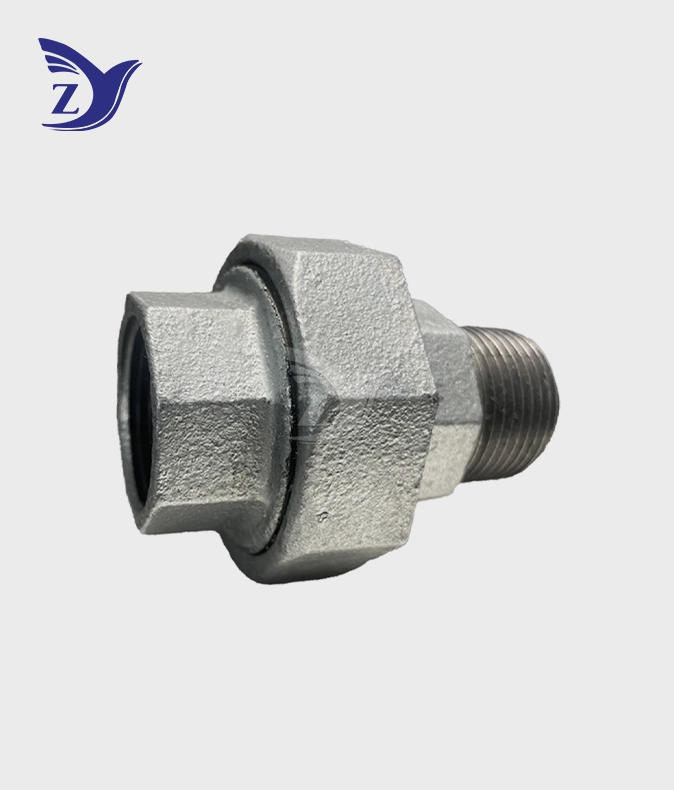
NPT Galvanized Male Female Threaded Union 331 Pipe Fittings
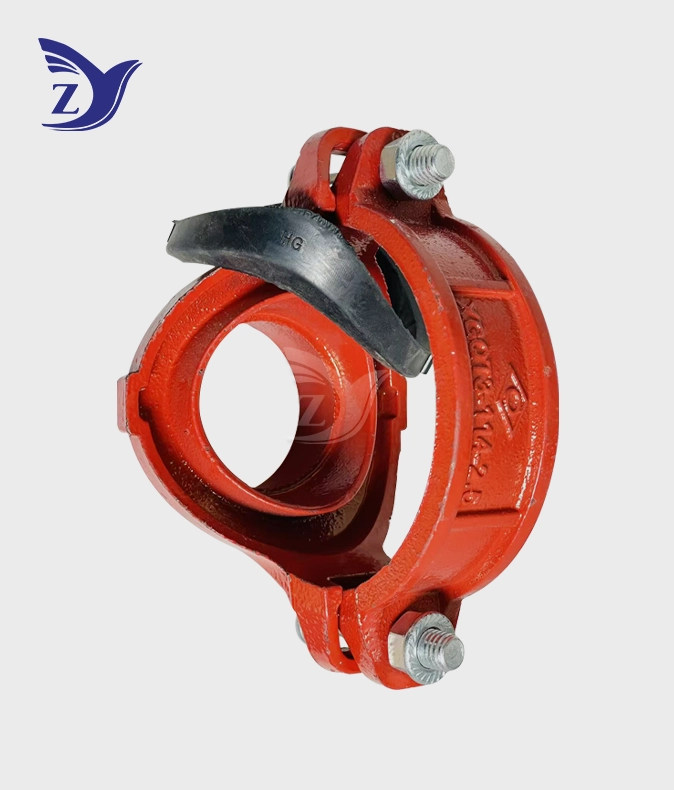
Fire Grooved Mechanical Tee
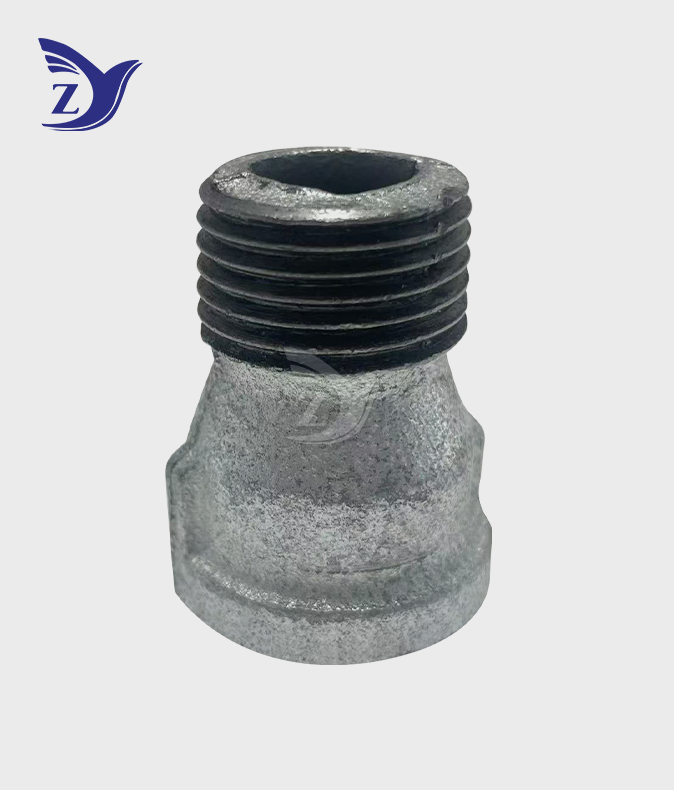
NPT Thread Square Edge Reducing Street Coupling Pipe Fittings
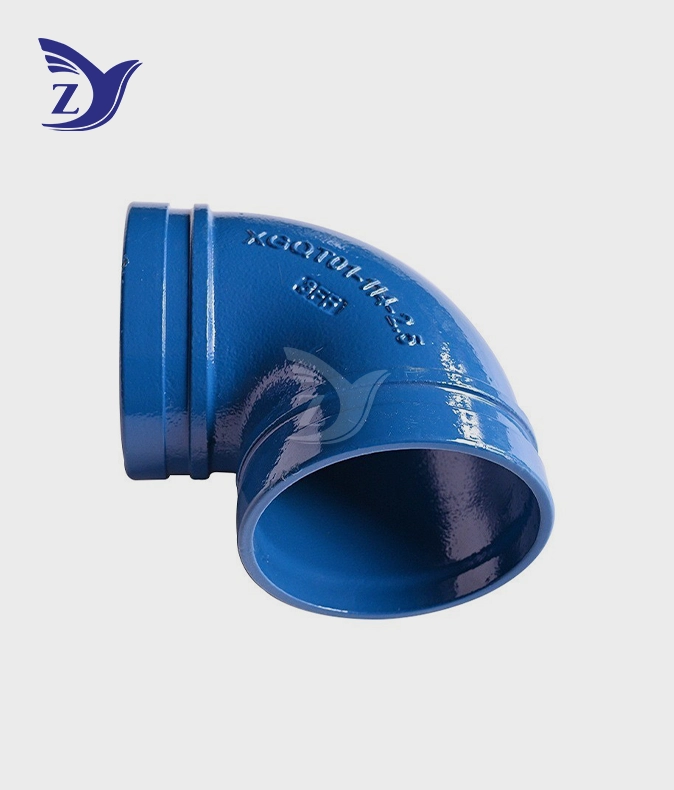
Water Grooved 90° Elbow
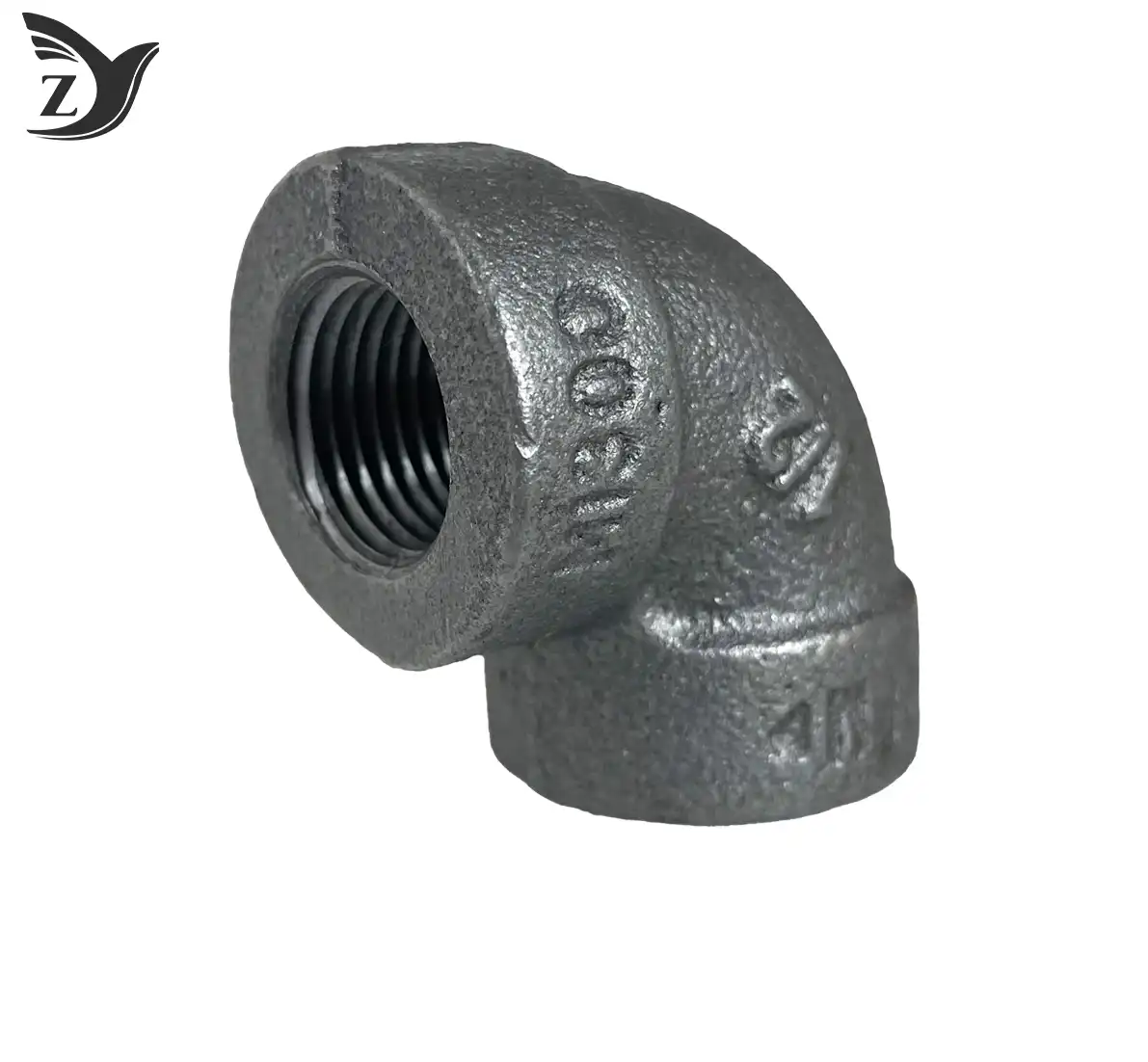
300LB Black Malleable Iron 90 Degree Elbow Pipe Fitting
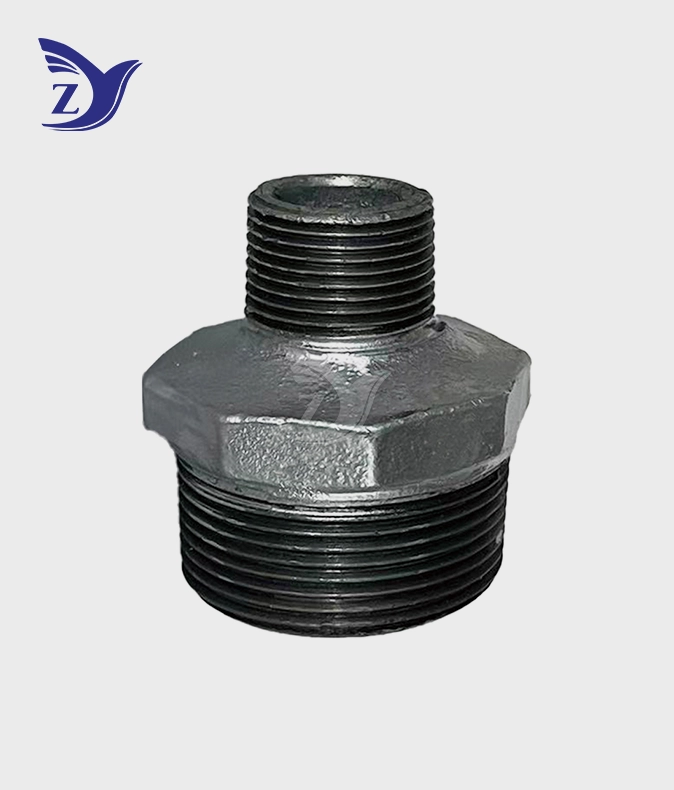
NPT Galvanized Reducing Male Nipple Pipe Fittings
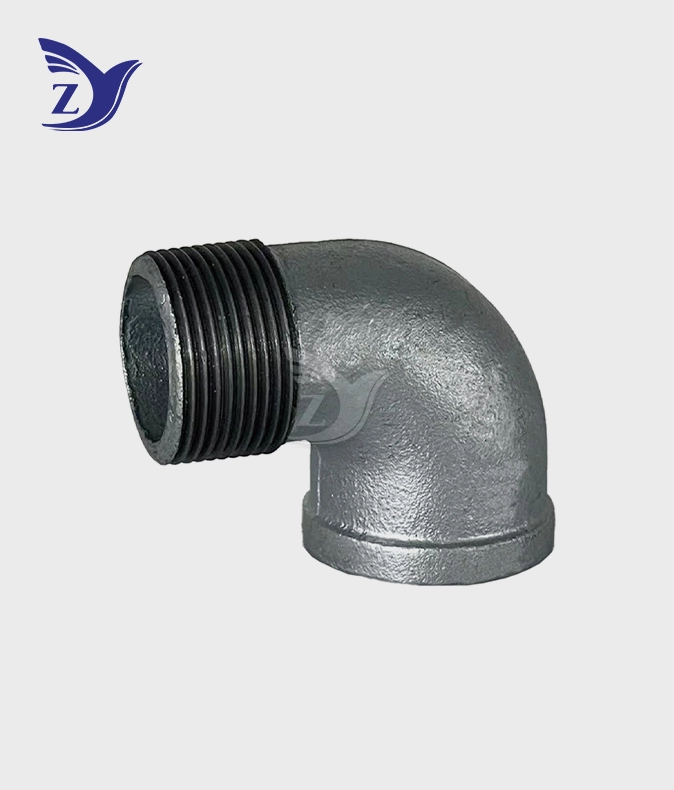
NPT Square Face Galvanized 90° Male Female Threaded Elbow Pipe Fittings
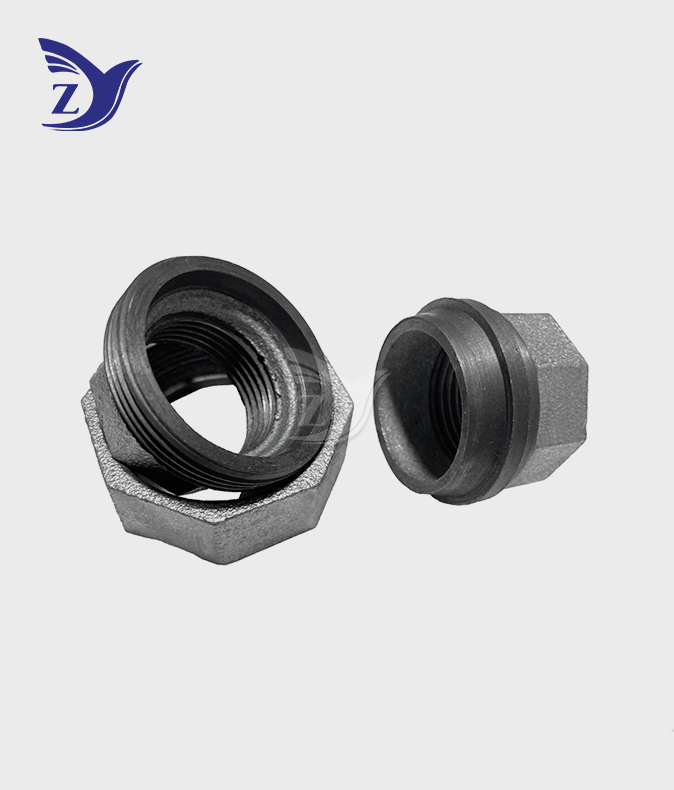
NPT Galvanized Union 340 Pipe Fittings