
Apr 22, 2026
What is a straight tee?
When all three holes in a straight tee have the same nominal pipe size, it allows for the creation of perpendicular connections in a pipeline system. This crucial part allows the fluid to be distributed at right angles while maintaining constant flow characteristics all the way through the main run. Straight tees are superior than decreasing variations in situations when consistent pressure distribution and low turbulence are required. This is due to their equal-diameter construction. Industrial pipe networks rely on these T-shaped fittings as key junction locations because they allow for efficient branching without sacrificing system integrity or flow performance.
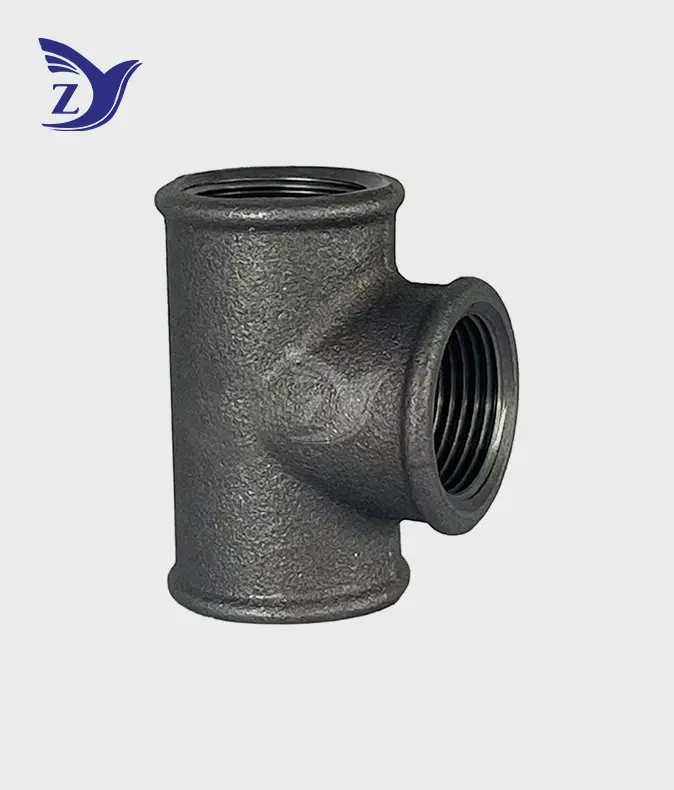
Understanding Straight Tee Pipe Fittings
Specialized connections are essential to the efficient functioning of pipeline systems, and one of the most basic components of contemporary piping infrastructure is the straight tee fitting. Unlike elbows, wyes, or crosses, which have various directional uses, these three-outlet fittings are great for generating perpendicular connections while keeping the main run continuous.
Equal tees are necessary in situations where preserving hydraulic efficiency is of the utmost importance since their design philosophy promotes minimum flow turbulence and pressure loss. Straight tees maintain the original pipe diameter throughout all three outputs, guaranteeing consistent distribution parameters, in contrast to decreasing tees that alter flow characteristics.
Material Variations and Applications
A wide variety of materials are required for industrial applications in order to meet the unique operating and environmental demands of each application. Water and gas distribution systems benefit greatly from the long-lasting resilience of malleable iron straight tees, especially those with hot-dipped galvanized coatings. The round-edge designs and precision-threaded NPT/BSPT connections of these corrosion-resistant fittings improve their sealing capabilities.
Stainless steel varieties are ideal for uses involving high temperatures and corrosion, while PVC alternatives are good for installations that are lightweight and cost-conscious. When it comes to heating applications, brass fittings are great, and when it comes to potable water systems, copper alternatives are antibacterial.
Pressure Ratings and Size Classifications
Whether it's low pressure in a home or high pressure in an industrial setting, modern straight tee fittings can handle it all. Depending on the wall thickness and material requirements, the standard pressure ratings range from 150 PSI for basic plumbing to 3000 PSI for specialist industrial applications.
There is a wide range of sizes available, from 1/8 inch to 12 inches in diameter, with the opportunity for bigger bespoke diameters for specific uses. By keeping connection protocols consistent over a wide range of sizes, we can guarantee compatibility with a variety of pipeline networks.
How to Select the Right Straight Tee Fitting for Your Project?
To ensure the system's performance and lifespan, it is necessary to carefully consider a wide range of technical and operational aspects while choosing pipe fittings. The most important thing is to make sure the materials are compatible. The fitting has to be able to handle the chemical qualities, temperature range, and pressure characteristics of the medium being transported without any problems.
Environmental Assessment and Material Selection
Materials with exceptional chemical resistance are required for chemical processing applications, especially in areas prone to corrosion. Stainless steel and other specialist alloys are ideal choices in this regard. Malleable iron fittings coated with galvanized iron provide long-term corrosion protection at a reasonable cost, which is useful for gas and water distribution systems.
Extreme circumstances need fittings that can sustain structural integrity throughout a wide range of operating temperatures, so temperature is a major factor in material selection. While stainless steel and specialist alloy compositions are often required for high-temperature applications, alternatives such as malleable iron and brass may be used for ordinary temperature ranges.
Sizing and Pressure Requirements
For best hydraulic performance and a snug fit into preexisting pipeline networks, precise sizing is essential. For smooth integration with existing components, engineers must take into account both the nominal pipe size and the individual threading standards (metric, BSPT, or NPT).
Water hammer and thermal expansion strains are examples of dynamic circumstances that must be considered in pressure calculations. In order to guarantee dependable long-term performance, safety considerations usually necessitate the use of fittings with ratings much higher than average operating pressures.
Comparing Design Options
Application needs and available space dictate the best fitting—straight tees or something else entirely. A wye offers smooth flow transitions that reduce pressure losses in specific arrangements, whereas an elbow redirects flow via single direction changes.
While four-way connections are made possible with cross fittings, the installation processes and flow dynamics are made more complicated. Lateral tees, which provide 45-degree connection angles to meet certain design needs, are useful in situations when regular 90-degree branches are insufficient.
Installation and Measurement Guide for Straight Tee Fittings
Following the correct installation methods is crucial for achieving maximum performance and avoiding expensive system failures that might jeopardize safety and interrupt operations. Accurate measuring is essential for a successful fitting installation and calls for consistent procedures and precision instruments.
Dimensional Specifications and Measurement Techniques
Important dimensions include thread engagement needs, total length, and run and branch connection center-to-end lengths. To guarantee a perfect fit, a professional installer needs precise measurement instruments including thread gauges, calipers, and alignment devices.
To avoid problems with installation and any leaks, thread compatibility testing is performed. It is crucial to correctly identify NPT and BSPT threads since their specifications call for distinct sealing techniques and engagement depths.
Installation Procedures and Safety Protocols
To avoid any unintentional pressurization during the installation process, it is essential to depressurize the system completely and follow the correct lockout/tagout protocols. After cleaning and inspecting the threads for damage, the next step is to apply the thread sealants or tape that are specifically designed for that use.
Applying the correct amount of torque prevents the fitting or associated pipes from being overstressed, ensuring sufficient sealing. Excessive torque may damage threads or break fittings, reducing their long-term durability, while under-tightening can lead to leakage.
Maintenance and Troubleshooting
Scheduling inspections at regular intervals helps find problems before they become catastrophic. In order to spot impending issues, visually inspect for corrosion, thread damage, or misalignment.
Mistakes in thread engagement, sealant application, and cross-threading are common installation mistakes. When operators are aware of these potential problems, they may take steps to avoid them and keep the system running smoothly.
Where and How to Procure Straight Tee Pipe Fittings?
The dependability of the system in the long run, the timeliness of its completion, and the budget all take strategic purchasing choices into account. In order to maximize buying strategies and efficiently manage risk, procurement managers must have a good grasp of the various sourcing channels and supplier assessment criteria.
Procurement Channel Analysis
Buyers are able to evaluate choices quickly via digital marketplaces, which allow easy access to several providers with transparent pricing. To make shopping on these platforms even easier, they often provide comprehensive product descriptions, reviews written by actual customers, and the ability to monitor the arrival of your order.
Having a direct connection with a supplier allows you to take advantage of their customization options, technical assistance, and bulk discounting. Major projects often get technical support, bespoke production, and specialized account management from established vendors.
Distributors operating at the wholesale level mediate between producers and consumers by means of local inventories, expedited shipping, and customizable minimum orders. In addition to knowing the ins and outs of the local code, regional distributors are a great resource for application-specific technical advice.
Supplier Evaluation and Quality Assurance
Several certification standards provide objective assessments of supplier quality management and product conformance; they include FM, CE, UL, and ISO 9001. These seals of approval attest to the fact that the product has been rigorously tested and meets all of the requirements for quality control and production.
You can tell a lot about a supplier's dependability and service quality by looking at their comments and the reputation in the industry. Consistent product quality, dependable delivery performance, and rapid technical assistance are typically the determinants of long-term client relationships.
Important safeguards against product failures and manufacturing flaws are the conditions of the warranty and the rules for defect replacement. The provider's faith in the product's quality is shown by the extensive warranty coverage, which also serves to mitigate customer risk.
Pricing Strategies and Volume Considerations
Premium materials and particular sizes fetch greater prices, as do dimensional standards and material quality. Having a grasp of these connections allows purchasers to enhance specifications while preserving necessary performance attributes.
The economies of scale make bulk purchases more cost-effective, but it is important to plan ahead for demand and keep track of inventories to prevent spending too much. Preferred pricing and priority scheduling for deliveries are often made possible with volume commitments.
Lower transportation costs, quicker delivery times, and better supplier relationship management are some of the benefits of regional sourcing. Additionally, providers in your area may be better able to meet your technical support needs and comprehend the specific code requirements in your area.
Conclusion
To provide uniform flow characteristics throughout pipeline networks and dependable three-way connections, straight tee fittings are essential components of contemporary piping systems. These fittings are vital for a variety of uses, including industrial process pipes and fire prevention systems, due to their equal-diameter design, which guarantees consistent pressure distribution with little turbulence. Selecting fittings that enhance system performance while successfully controlling costs requires engineers and procurement specialists to understand material possibilities, size requirements, and installation methods. To achieve operational success in the long run, it is important to use supplier assessment criteria and strategic sourcing methodologies to guarantee reliable products and a trustworthy supply chain.
Partner with Zhiyuan Malleable Steel for Premium Straight Tee Solutions
Zhiyuan Malleable Steel delivers industrial-grade equal pipe tees engineered for demanding applications across fire protection, municipal engineering, and industrial pipeline systems. Our hot-dipped galvanized malleable iron fittings feature precision NPT/BSPT threading and round-edge designs for secure, corrosion-resistant connections. With ISO 9001, CE, UL, and FM certifications, plus rapid delivery from our 30,000-ton annual production capacity, we serve as your trusted straight tee manufacturer for reliable pipeline solutions. Contact q1236800000@gmail.com to discuss your project requirements and experience our commitment to quality and service excellence.
FAQ
What is the primary function of a straight tee in piping systems?
A straight tee creates perpendicular branch connections in pipeline systems while maintaining equal diameter across all three outlets, enabling efficient fluid distribution with minimal pressure loss and turbulence.
How do I determine the correct size straight tee for my application?
Select straight tee size based on the nominal pipe diameter of your existing system, ensuring thread compatibility (NPT or BSPT) and pressure rating that exceeds your operational requirements with appropriate safety margins.
What materials are available for straight tee fittings?
Common materials include malleable iron with galvanized coating, stainless steel, brass, PVC, and copper, with selection depending on temperature, pressure, corrosion resistance, and cost requirements of your specific application.
References
1. American Society of Mechanical Engineers. "ASME B16.3 Standard for Malleable Iron Threaded Fittings: Classes 150 and 300." ASME International, 2018.
2. National Fire Protection Association. "NFPA 13: Standard for the Installation of Sprinkler Systems." NFPA Publications, 2022.
3. American Water Works Association. "AWWA Manual M11: Steel Pipe Design and Installation." AWWA Publications, 2019.
4. International Association of Plumbing and Mechanical Officials. "Uniform Plumbing Code: Pipe Fitting Standards and Applications." IAPMO Publications, 2021.
5. American National Standards Institute. "ANSI/ASME B1.20.1: Pipe Threads, General Purpose (Inch)." ANSI Standards, 2020.
6. Crane Technical Paper. "Flow of Fluids Through Valves, Fittings, and Pipe: Technical Paper No. 410." Crane Engineering, 2019.
Online Message
YOU MAY LIKE
High quality furniture manufacturer
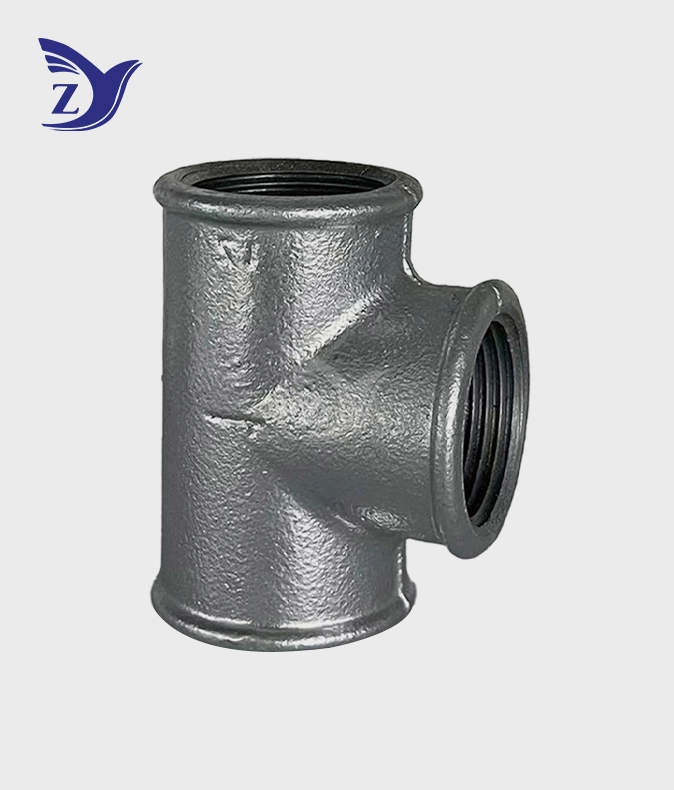
NPT Round Face Galvanized Round Edge Straight Tee Pipe Fittings
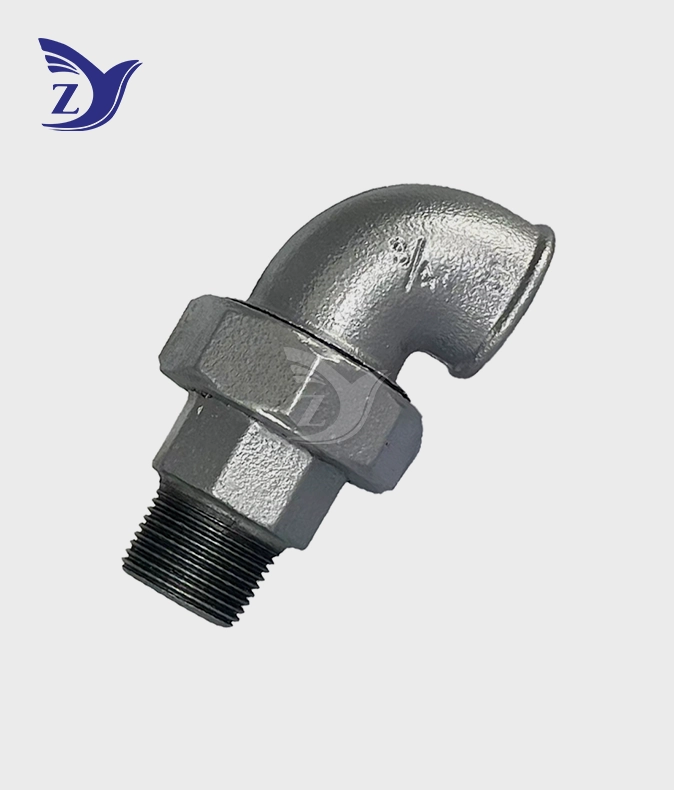
NPT Galvanized Union Elbow Threaded Pipe Fittings with Male and Female Ends
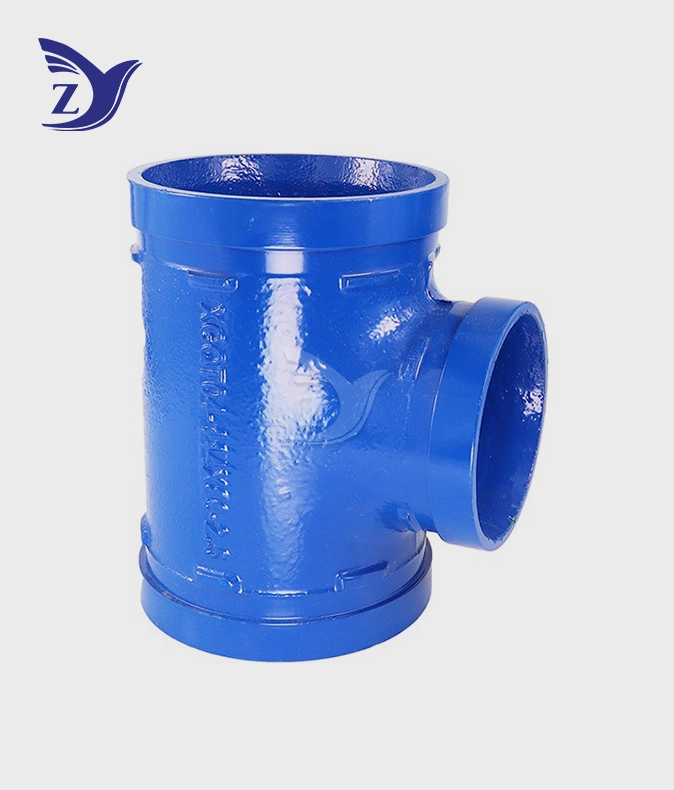
Water Grooved Straight Tee
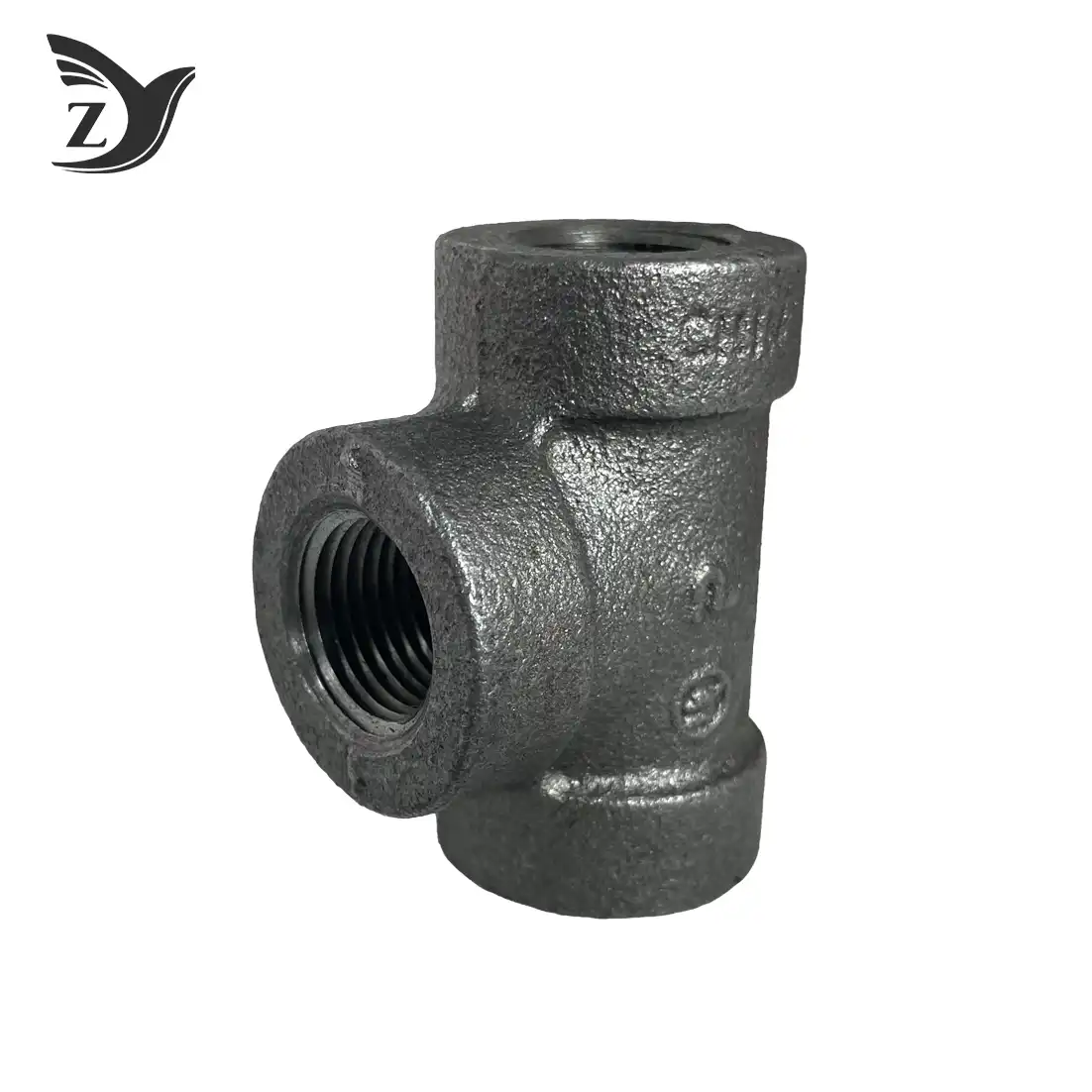
Black 300# Malleable Cast Iron Tee Pipe Fitting
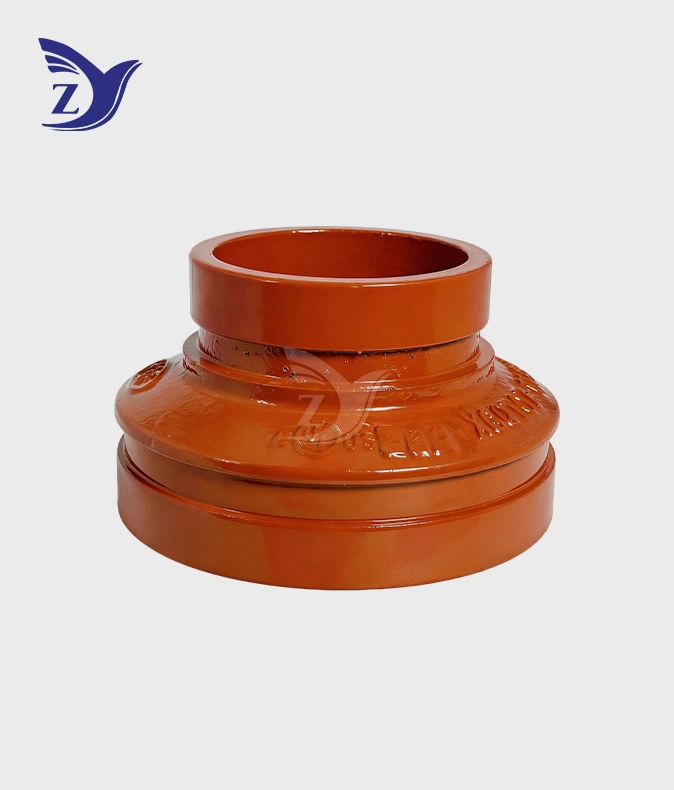
Fire Grooved Reducer
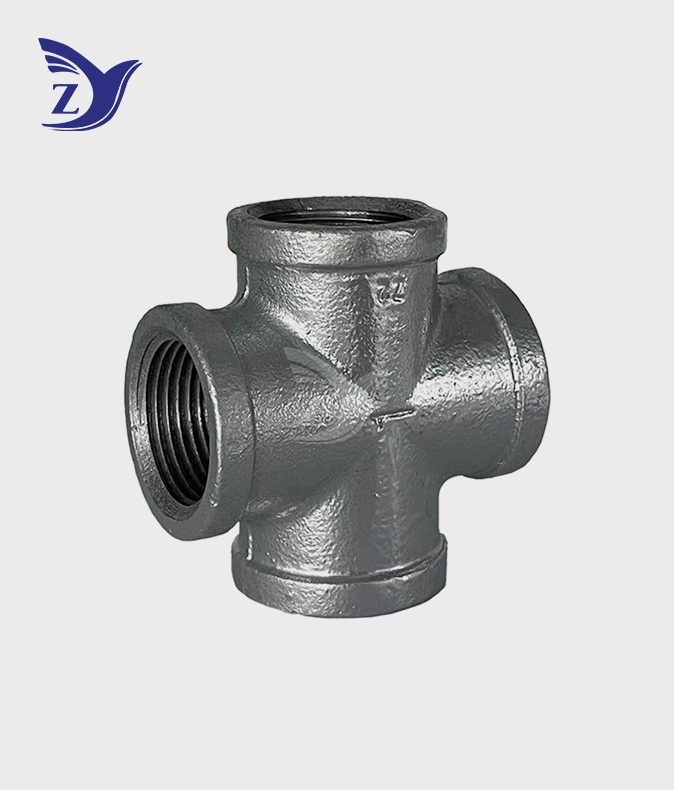
NPT Square Face Galvanized Square Edge Cross Pipe Fittings
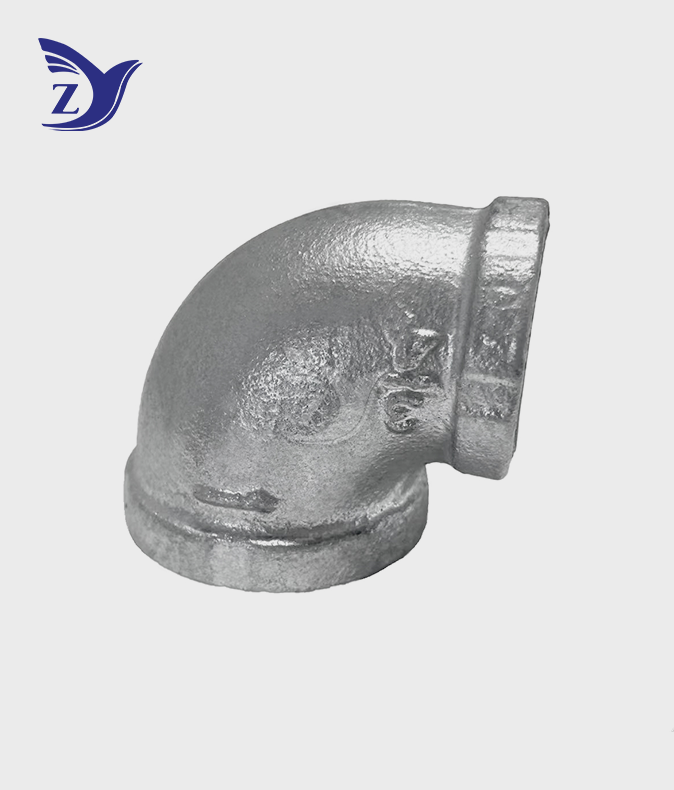
Galvanized NPT 90° Reducing Elbow
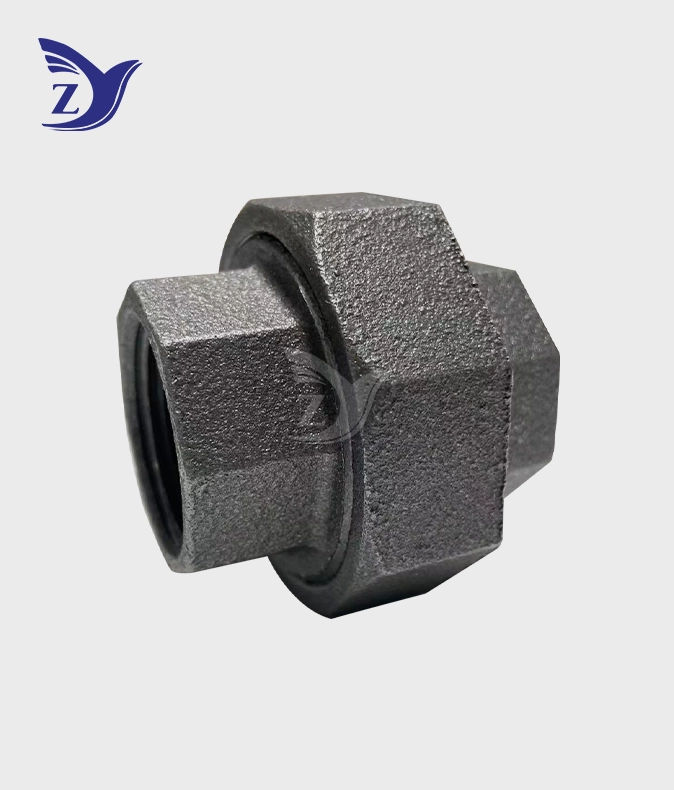
NPT Black Union 340 Pipe Fittings