
Apr 22, 2026
What is a reducing coupling?
The purpose of a reducing coupling is to provide a smooth connection between two pipes of differing sizes. These fittings are designed to allow different pipe diameters while preserving system pressure integrity. Unlike typical couplings, which link pipes of similar size, they incorporate internal threading or mechanical connections. Reducing couplings are crucial parts of water supply systems, gas pipelines, HVAC installations, and fire protection networks where operational efficiency and space efficiency are of the utmost importance.
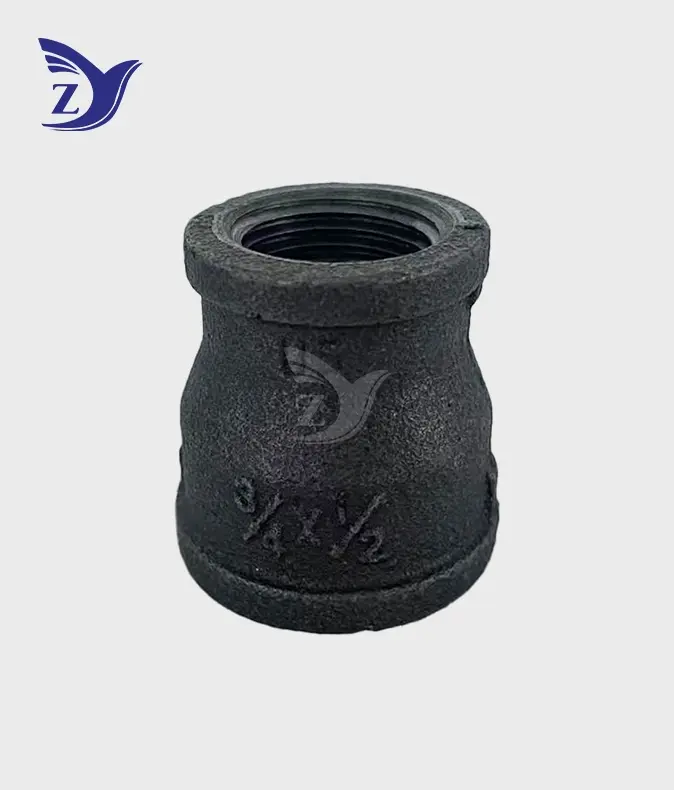
Reducing Coupling: Definition, Types, and Functions
Core Functionality and Design Principles
Reducing couplings function as diameter transition points in pipe systems, enabling engineers to move down from bigger supply lines to smaller distribution branches without affecting flow characteristics. To lessen the potential impact of turbulence and pressure drops on system performance, these fittings include precision-engineered internal geometries that progressively decrease pipe diameter.
Mechanical interference seals, made possible by threaded connections, are essential to the working principle. Threading standards such as NPT and BSPT (British Standard Pipe Taper) guarantee connections that are leak-proof by contacting metals along the thread sides. In most cases, extra sealing compounds aren't needed since the tapered shape produces increased compression when the fitting is tightened, resulting in a good seal.
Material Classifications and Performance Characteristics
Depending on the needs of the application and the surrounding environment, modern reducing couplings are made from a variety of materials. The most common types of materials sold nowadays are as follows:
- Zinc coating, which serves as a sacrificial anode, protects the base metal from oxidation in outdoor and high-humidity situations, giving hot-dipped galvanized malleable iron outstanding corrosion resistance.
- Precision-threaded stainless steel is perfect for uses in the food and pharmaceutical industries because to its high chemical resistance and its ability to retain dimensions even when subjected to extreme temperatures.
- Brass is a popular material for use in marine and potable water systems due to its inherent antibacterial qualities and high machinability.
- Coated carbon steel: Combines cost-effectiveness with excellent strength for use in industrial process pipework subjected to intense pressures.
Ratings for pressure, temperature limitations, and service life are all affected by the materials used. Depending on the wall thickness and other design considerations, stainless steel fittings may withstand pressures up to 1000 PSI, but malleable iron fittings are usually capable of handling pressures between 150 and 300 PSI.
Installation Benefits and System Advantages
Improvements in operational dependability and savings on projects may be achieved via the use of reducing couplings in pipe systems. Every square inch counts in subterranean installations and mechanical rooms, making space optimization all the more important. Achieving the same diameter transition would have previously required many fittings, but the compact design avoids that need.
Technicians are able to service connections without disrupting nearby pipe lines, greatly improving maintenance accessibility. When making changes to the system or replacing components, the threaded design makes it easy to disassemble and reassemble the parts, unlike welded equivalents that require cutting and re-welding.
Comparative Analysis: Reducing Coupling vs Alternative Pipe Fittings
Structural and Functional Differences
Depending on the needs of each project, procurement experts may make better judgments when they are aware of the differences between reducing couplings and other connection techniques. Because they are only useful for connecting pipes of the same diameter, straight couplings are only useful for situations involving repairs or system additions because they cannot handle size transitions.
Although they perform the same diameter transition duties, pipe reducers are often longer and so may not be suitable for use in tight quarters. When space for installation is limited, reducing couplings provide a more compact option. There are more possible leak locations and more effort involved in installing adapter couplings since they generally need numerous components to accomplish the same connection.
In contrast, bushings need female threaded connections on each side of the changeover. Reducing couplings provide for a wider range of connection types, allowing for more versatile installation options.
Material Performance Comparison
While deciding between reducing couplings made of stainless steel or brass, it is important to weigh the performance needs of the application against the available budget. In well-designed systems, stainless steel fittings may last more than 50 years, making them ideal for use in harsh, corrosive environments. In many cases, the initial investment of 200-300% more than brass alternatives is more than covered by the savings in maintenance costs and the avoidance of having to replace the material too soon.
In typical plumbing applications, when corrosive substances are not present, brass fittings function quite well. They retain their dimensions better when subjected to temperature cycling than steel because of their lower thermal expansion coefficient. But in certain water chemistries dezincification may happen, and fittings degrade over long periods of time.
Selection Criteria for Industrial Applications
When making a purchase, it's important to think about things like installation limitations, chemical compatibility, temperature ranges, and pressure requirements. Stainless steel or high-grade malleable iron is usually the material of choice for high-pressure industrial applications. Commercial and household low-pressure systems may make economical use of galvanized iron or brass fittings.
When choosing a material, environmental considerations are paramount. Stainless steel or specialist coatings provide the increased corrosion resistance needed in marine settings. The hot-dipped galvanized surfaces of underground installations provide long-term protection against the effects of soil chemistry.
Installation, Maintenance, and Troubleshooting Best Practices
Step-by-Step Installation Procedures
Ensuring long-term dependability during the installation of reducing couplings requires careful consideration of threading engagement, torque standards, and alignment processes. Deburring, cleaning, and thread inspection with the right gauges to ensure dimensional compliance are the first steps in pipe end preparation for installation.
To avoid damaging the fitting or leaking due to under- or over-tightening, it is important to closely check thread engagement parameters. When connecting NPT threads, use a pipe wrench to turn them two or three turns beyond hand-tight engagement; when connecting BSPT threads, use the wrench to spin them three or four turns beyond hand-tight engagement.
Dimensions of the fitting and the material make a difference when calculating torque. The installation torques used to malleable iron fittings are greater than those applied to brass fittings. All of the connections in a project will be installed to the same high standard with the use of calibrated torque wrenches.
Maintenance Protocols and Inspection Schedules
Scheduling inspections at regular intervals helps find problems before they become catastrophic system breakdowns that stop operations in their tracks. If the application is significant, it should be visually inspected once a month for corrosion, thread damage, or seal deterioration near connection points.
System integrity is validated and slow seal degradation may be identified by annual pressure testing, which may not be apparent during normal inspections. To guarantee safety compliance, testing processes should adhere to manufacturer requirements and relevant building regulations.
Applicable and environmental factors dictate specific cleaning procedures. As part of the sanitization process, food processing systems must be cleaned using agents that are compatible with the ingredients used. During planned maintenance shutdowns, scale or debris may collect in industrial settings, necessitating mechanical cleaning.
Common Troubleshooting Scenarios
The most common problems with reducing couplings in field installations are addressed by leak diagnosis and repair processes. Because thread repair compounds are not long-term solutions in pressure applications, it is sometimes necessary to replace the fitting entirely when thread damage occurs due to poor installation methods.
Connection points might deteriorate more quickly due to galvanic corrosion between different metals. Although these difficulties may be avoided with careful material compatibility planning during the design stages, dielectric isolators or material modifications may be needed for retrofit installations to fix existing concerns.
Measuring the pressure drop allows for the diagnosis of internal blockages or incorrect sizing that impacts the functioning of the system. Flow testing processes may determine whether the fittings are sized correctly for the real demand circumstances, as opposed to the assumptions made during design.
Procurement Insights: How to Source and Buy Reducing Couplings Efficiently
Global Market Overview and Supply Chain Considerations
Procurement tactics are strongly affected by regional manufacturing capabilities and quality standards, which are reflected in the global market for pipe fittings. When it comes to certifications, North American suppliers tend to prioritize ASME and ASTM compliance, while European manufacturers tend to prioritize EN and ISO. Having a grasp of these standards enables procurement teams to assess the capabilities of suppliers and the market appropriateness of products.
Availability of materials and production capacity determine lead times to a large extent. Production time for exotic alloys or unique combinations may be 8-12 weeks, compared to the 2-3 week shipping time for standard galvanized iron fittings. In order to avoid project delays caused by unforeseen disturbances in the supply chain, it is important to build enough inventory buffers.
Support for regular maintenance and unexpected replacements is greatly enhanced by regional distributor networks. To guarantee supply continuity even in the face of regional interruptions or capacity limitations, it is advisable to establish agreements with several suppliers located in various geographic regions.
Bulk Ordering Strategies and Custom Manufacturing
For businesses whose demand is consistently predictable, volume purchase agreements open the door to substantial cost savings. Key initiatives that procurement experts may put into action are as follows:
- You can lock in price stability with annual blanket purchases, and you can keep your delivery options open with planned releases tied to long-term contracts.
- Programs for standardization: decrease the number of stock-keeping units (SKUs) by bringing all projects together under a similar set of dimensions and requirements.
- Instead of juggling a number of different vendor relationships, you could consolidate them by forming strategic alliances with suppliers that can provide complete product lines.
- Using synchronized delivery schedules, just-in-time delivery (JIT) aims to balance inventory carrying costs against stockout concerns.
If you have a really specific need or need a lot of something, custom manufacturing may save you money. The intricacy and tooling needs of the bespoke fittings determine the minimum order quantity, which usually falls between 500 and 1000 pieces. Typically, it takes 12-16 weeks from the moment you make an order until you get your personalized product.
Companies may optimize their supply chain costs using these tactics, and they still have the flexibility to adjust to changing project needs and market circumstances.
Quality Verification and Supplier Assessment
Before beginning a partnership with a supplier, it is important to assess their capacity to manufacture, their quality procedures, and their performance history. Certifications such as UL or FM approval show that the product complies with safety regulations, while ISO 9001 certification assures that the product follows general quality management procedures.
Documentation of material traceability guarantees adherence to project requirements and regulatory mandates. For mission-critical applications where material performance affects safety, heat lot numbers and mill test certifications confirm chemical composition and mechanical qualities.
Prior to materials entering production schedules, incoming inspection processes ensure dimensional correctness, surface finish quality, and threading compliance. Based on the application's criticality and the supplier's performance history, statistical sampling plans weigh inspection expenses against quality assurance needs.
Conclusion
Reducing couplings are crucial parts of contemporary pipe systems because they provide space-efficient diameter transition solutions for a wide range of industrial applications. Material qualities, pressure needs, environmental factors, and installation limitations are all factors that must be carefully considered throughout the selection process since they affect the performance and maintenance costs in the long run. Emphasizing supplier partnerships that provide technical assistance and quality assurance across project lifecycles, successful procurement strategies balance initial cost concerns with total ownership expenditures. These adaptable fittings will be essential for dependable system operation and efficient pipe design as long as infrastructure needs are changing.
Partner with Zhiyuan Malleable Steel for Premium Reducing Coupling Solutions
Zhiyuan Malleable Steel stands ready to support your pipe fitting requirements with comprehensive reducing coupling solutions engineered for demanding industrial applications. Our extensive inventory includes NPT/BSPT round-edge reducing galvanized couplings, high-strength anti-rust malleable reducers, and corrosion-proof diameter converters manufactured to international quality standards. With 26 years of casting expertise and annual production capacity exceeding 30,000 tons, we deliver the reliability and technical support your projects demand. Contact our engineering team at q1236800000@gmail.com to discuss your specific requirements and discover why leading contractors choose Zhiyuan as their trusted reducing coupling supplier for critical infrastructure projects.
FAQ
What distinguishes a reducing coupling from a standard pipe reducer?
A reducing coupling provides a more compact connection method compared to standard pipe reducers, featuring shorter overall length and threaded connections that eliminate welding requirements. While pipe reducers often incorporate gradual taper designs for optimal flow characteristics, reducing couplings prioritize space efficiency and installation convenience in confined areas where longer fittings cannot accommodate existing layout constraints.
Can reducing couplings handle high-pressure applications safely?
Yes, properly specified reducing couplings can safely accommodate high-pressure applications when selected according to manufacturer pressure ratings and installation guidelines. Malleable iron and stainless steel constructions typically handle pressures ranging from 150-1000 PSI depending on size and wall thickness. Critical applications require pressure testing verification and compliance with applicable piping codes to ensure safe operation under design conditions.
What materials work best for corrosive environments?
Stainless steel reducing couplings provide superior performance in corrosive environments due to their chromium content that forms protective oxide layers resistant to chemical attack. Hot-dipped galvanized malleable iron offers cost-effective corrosion protection for outdoor applications, while specialized coatings and exotic alloys address extreme chemical exposure conditions in industrial process environments.
How do NPT and BSPT threading standards differ?
NPT (National Pipe Taper) and BSPT (British Standard Pipe Taper) both utilize tapered threading for sealing, but differ in thread pitch and angle specifications. NPT threads feature 60-degree angles with specific pitch ratios, while BSPT threading incorporates 55-degree angles. These differences prevent interchangeability between standards, requiring careful specification verification during procurement and installation phases.
References
1. American Society of Mechanical Engineers. "Malleable Iron Threaded Fittings: Classes 150 and 300." ASME B16.3-2018 Standard Specifications.
2. ASTM International. "Standard Specification for Malleable Iron Castings for Pressure-Containing Parts Suitable for Assembly by Welding or Brazing." ASTM A197/A197M-19.
3. National Fire Protection Association. "Standard for the Installation of Sprinkler Systems." NFPA 13: 2022 Edition, Chapter 6 - Pipe and Tube Requirements.
4. Underwriters Laboratories. "Pipe Fittings for Fire Protection Service." UL 213 Standard for Safety, 15th Edition, 2019.
5. International Organization for Standardization. "Pipe Threads Where Pressure-Tight Joints Are Made on the Threads." ISO 7-1:1994 Technical Specifications.
6. American Water Works Association. "Steel Pipe Fittings for Water Service." AWWA C208-12 Standard Guidelines and Installation Practices.
Online Message
YOU MAY LIKE
High quality furniture manufacturer
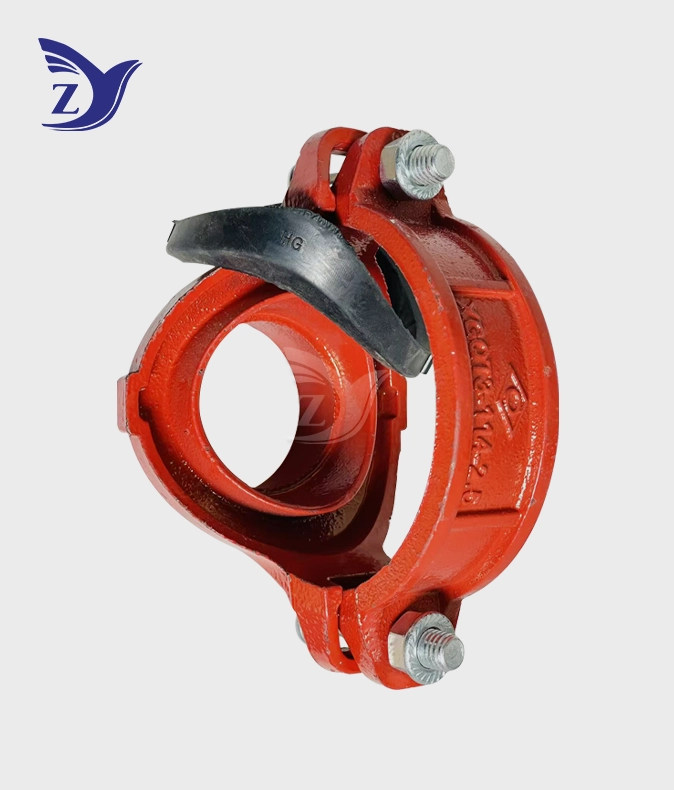
Fire Grooved Mechanical Tee
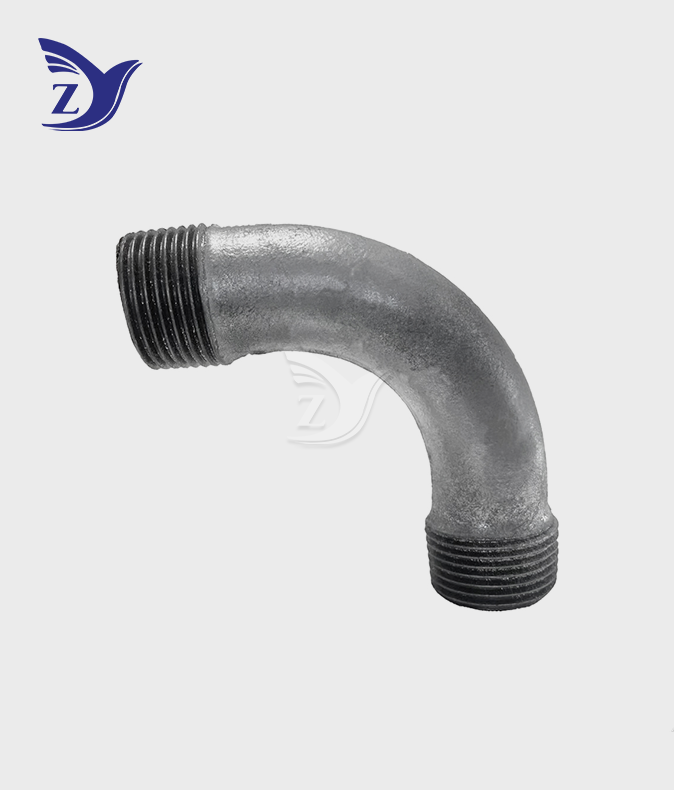
BSPT Round Face Galvanized Round Edge 90° Elbow Pipe Fittings
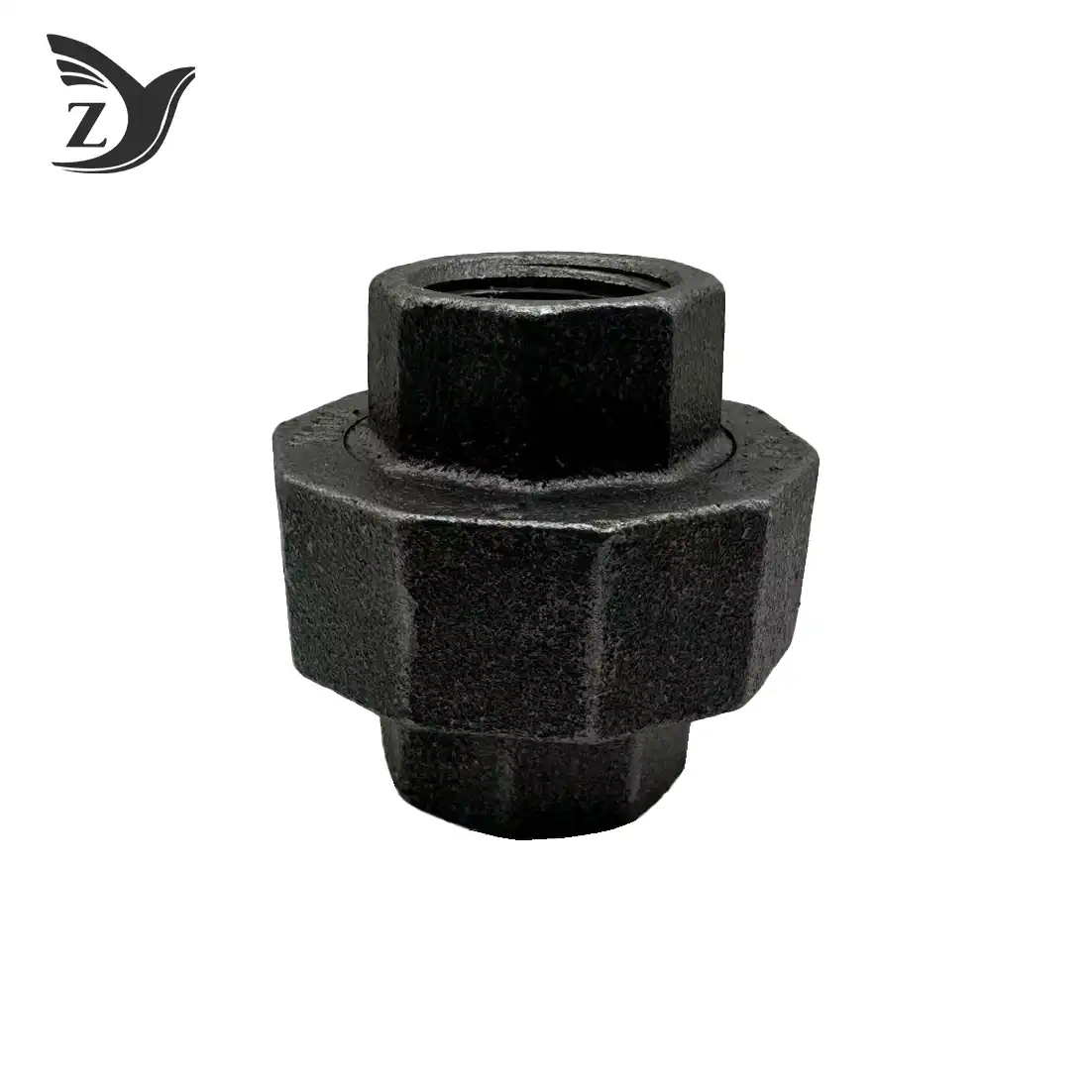
NPT Black Union Class 300 Pipe Fittings
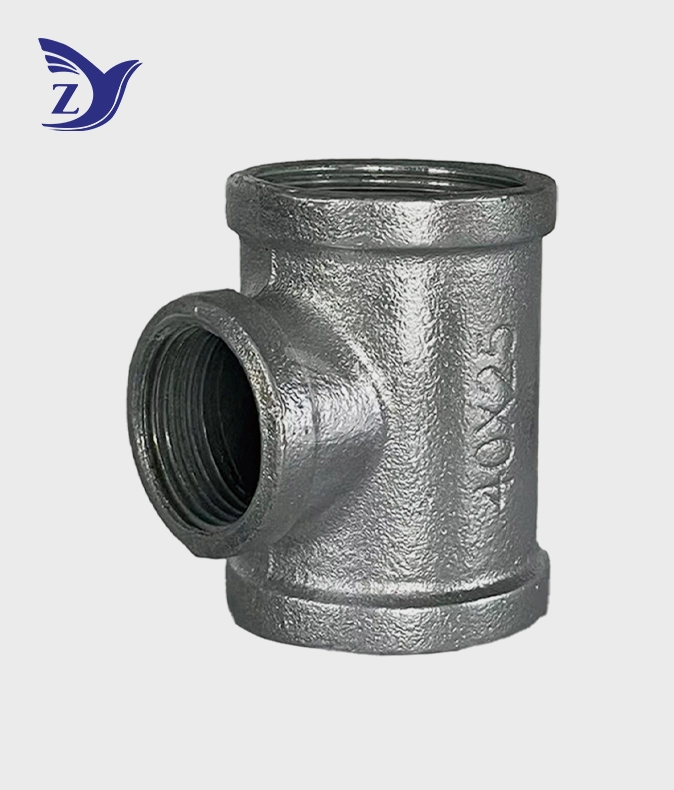
NPT Square Face Galvanized Square Edge Reducing Tee Pipe Fittings
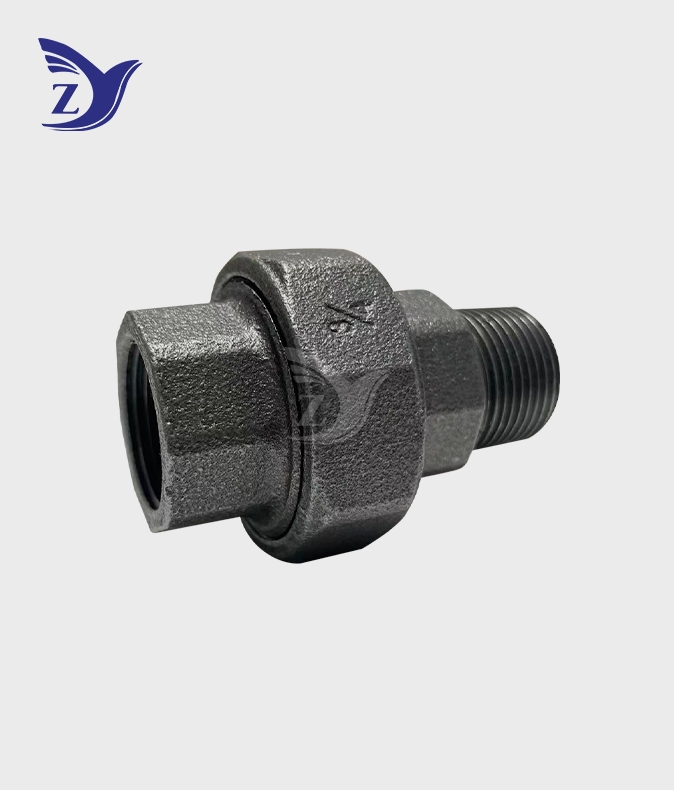
NPT Black Male-Female Union 331 Pipe Fittings
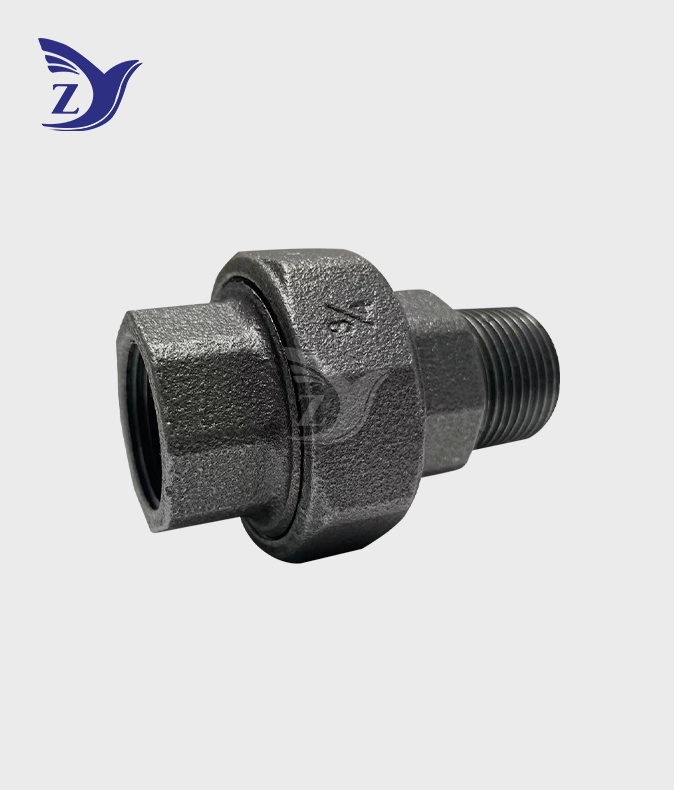
NPT Black Male-Female Union 341 Pipe Fittings
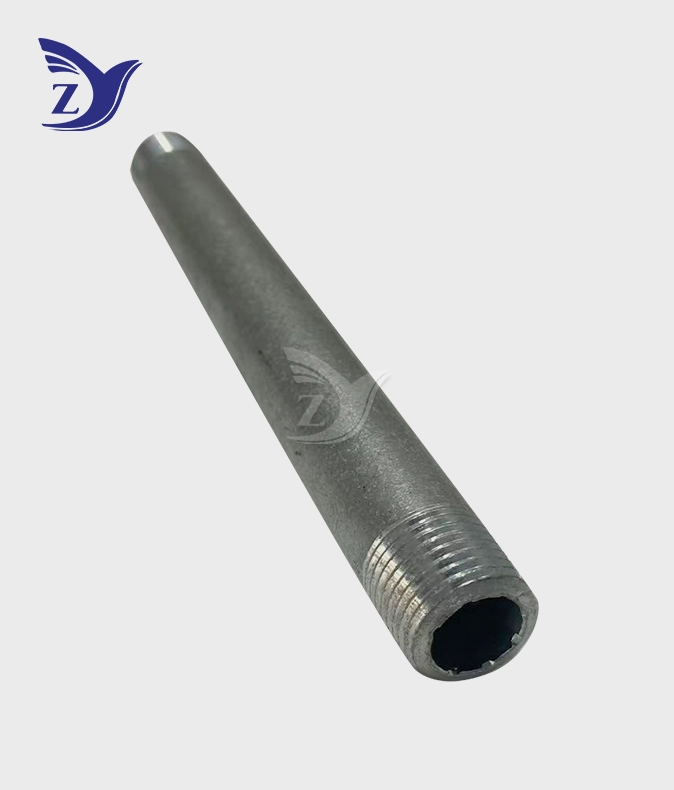
Carbon Steel Pipe Male Threaded Fittings Electro Galvanized
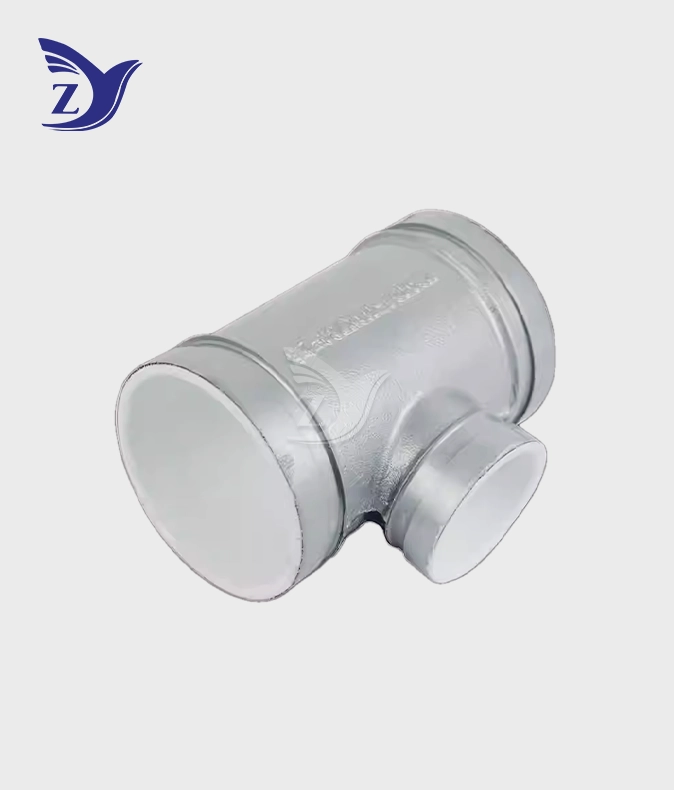
Water Grooved Reducing Tee