
Jun 18, 2026
What is a GI straight tee in plumbing?
In plumbing, an NPT square face galvanized square edge straight tee pipe fitting is a three-way pipe fitting made of galvanized iron that is used to connect branches at right angles in systems for water, gas, and industrial pipes. This straight tee pipe fitting is made from malleable iron and has a hot-dip zinc covering. It makes connections that are strong and won't rust, making it perfect for industrial use. The square edge design makes the structure more rigid and improves thread engagement. This makes it an essential part of fire control systems, HVAC setups, and city water distribution networks that need to be reliable and last a long time.
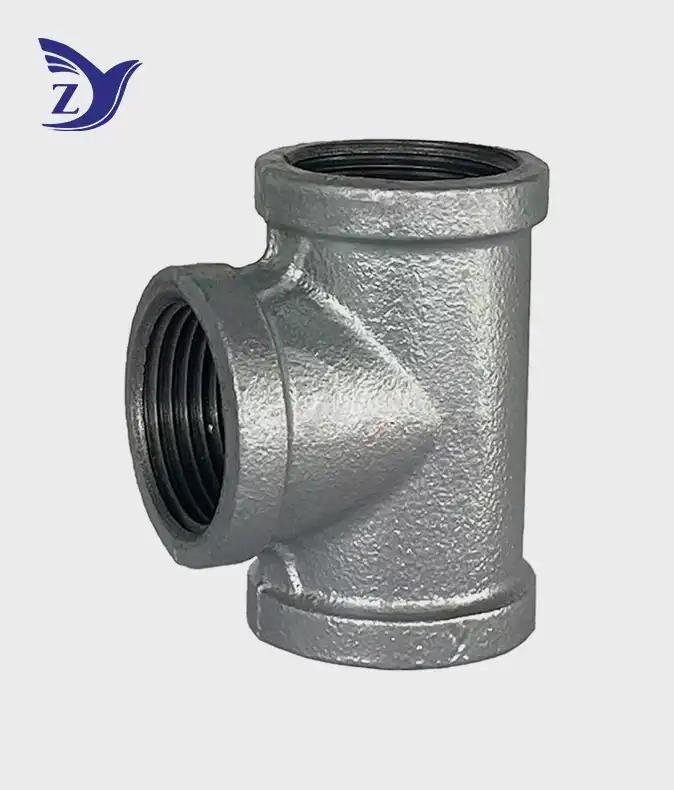
Understanding GI Straight Tee and Its Role in Plumbing
What Makes the GI Straight Tee Essential for Modern Piping Systems?
The corrugated iron straight tee is the most important part of a complex pipe system. It has three outlets, so fluid can flow from one input to two straight-across outputs. This makes pipeline branching easy without affecting the flow integrity. This fitting is different from traditional beaded designs because it has a square edge that gives each threaded hole a flat, strengthened band. This banded reinforcement makes the hoop stronger and stops the outlet from deforming when workers use the high power needed for safe assembly in tough industrial settings.
Technical Specifications That Define Quality
NPT square face galvanized square edge straight tee pipe fittings meet strict industry standards because they are made to ASME B16.3 Class 150 specs. The material is made up of malleable iron that meets ASTM A197 standards. It has a minimum tensile strength of 350 MPa and a high expansion capacity that keeps it from breaking easily when it's stressed mechanically. Following the ASTM A153 standards for hot-dip galvanization gives a zinc layer that is at least 86µm thick. This offers sacrificial anodic protection against oxidation and rust formation in high-humidity conditions.
The National Pipe Thread (NPT) shape, which is made according to ANSI/ASME B1.20.1 guidelines, has a side angle of 60 degrees and tapers at a rate of 3/4 inch per foot. This taper makes a mechanical seal by deforming the threads during installation. This makes connections that are leak-proof up to 300 psi for water, oil, and gas at room temperature, and 150 psi for saturated steam.
How Square Edge Design Enhances Installation Efficiency?
Pipe fitters who are working on jobs that need to be done quickly like how the square edge gives them a bigger area to hold on to. This flat band fits wrenches better than rounded ones, which speeds up installation and lowers the chance that the tool will slip, which could damage the threads or hurt the user. The strengthened shape can also handle being put together and taken apart many times, which is common in repair work and especially useful in industrial settings where system changes happen often.
Benefits and Applications of Galvanized Square Edge Straight Tee Pipe Fittings
Corrosion Resistance That Extends System Lifespan
The process of hot-dipped galvanization makes a metal link between the zinc covering and the iron base that can be shaped. The zinc layer gives up its life through galvanic action when it comes into contact with water or surroundings that are acidic. This protects the iron below from oxidation. This safety method makes fittings last decades longer than ones that aren't coated, especially in outdoor setups or systems that carry fluids that are harsh on metals.
This improved rust resistance is very helpful for chemical processing plants or industrial sites that work near the coast. Iron oxide particles can get into fluid streams and jam equipment further down the line, like spray nozzles, flow meters, and control valves. The zinc covering stops these particles from forming.
Mechanical Strength for High-Pressure Applications
The design of flexible iron makes it very durable even when subjected to mechanical stress and changes in temperature. Unlike fragile cast iron, pliable iron's microstructure lets it be deformed in a controlled way before it breaks. This lets you know when it's overloaded before it breaks in a catastrophic way. This trait is very important in fire safety systems where water hammer and pressure spikes happen when the pump starts up and the gate opens and closes.
Real-World Application Scenarios
Fire protection engineering firms use NPT square face galvanized square edge straight tee pipe fittings to add sprinkler systems to buildings that are already there. The galvanized coating stops rust from building up inside, which could block sprinkler holes. The square edge can handle the high installation power needed to make pressure-tight seals in ceiling-mounted systems that are hard to get to.
These threaded pipe splitters are used in low-pressure gas transport networks that carry propane, natural gas, and compressed air at petrochemical plants. The NPT threading gets rid of the need to join in dangerous places, which lowers the fire risks that come with hot work permits. The layer that doesn't rust keeps the system working even when condensation forms in the pipes when the temperature changes.
These fittings are used in complex distribution systems at municipal water treatment plants to send cleaned water to different zones through multiple branch connections. The effective fluid distribution features keep pressure drops to a minimum, and the industrial-grade construction can handle the constant shaking caused by high-capacity pumps that are running 24 hours a day, seven days a week.
Installation and Maintenance Best Practices for GI Straight Tee Fittings
Essential Tools and Preparation Steps
Picking out the right tools is the first step in a proper operation. Pipe tools that are the right size for the fitting make sure that the right amount of pressure is applied without over-tightening, which could crack the iron body. Thread check tools make sure that NPT threads are clean, not damaged, and don't have any factory burrs that could weaken the seal.
Installers should use wire brushes to clean both the male pipe threads and the female fitting threads before putting them together. This will get rid of any protection oils, dirt, or rust. Follow the manufacturer's instructions for applying PTFE tape or pipe thread glue that is rated for the service it will be used for (water, oil, gas, or steam). Most of the time, three to five wraps of PTFE tape placed in the direction of thread contact are enough to seal well without leaving any extra material that could get into the flow path.
Step-by-Step Assembly Procedure
To start thread contact, tighten the pipe into the fitting by hand until resistance rises. Keep turning the pipe wrench while counting turns. After hand-tightening, it's common to need three to four more turns, but the exact number of turns needed depends on the pipe size and system pressure grade. With the square edge design, you can see that the pipe end is properly engaged because it should sit smooth against the flat band when it is placed correctly.
When you over-tighten something made of pliable iron, be careful not to use too much force that goes beyond the suggested torque values. To avoid hydraulic shock during assembly, installation in systems that are already in place needs to temporarily turn off the pressure and drain the system completely. Thread sealer needs to cure for a certain amount of time before the system is pressurized, as stated by the maker.
Routine Maintenance Protocols
Regular checks make things last longer and find problems before they shut down the whole system. When looking at something visually, you should look for signs of leaks like mineral deposits or stains around connection points, a zinc covering that is wearing off, and thread rust. In systems that carry highly strong fluids, inspections are done every three months instead of every two months.
Cleaning methods get rid of outside contaminants that speed up the breakdown of galvanization. Mild detergent solutions followed by rinses with clean water keep the protected layer in good shape. System flushing cleans the inside of the system and stops sediment buildup that lowers flow capacity and causes rust spots in specific areas.
Comparing Different Types of Tee Fittings for Optimal Procurement Decisions
NPT Threaded vs. Weld-On Configurations
Threaded NPT square face galvanized square edge straight tee pipe fittings are very useful in situations where changes need to be made in the future or where regular upkeep is needed. Labor costs and system downtime are cut down when links can be taken apart without breaking pipes. But welded options can handle higher pressures and don't have the chance of thread leaking, which is important in critical situations where even small seepage is not acceptable.
Procurement choices should be weighed against the needs of the individual project. For the most reliable hydrocarbon service, threaded connections are best for fire suppression retrofits in occupied buildings because they cause the least amount of disturbance. On the other hand, welded joints may be required for new construction in petrochemical plants.
Galvanized Steel vs. Stainless Steel Alternatives
A cost-benefit study shows that for most commercial uses, galvanized malleable iron parts are the best value. Even though stainless steel is better at resisting chemicals, it is much more expensive and harder to install because the threads tend to galle. Because of these problems, it is only economically viable in certain situations, like when making food or medicines, where contamination is a concern.
For a lot less money than stainless steel, the galvanized coating protects against rust well enough for city water systems, HVAC installs, and compressed air networks. This economic benefit is especially important for big projects that need a lot of fits, like hundreds or thousands.
Black Steel and PVC Comparisons
Black steel valves don't protect against rust, so they can only be used in dry places or systems that already have corrosion inhibitors in them. Alternatives to PVC can stand up to chemicals, but they can't handle the high temperatures, high pressures, or high mechanical forces that are common in industrial settings. The galvanized flexible tee gets around these problems by having rust resistance similar to PVC while still being able to withstand high temperatures and pressures like metal building.
Straight Tees vs. Elbow Configurations
When it's important to keep the flow straight in the main pipeline, system designers choose straight tees for branch links that are not parallel to each other. Elbow valves change the direction of flow to meet different plan needs. The best system design uses both types of fittings to keep pressure drops to a minimum, cut down on noise, and make upkeep easier.
Conclusion
The NPT square face galvanized square edge straight tee pipe fitting is an important part of modern pipe infrastructure because it combines the power of malleable iron construction with the resistance to rust of hot-dip galvanization. It is the best choice for fire protection systems, industrial process pipes, and local water delivery networks because it has a square edge, precision NPT threading, and meets strict industry standards. By knowing the technical details, the right way to put it, and how to keep it in good shape, buying professionals and engineers can make decisions that improve system performance and longevity while keeping costs low over its entire life.
FAQ
Why do galvanized square edge straight tees prevent rust better than other materials?
A zinc covering that offers sacrificial anodic protection is made during the hot-dip galvanization process. When zinc is exposed to acidic conditions, it oxidizes faster than iron. This keeps the base metal from rusting. This safety system makes fittings last a lot longer than uncoated ones, especially in places with a lot of damp or outside.
How do NPT threads make rings that don't let air in?
When you tighten an NPT thread, the male and female threads press against each other because the threads drop at an exact rate. This compression changes the shape of the thread's peaks and valleys, filling in tiny gaps and making a mechanical seal that stops fluid leaks without the need for O-rings or gaskets.
Can these parts handle being installed outside in chemically harsh areas?
Within their recommended temperature range of -20°F to 350°F, galvanized flexible tees work effectively outside. The zinc layer keeps the metal from rusting in the air, but it's important to check that certain chemicals will not react with it. Systems that work with strong chemicals may need to be inspected more often to make sure the coating is still intact.
Partner with Zhiyuan Malleable Steel for Reliable Industrial Pipe Fittings
For more than 26 years, Zhiyuan Malleable Steel has been making NPT square face galvanized square edge straight tee pipe fittings that meet the strict needs of fire protection, city, and commercial settings. Our ability to produce 30,000 tons of goods every year, our ISO 9001 quality systems, and our many certifications, such as UL, FM, and CE, make sure that the products you buy will work successfully in even the toughest situations. As a reliable straight tee pipe fittings provider, we can make your order exactly how you want it, send it quickly from large stockpiles, and provide technical help that turns difficult purchasing problems into simple solutions. Connect with our engineering team at q1236800000@gmail.com or visit zymalleablepipefitting.com to discuss your project specifications and discover how our quality-first approach, competitive wholesale pricing, and commitment to customer satisfaction create lasting partnerships that support your operational success.
References
1. American Society of Mechanical Engineers. ASME B16.3: Malleable Iron Threaded Fittings—Classes 150 and 300. New York: ASME Press, 2016.
2. ASTM International. ASTM A197: Standard Specification for Cupola Malleable Iron. West Conshohocken: ASTM International, 2018.
3. ASTM International. ASTM A153: Standard Specification for Zinc Coating (Hot-Dip) on Iron and Steel Hardware. West Conshohocken: ASTM International, 2020.
4. American National Standards Institute. ANSI/ASME B1.20.1: Pipe Threads, General Purpose (Inch). Washington: ANSI, 2013.
5. National Fire Protection Association. NFPA 13: Standard for the Installation of Sprinkler Systems. Quincy: NFPA, 2022.
6. Galvanic Corrosion Protection in Industrial Piping Systems. Journal of Materials Engineering and Performance, vol. 29, no. 4, 2020, pp. 2156-2168.
Online Message
YOU MAY LIKE
High quality furniture manufacturer
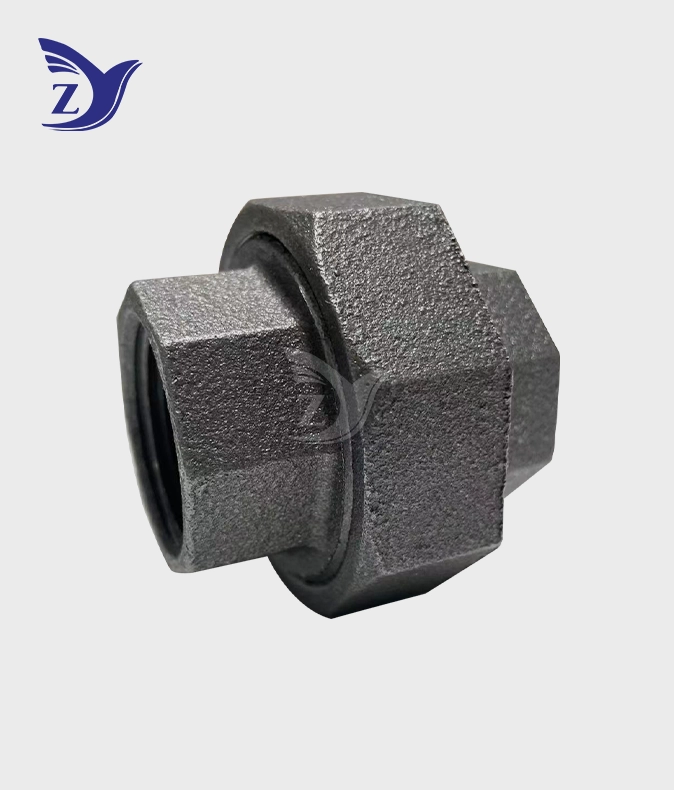
NPT Black Union 342 Pipe Fittings
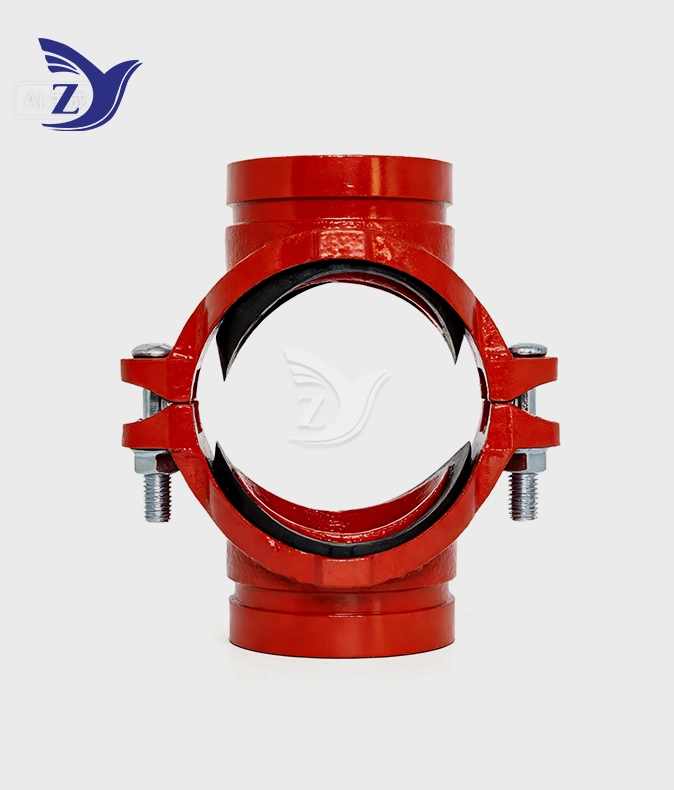
Threaded Mechanical Cross
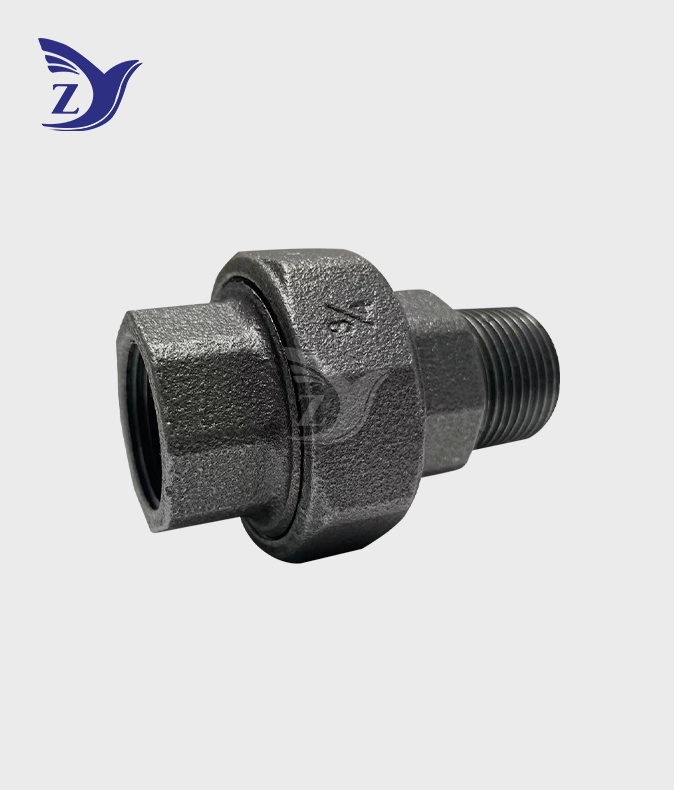
NPT Black Male-Female Union 341 Pipe Fittings
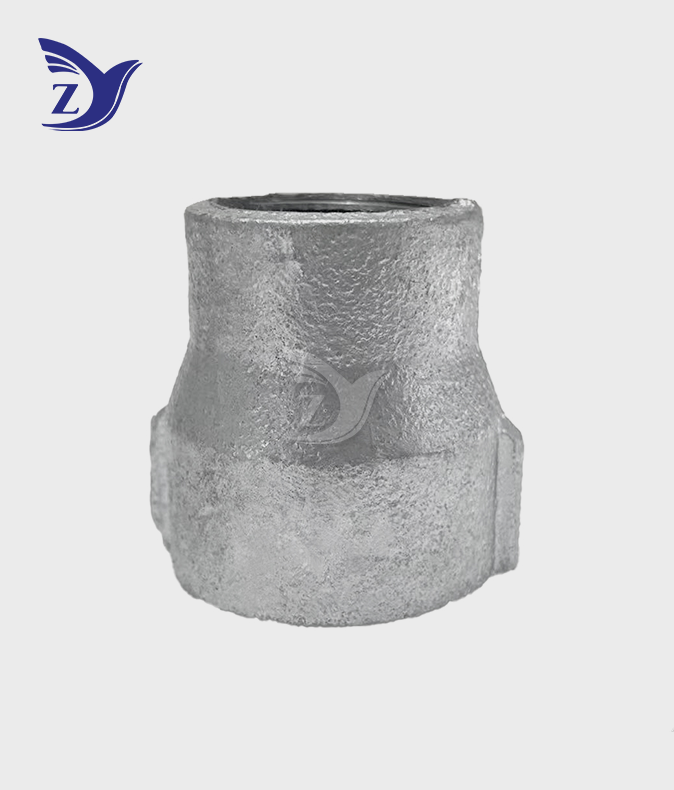
No Hub Electro Galvanized Reducing Coupling Pipe Fitting
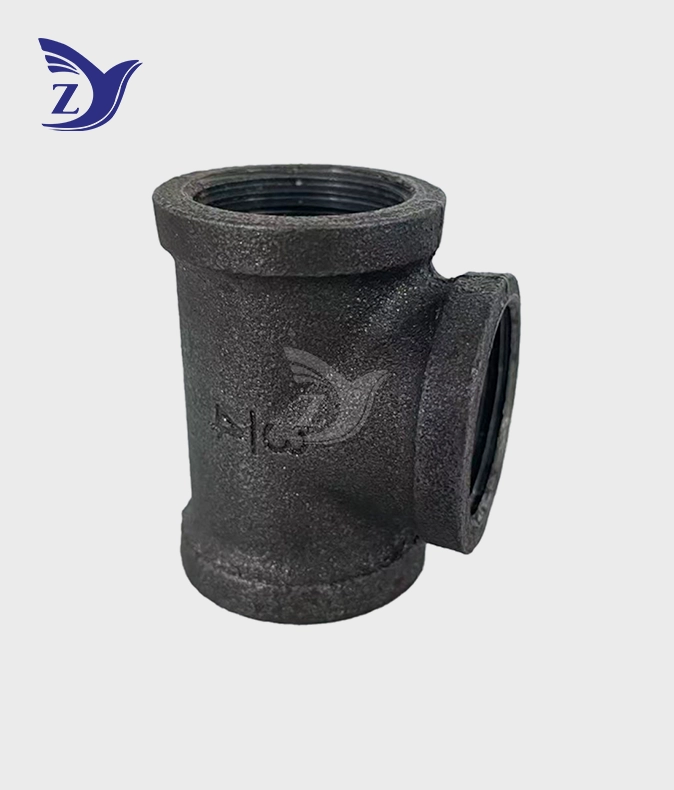
NPT Black Square Face Straight Tee Pipe Fittings
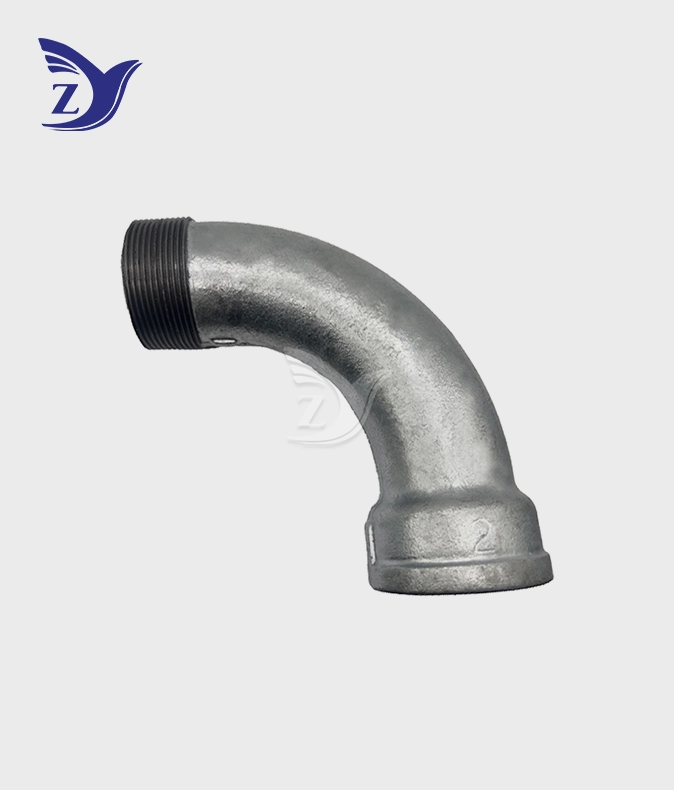
BSPT Galvanized Male Female 90° Long Radius Elbow Pipe Fittings
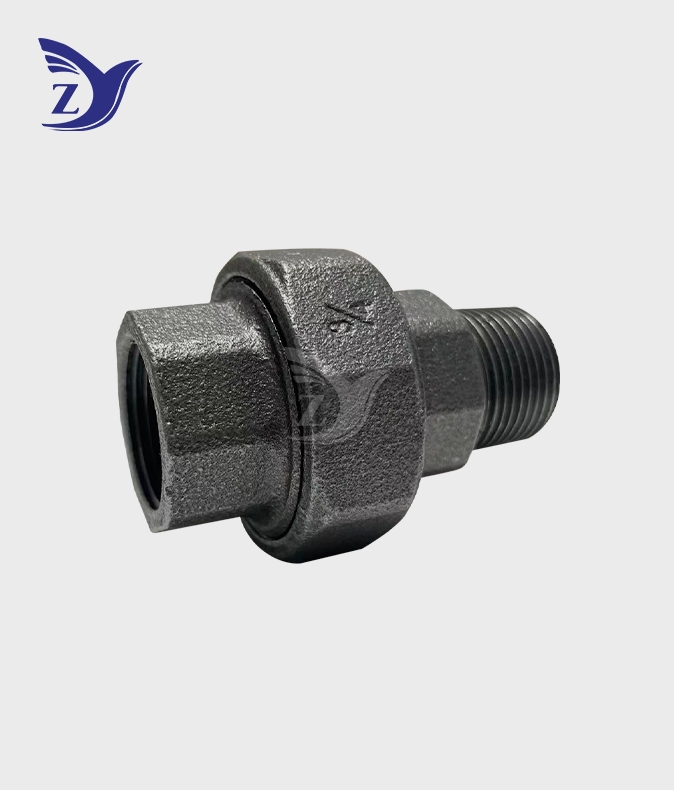
NPT Black Male-Female Union 331 Pipe Fittings
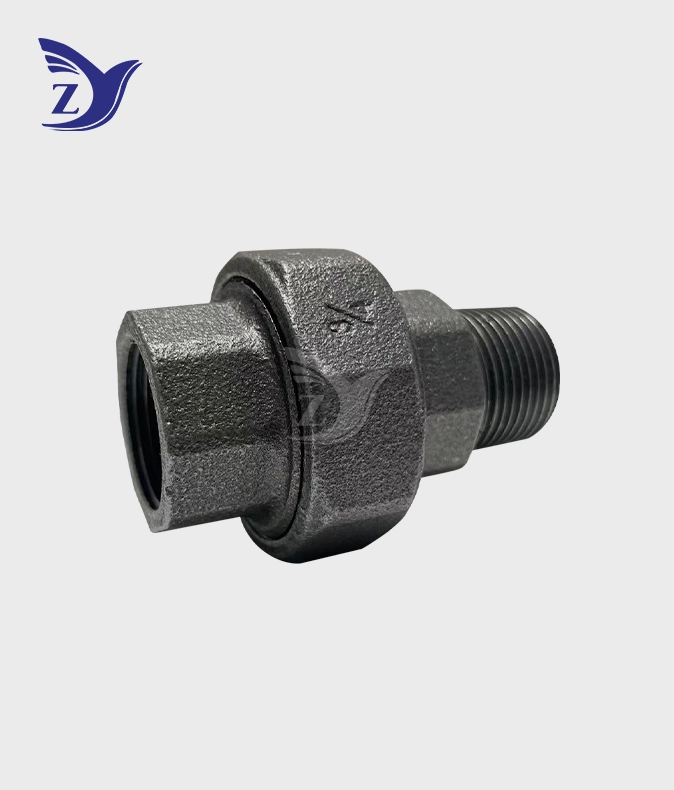
NPT Black Male-Female Union 343 Pipe Fittings