
Mar 27, 2026
What is a bushing pipe fitting?
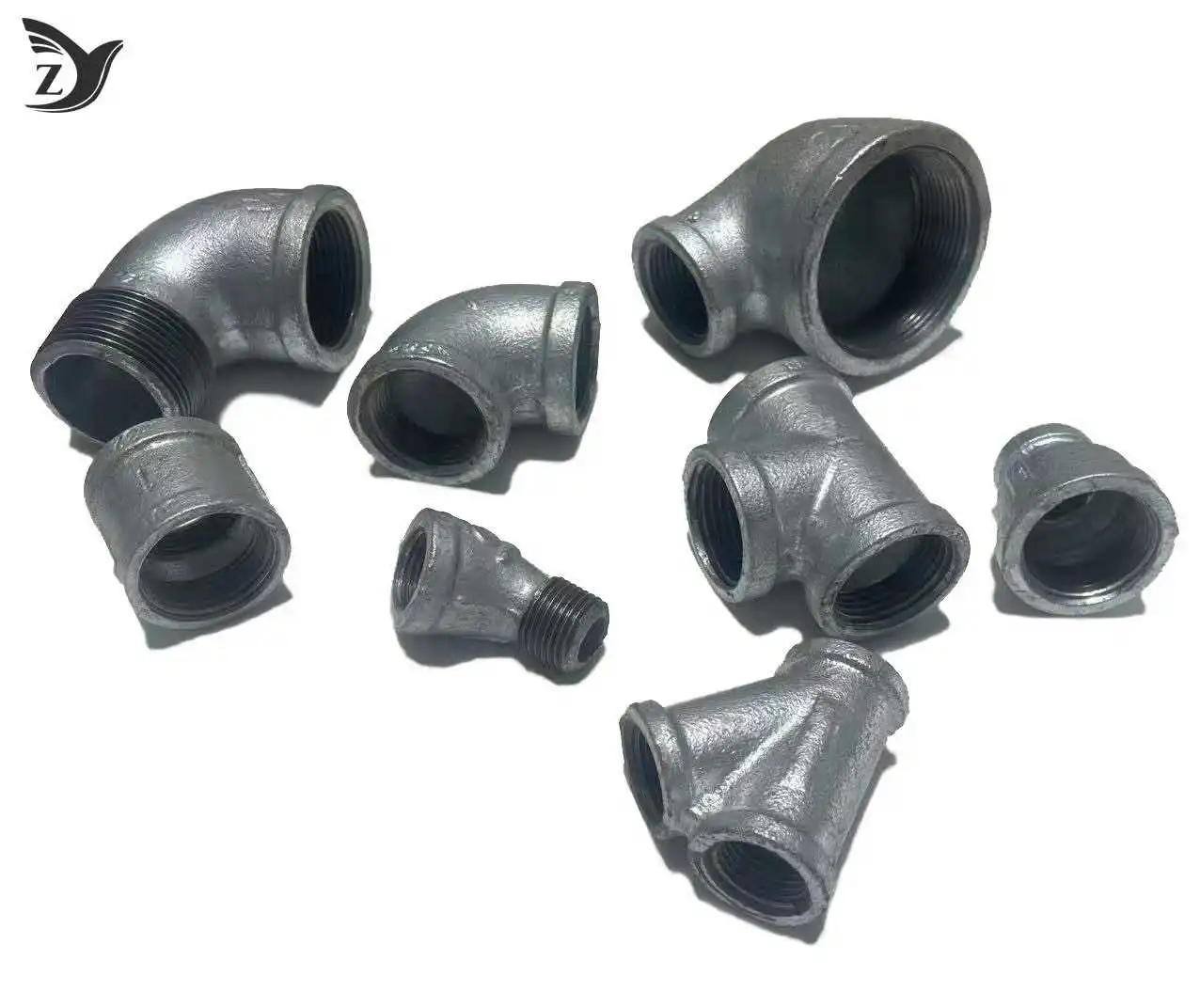
A bushing pipe fitting is a special threaded part used in fluid handling systems to connect pipes with different sizes. It basically has male threads on the outside and female threads on the inside, making a reducing link that lets you easily switch between different pipe sizes. The standard for corrosion-resistant uses is galvanized bushing pipe fittings, which have a hot-dip zinc covering that protects the iron or carbon steel underneath from rust and damage from the environment. These industrial-grade valves make up for important lack of room problems while keeping the integrity of water, gas, and industrial duct networks.
Understanding Galvanized Bushing Pipe Fittings
Galvanized bushing pipe fittings are necessary parts that connect pipes of different sizes and make it easier to do upkeep on complicated pipe systems. In the galvanization process, a protective zinc covering is added through hot-dip galvanization. This makes a temporary shield that stops rust and makes the product last a lot longer than black iron options.
Material Composition and Standards
Usually, galvanized bushing pipe fittings are made from high-grade malleable iron that meets ASTM A197 standards or cast carbon steel that meets ASME B16.14 standards. The iron mixture that can be shaped has a great tensile strength of at least 40,000 psi while still being flexible enough for threaded uses. To pass salt spray tests lasting more than 500 hours, the galvanization layer must have a covering thickness of at least 85 microns. This makes sure that it will work well in harsh settings for a long time.
Thread Compatibility and Design Features
The NPT (National Pipe Taper) and BSPT (British Standard Pipe Taper) tightening systems can both be used with modern bushings. NPT bushings have a side angle of 60 degrees and a taper ratio of 1:16. BSPT bushings, on the other hand, have a 55-degree Whitworth thread shape. The triangular head shape lets you apply exact force without breaking the internal female threads, which solves a common fitting problem that maintenance teams face.
Corrosion Resistance Properties
Through electrical action, the hot-dipped zinc covering protects against rust better than other coatings. When the zinc layer comes into contact with water or other acidic substances, it corrodes itself instead of the base metal. This makes the fitting last longer in places like marine settings, chemical processing plants, and outdoor installs. This ability to resist rust makes zinc bushings very useful for fire safety systems where water buildup could otherwise cause fast wear and tear.
Installation and Maintenance of Galvanized Bushing Pipe Fittings
Threaded pipe reducers work best and last longer in challenging industrial settings when galvanized bushing pipe fittings are installed correctly. To make connections that don't leak and can handle temperature changes and vibrations, the precision-threaded design needs careful attention to torque requirements and the use of sealing cement.
Step-by-Step Installation Guidelines
Before installation can start, both the male and female threads must be cleaned thoroughly to get rid of any dirt, cutting oils, or protection coats. Use the right thread glue, like PTFE tape or pipe dope, and make sure it covers the whole thread without going too far and blocking the flow. Before using a pipe wrench on the triangular sides of the bushing, thread it all the way through by hand. Be careful not to touch the zinc coating, as this could damage it.
Different sizes need different amounts of torque. For example, 1/2-inch bushings need about 14 to 18 foot-pounds of torque, while bigger 2-inch joints need 80 to 100 foot-pounds. Too much torque can crack the pliable iron body or strip the threads, while too little torque can make leak routes. Professional installation teams use torque wrenches that have been tuned to get the same results on all links.
Maintenance and Inspection Protocols
As part of regular inspections, the galvanizing surface should be looked at visually for white rust, which is a sign that the zinc cover is wearing off. Cleaning regularly with a light cleanser gets rid of buildups that could contain acidic agents. Standard pipe sizes range from 1/8-inch to 4 inches in nominal size. It is important to know the typical sizes and specs for correct purchase.
Some signs that something needs to be replaced are obvious base metal exposure, thread wear, or changes in size caused by rust. When it comes to important systems like fire protection systems or process control networks, where failure would have very bad results, proactive maintenance cuts down on downtime and lifetime costs by a large amount.
Comparison and Selection: Galvanized Bushings vs Alternatives
When engineers choose bushing pipe fittings, they have to weigh galvanized choices against others made of stainless steel, brass, and black iron. Depending on the operating conditions, the power needs, and the budget, each material has its own specific benefits.
Material Performance Analysis
When cost-effectiveness is the most important thing, galvanized bushing pipe fittings work great in moderately salty settings. The zinc layer does a great job of protecting these fittings from rusting in the air, which makes them perfect for HVAC systems, water distribution systems in cities, and other general industry uses. Temperature ranges for operation are usually between -20°F and 350°F, which is enough for most industrial heating and cooling systems.
Stainless steel bushings are more durable and resistant to chemicals, but they cost more and may not be worth it in most situations. In systems that use drinkable water, brass valves don't rust very easily, but they lose their zinc in some types of water. Black iron bushings are cheaper at first, but they need to be painted or protected in other ways if they are going to be visible.
Application-Specific Selection Criteria
In petroleum plants, where process chemicals can quickly break down metals that aren't protected, high-strength, anti-rust, and flexible bearings are important. The zinc layer can handle mild chemical contact and keeps its shape when the pressure changes. Galvanized building is especially good for fire safety uses because the layer stops scale from forming, which could block sprinkler systems.
Galvanized bushings are widely used in municipal water systems because they are both durable and inexpensive. When used underground, the zinc layer keeps the dirt from corroding while still meeting standards for drinkable water quality. These things to think about when making a choice help buying managers find the best options for each job.
Procurement and Supplier Insights for Galvanized Bushing Pipe Fittings
As part of the buying process, reputable providers must be chosen who can ensure the accuracy of the products, consistent quality, and fair prices. Knowing about manufacturing licenses, wait times, and the skills of the supply chain helps you make smart buying choices that help you meet project deadlines and budget needs.
Supplier Evaluation Criteria
Well-known companies like Zhiyuan Malleable Steel offer a wide range of certifications, such as ISO 9001 quality management, CE marking for European compliance, and UL/FM approvals for use in fire protection uses. These certificates show that the company follows foreign standards and makes sure that all of their products are made the same way.
For big projects, thinking about production ability is very important. Facilities that make more than 30,000 tons of goods a year can handle large orders and keep delivery plans. For smaller makers to make galvanized bushing pipe fittings, they might not have the right tools or quality control methods. This is why evaluating a supplier's capabilities is so important.
Supply Chain Management Strategies
The cost savings for wholesalers and builders are often very big when they buy in bulk. Single-source buying is possible with suppliers that offer full standard ranges of more than 1,000 product versions. This makes inventory management easier and cuts down on administrative costs. Just-in-time inventory tactics are supported by standard goods that can be delivered in two hours, and project delays are avoided by emergency stocking.
Customization services for ODM and OEM products can handle unique needs like thread pitches that aren't standard, special materials, or changed sizes. These features are useful for companies that make tools and need private links, as well as for foreign projects that need to follow standards specific to each area.
Applications and Industry Use Cases
Galvanized bushing pipe fittings are used in many fields where protecting against rust and making systems last a long time are important. Because they can connect to both industrial water and gas pipelines, these parts are necessary for complicated distribution networks that need to switch between different diameters.
Fire Protection and Safety Systems
A lot of the time, NPT/BSPT suitable joints are used to connect sprinkler heads, gauges, and control devices to the main distribution pipes in fire suppression systems. The zinc layer can handle being wet all the time and stops rust scale from forming, which could get in the way of spray patterns. The option to change the pipe width makes system design more efficient while keeping the needed flow properties.
When connecting different kinds of equipment to main pipe networks, the corrosion-proof design is helpful for pump house installations. The long-lasting pipe bushing design accounts for the different rates of temperature expansion between steel pipes and brass or bronze pump connections, which keeps stress-related breakdowns from happening.
Industrial Processing Applications
These plugs are used in petrochemical plants for low-pressure process lines, backup water systems, and steam distribution. When compared to other unusual metal options, the hot-dipped zinc finish is cost-effective and offers enough security for non-critical uses. Fittings that are easy to change sizes make repair work easier in complex plant settings.
Galvanized bushings are used in chemical feed systems, backwash networks, and distribution pipes at municipal water treatment plants. When combined, mechanical strength and rust resistance make sure that the equipment works reliably in polluted water settings, where steel would quickly break down without protection.
Commercial and Residential Construction
For connecting tools of different sizes in heating and cooling distribution systems, HVAC setups need steel joints. The precision-threaded design makes sure that the joints don't leak, which keeps the system working well and lowers the need for upkeep. Building rules usually say that pipes that are left out in the open in machinery rooms and utility areas must be coated.
Conclusion
Galvanized bushing pipe fittings are necessary parts for modern pipe systems that need to change diameters and connect pipes in a way that saves room. The galvanizing version strikes the best mix between resistance to rust, durability, and cost-effectiveness in a wide range of industry settings. These precision-engineered parts make sure that everything works well, from fire protection systems to city structures. They also keep lifetime costs low by lasting longer and needing less upkeep.
Contact Zhiyuan Malleable Steel for Premium Galvanized Bushing Solutions
Zhiyuan Malleable Steel delivers industry-leading galvanized bushing pipe fittings backed by 26 years of manufacturing expertise and ISO 9001 certification. Our precision-threaded, corrosion-resistant fittings serve fire protection, municipal, and industrial applications worldwide with proven reliability and competitive pricing. We maintain extensive inventory of NPT/BSPT compatible bushings with standard delivery within two hours and custom OEM/ODM capabilities for specialized requirements. As a trusted galvanized bushing pipe fittings supplier with 30,000-ton annual capacity, we guarantee consistent quality and responsive service. Contact our technical team at q1236800000@gmail.com to discuss your project requirements and receive detailed product specifications tailored to your application needs.
FAQ
What is the expected service life of galvanized bushings in outdoor installations?
Hot-dipped galvanized bushings typically provide 15-25 years of service life in standard atmospheric conditions. Coastal or industrial environments may reduce this to 10-15 years depending on exposure severity. Regular inspection and maintenance can extend service life significantly.
Are galvanized bushings compatible with stainless steel piping systems?
Yes, galvanized bushings can connect to stainless steel piping when proper installation practices prevent galvanic corrosion. Using dielectric unions or approved thread sealants isolates dissimilar metals and prevents electrochemical reactions.
What thread sealants work best with galvanized bushings?
PTFE tape, anaerobic thread sealants, or high-quality pipe dope all provide effective sealing. Avoid sealants containing lead or mercury compounds that could contaminate potable water systems.
References
1. American Society of Mechanical Engineers. "ASME B16.14 - Ferrous Pipe Plugs, Bushings, and Locknuts with Pipe Threads." ASME International Standards, 2019.
2. ASTM International. "ASTM A197 - Standard Specification for Cupola Malleable Iron." Annual Book of ASTM Standards, 2018.
3. International Organization for Standardization. "ISO 7-1 - Pipe Threads Where Pressure-Tight Joints Are Made on the Threads." ISO Technical Standards, 2020.
4. National Fire Protection Association. "NFPA 13 - Standard for the Installation of Sprinkler Systems." NFPA Codes and Standards, 2021.
5. British Standards Institution. "BS 21 - Specification for Pipe Threads for Tubes and Fittings Where Pressure-Tight Joints Are Made on the Threads." BSI Standards Publication, 2019.
6. American Water Works Association. "AWWA C606 - Grooved and Shouldered Joints for Ductile Iron Pipe and Fittings." AWWA Standards Manual, 2020.
Online Message
YOU MAY LIKE
High quality furniture manufacturer
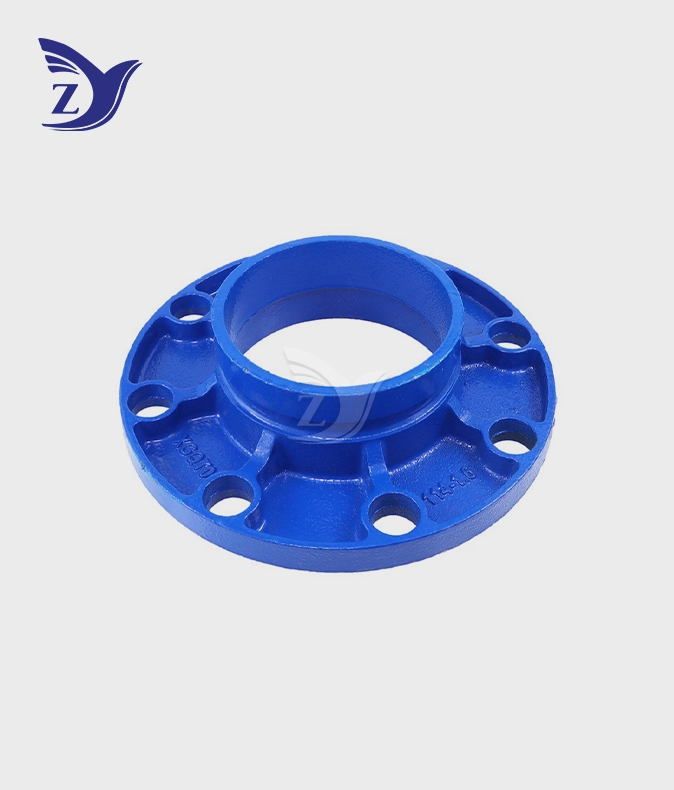
Water Grooved Flange
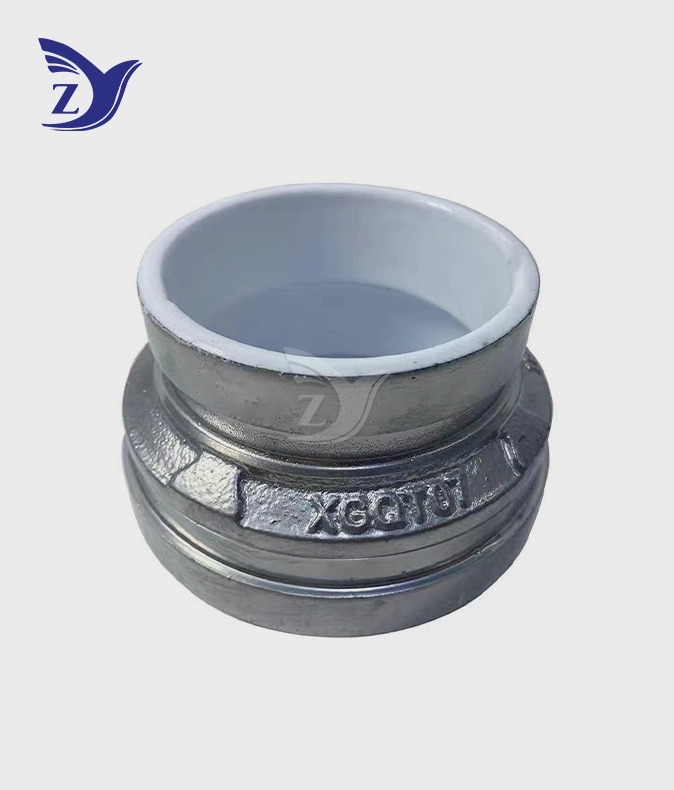
Water Grooved Reducer
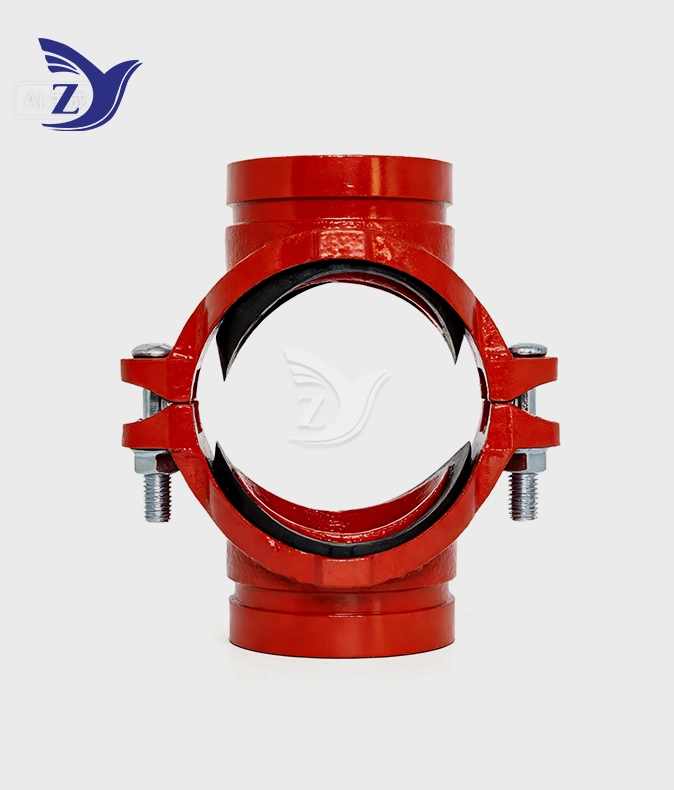
Threaded Mechanical Cross
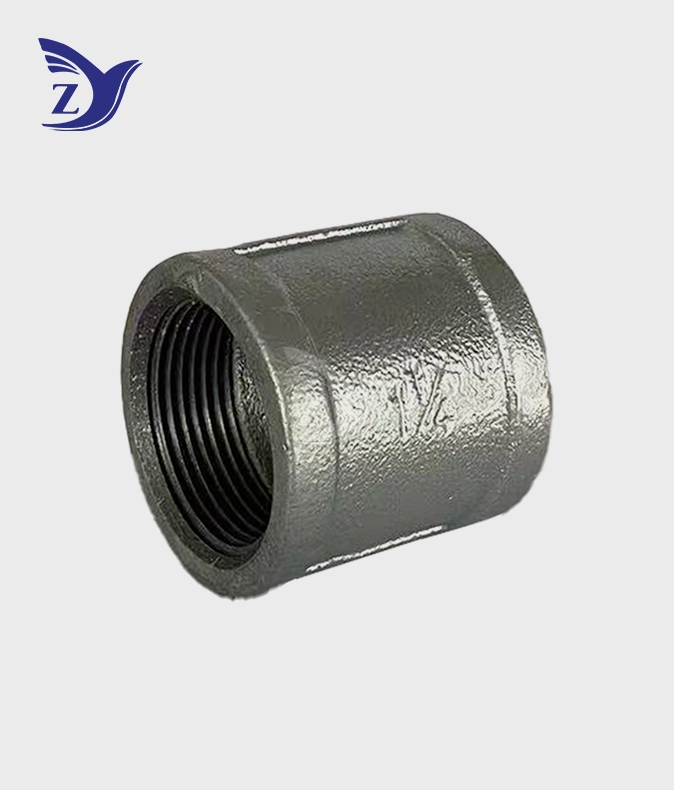
BSPT Square Face Galvanized Square Edge Coupling Pipe Fittings
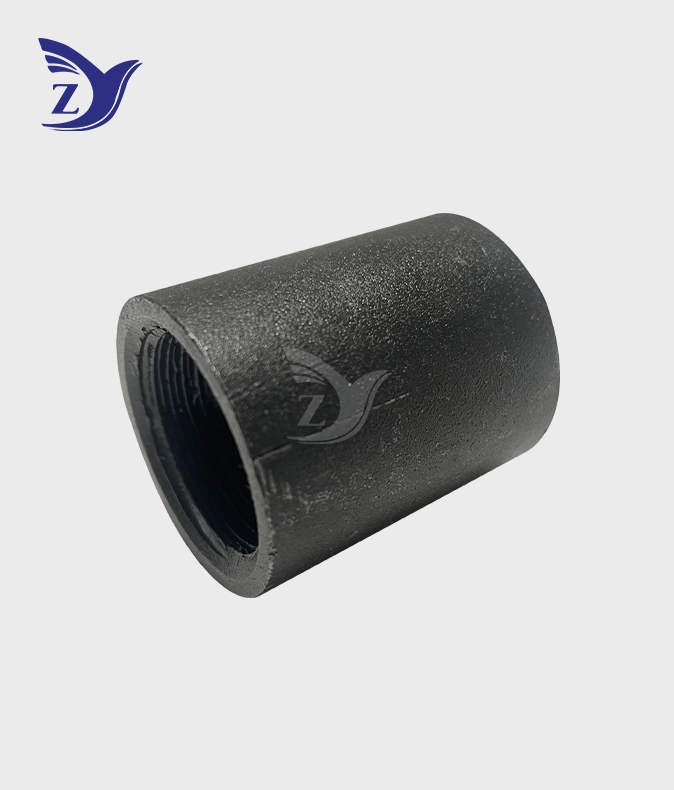
Carbon Steel Full Threaded Coupling Fittings Black Oxide Treated
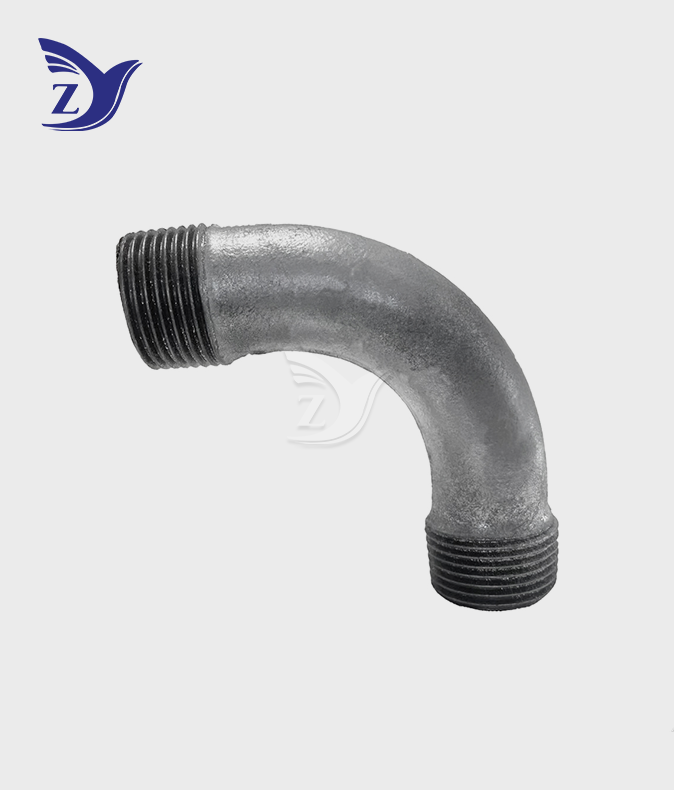
BSPT Round Face Galvanized Round Edge 90° Elbow Pipe Fittings
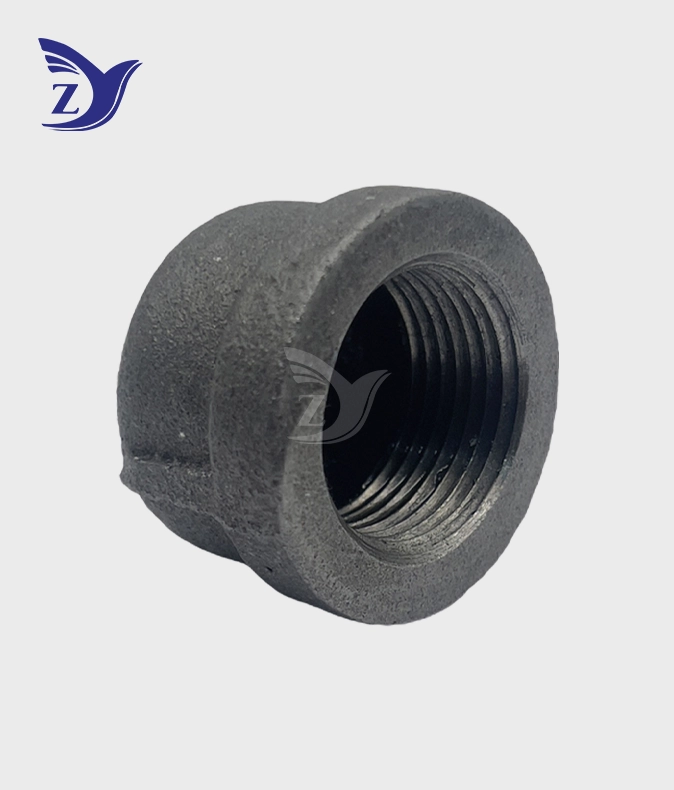
NPT Black Cap Pipe Fittings
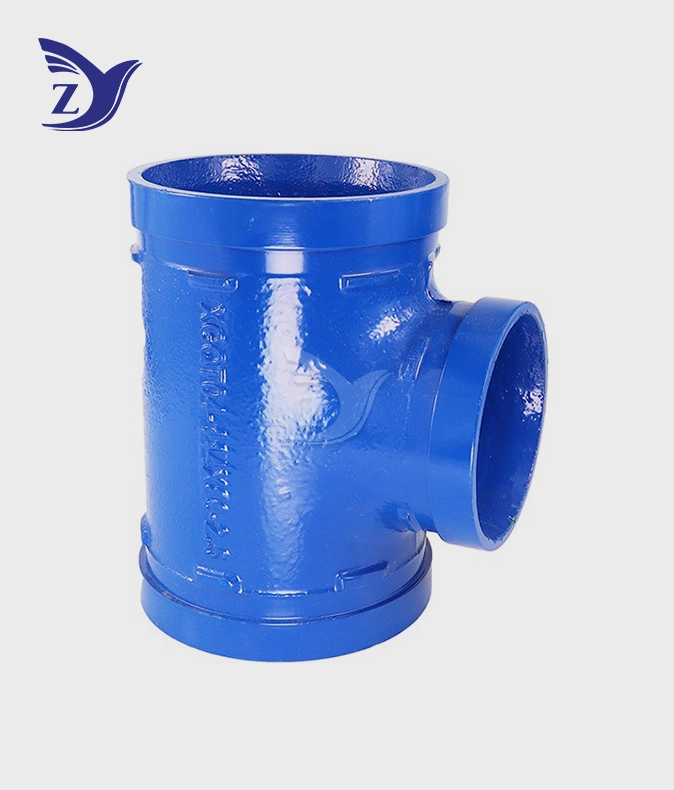
Water Grooved Straight Tee