
Jun 29, 2026
What are the different types of female elbows?
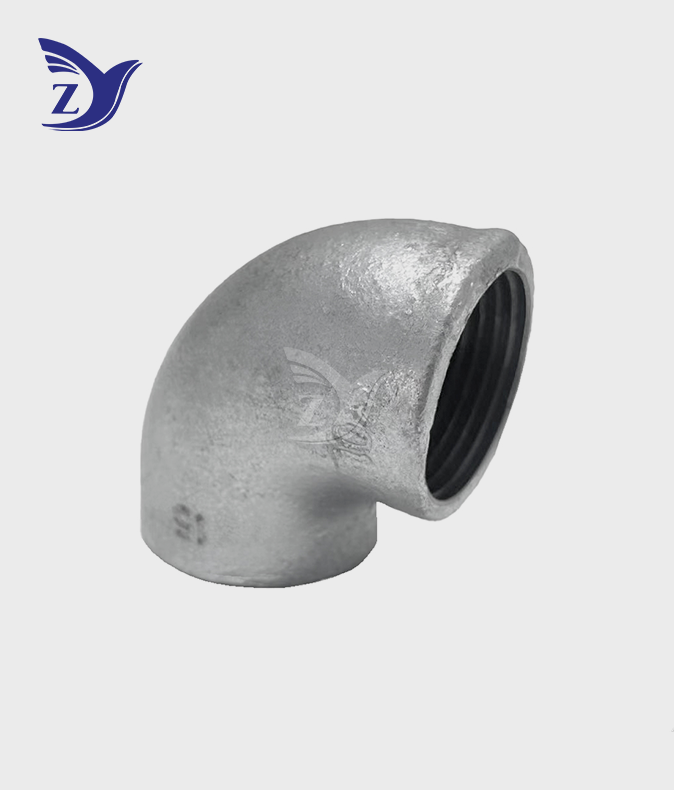
Female elbow pipe fittings are a type of threaded connector that can be used to turn pipelines at certain angles. Both sides of the fittings have internal threads for a seamless connection. NPT galvanized female-female 90° long radius elbow pipe fittings are one of the most popular types. They offer better flow characteristics and corrosion protection for tough industrial uses. There are also common variations like short radius 90° elbows for setups with limited room, 45° female elbows for gradual changes in direction, and special configurations like reducing female elbows that can fit pipes of different diameters. Each type fulfils different practical needs in systems for fire protection, HVAC, water distribution, and petrochemicals. When buying, it's important to think about the material choice and thread compatibility.
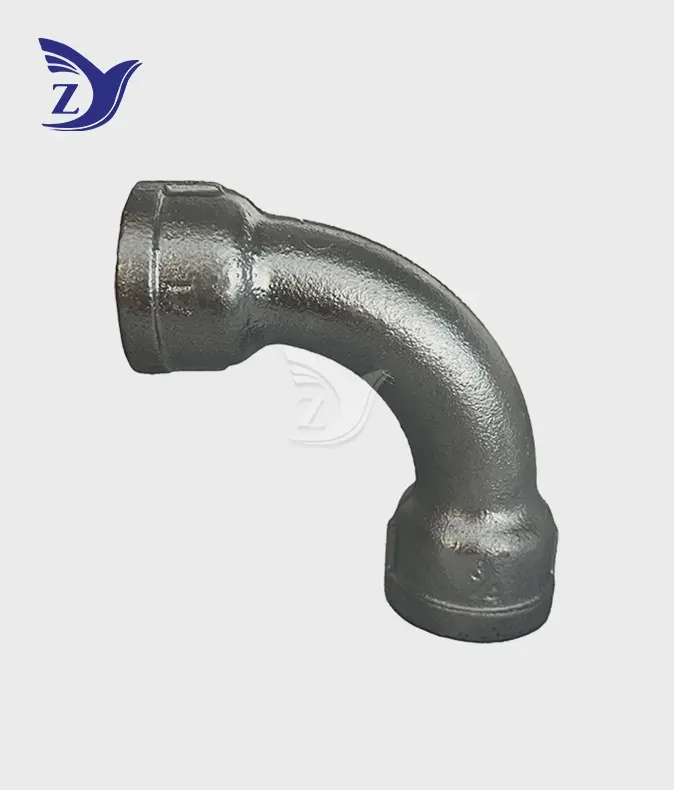
Understanding Female Elbow Pipe Fittings
What Defines a Female-Female Connection?
Female elbow fits have internal threading on both connecting points. This makes a socket-style interface that can take pipes or nipples with external threading. Male-female street elbows, which mix internal and external threads, are very different from this arrangement. The two female connectors make installation more flexible by letting techs link two male-threaded parts at exact angles without the need for extra connectors. This configuration cuts down on the number of joints in fire sprinkler systems and municipal water networks. This lowers the number of possible leak spots and makes upkeep easier.
The structural benefit is especially clear in retrofit jobs that need to change the way of male-threaded lines that are already there. Installers can use a NPT galvanized female-female 90° long radius elbow pipe fitting instead of changing whole pieces of pipe because it causes less damage to the system. This feature cuts down on the time and materials needed for work, which saves money for big engineering firms and building companies working with limited funds for projects.
NPT vs. BSP Thread Standards for Galvanized Fittings
Thread compatibility is the key to making sure that plumbing systems don't leak. The ANSI/ASME B1.20.1 rules say that NPT (National Pipe Taper) threading must have a 60-degree side angle and a 1:16 taper ratio. As the tapered threads pinch together during fitting, this design makes an interference seal that means you don't need any extra sealing agents in many low-pressure situations. As the taper gets tighter, the stress is spread out over several threads instead of being concentrated in one place.
British Standard Pipe Taper (BSPT) threads are made to ISO 7-1 standards and have similar taper processes but different pitch sizes. Both standards work well for threaded connections, but mixing NPT and BSPT parts can damage the seal because the thread profiles don't match. When purchasing threads for international projects, procurement managers need to make sure that the thread specs meet the regional standards. For example, NPT threads are most common in North America, while BSPT threads are still common in Europe and Asia. When it comes to thickness, galvanized coats are important. Too much zinc buildup can make it hard for threads to connect, so accurate threading is necessary during production.
Detailed Types of Female Elbows
Galvanized Female-Female 90° Long Radius Elbows
Black heart malleable iron that meets ASTM A197 standards is used to make these parts. It has a tensile strength of more than 300 MPa and can still be bent for shock protection. During the casting process, nearly-net forms are made that are then threaded precisely using CNC machines to make sure that the thread pitch is accurate within ANSI error bands. Next comes hot-dip galvanization, in which the fittings are submerged in liquid zinc at a temperature of about 840°F. This creates a coating that is metallurgically bound and usually more than 70 microns thick, as required by ASTM A153 standards.
The zinc layer acts as a sacrifice anode, corroding more quickly than the iron base below it in settings that are corrosive. When used in coastal sites, farm irrigation networks, or industrial facilities that are exposed to chemicals or high humidity, this electrochemical safety device greatly increases the service life. The long radius geometry adds to this longevity by keeping flow speeds below erosion limits. This stops the coating from wearing off too quickly from abrasive particles in water or slurry uses that haven't been treated.
There are real-world uses in many fields. In fire safety systems, these elbows move supply lines from underwater mains to vertical towers that serve sprinkler networks. Because they don't rust, they will work reliably for decades. They are used by municipal water utilities at branch points in the distribution network because the smooth flow properties keep energy losses to a minimum across the infrastructure. They are used in cooling water circuits and process wastewater systems at petrochemical plants. The galvanized surface can handle changes in temperature and chemical exposure that would quickly wear down steel that isn't protected.
Stainless Steel vs. Galvanized Material Comparison
Stainless steel elbows, which are usually made from 304 or 316 metals, don't rust as easily in places that are very acidic or high in chlorides, like food processing plants or seaside desalination plants. When scratched, the chromium oxide inactive layer grows back on its own, giving security that galvanized coatings can't match. But this performance comes at a big price—stainless fittings are often three to five times more expensive than galvanized malleable iron parts that do the same job.
NPT galvanized female-female 90° long radius elbow pipe fittings are the best choice for most industry and municipal uses where corrosion protection isn't a must. As long as the system is properly maintained, the zinc covering will protect against atmospheric wetness, dirt contact, and normal industrial water chemistry for 30 to 50 years. The base material is made of malleable iron, which is more resistant to impact than brittle cast iron. This means that there is less chance of breaking during shipping, handling, and installation, which is useful for bulk wholesalers who manage large stocks across regional stores.
Total lifetime costs, not just the original purchase price, must be taken into account in cost analysis. While coating upkeep is not needed for stainless steel, replacing galvanized parts locally at a lower cost is possible when rust happens. For big projects like city water networks that stretch hundreds of miles, galvanized fittings save money on materials that are used to make infrastructure better while staying within budget. This gives the community more for every dollar spent.
Other Common Female Elbow Variations
Short radius 90° female elbows are used in places where room is more important than hydraulic efficiency. The smaller size is good for mechanical rooms in high-rise buildings, ship engine compartments, and small industrial skids because it lets designers run pipes through crowded areas without having to set them back too far. The trade-off is higher pressure drops and more energy use by the pump, which engineers measure when they build the system to make sure there are enough flow rates.
When you combine 45° female elbows with straight pipe sections, you can make your own custom route configurations. This is because the angle change is spread out over two elbows instead of one 90° fitting. Gas distribution systems often use 45° angles to get around structural hurdles while keeping flow rates high enough to keep condensation from building up in low spots. Because they don't create as much turbulence as sharp 90° turns, they also make compressed air systems and pneumatic moving lines quieter.
Reducing female elbows combine changing direction with changing width, so there is no need for a separate reduction coupling and the leak point that goes with it. These special fittings are useful for branch takeoffs from bigger mains to smaller distribution laterals or for managing flow rates in pump discharge lines that need to gradually get bigger. OEM equipment makers who put their own pipes into modular systems can use custom casts to make non-standard size combinations.
How to Measure and Choose the Right Female Elbow Fitting?
Accurate Measurement Techniques for NPT Elbows
When measuring female-threaded fittings, you need to pay close attention to three important factors: the standard pipe size, the thread pitch, and the centerline radius. The nominal size of a thread refers to the estimated inside diameter of the pipe it fits, not the thread itself. For example, a 1-inch NPT galvanized female-female 90° long radius elbow pipe fitting can fit pipe with an outer diameter of about 1.049 inches. Thread pitch gauges check the number of threads per inch, which makes sure that the NPT standard is followed. The number of threads per inch changes depending on the size; 1/2-inch uses 14 TPI and 1-inch uses 11.5 TPI.
The definition of long versus short radius is based on the measurement of the centerline radius. Measure from the center of the fitting to the face at one end using a flexible tape measure or radius gauge. Then, make sure that this distance is equal to about 1.5 times the standard diameter for long radius specification. Digital calipers are very accurate and can be used for quality control checks. They make sure that the same standards are met across all production batches, which is very important for wholesalers who have to promise engineering clients accurate measurements.
Checking the thread level keeps problems with compatibility with connecting parts from happening. The engagement of NPT threads is tapered, so making sure the joining depth is right makes sure the seal forms in the thread zone that was meant for it. ANSI-recommended L1 plug gauges make sure that the threads can be properly engaged without bottoming out too soon or leaving too much looseness. This quality control step keeps the joints in pressurized systems from having flaws that could happen during production.
Key Procurement Criteria for Industrial Buyers
Material approval paperwork is necessary for projects to stay within the rules and handle responsibility. Managers in charge of buying things should ask for mill test reports that confirm the iron's ASTM A197 composition, mechanical property test results that show its tensile strength and bending values, and galvanization certificates that confirm the thickness of its ASTM A153 coating. These papers provide quality guarantee that can be tracked. This keeps engineering firms and workers safe from using low-quality materials that could cause projects to fail or warranty claims to be made.
The values for pressure and temperature must match the working conditions of the system plus some safety margins. Class 150 fittings can handle 300 psi and temperatures between -20°F and 150°F, which is enough for most building services and light commercial uses. For higher-pressure steam lines and process pipes, Class 300 rates go up to 600 psi. Extreme temperatures can weaken materials and seals. For example, zinc can become less stable in galvanized coats below -20°F, and heat above 400°F weakens the bond between zinc and iron.
Before buying in bulk, thread standard compatibility should be checked. This is especially important for sellers who serve more than one market. By checking the NPT vs. BSPT specs, you can avoid costly inventory mistakes that happen when fittings don't work with the standards in the target country. Mixed thread standards may be needed for hybrid projects that use foreign equipment. This means that specifications must be carefully read and suppliers must be contacted to make sure that each fitting fits its intended joint component.
Conclusion
To choose the right NPT galvanized female-female 90° long radius elbow pipe fitting fits, you have to think about the project's budget, technical performance needs, and the surroundings. For most industry and city uses, NPT galvanized female-female 90° long radius elbow pipe fittings are the best choice because they are resistant to corrosion, work well with hydraulics, and are cost-effective. When buying teams know about thread standards, radius classifications, and material qualities, they can choose parts that keep systems reliable while keeping costs low over their entire life. By working with well-known companies that offer full approval, technical support, and production capacity, buyers can complete projects successfully while also making the supply chain more resilient for long-term operating needs.
FAQs
How do I verify NPT thread compatibility before ordering bulk quantities?
Ask your provider to certify the thread sizes using L1 plug gauges in line with ANSI/ASME B1.20.1 standards. Reliable makers, such as Zhiyuan Malleable Steel, offer dimensional inspection records that include measures of the pitch diameter, taper angle, and thread depth. You can also order sample pieces to make sure they physically fit with the pipes you already have before making big purchases. Pressure testing will confirm that the pieces fit properly and form a seal.
What causes premature failure in galvanized female elbows?
Most of the time, installation stress from being out of line leads to cracks at the thread roots or elbow bends when the temperature changes. Corrosion can happen quickly if the galvanization is too thin or the coating doesn't stick well, especially in chemical or seaside settings. When installing something, over-torquing can break the pliable iron casting, and when sediment builds up in dead-leg arrangements, it leads to under-deposit rust that goes through the zinc coating in some places.
Can I mix long radius and short radius elbows in the same piping system?
Yes, but when doing hydraulic math, you have to take into account that pressure drops in different ways. Mixing setups are useful in situations where long-radius fittings are better for mainline flows and short-radius fittings are better for branch links to save room. Keep the specs the same in important flow routes, like pump suction lines, where uniform hydraulic behaviour stops the risk of cavitation. As-built setups should be written down so that they can be used for future troubleshooting if flow distribution problems arise during operation.
Partner with Zhiyuan Malleable Steel for Superior Female Elbow Solutions
Zhiyuan Malleable Steel is ready to help you with your pipe projects because they can make more than 1,000 different types of steel products and can produce 30,000 tonnes of steel each year. Our NPT galvanized female-female 90° long radius elbow pipe fittings are made to strict ASTM A197 material standards and ASTM A153 galvanization requirements. They also have ISO 9001, CE, UL, and FM certifications that show they meet the highest standards for quality. We have been casting for 26 years and offer full OEM/ODM customization services. This gives project-based engineering buyers the quality stability and delivery trustworthiness they need. Our Shanxi plant has a lot of cost benefits while still keeping quality control that meets export standards. It is backed up by responsive expert teams that know how to handle the most complicated fire protection, HVAC, and industrial piping applications. We are a trusted NPT galvanized female-female 90° long radius elbow pipe fittings supplier for distributors, contractors, and OEM manufacturers across North American markets. Contact our procurement specialists at q1236800000@gmail.com to talk about your specific needs. Whether you need 100 pieces or 10,000 units, we can meet your needs with flexible service and low prices. You can see all of our products at zymalleablepipefitting.com and ask for detailed information that will make the process of quoting easier.
References
- American Society of Mechanical Engineers. (2018). ASME B1.20.1: Pipe Threads, General Purpose (Inch). New York: ASME Press.
- ASTM International. (2020). ASTM A197: Standard Specification for Cupola Malleable Iron. West Conshohocken: ASTM International Standards.
- ASTM International. (2019). ASTM A153: Standard Specification for Zinc Coating (Hot-Dip) on Iron and Steel Hardware. West Conshohocken: ASTM International Standards.
- Crane Co. Technical Paper. (2020). Flow of Fluids Through Valves, Fittings, and Pipe. Stamford: Crane Engineering.
- National Fire Protection Association. (2019). NFPA 13: Standard for the Installation of Sprinkler Systems. Quincy: NFPA Publications.
- Singh, R. K., & Kumar, S. (2021). Corrosion Protection Mechanisms in Hot-Dip Galvanized Steel Pipe Fittings. Journal of Materials Engineering and Performance, 30(4), 2847-2859.
Online Message
YOU MAY LIKE
High quality furniture manufacturer
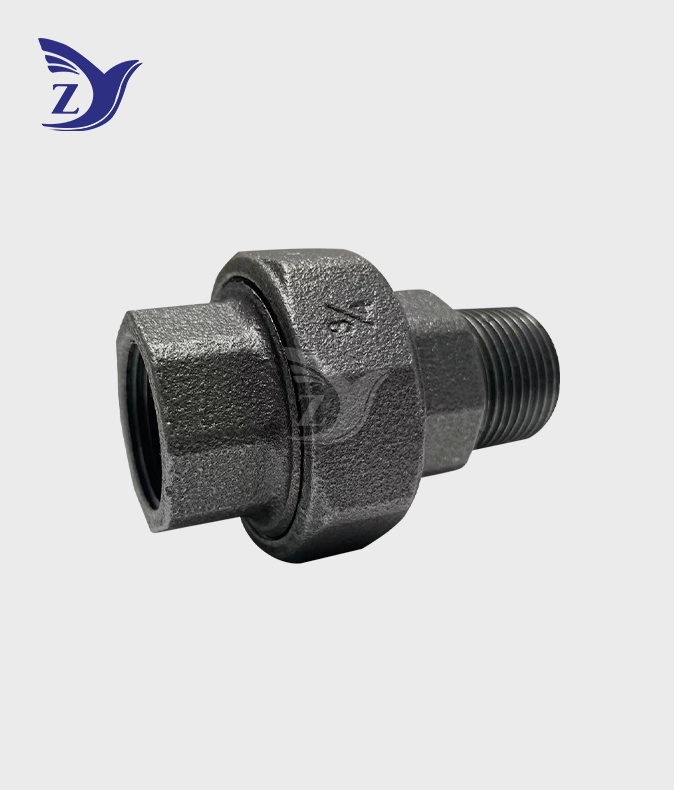
NPT Black Male-Female Union 341 Pipe Fittings
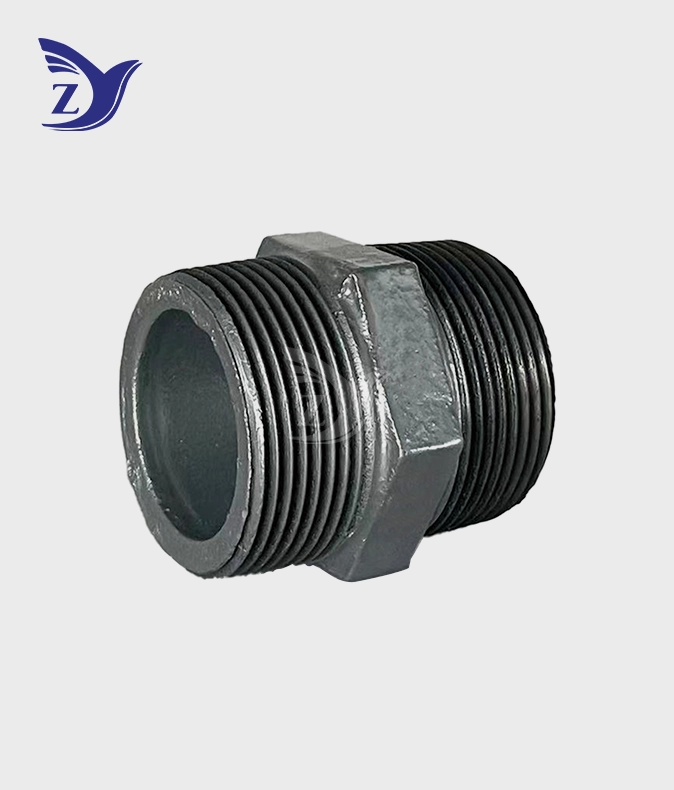
NPT Galvanized Male Nipple Pipe Fittings
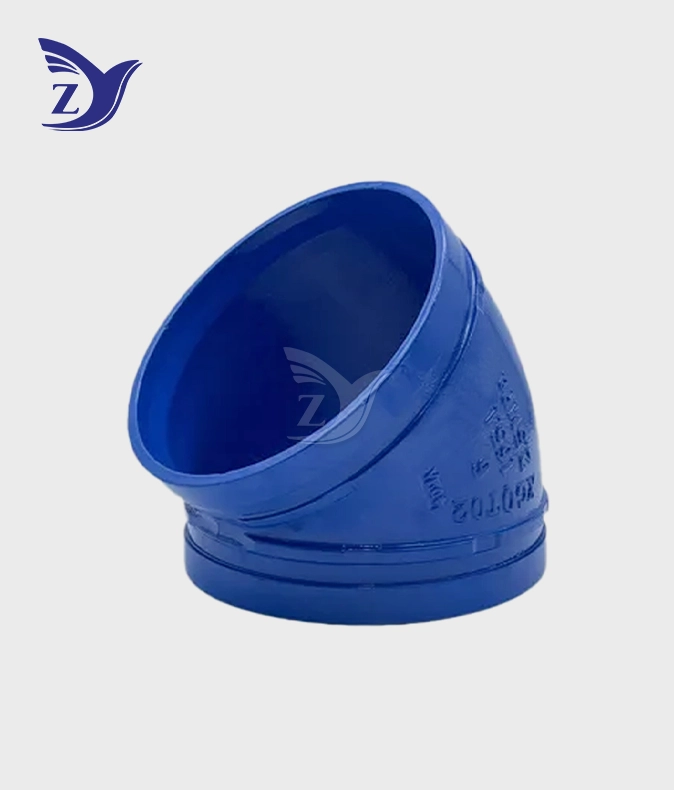
Water Grooved 22.5-degree grooved elbow
No Hub Hot Dip Galvanized 90° Elbow Pipe Fitting
Water Grooved 90° Elbow
Fire Grooved Reducing Tee
Water Supply Threaded Mechanical Cross Pipe Fitting
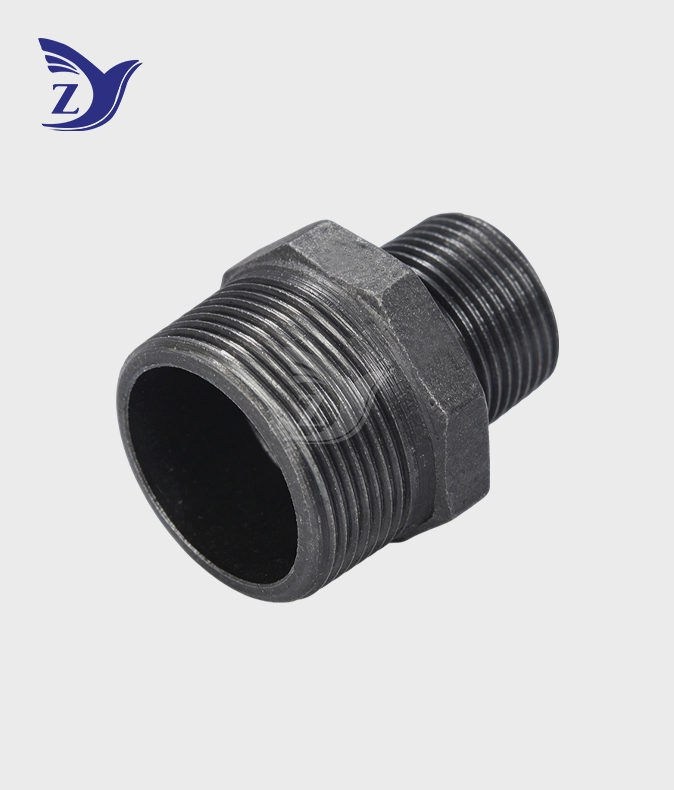
NPT Reducing Male Black Pipe Fitting