
Mar 26, 2026
What are galvanized non-flanged pipe plug pipe fittings used for?
Galvanized non-flanged pipe plug pipe fittings are important closing parts that end pipe runs and close off empty holes in plumbing systems in business, government, and industry settings. The hot-dipped zinc finish on these precision-engineered threaded screws, which are made of pliable iron, makes them more resistant to rust and lasts longer. Their small size and lack of visible plates make them perfect for tight areas with limited room for movement. They also provide reliable, leak-proof seals in systems that distribute water, gas, and oil.
Understanding Galvanized Non-Flanged Pipe Plug Fittings
Essential Characteristics and Definitions
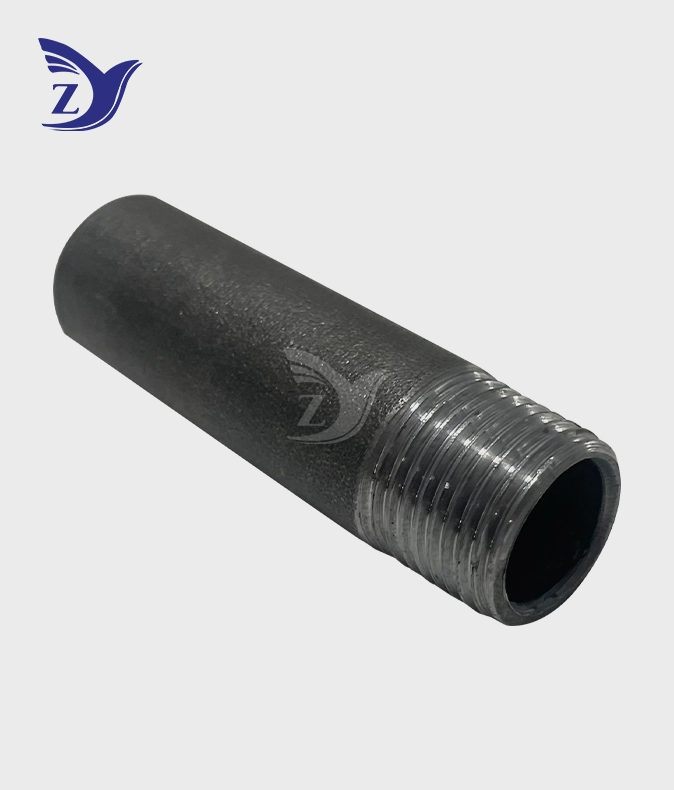
Pipe plug fittings that are galvanized and don't have flanges are special male-threaded closing parts that are made from iron or carbon steel that can be shaped. These fittings are different because they have a slim appearance. The heads are usually square or hexagonal and extend straight from the threaded body without any extra collar extensions. The term "galvanized" refers to a protective zinc layer that is put on using hot-dip galvanizing methods. This creates a shield that stops the underlying metal from rusting.
The making process starts with casting high-strength, pliable iron. Next, the threads are carefully made to fit NPT (National Pipe Taper) or BSPT (British Standard Pipe Taper) standards. For the galvanizing process, finished parts are put into liquid zinc pools that are hotter than 840°F. This creates protected layers that are metallurgically joined and are about 70 to 85 microns thick.
Material Specifications and Manufacturing Standards
Today's zinc pipe plugs meet strict international standards, such as ASTM A197 for malleable iron and ASTM A153 for pickling requirements. The iron base can be shaped and has a tensile strength of more than 300 MPa. It is also flexible enough to bend without cracking during heat expansion. For NPT configurations, thread profiles follow ANSI/ASME B1.20.1 standards. For BSPT configurations, they follow ISO 7-1 standards.
Critical thread measurements are guaranteed to be within ±0.002 inches of their true sizes thanks to good production methods. The zinc covering is tested for strength and bonding to make sure it will protect against weather damage for a long time. These standards allow for solid performance in a range of working situations while still being compatible with current systems.
Differences Between Flanged and Non-Flanged Designs
The main difference between galvanized non-flanged pipe plug pipe fittings and flanged pipe plug pipe fittings is how they are installed and how well they work. Non-flanged designs don't have the bigger lip or collar that flanged designs do. This makes the shapes smaller, which saves room. This simplified layout is helpful in busy mechanical rooms, underground installations, and equipment units that are hard to get to because of limited space.
Flanged plugs have longer ends that spread the binding forces over a bigger surface area. This may make the bond stronger under high pressure. However, these rings make it easier for things to get caught and for trash to build up, which can make upkeep more difficult. These problems can be solved with non-flanged options that still do a good job of closing by choosing the right materials and thread contact.
Applications of Galvanized Non-Flanged Pipe Plug Pipe Fittings in Industrial and Commercial Settings
Fire Protection and Safety Systems
These special plugs are used a lot by fire protection engineering firms in sprinkler systems, hose networks, and pump house installs. The corrosion-resistant zinc finish is very important because it keeps rust from contaminating the spray heads, which could make them less effective during an emergency. Galvanized non-flanged pipe plug pipe fittings are made to work with ceiling-mounted sprinkler systems that have tight spacing requirements. They also provide a solid end for test lines and room for future growth.
These fittings are used by municipal fire departments to block off connections that aren't being used in sprinkler units. This keeps the system intact during high-pressure tests. The structure is made of malleable iron, which can withstand the impact forces that are common in emergency situations and keep its leak-proof performance even when the temperature changes.
Water Treatment and Distribution Networks
In order to end service lines and protect repair entry points, municipal water systems use zinc pipe plugs all over their distribution infrastructure. When used underground, where wetness and the chemistry of the dirt make rusting difficult, the zinc layer extends the life of the equipment. These plugs seal pressure testing lines well, so system users can check the stability of the system without making any lasting changes.
These parts are used in process pipe systems at water treatment plants where chemical protection and physical stability are very important. The metal surface treatment can handle polluted water and light chemical solutions. It also keeps the threads strong even after being put on and taken off many times.
Industrial Process Applications
Pipe plugs made of stainless steel are used in petrochemical plants to seal process pipes temporarily or permanently. The high-strength, pliable iron construction can handle the high pressures that are common in industry settings, and the zinc finish keeps outdoor installations from rusting from the weather. These parts are very important in facilities that process hydrocarbons, make chemicals, and make electricity.
These plugs are used in factories to seal off empty links in compressed air systems. This keeps the systems running smoothly and stops dirt and other things from getting in. Precision fitting makes installation safe without the need for extra coatings, which simplifies upkeep and lowers costs.
How to Select and Install Galvanized Non-Flanged Pipe Plug Fittings?
Selection Criteria and Compatibility Assessment
To make the right choice, you need to carefully look at the thread specs, pressure ratings, and weather conditions. NPT threading works best in North America, while BSPT setups are more common in Europe and the Commonwealth. Pressure values must be higher than the highest working pressures by an amount that is considered safe. This amount is usually between 150 PSI and 1000 PSI for normal uses and high-pressure industrial systems.
The weather affects the choice of material. Standard zinc plugs can handle temperatures from -20°F to 400°F. Chemical compatibility tests make sure that zinc coats stay stable when they come into contact with certain process fluids or weather conditions. Size fit checking stops cross-threading damage and makes sure the best closing performance.
Installation Best Practices and Procedures
Professional fitting starts with cleaning the female threading very well to get rid of any dirt, scale, or leftover sealant. Thread contact should go easily and not be forced, which means the parts are aligned and compatible. Hand-tightening sets up the initial contact, and then a wrench is used to tighten it to the manufacturer's specs.
Over-tightening, which could break threads or cause stress peaks, can be avoided by using the right amount of torque. Usually, pipe thread sealer or PTFE tape is put on male threads before fitting. This makes the seal stronger and makes it easier to remove later. To keep other parts from getting in the way, the plug head should be installed so that it is flush with or just below the fitting surface.
Comparative Analysis with Alternative Materials
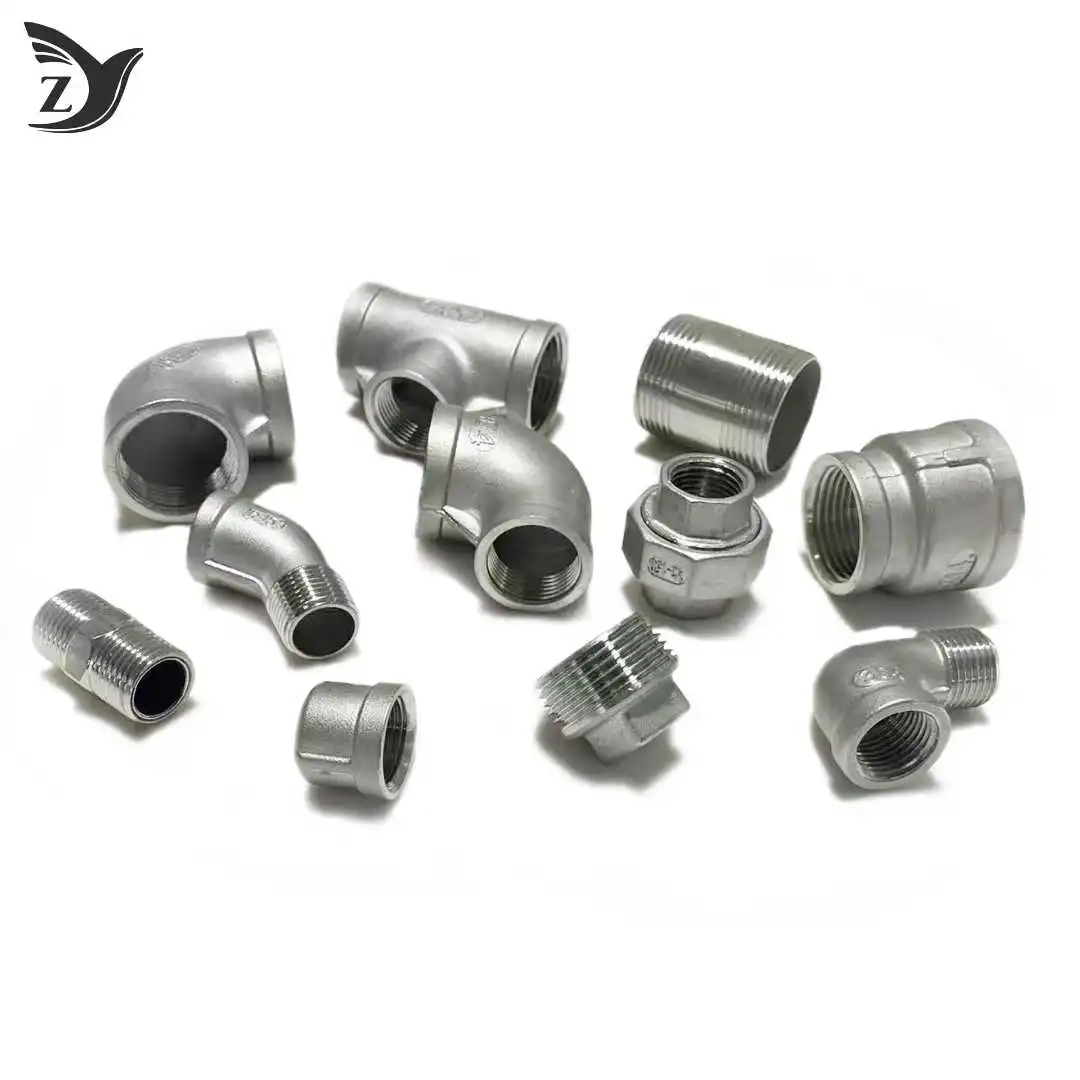
Compared to zinc plugs, stainless steel plugs are more resistant to rust, but they cost more at first. Galvanized non-flanged pipe plug pipe fittings are more cost-effective when used in big projects where middling rust protection is enough. While brass plugs are very resistant to rust, they are not strong enough for high-pressure uses.
In wet places, carbon steel parts that don't have protective coats break down quickly, so they need to be replaced more often, which raises the cost of upkeep. In mild settings, the zinc finish increases the service life by 20 to 50 years, providing great value by lowering the need for repair and upkeep.
Why Choose Galvanized Non-Flanged Pipe Plug Pipe Fittings: Advantages and Industry Insights
Durability and Performance Benefits
The mix of hot-dipped galvanizing and building from pliable iron makes it very durable in harsh working conditions. When compared to cast iron, malleable iron is better at withstanding pressure and still being easy to machine for precise fitting. During the galvanizing process, metallic bonds are formed that keep the coating from coming off when the metal is stressed or heated and cooled.
Performance benefits go beyond just resistance to rust; they also include maintaining dimensions, thread integrity, and mechanical strength. For longer service life, less upkeep, and better system stability, these traits are very important. Studies in the field show that covered alternatives have 300–50% longer service lives than untreated options in low rust settings.
Cost-Effectiveness and Economic Advantages
A study of the economy shows that zinc pipe plugs have a lower total cost of ownership than more expensive options. The extra cost compared to untreated goods is between 15% and 25% at first, but the longer service life (20 to 50 years) saves a lot of money in the long run. When you change things less often, you save money on work costs and system downtime that come with maintenance.
Galvanized plugs are also better for energy economy because they keep pressure better and reduce system leaks. Energy losses due to leaks can make up 10 to 20 percent of pumping costs in systems that aren't well taken care of. This is why solid closing parts are so important for running efficiently. Buying high-quality galvanized non-flanged pipe plug pipe fittings pays off in the long run by lowering running costs.
Industry Adoption and Success Stories
Large building projects always use zinc pipe fittings because they are reliable and don't cost a lot of money. In mild soil conditions, municipal water companies say that zinc parts have a service life of more than 40 years. Strategically specifying zinc parts has helped industrial sites lower their upkeep costs and make their systems more available.
Case studies from petroleum sites show that the systems worked well even when they were exposed to harsh conditions like changing temperatures, chemicals, and physical stress. These real-world uses prove the principles of design and give people trust in similar projects in a wide range of industries.
Conclusion
For safe pipeline protection in industrial, business, and local settings, galvanized non-flanged pipe plug pipe fittings are necessary. Their mix of a zinc finish that doesn't rust, high-strength iron construction, and a non-flanged design that saves room meets important infrastructure needs and provides great value through longer service life. The NPT/BSPT screw compatibility makes it easy to connect to current systems, and the precise production makes sure that the product won't leak even in the harshest circumstances. Professional buying methods that focus on quality approval, source dependability, and the overall cost of ownership help people choose the best products for a wide range of uses.
Contact Zhiyuan Malleable Steel for Premium Galvanized Pipe Plug Solutions
Zhiyuan Malleable Steel stands as your trusted galvanized non-flanged pipe plug pipe fittings manufacturer with 26 years of casting expertise and proven industry leadership. Our ISO 9001 certified facility produces over 30,000 tons annually while maintaining strict quality standards through comprehensive testing and certification processes. Contact our expert team at q1236800000@gmail.com for customized quotes, bulk pricing options, and reliable delivery solutions that meet your project specifications. Our UL, FM, and CE certified products ensure regulatory compliance while our OEM/ODM capabilities support specialized requirements across fire protection, municipal infrastructure, and industrial applications.
FAQ
What advantages do non-flanged plugs offer over flanged variants?
Non-flanged pipe plugs eliminate protruding collars that can interfere with adjacent equipment or create debris accumulation points. Their compact profile suits confined spaces while maintaining equivalent sealing performance through optimized thread engagement and material selection.
What temperature ranges can galvanized pipe plugs withstand?
Standard galvanized plugs operate effectively between -20°F and 400°F, covering most industrial and commercial applications. The malleable iron substrate maintains mechanical properties throughout this range while the galvanized coating provides consistent corrosion protection.
How can buyers verify supplier quality certifications?
Reputable suppliers provide documentation including ISO 9001 certificates, industry-specific approvals (UL, FM, CE), and material test certificates. Independent verification through certification body websites confirms authenticity while facility audits validate actual manufacturing capabilities.
What thread sealants work best with galvanized plugs?
PTFE tape or pipe thread compound specifically designed for metal fittings ensures optimal sealing while facilitating future removal. Avoid sealants containing graphite or other materials that could accelerate galvanic corrosion in mixed-metal systems.
How do galvanized plugs compare economically to stainless steel alternatives?
While stainless steel offers superior corrosion resistance, galvanized plugs provide adequate protection at 40-60% lower initial cost. Total cost analysis must consider application requirements, expected service life, and replacement costs to determine optimal material selection.
References
1. American Society of Mechanical Engineers. "ASME B1.20.1 - Pipe Threads, General Purpose (Inch)." Standards for threaded pipe fitting specifications and tolerances.
2. ASTM International. "ASTM A197 - Standard Specification for Cupola Malleable Iron." Material standards for malleable iron pipe fitting applications.
3. ASTM International. "ASTM A153 - Standard Specification for Zinc Coating (Hot-Dip) on Iron and Steel Hardware." Galvanizing standards and coating thickness requirements.
4. International Organization for Standardization. "ISO 7-1 - Pipe threads where pressure-tight joints are made on the threads." British Standard Pipe Taper threading specifications.
5. National Fire Protection Association. "NFPA 13 - Standard for the Installation of Sprinkler Systems." Fire protection system component requirements and specifications.
6. American Water Works Association. "AWWA Manual M11 - Steel Pipe Design and Installation." Municipal water system design guidelines and component selection criteria.
Online Message
YOU MAY LIKE
High quality furniture manufacturer
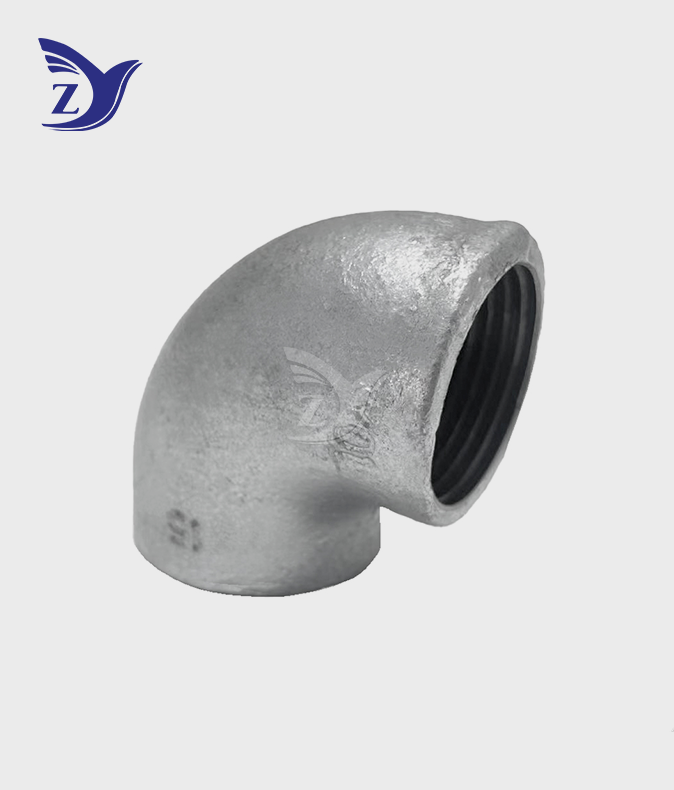
No Hub Electro Galvanized 90° Elbow Pipe Fitting
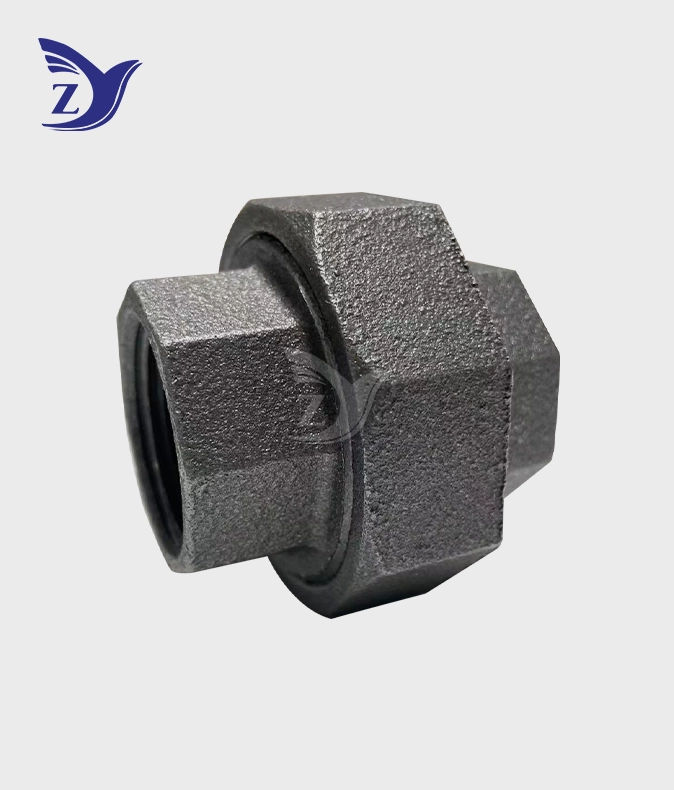
NPT Black Union 340 Pipe Fittings
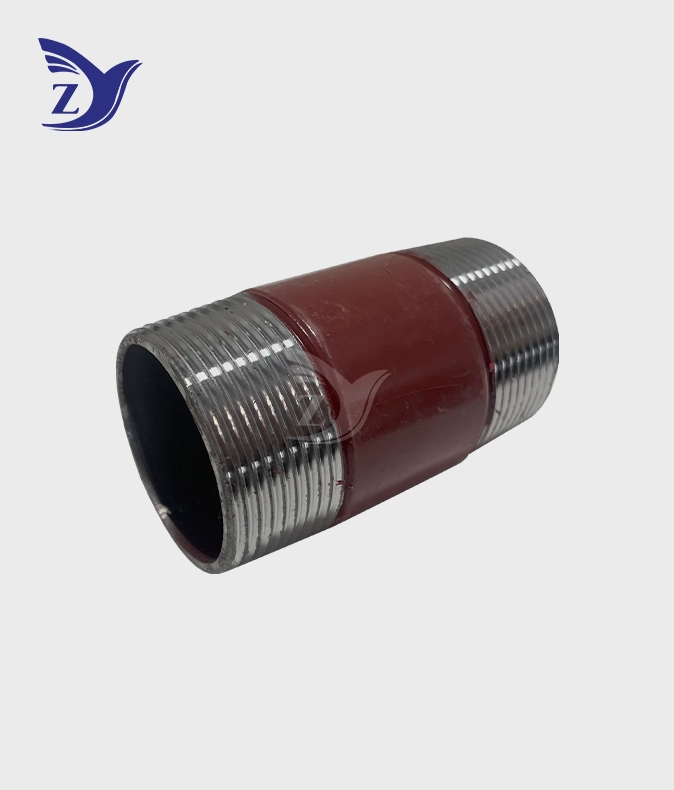
Carbon Steel Pipe Male Threaded Fittings Red Coated
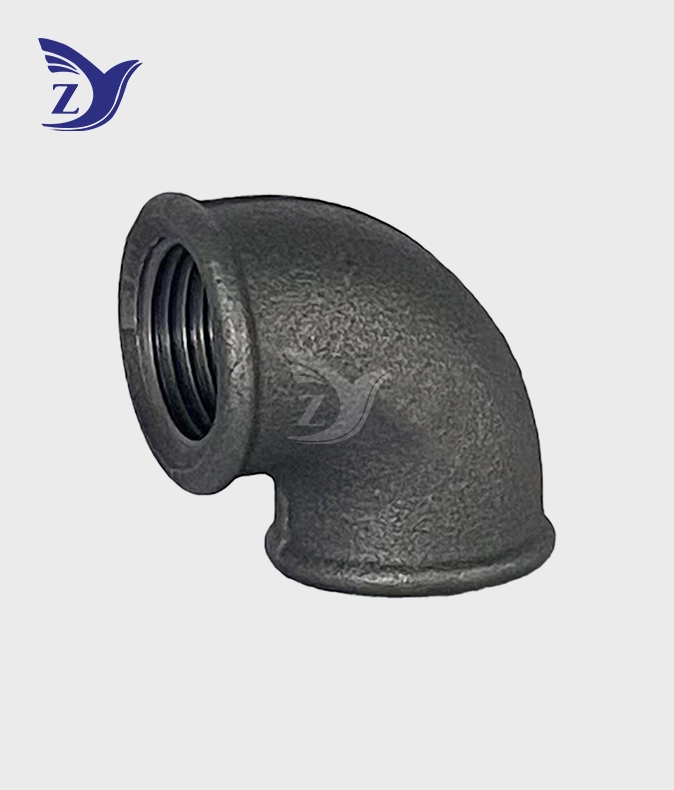
NPT Black Round Face 90° Elbow Pipe Fittings
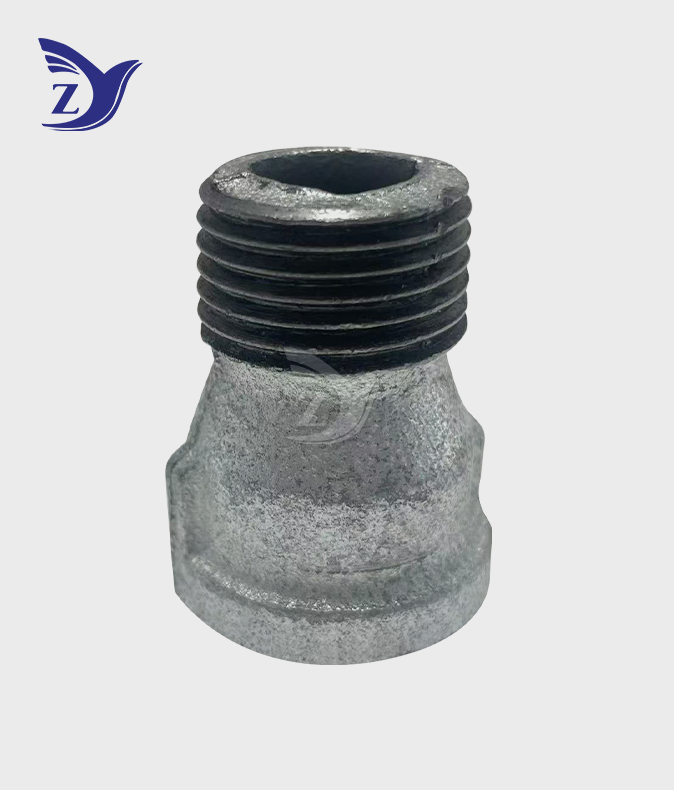
NPT Thread Square Edge Reducing Street Coupling Pipe Fittings
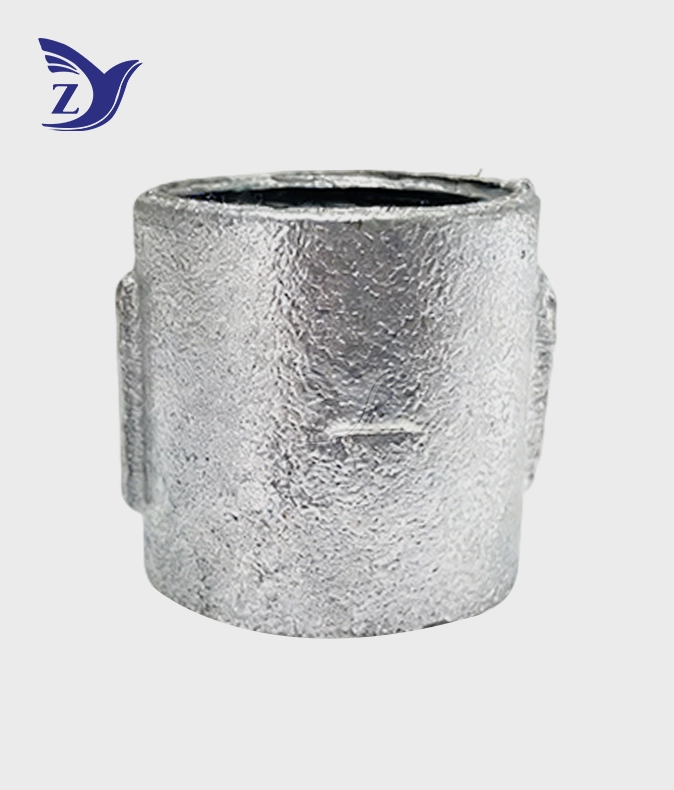
No Hub Electro Galvanized Coupling Pipe Fitting
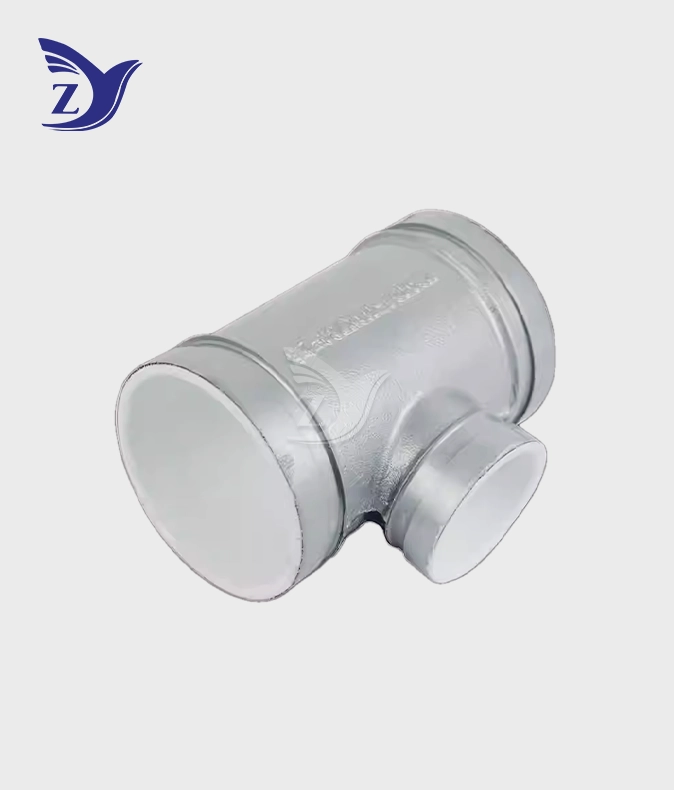
Water Grooved Reducing Tee
Carbon Steel Pipe Male Threaded Fittings Sand Blasted