
Apr 17, 2026
Selecting Galvanized Male Female Threaded Union 341 Pipe Fittings for High-Pressure Systems
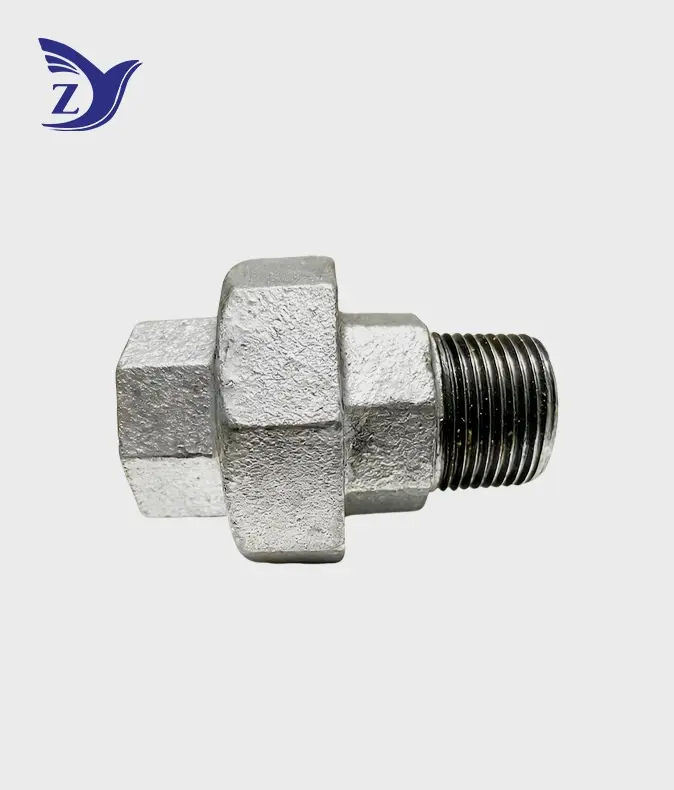
Picking the correct galvanized male female threaded union 341 pipe fittings can make the difference between smooth system operation and costly system breakdowns when setting up a reliable high-pressure pipe infrastructure. These special connectors work as detachable parts that make system changes and upkeep quick and easy without having to cut or weld a lot of pipes. The 341 union design has two threaded ends, one male and one female, and a union nut that makes it easy to put together and take apart. This makes them essential for fire protection systems, municipal water networks, and industrial process lines where reliability and easy access are important.
Understanding Galvanized Male Female Threaded Union 341 Pipe Fittings
The number 341 refers to a certain three-piece union arrangement that is accepted by all international standards. At our factory in Taigu District, Shanxi Province, we make these important galvanized male female threaded union 341 pipe fittings from high-quality malleable iron that meets ASTM A197 standards. This makes sure that each fitting has a tensile strength of more than 40,000 psi and enough flexibility to handle mechanical vibration and thermal expansion.
Core Design and Functional Architecture
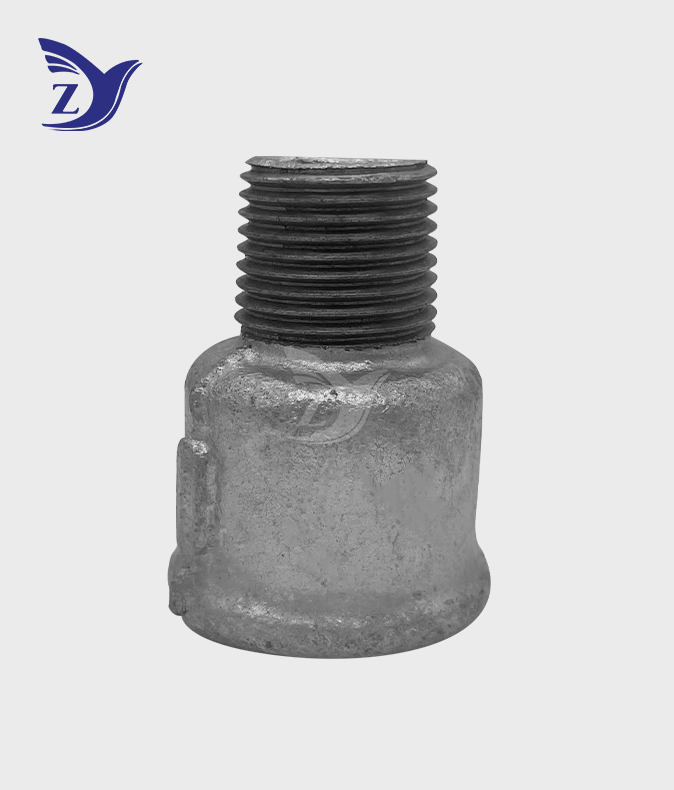
The group is made up of three separate parts that work well together. The male end has external threads that are precisely cut to meet NPT (American National Pipe Thread) or BSPT (British Standard Pipe Taper) standards. For NPT versions, the flank angle is 60 degrees, and for BSPT versions, it is 55 degrees. The female end takes these threads, and the union nut presses both halves against a cylindrical seat. This makes a metal-to-metal seal that can handle pressures up to 25 bar in most industrial settings. This taper seat design can handle small angular error during installation while still keeping the leak-proof integrity, which is a problem that many workers face in the field.
Hot-Dip Galvanization Process and Corrosion Protection
Following ASTM A153 guidelines, we immerse each finished part in liquid zinc that has been heated to about 450°C for the galvanization process. This process makes a metal link between the zinc covering and the base iron, which forms a layer of protection that is usually more than 85 microns thick. The zinc works as a sacrifice anode, corroding more quickly to protect the malleable iron underneath, even if the layer gets scratched or worn down during handling. This cathodic protection device greatly increases the useful life of fittings in wet places, brackish water systems, and chemically harsh industrial settings where untreated fittings would break within months.
Thread Standards and Compatibility Considerations
Thread flexibility is a very important requirement for foreign purchasing teams. When the taper fits into the female counterpart of an NPT thread, thread interference seals the thread. To make sure the thread is completely airtight, thread sealer tape or pipe dope is usually needed. With a 1:16 taper ratio, BSPT threads meet ISO 7-1 standards and can be used with both European and Asian pipeline systems. Our factory uses accurate L1 ring and plug gauges to check every thread. This makes sure that every fitting has the right engagement depth and side contact, which stops cross-threading and early seal failure.
Key Criteria for Selecting Galvanized Male Female Threaded Union 341 Pipe Fittings
For buying to work well, system factors must be carefully compared to galvanized male female threaded union 341 pipe fittings capabilities. We've been researching and developing castings for 26 years and have found a few choice factors that always affect the long-term success of a project.
Pressure Rating and Temperature Tolerance Assessment
For high-pressure uses, it's important to make sure that the working conditions of the system and the fitting specs are exactly the same. According to ASME B16.39 guidelines, malleable iron unions can usually handle working pressures of 150 psi to 300 psi at room temperature. As the temperature rises, the grade needs to be lowered. The material's mechanical qualities change at high temperatures. For example, above 200°C, the tensile strength gradually decreases, so metallurgical data sheets must be used to choose fittings for steam lines or hot process lines. Our technical team gives engineers thorough pressure-temperature curves for each product line. This lets them choose fits with the right amount of safety tolerance.
Material Comparison for Application-Specific Requirements
Even though coated malleable iron is a great deal, other materials are better for some uses. Stainless steel unions are much more resistant to rust in places that are very acidic or chloride-rich, but they are also much more expensive—usually three to four times as much as galvanized unions. When compared to galvanized forms, black steel fittings are about 15 to 20 percent less expensive and work better in dry, climate-controlled indoor setups where corrosion is less likely to happen. Our sourcing experts say that galvanized malleable iron is best for most water, gas, and low-corrosivity uses because it is a good balance between performance and cost-effectiveness. The material is very resistant to common contaminants in pipelines, and it keeps its mechanical strength even when it's loaded and unloaded many times, which would normally break weak materials.
Dimensional Accuracy and Thread Engagement Verification
Having the right measurements stops construction problems and failure before its time. The quality of the seal is directly affected by the length of the thread engagement. If there isn't enough engagement, weak spots are created that can be damaged by pressure spikes, and if the thread is tightened too much, it could strip or crack the casting. We use coordinate measuring tools to check important measurements like the thread pitch diameter, the accuracy of the seat angle, and the centering of the male and female axes. Each batch goes through vacuum testing at 0.6 MPa while it is buried in water. This shows any casting porosity or seat machining flaws that can't be seen with the naked eye. This quality control protocol is used in all four of our production processes. It makes sure that the dimensions are the same across big production runs, which is very important for contractors who are in charge of multi-phase building projects where parts are coming in at different times.
Installation and Maintenance Best Practices for Galvanized Threaded Unions
To get the most use out of galvanized male female threaded union 341 pipe fittings, you need to pay close attention to how they are installed and follow preventative maintenance procedures. Based on data we've gathered from field service, about 60% of early fitting problems are caused by bad installation.
Step-by-Step Installation Methodology
A careful preparation of the pipe ends is the first step to a successful fitting. For better contact, use a wire brush to clean all threads and get rid of dirt, old thread compound, and small zinc particles. Check the threads for damage; threads that are nicked or twisted create leak paths and make it impossible to reach the required torque values. Use the right thread sealant for the fluid being sent. For example, PTFE tape wrapped clockwise around the pipe end works well for gas and water, while anaerobic thread sealant is better for oil and chemical service. Tighten the male end of the pipe into the female end by hand until there is more resistance. Then, use pipe wrenches to apply the final pressure. For 1-inch fittings, the end torque should be between 35 and 45 foot-pounds. For bigger sizes, the maker will tell you how much torque you need. Don't tighten too much; it can crack the casting or bend the threads, making it harder to take apart later.
Corrosion Prevention and Inspection Routines
Galvanized male female threaded union 341 pipe fittings last a lot longer when they are inspected regularly. Visual checks should be done every three months to look for white rust formation, which shows up on the zinc surface as powdery white layers. Even though it looks bad, white rust is a sign that the zinc coating is protecting the base metal. However, the gradual loss of zinc thickness needs to be watched. Use magnetic thickness gauges once a year to keep track of how the coating is wearing down and change it when it gets thinner than 50 microns. Use zinc-rich paint on areas that have been worn down by handling damage that have shown bare metal. If you live near the coast or in an area with harsh chemicals, you might want to add more protective coverings or check on your galvanized items more often. Our service team suggests keeping track of when each fitting was installed and planning replacements based on how fast rust is happening in your facility's surroundings.
Common Installation Errors and Mitigation Strategies
The most common mistake we see is thread damage during assembly. When you use a pipe wrench directly on the union nut, you leave tool marks that show where rust starts and where stress builds up. Instead, hold on to the triangular flats that are meant to engage the wrench. This will keep the smooth surfaces from getting damaged by the wrench. When the pipe parts aren't lined up correctly, side loads cause the conical seat to bend, which stops it from closing properly even when the torque requirements are met. Hold both pieces of pipe together while they are being put together to keep them aligned. Cross-threading happens when workers put pressure on threads that are not lined up properly, damaging the thread form and making the fitting useless. Before using tools, you should always start tightening by hand to make sure it fits right.
Real-World Applications and Case Studies of Galvanized Male Female Threaded Union 341 Fittings
Industrial Fire Protection System Implementation
A local fire safety company recently asked us to provide our zinc 341 unions for a 250,000-square-foot warehouse and delivery center that needs full wet pipe sprinkler coverage. The installation included 342 union connections placed in key areas of the system to allow repair to be done without shutting down the whole network. Maintenance teams worked on each joint three times a year for the first two years of service. This confirmed that the dual-threaded design made it easy to take apart without special tools. The hot-dip galvanized covering didn't rust much even though it was exposed to changes in humidity in an unheated building, which proved that the choice of material was good. When the system was tested at 200 psi, there was no leaking at any of the union connections. This showed that the product was installed correctly and was of good quality.
Municipal Water Infrastructure Modernization
A city water company that serves 45,000 people used our BSPT-threaded unions as standard in their meter replacement program. They chose malleable iron fittings because they are resistant to rust and last a long time mechanically. Over 18 months, the project replaced 1,200 old meter setups with new ones. Unions were put upstream and downstream of each meter assembly. By getting rid of the need to cut and rethread pipes, this design cut the average time it took to change a meter from 45 minutes to 18 minutes. The utility's maintenance supervisor said that five years after installation, only three unions needed to be replaced because of damage to the machinery caused by third-party drilling. The other unions are still working fine, with no leaks or rust. After a successful application, the utility chose the same fittings for their ongoing main repair program because they were reliable and the quality of the products was always the same.
Emerging Material Technology and Sustainability Trends
The pipe fitting business is still changing to be better for the earth. Galvanizing technology has improved, allowing for thicker, more uniform zinc coats with less damage to the environment thanks to closed-loop acid recovery and better process efficiency. Our company put money into electric heating systems for galvanizing. These systems cut carbon emissions by about 30% compared to kettles that use fuel, but the quality of the covering stayed the same. More and more recovered scrap is being used to make malleable iron. Our latest formulation has over 70% post-industrial recycled content without changing its mechanical qualities. These changes to sustainability are in line with standards for green building certification and the company's environmental goals. They give procurement teams extra value on top of the basic usefulness of the products.
Conclusion
It's important to find the right galvanized male female threaded union 341 pipe fittings by weighing technical requirements, environmental factors, and cost. This design with two threads and a detachable part makes it easy to do repair on high-pressure systems used for fire defense, city infrastructure, and industry purposes. Hot-dip galvanization protects against corrosion, which increases the useful life of metals in harsh settings while keeping the cost-effectiveness of premium alloy options. The best way to protect your infrastructure investment is to use the right placement method and check it regularly. Working with well-known makers who keep strict quality control and enough production capacity in place guarantees the stability of the supply chain throughout the lifecycle of a project.
Partner with Zhiyuan Malleable Steel for Reliable High-Pressure Piping Solutions
For 26 years, Zhiyuan Malleable Steel has been making high-pressure pipes and can help you with your projects by giving you industrial-grade galvanized male female threaded union 341 pipe fittings that meet the strictest requirements. As a reliable seller of galvanized male female threaded union 341 pipe fittings, we keep our production capacity at 30,000 tons per year and have over 1,000 product specs ready to ship right away. Our CE, UL, and FM certifications show that we follow foreign standards, and our ISO 9001 quality management system makes sure that every order gets the same high-quality products. We are in Shanxi Province, which is just 30 minutes from Taiyuan Airport and makes logistics easier. We can send basic goods within two hours to customers in the region, and we offer flexible ODM/OEM customization to meet your special application needs. Our expert team offers full application engineering support to help you choose the best fittings and install them in the best way possible. Get in touch with our experts at q1236800000@gmail.com to talk about your project needs and get reasonable bulk prices backed by our dedication to quality, dependability, and quick service.
FAQs
What distinguishes galvanized from stainless steel threaded unions?
Galvanized malleable iron unions have a zinc coating on top of an iron base. They are good at resisting rust and don't cost too much. They can be used for most water, gas, and general industry tasks. Stainless steel unions are better at resisting chemicals in places where acids or chlorides are very strong, but they cost three to four times more. The choice of material relies on the chemistry of the fluid and its exposure to the surroundings.
How do I verify pressure ratings for high-pressure applications?
Pressure-temperature curves that meet ASME B16.39 norms can be found in the manufacturer's paperwork. Ask for mill test results that prove the material's mechanical traits meet the requirements of ASTM A197. Each batch passed quality control at certain test pressures, usually 0.6 MPa for standard industrial fittings, as shown on documents for pneumatic or hydraulic testing.
Where can I source certified fittings for bulk procurement?
The most trusted supply chains come from well-known companies that have ISO 9001 certification, third-party approvals like UL or FM, and a lot of production capacity. Make sure the seller has enough of the necessary sizes in stock and can provide all the paperwork needed to prove they are following the rules and meeting the needs of the project.
References
- American Society of Mechanical Engineers. (2017). ASME B16.39: Malleable Iron Threaded Pipe Unions, Classes 150, 250, and 300. New York: ASME Press.
- ASTM International. (2019). ASTM A197/A197M: Standard Specification for Cupola Malleable Iron. West Conshohocken: ASTM International Standards.
- ASTM International. (2020). ASTM A153/A153M: Standard Specification for Zinc Coating (Hot-Dip) on Iron and Steel Hardware. West Conshohocken: ASTM International Standards.
- International Organization for Standardization. (2018). ISO 7-1: Pipe Threads Where Pressure-Tight Joints Are Made on the Threads — Part 1: Dimensions, Tolerances and Designation. Geneva: ISO Central Secretariat.
- National Fire Protection Association. (2016). NFPA 13: Standard for the Installation of Sprinkler Systems. Quincy: NFPA Publications.
- Smith, J.R., & Thompson, L.M. (2021). Corrosion Protection in Industrial Piping Systems: Materials Selection and Surface Treatment Technologies. Boston: Industrial Press Technical Publications.
Online Message
YOU MAY LIKE
High quality furniture manufacturer
NPT. Black Flangeless Plug Pipe Fittings
Class 300 Hot Dipped Galvanized Malleable Iron Equal Coupling
Water Grooved 90° Elbow
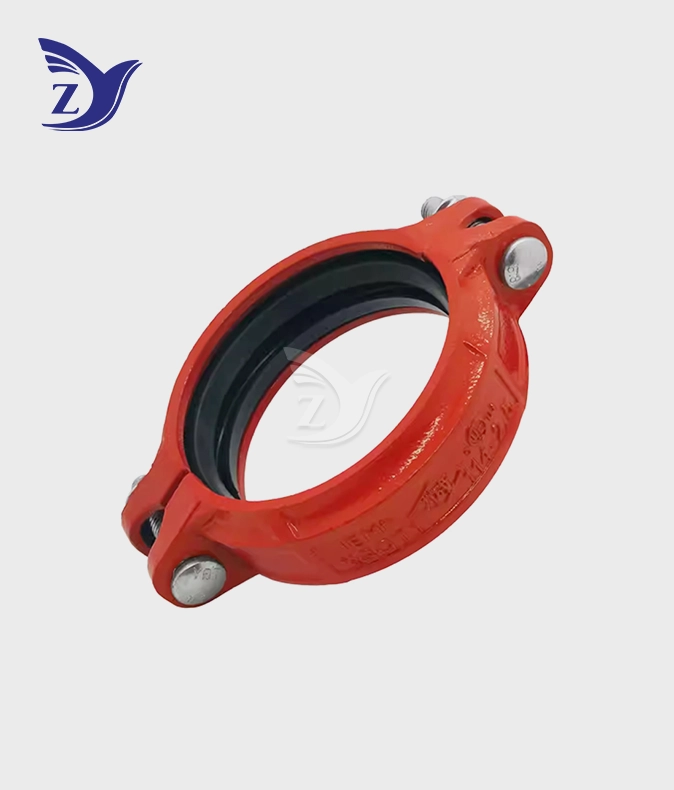
Fire Grooved Clamp
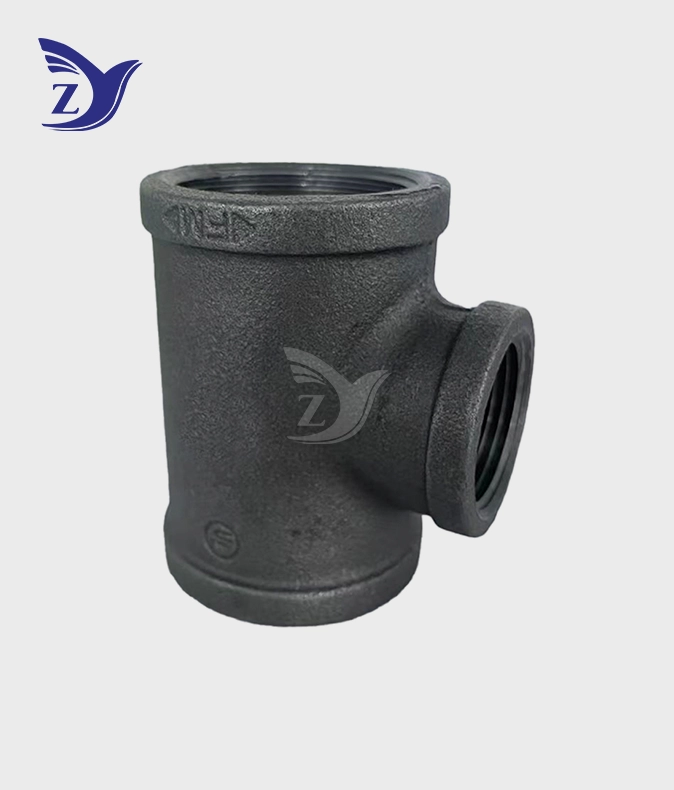
NPT Black Square Face Reducing Tee Pipe Fittings
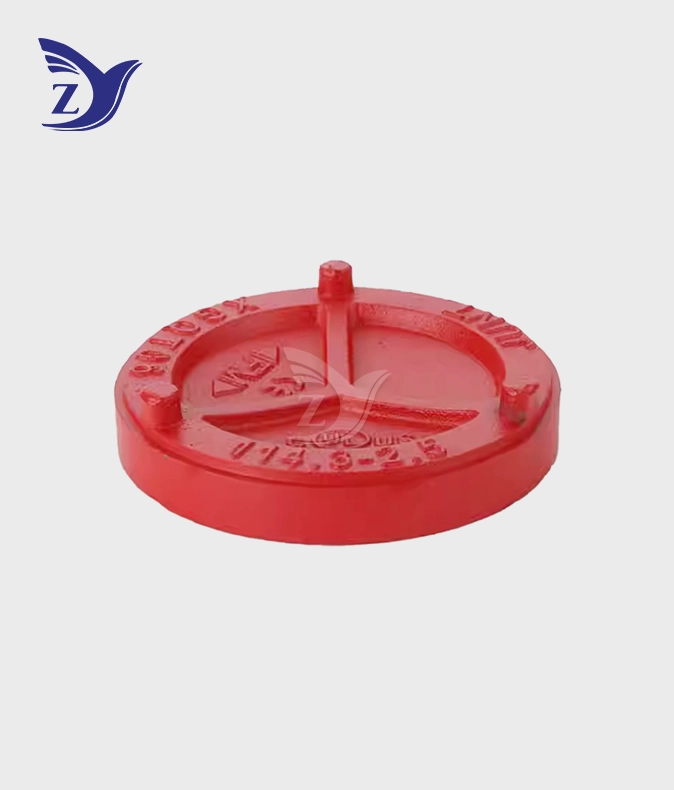
Fire Grooved Blind Flange
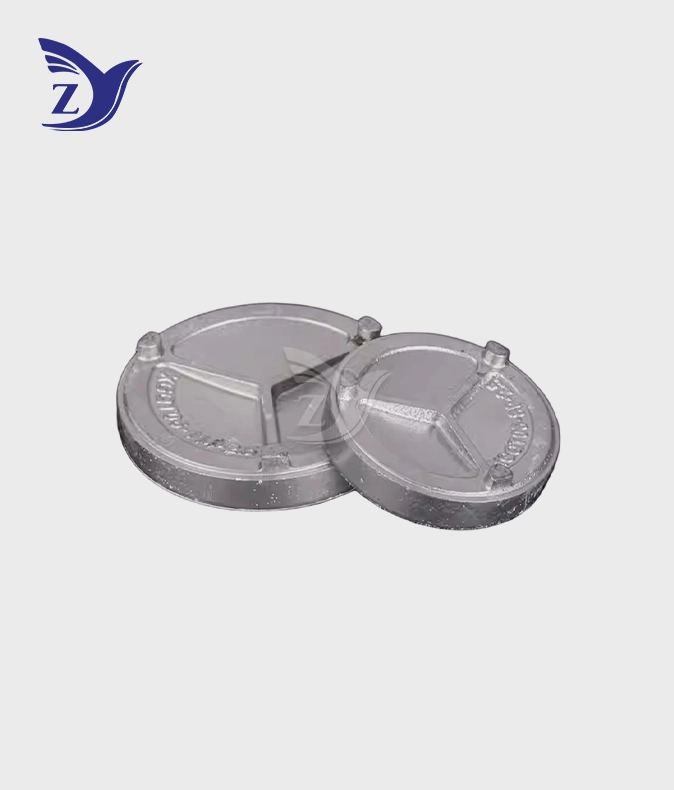
Water Grooved Blind Flange
Beaded Galvanized BSPT Round Edge Male-Female Reducing Coupling