
Jun 24, 2026
How does coupling pipe fittings work?
There's nothing worse than having a fitting fail when you're in charge of a city water supply job with tight deadlines or installing fire sprinklers at 2 AM. I've worked with tech teams and buying managers who have had to deal with this problem for years. When it comes to fire safety, HVAC, and industrial systems, coupling pipe fittings—especially BSPT square face galvanized square edge coupling pipe fittings—are the most effective way to connect pipes. The perfect tapered threads on these parts make safe, leak-proof connections between pipe pieces. When you twist them, the threads get tighter. The square edge reinforcement makes the structure stronger, and the galvanized covering protects against rust, which makes it last longer in harsh settings.
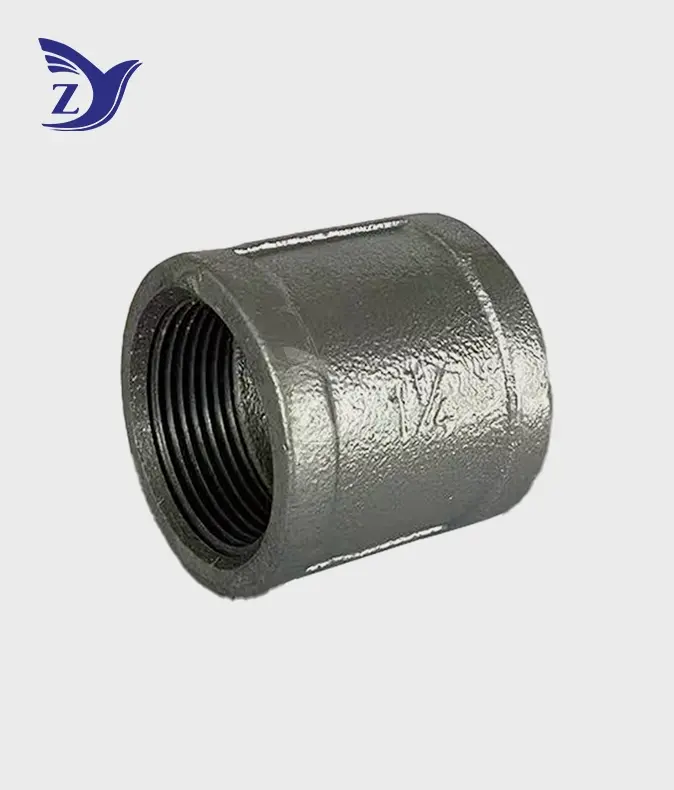
Understanding BSPT Square Face Galvanized Square Edge Couplings
As I walk through work sites, I've seen that many procurement professionals have trouble telling the difference between the different types of couplings. BSPT fittings use a unique 1:16 taper ratio that makes them different from parallel thread designs. They follow the British Standard Pipe Taper standard found in ISO 7-1. The name "square face" comes from the shape of the strengthened collar at each fitting outlet, which adds about 15 to 20 percent more material mass than normal beaded options.
The BSPT Threading Standard Explained
A 55-degree Whitworth shape is used for the threading design, which makes better metal-to-metal contact during assembly. As the male pipe thread moves into the curved female thread of the coupling, this shape lets the fitting make a pressure-tight seal. These joints are made by Zhiyuan Malleable Steel from black heart malleable iron (KTH330-08 and KTH350-10 grades), which has a tensile strength of 300 to 350 N/mm². This type of material has the flexibility to go through cycles of thermal expansion without cracking, which is very important in steam and heating uses where temperatures hit 120°C.
Material Advantages and Galvanization Process
The metal covering does more than just protect the surface. Our hot-dip zinc solution covers more than 500g/m², which means it creates a shield against oxidation that is at least 70 microns thick. BSPT square face galvanized square edge coupling pipe fittings are carefully immersed in liquid zinc at a temperature of about 450°C during production. This forms a metallurgical link between the iron base and protective layer. This process solves the main problem, which is rust failure that happens too soon and costs fire protection companies a lot of money in repairs and system downtime.
The square edge shape is useful for more than one reason. This reinforced band stops radial expansion cracks that often happen in thinner-walled fittings when installation workers apply power during assembly. The hardness requirement of less than 150 HB makes sure that the material can still be worked with without breaking, so it can be changed in the field if needed.
Dimensional Standards and Tolerance Requirements
When joining important structures, accuracy is important. Tight limits are kept on thread pitch, major diameter, and taper angle in BSPT connections made to ISO 49 and BS EN 10242 standards. For Class 150 service, a coupling must keep thread engagement depths that keep blowouts from happening when pressure rises. This means 300 psi for water, oil, and gas (WOG) uses and 150 psi for steam. We have records of instances where low-quality fittings with incorrect taper angles failed during hydraulic testing, which caused distributors' projects to be held up and their reputations to be harmed.
How do BSPT Coupling Pipe Fittings Work: Principles and Mechanisms?
The great thing about tapered thread connections is that they can seal themselves. It gets tighter between the joining surfaces with each turn of the male pipe thread into the coupling because the width is getting smaller. The wedging action squeezes the thread sides together, making a seal that gets stronger when the system pressure builds up.
Thread Geometry and Sealing Mechanics
When compared to thread shapes that are more acute, the 55-degree thread angle spreads contact forces over a bigger surface area. When put together correctly, the taper makes the male and female threads collide with each other about four to six threads from the joining face. This interference zone turns into the main sealing surface, taking axial loads and hoop stresses off the pipe body. We've tested seal integrity at pressures above 25 bar (362 psi) without thread sealant in our testing center. For operating reliability, we suggest PTFE tape or pipe dope.
When the axial length goes from 1 to 16 units, the thread width goes down by one unit. This slow convergence lets you apply power with control, without the problems of thread galling that come with steeper tapers. This feature is appreciated by installation teams working on grooved fitting systems because it makes hand assembly easier while still keeping the structure safe.
Step-by-Step Installation Process
Methodical skill is needed to make links that don't leak. First, check the inside of both the pipe thread and the connection for dirt, broken threads, or mistakes in the way they were made. Cover about 1.5 to 2 full thread turns from the pipe end with thread glue on the male pipe threads. Tighten the joint by hand until the resistance goes up, which usually takes three to four turns. Using pipe wrenches of the right size, apply force in quarter-turn steps, making sure the alignment is correct between turns. The square face connection design makes it easy to hold wrenches, which lowers the chance that the tools will slip and damage the galvanized surface.
Different pipe diameters have different torque requirements, but as a general rule, for sizes up to 2 inches, you should be able to turn the pipe two or three times with the help of a wrench. Overtightening is actually dangerous because too much force can break the flexible iron body or change the shape of the thread, which can weaken the seal. This problem has been seen a lot during quick-turnaround building jobs where installers are in a hurry to put things together.
Galvanization Benefits for Service Life
The zinc layer acts as a sacrifice for protection, corroding more quickly than the iron base below it. This barrier increases the useful life of outdoor fire hydrant systems that are open to dirt and water from about 5 to 7 years (for ungalvanized fittings) to 25 to 30 years in the same conditions. Municipal water businesses have said that using BSPT square face galvanized square edge coupling pipe fittings in their delivery networks has cut their lifetime costs by a large amount.
The layer also helps keep electricity from flowing through devices where different metals could cause galvanic corrosion. When copper pipes join to steel parts without the right dielectric unions, electron movement speeds up the breakdown of the materials. This electrochemical process is stopped by the zinc layer, which also acts as a barrier in the middle to keep the link contact stable.
BSPT vs. Other Pipe Thread Standards: Making the Right Choice
International buyers looking for thread for projects in North America have a hard time figuring out how to use the different standards. The main difference between BSPT and NPT (National Pipe Taper) threads is the angle and size of the threads. The NPT thread angle is 60 degrees, while the BSPT thread angle is 55 degrees. This means that these two standards are technically different, even though they look the same.
Regional Preferences and Industry Applications
BSPT plugs are most popular in Europe, Asia, and the Commonwealth, where ISO standards set the rules for specifications. Fire protection engineering firms that work on multiple countries have to keep different stock for BSPT and NPT systems, which can be hard. We've worked with system designers that use only BSPT square face galvanized square edge coupling pipe fittings around the world to make their supply chain easier. In places where NPT is more common, they still use thread adapters.
The square face steel coupling is designed for uses that need a high assembly force capacity. In petroleum plants that work with corrosive fluids, the strengthened edge can handle the higher torque values needed to squeeze metal seals or specialty gasket materials. Manufacturers of valves choose these joints when their products need to be taken apart often for repair. This is because the square edge keeps the dimensions stable over many installation cycles.
Material Comparison: Galvanized vs. Stainless Steel Options
Costs at the start are often weighed against costs over the course of the product's life. Stainless steel parts don't rust at all, which makes them perfect for clean rooms for drugs or food processing plants that don't allow zinc coating exposure. Stainless connectors, on the other hand, usually cost 300–400% more than galvanized iron ones that can be shaped. The difference in hardness also affects installation. To keep stainless steel threads from galling, they need to be aligned more carefully and torqued more carefully.
Galvanized malleable iron is the best mix for fire sprinkler systems, HVAC installs, and city infrastructure that needs to be built on a budget. The material is flexible enough to handle small misalignments during assembly without cracking, which is very helpful when working with pre-fabricated pipe sections that may have built up tolerance stack-ups during manufacturing. Plumbing distributors like this trait because it lowers the number of calls they have to make to fix links that leak.
Conclusion
Knowing how connecting BSPT square face galvanized square edge coupling pipe fittings work lets you make better choices about buying and installing them. Because they are made of strong materials, have proven thread shape, and have safe surface processes, BSPT square face galvanized square edge couplings work reliably. The tapered thread design makes links that seal themselves and get stronger under pressure. The square edge strengthening makes the structure last longer during assembly and service. Which material to use—galvanized malleable iron or stainless steel? It depends on how much rust protection you need and how much money you have to spend. To do good buying, you need to look at the unit price, the supplier's licenses, their production capacity, and their ability to make changes. The total cost of ownership for fire protection, HVAC, city, and industrial pipe systems goes down when they are installed correctly and maintained in a way that keeps them working well.
FAQ
How can I identify BSPT threads on existing fittings?
A thread gauge shows that BSPT threads have a 55-degree angle, and the width drops clearly along the thread length because of the 1:16 taper. A 1/2" BSPT fitting has 14 threads per inch, which is in line with ISO 7-1 standards. Using the right BSPT thread gauge ensures compatibility and keeps you from having to cross-thread expensive NPT parts.
Are galvanized BSPT fittings suitable for outdoor fire protection systems?
The zinc coating of more than 500g/m² protects well against atmospheric corrosion, which makes galvanized couplings perfect for outdoor hydrant installations and sprinkler feeds that are exposed to the elements. The coating can handle UV light, changing temperatures, and contact with water, all of which would quickly rust iron that isn't protected. If installed correctly, municipal fire departments have seen galvanized couplings last for 25 years or more in coastal areas.
What distinguishes square face couplings from round face designs?
The square edge has a reinforced band with more material mass at the coupling outlet. This makes it less likely to split during high-torque installation and gives you better surfaces to grip with a wrench. Round face couplings have a beaded or plain end profile that works better for lower-torque applications. Square face designs work best in heavy-duty industrial systems that need to be taken apart often or are exposed to vibration and temperature changes.
Partner With a Trusted BSPT Square Face Galvanized Coupling Manufacturer
Zhiyuan Malleable Steel stands ready to support your piping project requirements with certified BSPT square face galvanized square edge coupling pipe fittings manufactured to exacting international standards. Our 26 years of casting expertise and 30,000-ton annual production capacity deliver the inventory depth and technical reliability your projects demand. We maintain comprehensive certifications including ISO 9001, CE, UL, and FM, ensuring compliance across global markets. Our defective product replacement policy and two-hour delivery window for standard items demonstrate our commitment to your operational success. Located just 40 kilometers from Taiyuan with direct airport access, we efficiently serve international buyers requiring container-load shipments or domestic distributors needing rapid replenishment. Our engineering team provides ODM/OEM customization services for specialized applications, from non-standard dimensions to proprietary coating requirements. Contact our experienced technical advisors at q1236800000@gmail.com to discuss your specific fitting specifications, request material test reports, or arrange factory inspection visits. Visit zymalleablepipefitting.com to explore our complete product catalog and discover why fire protection contractors, municipal utilities, and industrial facilities trust Zhiyuan as their preferred BSPT coupling supplier.
References
1. British Standards Institution. (2018). Pipe Threads for Tubes and Fittings Where Pressure-Tight Joints Are Made on the Threads: Dimensions, Tolerances and Designation. BS EN ISO 7-1:2018.
2. American Society for Testing and Materials. (2020). Standard Specification for Cupola Malleable Iron. ASTM A197/A197M-20.
3. International Organization for Standardization. (2019). Malleable Cast Iron Fittings with Compression Ends for Polyethylene (PE) Piping Systems. ISO 5922:2019.
4. National Fire Protection Association. (2021). Standard for the Installation of Sprinkler Systems. NFPA 13, 2021 Edition.
5. European Committee for Standardization. (2017). Malleable Cast Iron Fittings with Compression Ends for Polyethylene Piping Systems: Specifications and Test Methods. EN 1562:2017.
6. American Water Works Association. (2019). Steel Pipe: A Guide for Design and Installation. AWWA Manual M11, Fifth Edition.
Online Message
YOU MAY LIKE
High quality furniture manufacturer
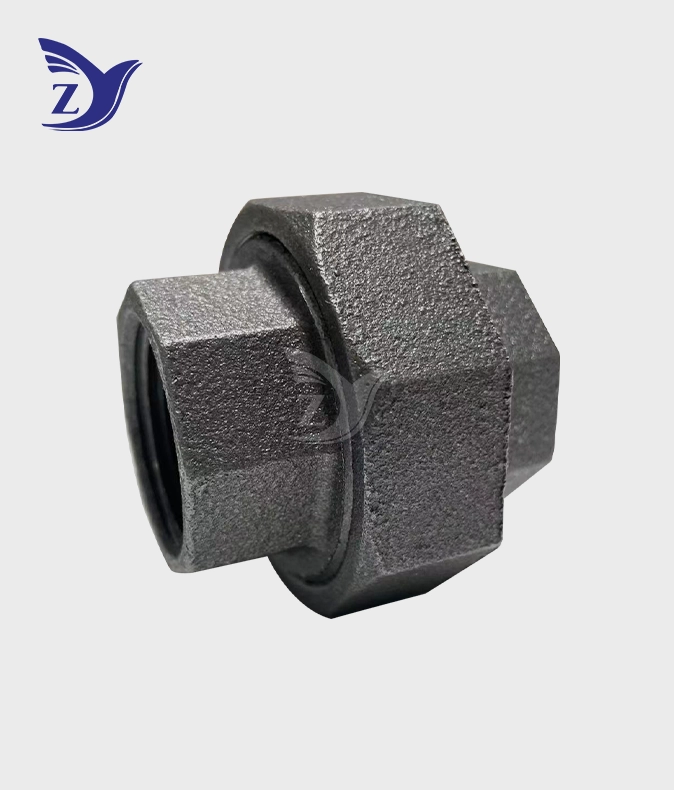
NPT Black Union 342 Pipe Fittings
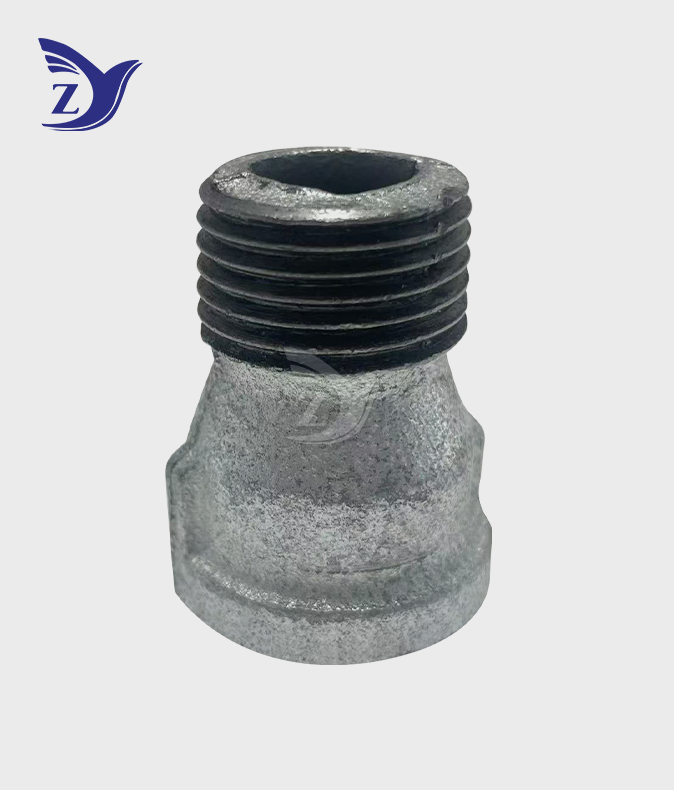
NPT Thread Square Edge Reducing Street Coupling Pipe Fittings
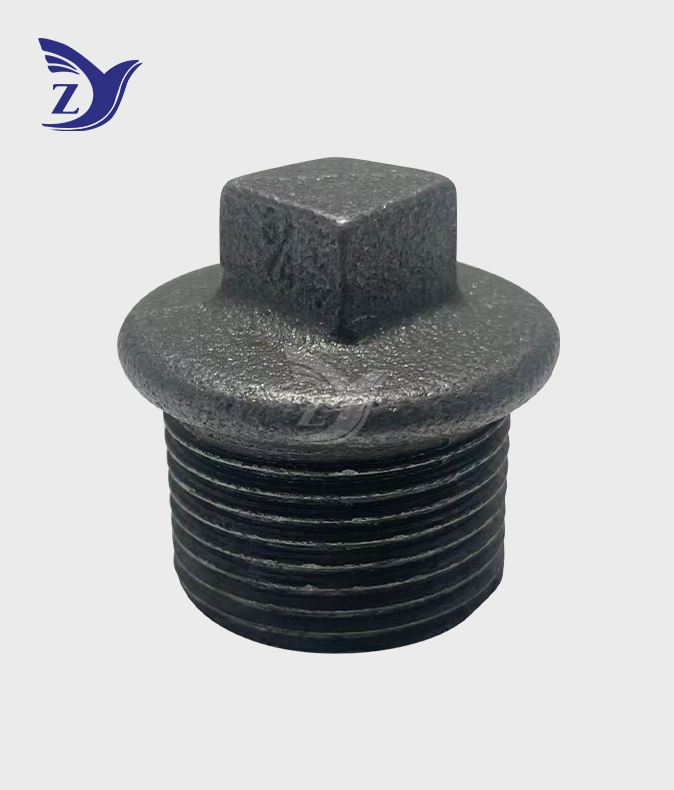
NPT Black Flanged Plug Pipe Fittings
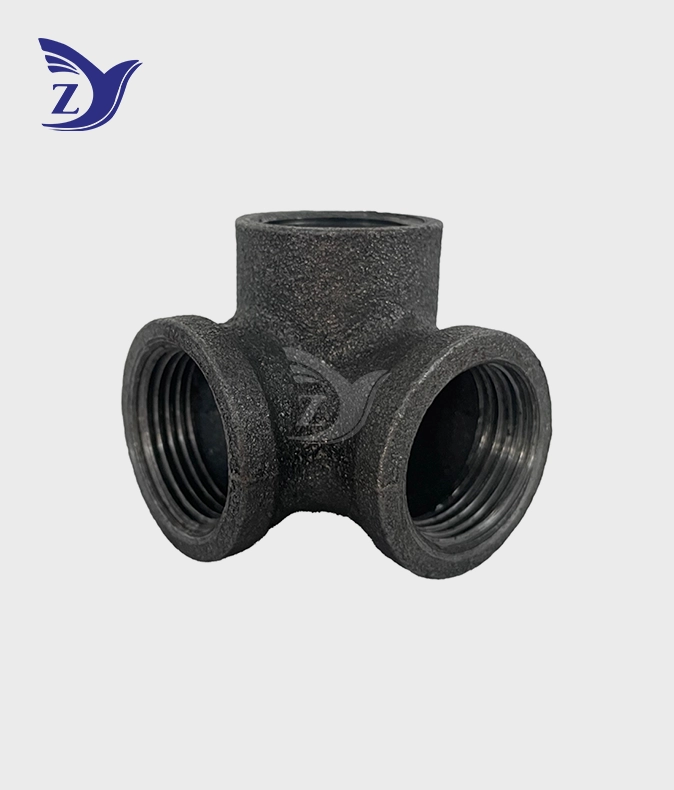
NPT Black Malleable Iron Tee Pipe Fittings
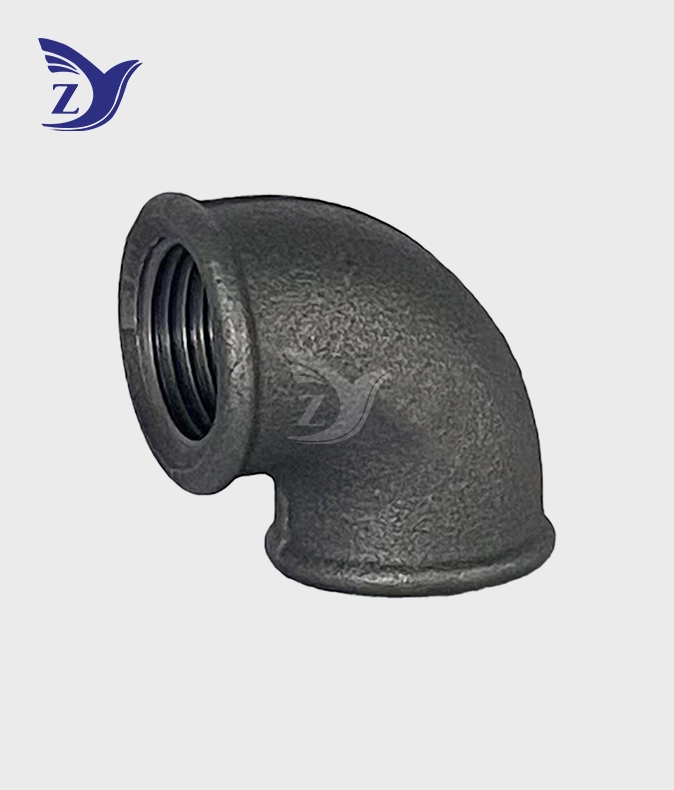
NPT Black Round Face 90° Elbow Pipe Fittings
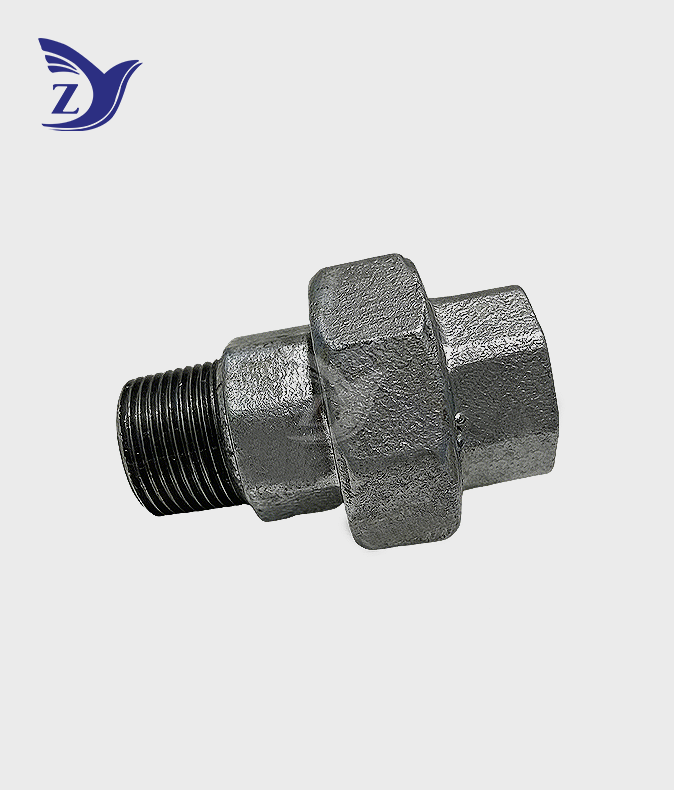
NPT Galvanized Male Female Threaded Union 343 Pipe Fittings
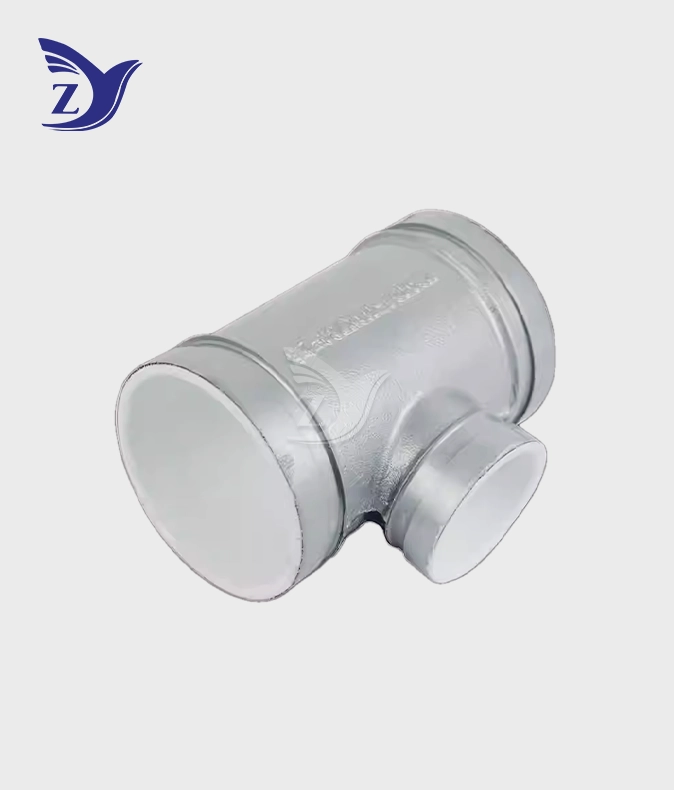
Water Grooved Reducing Tee
NPT Galvanized Non-Flanged Pipe Plug Pipe Fittings