
Apr 21, 2026
How does a galvanized pipe union work?
A galvanized pipe union has a three-piece threaded system that lets you connect two fixed pipe pieces without having to remove the union. The galvanized union 340 pipe fittings have a nut, a tailpiece, and a seat component. When the seat is tightened, the conical taper seat makes a seal between the metals. The hot-dip zinc finish protects against corrosion at the cathode, and the NPT or BSPT threading makes it easy to take apart without having to rotate the pipes that are linked. This design solves one of the most difficult maintenance problems in industrial gas and water systems: fixing broken equipment often without having to rearrange the pipes.
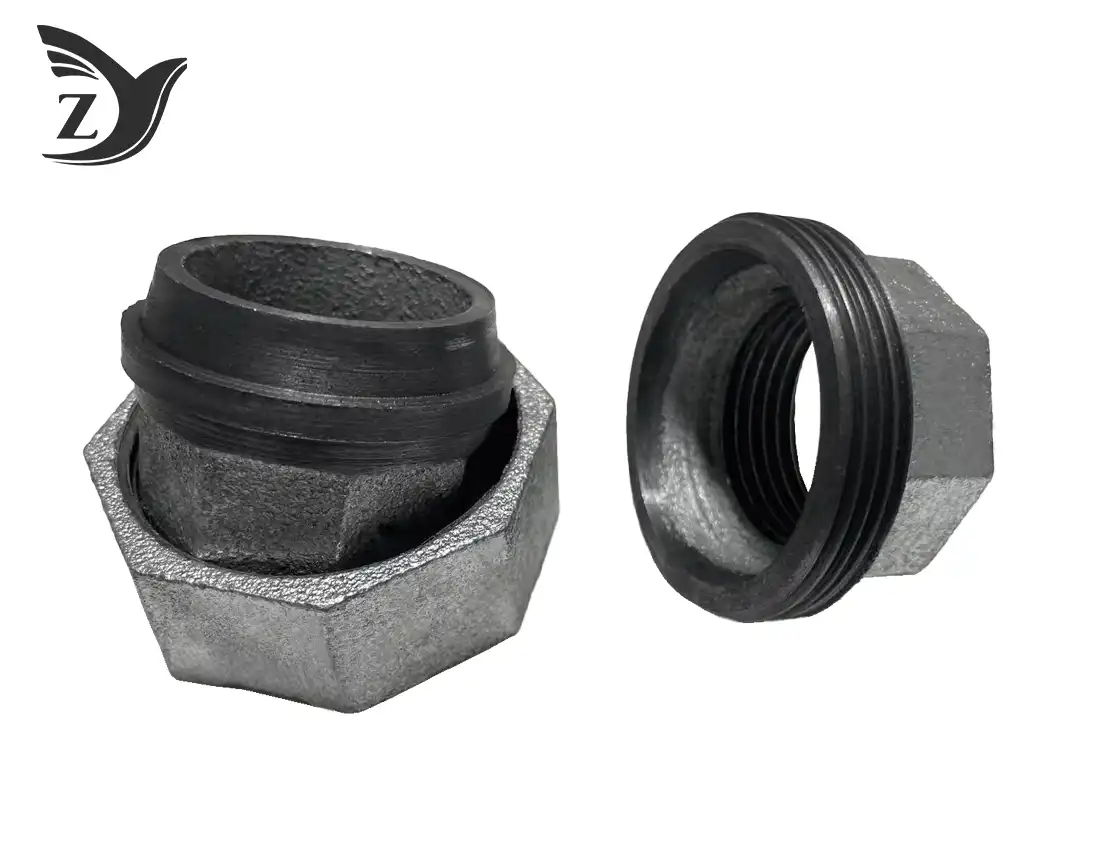
Understanding Galvanized Union 340 Pipe Fittings
What Makes the 340 Design Unique?
The number "340" refers to a certain type of union setup that uses an iron-to-iron conical joint instead of flat sealing systems. This designed taper seat seals better when the pressure changes, which happens a lot in water distribution systems and industrial process lines. These galvanized union 340 pipe fittings are more flexible than standard cast iron ones because they are made from black heart malleable iron that meets ASTM A197 standards.
The structure is strong because it was made with great care, and the conical angle between the sides that fit together makes sure they always touch when the right amount of force is applied. When purchasing managers look at threaded unions for tough jobs, this metal-to-metal sealing system gives them durability that designs that depend on gaskets can't match in places with a lot of vibration.
Material Composition and Protective Coating
Hot-dipped galvanization changes regular iron that can be shaped into parts that are resistant to rust and can be used in tough industrial settings. The zinc covering is usually more than 70 microns thick, which meets the standards set by ASTM A153 for protective layers. This electrochemical layer keeps air and moisture from getting to the base metal. This makes the steel last longer in damp places where it would normally break down quickly without protection.
The iron base can be shaped and has a tensile strength of more than 300 MPa. It is also flexible enough to handle installation pressures without breaking. Because of these qualities, these industrial-grade pipe joiners can be used in places like chemical processing plants and fire protection systems where a failure of the material could have terrible results.
Benefits and Applications of Galvanized Union 340 Fittings
Because union plates are removable, they change how upkeep is done in many businesses. Unlike permanently threaded or welded connections, these galvanized union 340 pipe fittings let workers disconnect sections of pipes to service equipment without having to cut pipes or unthread whole systems. This feature cuts down on repair windows and production downtime in places where running all the time is important for making money.
Key Performance Advantages
When it comes to water service uses, corrosion protection is the main reason why galvanized union 340 pipe fittings are used. Municipal water systems are always exposed to water and minerals that dissolve in it. These minerals speed up the rusting process in metals that aren't protected. The protective zinc layer rusts more quickly than the iron structure below, keeping it safe for decades instead of years.
Compared to soldered joints, installation efficiency goes up by a huge amount. Standard pipe wrenches can be used by skilled workers to put together threaded unions in minutes, so there is no need for welding equipment, qualified welders, or post-weld inspection processes. This drop in the cost of work is especially important for big building projects with hundreds of connection spots.
The high-strength, malleable iron design can handle up to 300 psi of pressure in normal Class 150 configurations, making it good for most light industrial and business uses. Temperature tolerance goes from below freezing to 150°C, which is the range of temperatures that HVAC systems, heating distribution networks, and process cooling loops need to work.
Industrial Application Sectors
Fire protection engineering is a very important field of work where dependability can't be compromised. Sprinkler systems are idle for long periods of time before they are activated. Because of this, they need to be resistant to corrosion in order to work during situations. Galvanized unions don't rust, so the seal stays intact even after years of backup service in places like chemical storage facilities and coastal stores.
A lot of the infrastructure that brings water to treatment plants, pumping stations, and distribution networks depends on pipe links that can be taken apart. Galvanized fittings are used in municipal building projects because they have been shown to last a long time when underground and exposed to groundwater. Being able to take unions apart to change valves or install meters without having to dig up large sections of pipe saves a lot of money over the life of a system.
The 340 conical shape is good for gas pipeline uses because it seals well and doesn't leak. To keep dangerous leaks from happening in natural gas distribution systems, the metal-to-metal touch surface is perfect for gas service lines in homes and businesses. Heating supply businesses like how easy it is to service boilers and distribution pipes in mechanical rooms of buildings.
These fittings are used in utility pipe systems in petrochemical, pharmaceutical, and food companies that handle chemicals. Corrosion protection and serviceability work well together in networks that provide process water, compressed air, and garbage drainage. The hot-dipped galvanization meets strict cleanliness standards in food-grade installations and protects against chemicals in harsh industrial settings.
Maintenance Best Practices
To extend the service life, the covering and threads must be checked on a regular basis. Every year, a visual inspection shows that the zinc coat is wearing away before rust gets to the base metal. Early discovery lets coatings be reapplied or replaced before leaks happen, which keeps systems from having to be shut down without warning.
For design performance to be reached, the right fitting force is essential. When you tighten too much, you crush the cylindrical seat, which makes leak paths instead of better seals. When you under-tighten something, the touch pressure isn't high enough for a good seal. For the best assembly, use torque wrenches that are set to the manufacturer's specs. Depending on the fitting size, the torque should be between 20 and 40 foot-pounds.
Thread protection during keeping keeps installation problems from happening. Protective caps keep threads safe from damage and dirt that could make them not connect properly. When working with parts on the job site, don't drop them on hard surfaces because tiny cracks that you can't see could weaken the structure under pressure.
Beyond the initial buy price, strategic procurement choices have an effect on the success of a project. By carefully evaluating suppliers of galvanized union 340 pipe fittings, you can be sure of the quality of the products you receive, the reliability of the delivery service, and the availability of expert help in case problems arise during installation or operation.
Supplier Evaluation Criteria
Verification of certification is the basis of quality assurance. ISO 9001 certification shows that quality management is done in a planned way, and product-specific approvals like UL and FM lists show that testing for fire protection uses is done correctly. Instead of taking direct promises, ask for copies of the certification papers and check their validity through databases maintained by the granting authority.
During project completion, production capacity affects how reliable deliveries are. When manufacturers keep a lot of inventory on hand, they can react faster to urgent needs and keep plan delays to a minimum when needs come up out of the blue. Zhiyuan Malleable Steel can produce up to 30,000 tons of steel each year, and standard goods can be sent out within two hours. This meets the needs of time-sensitive building projects that need quick responses.
Minimum order numbers affect how flexible you can be when you buy things. Distributors who work on a wide range of projects benefit when sellers allow mixed packages instead of single-item MOQs that cause inventory to build up. Customization options make products more useful, and OEM and ODM services let you change the specs to meet specific application needs that aren't covered by normal store items.
Warranty terms show that the company that made the product is confident in its longevity. Replacement guarantees for flaws in the manufacturing process protect against early breakdowns that could lead to expensive system fixes. It shows that you care about your customers after the sale by having clear guarantee processes and claim procedures.
Conclusion
Galvanized union 340 pipe fittings are very useful because they protect against rust and are easy to maintain in a wide range of industrial settings. The conical taper seat design makes pressure-tight seals that work well, and the hot-dipped zinc finish makes them last longer in harsh conditions. Knowing the technical differences between NPT and BSPT threading, understanding the material properties that make one type of fitting better than another, and following the right installation steps will improve system performance and operating efficiency. Strategic source selection based on certification, capacity, and service skills supports long-term project goals and ensures buying success.
Partner with Zhiyuan Malleable Steel for Superior Piping Solutions
Zhiyuan Malleable Steel has been making things for 26 years and has a lot of quality standards, such as ISO 9001, CE, UL, and FM approvals. We can make more than 1,000 different types of galvanized union 340 pipe fittings using high-tech methods like medium-frequency melting, natural gas annealing, and precise cutting. Our large collection makes it possible for purchasing managers to get standard products within two hours, and our ODM/OEM customization services meet the unique needs of foreign markets. Our promise to repair broken products and double-layer export packaging make sure that your supply chain works well. Email our engineering team at q1236800000@gmail.com to talk about the details of your project and get expert help choosing the best fittings for your fire, gas, or water systems.
FAQs
Why does rust happen even though something is galvanized?
Electrochemical principles say that zinc corrodes more quickly than iron, so galvanized coats act as a sacrifice for security. Eventually, the covering wears away, leaving the base metal vulnerable to oxidation, especially where it has been damaged mechanically or is in an acidic environment. The protective lifespan depends on the thickness of the coating and how harsh the climate is. In mild conditions, the lifespan is usually longer than 20 years. Regular inspections let you do preventative maintenance before the metal layers that protect you wear away completely.
Can these parts be used in situations with high temperatures?
Standard steel bendable unions work reliably up to 150°C, which is enough for most low-pressure steam and HVAC uses. Higher temperatures can cause the zinc layer to wear off and the material to become less strong. For steam systems that go above 200°C, you need to use different materials, like high-temperature metals or stainless steel. When choosing what to buy, look at the temperature rating specs that match the situations in which you will be using the product.
How can I make sure that threads work with systems that are already in place?
Check thread standards by measuring them directly or reading through the system literature. Even though NPT and BSPT threads look alike, they don't always work together. When you use thread tools, you can correctly find taper angles and pitch. When specs aren't clear, getting a sample fitting for test assembly keeps costly mistakes from happening when large orders are made. Reliable providers offer expert support to make sure that the products are compatible by looking at the specifics of the application.
References
- American Society of Mechanical Engineers. (2021). ASME B1.20.1: Pipe Threads, General Purpose. New York: ASME Press.
- ASTM International. (2019). ASTM A197: Standard Specification for Cupola Malleable Iron. West Conshohocken: ASTM International.
- British Standards Institution. (2018). EN 10242: Threaded Pipe Fittings in Malleable Cast Iron. London: BSI Standards Publication.
- National Fire Protection Association. (2020). NFPA 13: Standard for the Installation of Sprinkler Systems. Quincy: NFPA Publications.
- American Water Works Association. (2017). AWWA Manual M11: Steel Pipe - A Guide for Design and Installation. Denver: AWWA Publications.
- International Organization for Standardization. (2022). ISO 7-1: Pipe Threads Where Pressure-Tight Joints Are Made on the Threads. Geneva: ISO Publications.
Online Message
YOU MAY LIKE
High quality furniture manufacturer
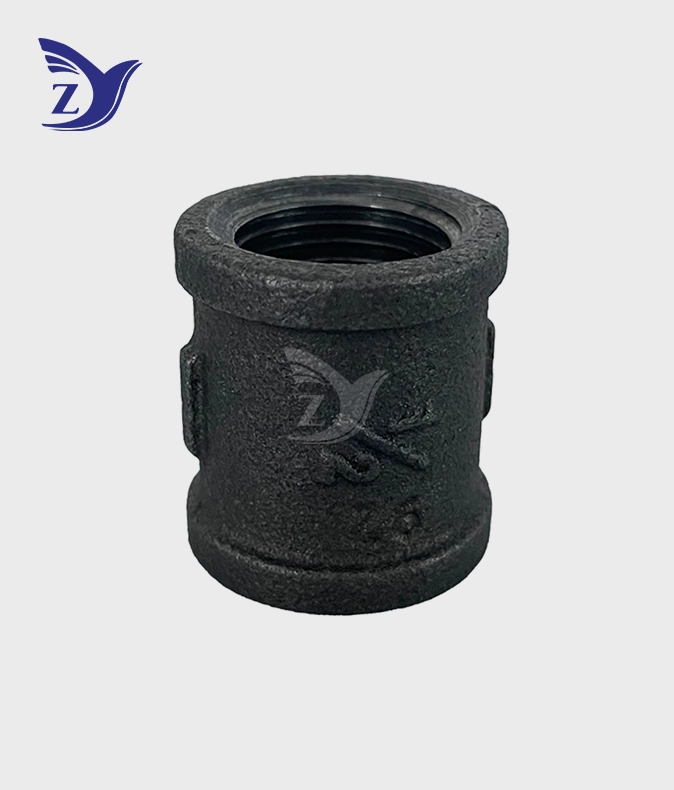
NPT Black Square Face Coupling Pipe Fittings
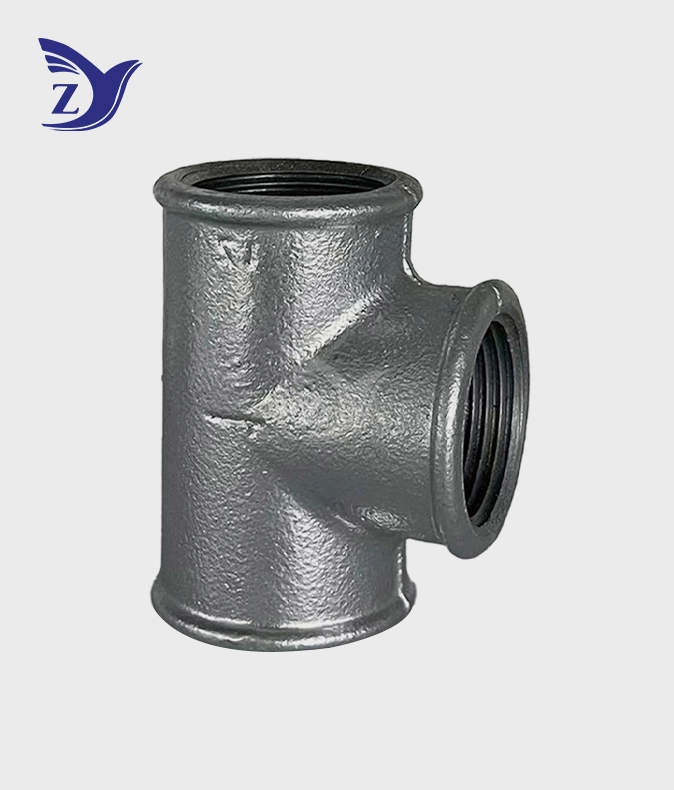
NPT Round Face Galvanized Round Edge Straight Tee Pipe Fittings
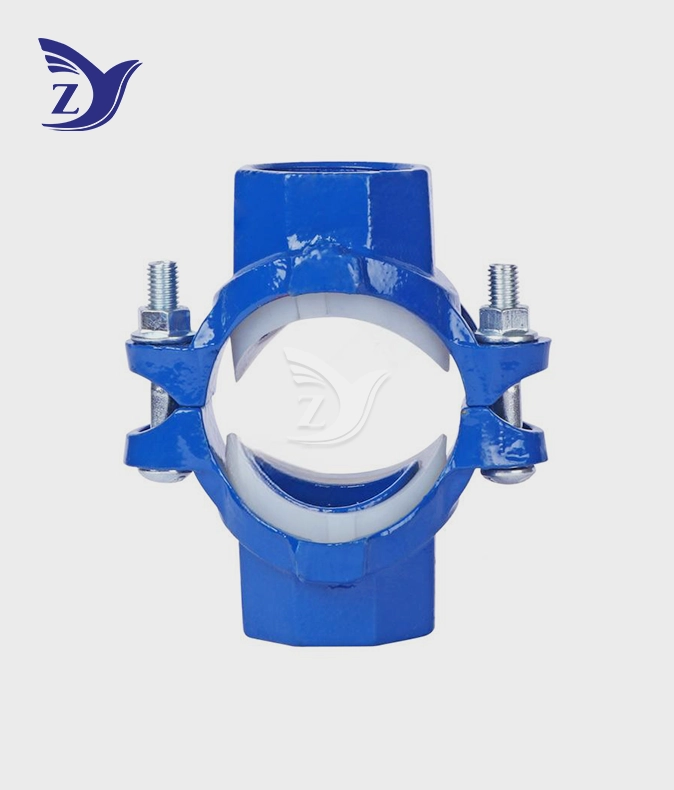
Water Supply Threaded Mechanical Cross Pipe Fitting
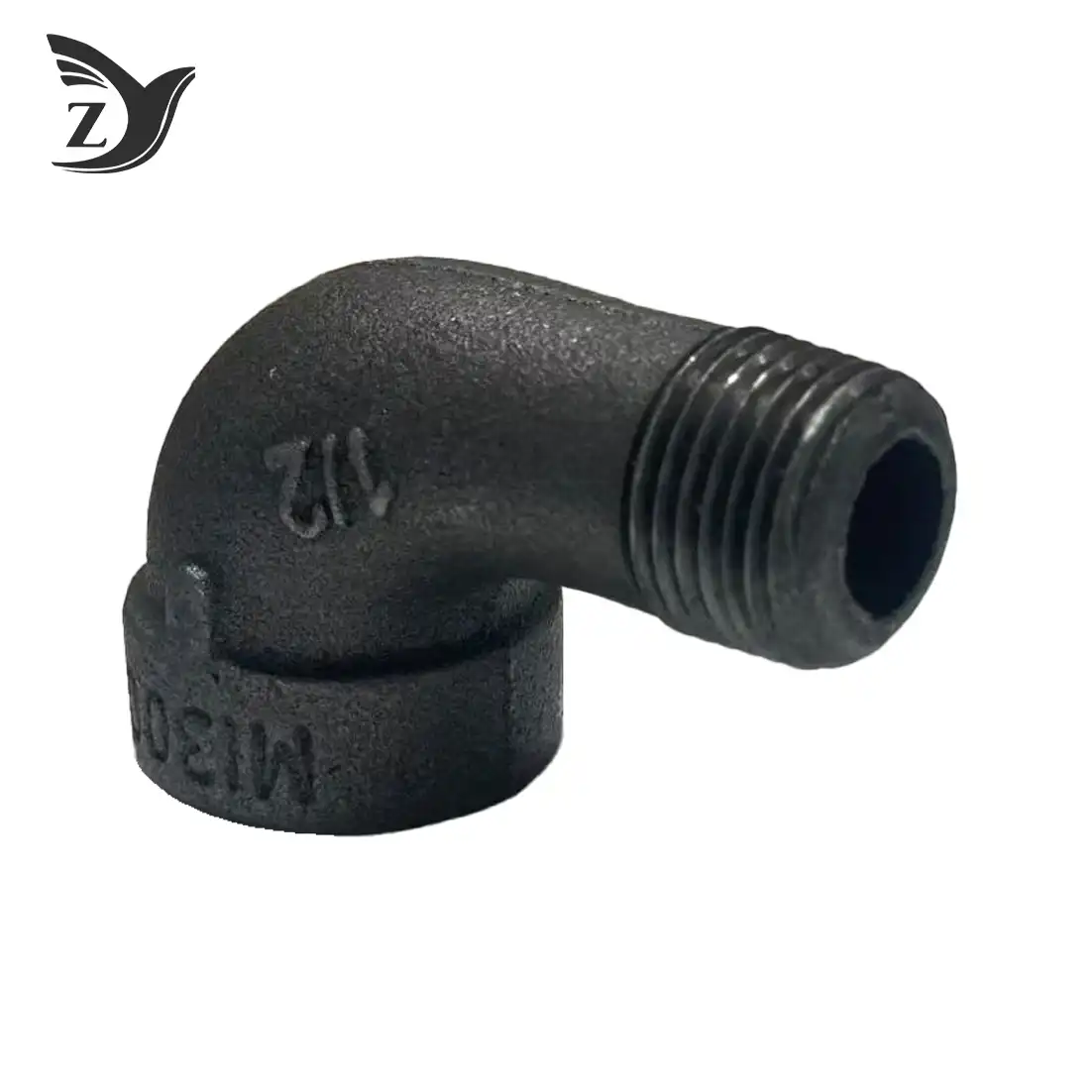
300# Black Threaded 90° Elbow, Male & Female
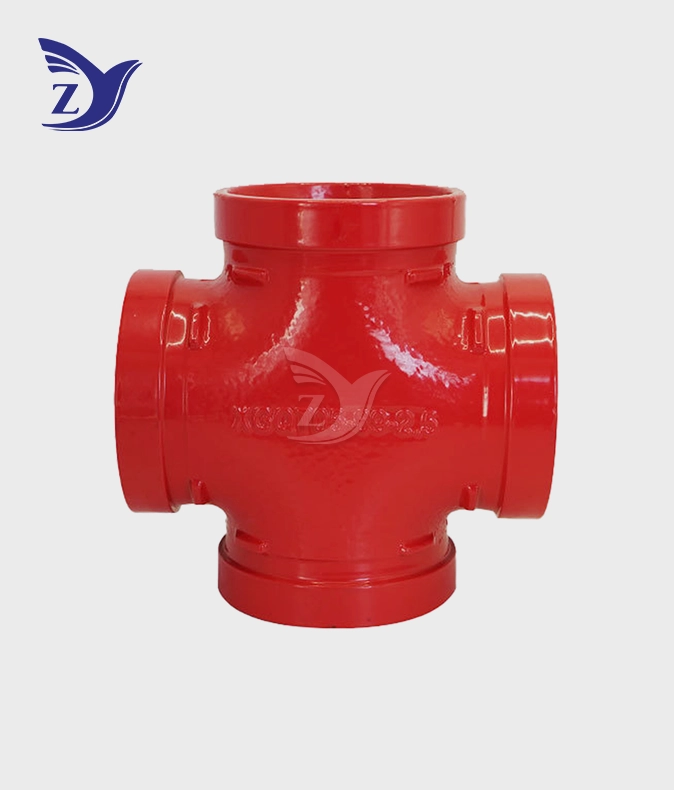
Fire Grooved Cross
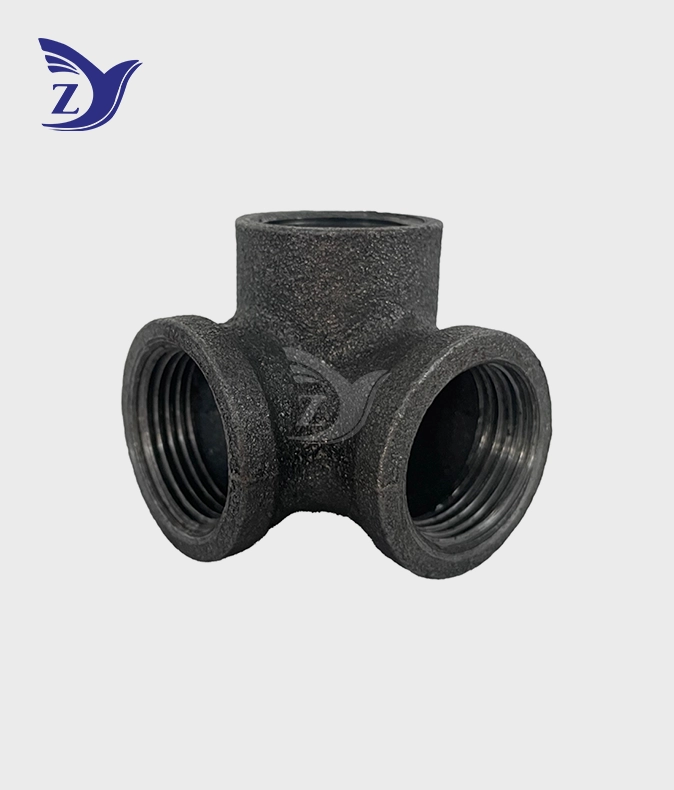
NPT Black Malleable Iron Tee Pipe Fittings
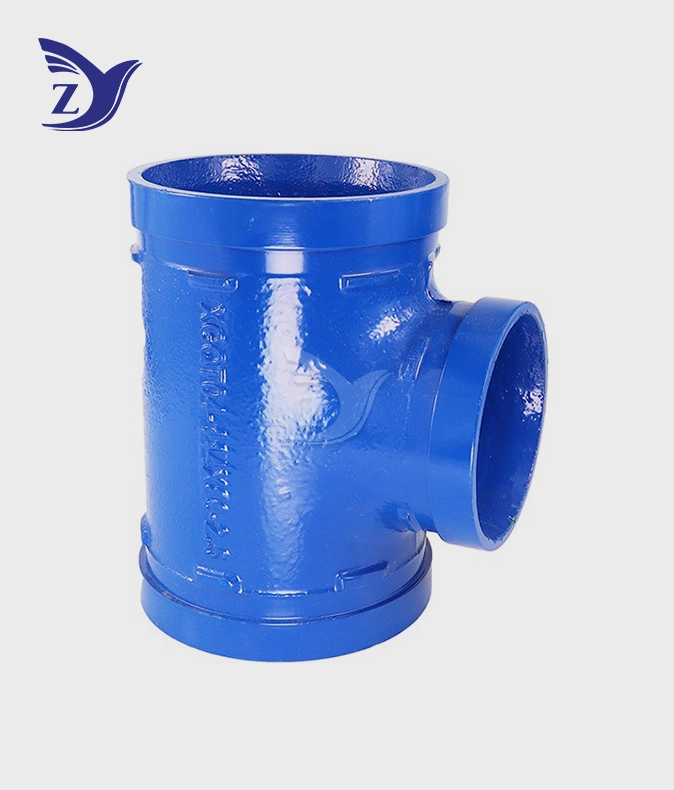
Water Grooved Straight Tee
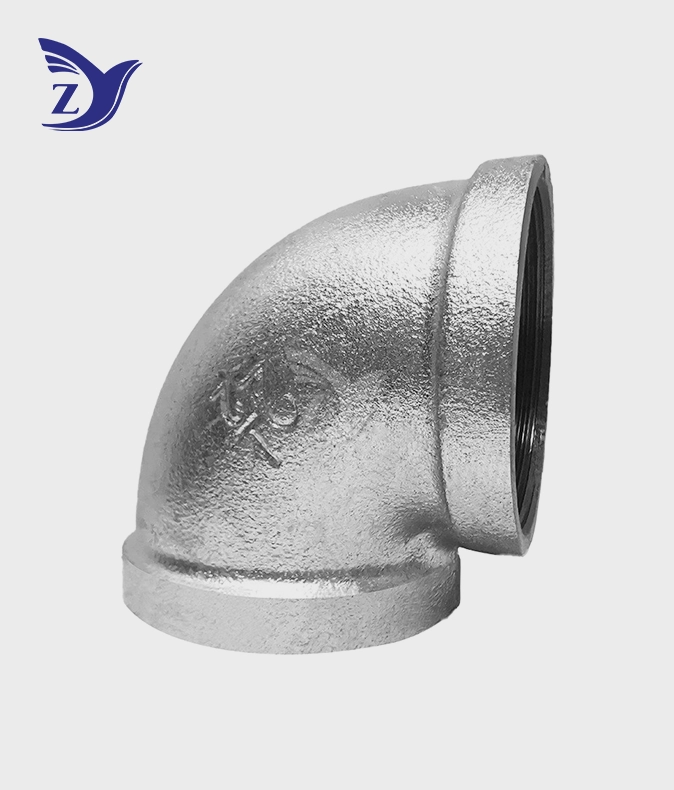
NPT Square Face Galvanized 90° Square Edge Elbow Pipe Fittings