
Jun 5, 2026
Brass Unions Pipe Fittings VS Galvanized Male Female Threaded Union 343 Pipe Fittings
When choosing pipe joints for industrial systems, the difference between brass unions and galvanized male female threaded union 343 pipe fittings can have a big effect on how long the project lasts, how much it costs to maintain, and how reliably it works. Due to their high resistance to rust and good looks, brass unions are commonly used in plumbing situations where water quality is important. Galvanized malleable iron unions, especially the Figure 343 flat seat configuration, have better mechanical strength, are more cost-effective for large-scale installations, and have been shown to last in harsh environments like fire protection systems, municipal water supply networks, and industrial HVAC infrastructure. The 343 number refers to a certain flat seat male-female design that gets rid of the need for extra barrel nipples. This makes fitting simpler and less likely to cause leaks, while still making it easy to take apart for regular maintenance.
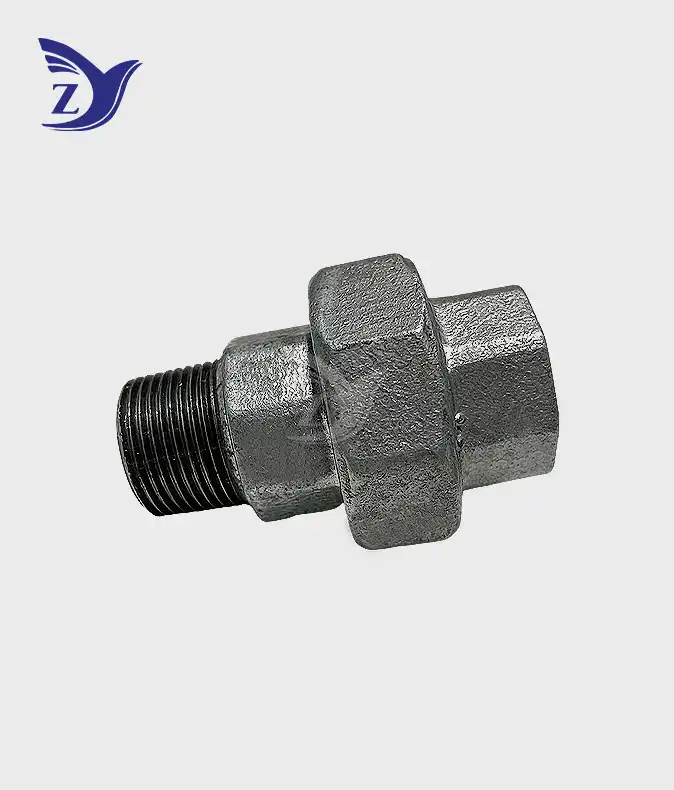
Understanding Brass Unions and Galvanized Male Female Threaded Unions
Before we can make smart decisions about what to buy, we need to know what makes these pieces unique on a basic level. Brass and galvanized unions are both removable links that let pipeline sections be split apart without cutting them, but the way they are made and the materials they are made of make them work differently.
Material Properties and Manufacturing Standards
Brass joints are usually made from copper-zinc metals that have between 60 and 65% copper. The substance naturally kills microbes and is very resistant to dezincification in systems that handle drinking water. Most of the time, manufacturing follows ASTM B16 or B62 standards. Precise machining makes the inside areas clean, which reduces friction loss.
On the other hand, galvanized male female threaded union 343 pipe fittings are made from high-quality, pliable iron that meets ASTM A197 standards. An annealing process changes the base material from brittle white cast iron to flexible blackheart malleable iron. This gives the iron a tensile strength of more than 350 MPa and a minimum stretch of 10%. Because it is flexible, the fitting can handle vibrations and changes in temperature without breaking, which is very important in industrial settings. After being made, fittings are hot-dip galvanized according to ASTM A153 standards. This creates a zinc covering that is metallurgically bonded and usually 70 microns or more thick. This coating protects against rust on a sacrifice level.
Thread Types and the 343 Configuration Advantage
NPT (National Pipe Taper per ASME B1.20.1) and BSPT (British Standard Pipe Taper per ISO 7-1) threading can be used with both types of fittings. Through thread interference, the curved thread design makes a pressure-tight seal, with the male thread squeezing into the female thread as it is tightened.
The number 343 clearly shows a male-female flat seat arrangement. One end has male threading on the outside, and the other end has female threading on the inside. This two-threaded design saves room because the male end can connect straight to equipment ports or female pipe ends, and the female end can take male-threaded pipe or parts. Figure 340 (female-to-female) unions need nipples on both sides. The 343 cuts the total connection length by 40–60 mm, based on the pipe size. This is very helpful in small mechanical rooms or racks with a lot of pipes.
Sealing Mechanisms Explained
For 343 fittings with a flat seat, a gasket (usually EPDM, PTFE, or fiber) needs to be squeezed between the joining surfaces when the union nut is tightened. This gasket is the main seal, so it's easy to check for damage and change it during maintenance rounds. When you tighten the nut, it clamps the male tail piece against the female head, which presses the seal evenly around the outside.
Most brass unions have a flat seat, but for high-temperature steam uses, some high-end types have a ground joint metal-to-metal sealing. Because brass is softer, it can be machined to tighter standards, which makes smoother sealing surfaces that can sometimes seal with little gasket tension.
Comparative Analysis: Brass Unions VS Galvanized Male Female Threaded Unions
To choose between these materials, you need to look at many aspects of their performance over the course of their useful life. Each material works best in certain situations, and knowing these differences can help you choose the right fittings for your job.
Corrosion Resistance Across Environmental Conditions
When exposed to air, brass is very resistant to rust, and it stays strong even in damp indoor settings. Over time, the material forms a protected layer that actually makes it less likely to rust. Brass is used a lot in home plumbing because it is better at resisting chlorine and chloramine attacks in drinkable water systems than bare ferrous materials.
The zinc covering on galvanized malleable iron protects it from rust through cathodic action. When zinc is wet, it oxidizes faster than the iron underneath, giving up its own protection to protect the iron. This process works very well in places like warehouses, underground spaces, and outdoor sculptures that are often exposed to water. galvanized male female threaded union 343 pipe fittings can survive 1000 hours or more of salt spray testing according to ASTM B117 standards before showing red rust. Brass, on the other hand, stays stable but can leak selectively in harsh water chemicals with high chloride content or low pH below 6.5.
The zinc finish works especially well in fire safety systems where wet and dry sprinkler lines constantly condense and drain. The rough brass surface actually helps thread glue stick better, making stronger seals when pipe dope or PTFE tape is used correctly.
Mechanical Durability and Temperature Performance
The tensile strength of malleable iron is nearly twice that of typical brass metals. This means that it is better at resisting mechanical shock, water hammer, and installation stress. When there are pressure spikes during system tests or an emergency stop, galvanized unions are more likely to stay together. In bigger sizes (2 inches and up), where fitting mass and torque needs to go up a lot, this power edge becomes even more important.
Brass softens at high temperatures; above 200°F (93°C), its yield strength drops significantly. Brass unions work fine for most heating systems, but they may move or become loose in steam systems that are working close to their design limits. Up to 650°F (343°C), galvanized male female threaded union 343 pipe fitting stays structurally stable, but the zinc covering starts to break down above 390°F (200°C). In real life, galvanized valves work well in low-pressure steam systems up to 10 bar and in hot water systems within their normal 175-200°F working ranges.
For impact strength, pliable iron is also a good choice. There are risks on construction sites, like lost tools, accidental hits, and lateral loads during installation, that metal fittings might not be able to handle without breaking. Because it is pliable, iron can take impact energy that would break brittle materials or forever change the shape of brass that is not as strong.
How to Choose the Right Pipe Fitting for Your Project?
Strategic fitting selection takes into account technical needs, the surroundings, cash limitations, and the need for long-term upkeep. Making this choice in a planned way will ensure the best system performance and cost control.
Environmental Condition Assessment
First, describe the setting where the work will take place. Brass is often used in climate-controlled indoor areas with drinkable water because it looks nice and doesn't harm living things. But zinc valves are better if the temperature changes with the seasons or if the system is used for non-potable purposes, like fire protection systems, cooling tower makeup water, or process water.
Galvanized protection is always needed for outdoor sites, underwater vaults, and places near the coast that are exposed to salt air. The zinc covering protects the brass from environmental damage that would quickly eat away at bare brass or damage its shine. Even in partly protected places like mechanical rooms in parking garages or equipment pads outside, galvanized fittings protect against faster rust over the course of their 20-year service life.
Analyzing chemical exposure is important, especially for business uses. Within the pH range of 6 to 12, slightly acidic or alkaline solutions don't affect galvanized fittings. However, high pH values speed up the dissolution of zinc. Brass doesn't react well with many chemicals, but it rusts quickly in solutions that contain ammonia. For refrigerator systems that use ammonia as a coolant, galvanizing iron is better.
Thread Compatibility and System Integration
Check the thread standards for all of your pipes. Most projects in North America use NPT threading, while most projects in Europe and Asia ask for BSPT threading. Both standards can be used with the galvanized male female threaded union 343 pipe fittings combination from reputable makers like Zhiyuan Malleable Steel. The thread type is clearly marked on the fitting body. Mixing thread standards in a system leads to leak paths and assembly problems, so making sure they are compatible during purchase saves a lot of money on changes that need to be made in the field.
The male-female design gives you options for how to place it. The male end threads straight into equipment with female ports, like pumps, valves, strainers, or gauges. The female end, on the other hand, takes male-threaded pipe. This gets rid of the need for a close nipple or barrel nipple when using female-to-female unions. This shortens the link and makes it less likely to leak.
Pressure and Temperature Rating Verification
Make sure that the fitting pressure classes match the system design parameters and that there are enough safety gaps. Standard malleable iron unions usually have Class 150 grades, which means they can handle 300 PSI at room temperature. For higher pressures, there are Class 300 models that are available. Brass unions can handle 150 to 200 PSI, but this depends on the size and brand.
As working conditions get better, temperature derating kicks in. Because of changes in the material, a fitting that can handle 300 PSI at 70°F might only be able to handle 150 PSI at 350°F. By looking at the pressure-temperature curves provided by the maker, you can be sure that your choices will stay within safe working ranges even when the weather changes or the process goes wrong.
Conclusion
Brass unions and galvanized male female threaded union 343 pipe fittings are both good options, but which one you choose relies on your needs, the surroundings, and your budget. Brass is best for decorative indoor uses with drinkable water service, while galvanized malleable iron unions are stronger, more cost-effective, and last longer in large-scale, industrial, and outdoor installs. The 343 setup is great for systems that need to be maintained often because it is easy to take apart and saves room with its male-female design. Procurement experts can make smart choices that improve system performance and long-term value by looking at corrosion resistance, mechanical qualities, installation conditions, and total cost of ownership.
FAQ
What makes the 343 union arrangement different from other types of unions?
The number 343 refers to a flat seat male-female threaded joint that needs a cover to seal. One end has male threading on the outside, and the other end has female threading on the inside. This is different from Figure 341 (male-to-female with circular seat) and Figure 340 (female-to-female). The 343's dual-thread design gets rid of the need for extra nipples, which cuts down on the total length of the link and the number of possible leak points compared to female-to-female configurations.
Can galvanized unions be used in potable water systems?
It is okay to use galvanized malleable iron fittings for drinkable water, and they are widely used in building supply systems and city water distribution systems. The zinc covering is safe and keeps the metal from rusting. But the chemistry of the water is important—systems with pH below 6.5 or above 12 may make zinc dissolve faster. Most public water sources keep the pH level between 7.0 and 8.5, which is well within the range of pH levels where galvanized fittings work best.
How do I know if brass or galvanized fittings better suit my project?
Look at the exposure to the climate, the system's pressure and temperature, your budget, and the amount of upkeep that needs to be done. If you want to use drinkable water inside in a climate-controlled environment and look good, choose metal. Choose zinc fittings for outdoor setups, fire safety systems, industrial uses, or any place where the temperature can change quickly, there is a lot of moisture, or money is tight. In business and industrial settings, galvanized parts tend to hold their value better over time.
What thread sealant works best with galvanized threaded unions?
Most water and air uses can use PTFE tape (3–4 wraps at 50–75% thread depth). Anaerobic pipe sealants work great in gas systems because they cure without air, making seals that last. Graphite-based materials that can handle high temperatures are needed for steam uses. Do not use too much glue, as it can contaminate systems or make it hard for threads to connect properly.
Partner With Zhiyuan Malleable Steel for Reliable Pipe Fitting Solutions
Zhiyuan Malleable Steel can help you with your buying needs by providing high-quality galvanized male female threaded union 343 pipe fittings that are made to strict international standards. We have been casting for 26 years, can make 30,000 tons of products a year, and have many certifications, such as ISO 9001, CE, UL, and FM. This makes us a trusted manufacturer of galvanized male female threaded union 343 pipe fittings for fire protection contractors, municipal engineering firms, and industrial distributors all over the world. Our Taigu plant keeps a large inventory, so we can supply standard products within two hours. We also offer ODM and OEM services for unique requirements for specific uses. Our double-layer cardboard packing will protect your investment during shipping, and we'll replace any broken items as soon as possible. You can email our team at q1236800000@gmail.com or visit zymalleablepipefitting.com to talk about the needs of your project, get technical specs, or get bulk prices for your next purchase.
References
- American Society of Mechanical Engineers. (2020). ASME B1.20.1: Pipe Threads, General Purpose (Inch). New York: ASME International.
- ASTM International. (2019). ASTM A197: Standard Specification for Cupola Malleable Iron. West Conshohocken: ASTM International Standards Organization.
- British Standards Institution. (2018). ISO 7-1: Pipe Threads Where Pressure-Tight Joints Are Made on the Threads - Part 1: Dimensions, Tolerances and Designation. London: BSI Group.
- National Fire Protection Association. (2021). NFPA 13: Standard for the Installation of Sprinkler Systems. Quincy: NFPA Publications.
- Steel Founders' Society of America. (2017). Malleable Iron Castings: Design, Specification and Properties. Crystal Lake: SFSA Technical Publications.
- U.S. Department of Commerce. (2022). Federal Specification WW-P-471: Pipe Fittings, Unions, Malleable Iron or Steel. Washington: Government Printing Office.
Online Message
YOU MAY LIKE
High quality furniture manufacturer
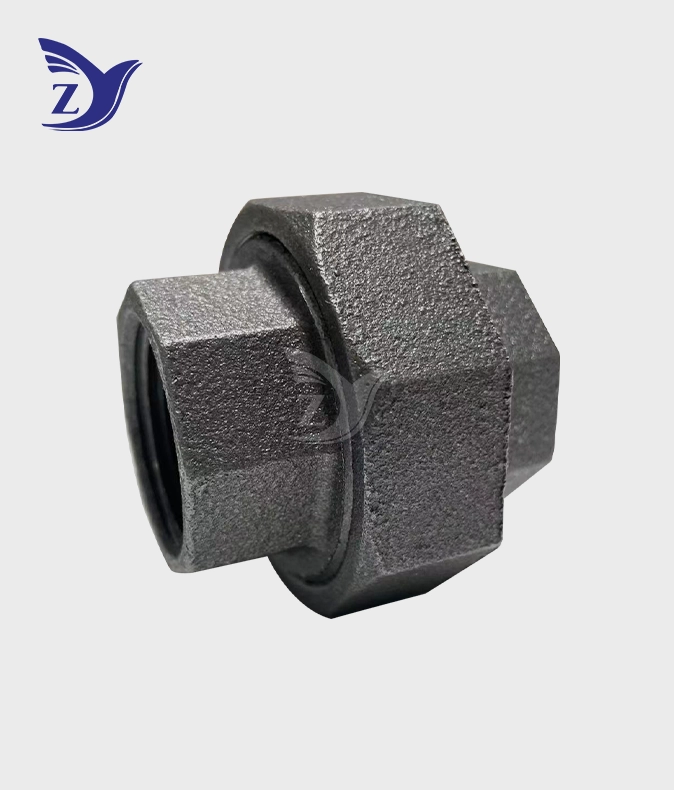
NPT Black Union 342 Pipe Fittings
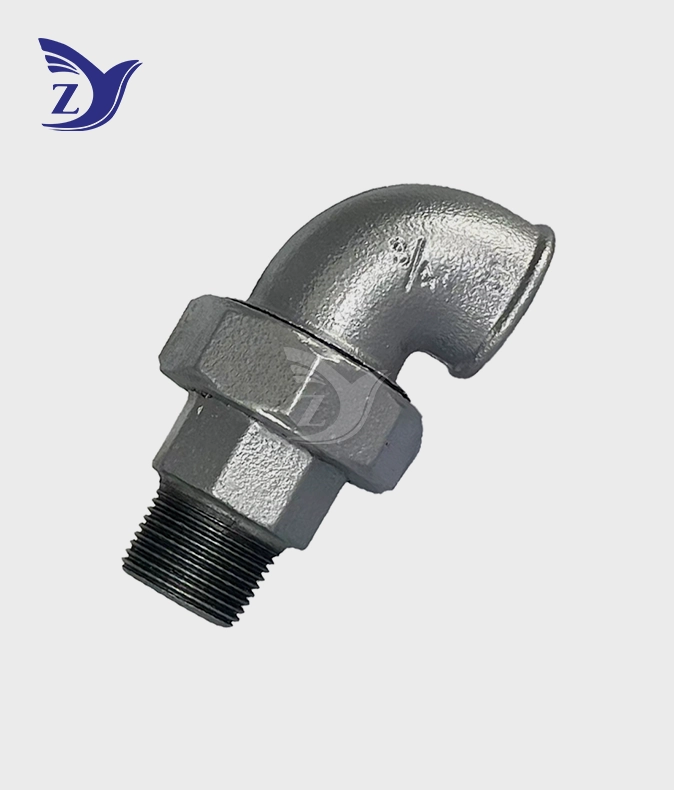
NPT Galvanized Union Elbow Threaded Pipe Fittings with Male and Female Ends
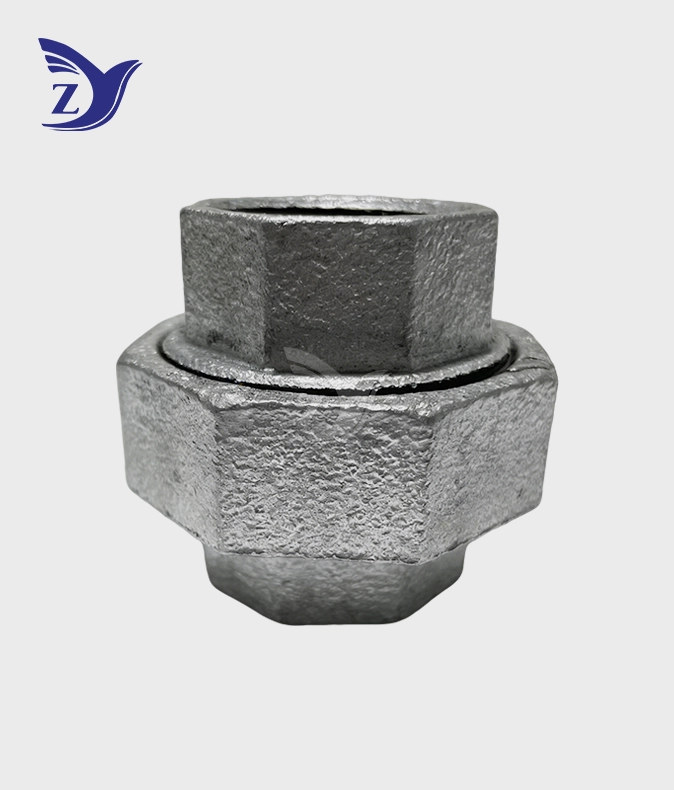
NPT Galvanized Union 342 Pipe Fittings
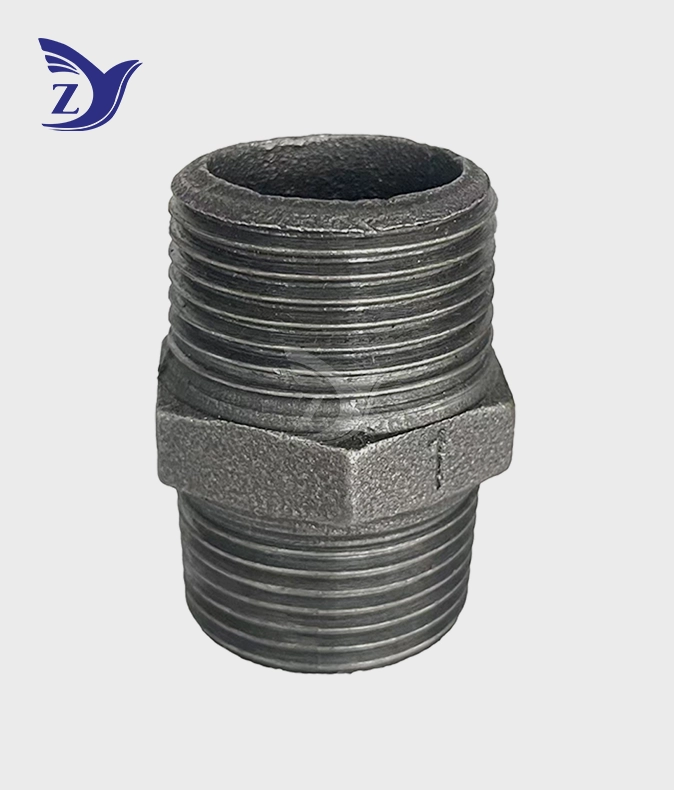
BSPT Black Male Nipple Pipe Fittings
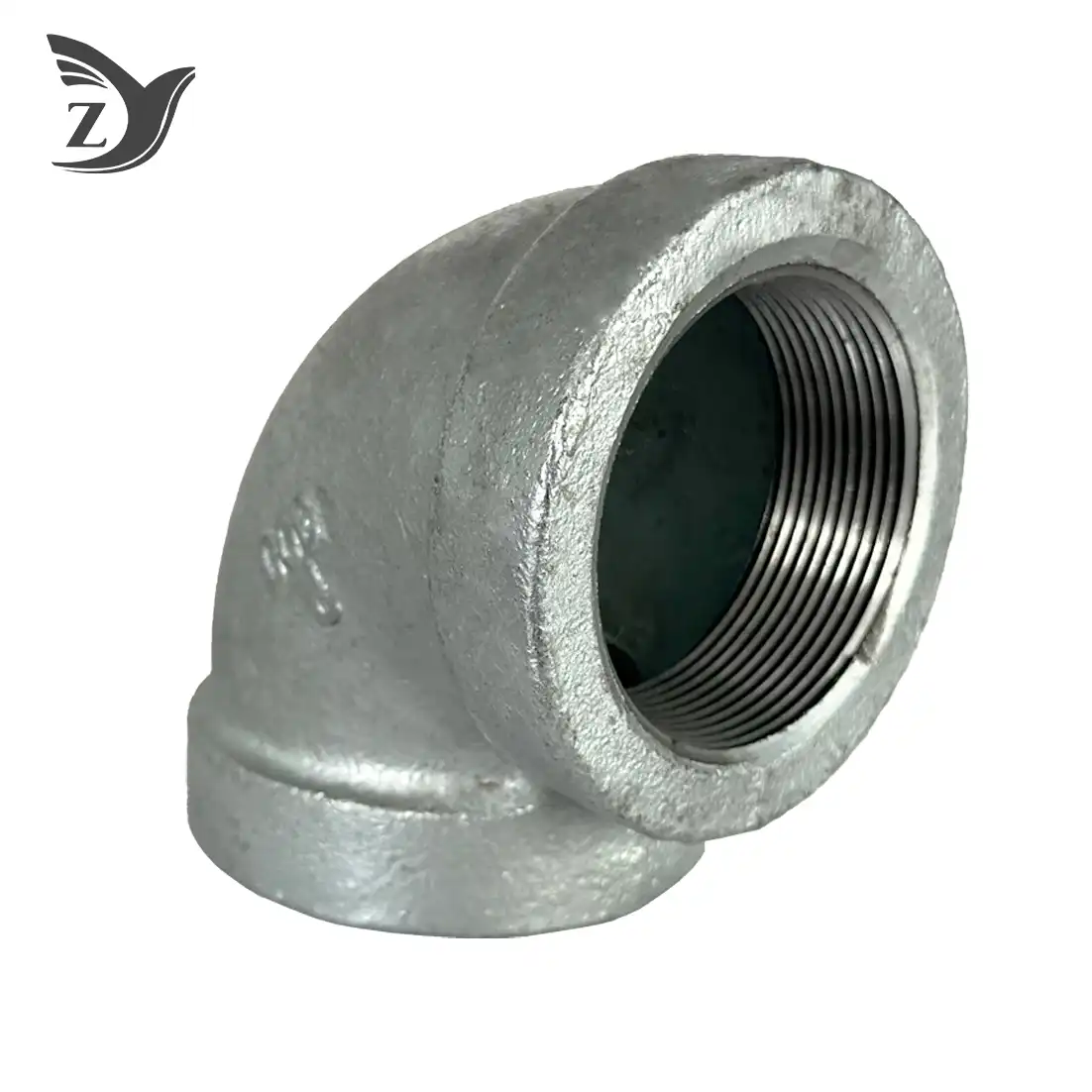
Class 300 Galvanized 90 Degree Malleable Iron Elbow
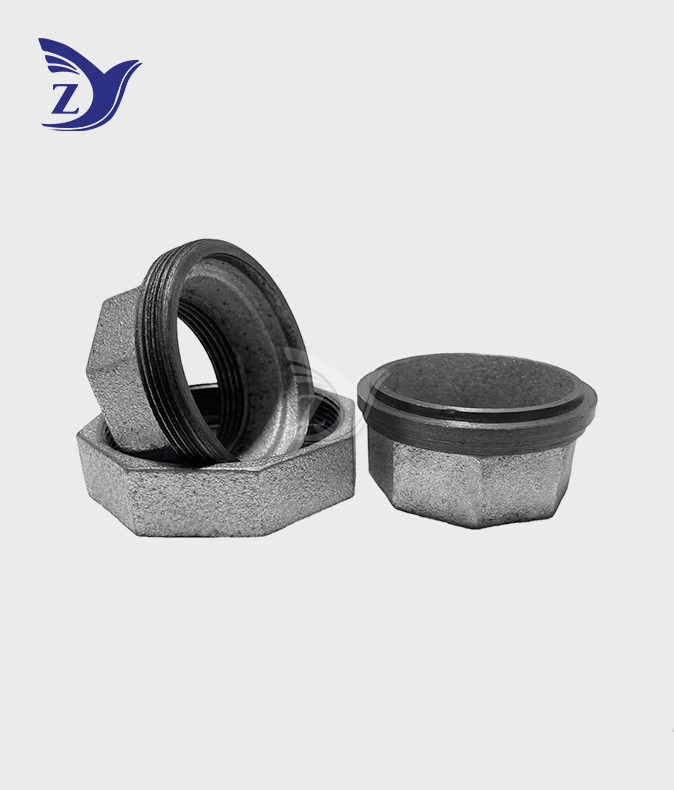
NPT Galvanized Union 330 Pipe Fittings
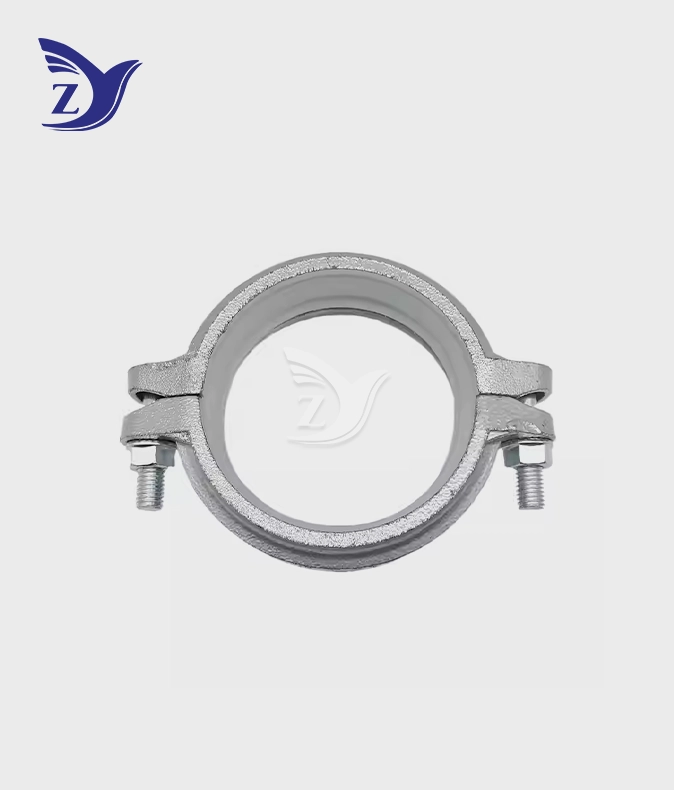
Water Grooved Clamp
Water Grooved Reducing Tee