
May 22, 2026
Black Flangeless Plug Pipe Fittings VS PVC Pipe Plug Fittings
Black flangeless plug pipe fittings and PVC pipe plug fittings are frequently used as comparisons when deciding which industrial pipeline close option is best. Black plug pipe fittings made from high-quality iron that can be shaped or carbon steel with precision-threaded designs that are suitable with NPT and BSPT offer better mechanical strength and pressure-tight seals in high-temperature and high-pressure settings. Their flangeless, countersunk design takes up as little space as possible while making sure that water, gas, steam, and oil systems don't leak. Even though PVC pipe plugs are light and don't rust, they don't do well in high temperatures or pressures, so they can only be used in low-pressure water or chemical draining systems. Knowing these basic differences helps procurement managers make choices that meet business needs and are reliable in the long run.
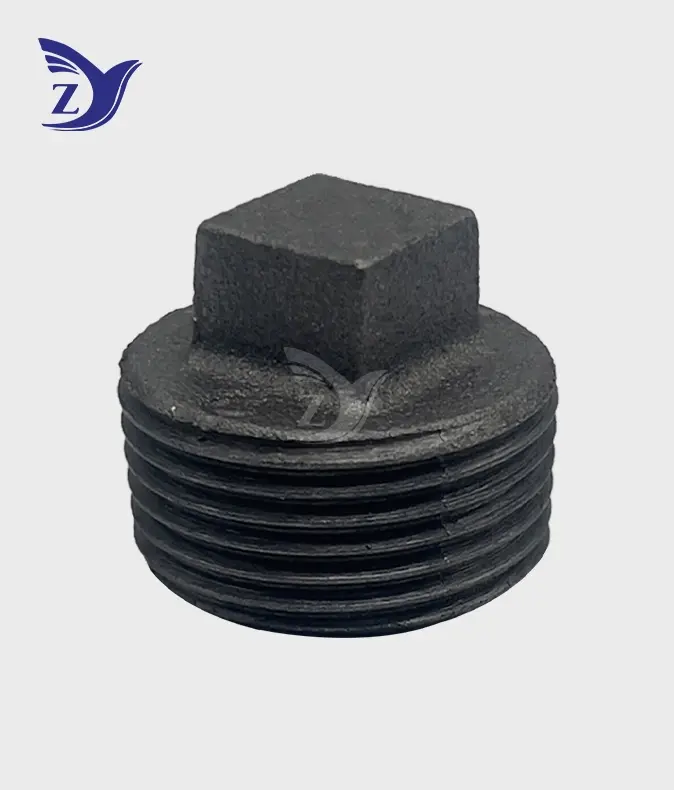
Black Flangeless Plug Pipe Fittings and PVC Pipe Plug Fittings
Material Composition and Structural Design
Black flangeless plug pipe fittings are made from cast carbon steel that meets ASTM A105 standards or malleable iron that meets ASTM A197 standards. The pliable iron goes through controlled annealing, which makes it very flexible and gives it a tensile strength of about 350 MPa. This keeps it from breaking when pressure is applied. The "black" finish is a protective covering, like black oxide or anti-rust lacquer, that keeps heat from transferring, which is important for steam and gas uses. It prevents corrosion without being as thick as galvanization. The flangeless design has a recessed hex socket or an internal square drive. This lets the parts be mounted flat, which makes them safer to use in tight areas like boiler rooms and machinery housings.
Rigid polyvinyl chloride glue is used to shape PVC pipe plug fittings. Most acids, alkalis, and saltwater don't damage PVC very well, but its polymer chains break down quickly above 140°F (60°C), and the material cracks when it freezes. When compared to threaded metal plugs, PVC plugs usually have external hex heads or wing grips for hand-tightening, which makes it harder to apply force and close well.
Thread Standards and Sealing Mechanisms
Industrial fittings for closing the ends of pipes, like black flangeless plug pipe fittings, use either NPT (National Pipe Taper per ANSI/ASME B1.20.1) or BSPT (British Standard Pipe Taper per ISO 7-1) thread types. The side angle of an NPT thread is 60 degrees, and the taper ratio is 1:16. The Whitworth form of a BSPT thread is 55 degrees, and the taper ratio is the same. When thread deformation under torque is paired with thread sealant or PTFE tape, a metal-to-metal seal is made that can withstand pressures ranging from 150 psi (Class 150) to 3000 psi (Class 3000), based on the wall thickness and grade.
In slip joints, elastomeric O-rings or tapered interference fits are used to squeeze and cover PVC plugs. The flexibility of the material is important for these seals because they can thicken, crack, or extrude under long-term pressure or temperature changes. This means that they can only be used at normal temperatures and pressures below 100 psi.
Functional Differences in System Compatibility
Water/gas pipeline black flangeless plug pipe fittings made of black malleable iron fit perfectly with black iron or steel pipe systems that are popular in HVAC installations, industrial steam networks, and gas distribution networks. Their coefficient of thermal expansion is very close to that of steel pipe, so there is no difference in stress when they are heated and cooled. The flush placement keeps insulation wrapping or protection cladding from getting messed up from the outside.
Plastic pipes are usually used in low-pressure draining, irrigation, or chemical waste systems, so PVC plugs work well with those. When you mix PVC pipe with metal pipe, you need dielectric unions or transition joints to stop galvanic rusting. This makes things more complicated and could lead to leaks.
Performance and Application Comparison
Pressure and Temperature Tolerance
Black flangeless plug pipe fittings made from black malleable iron that are high-strength and immune to corrosion work very well in tough circumstances. The results of tests show that these fittings stay strong at steam temperatures of up to 400°F (204°C) and working pressures higher than 300 psi in normal Class 300 setups. Because the material is flexible, it can handle hydraulic shocks and pressure spikes that happen in fire alarm systems and industrial process lines without breaking.
When temps rise above 140°F, the structure of PVC plugs breaks down. At these high temperatures, the tensile strength drops by more than 50%. At room temperature, pressure levels rarely go above 150 psi, and they drop rapidly with heat, so they can't be used for steam, hot water recirculation, or pressurized gas.
Durability and Maintenance Requirements
Industrial-grade black flangeless plug pipe fittings have service lives of more than 30 years in systems that are kept in good shape. The black oxide covering protects against corrosion well enough in dry gas lines and steam systems, but in places where rust is a big problem, it's still a good idea to check them every so often. To install something correctly, you need to use the right amount of force (30 to 50 ft-lbs for 1/2" fittings) and choose the right thread sealant for the type of media.
Because of UV damage, plasticizer movement, and stress breaking, PVC plugs need to be replaced every 5 to 10 years. Once they are taken off, they can't be used again because thread damage makes the seal less reliable. Maintenance costs add up because parts need to be replaced often and the system could go down for no reason.
Installation Procedures and Safety Practices
Putting in black flangeless plug pipe fittings that are suitable with NPT and BSPT requires several important steps. A wire brush can be used to clean all threads well, getting rid of dirt and old sealant. Starting two threads from the end, wrap the PTFE tape clockwise around the fitting, making sure there is 50% gap between each turn. Use yellow PTFE tape that is rated for gas or anaerobic thread sealant that is allowed for fuel gases for gas uses. Tighten the plug by hand for 1.5 to 2 turns, then use a hex key or square drive socket to do it one more time until the resistance goes up sharply. Do not over-torque, as this can damage the plug's drive groove or crack the female threads.
Installing a PVC plug is different from other types of plugs. In solvent-welded systems, make sure that the surfaces that will be joined are dry and free of oils that stop adhesives from sticking. For threaded PVC, use the right PTFE tape or PVC-compatible paste and don't use too much of it so that the hole doesn't crack when too much material is pushed into it. Tighten only by hand, as using a wrench to do so often breaks the plastic body.
Application Suitability Across Industrial Sectors
Pipeline closing black flangeless plug pipe fittings that are durable are used a lot in many B2B industries, including:
Fire protection engineering firms put these plugs in sprinkler systems that follow NFPA 13. They make sure that the test ports and other connections on the grooved pipe headers are securely closed so that water doesn't damage the systems during maintenance. The parts' FM and UL certifications make sure they meet building codes and get approval from insurers.
For natural gas and propane distribution networks, municipal gas companies choose black flangeless plug pipe fittings because they keep gas out and don't let underground moisture get in. The flush form makes it less likely that damage from the outside will happen during drilling or maintenance.
These fittings are used in petrochemical plants for process piping for hydrocarbons, steam tracing, and cooling water systems that work at high temperatures and pressures that are too high for PVC. The material's ability to prevent sparks makes it safer in environments that could explode.
PVC plugs are used in building projects where cost savings are more important than performance limits. They are used in home plumbing vents, garden irrigation winterization, and low-pressure chemical drainage.
Why Choose Black Flangeless Plug Pipe Fittings Over PVC
Superior Mechanical Strength and Reliability
Because of how it is made, black flangeless plug pipe fittings have performance benefits that directly meet the needs of industrial stability. These fittings can handle hydraulic hammer, thermal expansion stress, and mechanical strikes that would break PVC options because their tensile strength is higher than 50,000 psi. Instead of catastrophic brittle failure, ductility shows deformation as an early warning sign during high overload situations.
Vibration dampening is very important in mechanical systems that use rotating pumps or compressors. This is because PVC's stiffness sends out damaging resonance frequencies that make connections loosen and wear out faster. These shocks are absorbed by black flangeless plug pipe fittings, which makes the system last longer and require less upkeep.
Enhanced Safety and Code Compliance
More and more, building rules and insurance requirements say that metallic valves must be used for high-temperature and combustible gas transportation. The National Fuel Gas Code 54 from the National Fire Protection Association (NFPA) says that gas pipe systems must be made of steel or malleable iron. This means that PVC can't be used. For steam lines above 15 psi or 250°F, the ASME B31.1 Power Piping Code also says that metals must be used.
The fire resistance of black flangeless plug pipe fittings stops flames from spreading and poisonous fumes from being released during building fires. This is in contrast to PVC, which breaks down at low temperatures and releases hydrochloric acid gas. In institutional buildings like hospitals, schools, and high-rise business buildings, this safety benefit is often what drives specification choices.
Long-Term Cost Efficiency
Keeping operations going requires reducing unexpected downtime as much as possible. When PVC plugs break, they can cause systems to fail, which can cost thousands of dollars in water damage, lost production, and emergency repairs. A factory that has a problem with its cooling system could lose $10,000 to $50,000 an hour in lost production, which is a lot more than the money it saved by using plastic parts in the first place.
Less frequent upkeep means less work for workers and fewer problems with the system. Facilities that use black flangeless plug pipe fittings usually do standard system maintenance inspections every three to five years. On the other hand, PVC setups need to be checked and replaced every year as a safety measure, which takes more time and costs more money in spare parts.
Conclusion
When choosing between black flangeless plug pipe fittings and PVC alternatives, you need to carefully think about how they will be used, how much they will cost over their lifetime, and how reliable they need to be. Black flangeless plug pipe fittings that have precise NPT/BSPT threads work better than any other material in high-pressure, high-temperature, and safety-critical situations. They are used in fire protection, gas distribution, industrial process pipelines, and city infrastructure. Their better mechanical properties, ability to meet building codes, and decades-long service life make up for their higher original costs by cutting down on upkeep costs and removing the chance of failure. PVC plugs are still useful in low-pressure, room-temperature situations where cost concerns are greater than performance requirements. However, procurement managers should be aware of their limits and the hidden costs that may come from failing early and needing to be replaced often.
Frequently Asked Questions
What are the key advantages of black flangeless plug pipe fittings compared to PVC?
Black flangeless plug pipe fittings can handle much higher pressures (150–3000 psi vs. 100 psi), can handle temperatures up to 400°F (vs. 140°F for PVC), are stronger and won't break when hit, and are compliant with gas and steam system rules. The flush-mounted design takes up less space and eliminates the risk of snags while providing solid metal-to-metal sealing that lasts for decades of temperature changes.
How do I select the correct size and pressure rating?
The thread type (NPT or BSPT) and approximate size of the black flangeless plug pipe fitting should match the female port you're closing. Check that the pressure class meets or exceeds the maximum operating pressure of your system with a safety margin that is right for you. Usually, you should choose fittings that are rated at least 1.5 times the average working pressure. Check the pressure-temperature charts provided by the maker, as ratings drop as temps rise. Zhiyuan Malleable Steel offers full specification sheets and technical support to help customers make the right choice.
Can black malleable iron plugs resist chemical corrosion?
Natural gas, steam, air, and drinkable water systems can all use the black oxide covering because it protects against basic moisture and atmospheric rust. For strong chemicals, you should ask for extra protection. For marine or outdoor settings, hot-dip galvanizing is recommended, epoxy coating for acidic environments, and stainless steel construction for chlorinated or highly corrosive media. Based on the chemical exposure, Zhiyuan's expert team can suggest the best mixes of material and coating.
Are customization services available for specialized applications?
Zhiyuan Malleable Steel provides full OEM/ODM services, which include custom coatings, material changes, non-standard sizes, and unique thread forms for black flangeless plug pipe fittings. Custom products usually have a minimum order quantity of 500 units, and technical help is given at no extra cost. Within 10 days, prototype models can be made for testing and approval before full production runs begin.
Partner with Zhiyuan Malleable Steel for Reliable Pipeline Solutions
Zhiyuan Malleable Steel is a great company for industrial buyers who want to find black flangeless plug pipe fittings suppliers that offer stable quality, full certifications, and quick service. Our factory in Taigu, Shanxi Province, has 8 medium-frequency electric furnaces and 156 precise machining units. Each year, they make more than 30,000 tons of products that meet more than 1,000 different standards. To make sure it meets ISO 9001, CE, UL, and FM standards, every fitting goes through strict quality control measures such as thread gauging, hydrostatic pressure testing, and material makeup proof.
Our benefits over our competitors go beyond our ability to make things. Standard goods are shipped from our large collection within two hours of your order being placed, meeting your urgent repair needs. We help custom projects with our ODM/OEM knowledge and committed technical support. We quickly replace any broken items and provide full traceability documents to make sure the quality of our goods.
We have been working with construction companies, plumbing distributors, utility companies, and foreign exporters since 2006, so procurement managers in charge of fire protection systems, city infrastructure, industrial process pipes, or gas distribution networks can count on our experience. You can talk to our technical sales team at q1236800000@gmail.com or visit zymalleablepipefitting.com to talk about your specific needs, get product samples, or get prices for your next job in bulk. Allow us to show you why top engineering firms choose Zhiyuan Malleable Steel for high-reliability pipeline closing jobs that are very important.
References
- American Society of Mechanical Engineers. (2020). ASME B1.20.1: Pipe Threads, General Purpose (Inch). New York: ASME Press.
- ASTM International. (2019). ASTM A197: Standard Specification for Cupola Malleable Iron. West Conshohocken: ASTM International.
- National Fire Protection Association. (2021). NFPA 54: National Fuel Gas Code. Quincy: NFPA Publications.
- British Standards Institution. (2018). BS EN 1562: Founding - Malleable Cast Irons. London: BSI Standards.
- International Organization for Standardization. (2017). ISO 7-1: Pipe Threads Where Pressure-Tight Joints are Made on the Threads - Part 1: Dimensions, Tolerances and Designation. Geneva: ISO Publishing.
- American Water Works Association. (2019). AWWA Manual M11: Steel Pipe - A Guide for Design and Installation. Denver: AWWA Publications.
Online Message
YOU MAY LIKE
High quality furniture manufacturer
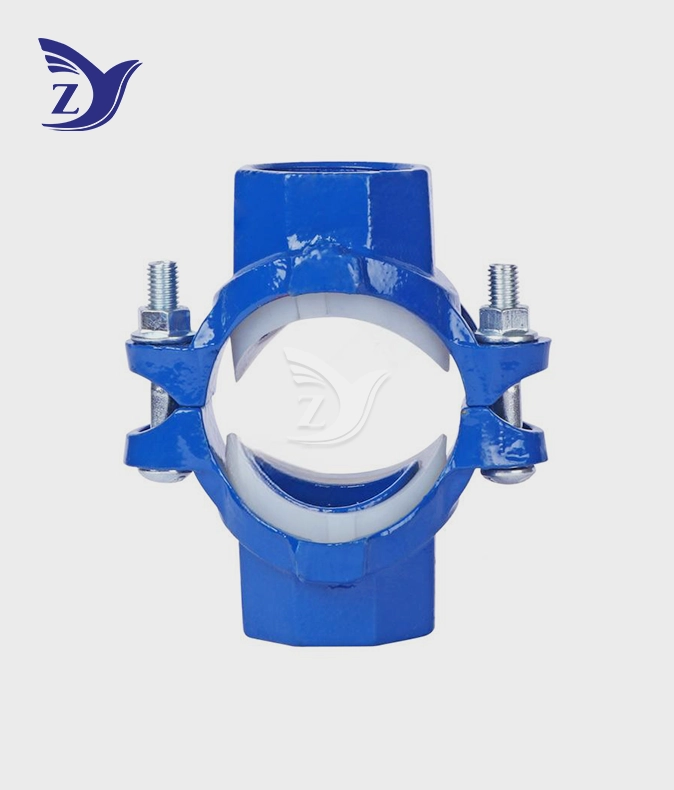
Water Supply Threaded Mechanical Cross Pipe Fitting
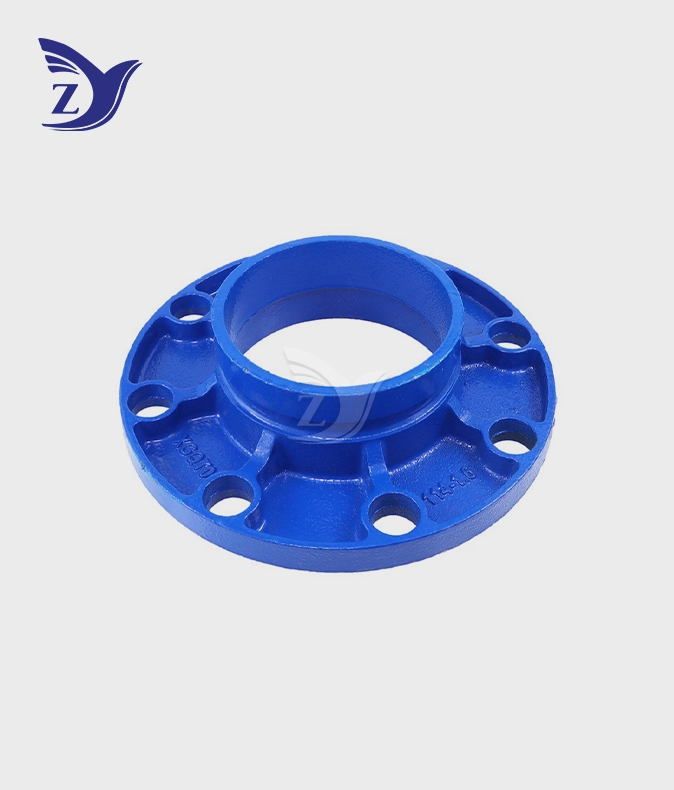
Water Grooved Flange
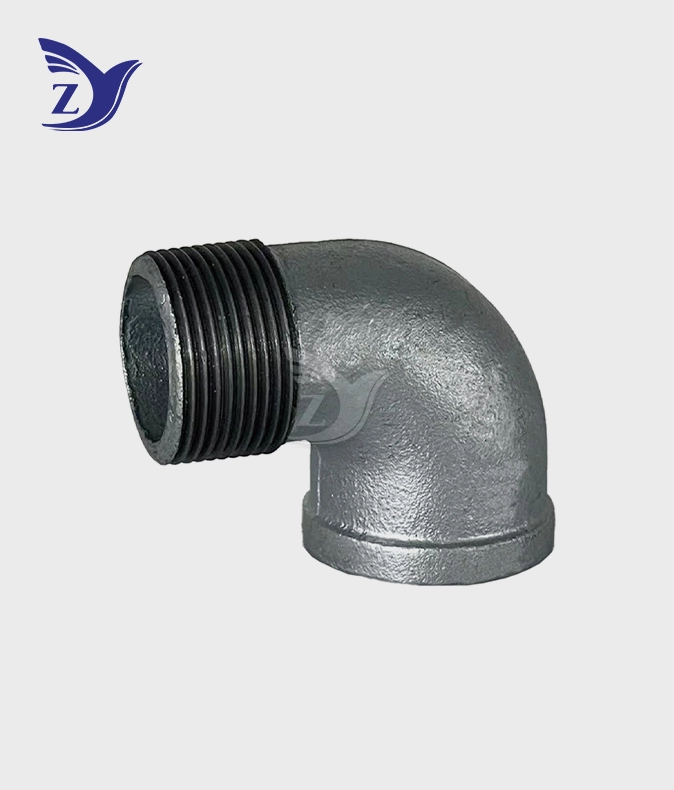
NPT Square Face Galvanized 90° Male Female Threaded Elbow Pipe Fittings
Water Grooved 90° Elbow
Fire Grooved Blind Flange
Carbon Steel Pipe Male Threaded Fittings Electro Galvanized
BSPT Black FxF 90° Long Bend Malleable Iron Pipe FittingsFittings
Fire Grooved Clamp