
Apr 18, 2026
Are galvanized union 340 pipe fittings permanent?
When engineering teams and procurement workers are choosing parts for important building projects, one question keeps coming up: are galvanized union 340 pipe fittings permanent? The simple answer is complicated. These parts are made to last a long time; in the right conditions, they can last decades. However, they are designed to be removable and not forever attached. Galvanized union 340 pipe fittings have threaded joints that can be taken off and put back on. They have a long service life and are easy to maintain. Their hot-dip galvanized covering and malleable iron construction make them resistant to rust and strong, so they can be used for a long time in industrial heating, gas, and water systems while still being able to be taken apart without cutting lines.
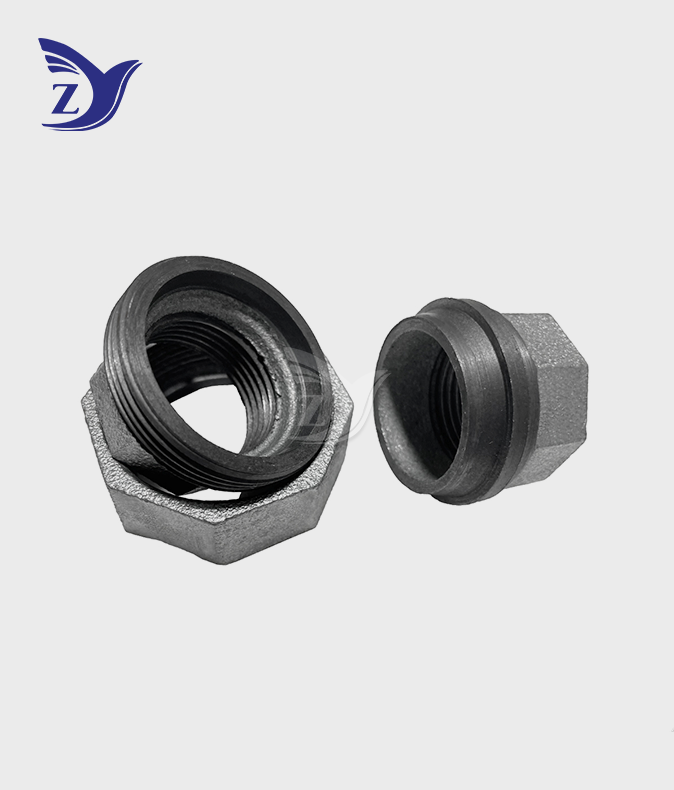
What Are Galvanized Union 340 Pipe Fittings?
Definition and Core Function
galvanized union 340 pipe fittings are three-piece detachable links that are meant to connect two fixed pipes without having to turn the whole pipeline while putting it together or taking it apart. The number "340" refers to the device for closing the inside, which is a precision-engineered conical (taper) seat that uses iron-to-iron contact instead of gaskets. By using this design, a metal-to-metal seal is made that can take a lot of pressure and still not leak.
There are three main parts to the fitting: a union nut, a shoulder piece, and a tail piece. When the nut is tightened, it pulls the two halves together so that the conical sides engage and make a secure joint. This arrangement solves one of the most important problems in pipeline systems: how to repair in-line equipment like pumps, meters, and valves without taking apart long stretches of fixed pipe.
Material Composition and Standards
These parts are made from black heart malleable iron that meets ASTM A197 standards. This type of iron is more flexible and resistant to pressure than regular gray cast iron. A special heat treatment is used on the pliable iron base material to turn brittle carbide structures into nodular shapes. This makes a material that can handle mechanical stress without breaking.
The hot-dip galvanization method follows ASTM A153 guidelines and puts on a zinc layer that is usually more than 70 to 86 microns thick. This layer of protection is cathodic, which means that the zinc corrodes before the iron below it. This greatly extends the fitting's useful life in places with a lot of water or chemicals that are harsh.
You can choose between NPT (National Pipe Taper) threads that meet ANSI/ASME B1.20.1 standards and have a 60-degree angle or BSPT (British Standard Pipe Taper) threads that meet ISO 7-1 standards and have a 55-degree angle. Both methods use thread interference to make mechanical bonds that seal themselves, which improves pressure-tightness without the need for extra sealing chemicals in many situations.
Application Environments
These links are made for industry use and are widely used in many fields. They are needed for sprinkler networks in fire protection systems so that repair workers can get to them. They are used at meter sites and connection points in municipal water distribution networks. Commercial buildings' HVAC systems use them at machine connections where yearly maintenance is done. They are put in place at regulation sites and monitoring points along gas transmission pipes. Their flexibility comes from the fact that they can withstand high pressures (usually Class 150, or 300 psi at normal temperatures) and don't corrode when installed underwater or in the open.
Understanding these basic features gives you a starting point for judging whether these parts meet the long-lasting needs of certain projects while still being useful.
Are Galvanized Union 340 Pipe Fittings Permanent?
The word "permanence" needs to be carefully defined in piping systems, especially when reliability and ease of upkeep are being weighed against each other.
Defining Permanence in Industrial Contexts
When engineers talk about permanent links, they usually mean parts that are welded or soldered and can't be taken apart without damaging them. galvanized union 340 pipe fittings are a special kind of link because they are meant to last for a long time but can be undone on purpose. This trait handles an important practical fact: even the most reliable pipe systems need parts to be replaced, inspected, or changed over time.
The expected service life of properly installed galvanized union fittings in non-aggressive settings frequently exceeds 25-30 years, with some installations in controlled conditions remaining functional beyond 40 years. This longevity rivals many welded connections while preserving disassembly capability—a combination particularly valuable in facilities where equipment replacement cycles occur within these timeframes.
Factors Influencing Longevity
The real service length is affected by a number of environmental and operational factors. Exposure to acidic substances like chlorides near the coast or sulfates in industrial wastewater speeds up the loss of zinc covering. Temperature cycling, especially freeze-thaw cycles in outdoor locations, puts stress on the metal frame because it keeps expanding and contracting.
The level of the installation has a huge effect on performance. If you don't tighten something enough, the joints will leak and become free from vibrations. If you tighten something too much, the flexible iron body could crack or the threads could come off. When you use the right amount of force, which is usually checked with calibrated tools, the conical sides will connect fully without going over the material's yield strength.
Routine cleaning procedures greatly increase the life of equipment. During routine maintenance, checking for deteriorating zinc coating, checking thread condition, and testing for leaks can find problems early on, before they become too big to fix. When the zinc covering starts to wear away, which usually happens after 15 to 20 years of modest use, protective care like applying a cold galvanizing spray can make it resistant to corrosion again.
Reusability Considerations
Unlike welded joins, union parts can be put together and taken apart more than once. But each time it's taken apart, the threads and closing surfaces get worn down. For important uses, the industry recommends only reusing three to five times, and after each disassembly, checking the thread level and state of the conical seat. Damage like galling, cross-threading, or surface damage means that the part needs to be replaced instead of being put back together.
This ability to be used again and again saves a lot of money when changing systems or upgrading equipment, because it cuts down on work costs and downtime compared to cutting and re-welding fixed connections. It is very helpful to be able to separate and take apart parts so that they can be fixed or replaced somewhere else. This is especially true in working facilities where downtime costs a lot of money.
Setting up rules for keeping track of installation dates, torque requirements, and removal histories for each union fitting in important systems helps maintenance teams. This data-driven method lets you replace things before they break, switching from reactive to proactive repair tactics.
Procurement Guide for Galvanized Union 340 Pipe Fittings
It's not just the cost of the parts that are affected by strategic buying choices. Delivery reliability, quality consistency, and long-term supplier relationships that are necessary for business continuity are also affected.
Supplier Evaluation Criteria
Certifications of quality are basic signs of trustworthiness. ISO 9001 certification shows that quality management systems are in place, and product-specific certifications like UL (Underwriters Laboratories) or FM (Factory Mutual) approval show that fire safety standards are met. The CE mark means that the product meets European safety and performance standards, which are important for foreign projects or facilities that serve multiple countries.
The ability to manufacture directly impacts the dependability of delivery, especially for big projects that need thousands of parts. Suppliers whose yearly production capacity is more than 10,000 tons usually keep enough goods on hand and are flexible enough with their production schedules to meet urgent needs or make changes to orders. Smaller providers might have lower prices, but deliveries might be delayed when demand is high.
Quality control methods need to be looked into in great depth. Instead of random selection, each fitting is tested with pneumatic pressure to make sure it doesn't leak. Thread gauging with approved NPT or BSPT ring and plug tools checks the dimensions, which is important for installing things correctly. Magnetic measurements of the zinc coating thickness show that the rust protection meets requirements. Suppliers who include detailed inspection records with every shipment show that they care about quality openness.
Pricing and Order Considerations
Industrial pipe fittings usually have pricing systems that use volume-based tiers. For foreign purchases, the minimum order quantity is usually a container load, which is about 10 to 15 tons. As the number goes over 25 tons, the cost per unit goes down. Smaller amounts cost more, sometimes 15–30% more than volume rates.
Lead times depend a lot on how complicated the order is. Standard NPT connections in popular sizes (1/2" to 2") can usually be shipped within days from stock. For less popular sizes or BSPT threading, the production time could be between 2 and 4 weeks. Lead times can be up to 8 weeks if you need non-standard sizes, special finishes, or wiring that isn't standard.
Payment terms affect how much working cash you need. Established sellers with strong finances may offer net-30 or net-60 terms, while smaller makers usually need deposits (usually 30% up front), with the rest due before the shipment. Letters of credit protect both parties in foreign transactions, but they come with banking fees that add 1% to 2% to the total cost of the transaction.
Building Supplier Relationships
Long-term relationships with suppliers create a lot of value that goes beyond the saves that come from individual transactions. Buying from qualified sellers on a regular basis helps you get the most out of your goods. When vendors keep special stock for regular customers, they cut down on the costs and delays of last-minute purchases. Having access to technical support makes it easier to quickly solve problems with applications, installations, or connectivity.
Communication response shows how reliable a seller is. Answering technical questions within 24 hours and keeping customers informed about the progress of projects on a regular basis show a commitment to customer service that is especially important for projects that need to be finished quickly.
Procurement risk is lower when samples are tested before big promises are made. Before placing a large order, it is important to make sure that sample galvanized union 340 pipe fittings are sent for measurements, pressure tests, and coating analysis to make sure that the real goods meet the requirements. Reliable sellers are happy to do samples when asked, seeing them as chances to show off their quality rather than problems that could stop sales.
Regular performance reviews that keep track of measures like on-time delivery rates, quality rejection rates, and responsiveness help find providers who regularly meet standards and those who need to be replaced. Data-driven source management improves the efficiency of buying while lowering the risk in the supply chain.
Shanxi Taigu Zhiyuan Malleable Steel Co., Ltd. is a good example of this type of seller because it has been making steel products since 2006 and has a history of producing high-quality products and getting all the necessary approvals.
Conclusion
Galvanized union 340 pipe fittings are a good compromise in the world of plumbing infrastructure. They are made to last for decades while still being easy to maintain. Their stability doesn't come from being permanently installed; it comes from being made of high-strength iron that is coated in zinc to prevent rusting. This natural ability to last a long time can be maximized through proper specification, fitting, and regular review. Comparative research shows that they are cost-effective in common industry, civic, and fire protection uses, whereas exotic materials offer only small benefits at high costs. Strategic buying from qualified makers guarantees consistent quality, on-time delivery, and the expert help needed for a project to go smoothly and for the business to run smoothly in the long term.
Partner with Zhiyuan Malleable Steel for Reliable Industrial Piping Solutions
Zhiyuan Malleable Steel has been making specialized steel products for 26 years and can help you with your industrial water and gas piping projects. Our galvanized union 340 pipe fittings are certified to meet strict international standards, such as ISO 9001, CE, UL, and FM. This guarantees consistent quality for fire protection, city infrastructure, and HVAC uses. We can make 30,000 tons of products a year and keep over 1,000 different product specs in stock. This lets us deliver standard NPT and BSPT fittings within hours and meet the needs of OEMs in foreign markets. Our strict quality control measures, which include trying each fitting with air pressure and checking the thickness of the zinc layer, ensure that the system will not leak. Get in touch with us at q1236800000@gmail.com to talk about your needs and find out why top builders choose Zhiyuan Malleable Steel as their provider.
FAQs
Can galvanized union fittings be reused after disassembly?
These galvanized union 340 pipe fittings can be put together and taken apart more than once, but for important uses, it is best to limit the number of times they can be used to three to five. After each teardown, carefully check the threads and conical sealing surfaces. Threads that are galled, stripped, or pitted should be replaced. Keep track of repair by writing down each reuse cycle. This is especially important for regulated systems like fire defense that have to be very reliable.
What is the typical service life in outdoor installations?
When fitted correctly, fittings in mild areas usually last 25 to 30 years, but some installations last longer than 40 years. Lifespan may be cut to 15 to 20 years in coastal or industrial areas with a lot of salt or sulfate. Service life is greatly increased by regular review and replacement of protection coatings. Because of less temperature cycling and UV exposure, underground installations in non-aggressive dirt often last longer than visible fittings.
How do I determine the correct torque specifications?
Different fitting sizes and thread types need different amounts of torque. Most of the time, NPT fittings need 1.5 to 2.5 turns more than hand-tight, while BSPT fittings need 2-3 turns. For precise tasks, check the manufacturer's specs—normal ranges are 45 to 120 foot-pounds, based on the width. When you use precise torque tools, you can avoid under-tightening (which can lead to leaks) and over-tightening (which can lead to cracks). If you don't have the specs, tighten until there is firm resistance without using too much force, and then try under operating pressure.
References
- American Society of Mechanical Engineers. ASME B1.20.1-2013: Pipe Threads, General Purpose (Inch). New York: ASME Standards, 2013.
- ASTM International. ASTM A197/A197M-15: Standard Specification for Cupola Malleable Iron. West Conshohocken: ASTM International, 2015.
- ASTM International. ASTM A153/A153M-16a: Standard Specification for Zinc Coating (Hot-Dip) on Iron and Steel Hardware. West Conshohocken: ASTM International, 2016.
- National Fire Protection Association. NFPA 13: Standard for the Installation of Sprinkler Systems, 2019 Edition. Quincy: NFPA, 2019.
- International Organization for Standardization. ISO 7-1:1994: Pipe threads where pressure-tight joints are made on the threads – Part 1: Dimensions, tolerances and designation. Geneva: ISO, 1994.
- Metals Handbook Desk Edition, Second Edition. Materials Park: ASM International, 1998. Chapter on Malleable Iron Castings and Properties.
Online Message
YOU MAY LIKE
High quality furniture manufacturer
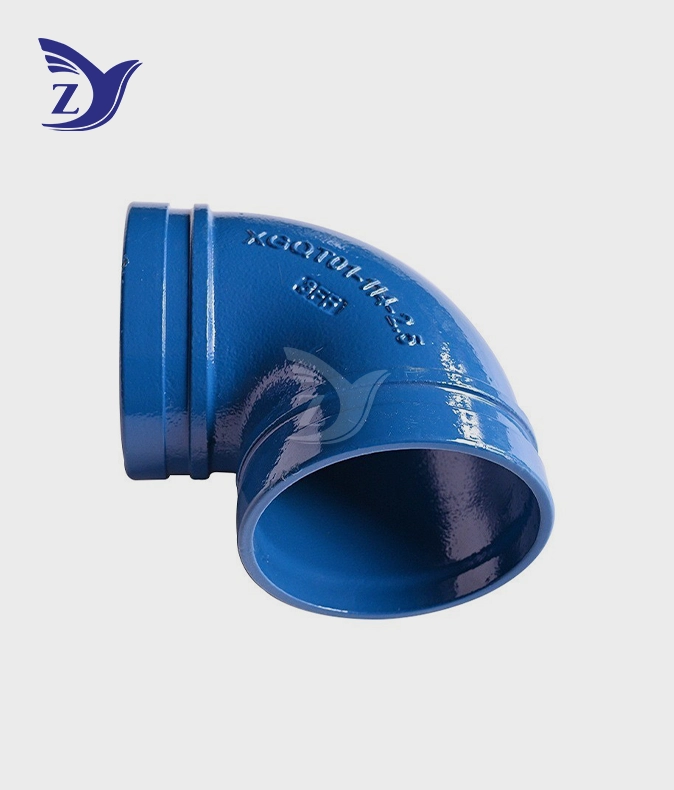
Water Grooved 90° Elbow
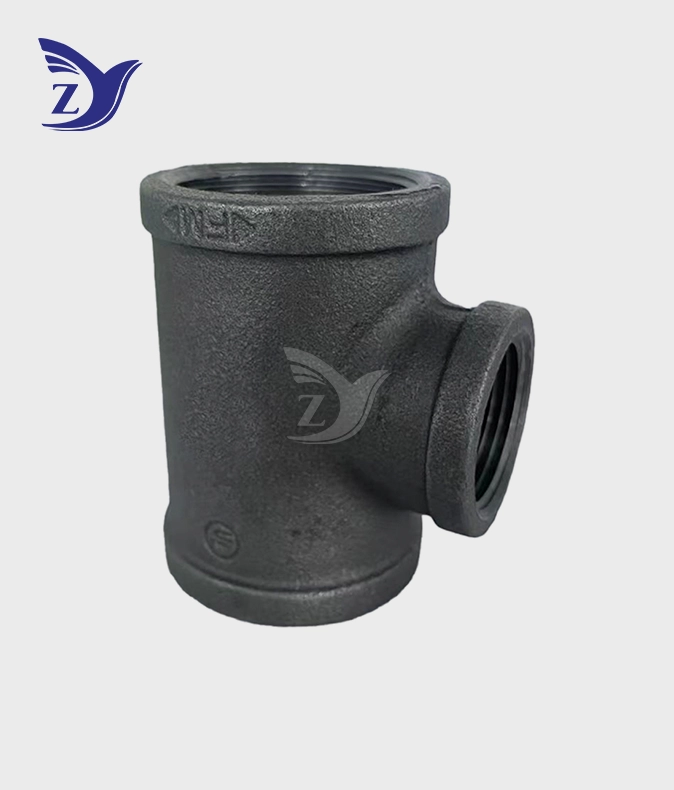
NPT Black Square Face Reducing Tee Pipe Fittings
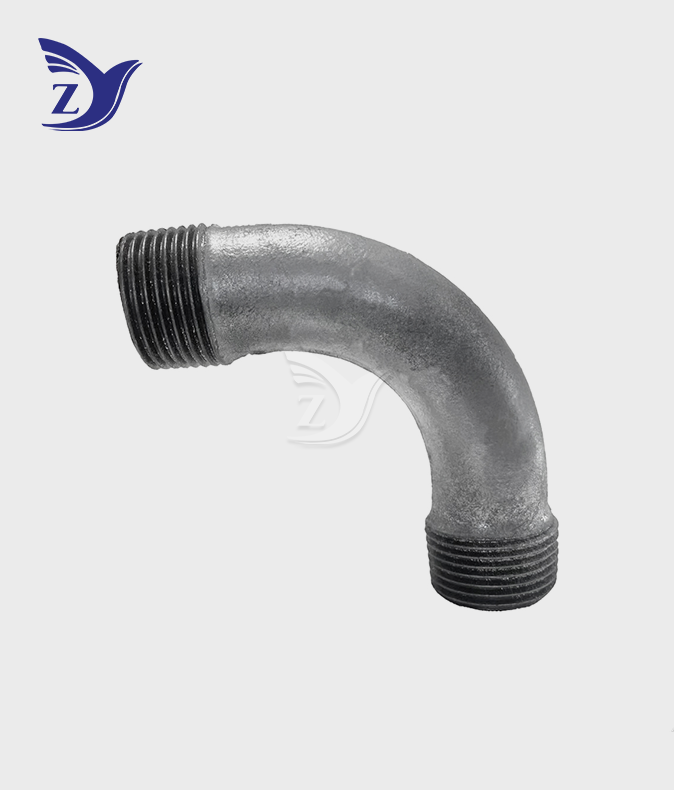
BSPT Round Face Galvanized Round Edge 90° Elbow Pipe Fittings
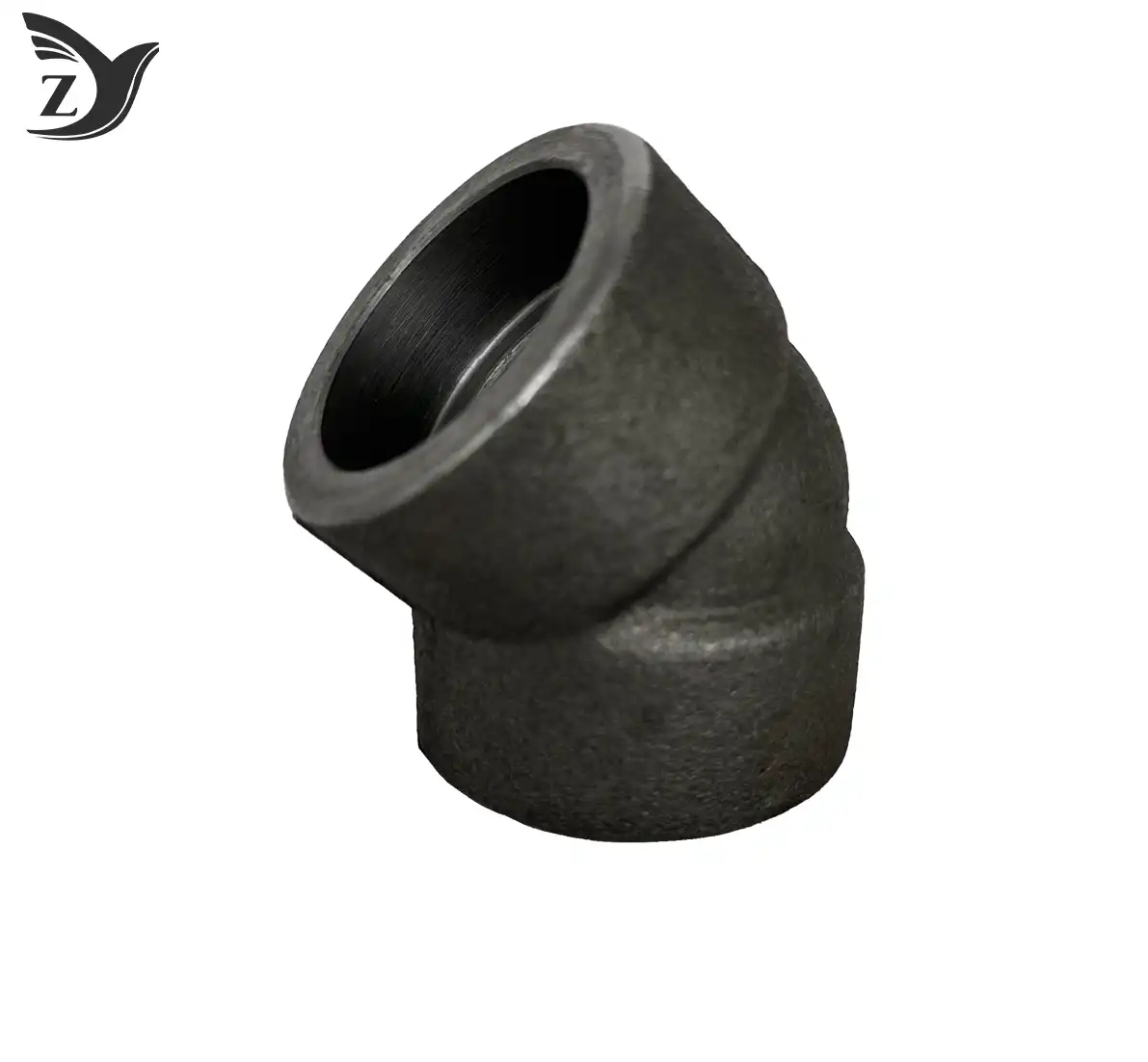
Forged Carbon Steel Socket Weld 45 Degree Elbow High Pressure Pipe Fitting
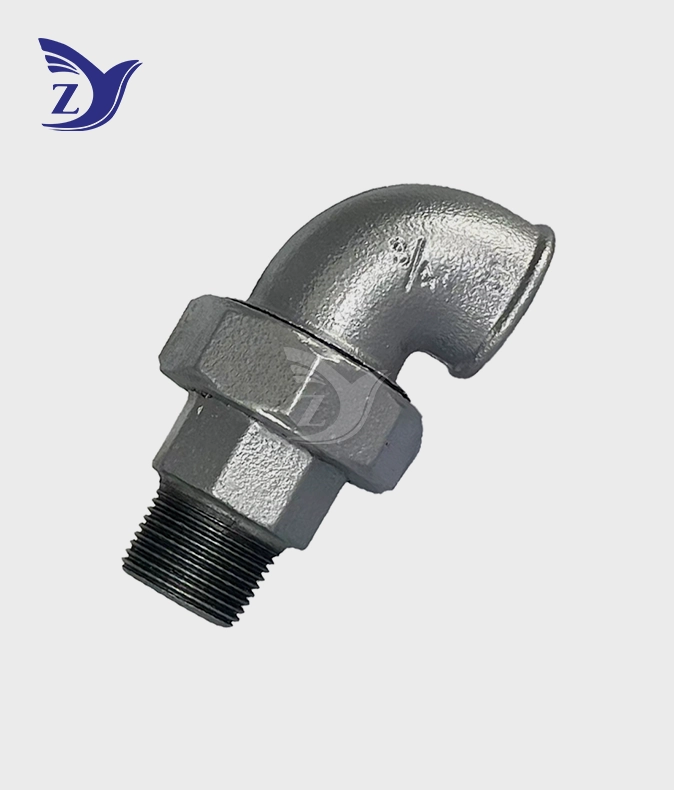
NPT Galvanized Union Elbow Threaded Pipe Fittings with Male and Female Ends
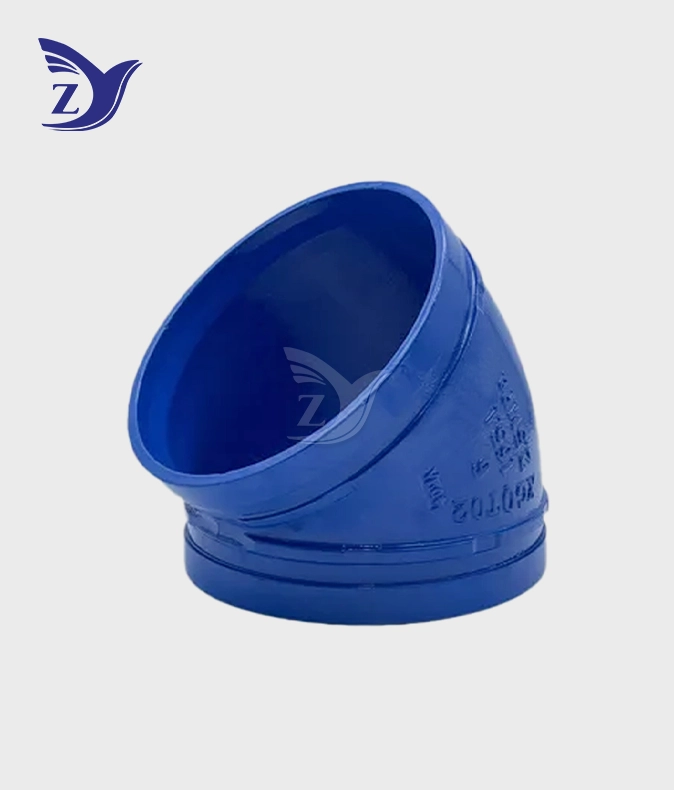
Water Grooved 22.5-degree grooved elbow
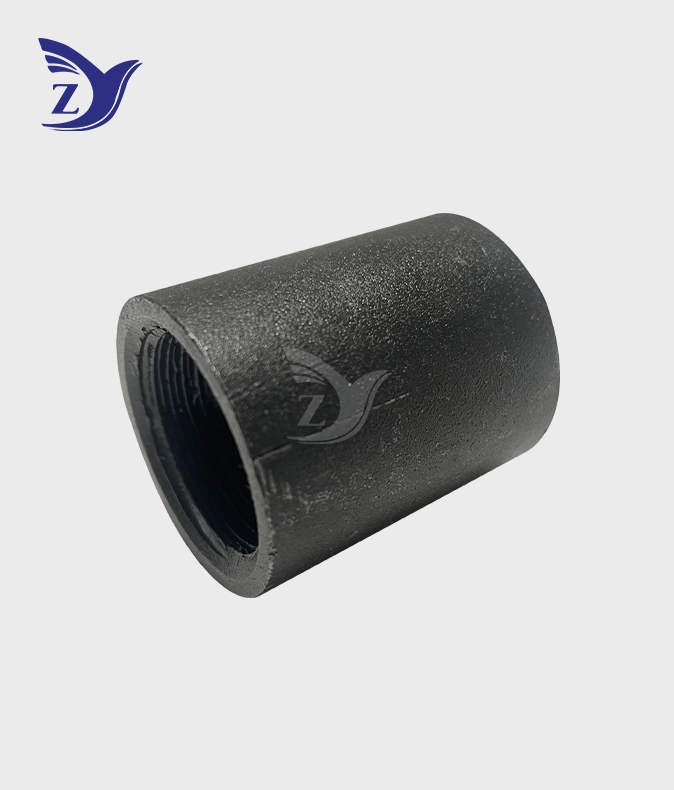
Carbon Steel Full Threaded Coupling Fittings Black Oxide Treated
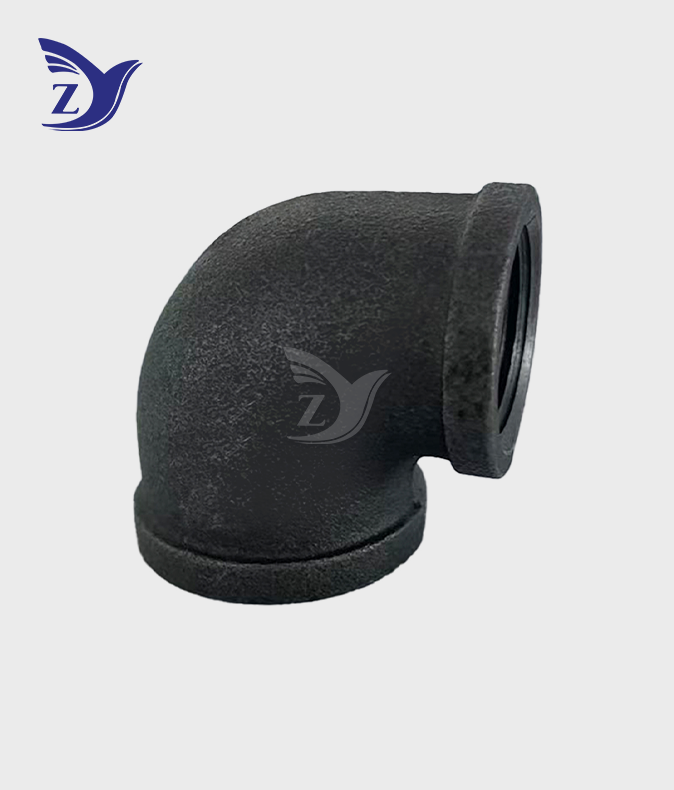
NPT Black Square Edge Reducing 90° Elbow