
May 28, 2026
A Reducing Elbow Is Used To Deflect Water
An important part of any pipe system that needs to change the width of a pipe and change the direction of water flow is the reducing elbow. This is ideally shown by the black square edge reducing 90° elbow, which redirects water at a precise right angle while switching between two pipe sizes. This two-in-one fitting gets rid of the need for different parts. This makes installation easier and reduces the chance of leaks in public water systems, industrial cooling loops, and business plumbing networks where efficiency and limited space are important.
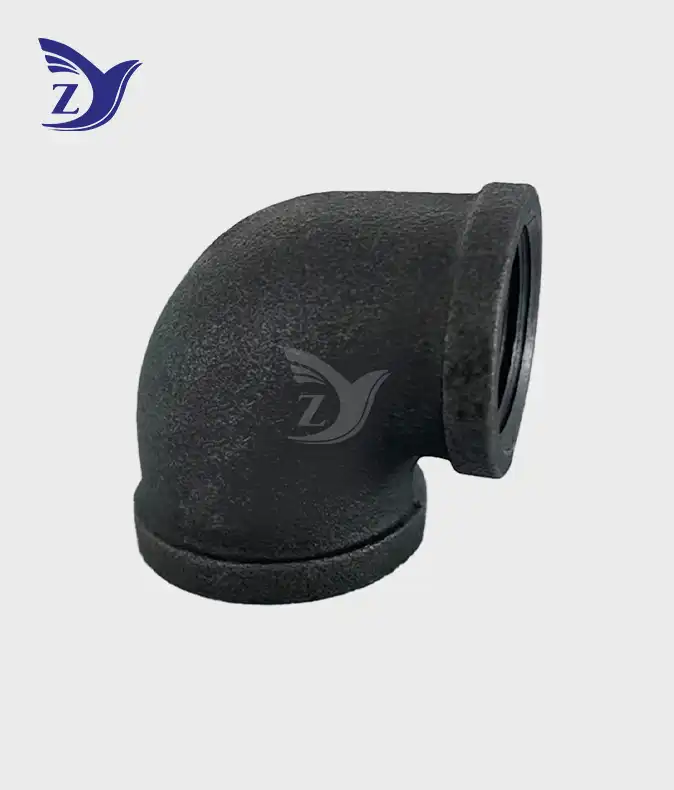
What is Black Square Edge Reducing 90° Elbow?
There is a special type of malleable iron pipe fittings called the black square edge reducing 90° elbow that was made to solve two problems at the same time in fluid transportation systems. Unlike most elbows, which have a diameter that stays the same all the way through, this part has a change in diameter built into the bend itself. The "square edge" name comes from the shape of the strengthened beads around the outside of the fitting, which makes it different from regular or round-bead versions.
This strengthening does a few things: it improves the structural stability at stress points; it makes it easier to use wrenches during installation; and it makes the hoop less susceptible to stress caused by pressurized fluids. These fittings are made from black malleable iron that meets ASTM A197 standards. They have a minimum tensile strength of 40,000 psi (276 MPa), which means they can handle the thermal expansion and mechanical vibration that are typical in water transport systems.
Advantages and Applications of Black Square Edge Reducing Elbows
Performance Benefits Over Conventional Fittings
When you compare black square edge reducing 90° elbows to more common ones, you can see that they work better, which directly leads to a lower total cost of ownership. The built-in reducing transition gets rid of one whole fitting joint from the assembly. Instead of using a normal elbow and a separate reducer bushing, the reducing elbow does both jobs. Each part that is taken out gets rid of a possible leak path and cuts assembly time by about 40% at that point.
When compared to round-bead designs, square edge bead designs add about 15 to 20 percent more mass to key stress zones. When techs apply the pressure needed for proper thread engagement during installation, this reinforcement keeps the fitting from warping when they do so. In similar situations, wrench pressure can sometimes crush or damage round-bead fittings, breaking the seal before the system even goes into service. Testing done at industrial repair facilities shows that square edge fittings make a good seal on the first installation 92% of the time, while regular round-bead alternatives need to be retightened or replaced 78% of the time.
When systems get bigger, flow efficiency becomes more important. The precision-cast internal shape keeps the changes in diameter smoother, which lowers the turbulence that causes friction losses and pressure drops. In a 500-foot distribution loop tested at a commercial building, replacing traditional elbow-plus-reducer combinations with integrated reducing elbows lowered the overall system pressure drop by 8%. This let the circulation pump run at a slower speed and cut annual electricity use by about 640 kWh.
Real-World Application Scenarios
Reducing elbows are an important part of water treatment plants' complicated pipe networks. In chemical dosing systems that add coagulants or disinfectants to main flow streams, black square edge reducing 90° elbows go from bigger transmission pipes to smaller injection ports while getting around equipment and structure hurdles. When the right chemical compatibility tests are done during the planning phase, black malleable iron's corrosion protection is good enough for these fairly aggressive settings.
Another popular use is in business buildings, where HVAC hydronic systems are used. As distribution mains split into zone circuits that serve individual air handlers or radiant panels, the width of chilled water and hot water loops needs to be lowered on a regular basis. Reducing elbows are useful in mechanical rooms that are already crowded and above suspended ceilings where different fittings can't be used because of limited space. When working on fittings in tight areas, maintenance workers like the square edge design because the pronounced bead makes it easy to engage the wrench positively even when approach angles are limited.
Heavy industrial uses include fire spray systems, wash-down stations in food processing plants, and cooling water systems for manufacturing processes. In a steel rolling mill's cooling system, reducing elbows move large amounts of flow from 6-inch supply heads to 3-inch distribution branches that feed rolling stands. They do this while keeping the 90-degree direction changes that are needed to run pipes along machine frames. In these tough settings where temperatures change often and hydraulic shocks happen often, the ability of malleable iron to withstand pressure and heat cycling is very important.
How to Choose the Right Black Square Edge Reducing 90° Elbow for Your Project?
Material Compatibility Assessment
To choose the right black square edge reducing 90° elbow, you must first know the chemical makeup of the fluid being sent and its working conditions. There are some things that black flexible iron can't do well when used with water. Non-potable water with mild chloride levels (below 500 ppm) usually works, but industrial wastewater or saltwater that is very corrosive needs better materials like stainless steel or special metals.
The material can handle temperatures from below freezing to around 350°F (176°C) before its mechanical features start to break down. This range is large enough to handle most HVAC and water handling needs. The best pH range is between 6.5 and 8.5. Fluids that are strongly acidic or alkaline should cause changes in the material's specifications because they speed up rusting. Talking to metals engineers before starting a project can help you avoid expensive failures in the field that happen months or years after installation, when replacing the part costs a lot more than the original price.
Pressure and Dimensional Specifications
When matching pressure rates to system working conditions, it's important to think about more than just normal operating pressures. When pumps start up or valves are opened, municipal water systems that normally run at 70 PSI might experience short-term spikes of up to 150 PSI. For these situations, specifying Class 150 fittings with a 300 PSI grade is a good safety cushion. In industrial settings where higher pressures last for a long time, Class 300 valves or other materials are needed.
Accuracy in measurements has a direct effect on the success of placement. When you measure the outside diameters and thread standards of current pipes, you can avoid mismatches that can cause cross-threading, bad sealing, or not being able to put parts together at all. NPT and BSPT threads look alike, but they can't be used in place of each other. Mixing standards makes seals that aren't perfect and can leak or fail completely under pressure. To avoid mistakes, procurement specs must clearly state the thread type, inlet size, and output size using standard terminology in the business.
Manufacturing Process Considerations
There are three main ways to make reducing elbows: smooth joining, forging, and casting. The best mix of price and performance for most water system uses can be found in cast malleable iron fittings, like those made by specialized companies like Zhiyuan Malleable Steel. During the casting process, complex internal shapes can be made that improve flow routes while keeping tight tolerances on dimensions.
While forged bolts are stronger, they usually come with a higher price tag that is only reasonable in the most critical or high-pressure situations. In some setups, seamless choices cut down on the number of joints, but they are limited in size and aren't always available. When procurement managers understand these trade-offs, they can better allocate funds and only invest in premium manufacturing methods when the need for performance makes it worth the cost.
Quality Assurance and Installation Best Practices
Checking the quality of the black square edge reducing 90° elbows before they are installed stops problems in the field that slow down work and raise project costs. Using approved ring and plug gauges to check the threads proves the accuracy of the measurements. The thread standoff should be within one turn of what is required, and the axis line between the inlet and exit should stay at 90° ±0.5°. When attached to rigid pipes, too much variation causes stress concentrations that cause cracks to form too soon.
The right way to put something is just as important. Applying thread glue or tape according to the manufacturer's instructions keeps joints from leaking without using too much force. Because black flexible fittings are slightly softer than steel, they need less force. If you tighten them too much, you could damage the threads or crack the body. Using calibrated torque wrenches instead of "feel" makes sure that all workers get the same results and stops the "more is better" mindset that breaks parts.
Strategic Sourcing for Large-Scale Projects
Industrial buyers who are in charge of large-scale construction projects or the maintenance of a lot of pipes would be better off building relationships with dependable makers instead of buying things on the spot through middlemen. Working directly with factories like Zhiyuan Malleable Steel gives you access to expert help, the ability to make steel to your exact specifications, and better pricing structures that make the project more cost-effective.
Buying black square edge reducing 90° elbow in bulk can save you money, but you need to be careful to predict demand so that you don't waste your working capital on extra goods. By looking at past patterns of consumption and future project plans, buyers can place orders that balance volume discounts with the costs of storage and the risk of items becoming obsolete. Many manufacturers use tiered pricing, which means that the price per unit drops greatly at certain amounts. Knowing these breakpoints lets you strategically decide how much to buy.
Conclusion
When choosing the right reducing elbow for water deflection uses, you have to think about how well it works technically, how well it works with other materials, and how easy it is to get. Black square edge reducing 90° elbows have been shown to be reliable in a wide range of water systems thanks to their strong construction, ability to withstand high pressures, and ease of installation. When you know the differences between manufacturing methods, thread standards, and material qualities, you can make smart design choices that lower costs and improve performance over time. As the needs for infrastructure change and concerns about sustainability become more important, working with experienced makers who can provide regular quality and technical support becomes more important for project success.
FAQ
What differentiates square edge from round edge reducing elbows?
When compared to round-bead designs, square edge fittings have about 15 to 20 percent more material at stress concentration points because they have a strengthened rectangular bead shape along the body's exterior. This support makes it easier to use a wrench and keeps the shape during high-torque installation. Round edge fittings, on the other hand, have smoother edges on the outside, which may be useful in situations where snagging on the outside is a worry.
How do I determine proper sizing for my piping system?
Using calipers and thread gauges, find out the outside diameter and thread type of lines that are already in place. The size of the entrance and exit of a reducing elbow is given by the notation "2" × 1", which means a 2-inch inlet and a 1-inch outlet. Check to see if your device uses NPT or BSPT fitting. These standards are not interchangeable, even though they look the same.
Can reducing elbows be customized for unique project requirements?
Manufacturers with a good reputation offer unique choices like non-standard size pairs, different materials (like ductile iron or stainless steel), special coatings, and different pressure levels. Custom orders usually have minimum quantities and longer wait times, ranging from 6 to 12 weeks based on how complicated they are. This means that getting involved early in the planning stages is important to keep building schedules.
Partner With Zhiyuan Malleable Steel for Your Black Square Edge Reducing 90° Elbow Requirements
Zhiyuan Malleable Steel has been making pipe fittings for decades and has strict quality control measures in place to make sure they meet the high standards of water infrastructure projects around the world. To make sure that every production batch of our black square edge reducing 90° elbows works the same, they are put through a lot of tests, such as checking the hydraulic pressure, checking the dimensions, and doing a mechanical analysis. Because we are a reliable source for black square edge reducing 90° elbows, we keep a large collection of typical size ranges and can also make custom products for unique uses. Email our expert team at q1236800000@gmail.com to talk about the details of your project, get full product certifications, and get great deals on large orders. You can look through our whole catalog at zymalleablepipefitting.com and learn how our dedication to quality and customer service can help you succeed in designing and building water systems.
References
- American Society for Testing and Materials. "Standard Specification for Cupola Malleable Iron." ASTM A197/A197M-20, West Conshohocken, PA, 2020.
- American Society of Mechanical Engineers. "Malleable Iron Threaded Fittings: Classes 150 and 300." ASME B16.3-2016, New York, NY, 2016.
- International Organization for Standardization. "Pipe Threads Where Pressure-Tight Joints Are Made on the Threads - Part 1: Dimensions, Tolerances and Designation." ISO 7-1:1994, Geneva, Switzerland, 1994.
- Hydraulic Institute. "Pump System Assessment Guidelines for Optimizing Efficiency and Reliability." HI Technical Report, 3rd Edition, Parsippany, NJ, 2018.
- American Water Works Association. "Steel Pipe—A Guide for Design and Installation." AWWA Manual M11, 5th Edition, Denver, CO, 2017.
- National Fire Protection Association. "Standard for the Installation of Sprinkler Systems." NFPA 13-2022, Quincy, MA, 2022.
Online Message
YOU MAY LIKE
High quality furniture manufacturer
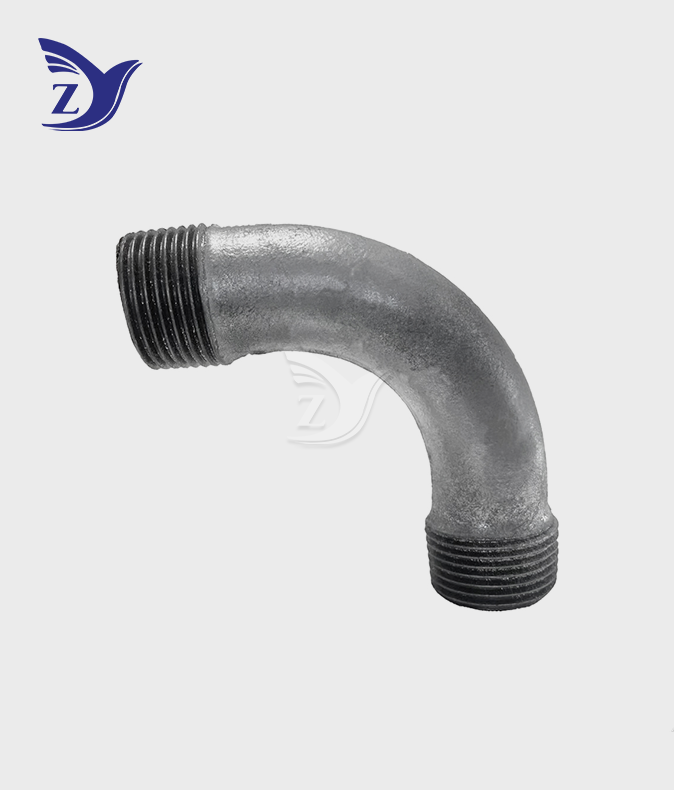
BSPT Round Face Galvanized Round Edge 90° Elbow Pipe Fittings
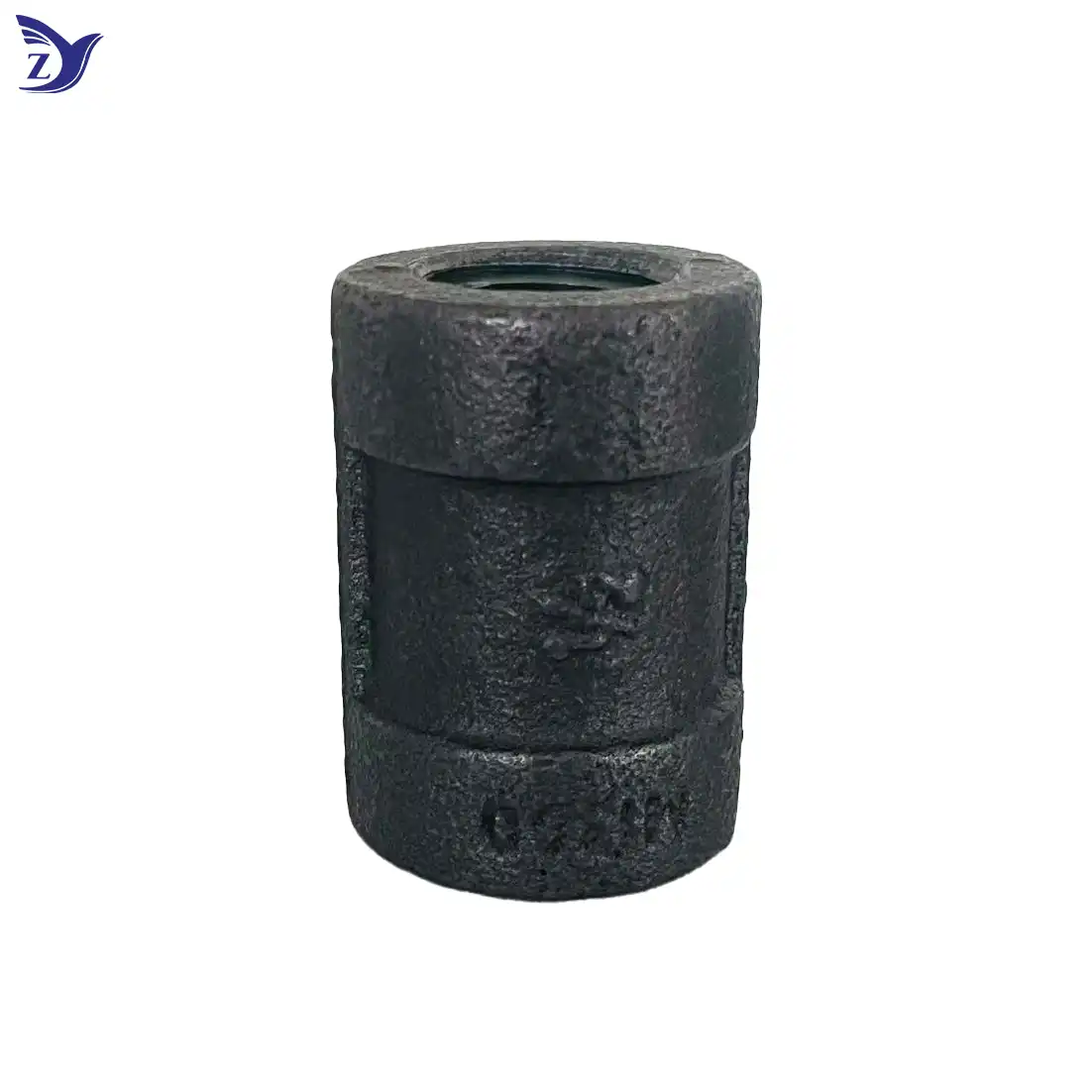
Black Malleable Iron Coupling Class 300
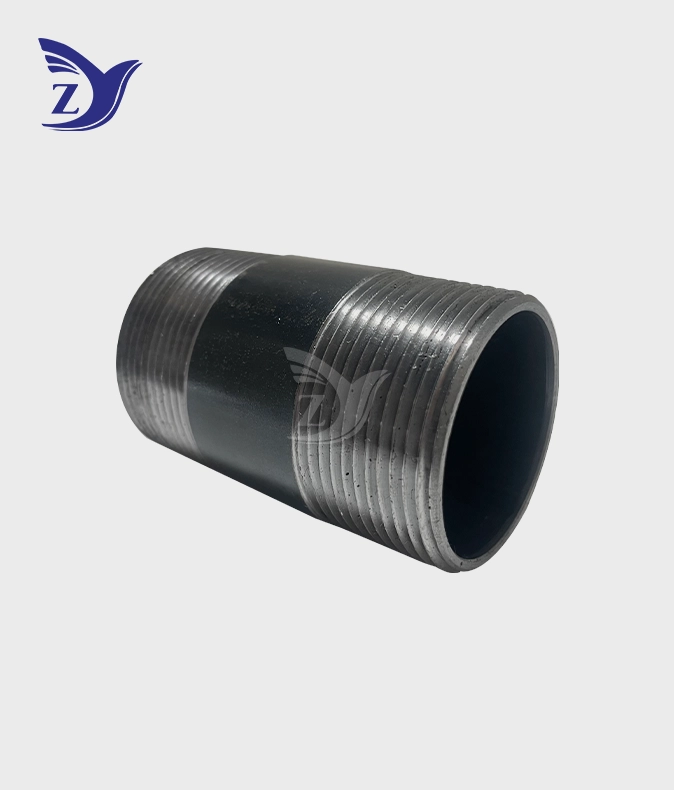
Double Male Thread Oil Tubing
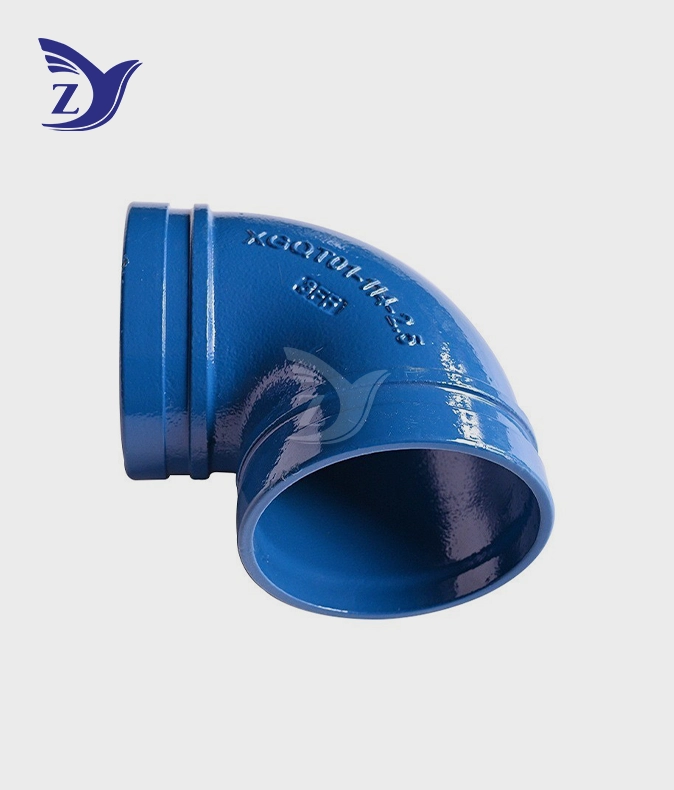
Water Grooved 90° Elbow
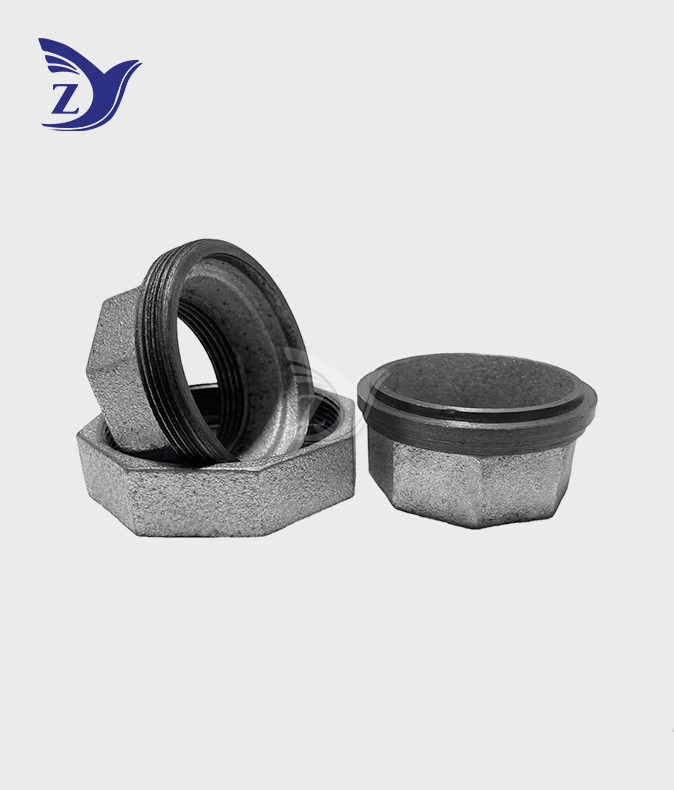
NPT Galvanized Union 330 Pipe Fittings
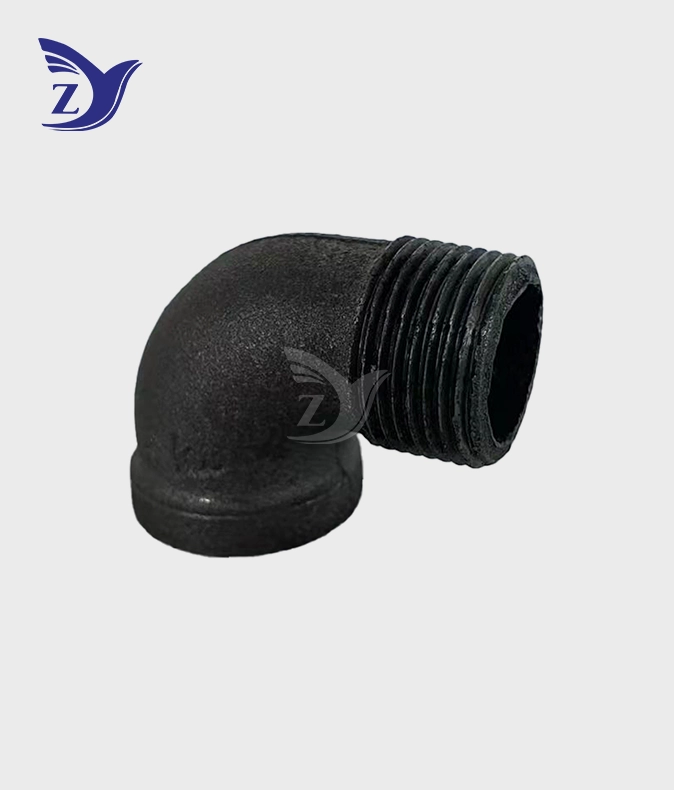
NPT Black Square Face Male-Female 90° Elbow Pipe Fittings
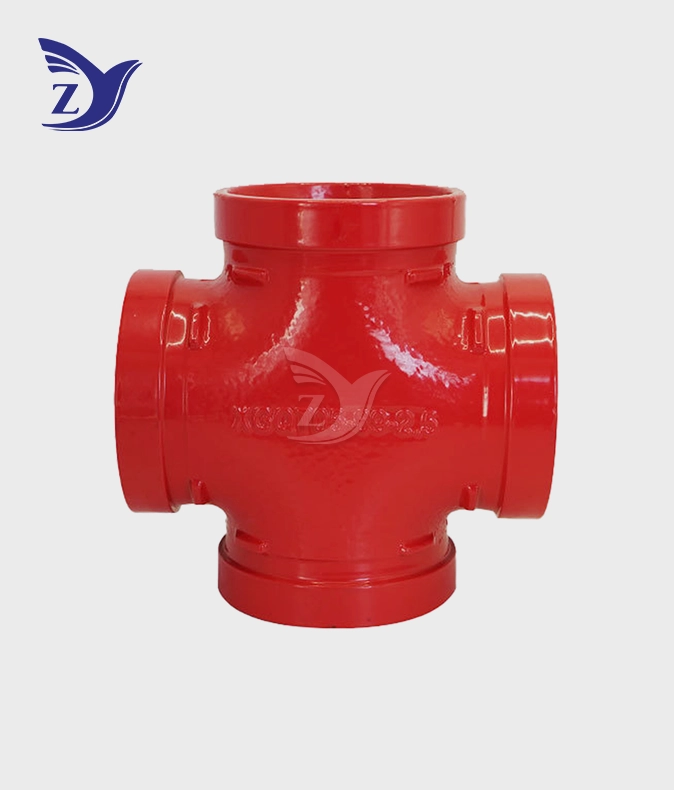
Fire Grooved Cross
Carbon Steel Full Threaded Coupling Fittings Black Oxide Treated