
Jun 17, 2026
Why Are Galvanized Straight Tee Fittings Versatile for Piping?
There are a lot of different ways to use galvanized straight tee fittings in plumbing. This is because they have corrosion-resistant hot-dip galvanization, the mechanical strength of malleable iron, and the leak-proof trustworthiness of NPT square face galvanized square edge straight tee pipe fittings. These threaded pipe splitters make strong three-way links that move fluids like water, gas, and other substances quickly and easily between business, municipal, and industrial systems. The square-edge design makes the structure stronger at connection places and keeps it from deforming during high-torque installation. It also works with both NPT and BSPT threading standards.
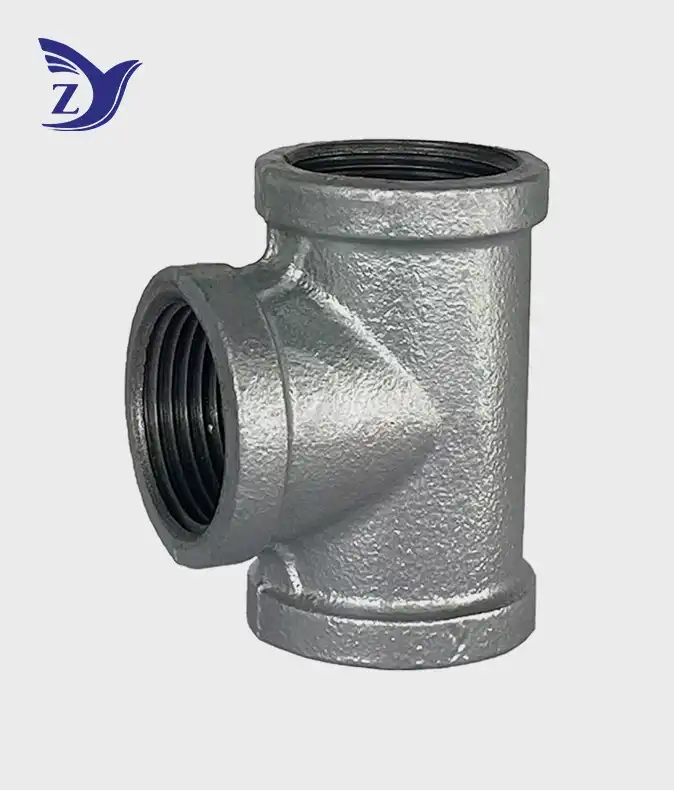
Comparing Galvanized Straight Tee Fittings with Alternative Solutions
When buying something, people often have to weigh galvanized malleable iron against other materials and ways of making things. When buyers understand these comparisons, they can find the best mix between starting cost, performance over time, and application-specific needs.
Galvanized Malleable Iron vs. Stainless Steel
When fluids that are acidic or chloride-rich are present, stainless steel valves are better at resisting chemicals than other materials. The difference in cost, on the other hand, is usually between 300% and 500% more than coated malleable iron. Galvanized malleable iron protects against corrosion well and is much cheaper to buy. It can be used in city water systems, HVAC installs, and general industrial pipes where pH levels stay neutral and temperatures stay below 200°F. It is also easier to install malleable iron when connecting to galvanized steel pipe, since mixing galvanized and stainless steel parts can speed up galvanic rust at metal joints that are not the same.
Square Edge vs. Beaded Edge Design
NPT square face galvanized square edge straight tee pipe fittings design has real construction benefits that make it worth specifying in tough situations. When workers tighten threaded connections to make sure the seal engages properly, the flat reinforced band spreads mechanical stress over a bigger surface area. This makes it less likely that stress will build up in places that cause standard beaded fittings to crack. This is especially important in fire safety systems where certain torque values are required by code and in factories where parts are loaded and unloaded over and over again because of shaking and temperature changes.
Threading Standard Compatibility
While NPT threading is most common in North America, BSPT (British Standard Pipe Taper) compatibility makes these connections more useful for foreign projects and situations where equipment needs to be integrated. Because the dimensions are similar, they can be used interchangeably in many situations. However, when buying from foreign suppliers, procurement requirements should make it clear that the thread standards are compatible to avoid problems during installation.
Applications and Installation Guide for Galvanized Straight Tee Fittings
The fact that zinc straight tee fittings can be used in a wide range of industries shows how useful they are in real-life pipe problems.
Industrial Fire Suppression Systems
These fittings are used by fire protection workers to update old sprinkler systems or add more coverage to buildings that already have them. The constant presence of water in charged sprinkler lines makes them an active rusting environment where ferrous metals that aren't protected break down quickly. Hot-dipped zinc fittings stop the formation of iron oxide particles that would otherwise move through the system and could clog spray orifices, making the system less reliable. The design with the square edges allows for the high installation force needed by NFPA standards while keeping the fitting's structural stability over its entire life.
Municipal Water and Gas Distribution
Gas and water companies use these fittings for branch links in distribution networks to keep leaks from happening. This is important for public safety and following the rules. With the threaded connecting method, changes can be made in the field without using special welding tools. This cuts down on installation time and labor costs. A 2-inch by 2-inch by 1-inch design, which is often used at service laterals, shows how reducing tee geometry can effectively direct flow from main distribution lines to individual service connections while keeping pressure levels suitable for city infrastructure.
Agricultural Irrigation and Pumping Stations
Designers of irrigation systems like how pliable iron can reduce vibrations in high-flow pumping situations. Centrifugal pumps cause a lot of mechanical vibration that travels through rigid pipe systems. The qualities of malleable iron make it better at absorbing these waves than brittle cast iron. The corrosion-proof galvanized finish makes things last longer outside, where chemicals, minerals in groundwater, and weather can damage metals that aren't protected.
Installation Best Practices
To get leak-free operation, you need to pay attention to how the system is installed. Thread sealants, like PTFE tape or pipe dope made for the service fluid, must be used because NPT threads need both mechanical interference and sealer to stop spiral leak paths between thread roots. Installers should hand-tighten connections until they become less flexible. Then, they should use wrench torque that is appropriate for the size of the fitting. For fittings less than 1 inch in diameter, the torque should be 1 to 2 full turns past hand-tight, and it should go up to 2 to 3 turns for larger diameters. The square face design makes sure that the right amount of torque is applied because material distortion shows that the torque is too high before the structure fails.
Maintenance and Longevity of Galvanized Tee Pipe Fittings
If you place zinc fittings correctly, they should last between 25 and 50 years, but this depends on how they are used and how exposed they are to the environment. This resilience comes from the protective properties of the zinc coating and the natural toughness of iron surfaces that can be shaped.
Corrosion Protection Mechanisms
Zinc's sacrificial anodic protection works by using electrochemistry. When zinc and iron are both exposed to an electrolyte (like water), zinc corrodes more quickly and more completely than iron. This sends electrons to the iron cathode and stops it from oxidizing. Even if the coating gets some small damage, this protective system will still work because the zinc next to the iron will continue to provide cathodic protection. Field studies show that coating degradation happens in expected ways. First, "white rust" (zinc oxide formation) shows up in places with a lot of wetness, and then red rust (iron oxide) forms after the zinc is used up.
Inspection and Preventative Maintenance
As part of regular inspections, the coating's stability, the tightness of the joints, and any signs of external rust should be checked out. Simple repair routines that fix small problems before they get worse can help procurement managers get more use out of their assets. When surface zinc starts to turn white with rust, it can be protected again by wire brushing it and then painting it with zinc-rich paint. Checking the tightness of connections on a regular basis stops slow leaks that waste resources and create conditions that speed up rust on the outside. Recording the times of installation and changes to the system makes it possible to plan replacements ahead of time, before they stop working and cause problems.
Operational Factors Affecting Lifespan
System working factors have a big effect on how long an NPT square face galvanized square edge straight tee pipe fitting lasts. When temperatures stay steady, continuous flow systems put less thermal stress on the system than cyclical processes where temperatures change often. The chemistry of the water is very important. If the pH is below 6.5 or above 8.5, zinc dissolves faster, and if the chloride content is above 250 parts per million, rust happens faster. When normal galvanized fittings might not last as long as needed in harsh settings, knowing these factors helps sourcing teams choose the right coating thickness upgrades or other materials.
Procurement Considerations for NPT Galvanized Square Edge Straight Tee Fittings
Choosing the right supply partner is important for making sure that your pipe projects meet quality standards, delivery deadlines, and budgets.
Certification and Quality Assurance
Reputable producers make sure they follow the rules set by ASME B16.3 Class 150 and use strict quality control methods. Using go/no-go plug measures for thread gauging makes sure that the dimensions are correct so that the thread can connect properly. Before goods get to installation places, flaws in the casting and manufacturing can be found by testing them under hydrostatic or pneumatic pressures that are higher than the recommended service conditions. Using magnetic gauges to check the thickness of the zinc layer proves that galvanization meets basic safety standards. To make sure the product is reliable, the requirements for buying it should clearly state that these certificates and testing records are needed.
Lead Time and Inventory Management
NPT square face galvanized square edge straight tee pipe fittings, types, and sizes usually ship from stock within days, which helps with tight project timelines and last-minute repairs. For custom orders with non-standard sizes or finishes, the making process takes longer, between four and eight weeks. Buyers in charge of big projects can get better results by making framework deals with suppliers that keep a lot of inventory on hand. This makes sure that supplies are always available during multi-phase building programs.
Cost-Performance Optimization
The way prices are set takes into account more than just the cost of raw materials. Because fixed costs are spread out over a bigger output, production volume economies favor providers whose yearly capacity is more than 10,000 tons. Regional cost benefits come from being close to sources of raw materials, especially scrap metal fuel for making malleable iron. The large number of malleable iron foundries in Shanxi Province shows how industrial clusters can lower the cost of goods while keeping quality standards high. When reviewing supplier offers, buyers should look at the total cost of purchase, which should include freight, the effects of duties on foreign sourcing, and the cost of keeping inventory.
Conclusion
The flexibility of galvanized straight tee fittings comes from the way the material is made, the protective layers it has, and how precisely it is manufactured. In fire protection, municipal infrastructure, agriculture, and industry, the NPT square face galvanized square edge straight tee pipe fittings are essential parts because they work reliably in corrosive environments and can be installed in the field. People who work in procurement who know about the technical specs, comparative benefits, and right application factors can safely select these fittings, knowing that they are both cost-effective and durable in the long term. When you buy quality fittings from certified makers, you avoid the costly downtime and safety risks that come with important piping systems breaking down too soon.
FAQ
What Advantages Do Galvanized Fittings Offer Compared to Black Malleable Iron?
The hot-dip galvanization process adds a protective zinc layer that keeps rust from forming in places where metal is exposed to water. To keep black malleable iron parts from rusting, they need paint or other protective coatings. These coatings often fail at threaded joints, where installation damages the protective layer. Even if the surface of a galvanized fitting gets damaged, it will still fight rust because zinc acts as a sacrifice for anodic protection.
Can I Connect Galvanized Fittings to Stainless Steel Pipe?
Standard NPT threading makes the threads physically compatible, but galvanic rust problems happen when different metals touch in a solution. The difference in electrochemical potential speeds up rusting at the joint of the zinc and stainless steel. This problem can be fixed by using dielectric joints or non-conductive sealants. To keep things from breaking down faster, many building rules don't allow straight links from galvanized to stainless steel in potable water systems.
How Do I Select the Correct Sizing for Reducing Tee Applications?
As a general rule, lowering tee measurements should be written as Run x Run x Branch, going from largest to smallest. The main run has a 2-inch diameter, but the branch exit has a 1-inch diameter because of a 2-inch x 2-inch x 1-inch fitting. Hydraulic estimates should make sure that the branch flow capacity matches the demand of the system and that the speed limits stay within acceptable ranges to stop water hammer and damage.
Partner with Zhiyuan Malleable Steel for Reliable NPT Square Face Galvanized Square Edge Straight Tee Pipe Fittings
For your purchasing needs, Zhiyuan Malleable Steel has 26 years of experience in casting and can make 30,000 tons of steel each year. Our ISO 9001-certified production processes make sure that every fitting meets the requirements of ASME B16.3; thorough testing procedures check the accuracy of the threads, the pressure ratings, and the thickness of the coating. We keep a large collection of more than 1,000 different product specifications. This lets us send standard fittings within two hours and meet the needs of projects that need to be done quickly. Our company is a reliable source for NPT square face galvanized square edge straight tee pipe fittings. We offer ODM/OEM design for specific uses, and our quality guarantee covers replacing broken items. You can email our team at q1236800000@gmail.com to talk about your specific piping needs, get technical specs, or get cheap quotes that will help you stay within your project budget and give your systems the stability they need.
References
1. American Society of Mechanical Engineers. ASME B16.3-2021: Malleable Iron Threaded Fittings: Classes 150 and 300. New York: ASME Press, 2021.
2. Davis, Joseph R., ed. ASM Specialty Handbook: Cast Irons. Materials Park, OH: ASM International, 1996.
3. International Organization for Standardization. ISO 49:1994 Malleable Cast Iron Fittings Threaded to ISO 7-1. Geneva: ISO, 1994.
4. National Fire Protection Association. NFPA 13: Standard for the Installation of Sprinkler Systems, 2022 Edition. Quincy, MA: NFPA, 2022.
5. Revie, R. Winston, ed. Uhlig's Corrosion Handbook, 3rd Edition. Hoboken, NJ: John Wiley & Sons, 2011.
6. Smith, William F. and Hashemi, Javad. Foundations of Materials Science and Engineering, 6th Edition. New York: McGraw-Hill Education, 2018.
Online Message
YOU MAY LIKE
High quality furniture manufacturer
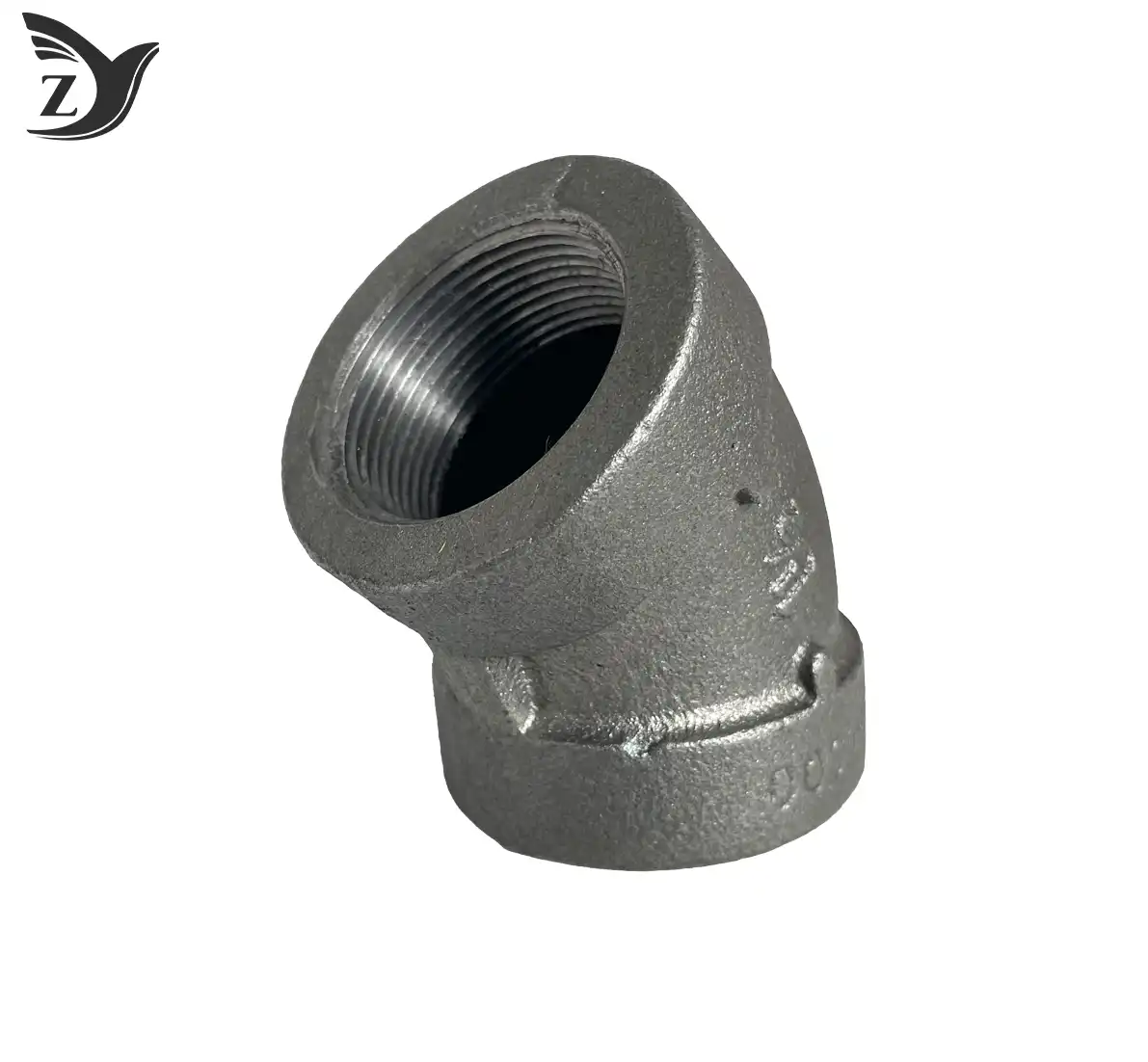
300LB Black Malleable Iron 45 Degree Threaded Elbow Pipe Fittings
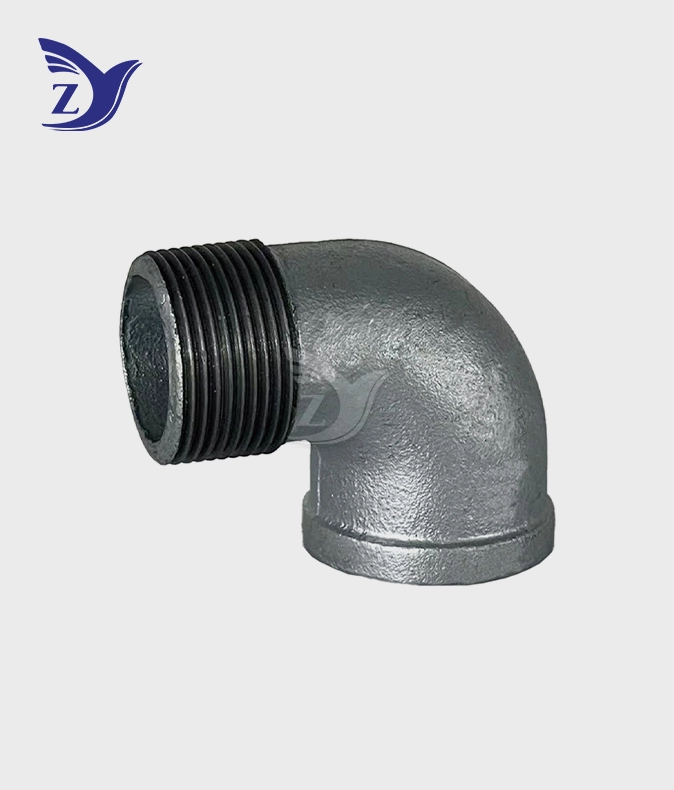
NPT Square Face Galvanized 90° Male Female Threaded Elbow Pipe Fittings
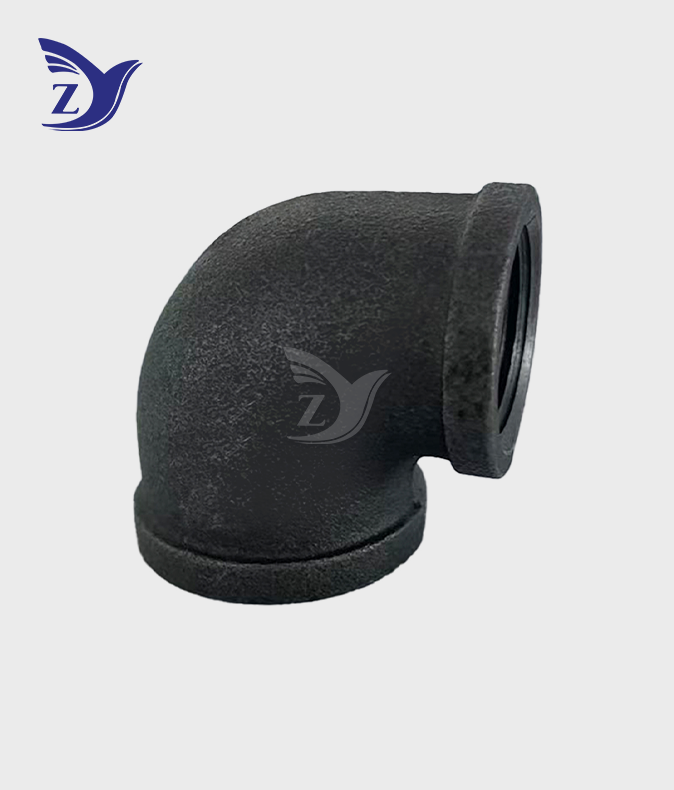
NPT Black Square Edge Reducing 90° Elbow
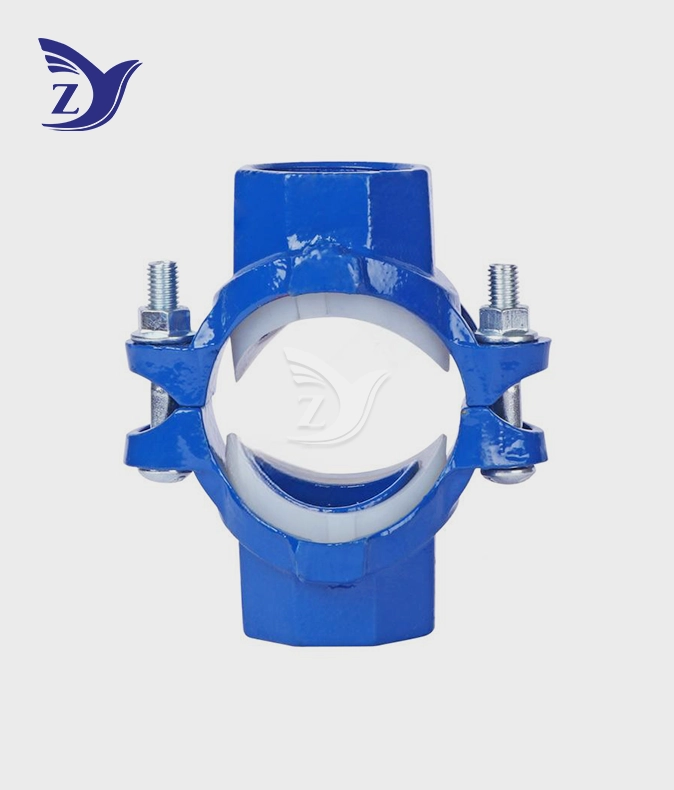
Water Supply Threaded Mechanical Cross Pipe Fitting
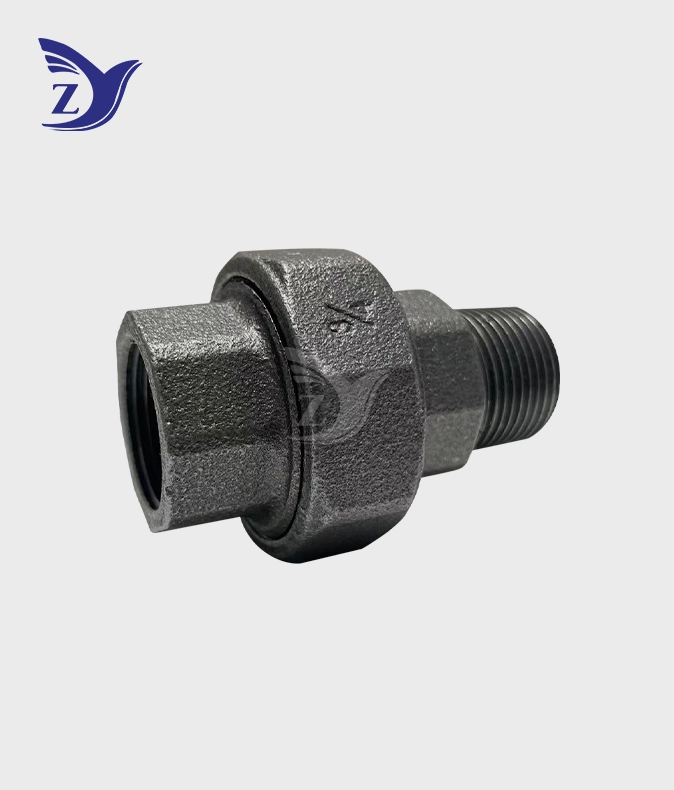
NPT Black Male-Female Union 343 Pipe Fittings
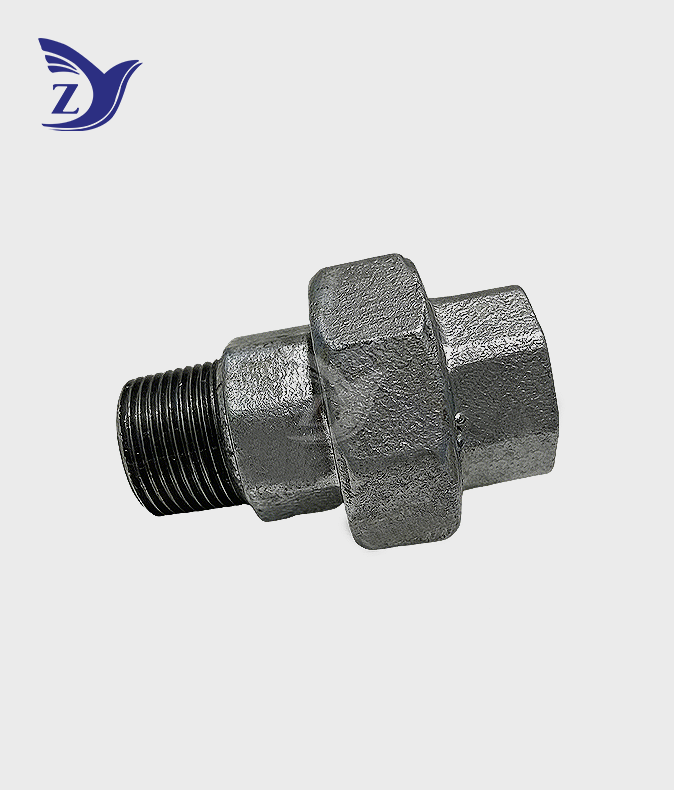
NPT Galvanized Male Female Threaded Union 343 Pipe Fittings
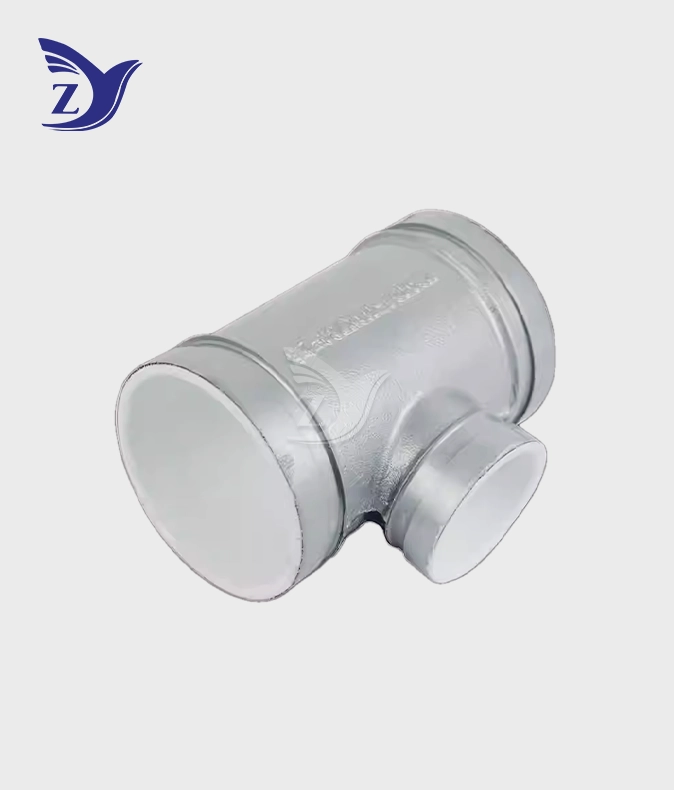
Water Grooved Reducing Tee
BSPT Black Male Nipple Pipe Fittings