
May 28, 2026
What size pipe fitting plug for pipe maintenance?
Picking the right size pipe fitting plug is essential for making sure that operations go smoothly and without leaks when planning pipe repair or temporary sealing. The best plug size is based on the standard pipe size (NPS) or British Standard Pipe (BSP) measurements of your pipe, not just what you think it looks like. black flangeless plug pipe fittings, which are made of black malleable iron and have precise NPT or BSPT threads, provide a clean, compact closing solution with no protrusions on the outside. These threaded pipe end closing industrial fittings sit almost flush with the pipe surface. They close valves, gas lines, and steam systems more efficiently by using less room. Understanding the right size stops leaks and downtime that cost a lot of money in water, gas, and commercial pipeline systems.
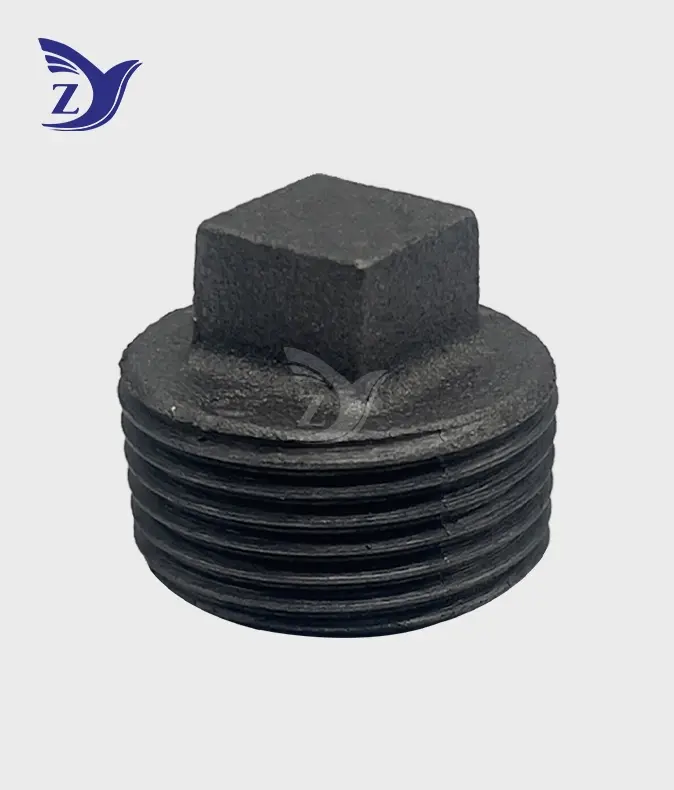
Pipe Fitting Plugs for Maintenance
Pipe fitting plugs are important closing parts that end pipe runs or block off ports that aren't being used during testing, maintenance, or long-term shutdowns. Their main job is to keep pipe systems from leaking, getting contaminated, and losing pressure.
Why Proper Sizing Matters for Safety and Performance
Picking the wrong size plug can cause fatal breakdowns. If the plug is too small, it might damage the threads while being installed or blow out under pressure. If it's too big, it won't fit and could even crack the pipe body. Making sure the right size is used makes sure that the threaded contact depth meets engineering standards, that stress is spread out fairly, and that thread taper compression makes a leak-proof seal. Even small leaks can make fire protection systems, city water lines, and petroleum companies less safe and less in line with regulations.
Design Features of Black Flangeless Plug Pipe Fittings
Traditional pointed plugs and black flangeless plug pipe fittings are very different from each other. The flangeless design gets rid of any protrusions on the outside, so the fitting can sit flush or deep within the threaded hole. This low-profile shape works great in tight areas like pump housings, valve manifolds, and HVAC headers, where parts that stick out could damage or interfere with the flow of air. These water/gas pipeline unflanged close plugs are made from black malleable iron and have both flexibility and tensile strength. They don't crack under torque and don't rust because they have a black lacquer or oxide finish.
Common Applications Across Industrial Sectors
These black, industrial-grade, non-flanged, flexible plugs are used anywhere reliable, compact closing is needed. They are used by people who work in fire protection to cover sprinkler test ports and links to fire hydrants. When municipal water companies extend pipelines, they seal off delivery manifolds. Unflanged plugs that are strong and don't rust are used to stop process lines in petrochemical plants during turnaround repair. Gas delivery networks depend on NPT/BSPT suitable pipe end plugs to keep dangerous leaks from happening. They are flexible enough to work with HVAC systems, heating systems, hydraulic equipment, and industrial boiler units.
How to Choose the Right Size Pipe Fitting Plug for Maintenance?
To choose the right plug size, you need to carefully measure and know about pipe standards. If you guess or only look at something, you're likely to make mistakes that require more work, safety issues, or fines from the government.
Distinguishing Between Nominal Pipe Size and Actual Dimensions
The term "Nominal Pipe Size" (NPS) refers to a standard name, not a real measurement. It's not exact that a 1-inch NPS pipe has an outside diameter (OD) of 1 inch. A 1-inch NPS steel pipe's outside diameter (OD) is usually around 1.315 inches, but this depends on the plan (wall thickness). In the same way, British Standard Pipe (BSP) sizes have their own rules for how to measure things. When you order a plug, you need to match the standard size and thread type (NPT or BSPT), not the measured OD.
Measurement Techniques and Tools for Accuracy
To find out how big the pipe or threaded hole is, use a digital scale or pipe thread gauge. If the thread is male, measure its outside diameter. If it is female, measure its inside diameter at the first full thread. To find the nominal size, compare this number to common NPT or BSPT dimension charts. For their long-lasting pipeline sealing unflanged fittings, many providers, like Zhiyuan Malleable Steel, offer technical specification sheets with accurate thread sizes, pitch diameters, and engagement lengths.
Material, Pressure Rating, and Thread Compatibility
Black malleable iron plugs usually meet ASTM A197 standards. They have a tensile strength of about 350 MPa and great flexibility to keep them from breaking easily. Different classes have different pressure rates. Class 150 plugs can handle up to 150 psi, and Class 300 plugs can handle up to 300 psi or higher, based on the manufacturer's certification. Make sure that the material and pressure class of the plug you choose are compatible with how your system works. Thread matching is also very important. In North America, NPT (National Pipe Taper) threads have a 60-degree side angle and a 1:16 taper, while BSPT (British Standard Pipe Taper) threads have a 55-degree angle and a 1:16 taper. Using threads that don't match weakens the seal and increases the chance of catastrophic leaks.
Installation and Maintenance Guide for Black Flangeless Plug Pipe Fittings
The reliability and service life of these important sealing components are greatly increased by following the right installation and upkeep methods for black flangeless plug pipe fittings.
Pre-Installation Inspection and Preparation
Before installing the plug, look at it to see if there are any casting flaws, broken threads, or black finish that isn't even. Look inside the female threaded hole for any dirt, corrosion, or cross-threading from old parts. To get rid of oil, scale, or thread sealant leftovers, clean the threads well with a wire brush and solvent. Test the plug's physical compatibility by hand-tightening it. It should fit smoothly without sticking.
Correct Torque Application and Sealant Use
Use pipe dope or thread sealant tape (PTFE) that is rated for the type of fluid and pressure class. If you look at the plug from the threaded end and wrap the tape clockwise, it will keep from coming apart during fitting. Pull the plug in by hand until the resistance goes up, then use a wrench on the hex socket inside the plug. Tighten to the force level suggested by the maker. For smaller sizes (1/8" to 1/2"), it's usually 15 to 30 ft-lbs, and for larger sizes (3/4" to 2"), it's usually 40 to 80 ft-lbs. If you over-torque the iron, it could crack, and if you under-torque it, it could leak. For precision, use a torque wrench that has been measured.
Routine Maintenance and Inspection Protocols
Do eye checks on a regular basis—every three months for critical systems and once a year for non-critical ones. Check for signs of thread breakage, weeping, or rust bloom. Every year, test the seal's durability with hydraulic pressure at 1.5 times the working pressure. If rust is found, take out the plug, clean both threads that fit together, apply new sealant, and then put it back in with the right amount of force. Keep a maintenance log with dates of installation, torque values, and inspection results to help with compliance checks and figure out when to repair things.
Compliance with Industry Safety Standards
Following ANSI/ASME B1.20.1 for thread sizes and API or ASTM testing methods makes sure that operations are safe and that regulations are followed. Plugs that are used in fire safety systems need to be approved by UL or FM. For gas pipeline uses, you have to follow DOT or local utility rules. Zhiyuan Malleable Steel makes goods that are approved to meet ISO 9001, CE, UL, and FM standards. This gives customers peace of mind about quality and can be proven in an audit.
Conclusion
To choose the right size pipe fitting plug for upkeep, you need to accurately measure the pipe, know the thread standards, and carefully think about the material's qualities and pressure ratings. black flangeless plug pipe fittings are effective and save space in fire protection, water and gas delivery, and industrial process systems. Their threaded form makes them easy to install and take off, which cuts down on upkeep costs and downtime compared to welded or flanged options. Working with licensed companies like Zhiyuan Malleable Steel guarantees the quality of the goods, adherence to rules, and the dependability of the supply chain. By following the tips in this article on how to size, install, and buy things, procurement professionals and engineering teams can improve working safety, save money in the long run, and make pipeline repair plans work better.
FAQs
What is the difference between NPT and BSPT threads on black flangeless plugs?
National Pipe Taper (NPT) threads have a 1:16 taper and a side angle of 60 degrees. This is the standard in North America. The British Standard Pipe Taper (BSPT) threads have the same taper and a 55-degree angle. They are popular in Asia and Europe. Both make tapered interference rings, but they can't be switched out. If you use an NPT plug in a BSPT hole (or the other way around), the threads won't join completely, there will be leakage, and the connection could fail. Before placing an order, you should always check your system's thread standard.
How often should I replace black flangeless plugs in gas pipelines?
How often you replace something depends on how it's being used. If the surroundings is steady and doesn't rust, black malleable iron plugs can last for 10 to 15 years. But checks must be done once a year to look for rust or thread wear. If you look closely and see pitting, loss of the black layer, or thread wear, you should replace it right away. Gas systems can't have any leaks, so it's a good idea to change them every 5 to 7 years, even if there isn't any damage that can be seen.
Can I reuse a black flangeless plug after removal?
As long as the threads stay intact and the plug looks good, the answer is yes. Thoroughly clean off any old sealant dust, check for cracks or warping, and apply new thread sealant before putting the part back together. Tolerances must be met as if the part were brand new. But don't use the same plugs more than three or four times, because doing so can wear down the flexible iron and make it more likely to break.
Partner with Zhiyuan Malleable Steel for Reliable Black Flangeless Plug Pipe Fitting Solutions
Finding a reliable black flangeless plug pipe fitting provider is important for keeping to project schedules and making sure the system works properly. Zhiyuan Malleable Steel has been casting for 26 years, is ISO 9001 certified, and has more than 1,000 specifications to meet the exact needs of fire protection workers, city engineers, and industry buying teams. Our NPT/BSPT unflanged plugs go through strict quality control measures, such as hydraulic pressure testing and measurement verification, to make sure they meet the standards set by ANSI, ASTM, CE, UL, and FM. We can meet the needs of both pressing replacements and large-scale projects with our 30,000-ton-per-year production capacity and ready-to-ship stockpiles. Our ODM/OEM services let you customize for non-standard uses, and our double-layer packing keeps your investment safe while it's shipped around the world. As a trusted black flangeless plug pipe fitting manufacturer, we want your business to succeed. Email us at q1236800000@gmail.com to talk about your needs, get samples, or arrange big discounts.
References
- American Society of Mechanical Engineers. ASME B1.20.1 Pipe Threads, General Purpose (Inch). ASME International, 2019.
- ASTM International. ASTM A197 Standard Specification for Cupola Malleable Iron. ASTM Standards, 2018.
- British Standards Institution. BS 21:1985 Specification for Pipe Threads for Tubes and Fittings Where Pressure-Tight Joints Are Made on the Threads (Metric Dimensions). BSI Group, 1985.
- National Fire Protection Association. NFPA 13: Standard for the Installation of Sprinkler Systems. NFPA, 2022 Edition.
- Crocker, Sabin. Piping Handbook, 8th Edition. McGraw-Hill Education, 2019.
- Perry, Robert H., and Green, Don W. Perry's Chemical Engineers' Handbook, 9th Edition. McGraw-Hill Professional, 2018.
Online Message
YOU MAY LIKE
High quality furniture manufacturer
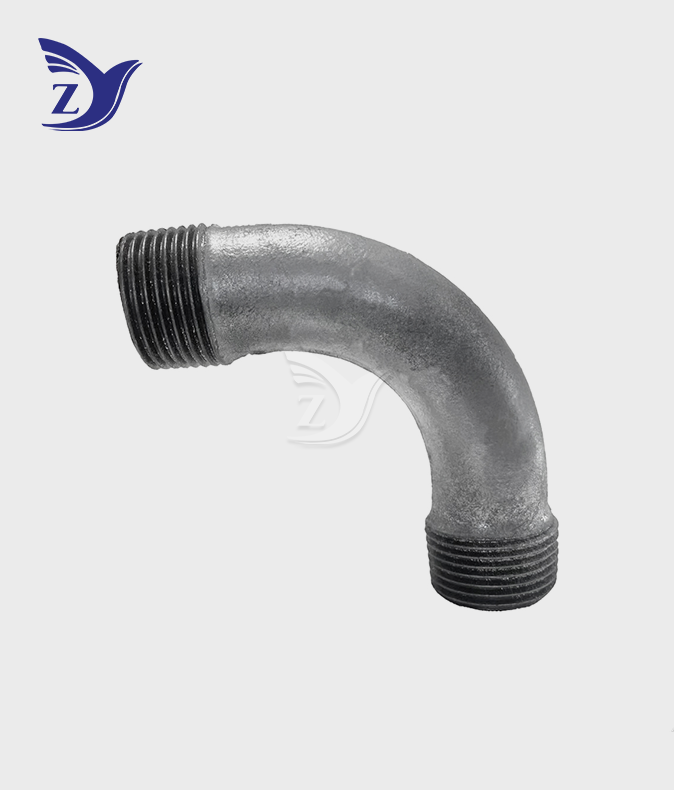
BSPT Round Face Galvanized Round Edge 90° Elbow Pipe Fittings
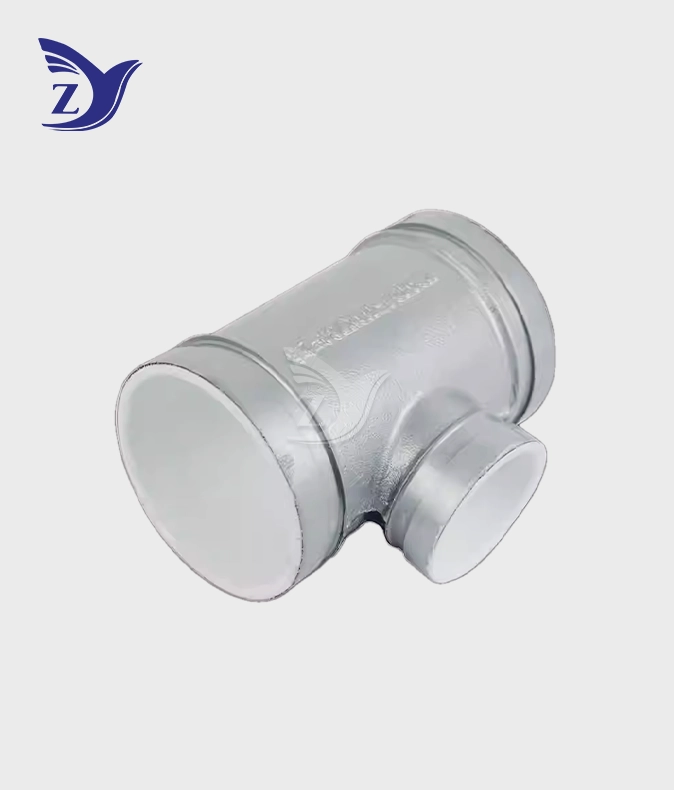
Water Grooved Reducing Tee
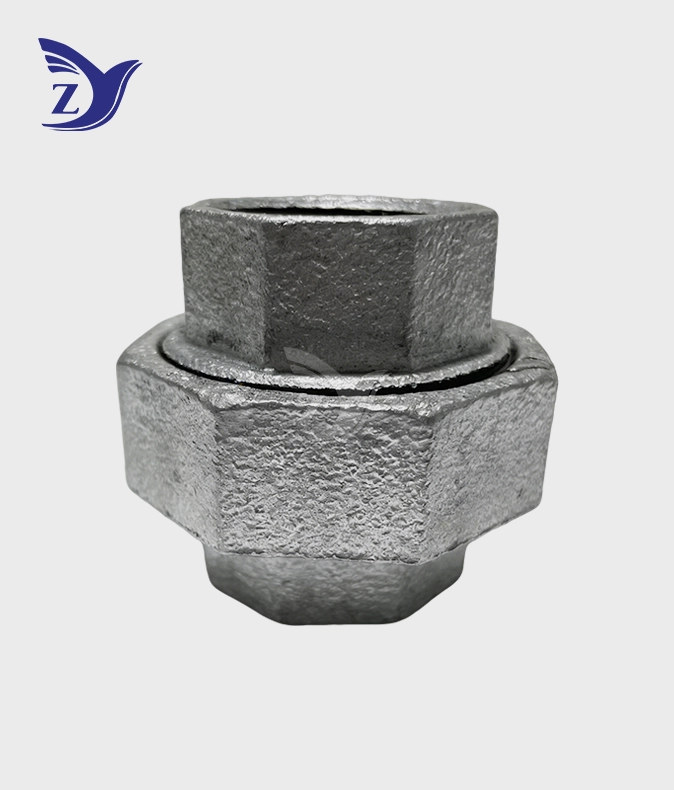
NPT Galvanized Union 342 Pipe Fittings
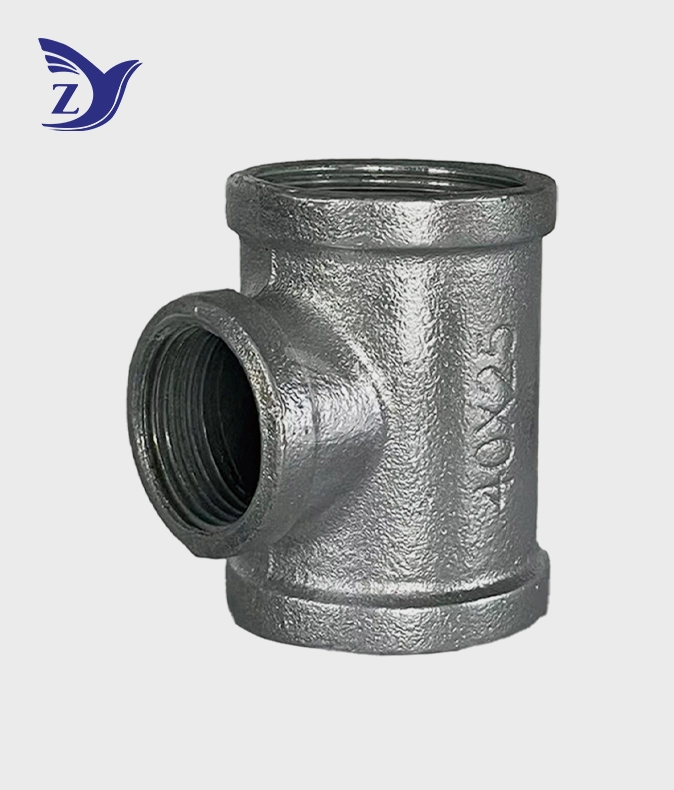
NPT Square Face Galvanized Square Edge Reducing Tee Pipe Fittings
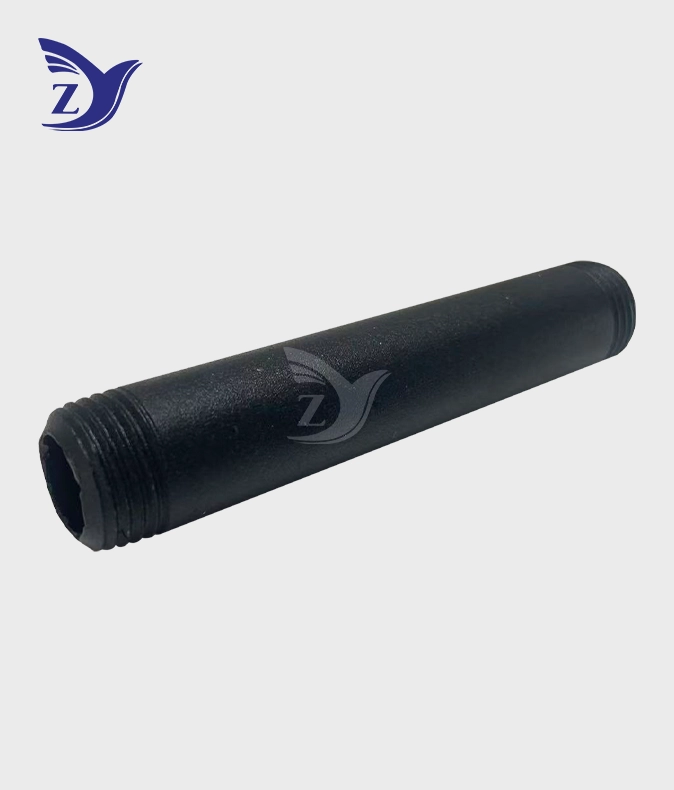
Carbon Steel Pipe Male Threaded Fittings Black Oxide Treated
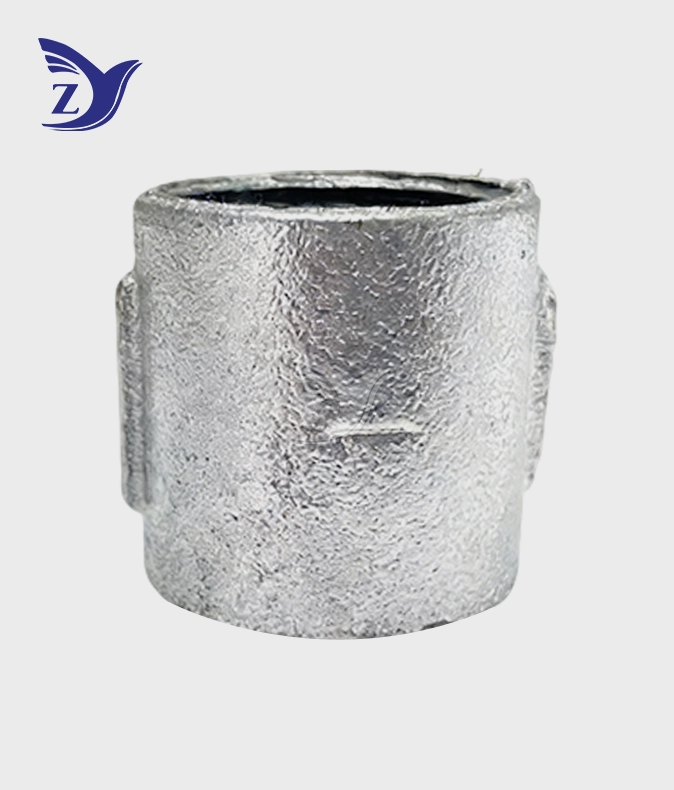
No Hub Hot Dip Galvanized Coupling Pipe Fitting
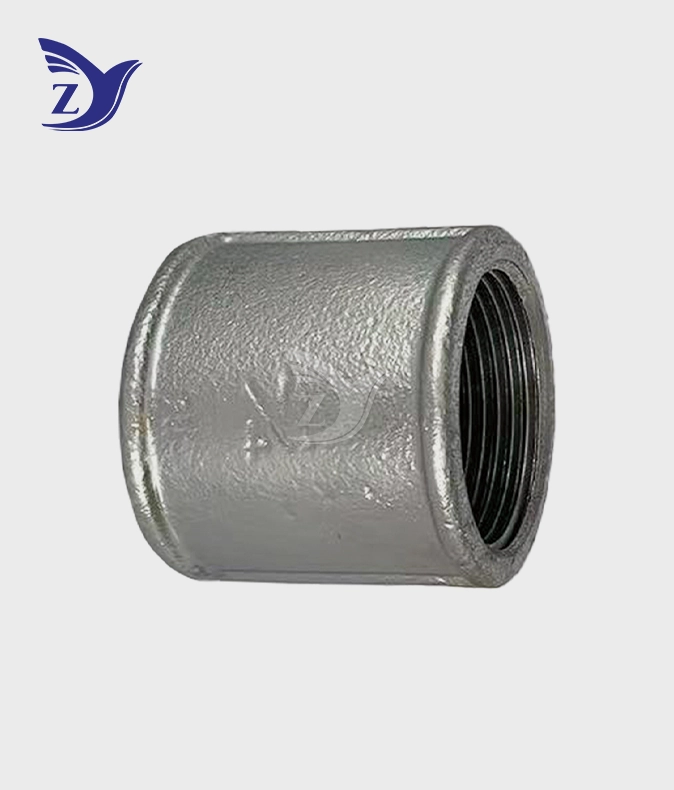
NPT Round Face Galvanized Round Edge Coupling Pipe Fittings
No Hub Electro Galvanized Reducing Coupling Pipe Fitting