
Mar 31, 2026
What material is the NPT/BSPT flanged galvanized plug made of?
Flanged galvanized plugs with NPT or BSPT connections are often made of carbon steel or high-strength malleable iron and have a zinc coating that has been hot-dip galvanized to make them very resistant to corrosion. Precision machining is used to make NPT (National Pipe Taper) or BSPT (British Standard Pipe Taper) threads from malleable iron that conforms to ASTM A197 specifications. These components are industrial quality. In order to protect them from rust and environmental deterioration, these galvanized flanged pipe plug pipe fittings are hot-dip galvanized. This process also ensures that they remain structurally sound, making them ideal for demanding pipeline applications.
Material Composition of NPT/BSPT Flanged Galvanized Plugs
It is essential to know the exact composition of galvanized flanged plugs in order to build dependable pipeline closure systems. Ensuring leak-proof performance in severe industrial conditions is the goal of these crucial components, which are the result of clever technical solutions.
Core Substrate Materials and Alloy Compositions
Flanged galvanized plugs are mostly constructed from malleable iron that meets ASTM A197 standards. When compared to more conventional cast-iron options, this material's thermal shock resilience and outstanding tensile strength (over 300 MPa) are much better. By subjecting the malleable iron to a controlled annealing process, the carbon structure is altered, resulting in a material with properties similar to both castable iron and steel.
Secondary substrate possibilities for applications needing higher mechanical qualities include carbon steel alternatives, especially those that adhere to ASTM A105 specifications. Optimal machinability and structural integrity are achieved by these materials with carbon contents ranging from 0.35 to 0.45%. The steel's composition comprises phosphorus (up to 0.035%), sulfur (up to 0.035%), and manganese (0.60-0.90%), which work together to provide constant performance regardless of changes in temperature.
Galvanization Process and Zinc Coating Protection
The galvanization process is the key differentiator that turns ordinary iron parts into galvanized flanged pipe plug pipe fittings that are resistant to corrosion. To create a metallurgical link between the zinc coating and the iron substrate, machined plugs are submerged in molten zinc at temperatures approaching 450°C during hot-dip galvanization.
A coating system with many layers is created by this technique. The inner layers are an iron-zinc alloy, while the outer layers are pure zinc. Coatings with a total thickness of 70–85 microns provide cathodic protection by corroding sacrificially to shield the iron underneath. Ensuring consistent corrosion resistance over all surface regions, the zinc coating corresponds to ASTM A153 requirements.
NPT and BSPT Thread Material Requirements
For maximum performance, it is necessary to carefully analyze the material parameters, since there are substantial differences in thread geometry standards between NPT and BSPT systems. The interference fit that tightens gradually during installation is created by the NPT thread's 60-degree flank angle and 1/16-inch taper. For thread engagement to take place, the material has to be ductile enough to withstand the mechanical deformation.
The 55-degree Whitworth profile with shortened roots and crests used by BSPT threads necessitates materials that can retain their dimensions under different temperature conditions. To avoid galling during installation and keep from being damaged by over-torquing, the thread material should have constant hardness qualities.
International Material and Manufacturing Standards
Material integrity and consistent performance in worldwide markets are guaranteed by compliance with international standards. European markets need malleable cast iron that meets the parameters laid down by EN 1562, while production processes are governed by ISO 9001 quality management systems. Tolerances in dimensions, chemical composition, and mechanical qualities are defined by these standards.
UL and FM certifications guarantee that the product is suitable for fire prevention applications in North America, while CE marking ensures that it complies with European Conformity regulations. Procurement experts may rest easy knowing their products are reliable thanks to these certifications, which verify material performance under specified operational circumstances.
Benefits and Performance Characteristics of Galvanized Flanged Pipe Plugs
Components used in industrial applications must operate reliably with little downtime for maintenance and operations. To meet these essential operating requirements, galvanized flanged plugs provide distinct benefits.
Corrosion Resistance Compared to Alternative Materials
When compared to painted or untreated alternatives, galvanized flanged pipe plug pipe fittings provide improved corrosion protection due to their zinc coating. Compared to painted steel, which only lasts three to five years in mild conditions, galvanized components withstand air corrosion for twenty to fifty years.
Galvanized plugs provide corrosion protection at a lower cost than stainless steel options for uses that do not need high chemical resistance. In contrast to painted surfaces, where scratches provide instant sources for corrosion to start, the cathodic protection system makes sure that little coating damage doesn't affect the overall performance.
Mechanical Strength Metrics and Durability Benefits
Substrates made of malleable iron have tensile strengths between 345 and 414 MPa and the ability to accommodate thermal expansion without breaking thanks to their elongation qualities. These mechanical characteristics allow for pressure ratings that can withstand steam duty at 10 bar and liquid applications at 25 bar.
In contrast to conventional threaded plugs, the flanged design disperses stress across a larger surface area, lowering the risk of failure due to stress concentrations. This feature of the design allows for applications with greater torque while ensuring that the seal remains intact throughout the component's lifetime.
Environmental and Temperature Tolerance
Galvanized flanged plugs are ideal for a wide variety of industrial uses due to their outstanding performance in temperatures ranging from -20°C to 120°C. Although the substrate is malleable iron, its mechanical characteristics remain constant, and the zinc coating maintains its protective qualities across this temperature range.
When subjected to the high levels of moisture seen in coastal sites or chemical processing plants, galvanized coatings were shown to retain their protective efficiency, according to humidity resistance tests. The coating's ability to sacrifice itself means that it will provide continuous protection, regardless of how often or how much water comes into touch with it.
Pressure Rating Analysis and Performance Thresholds
Flanged designs outperform normal threaded alternatives in terms of pressure ratings, according to the comparative study. At room temperature, Class 150 flanged plugs can withstand working pressures up to 285 psi, while Class 300 versions can handle pressures up to 740 psi.
Flanged connections' dispersed load characteristics, which do away with the stress concentrations in threaded-only systems, are the source of the improved pressure capacity. Because of this performance benefit, galvanized flanged plugs may be specified for medium-pressure applications that would normally need over-engineering or other materials for ordinary plugs.

Choosing the Right Material and Type for Your Application: A Procurement Guide
Optimization of performance and cost-effectiveness necessitates a thorough study of technical specifications, environmental concerns, and regulatory requirements when making strategic purchase choices.
Technical Specifications and Environmental Factor Considerations
When choosing a material, it's important to think about the application's unique operating pressure, temperature range, and chemical exposure circumstances. While stainless steel or unusual alloys may be necessary in some specialized settings, galvanized plugs work well in ordinary industrial applications involving water, air, or non-corrosive gases.
To avoid hastening corrosion, think about whether the materials used to make the plug are galvanic compatible with those already in the system. Although they work well with other galvanized pipe systems, galvanized steel parts may need to be isolated before being linked to other metals, such as copper or aluminum.
Comparative Analysis of Closure Types and Best-Fit Scenarios
When high pressure or frequent access is required, galvanized flanged pipe plug pipe fittings are the way to go. These flanged plugs are perfect for inspection ports or drain connections that need to be maintained periodically since they are simpler to remove than ordinary threaded plugs.
For permanent closure situations where removal is not expected, standard threaded plugs provide a cost-effective solution. The extra expense is usually justified in high-priority uses by the improved pressure rating and removal ease of flanged designs.
Procurement Strategy Optimization and Supplier Evaluation
Inventory needs, storage expenses, and possible obsolescence should all be included into bulk purchase plans. Larger sizes may warrant just-in-time buying strategies, while standard sizes such as 1/2", 3/4", and 1" indicate high-volume needs that are acceptable for bulk purchase.
When evaluating suppliers, it's important to look at their production capacity, quality assurance processes, and certification compliance. Make sure the suppliers are still ISO 9001 certified and that they have material test certifications that show the mechanical qualities and chemical composition for important uses.
Applications and Industry Use Cases of Galvanized Flanged Pipe Plugs
Despite the fact that different industries have different operating constraints and performance needs, galvanized flanged plugs have been successfully used across a wide range of them.
Industrial Fire Protection and Municipal Infrastructure
For sealing inspection ports in sprinkler systems and standpipes, fire protection systems rely on galvanized flanged pipe plug pipe fittings. The galvanized coating prevents rust contamination that could clog delicate sprinkler nozzles during emergency activation, and the flanged design makes inspection access easier.
These components are used for securing auxiliary drain lines and pump casing connections in municipal water treatment facilities. They are corrosion resistant, which is important in high-humidity environments, and they have a pressure rating, which is suitable for the elevated pressures found in municipal distribution systems.
Oil, Gas, and Chemical Processing Applications
When pressure gauges need to be calibrated, these galvanized flanged plugs are used to temporarily close the instrumentation taps in pipeline manifolds, keeping the system pressure constant and avoiding fugitive emissions that could be in violation of environmental regulations.
The galvanized coating offers sufficient corrosion resistance for many industrial chemicals, and the mechanical strength supports the elevated pressures typical of process piping. Galvanized plugs are cost-effective for non-corrosive service applications and are thus ideal for chemical processing plants.
Real-World Case Studies and Performance Validation
With no leak incidents and minimal maintenance requirements throughout the service period, a major petrochemical facility reported galvanized flanged plugs in cooling water applications having a 15-year service life, with replacement driven by planned maintenance schedules rather than component failure.
The zinc coating offers sufficient protection against the slightly corrosive chlorinated water, and after five years of service, there was very little coating degradation, according to the records of galvanized flanged plugs used in chlorinated water environments by municipal water treatment plants.
Conclusion
NPT/BSPT flanged galvanized flanged pipe plug pipe fittings are manufactured from high-strength malleable iron or carbon steel with protective zinc coatings. The hot-dip galvanization process creates long-lasting barriers against corrosion while maintaining the structural integrity needed for demanding industrial applications. Procurement experts can optimize safety and cost-effectiveness by understanding the material composition, performance characteristics, and proper application guidelines. These components are essential for modern pipeline infrastructure in diverse industrial sectors due to their combination of corrosion resistance, mechanical strength, and proven field performance.
Contact Zhiyuan Malleable Steel for Premium Galvanized Pipeline Solutions
Zhiyuan Malleable Steel is a leading manufacturer of galvanized flanged pipe plug pipe fittings. With 18 years of experience and ISO 9001 certification under our belt, we know what we're doing. Our extensive product line includes NPT/BSPT threaded pipe seals made of high-strength malleable iron with precision hot-dip galvanized coatings. With an annual production capacity of 30,000 tons and over 1,000 product specifications, we've got you covered when it comes to fire protection, municipal infrastructure, and industrial pipeline applications. Contact our engineering team at q1236800000@gmail.com to discuss your specific requirements and benefit from our custom manufacturing capabilities, competitive bulk pricing, and rapid delivery schedules that keep your projects on track.
FAQ
What base materials are used in NPT/BSPT flanged galvanized plugs?
These plugs are primarily manufactured from malleable iron conforming to ASTM A197 standards or carbon steel meeting ASTM A105 specifications. The malleable iron provides excellent tensile strength exceeding 300 MPa while offering superior thermal shock resistance compared to traditional cast iron.
How does the galvanization process protect the plug material?
Hot-dip galvanization creates a metallurgical bond between zinc coating and the iron substrate. The process produces coating thickness ranging from 70-85 microns, providing cathodic protection where the zinc sacrificially corrodes to protect the underlying material for 20-50 years in moderate environments.
What are the pressure rating differences between NPT and BSPT flanged plugs?
Both NPT and BSPT flanged plugs achieve similar pressure ratings based on their class designation. Class 150 plugs support working pressures up to 285 psi, while Class 300 variants accommodate pressures reaching 740 psi at ambient temperatures.
How do material requirements differ between NPT and BSPT thread specifications?
NPT threads feature 60-degree flank angles requiring materials with sufficient ductility for mechanical deformation during installation. BSPT threads utilize 55-degree Whitworth profiles demanding consistent hardness properties to prevent galling while maintaining strength against over-torquing.
References
1. American Society for Testing and Materials. "ASTM A197 Standard Specification for Cupola Malleable Iron." Annual Book of ASTM Standards, Vol. 01.02.
2. British Standards Institution. "BS 21:1985 Specification for Pipe Threads for Tubes and Fittings Where Pressure-Tight Joints are Made on the Threads." London: BSI Group.
3. International Organization for Standardization. "ISO 7-1:1994 Pipe Threads Where Pressure-Tight Joints are Made on the Threads." Geneva: ISO Publications.
4. American Society for Testing and Materials. "ASTM A153 Standard Specification for Zinc Coating (Hot-Dip) on Iron and Steel Hardware." Annual Book of ASTM Standards, Vol. 01.06.
5. European Committee for Standardization. "EN 1562:2011 Founding - Malleable Cast Irons." Brussels: CEN Publications.
6. American Society of Mechanical Engineers. "ASME B1.20.1-2013 Pipe Threads, General Purpose." New York: ASME Press.
Online Message
YOU MAY LIKE
High quality furniture manufacturer
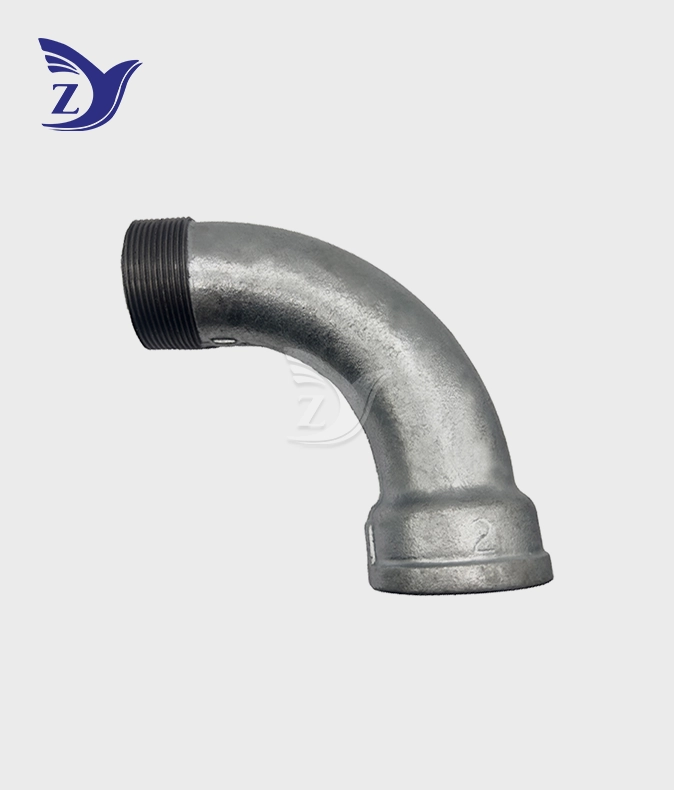
NPT Galvanized Male Female 90° Long Radius Elbow Pipe Fittings
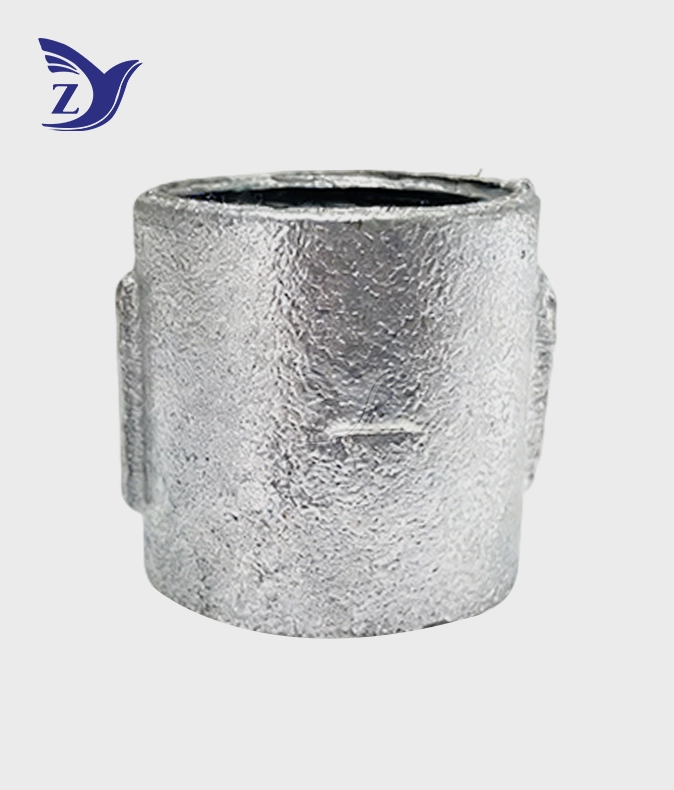
No Hub Electro Galvanized Coupling Pipe Fitting
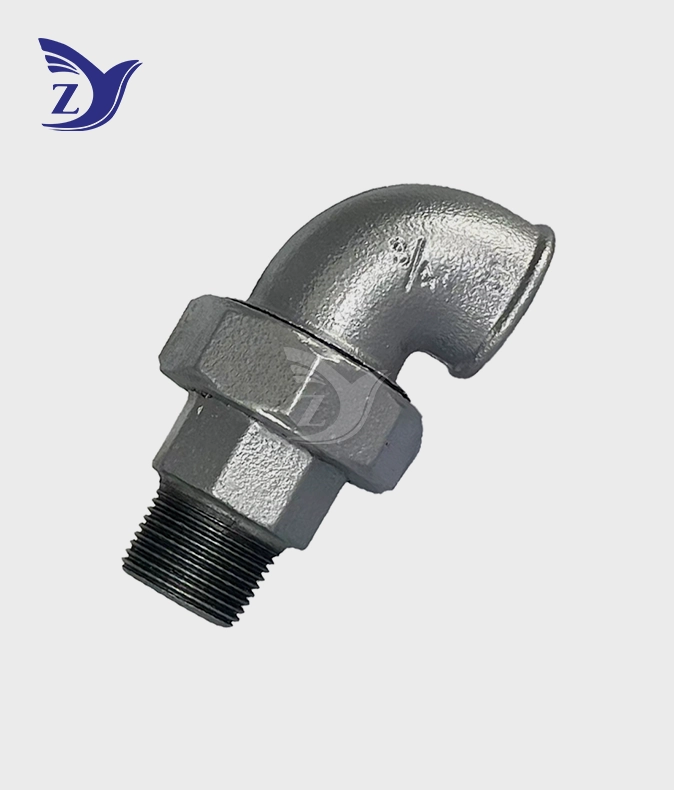
NPT Galvanized Union Elbow Threaded Pipe Fittings with Male and Female Ends
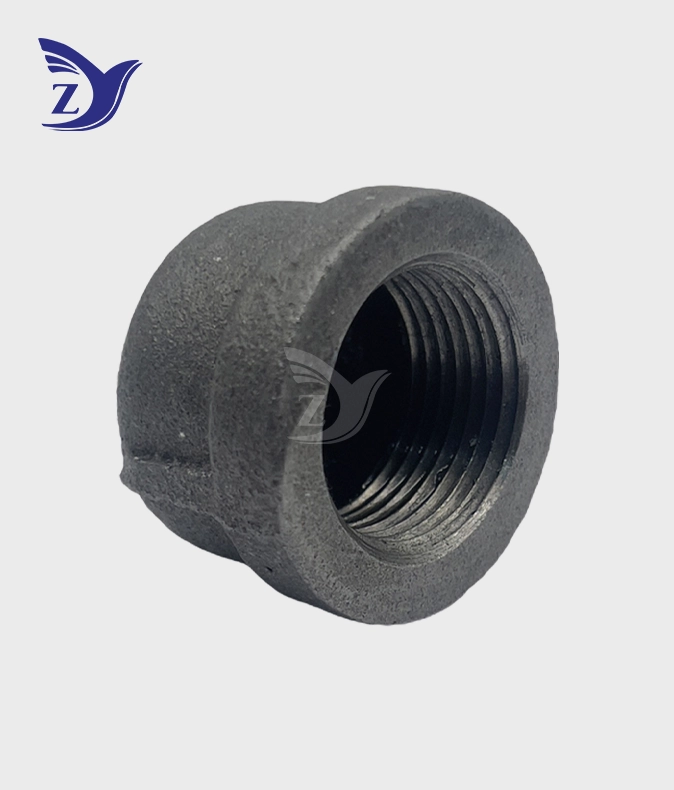
NPT Black Cap Pipe Fittings
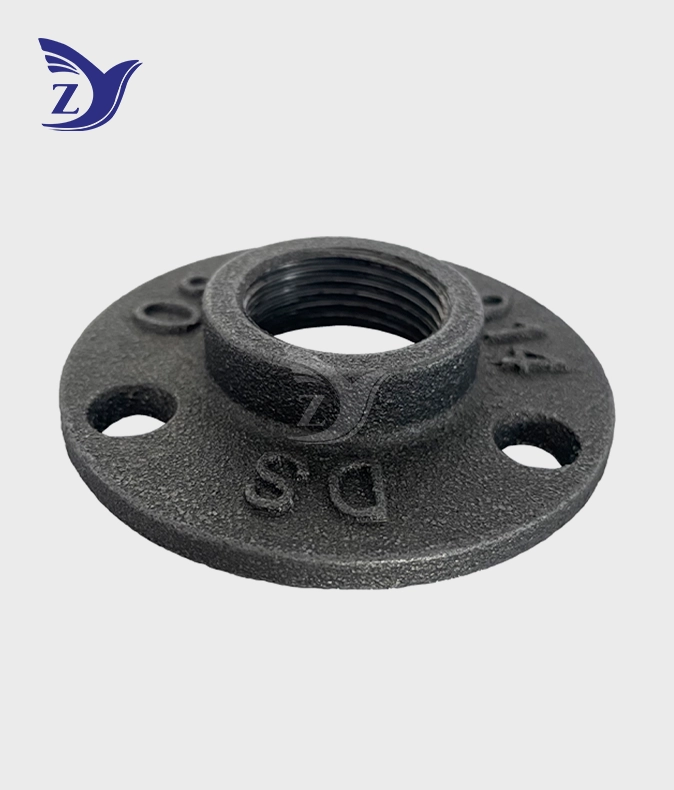
NPT Black Flange Pipe Fittings
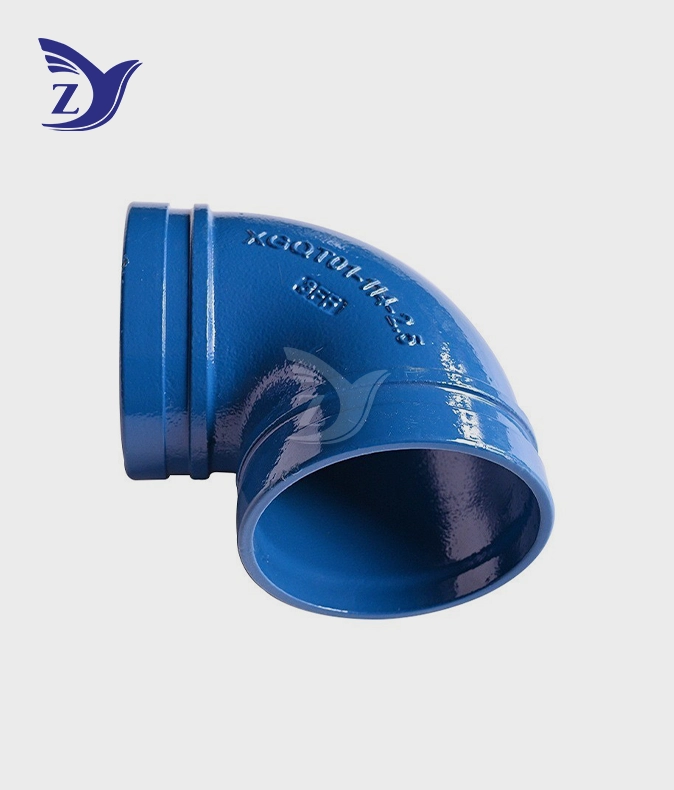
Water Grooved 90° Elbow
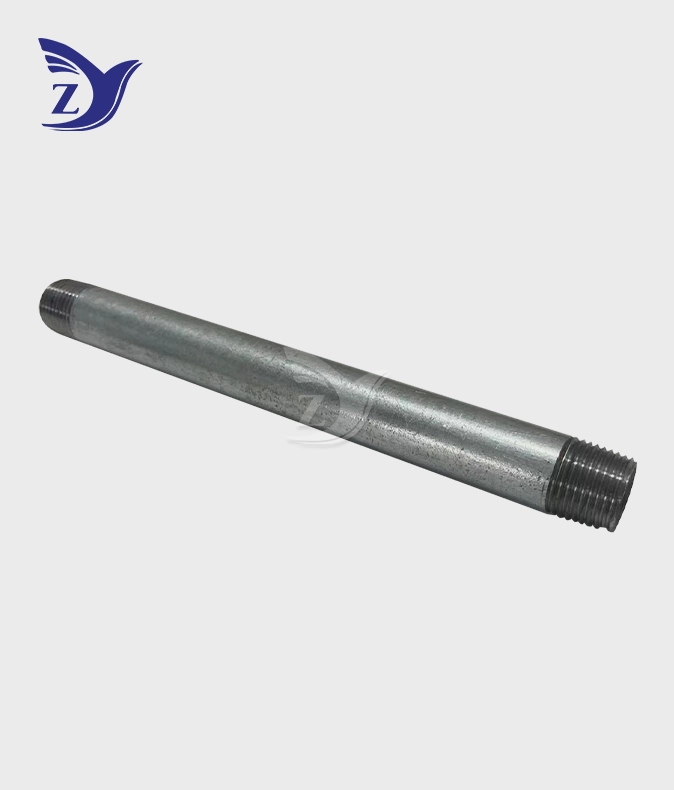
Carbon Steel Pipe Male Threaded Fittings Hot Dip Galvanized
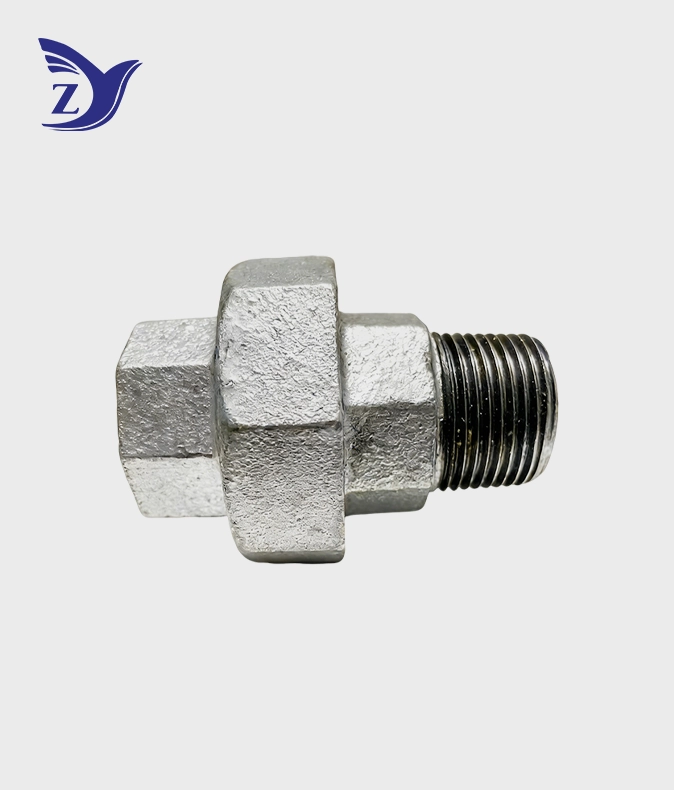
NPT Galvanized Male Female Threaded Union 341 Pipe Fittings