
Apr 10, 2026
What is a long radius elbow?
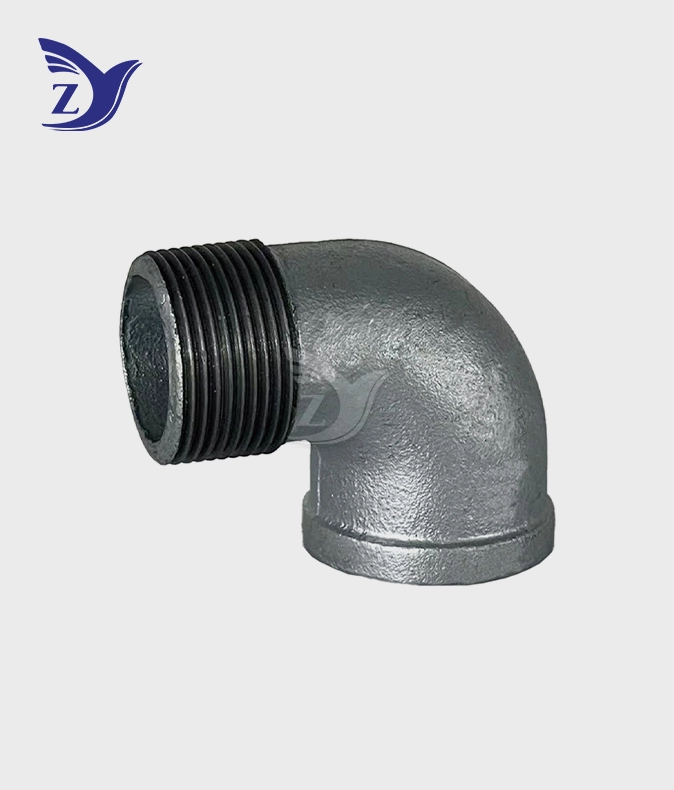
The curvature radius of a long radius elbow is 1.5 times the nominal pipe diameter, making it different from a regular short radius elbow, which has a radius that is equal to the pipe diameter. Industrial pipe systems benefit greatly from this configuration's expanded radius, which enhances hydraulic efficiency, eliminates pressure loss, and drastically lowers flow turbulence. Essential components for water supply, gas distribution, and HVAC applications are galvanized male female 90° long radius elbow pipe fittings. These fittings combine good flow geometry with corrosion-resistant zinc coating and flexible threading choices.
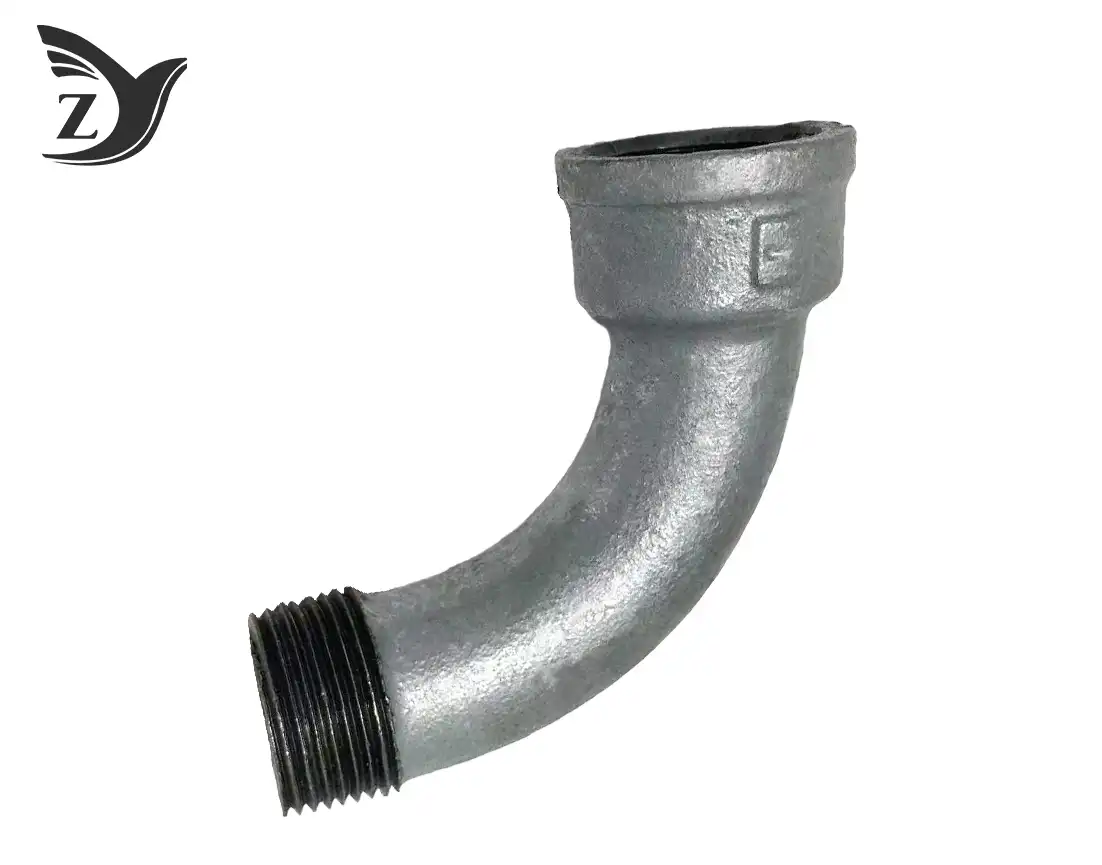
Long Radius Elbows in Pipe Fitting
An important step forward in pipe fitting technology, long radius elbows solve basic problems with fluid dynamics and improve system efficiency. Minimizing the resistance coefficient (K-factor) that happens when fluids change direction via conventional fittings is the engineering philosophy that guided their design.
Technical Design Specifications
To differentiate themselves from elbows with shorter radiuses, large radius elbows adhere to exacting technical criteria in their geometric design. To create a smoother curve that directs fluid flow with less disruption, the centerline radius must be precisely 1.5 times the nominal pipe diameter, as per standard manufacturing criteria. Measureable energy savings throughout large pipe networks are achieved by this design, which decreases localized turbulence by around 30-40% compared to conventional pattern elbows.
These fittings are manufactured in accordance with ASME B16.3 specifications for dimensional correctness and ASTM A197 standards for malleable iron construction. To preserve leak-resistant connections and ensure universal compatibility with existing infrastructure, the precision-machined threads follow either the NPT or BSPT requirements.
Flow Dynamics and Hydraulic Performance
Hydraulic performance is greatly enhanced by the increased radius arrangement, leading to considerable savings in operating costs. Research in computational fluid dynamics has shown that components have a longer lifetime and erosion-corrosion at impact walls is reduced when large radius elbows have more laminar flow properties. Reduced energy consumption and improved pumping efficiency are the results of the seamless direction change, which reduces pressure drop throughout the fitting.
Using large radius elbows instead of regular ones may lower system pressure needs by 15-25%, according to engineering studies. This is especially helpful in high-volume applications like industrial process systems or municipal water distribution. When dealing with complicated pipe networks that need repeated direction changes, this efficiency advantage becomes more and more useful.
Benefits and Applications of Galvanized Male Female 90° Long Radius Elbow Fittings
An adaptable option for rigorous industrial uses, galvanized male female 90° long radius elbow pipe fittings combine male-female threading with galvanized protection. These fittings provide superior flow characteristics, installation flexibility, and resistance to corrosion all at once, tackling various technical difficulties.
Galvanization Process and Corrosion Protection
Superior corrosion protection is achieved using a multi-layer zinc coating technique in hot-dip galvanization according to ASTM A153 requirements. A metallurgical bond is formed underneath the exterior pure zinc surface by immersing completed malleable iron fittings in molten zinc at temperatures reaching 840°F. This method creates numerous layers of zinc-iron alloy.
Coatings with a typical thickness of 70–85 microns provide cathodic protection and, in non-acidic settings, may prolong service life beyond 20 years. Because the surrounding zinc corrodes preferentially, the exposed steel is preserved even if the coating sustains small damage, thanks to this sacrificial protection. According to third-party tests, painted fittings fail in salt spray testing compared to correctly galvanized ones by a margin of 300–400%.
Male-Female Threading Advantages
In many installations, the male-female configuration—also called the "street elbow" design—does away with the necessity for extra pipe nipples or connection components. Direct connection between ports, valves, or other fittings is made possible by this threading arrangement, which simplifies assembly operations and reduces the likelihood of leak pathways.
Expert installers love this design because it saves so much room. It's perfect for tight spaces where the old elbow-plus-nipple setup just wouldn't work. When used correctly with thread sealant, the precision-machined threads provide dependable seals that can withstand pressures up to 300 PSI in water, oil, and gas applications at room temperature.
Industrial Applications and Environments
When it comes to hydraulic efficiency and resistance to corrosion, these specialty fittings are the way to go in a wide variety of industrial settings. Distribution networks in water treatment plants use them because they minimize maintenance needs and keep silt buildup at bay during smooth flow transitions. Corrosion resistance is useful in chemical processing facilities for fluids that are only slightly corrosive, and the large radius design reduces erosion during changes in direction.
Commercial buildings' HVAC systems use these fittings for refrigerant and water lines, which increase system efficiency and minimize operating costs due to reduced pressure drop. The corrosion resistance and dependable sealing are especially useful in fire prevention systems, as they guarantee the system's integrity upon emergency activation even after years of standby duty.
Installation and Identification of Galvanized Elbow Pipe Fittings
Knowing the technical specs and visual quality indications that differentiate real items from low-quality substitutes is essential for the proper installation and identification of galvanized male female 90° long radius elbow pipe fittings.
Quality Identification Markers
Coating consistency and homogenous zinc crystal development over all surfaces are hallmarks of genuine galvanized fittings. Right after manufacture, the galvanized surface should seem bright and splattered, but as the zinc naturally weathers, it should progressively acquire a matte patina. The fitting body is marked with size designations, pressure ratings, and material specifications by high-quality manufacturers by stamping or casting.
The certifications that fittings should have, such as UL, FM, or CE labeling, should be checked by professional procurement teams according to the needs of the application. Reliable sealing without undue force during assembly is ensured by precision-machined threads that exhibit uniform pitch, smooth surfaces, and correct taper angles. Thread quality is another essential identifying element.
Installation Best Practices
To ensure a tight seal during installation, it is important to clean the male and female threads thoroughly of any dirt, cutting fluids, or protective coatings. Always refer to the manufacturer's instructions while applying thread sealant; for example, male threads should only be covered with two or three wraps of PTFE tape or the proper liquid sealant.
To avoid damaging the threads or cracking the malleable iron body, it is important to carefully adhere to the torque parameters during assembly. This will guarantee appropriate sealing. Depending on the size and pressure requirements, it is recommended to reference particular torque values, but for most applications, hand-tightening followed by 1-2 more turns with the right wrenches should give optimum sealing.
Pay close attention to thread engagement in the male-female configuration to avoid thread bottoming out in the female socket and ensure complete engagement of the male thread. When installed correctly, 1-2 threads should remain visible beyond the female connection. This shows that the threads are fully engaged, but not over-inserted, which might lead to stress concentrations.
How to Choose and Procure the Right Galvanized Long Radius Elbow Fittings?
For best performance and value, it is necessary to systematically evaluate technical requirements, environmental circumstances, and procurement concerns when selecting galvanized long radius elbow fittings.
Technical Selection Criteria
Initial selection criteria should be pressure and temperature ratings that correspond to system operating circumstances, since they are application-specific requirements. For water, oil, and gas applications at ambient temperatures, standard Class 150 fittings can take 300 PSI working pressure. However, for more demanding applications, greater pressure classes are available.
Thread pitch verification and end-connection criteria are part of size compatibility, which goes beyond just matching diameters. International applications often use BSPT threads, whereas NPT threading is still the norm in North American markets. In order to prevent adapter needs, which may increase costs and provide leak sites, the male-female arrangement must be in alignment with the mating components.
When using galvanized coatings in chemical applications, material compatibility is of the utmost importance since fluid properties might impact coating performance. Although zinc coating is very effective in protecting against water and gas, it may not be sufficient in extremely acidic or alkaline environments.
Procurement Strategies and Supplier Evaluation
When doing business-to-business (B2B) procurement, it is more important to consider suppliers' delivery capabilities, technical assistance, and quality consistency than to only focus on pricing. If you're looking for consistent quality and dependable supply chains, go no further than established manufacturers with ISO 9001 certification.
In cases of high volume, it is generally prudent to create preferred supplier partnerships in order to take advantage of their price benefits, priority allocation during times of supply limitations, and application-specific technical assistance. For frequently used sizes and combinations in particular, bulk buying techniques should strike a balance between inventory carrying costs, price cuts, and supply security.
Inbound inspection processes that check coating thickness, thread accuracy, and dimensional conformity with standards should be a part of quality assurance systems. Material certifications, records of pressure testing, and verification of coating thickness to support warranty claims and regulatory compliance are all examples of the types of documentation that may be required for essential applications.
Conclusion
Modern plumbing systems would not be complete without long radius elbows, which outperform their regular counterparts in terms of hydraulic efficiency, maintenance needs, and service life. Incorporating these performance benefits with enhanced corrosion protection and installation flexibility, galvanized male female 90° long radius elbow pipe fittings cater to a wide range of industrial uses. These unique fittings need meticulous supplier selection and procurement methods that put long-term performance ahead of short-term cost concerns due to the precise engineering and quality manufacture involved. For procurement experts, knowing the technical benefits and appropriate application criteria is key to specifying components that maximize system performance and minimize lifetime costs.
Contact Zhiyuan Malleable Steel for Premium Galvanized Pipe Fittings
Zhiyuan Malleable Steel stands as your trusted partner for high-quality galvanized male female 90° long radius elbow pipe fittings and comprehensive piping solutions. With 26 years of manufacturing expertise and ISO 9001 certification, we deliver precision-engineered fittings that meet international standards including UL, FM, and CE requirements. Our 30,000-ton annual production capacity ensures reliable supply for large-scale projects, while our extensive inventory enables standard product delivery within two hours. Whether you need bulk quantities for distribution or custom OEM solutions, our technical team provides expert guidance to match your specific requirements. Contact us at q1236800000@gmail.com to discuss your galvanized male female 90° long radius elbow pipe fittings supplier needs and discover how our quality-first approach can optimize your next project.
FAQ
What makes long radius elbows different from standard elbows?
Long radius elbows feature a curvature radius measuring 1.5 times the pipe diameter, compared to standard elbows where the radius equals the diameter. This extended radius reduces flow turbulence by 30-40% and significantly decreases pressure drop across the fitting, improving overall system efficiency and reducing energy costs.
How long does galvanized coating last on pipe fittings?
Properly applied hot-dip galvanized coatings typically provide 20+ years of corrosion protection in non-acidic environments. The 70-85 micron zinc coating acts as a sacrificial barrier, protecting the underlying steel even if minor coating damage occurs. Performance varies based on environmental conditions, with marine or industrial atmospheres potentially reducing service life.
Can galvanized male female 90° long radius elbow pipe fittings handle high-pressure applications?
Standard Class 150 galvanized fittings are rated for 300 PSI working pressure at ambient temperatures for water, oil, and gas applications. Higher pressure ratings are available through Class 300 or Class 3000 specifications, though specific pressure and temperature combinations should be verified with manufacturer specifications for critical applications.
What thread sealant works best with galvanized fittings?
PTFE tape remains the most common choice for galvanized threaded connections, applied 2-3 wraps on male threads in the direction of thread rotation. Liquid thread sealants compatible with potable water applications work well for permanent installations, while avoiding compounds that might react with zinc coating.
References
1. American Society for Testing and Materials. "ASTM A197 Standard Specification for Cupola Malleable Iron." Annual Book of ASTM Standards, Vol. 01.02.
2. American Society of Mechanical Engineers. "ASME B16.3 Malleable Iron Threaded Fittings: Classes 150 and 300." ASME International Standards.
3. National Association of Corrosion Engineers. "Galvanizing for Corrosion Protection in Industrial Piping Systems." NACE International Technical Publication.
4. International Organization for Standardization. "ISO 7/1 Pipe Threads Where Pressure-Tight Joints Are Made on the Threads." International Standards Organization.
5. American Water Works Association. "Manual of Water Supply Practices: Selection and Installation of Pipe Fittings." AWWA Manual M23.
6. Crane Technical Paper. "Flow of Fluids Through Valves, Fittings and Pipe." Crane Engineering Technical Publication No. 410.
Online Message
YOU MAY LIKE
High quality furniture manufacturer
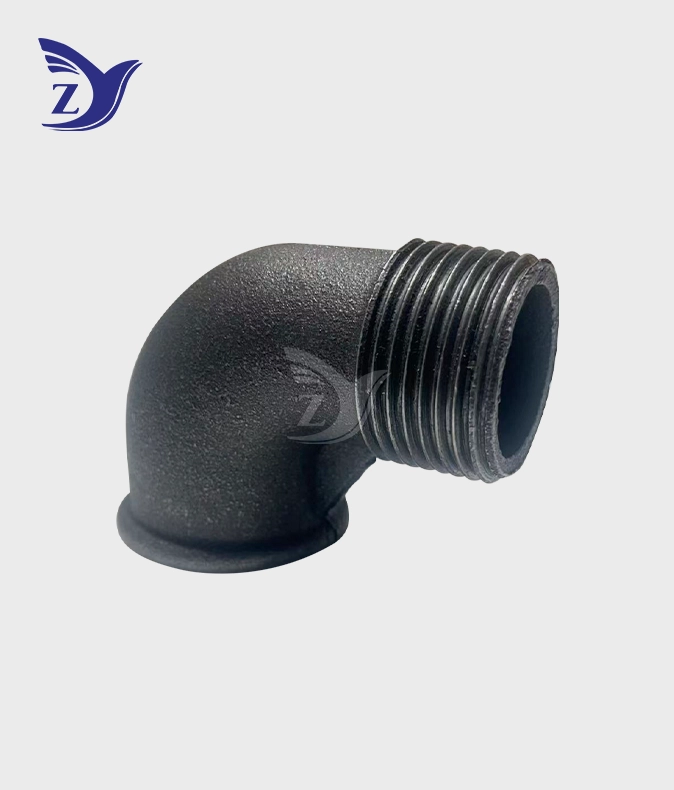
NPT Black Round Face Male-Female 90° Elbow Pipe Fittings
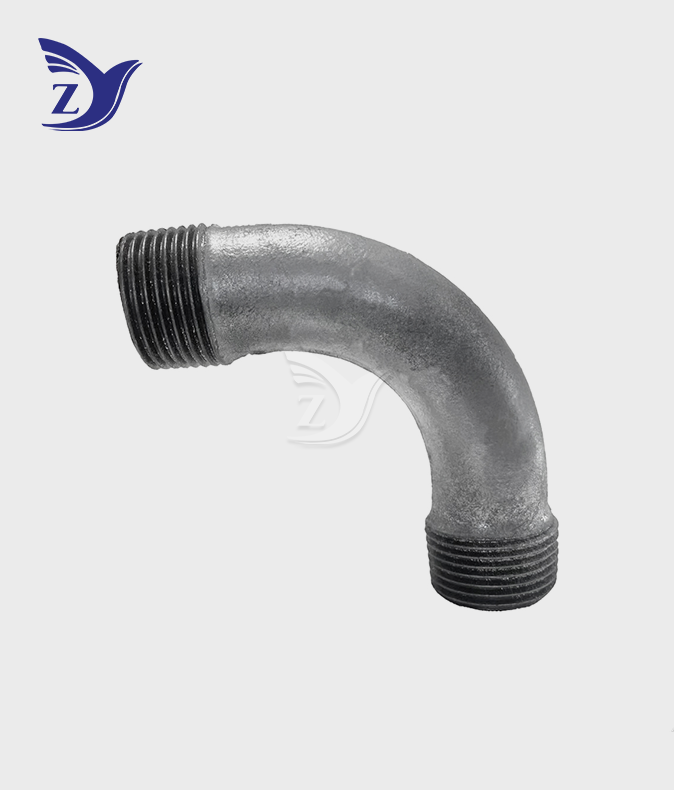
BSPT Round Face Galvanized Round Edge 90° Elbow Pipe Fittings
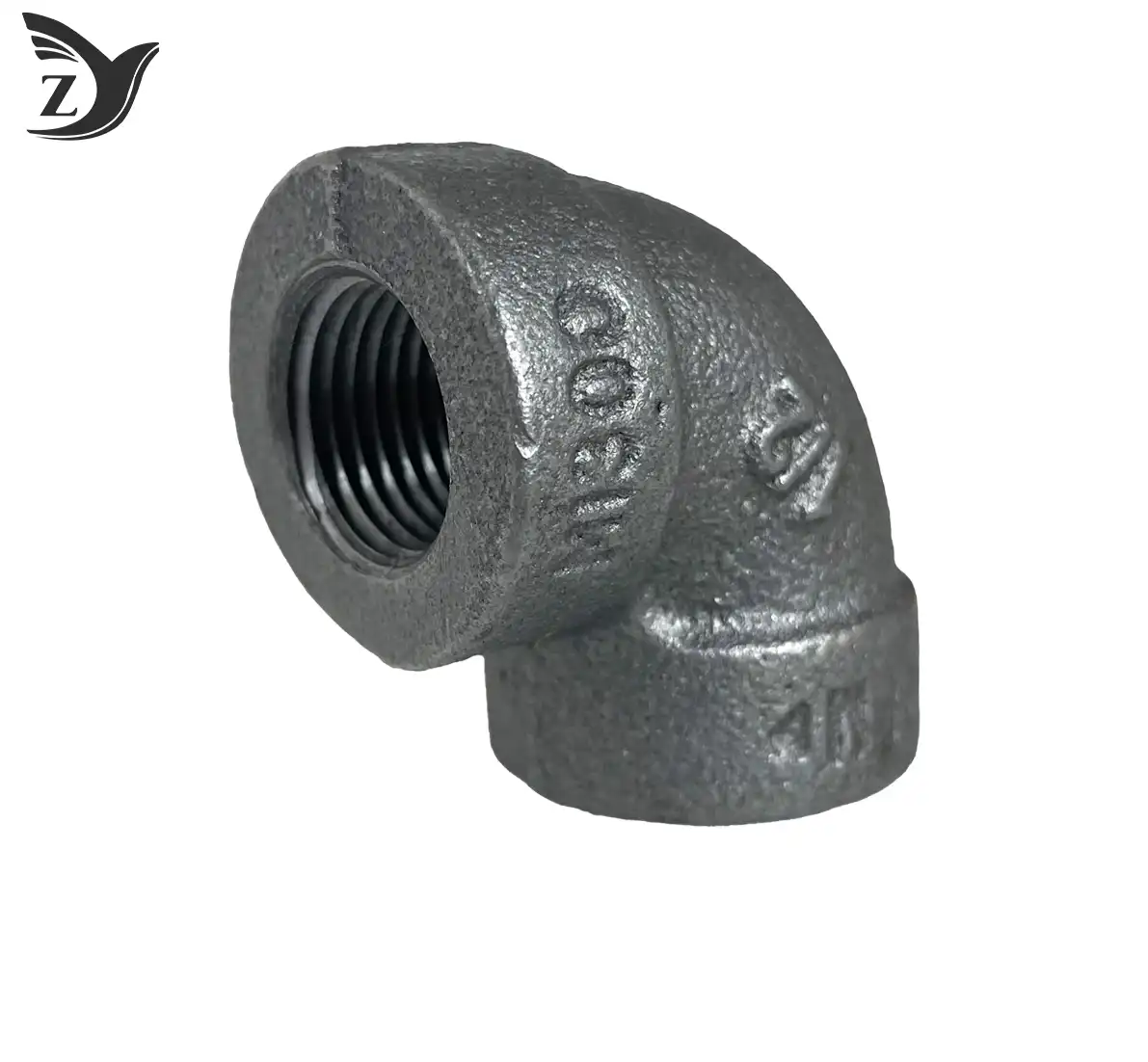
300LB Black Malleable Iron 90 Degree Elbow Pipe Fitting
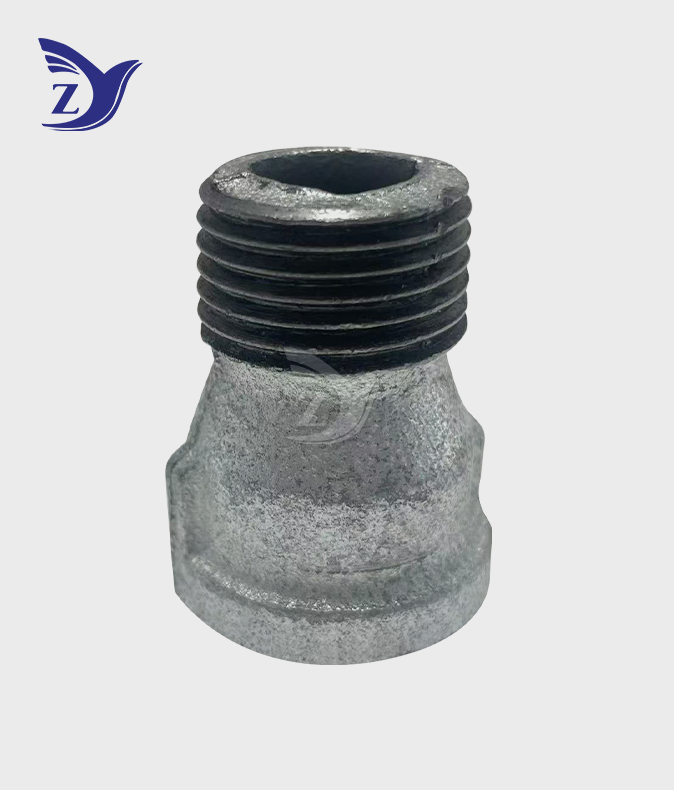
NPT Thread Square Edge Reducing Street Coupling Pipe Fittings
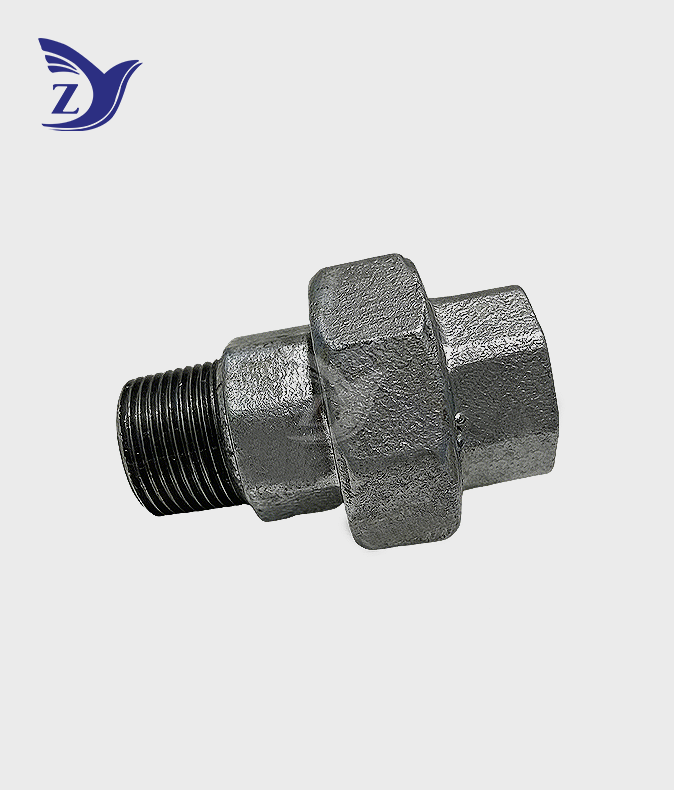
NPT Galvanized Male Female Threaded Union 343 Pipe Fittings
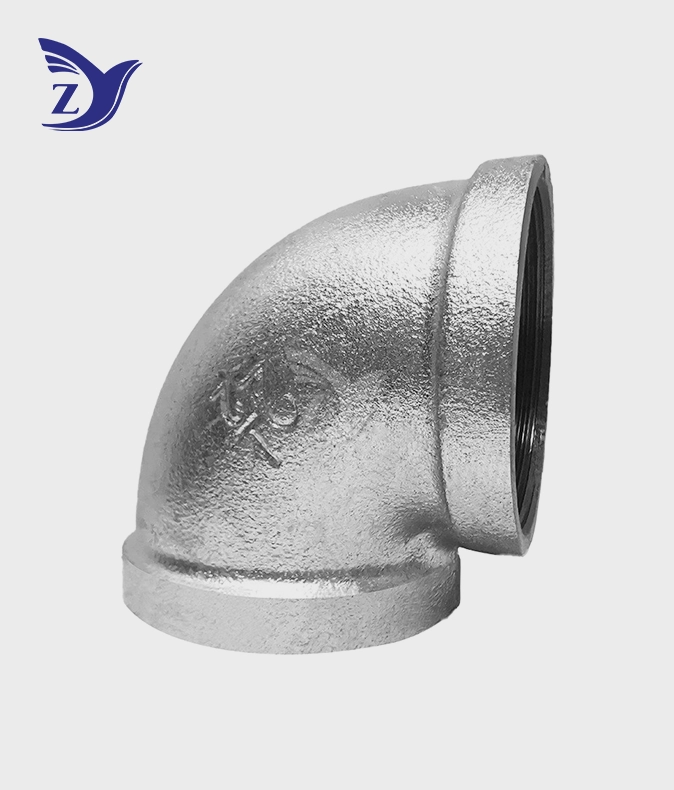
NPT Square Face Galvanized 90° Square Edge Elbow Pipe Fittings
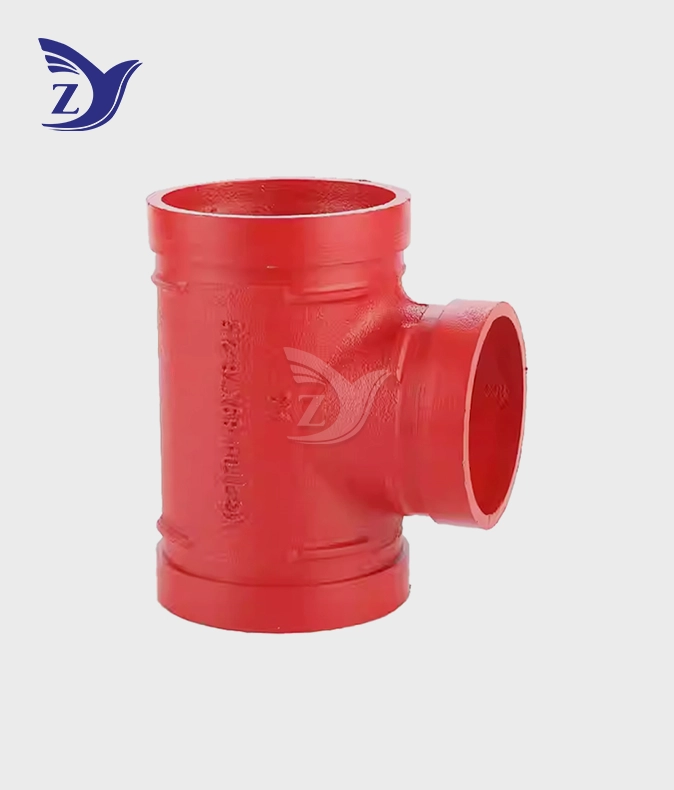
Fire Grooved Reducing Tee
NPT Square Face Galvanized 90° Male Female Threaded Elbow Pipe Fittings