
May 26, 2026
What is a 45 elbow used for?
A 45-degree elbow is a basic piece of pipework that changes the direction of fluid or gas flow by 45 degrees. It does this more gently than tighter turns. For better durability and resistance to rust, the square face galvanized 45° square edge elbow pipe fittings are highly valued in industry settings. These bendable iron fittings have a flat, rectangular reinforcement at the threaded outlets that makes them easier to install. The hot-dip galvanized finish also keeps them from rusting in harsh settings. These elbows are the perfect mix of hydraulic efficiency and mechanical sturdiness. They can be used to route water lines around obstacles in business buildings or direct gas flow in industrial facilities.
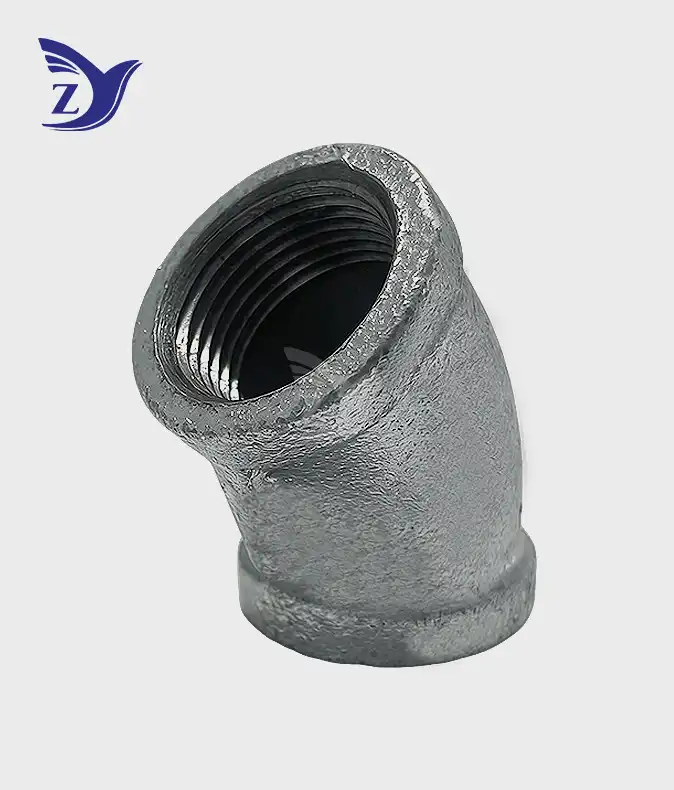
Galvanized 45° Square Edge Elbow Pipe Fitting
I notice that piping systems don't always run in straight lines when I walk through factories or business building sites. Because of how buildings are set up, where equipment is placed, and limited space, flexible route options are needed. This is where parts made just for this purpose become essential.
What Defines a 45-Degree Elbow Fitting
In pipe networks, a square face galvanized 45° square edge elbow pipe fitting changes the direction of flow by making a mild curve that keeps flow better than sharp 90-degree turns. The name "square edge" refers to the shape of the support bands at the threaded connection points. Standard fittings have rounded beads, but this flat rectangular shape spreads installation pressure more evenly across the fitting body. When workers use pipe wrenches to put things together, the square edge doesn't bend or crack, which is very helpful in high-pressure situations where the stability of the joint can't be compromised.
The main material is malleable iron that is made according to ASTM A197 standards. This standard makes sure that the metal goes through an annealing process that turns white cast iron from a rigid material into one that is flexible and resistant to shock. The change takes place in controlled-atmosphere kilns, where carbon molecules rearrange themselves to make a microstructure that can survive rounds of thermal expansion and mechanical stress without breaking.
The Galvanization Process and Its Protective Benefits
For hot-dip galvanization, finished square face galvanized 45° square edge elbow pipe fittings are put into zinc baths that are heated to about 840°F (449°C). The zinc forms a metallic link with the iron base, forming several intermetallic layers and a pure zinc coating on top. Standards set by ASTM A153 say that this process should produce zinc that is thicker than 85 microns. Two ways the coating works: it creates a physical buffer between the iron and air and water, and it also protects against cathodic corrosion by letting the zinc rust before the iron below.
The benefits go beyond just keeping rust away. Galvanized coats don't break down when exposed to UV light, which makes them perfect for use outside. Chemical protection covers a pH range that is good for city water systems, and the coating can fix small scratches by moving zinc around in them. With 20 to 50 years more service life in normal industrial environments, zinc parts last longer than painted or bare fittings.
Thread Standards and Accurate Measurements
Precision in threading has a direct effect on how well a seal works. NPT (National Pipe Taper) threads are made according to ASME B1.20.1 standards. They have a 60-degree thread angle and a 1°47' taper that makes interference fits as the links get tighter. The British Standard Pipe Taper (BSPT) threads have a side angle of 55 degrees, which is the same as ISO 7-1. The metal-to-metal seals in both systems are made by tapered male threads wedged into female holes. This deformation is managed.
When making choices about what to buy, dimensional limits are very important. To keep pipe misalignment stress from building up, the 45-degree curve itself keeps limits of ±0.5 degrees. Center-to-end measurements are based on ASME B16.3 standards, which makes sure that products from different makers can work together. The minimum width and thickness of the square edge band meet the requirements for Class 150 (300 psi working pressure) or Class 300 ratings. This gives the structure the support it needs for industrial service conditions.
Key Applications and Benefits of Using Galvanized 45° Square Edge Elbows
Different industries have very different needs for industrial pipes, but some fixing features are always useful. The modest angle shape, strong edge reinforcement, and corrosion-resistant surfaces all work together to solve several problems at once.
Industrial and Commercial Application Environments
Fire safety tools are an important area of application. Engineers have to deal with tight ceilings and structural problems when they are planning sprinkler networks or spigot feeds. The 45-degree slope makes it easier to route around beams and ducts while still keeping the flow speed high enough. The finish is galvanized, which meets fire code standards for corrosion protection in wet pipe systems. The square edge can handle the high installation force needed for joints that don't vibrate in pump rooms.
When the wind switches directions, there is less turbulence, which is good for HVAC systems. When pressure drops are kept to a minimum, chilled water loops and heated distribution lines work best. 45-degree elbows cut friction losses by about 30–40% compared to 90-degree joints. This means that the pump will use less energy over the life of the system. The threaded joints, which come in both NPT and BSPT styles, make fitting easier when doing a retrofit and welding isn't an option.
Square-faced galvanized 45° square edge elbow pipe fittings for municipal water and gas delivery networks need to be a good mix of cost and durability. Soil chemistry changes, yearly temperature swings, and ground settlement can all affect pipes, whether they are buried or visible. The flexible iron design can handle shock loads without breaking, and the zinc finish makes it last longer before it needs to be replaced. I've seen systems along the coast where zinc fittings last decades longer than other options because they are better at resisting salt and air.
Technical Advantages of the 45-Degree Geometry
For each piece of pipe, hydraulic experts figure out the pressure loss rate. A square face galvanized 45° square edge elbow pipe fitting has a coefficient of about 0.2 to 0.3, while a 90-degree elbow has a coefficient of between 0.6 and 0.9, based on the radius. This difference gets bigger in big systems. A building with a lot of direction changes can save energy by choosing 45-degree fits when the plan allows it.
Studies that use flow visualization show that speed curves are smoother through turns of a middling angle. There is less separation between fluid particles at the boundary layer and secondary flow patterns that make turbulence worse. This is important, especially when working with slurries or solids that are floating in liquids, because particles building up inside bends slows flow over time. The softer turn does a better job of keeping the particles suspended.
Long-Term Value and Maintenance Advantages
More and more, procurement teams look at the total cost of ownership instead of just the buy price. Galvanized 45-degree square edge elbows are useful in a number of ways. Corrosion resistance directly lowers the number of times that fittings need to be replaced—fittings that last 30–40 years instead of 10–15 years for lesser materials have much lower lifetime costs. Zinc coats keep biological growth and mineral layers from building up on bare iron, which means that maintenance times are longer.
The cost of installation work is not always obvious. Because the edges are square, techs can get the right pressure without using special tools or putting in a lot of extra work. Precision machining makes the threads contact easily, and the reinforced band keeps the fitting from distorting like thinner-walled options can when workers tighten connections too much. Less callbacks for leak fixes are good for both the contractor's bottom line and the owner's happiness.
These are the measurable benefits seen in a number of different industries:
- Pressure loss reduction: 30–40% lower friction coefficients than 90-degree turns keep the system working well and lower pump running costs over many years of use.
- Corrosion lifespan: In outdoor or high-humidity settings, it usually lasts 20 to 50 years longer than coated or bare iron fittings.
- Installation efficiency: Square edge reinforcement lets you apply the right amount of power without deforming the fitting. This cuts installation time by about 15 to 20 percent and cuts down on costly leak-related calls.
- Hydraulic performance: Smoother velocity profiles through 45-degree bends lower particle accumulation in slurry uses and lower the wear on downstream parts caused by turbulence.
These performance traits directly address the buying goals of project engineers who are focused on building infrastructure that is reliable and doesn't cost too much. These fittings are a good investment for both new building and system repair projects because the materials last a long time, they are easy to install, and they work well.
Ensuring Optimal Use and Maintenance of Galvanized 45° Square Edge Elbow Fittings
Installed systems need ongoing care to keep working the way they were meant to for as long as they are in use. Reactive fixes are more expensive than proactive maintenance, but proactive maintenance makes things safer and more reliable.
Routine Inspection Protocols
Visual checks should happen at least once a year, and more often in settings that are toxic. Check galvanizing surfaces for coating breakdown. White rust (zinc oxide) means the coating is working and isn't a problem, but red rust (iron oxide) means the coating has been penetrated and needs to be fixed. Check the joint areas for mineral buildup or tears that could mean there are slow leaks. There shouldn't be any cracks or split of the square edge support from the fitting body.
Mechanical stress signs include pipe imbalance that can be seen or support settlement that causes joints to be loaded incorrectly. Over decades, thermal cycling in systems with changing temperatures can wear out threaded connections. Look for wet spots or patterns of rust further away from the joints that could mean there are pinhole leaks inside. Ultrasonic thickness testing finds wall loss in important situations before it leads to through-wall breakdowns.
Preventive Maintenance Best Practices
By adding to the security provided by the zinc coating, cathodic protection systems are good for underground galvanized pipes. In harsh earth conditions, installing a sacrifice anode or an impressed current device can make the service last longer. Doing regular tests on the soil's resistivity helps guess how fast it will rust and find the best settings for the security system.
Managing the pH of the water stops coatings from breaking down faster. Keep the pH between 6.5 and 8.5, and try to keep salt levels below 250 parts per million (ppm). Higher temperatures make rusting happen faster, so systems that work above 140°F (60°C) need to be inspected more often. Stagnant conditions make localized rust more likely, but flow purges in dead legs on a regular basis lower this risk.
The square face galvanized 45° square edge elbow pipe fitting form makes it easier to fix parts of the system. When replacing pipe next to it, the strong threaded connections let you use old fittings again if a check shows they still have enough service life left. When compared to welded systems, which need whole part replacements, this flexibility lowers the cost of renovations.
Conclusion
The 45-degree elbow is still an important part of industrial and business pipe systems because it provides the best mix between direction flexibility and hydraulic efficiency. Hot-dip galvanizing protects against corrosion for decades, and square edge galvanized designs make this basic fitting better by adding structural reinforcement that can handle mounting pressure. These fittings work reliably in a wide range of challenging situations, from fire control networks to city infrastructure. The success of a project depends on the right choice based on thread standards, dimensional accuracy, and the reliability of the provider. Regular repair increases the return on investment and increases the service life.
FAQs
What is the difference between square edge and round edge galvanized elbows?
The square edge has a flat, rectangular reinforcement band at the threaded ports that makes it more resistant to twisting during fitting. This design spreads the wrench forces more evenly, which keeps the fitting from deforming and cracking when high loads are applied. This can happen with round edge designs. Square edge design also makes joints stronger in places where vibrations are common.
Can galvanized 45-degree elbows be used for water lines outside?
Yes, hot-dip galvanized coatings that meet ASTM A153 standards do a great job of protecting against corrosion from the weather. This makes these parts perfect for setups that will be outside. The zinc layer doesn't break down when exposed to UV light, changing temperatures, or water. This means that it usually lasts 20–50 years longer than painted or bare iron options in outdoor settings.
How do I verify that fittings meet industry standards?
Ask sellers for proof of their certifications, such as ISO 9001 quality management certification and product-specific approvals like UL, FM, or NSF-61, based on the use. Check the markings on the parts to make sure they meet the standards (ASME B16.3 for measurements and ASTM A197 for material). Thread gauges check the accuracy of NPT or BSPT threads, and magnetic thickness gauges check that galvanization meets the minimum coating standards.
Partner with Zhiyuan Malleable Steel for Reliable Square Face Galvanized 45° Square Edge Elbow Pipe Fittings
Zhiyuan Malleable Steel can help you with even the hardest jobs because they have been researching castings and making pipe fittings for 26 years. You can trust the quality of our square face galvanized 45° square edge elbow pipe fittings for fire protection, HVAC, municipal water, and commercial uses because they are certified to meet foreign standards like ISO 9001, CE, UL, and FM. We can make 30,000 tons of products a year and keep more than 1,000 specs in stock. We can send standard products within two hours and can fully customize ODM/OEM products for special needs. Get in touch with our team at q1236800000@gmail.com to talk about your buying needs with a reliable seller of square face galvanized 45° square edge elbow pipe fittings that is dedicated to quality, quick service, and low prices.
References
- American Society of Mechanical Engineers. (2016). ASME B16.3: Malleable Iron Threaded Fittings, Classes 150 and 300. New York: ASME Press.
- ASTM International. (2019). ASTM A197: Standard Specification for Cupola Malleable Iron. West Conshohocken: ASTM International.
- ASTM International. (2020). ASTM A153: Standard Specification for Zinc Coating (Hot-Dip) on Iron and Steel Hardware. West Conshohocken: ASTM International.
- International Organization for Standardization. (2015). ISO 7-1: Pipe Threads Where Pressure-Tight Joints Are Made on the Threads—Part 1: Dimensions, Tolerances and Designation. Geneva: ISO Publications.
- National Fire Protection Association. (2019). NFPA 13: Standard for the Installation of Sprinkler Systems. Quincy: NFPA Press.
- Sanks, Robert L. (2018). Pumping Station Design (4th ed.). Oxford: Butterworth-Heinemann Engineering Publishers.
Online Message
YOU MAY LIKE
High quality furniture manufacturer
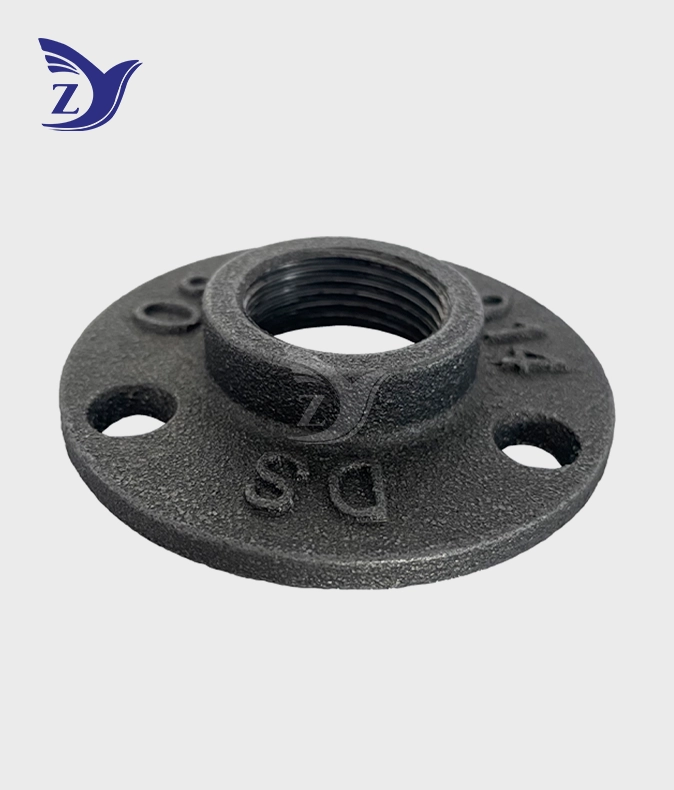
NPT Black Flange Pipe Fittings
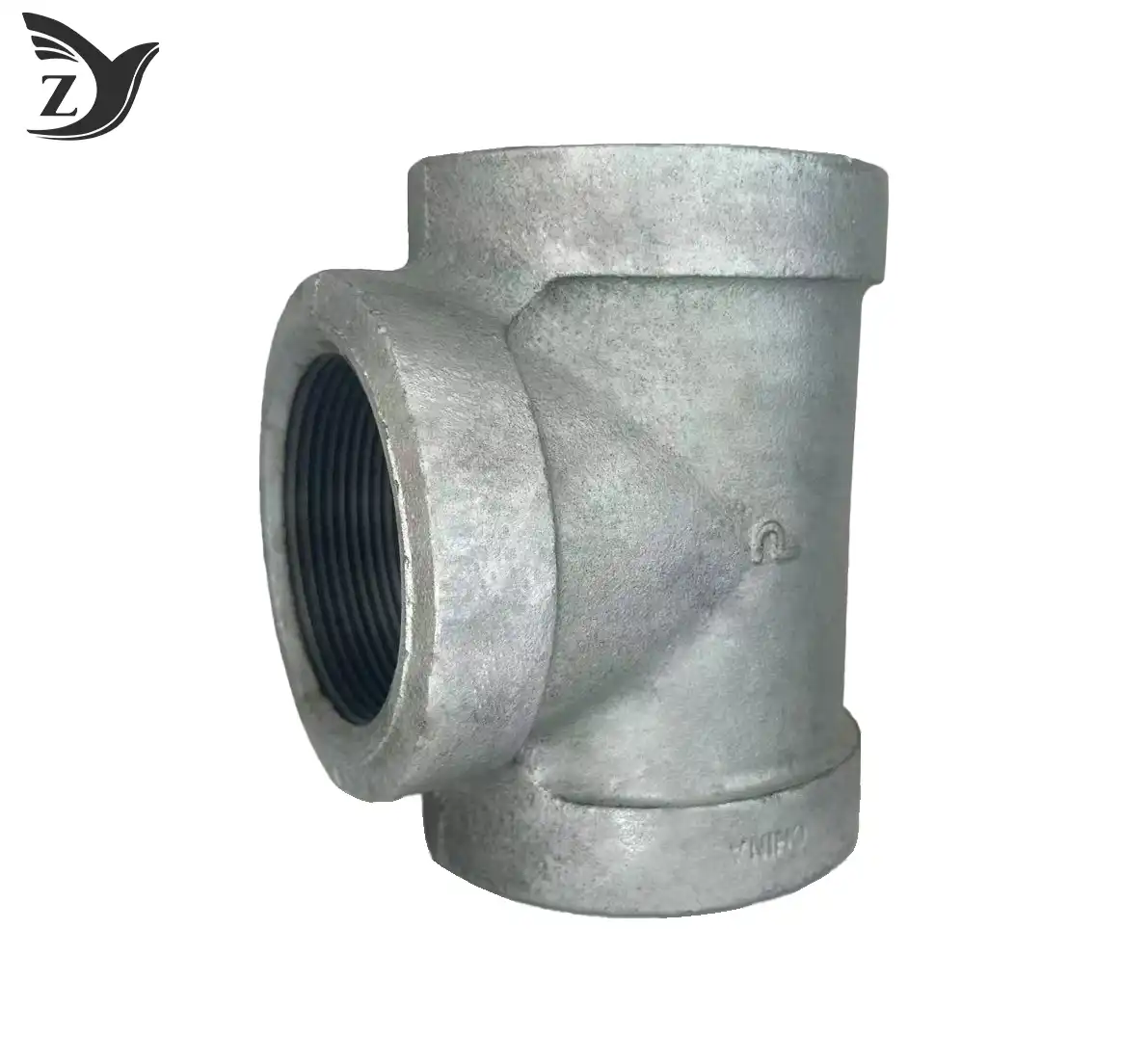
Class 300 Hot Dipped Galvanized Malleable Iron Equal Tee
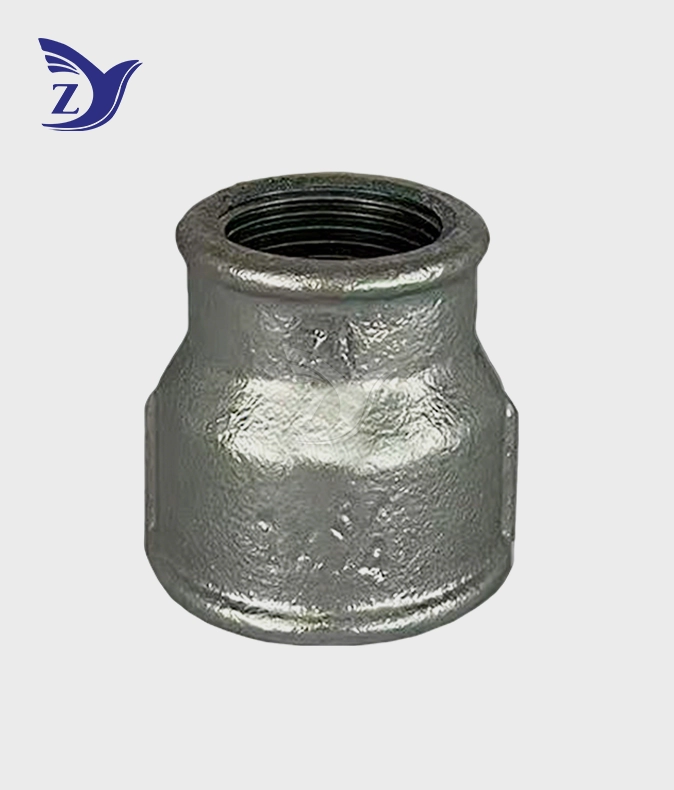
BSPT Round Face Galvanized Round Edge Reducing Coupling Pipe Fittings
NPT Galvanized Union Elbow Threaded Pipe Fittings with Male and Female Ends
Water Grooved Straight Tee
BSPT Square Face Galvanized Square Edge Reducing Coupling Pipe Fittings
No Hub Hot Dip Galvanized Coupling Pipe Fitting
Black Malleable Iron Coupling Class 300