
May 8, 2026
What fitting is used to connect female threaded pipes together?
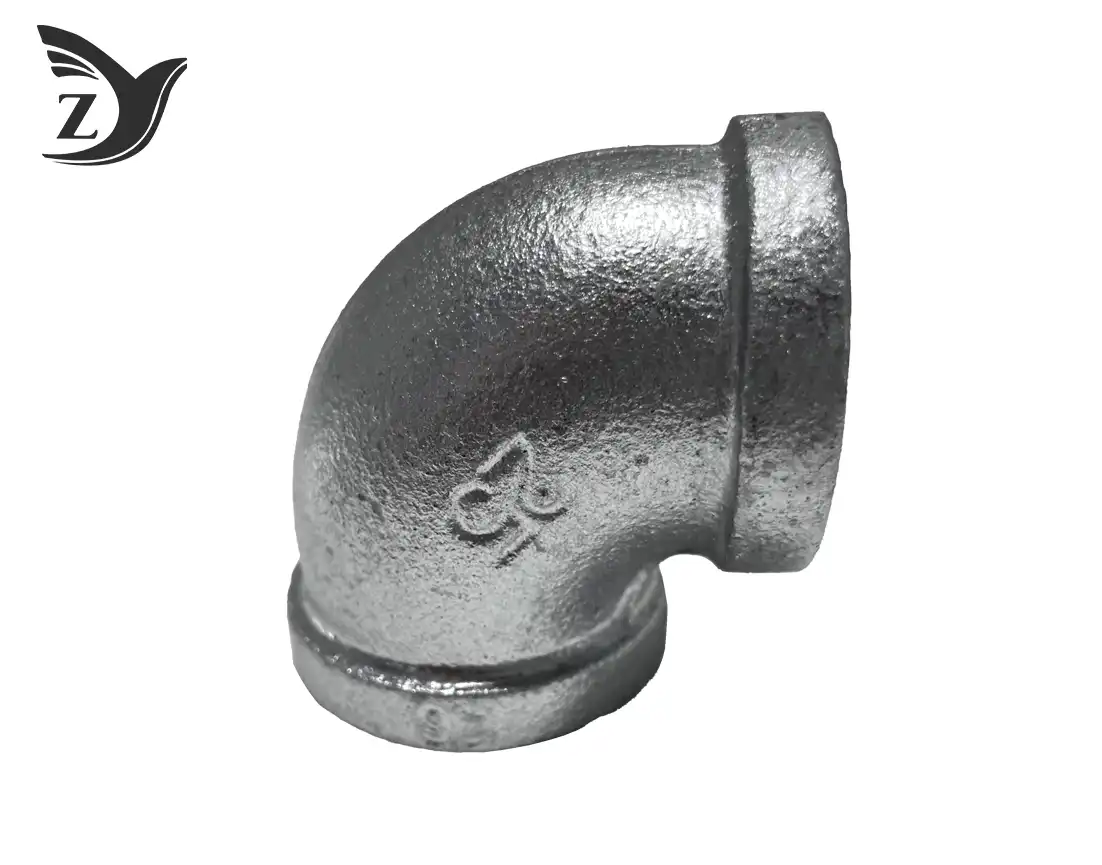
A square face galvanized 90° male female threaded elbow pipe fitting is the best way to connect two female threaded pipes because it is very useful. This special part has one male thread on the outside and one female thread on the inside. It bridges the link and changes the flow direction by 90 degrees. This two-threaded fitting, which is sometimes called a "street elbow" in the business world, gets rid of the need for extra nipples or connections. This frees up room during installation and lowers the number of places where your pipes could leak.
Female Threaded Pipe Connections
These days, female threaded pipes are the most important part of industrial pipe systems. Their internal threads make links that are strong and not too hard to put together and take apart for upkeep. The threading gives the joint both mechanical strength and a closing surface. When put correctly with the right sealants, it makes joints that don't leak and can handle high pressures.
Why Thread Compatibility Matters
Thread compatibility isn't just a technical issue; it's a key factor that decides whether your system will work safely or fail in a terrible way. There are different angle and pitch measures for NPT (National Pipe Taper) and BSPT (British Standard Pipe Taper) threads. NPT threads are measured in threads per inch and have a side angle of 60 degrees. BSPT threads, on the other hand, follow ISO standards but have slightly different shapes. When you mix thread types that aren't meant to work together, they won't fully connect, seal, or prevent leaks that could cause water damage, gas dangers, or system shutdowns.
The Female-to-Female Connection Challenge
Without an extra part, it is physically impossible to connect two female threaded lines straight. Most standard couplings have female threads on both sides, which makes them great for connecting two pipes with male threads. You need a fitting with at least one male thread, though, if your system design calls for joining female ends, like when you connect the release of a female valve to the opening of female equipment. This usually happens when replacing old equipment with new that has fixed female connections or when installing things in small areas where standard coupling-and-nipple sets won't fit.
Common Solutions and Their Limitations
A number of solutions have been made by engineers over the years. Reducer couplings can sometimes be used to bridge links, but they often change the width of the pipe in ways that aren't wanted. If you use a normal connection with a close nipple, it adds length and makes an extra joint that could fail. Threaded elbow joints with male-female threads are a more beautiful option, especially when the layout of the pipes needs to change the direction of flow. These parts fix the gender mismatch issue and change the flow at the same time, which makes them very useful in setups with limited room.
Deep Dive: Square Face Galvanized 90° Male Female Threaded Elbow Pipe Fittings
The technical form of square face galvanized 90° male female threaded elbow pipe fittings is the result of many years of improving engineering. These parts are made from black heart malleable iron that meets ASTM A197 standards. They have a tensile strength of more than 330 MPa and an expansion rate of more than 8%. Because the fittings are both strong and flexible, they can handle both high internal pressures and mechanical forces from the outside without breaking.
Material Science and Manufacturing Excellence
Standard gray cast iron and malleable iron are very different. The annealing process changes the structure of the carbon, making a material that can absorb vibrations and not break easily. When we make these parts at our factory in Taigu District, Shanxi Province, we start by carefully casting them in medium-frequency electric furnaces. Next, we anneal them in natural gas kilns that hit specific temperature profiles. This process of heating and cooling gives malleable iron its toughness, which keeps parts from breaking in terrible ways when they go through temperature cycles or mechanical shock.
Another layer of safety is added by hot-dip galvanization. To do the process, the cleaned casting is put into liquid zinc that has been heated to about 450°C. The zinc metallurgically joins with the iron surface, making a layer that is usually more than 70 microns thick. This isn't just a finish on the outside; it's a metal shield that keeps out oxidation, corrosion from the air, and chemical contact. Our galvanizing method strictly follows ASTM A153 guidelines, which makes sure even covering in threaded areas that need the most protection.
The Square Face Advantage
The "square face" name refers to the banded, flat, strengthened area around the female hole. Compared to standard round-bead fittings, square face galvanized 90° male female threaded elbow pipe fitting design trait makes the rotational strength about 15-20% higher. Installers use pipe tools to apply pressure during assembly. The square face spreads the stress more evenly, which keeps the fitting mouth from deforming or splitting. This small but important design feature makes installation much easier and increases service life in places with a lot of vibration, like pump houses and machinery rooms.
Thread Precision and Sealing Technology
The quality of the thread directly affects how well the cover works. ANSI/ASME B1.20.1 says that NPT threads must have precise taper angles that cause interference fits as the male thread moves into the female hole. Because of the cylindrical shape, the fitting body must be inserted to a certain depth in order to connect properly. If it is inserted too shallowly, leaks will occur, and if it is tightened too much, it will crack. BSPT threads work in a way that is similar to NPT threads, but they can't be used with NPT systems because they are different in size. Computer-controlled thread cutters on our cutting tools keep errors within 0.05 mm. This makes sure that every fitting we make engages and seals reliably.
Pressure Ratings and Temperature Performance
When square face galvanized 90° male female threaded elbow pipe fittings have a Class 150 pressure grade, it means they can safely handle working pressures of up to 300 psi and temps ranging from -20°F to 150°F. For tougher jobs, higher-grade models get grades up to Class 300. The pressure capacity is based on the width of the wall, the depth of the thread contact, and the strength of the material. When choosing parts for your project, make sure that the pressure number is higher than the highest pressure that the system can handle by a safe amount, usually 1.5 to 2 times the normal working pressure.
Comparison and Selection Guide for Threaded Elbow Fittings
For each job, the fitting needs to be different. Knowing the choices you have lets you choose parts that meet your system's needs without spending too much on features you don't need.
Square Face Versus Round Face Designs
Round face fittings are a little cheaper and work fine in low-stress situations like home plumbing. The round bead around the female hole gives the structure some support and makes it possible to use normal pipe wrenches. In industrial settings where installation force, system vibration, or changes in pressure cause extra stresses, square face shapes are worth the extra cost. Under these conditions, the strengthened banded area doesn't deform, so there are fewer long-term upkeep needs and sudden breakdowns.
Male Female Versus Standard Configurations
To connect to female lines, standard elbows with two female ends need male nipples, which adds joints and makes things more complicated. With male-female configurations, this middle link isn't needed, which cuts down on assembly time and possible leak places. When retrofitting, the space saves are especially important because the areas of the old equipment don't leave much room for pipes. However, male female fittings are less adaptable for future changes because you can't just remove one side without affecting both connections. Standard elbows, on the other hand, let you change the length of each pipe separately.
Material Selection: Galvanized Versus Stainless Steel
Galvanized malleable iron is very resistant to corrosion and doesn't cost too much. This makes it a good choice for most water, air, and gas uses in industry settings. The zinc coating guards against water in the air, touch with soil, and mild chemical exposure. Stainless steel is needed in places that are very acidic, like chemical processing plants, marine settings, or food-grade systems that can't have zinc in them. Stainless steel fittings usually cost three to five times more than galvanized ones, so only mention them when the better corrosion protection is really needed.
Procurement Tips for Bulk Purchase and Supplier Selection
There's more to strategic buying square face galvanized 90° male female threaded elbow pipe fittings than just checking prices. The cheapest seller might send parts that don't pass quality checks or show up late, which would throw off project plans and make the total cost go up.
Evaluating Supplier Credentials
Having ISO 9001 certification means that a company has recorded quality control systems, but it doesn't mean that the quality of their products will always be the same. For more information on how the tests are done, talk to a reliable provider. All fittings are thread-gauged, sample batches are put under pressure tested, and coating thickness is measured. As part of Zhiyuan Malleable Steel's quality control, copper sulfate dips are used to test the galvanization stability and magnetic induction measures are used to make sure the coating is uniform.
Approvals from FM (Factory Mutual) and UL (Underwriters Laboratories) are important, especially for fire safety equipment in the US. These approvals show that fittings meet certain performance standards for things like thread contact, burst pressure, and material make-up. For European markets, products must have the CE mark. In other places, state rules apply.
Understanding Pricing Factors
The prices of iron and zinc affect the costs of materials, but good providers keep prices stable through long-term contracts for raw materials. Prices depend on the type of thread. Because North American standards require tighter cutting tolerances, NPT fittings tend to cost a little more than BSPT models. It costs 15-20% more to cast something that has been galvanized, and custom finishes cost even more. Through economies of scale, buying in bulk lowers the cost per unit. For example, our plant in Jinzhong City offers tiered pricing that gets better above 5,000-piece orders, with even bigger savings for container-load orders.
Assessing Production Capacity and Reliability
The manufacturing ability of a company tells you if they can meet your volume needs without sacrificing quality or delivery times. Our 30,000-ton yearly production capacity helps with big projects and keeps our store full for orders that need to be shipped quickly. Our 50,000-square-meter building has 156 pieces of grinding equipment, eight medium-frequency electric ovens, and two 100-ton annealing kilns. With this system, we can keep common sizes in stock and meet custom requirements without having to wait too long for a response.
Reliability in the supply line goes beyond the maker. Make sure that your sellers have set up transportation partnerships so that shipping goes smoothly. We are 40 kilometers from Taiyuan and 30 minutes from Taiyuan Wusu International Airport, which lets us quickly load containers and send pressing orders by air freight. When an order is confirmed for a standard product that is in stock, it ships within two hours. Custom orders, on the other hand, usually take 15 to 30 days, based on how complicated they are.
Negotiating Terms and Conditions
The rules of payment show how the buyer and seller feel about each other. Customers who are new to a business usually work with letter of credit or cash arrangements until they have a past of transactions that they can trust. Once a buyer has shown they can pay on time, they can often discuss net payment terms. Warranty terms should spell out how to replace defective goods. For example, if a problem is found during the receiving check or original installation, our company will replace it as long as it hasn't been changed or put incorrectly.
Professional sellers are different from simple product vendors because they offer technical help. Can the engineers at the provider help me with questions about system design? Does their customer service help with installation and fixing problems? When working with new apps or difficult installation conditions, these services add value on top of the real product.
Conclusion
To connect female threaded lines correctly, you need to know both the technical problems and the ways to fix them. Threaded elbow fittings that come in male and female configurations solve the main problem of gender mismatch while also letting you change directions quickly in small areas. The square face galvanized form is more durable because it is made with stronger materials and coats that don't rust, which makes it last longer in harsh industrial settings. If you put these fittings correctly, making sure the threads are correct, using the right sealant, and applying the right amount of torque, they will work steadily for a long time. Strategic buying based on seller qualifications, material certifications, and the ability to provide long-term support saves your investment and keeps project schedules and quality standards on track.
FAQs
Can you directly connect two female threaded pipes without any fittings?
It is literally impossible for two female components to connect directly to each other because they both have internal threads that don't connect to any external threads. You must have an intermediate part with at least one male thread. The male thread contact can be made with street elbows, nipples, or special adapters. Trying to get around problems by pushing adapters or using parts that don't work together creates dangerous leak risks and breaks the rules for pressure pipes.
How do you identify NPT versus BSPT threads accurately?
To identify a thread, you need to measure the pitch (threads per inch for NPT and threads per millimeter for BSPT) and make sure the angle specs are correct. As an example, 1/8" NPT has a pitch value of 27 TPI, while 1/4" through 3/4" NPT has a pitch value of 18 TPI. BSPT follows ISO 7/1 standards and has a 55-degree thread angle. Professional thread gauges are the only way to be sure of the type of thread; trying to mix thread types by looking at them visually often leads to leaks and thread damage.
What environments are galvanized fittings suitable for?
Outdoor installations, municipal water systems, natural gas distribution, and industrial compressed air lines all work well with hot-dip galvanized malleable iron fittings. The zinc coating protects against atmospheric moisture, soil contact, and moderate chemical exposure. However, galvanized fittings shouldn't be used in high-temperature situations above 400°F because zinc sublimates, or in highly acidic or alkaline environments because chemicals attack and break down the coating. For potable water applications, lead-free galvanization that meets NSF/ANSI 61 standards is needed.
Reliable Square Face Galvanized 90° Male Female Threaded Elbow Pipe Fittings Supplier
Zhiyuan Malleable Steel brings 18 years of specialized manufacturing experience to your industrial piping projects. As a trusted supplier of square face galvanized 90° male female threaded elbow pipe fittings, we maintain ISO 9001 certification alongside CE, UL, and FM approvals that meet international quality standards. Our 30,000-ton annual production capacity supports both large-scale construction projects and ongoing maintenance requirements with specifications ranging across more than 1,000 product variations. Bulk purchasers benefit from competitive manufacturer pricing, ODM/OEM customization capabilities, and our commitment to replacing any defective products identified during installation. Standard inventory items ship within two hours, while our technical team provides engineering support throughout your procurement process. Contact our team at q1236800000@gmail.com to discuss your specific project requirements and receive detailed quotations that demonstrate the quality-to-cost advantages of working directly with an established pipe fitting manufacturer.
References
- American Society of Mechanical Engineers. (2020). ASME B1.20.1: Pipe Threads, General Purpose (Inch). ASME International Standards.
- ASTM International. (2019). ASTM A197: Standard Specification for Cupola Malleable Iron. ASTM Technical Publications.
- ASTM International. (2021). ASTM A153: Standard Specification for Zinc Coating (Hot-Dip) on Iron and Steel Hardware. ASTM Standards Collection.
- British Standards Institution. (2018). BS EN 10242: Threaded Pipe Fittings in Malleable Cast Iron. BSI Standards Publication.
- Factory Mutual Research Corporation. (2022). FM Approval Guide: Pipe Fittings for Fire Protection Service. FM Global Property Loss Prevention Data Sheets.
- National Fire Protection Association. (2021). NFPA 13: Standard for the Installation of Sprinkler Systems. NFPA Codes and Standards.
Online Message
YOU MAY LIKE
High quality furniture manufacturer
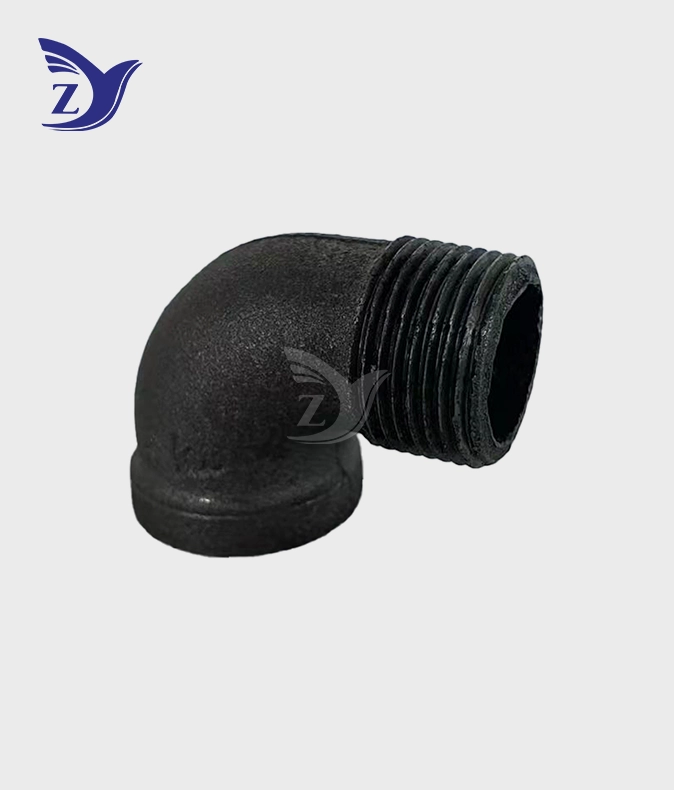
NPT Black Square Face Male-Female 90° Elbow Pipe Fittings
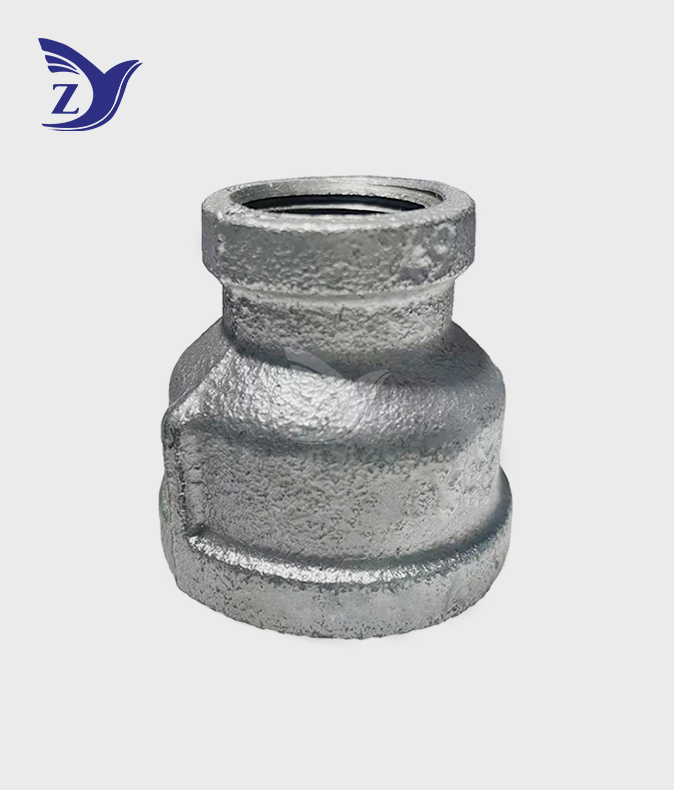
BSPT Square Face Galvanized Square Edge Reducing Coupling Pipe Fittings
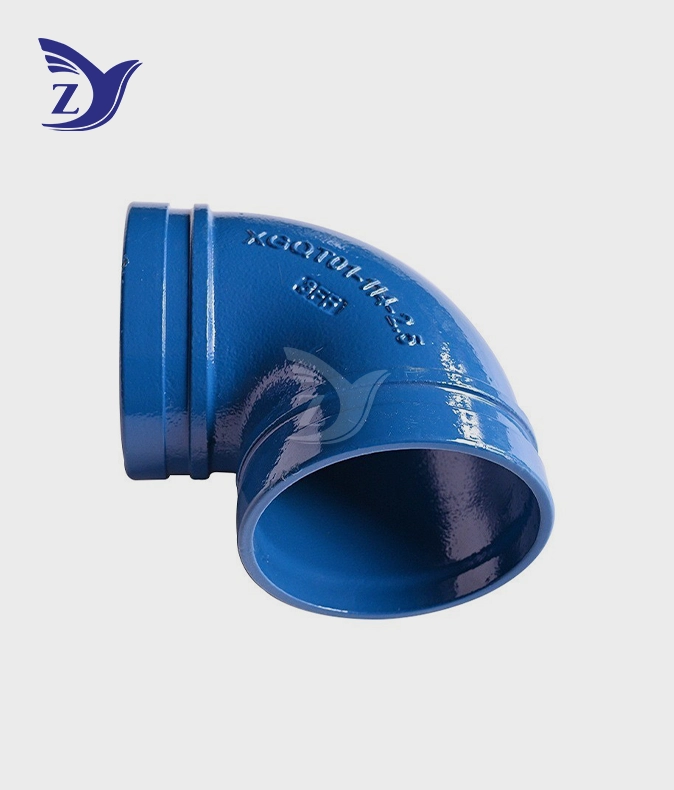
Water Grooved 90° Elbow
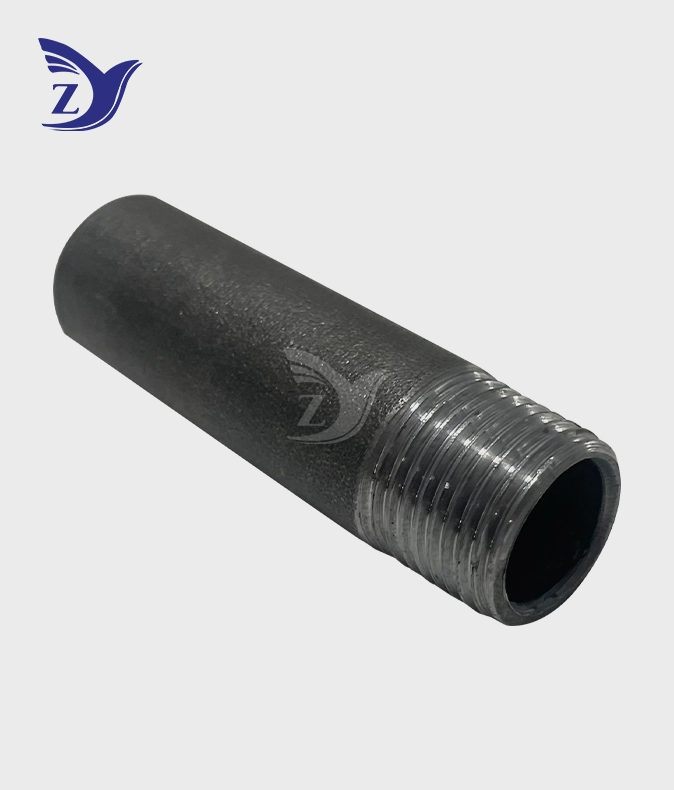
Carbon Steel Pipe Male Threaded Fittings Sand Blasted
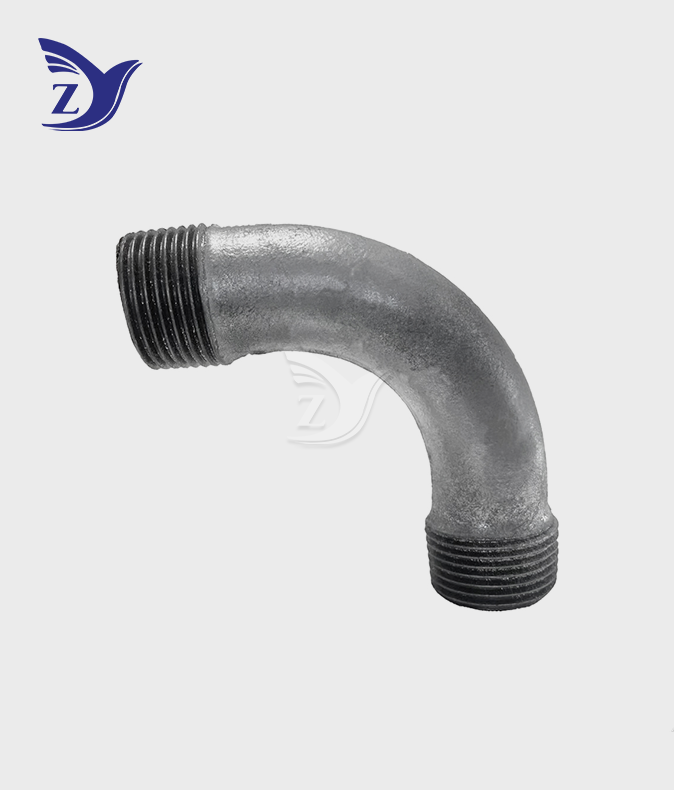
BSPT Round Face Galvanized Round Edge 90° Elbow Pipe Fittings
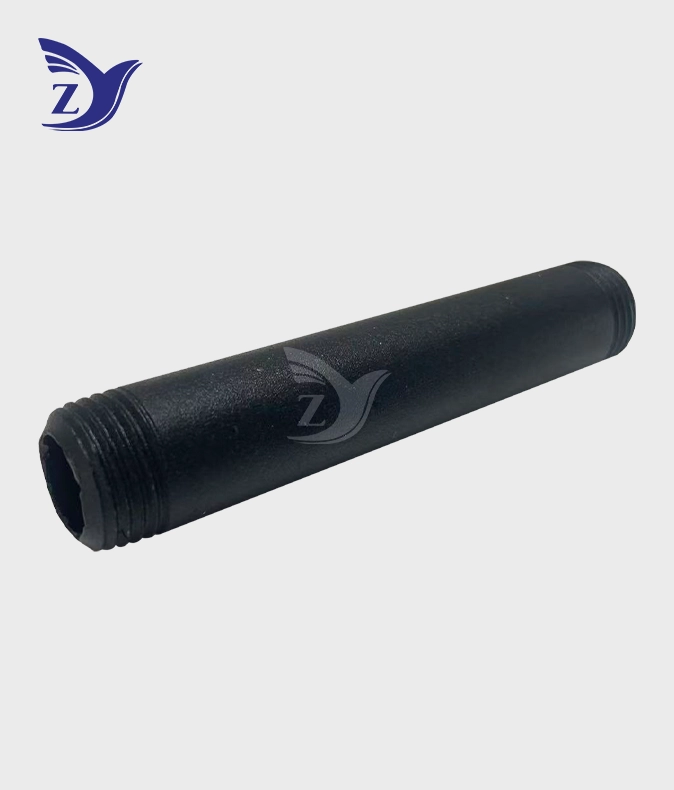
Carbon Steel Pipe Male Threaded Fittings Black Oxide Treated
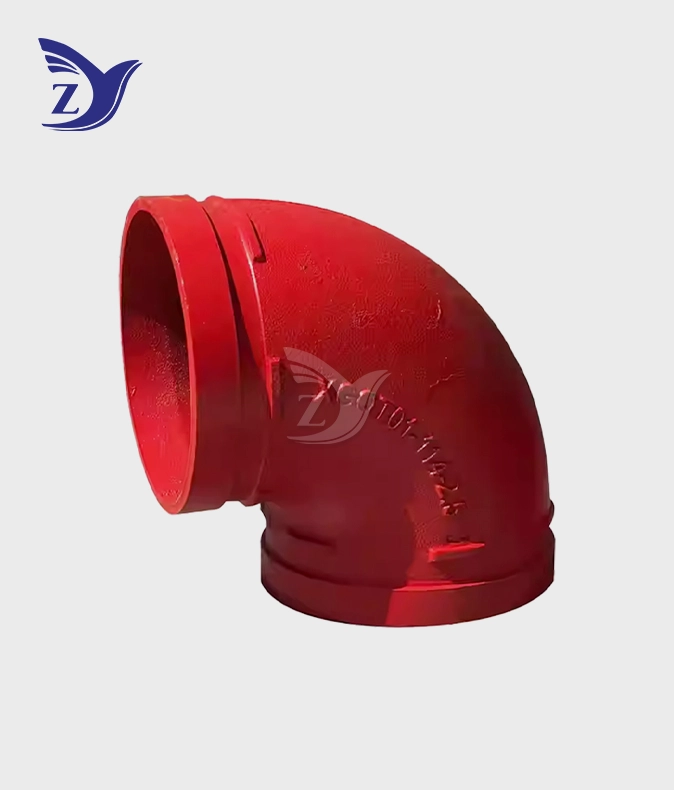
Fire Grooved 90° Elbow
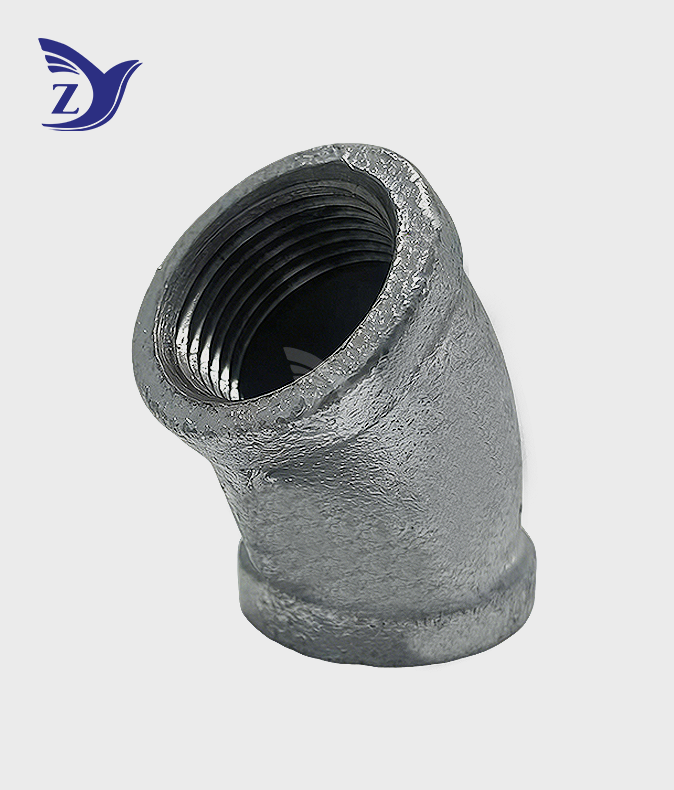
NPT Square Face Galvanized 45° Square Edge Elbow Pipe Fittings