
Jun 5, 2026
What are the standards for 90 degree elbows?
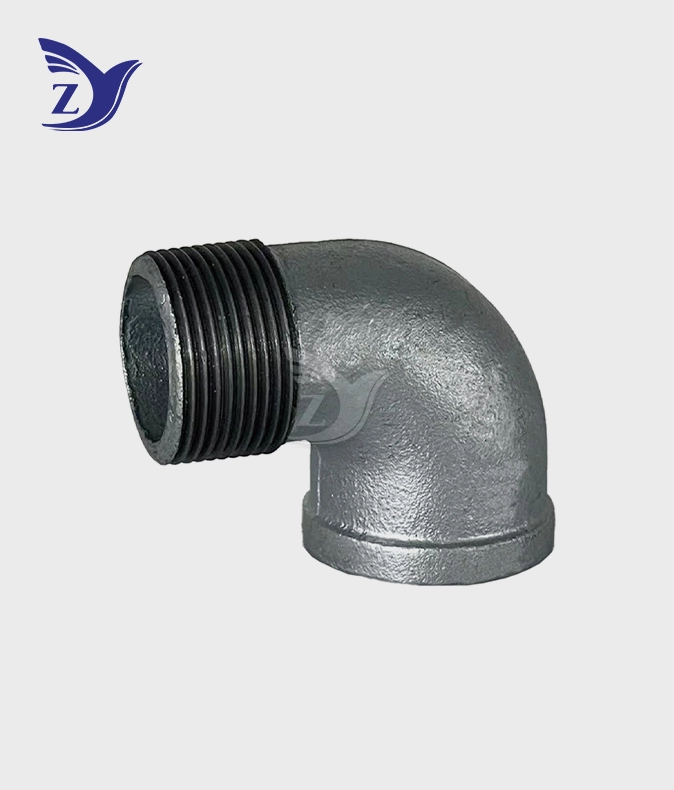
Understanding the technical rules for 90-degree elbows is important for projects that involve selecting pipe fittings for industrial water systems, fire protection networks, or HVAC installs. Standards for 90-degree pipe bends make sure that safety, quality, and accuracy of measurements are the same all over the world's supply systems. These rules cover everything, from the shape of the threads to the make-up of the material. They pay special attention to tapered thread fittings like the hot-dip galvanized round edge BSPT 90° elbow. Standardization groups like ISO 7/1, ASME B16.3, BS EN 10242, and ASTM A197 spell out exact standards for thread angles, zinc covering thickness, tensile strength, and pressure ratings. Engineers and procurement teams can choose parts that work well with current infrastructure and meet regulations in areas like fire suppression, local water supply, and petrochemicals when they understand these frameworks.
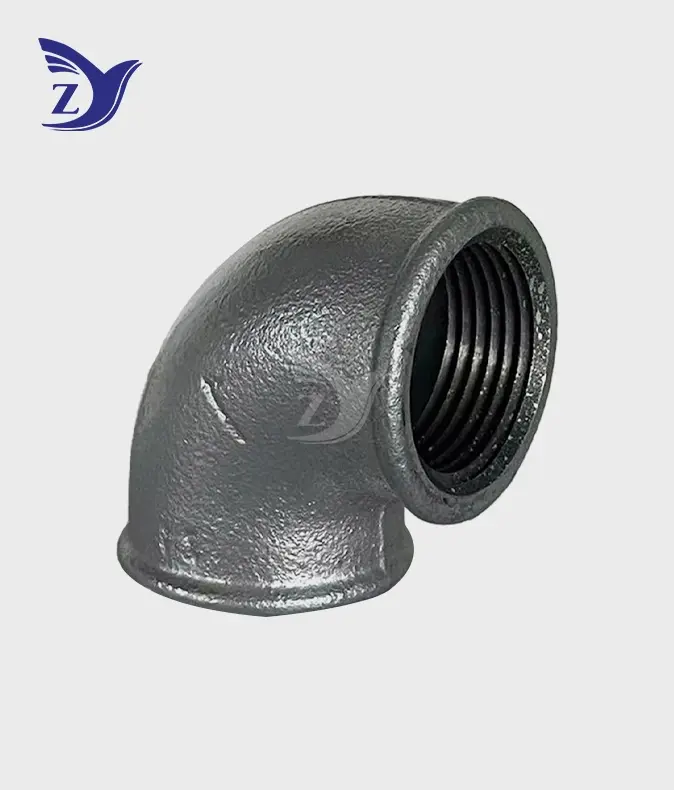
Understanding Standards for 90 Degree Elbows
International Standards Framework
Global pipe fitting standards give buyers and producers a common language to use. In many situations, ISO 7/1 defines British Standard Pipe Taper (BSPT) threads with a 1:16 taper ratio and a 55-degree angle. These threads ensure metal-to-metal fitting without the need for extra compounds. In North America, ASME B16.3 sets the standards for malleable iron threaded fittings. It says that Class 150 pressure rates are good for 150 psi full steam and up to 300 psi for water, oil, and gas at room temperature. European markets use BS EN 10242 and DIN standards, which are very similar to ISO guidelines but have extra requirements for corrosion protection that are unique to that area.
These rules cover important technical details. Accurate thread size to within 0.1 mm stops cross-threading and leaks. Specifications for wall thickness make sure that the structure stays strong when temperatures change from -20°F to 150°F. The hot-dip galvanization process follows ASTM A153, which requires a zinc covering mass of at least 500g/m² (about 70 microns), which is much higher than electro-galvanized options. Knowing these details helps buyers make sure that a dual-threaded 90° pipe redirection fitting will work successfully in a range of situations.
BSPT vs. NPT Thread Standards
Failures during assembly can be avoided by knowing the difference between BSPT and NPT threads. The thread angle for BSPT is 55 degrees, which is in line with British Standard requirements. The thread angle for NPT is 60 degrees, which is in line with standards from the American National Standards Institute. Some nominal sizes, like 1/2" and 3/4", have similar pitch dimensions. However, pushing threads that aren't suitable together can damage the thread profiles and make the seal less reliable.
Both standards have a curved shape that causes interference as parts get tighter, making a mechanical contact. Even though the taper does most of the closing, BSPT threads usually need PTFE tape or anaerobic sealer to fill in tiny gaps. NPT threads work in a similar way, but because the angles are different, they connect in a slightly different way. When looking for an industrial water or gas duct fitting, it is very important to make sure that the threads will work with the current infrastructure. When standards are mixed, joints fail before they should, especially in places with a lot of shaking, like pump houses or compressor stations.
Dimensional and Material Specifications
Hot-dip galvanized round edge BSPT 90° elbow function is based on material norms. The ASTM A197 standard calls for a malleable iron makeup with a minimum tensile strength of 350 MPa and a 10% elongation. This gives the metal the flexibility to not break into weak pieces when there are installation torques or pressure surges. This is very different from gray iron, which doesn't go through the melting process that turns graphite flakes into structures with nodes. The round edge support, which is a beaded rim at threaded holes, makes the material thicker to stop bell-mouthing and hoop stress failures that happen when tapered threads create radial expansion forces when they are tightened.
Interchangeability is controlled by dimensional limits. Measures of the outer diameter must match pipe schedules (Schedule 40 or Schedule 80), and measures of the center-to-face ensure that multi-fitting systems are properly aligned. There are exact rules for thread engagement length: a shorter engagement length can lead to a partial seal, and a thread depth that is too high can cause the taper to bottom out before it reaches its ideal contact point. These rules make sure that precision-threaded parts from different approved makers work together without any problems. This cuts down on work that needs to be redone in the field and project delays.
Comparing Different Types of 90° Elbows: How to Choose the Best Fit
Material Comparison: Galvanized vs. Stainless Steel vs. Black Steel
The choice of material strikes a mix between cost and function over time. The best middle ground is hot-dipped galvanized malleable iron, which is both cheap and very resistant to rust in most commercial settings. The zinc covering doesn't cost much more than raw iron and protects just as well as stainless steel in many situations. Galvanized fittings are about 40–60% less expensive than stainless steel ones, and they don't rust like black steel does when it's wet or outside.
Stainless steel fittings, usually 304 or 316 types, are better at resisting chemicals in places that are very corrosive, like naval settings or food processing plants, where zinc contact with acidic products is a problem. Because they are more expensive (often twice or three times as much as galvanized parts), steel can only be used when galvanization doesn't work. If black steel fittings (ungalvanized malleable iron) are used indoors in dry places, like compressed air systems in climate-controlled workplaces, they work fine. But if they get wet, they need to be painted or protected in some other way.
Lifecycle cost study shows worth that was not obvious. A hot-dip galvanized round edge BSPT 90° elbow could last 25 to 30 years in normal outdoor water service before it needs to be replaced. On the other hand, black steel fittings usually need to be replaced every 5 to 10 years because the threads and scales on them wear down. Maintenance costs, like work, downtime, and new parts, often go over the money saved at first by picking options that don't last as long. This fact of the economy affects the choices made about specifications in public projects and factories where keeping operations running smoothly is very important.
Sourcing from Reputable Manufacturers
The choice of manufacturer has a direct effect on the quality of the product and the results of the project. Certified makers have strict quality control measures in place. They test important factors such as the correctness of the thread gauge, the tensile strength, and the thickness of the zinc coating on statistically significant sample amounts. ISO 9001 certification shows that quality management systems are in place, and product-specific certifications like UL, FM, and CE show that the product meets regional safety standards.
When projects need a lot of things or need them quickly, production ability is important. Manufacturers who have dedicated galvanizing facilities and various casting lines can fill large orders without sacrificing quality by working too quickly. When projects need non-standard shapes, special threading, or different pressure levels, the ability to customize becomes very important. Suppliers that offer ODM/OEM services work together with engineering teams to create fittings that solve specific installation problems. This is a service that original equipment makers (OEMs) really value when they need to combine pipe systems into bigger units.
Procurement Guide for Hot-Dip Galvanized BSPT 90° Elbows
Understanding Pricing Factors
Fitting prices are affected by a number of factors. The prices of raw materials change with the world markets for malleable iron. They usually make up 40 to 50 percent of the cost of the end product. Zinc prices affect the cost of galvanizing, but the coating only makes up a small part of the total cost (10–15%) compared to the base material and processing. The level of difficulty in making a fitting depends on its size: bigger elbows need more annealing processes that use a lot of energy and material, while smaller fittings with complicated threads need precise cutting that requires more work.
Order number gives you a lot of power over prices. When manufacturers get a lot of orders, they can take advantage of economies of scale to lower the cost per unit. They can do this by planning production better and setting up less often. Buyers who buy by the container load often get savings of 15 to 25 percent off of small-lot prices. Payment terms also have an effect on prices. For example, advance payments or permanent letters of credit lower the risk for the seller, which can lead to small price cuts. Strategic buyers get to know producers and get better prices by consistently placing large orders and buying in the same way every time.
Certifications and Quality Assurance
Important approvals show that a hot-dip galvanized round edge BSPT 90° elbow is suitable for its intended use. ISO 9001 certification shows that quality management is done in a planned way, and ASTM A197 compliance shows that the features of the material meet basic standards for strength and ductility. As part of its approval process, ASTM A153 checks the thickness and adhesive of galvanizing according to standard testing procedures. Application-specific certifications are very important. For example, UL and FM lists show that fittings meet standards for fire protection equipment, which is necessary for projects that need permission from the authority having jurisdiction (AHJ).
Protocols for testing give people trust in the uniformity of the product. Reputable makers use thread gauges and coordinate measuring tools to check the sizes of their products. They also test the tensile strength of material samples from each casting lot and use magnetic induction or X-ray fluorescence to measure the thickness of the coating. Third-party inspection services provide independent confirmation, which is especially useful for big projects where following the specifications has a direct effect on the contractor's responsibility and the project's insurance coverage.
Conclusion
To choose the correct 90-degree elbow, you need to know how international standards, the material's features, and the needs of your particular application all work together. Standards like ISO 7/1, ASME B16.3, and ASTM A197 make sure that measurements are always the same and that materials are reliable. Knowing the difference between BSPT and NPT threading also keeps you from making mistakes that cost a lot of money. Hot-dip galvanized round edge BSPT 90° elbows are great for fire protection systems, city infrastructure, and industrial process lines because they are very resistant to rust and strengthen structures. Comparing different materials shows that galvanized malleable iron has the best lifecycle value for most uses, combining high cost at first with years of solid service. Partnering with certified makers who keep strict quality control, enough production capacity, and full logistics skills to deliver goods that meet exact project specs is key to successful procurement.
FQA
How do I measure a BSPT 90° elbow correctly?
The nominal pipe size, not the real measurements, is used to measure BSPT fittings. A "1-inch" BSPT elbow fits conventional 1-inch pipe, but the thread width is not the same size. Check the 55-degree angle with a thread pitch tool and look at the manufacturer's instructions for center-to-face measurements. When properly tightened, the thread contact length should let three to five full threads be seen past the female hole. This will ensure the best seal without over-torquing.
Can BSPT and NPT fittings be connected?
Even though they look identical at some sizes, connecting BSPT (55-degree angle) and NPT (60-degree angle) threads is not a good idea. The difference in angles hurts the thread profiles and makes the seals less reliable, so they can leak when there is pressure or shaking. When working on projects that use threads of different sizes, make sure that the adapter parts have the right threads on both ends to keep the seals intact and the system working properly.
What advantages does hot-dip galvanizing provide?
The covering width of hot-dip galvanizing is usually more than 70 microns, which is 5–10 times greater than that of electro-galvanizing. It forms a metallurgical zinc–iron alloy link. This keeps the iron below from rusting for decades in both outdoor and indoor settings thanks to cathodic protection—zinc rusts to protect the iron below. The process follows ASTM A153 guidelines, which guarantees uniform quality across production groups and longer life than parts that are painted or not galvanized.
Partner with Zhiyuan Malleable Steel for Reliable Pipeline Solutions
When we make a hot-dip galvanized round edge BSPT 90° elbow, Zhiyuan Malleable Steel adds 26 years of experience in casting and manufacturing to the job. Our factory in Taigu District follows strict ISO 9001 quality management and uses eight medium-frequency electric ovens and energy-efficient annealing systems to keep the exact features of the materials we work with. We sell to fire protection companies, local planning firms, and industry procurement teams all over the world. Our annual production capacity is 30,000 tons, and we offer more than 1,000 different product specifications. Our wide range of certifications includes CE, UL, and FM approvals, which make sure that your projects meet all the rules quickly.
We have been making hot-dip galvanized round edge BSPT 90° elbows for a long time, so we keep a lot of stock on hand so we can ship regular goods within two hours of receiving an order. Our ODM/OEM services give you focused engineering support for your unique needs, and our quality assurance program will replace any broken goods without asking you to. You can email our team at q1236800000@gmail.com to talk about your pipeline fitting needs, get technical specs, or set up visits to the plant. You can look through our full list of products at zymalleablepipefitting.com and learn why top builders choose Zhiyuan Malleable Steel for projects that need unwavering quality and a steady supply.
References
- American Society of Mechanical Engineers. (2021). ASME B16.3: Malleable Iron Threaded Fittings – Classes 150 and 300. New York: ASME Press.
- ASTM International. (2020). ASTM A197/A197M: Standard Specification for Cupola Malleable Iron. West Conshohocken: ASTM International.
- ASTM International. (2019). ASTM A153/A153M: Standard Specification for Zinc Coating (Hot-Dip) on Iron and Steel Hardware. West Conshohocken: ASTM International.
- British Standards Institution. (2018). BS EN 10242: Threaded Pipe Fittings in Malleable Cast Iron. London: BSI Standards Publication.
- International Organization for Standardization. (2017). ISO 7-1: Pipe Threads Where Pressure-Tight Joints are Made on the Threads – Part 1: Dimensions, Tolerances and Designation. Geneva: ISO.
- National Fire Protection Association. (2022). NFPA 13: Standard for the Installation of Sprinkler Systems. Quincy: NFPA Publications.
Online Message
YOU MAY LIKE
High quality furniture manufacturer
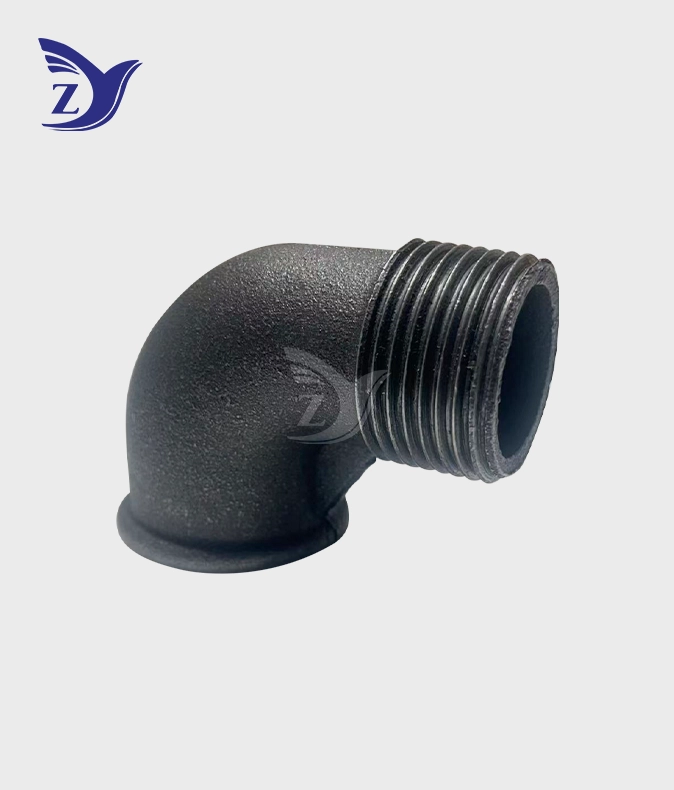
NPT Black Round Face Male-Female 90° Elbow Pipe Fittings
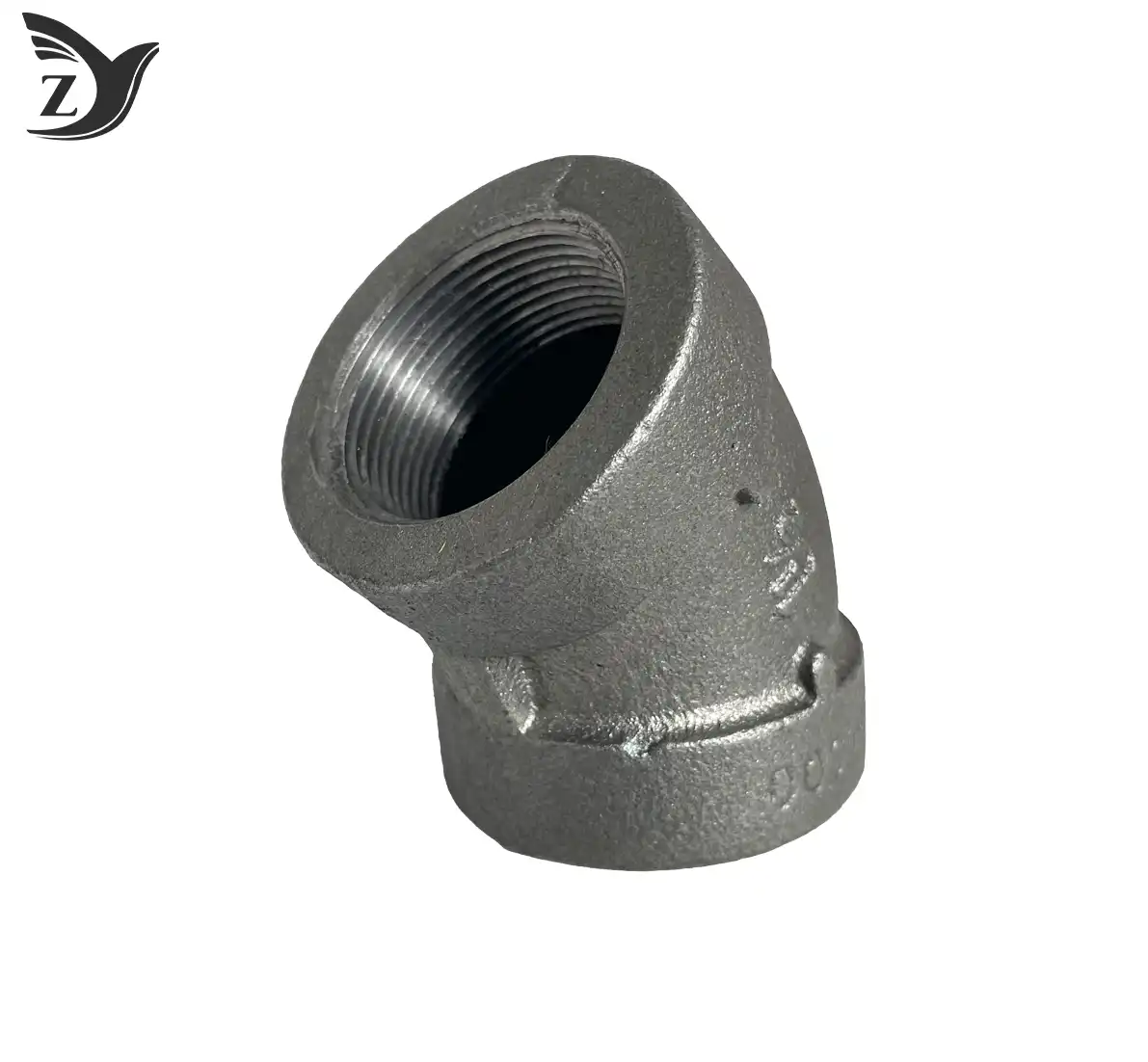
300LB Black Malleable Iron 45 Degree Threaded Elbow Pipe Fittings
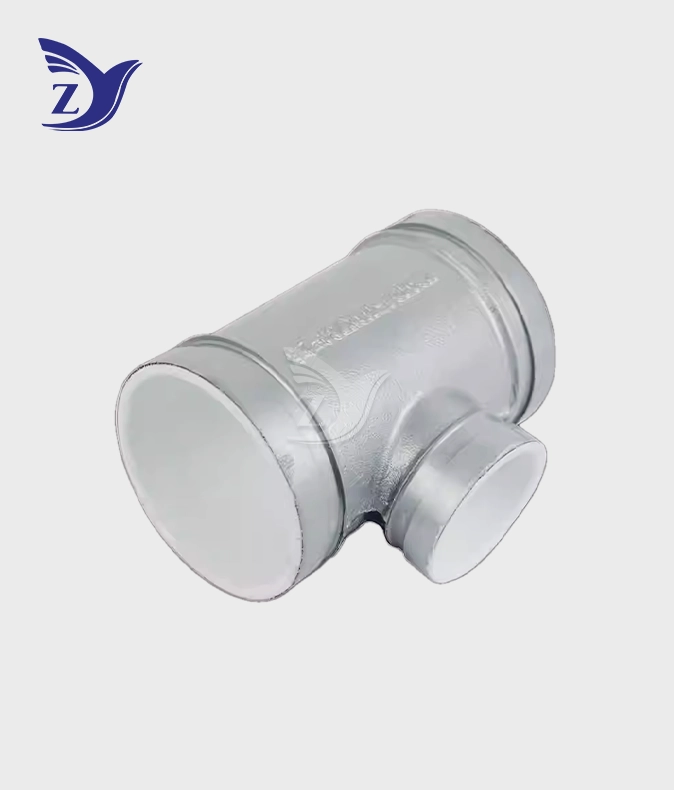
Water Grooved Reducing Tee
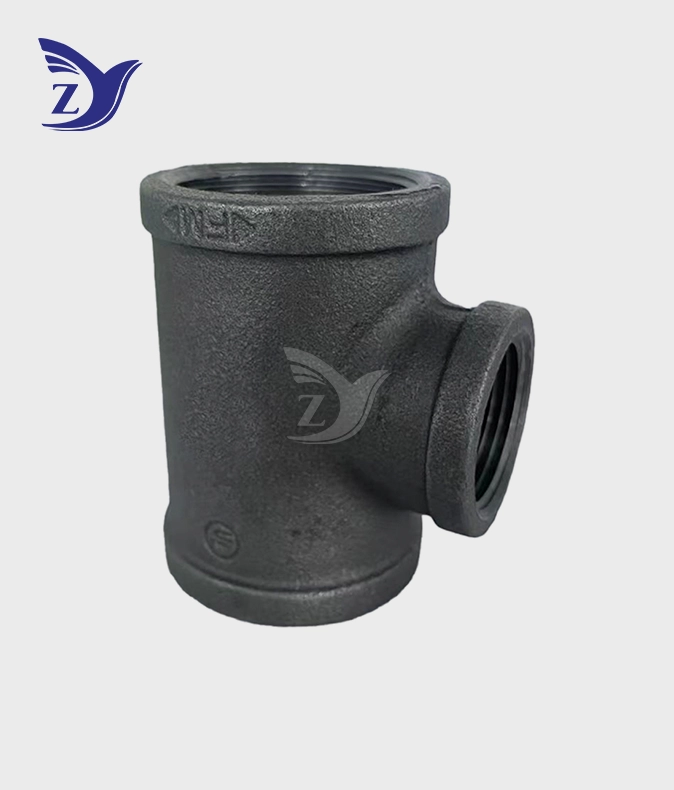
NPT Black Square Face Reducing Tee Pipe Fittings
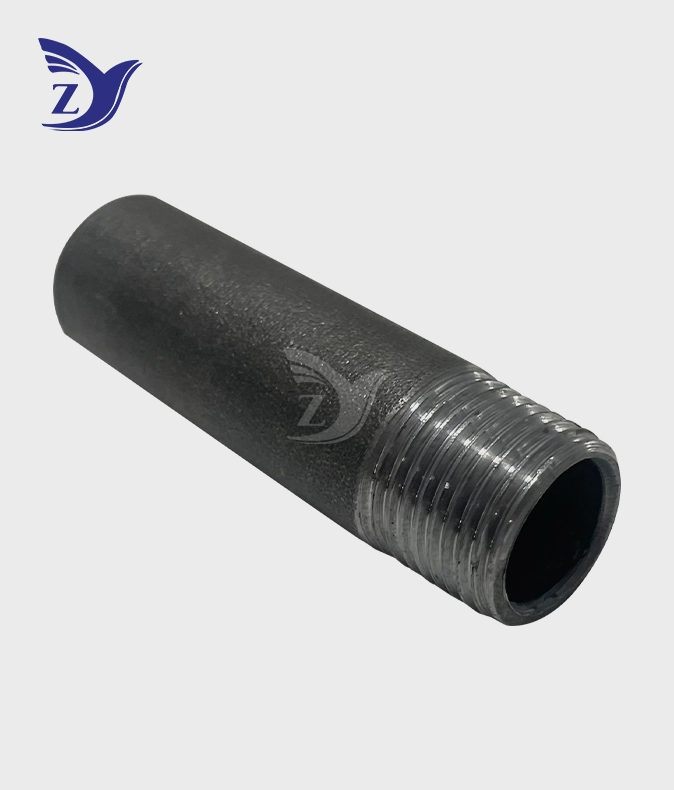
Carbon Steel Pipe Male Threaded Fittings Sand Blasted
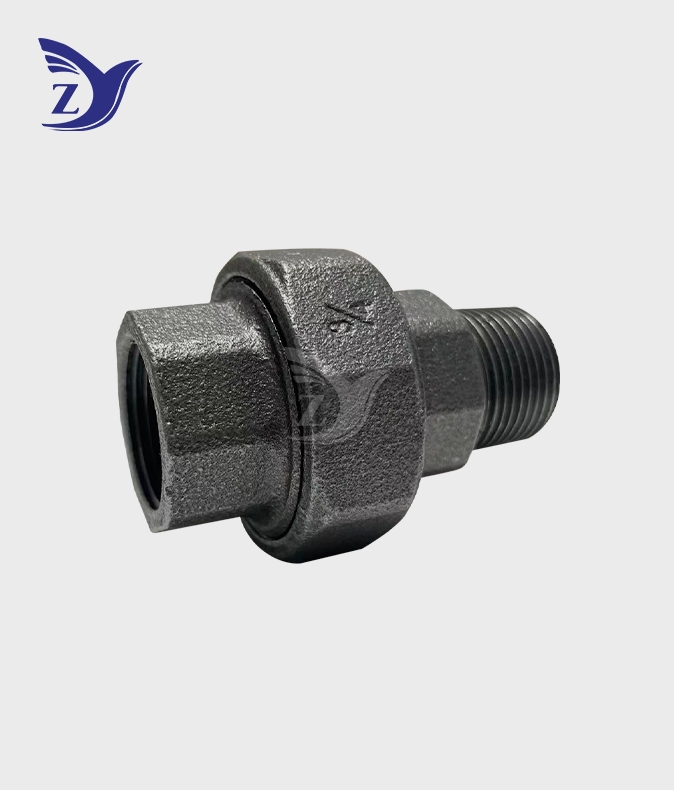
NPT Black Male-Female Union 331 Pipe Fittings
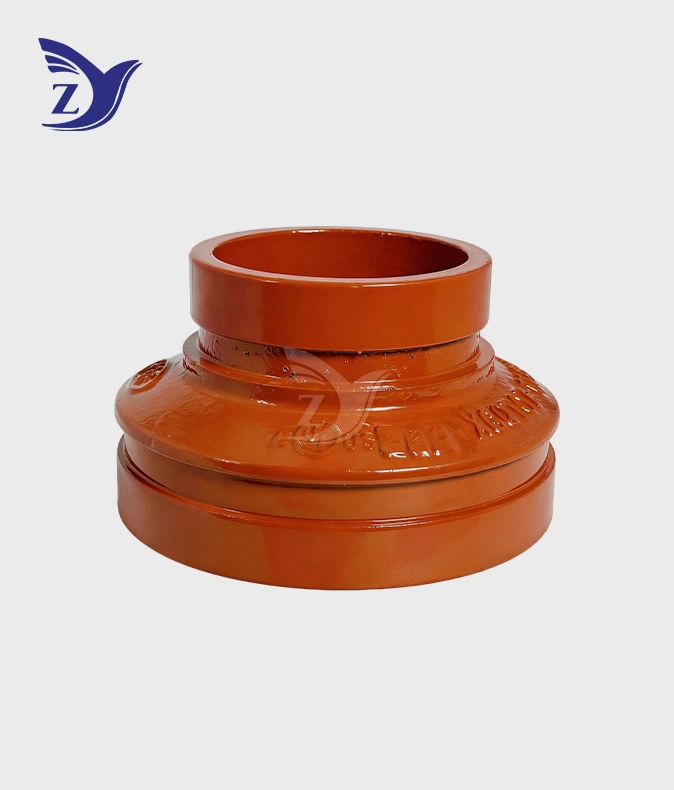
Fire Grooved Reducer
NPT Square Face Galvanized 90° Male Female Threaded Elbow Pipe Fittings