
Apr 23, 2026
What are the different types of reducing coupling?
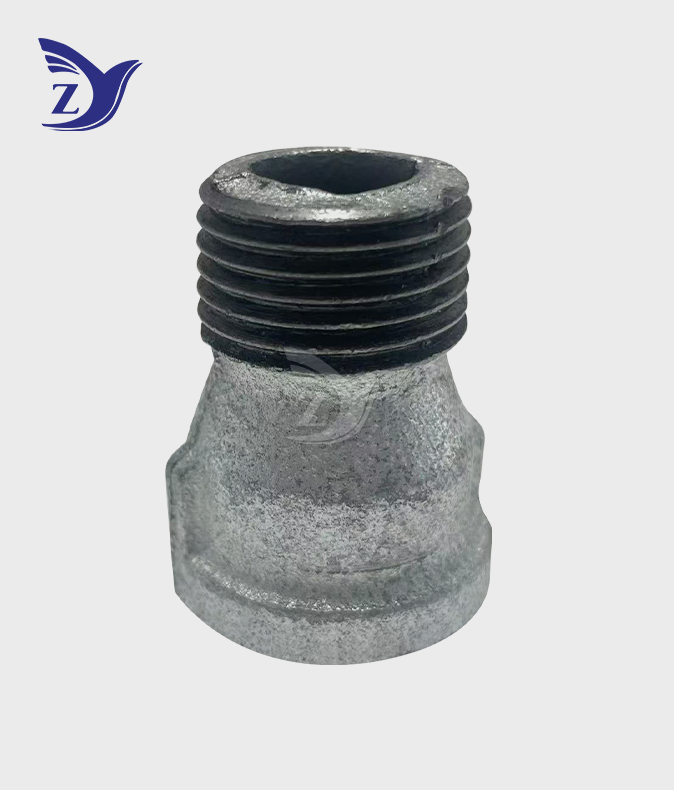
Essential pipe fittings for connecting pipes of various sizes in industrial piping systems are round face galvanized round edge reducing coupling pipe fittings. Among these multipurpose parts are threaded reducers for gas and water pipes, round-edge adapters for NPT and BSPT, and malleable iron fittings that have been hot-dipped galvanized. Popular varieties include anti-rust reducers with high strength, corrosion-proof diameter converters, and industrial-grade pipe joiners. Reliable diameter transitions that preserve system integrity and pressure ratings are provided by each version, which serves specialized applications such as municipal water supply networks and fire protection systems.
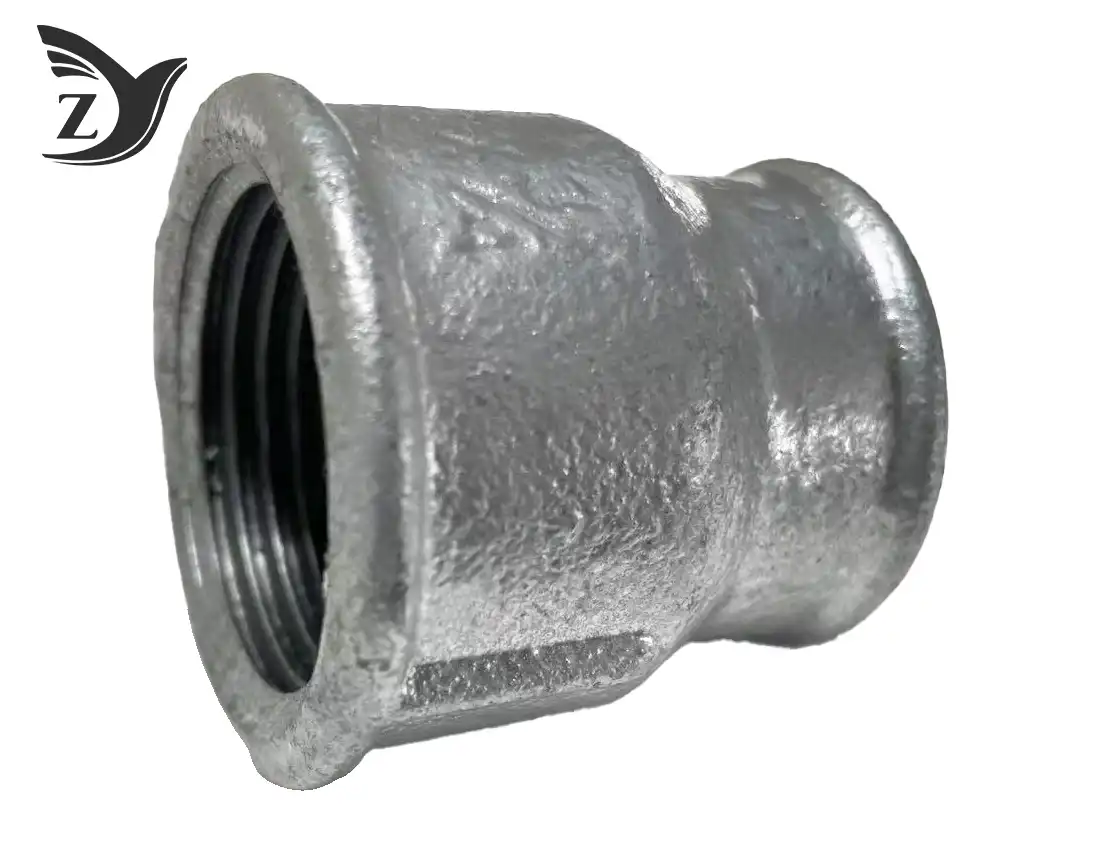
Understanding Reducing Coupling – An Essential Component in Piping Systems
Parts that allow pipes of different sizes to join without a hitch are vital to industrial piping systems. The seamless transition is made possible with the help of round face galvanized round edge reducing coupling pipe fittings, which are essential for their structural integrity and leak-proof performance. To allow for a variety of pipe diameters to be accommodated inside a single junction, these specialist components provide mechanical connections or internal threading.
Operational Principles and Core Functionality
Concentric or eccentric configurations are the building blocks of pipe diameter reducers, which direct fluid flow from larger to smaller pipe sections. Threaded reducers are designed to prevent leakage under pressure by using precision-machined NPT or BSPT threads to generate interference fits. Round edges reduce pressure loss and turbulence, two factors that are critical in high-flow applications like industrial process systems and municipal water distribution.
There are a number of important technical concerns that round face galvanized reduction coupling pipe fittings solve. Removable connections increase system flexibility and drastically reduce installation time as compared to welded options. Coatings that are hot-dipped galvanized provide exceptional resistance to corrosion, which means they last longer even in extreme conditions like those found in chemical plants and outdoor structures.
Advantages in Industrial Applications
Compared to more conventional ways of pipe diameter reduction, transition fittings for water and gas pipelines have many advantages. Simplified procurement and maintenance procedures are achieved by the standardization of threading, which guarantees compatibility across various manufacturers. The flexibility and high tensile strength that come from malleable iron are preserved even when subjected to thermal expansion cycles.
Reducing pipe joiners actively handle changes in diameter while maintaining flow characteristics, in contrast to adapters that only switch connection types. Because of the critical need of keeping pressure losses to a minimum in HVAC systems in order to meet efficiency requirements, this difference takes on further significance.
Types of Reducing Coupling – Dimensional and Material Perspectives
Having a thorough grasp of the material qualities and dimensional criteria is crucial when choosing the right pipe fittings. To get the most out of them and keep them going for a long time, industrial applications need exact matching of coupling types and operating needs.
Material Classifications and Performance Characteristics
The industry standard for demanding applications is high-strength anti-rust malleable reducers. Grain structure and mechanical qualities are improved by subjecting these components to specific heat treatment techniques. The sacrificial zinc coatings on hot-dipped galvanized precision-threaded iron provide it great corrosion resistance and allow it to self-heal small scratches and surface damage.
When it comes to applications involving food processing and pharmaceuticals, where the protection of contamination is of the utmost importance, stainless steel varieties shine. Brass is a great material for instrumentation connections and heating systems because it is highly machinable and has excellent thermal conductivity. When it comes to common water supply applications, carbon steel fittings are a cost-effective and durable choice.
Dimensional Standards and Compatibility
Worldwide compatibility is guaranteed by NPT/BSPT round face galvanized round edge reducing coupling pipe fittings, which comply to globally recognized threading standards. Dimensional tolerances, thread pitch, and engagement lengths are regulated by ISO and ANSI standards to ensure that various manufacturers' products are compatible and do not leak.
Usually, you may find decreasing ratios available in standard increments, and the size range is anything from 1/8 inch to 6 inches. When generic solutions fall short in niche contexts, custom configurations step in to fill the void. Its pressure ratings range from 150 PSI for low-pressure uses to 6,000 PSI for industrial procedures that need high pressure.
Comparison of Popular Reducing Coupling Variants – Making Informed Choices
Various varieties of round face galvanized round edge reducing coupling pipe fittings may be compared in depth to help with industrial procurement choices. To choose the best choice for each application, it's important to understand the performance characteristics, installation requirements, and cost consequences.
Threaded versus Welded Configurations
Unlike their welded counterparts, threaded reducers allow for field modifications and are removable. Standard pipe wrenches and thread sealant are all that's needed for installation, which means labor expenses and specialist equipment needs are also reduced. Vibration and temperature cycling, however, may cause threaded connections to loosen.
Permanent connections with increased pressure capacity and vibration resistance are provided by welded fittings. In high-pressure steam systems and crucial safety applications, these alternatives are necessary since a connection failure might have disastrous implications. Welding and possible heat treatment procedures drive up installation expenses.
Seamless versus Welded Construction
The weld seams that may cause pipe fittings to fail are eliminated with seamless pipe fittings. Components with a continuous grain structure are manufactured by means of forging or machining from solid bar material. Whenever weld integrity might be a limiting factor in performance, such as in high-pressure applications or corrosive conditions, these fittings shine.
In addition to being cost-effective for common applications, welded fabrication allows for complicated geometries and unique combinations. Weld penetration and strength must match or beyond the standards of the base material, which is why quality control methods are in place.
How to Choose the Best Reducing Coupling for Your Industrial Application?
Performance optimization and cost minimization in the long run are achieved by application-specific selection criteria. Procurement experts rely on thorough assessment frameworks to guide their decision-making.
Technical Selection Criteria
As a general rule, pressure rating requirements should take both typical operation and possible surge circumstances into consideration. Depending on the criticality of the application and the properties of the fluid, safety factors might vary from 2:1 to 4:1. Operating ranges and possible excursions during system disturbances are both factors to consider when it comes to temperature.
The selection of materials for certain fluids becomes critically dependent on their chemical compatibility. Stainless steel fittings are resistant to most industrial chemicals, but galvanized ones may not hold up in acidic environments. Safety accidents and premature failure may be avoided by consulting compatibility charts.
Supplier Evaluation and Procurement Strategies
Quality certifications for round face galvanized round edge reducing coupling pipe fittings, such as ISO 9001, and industry-specific approvals, such as UL or FM listings, are maintained by reliable manufacturers. Assuring the reliability of production methods and quality control procedures, these certificates serve as proof. For mission-critical applications where delays in delivery might derail projects, a reliable supply chain is of the utmost importance.
Consistent quality across several installations and substantial cost savings are common outcomes of bulk purchase agreements. Specialized combinations that aren't possible with stock catalog items may be accommodated by custom machining. When you build connections with suppliers over time, you may take advantage of their technical help and faster delivery times for those unexpected demands.
Conclusion
From simple water distribution systems to intricate chemical processing networks, a wide variety of reducing couplings are now on the market to meet the needs of industrial pipework. One such kind is round face galvanized round edge reducing coupling pipe fittings. Depending on the application's criteria, such as pressure, temperature, and chemical compatibility, specialty alloys, malleable iron, or stainless steel may be used. Threaded connections and welded connectors are two examples of installation techniques that provide design freedom without sacrificing dependability. To get the most out of a fitting for its entire lifespan, it's important to use selection criteria that take technical specs, supplier credentials, and maintenance needs into account. Procurement choices that strike a balance between upfront costs and operational dependability may be made with the help of an understanding of these basic concepts.
Partner with Zhiyuan Malleable Steel for Your Reducing Coupling Requirements
Zhiyuan Malleable Steel delivers comprehensive solutions for industrial pipe fitting needs, specializing in high-quality reducing coupling manufacturing with over 26 years of industry expertise. Our extensive product line includes NPT/BSPT round-edge adapters, hot-dipped galvanized threaded reducers, and corrosion-proof diameter converters that meet international standards including ISO 9001, CE, UL, and FM certifications. As a trusted round face galvanized round edge reducing coupling pipe fittings supplier, we maintain 30,000-ton annual production capacity with same-day delivery for standard products. Contact our technical team at q1236800000@gmail.com to discuss custom specifications, bulk pricing, and OEM/ODM services tailored to your project requirements.
FAQ
What factors determine the choice between reducing couplings and standard reducers?
Reducing couplings provide removable connections ideal for maintenance access and system modifications, while standard reducers offer permanent solutions with superior pressure ratings. Applications requiring frequent disassembly favor coupling designs, whereas high-pressure or high-temperature systems typically utilize welded reducers for enhanced reliability.
How do I verify appropriate sizing and material selection for my application?
Sizing verification requires matching pipe outer diameters with coupling internal dimensions according to applicable standards (NPT, BSPT, ISO). Material selection depends on fluid compatibility, pressure requirements, and environmental conditions. Consulting manufacturer specification sheets and chemical compatibility charts ensures proper selection while avoiding premature failure modes.
What specific maintenance procedures apply to galvanized reducing couplings?
Galvanized fittings require periodic inspection for coating integrity and white rust formation. Touch-up painting or zinc-rich coatings address localized coating damage. Thread connections benefit from annual tightness verification and re-sealing if necessary. Documentation of inspection findings enables predictive maintenance scheduling and replacement planning.
References
1. American Society of Mechanical Engineers. "ASME B16.3: Malleable Iron Threaded Fittings - Classes 150 and 300." New York: ASME Press, 2018.
2. International Organization for Standardization. "ISO 49: Malleable Cast Iron Fittings Threaded to ISO 7-1." Geneva: ISO Publications, 2020.
3. Peterson, James R., and Michael K. Thompson. "Industrial Piping Systems: Design, Installation, and Maintenance." McGraw-Hill Professional Engineering Series, 2019.
4. National Fire Protection Association. "NFPA 13: Standard for the Installation of Sprinkler Systems - Pipe and Fitting Requirements." Quincy: NFPA Publications, 2022.
5. Chen, David L., and Sarah M. Rodriguez. "Corrosion Performance of Galvanized Pipe Fittings in Industrial Applications." Journal of Materials Engineering and Performance, Vol. 31, 2021.
6. British Standards Institution. "BS EN 10242: Threaded Pipe Fittings in Malleable Cast Iron." London: BSI Standards Limited, 2020.
Online Message
YOU MAY LIKE
High quality furniture manufacturer
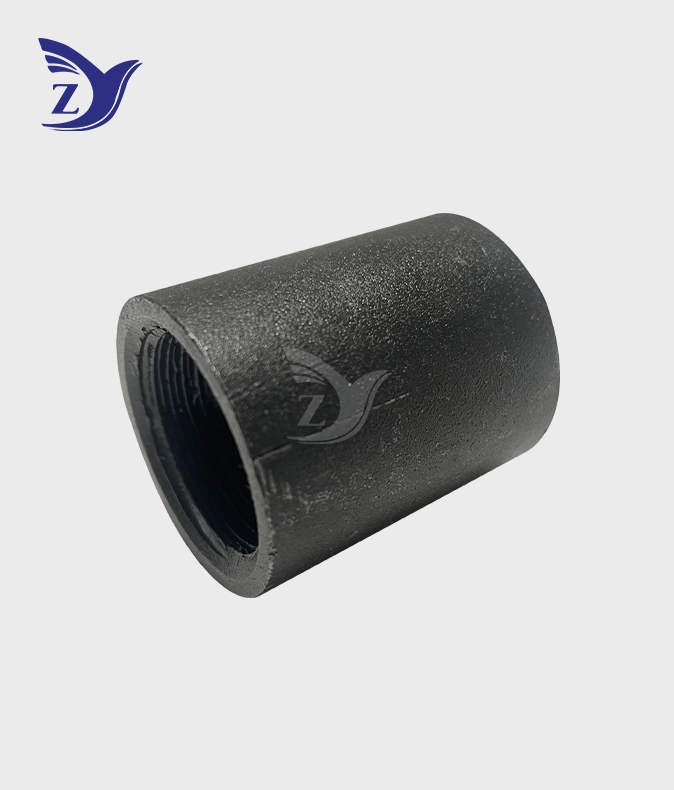
Carbon Steel Full Threaded Coupling Fittings Black Oxide Treated
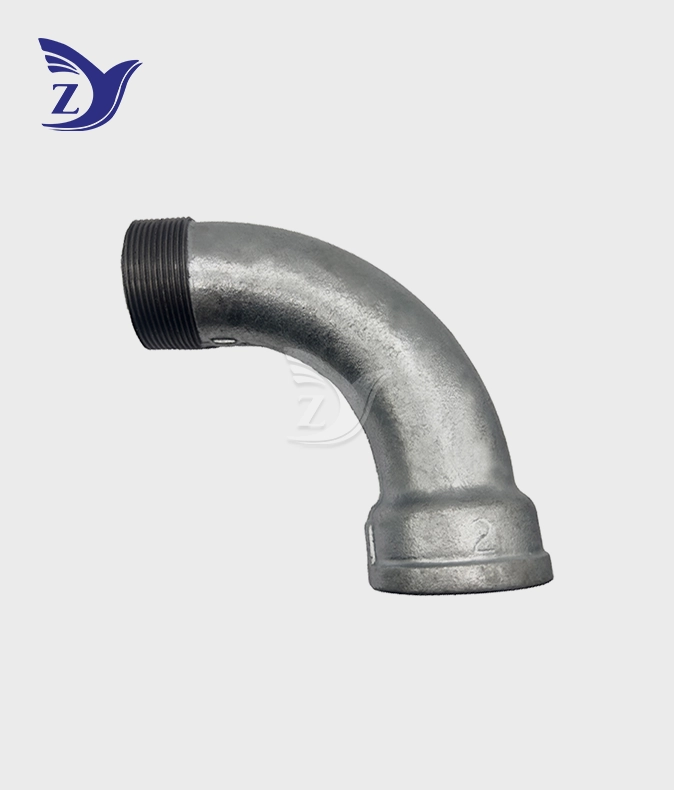
NPT Galvanized Male Female 90° Long Radius Elbow Pipe Fittings
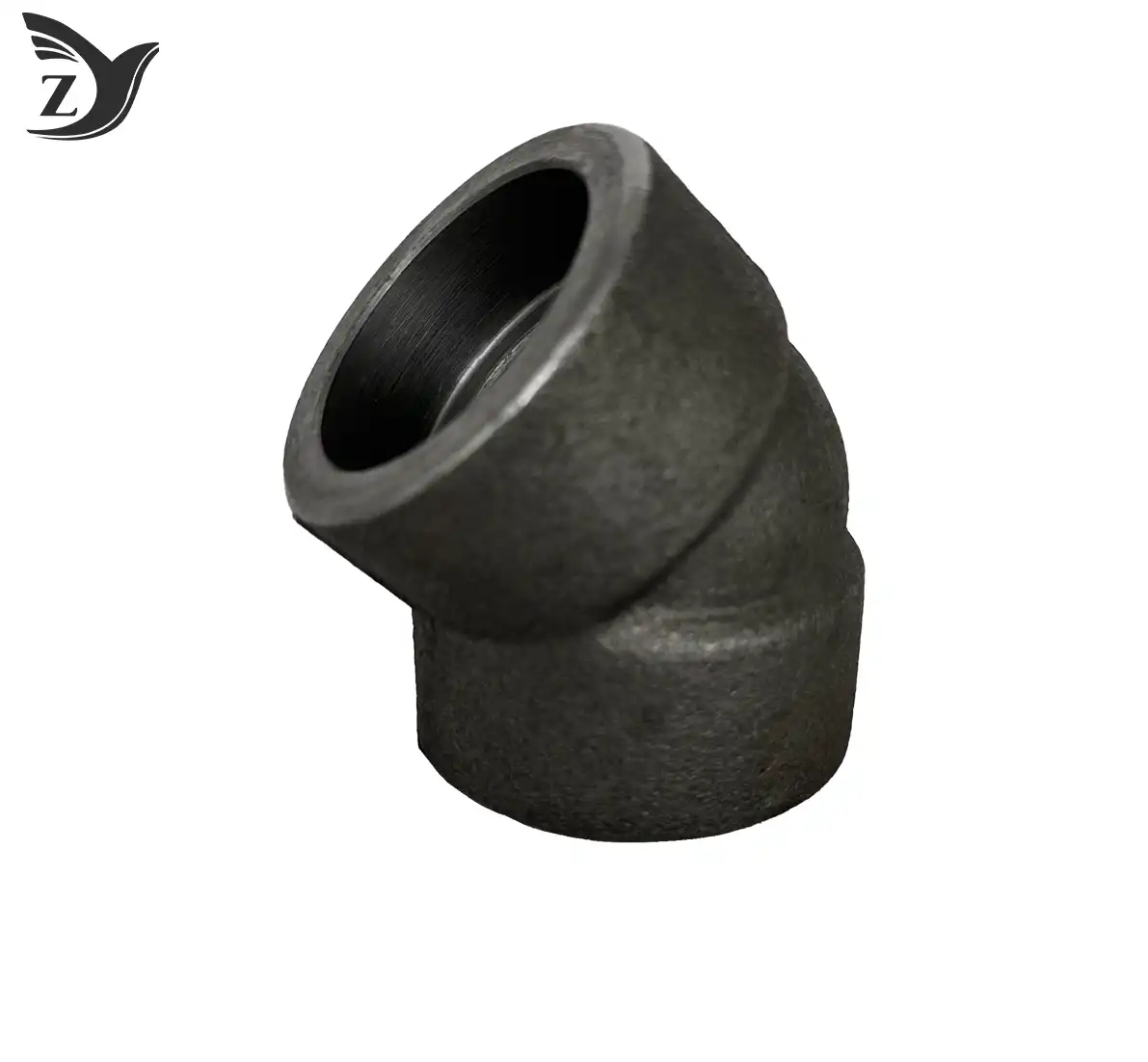
Forged Carbon Steel Socket Weld 45 Degree Elbow High Pressure Pipe Fitting
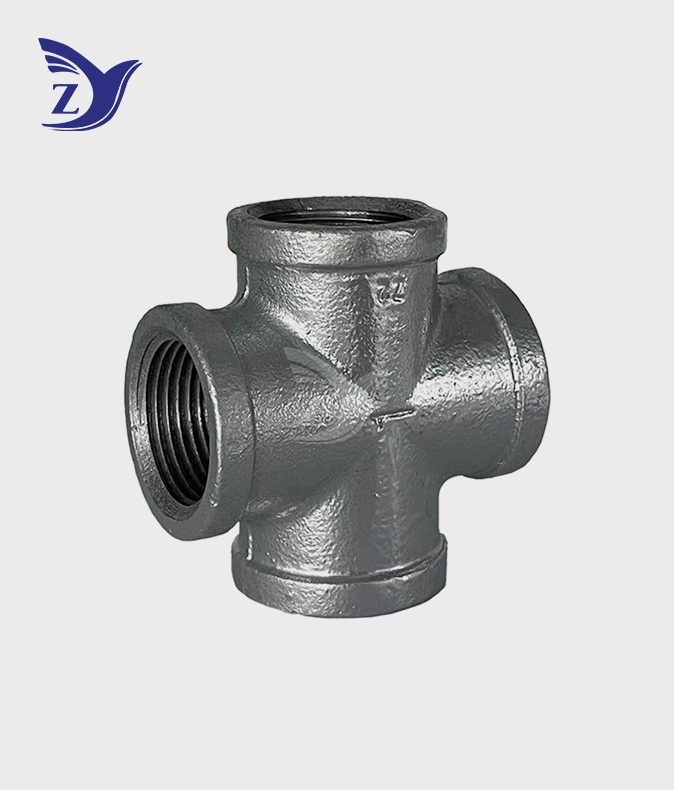
NPT Square Face Galvanized Square Edge Cross Pipe Fittings
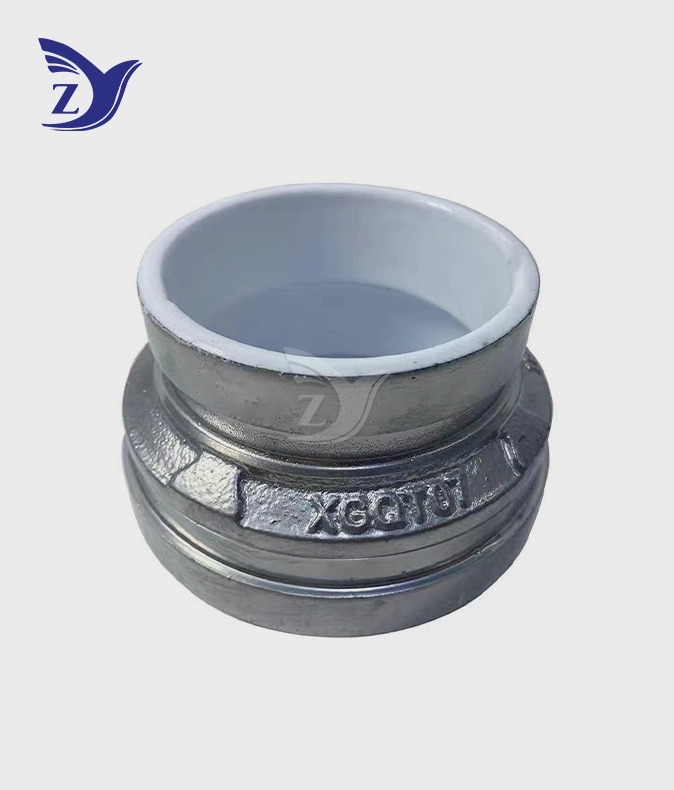
Water Grooved Reducer
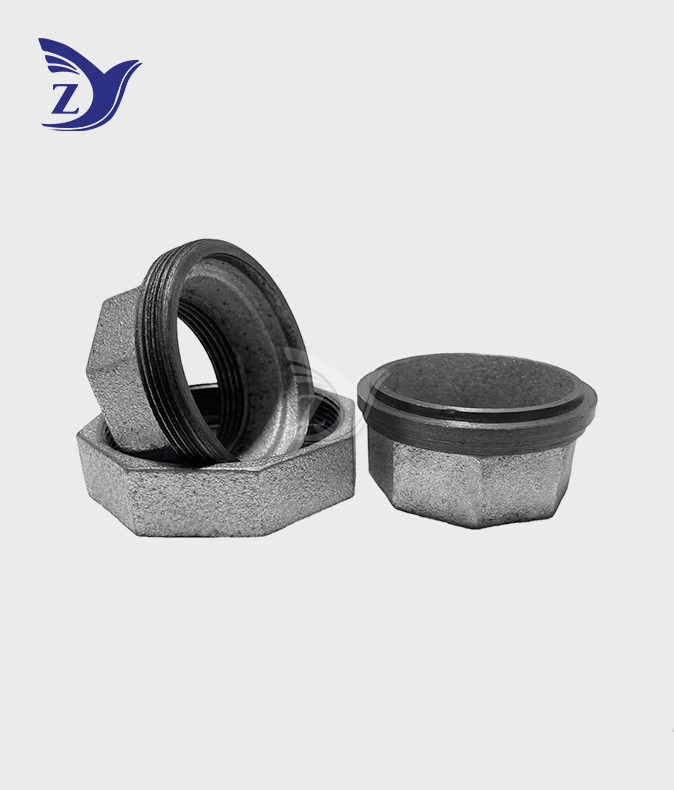
NPT Galvanized Union 330 Pipe Fittings
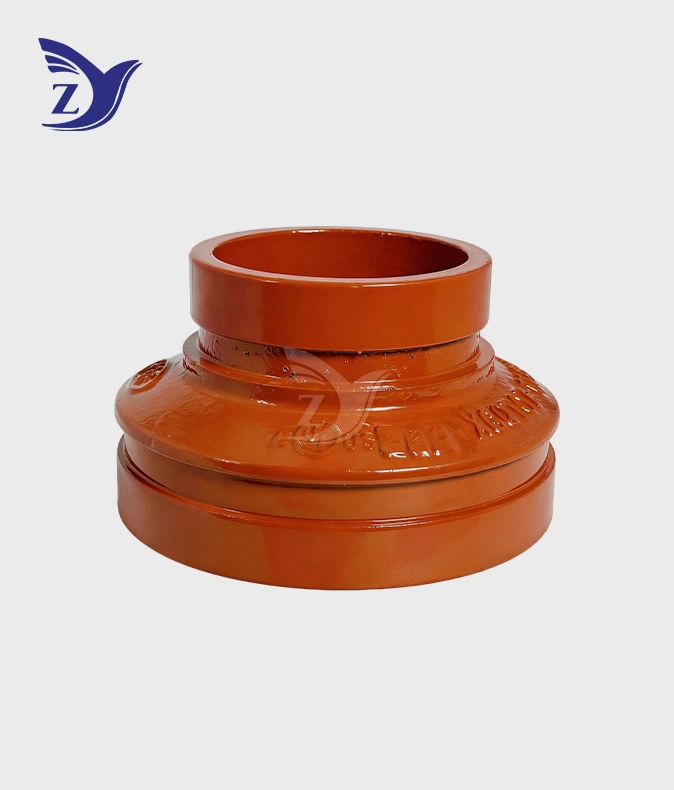
Fire Grooved Reducer
NPT Thread Square Edge Reducing Street Coupling Pipe Fittings