
May 29, 2026
What are the different types of 90 degree elbows?
It is important to know the different types of 90-degree bends when planning or updating pipe systems. Standard equal elbows keep pipe widths consistent, reducing elbows connect pipes of different sizes, and these fittings come with different edge shapes, like round, polished, and black square edge reducing 90° elbow designs. The black square edge reducing 90° elbow stands out because it has a stronger structure, works with threaded connections, and can be used in high-pressure situations in steam, gas, and industrial fluid systems.
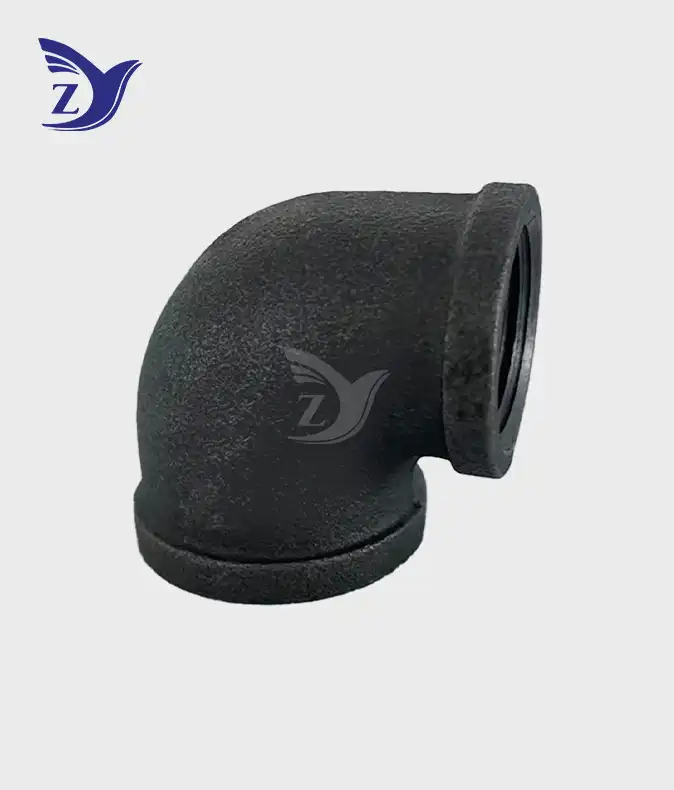
90 Degree Elbows: Types and Key Differences
The Core Function of 90 Degree Elbows
At their most basic, 90-degree bends change the flow line by 90 degrees and connect two pipes in different directions. When you consider things like flow speed, pressure drop, turbulence creation, and stress buildup at the elbow itself, this function that seems easy becomes more complicated. By using precise production and the right materials, good elbows reduce these bad effects.
Equal Versus Reducing Elbows
The main difference starts with width consistency. Equal elbows have the same size inlet and exit, which makes them perfect for changing the flow direction without changing the flow properties. Reducing elbows, on the other hand, have a change in width built into the joint itself. This design combines two parts that would normally be separate, an elbow and a reducer, into a single unit that won't leak. In retrofit jobs and tight setups where every inch of room counts, reducing configurations are very useful.
Edge Configuration Variations
The "edge" name refers to the shape of the support beads on the outside of the fitting. Round-edge elbows have a round point that helps support the structure. Because they have a chamfered shape that makes welding easier, beveled edge elbows are often used in welded pipe systems. The rectangular bead shape on square edge elbows makes them easier to tighten with a wrench and more resistant to warping during installation. This square shape better spreads the stress on the hoop when the tapered threads are tightened. This lowers the risk of cracking at the thread entry points, which is a typical way for lower-quality fittings to fail.
Material Selection Considerations
The choice of material has a big effect on how well an elbow works in a variety of situations. Because it can handle temperature growth without breaking, malleable iron is very flexible and doesn't break easily when hit. Carbon steel has a high tensile strength that makes it ideal for use under high pressures. Stainless steel is good for places that work with chemicals because it doesn't rust. Galvanized finishes add a zinc layer for outdoor use, but they can be difficult in high-temperature settings where the zinc can flake off. Black finishes, which are usually safe lacquers or oil coats, keep things from oxidizing while they're being stored or shipped. They also stay compatible with steam, natural gas, and oil products.
In-Depth Focus: Black Square Edge Reducing 90° Elbows
Technical Specifications and Standards Compliance
Black square edge reducing 90° elbows are precision-engineered parts that meet strict standards for size and metal quality. The minimum tensile strength for these parts is 40,000 psi and the minimum yield strength is 30,000 psi. They usually meet ASTM A197 standards for malleable iron molds. Dimensional design is based on ASME B16.3 standards for Class 150 threaded fittings, which means that parts from different makers can be used together. There are thread configurations in both NPT (National Pipe Taper per ASME B1.20.1) and BSPT (British Standard Pipe Taper per ISO 7-1) forms, so they can be used for projects all over the world.
The reducing shape is carefully cast to make smooth internal changes that keep pressure drop and turbulence to a minimum. Size pairs that are commonly used run from 1½" x 1" to 4" x 3". However, custom configurations can be made for specific uses. When compared to regular fits, the square edge bead adds about 15 to 20 percent more material mass to stress concentration points, which makes the structure much more stable.
Material Properties and Performance Characteristics
The black malleable iron used to make these elbows is made through a carefully controlled process that turns the white weak iron into a flexible, shock-resistant material. The change in the metal happens during annealing, when controlled heat treatment makes a ferritic or pearlitic matrix with graphite crystals that are spread out evenly. The fitting's unique mix of strength and flexibility comes from its nanostructures.
The black finish is a protective layer that is added after the casting process. It does more than just stop rust. Because it stops the zinc from flaking that happens with galvanized fittings at temperatures above 390°F, black elbows are better for use with steam. The finish also makes a smooth surface for applying thread sealer, which helps ensure reliable closing. Pressure rates usually hit Class 150 standards, which means they can handle 300 PSI for water, oil, and gas service at room temperature and 150 PSI for saturated steam service.
Application Advantages in Demanding Environments
Many different types of businesses can benefit from black square edge reducing 90° elbows because of how well they are designed. These fittings are very resistant to thermal wear in district heating systems where steam temperatures can reach over 350°F and pressure changes all the time. The black finish stops zinc from getting into the steam condensate, which keeps the nozzles from getting clogged in burners and steam traps.
The square edge shape makes the assembly less likely to shake, which is good for commercial gas delivery networks. Installers can make high-torque connections that won't come loose from mechanical vibration or heat expansion cycles thanks to the improved wrench contact. This is very important in situations where safety rules require leak-free performance over long periods of time between repair intervals.
HVAC contractors appreciate these fittings when retrofitting older buildings where space limitations and mixed imperial-metric sizing create specification challenges. The reducing capability eliminates the need for separate bushings, reducing potential leak paths and simplifying inventory management. Industrial process piping benefits from the smooth internal geometry, which minimizes erosion in slurry applications and reduces pressure drop in systems where pumping costs are significant operational expenses.
Real-World Implementation Success
Take the recent update to the steam distribution system in an industrial park as an example. The maintenance logs showed that the system kept breaking down at the places where the direction of flow changed and the pipe size changed. Standard joints with threaded reducers were used in the original installation, which made four possible leak places per junction. The engineering team turned each joint into a single fitting by selecting black square edge reducing 90° elbows. This cut down on leak points by 75% and made installation easier. The square edge design let repair workers use the right amount of pressure without damaging the threads, and the black finish got rid of the zinc contamination that was causing the control valve to stick before.
Procurement and Supplier Insights for Black Square Edge Reducing 90° Elbows
Identifying Quality Manufacturers
Decisions about where to get things have long-term effects on the success of a project and the stability of operations. Reputable black square edge reducing 90° elbow suppliers set themselves apart by having clear quality systems, products that can be tracked, and thorough testing procedures. Look for suppliers that are still ISO 9001 certified and can give you test results that show the chemical make-up and mechanical qualities of the material. When manufacturers buy mechanical testing tools and the ability to do measurement inspections, it shows that they are dedicated to consistently high quality.
When looking at sources for big projects or ongoing needs, production ability is important. Check to see if possible providers can meet the project's volume needs and deadlines without lowering the quality of the work. Lead times vary a lot from one business to the next, ranging from being able to get standard sizes in stock to taking several weeks for special configurations. Knowing how a provider plans their production and keeps track of their goods can help keep your project on schedule.
Customization Capabilities and Technical Support
Most uses are covered by the catalog's standard items, but sometimes special projects need unique sizes, thread setups, or material requirements. Suppliers who have their own engineering teams can work together on special solutions and give expert advice that helps choose the best fittings for each situation. When retrofitting old systems or creating installations with strange room limitations, this support is very helpful.
Professional sellers can be told apart from commodity vendors by the technical documents they provide. Product catalogs that are complete should have measurements, grades for pressure and temperature, information about the materials used, and instructions on how to place the products. Access to engineering support, whether it's through direct contact with technical staff or thorough online tools, lets you make smart choices about specifications and get help with installation problems when they come up.
Conclusion
To choose the right 90-degree elbow configuration, you need to carefully think about the technical needs, the conditions of the application, and the practical goals. Black square edge reducing 90° elbows are very useful for connected pipe systems where changes in width happen at the same time as changes in direction, especially for steam, gas, and industrial fluids. Because they are reinforced, have a smooth internal shape, and can work in high-temperature environments, these parts are useful for tough installs. When engineers and procurement workers know the differences between elbow types, material choices, and edge shapes, they can choose fittings that improve system performance while keeping costs low. Project success is guaranteed when you work with reputable manufacturers who offer steady quality, expert support, and on-time delivery.
FAQ
What distinguishes black square edge reducing elbows from standard elbows?
Three style aspects make the main differences. With the "reducing" feature, the fitting's width changes, so you don't need to use different reducers and there are fewer places where water can leak. When compared to round edge options, the "square edge" bead offers better structural support and better wrench contact. The "black" finish, which is usually a protective lacquer, protects against rust and doesn't flake like zinc does on coated fittings in high-temperature settings. This makes these elbows perfect for use with steam and gas.
Can these fittings be customized for non-standard dimensions?
A lot of makers offer unique sizes in addition to the ones they list in their catalogs. When compared to stock items, custom configurations usually have lower minimum order numbers and longer wait times. When you ask for unique elbows, be sure to include the entry and exit diameters, the thread type (NPT or BSPT), the material grade, and any other details you might need, like longer thread lengths or different finishes. Reliable providers will work with engineering teams to make sure that unique specs meet the needs of the application and can be manufactured.
What maintenance intervals are appropriate for these fittings?
The amount of maintenance needed depends on the application, but for most industrial and business installations, an annual visual check is a good starting point. Check the joints for corrosion, especially where the threads meet. Keep an eye out for tears or busy leaks that mean the seal is wearing down. Systems that go through a lot of temperature changes or corrosion may need to be inspected every six months. Pressure testing during planned system shutdowns checks the quality of fittings before problems get worse and cause the system to fail. Keep track of performance trends and find parts that need to be replaced before they break by writing down what was found during the check.
Partner with Zhiyuan Malleable Steel for Premium Black Square Edge Reducing 90° Elbow Solutions
Zhiyuan Malleable Steel specializes in manufacturing precision-engineered black square edge reducing 90° elbows that meet international quality standards including ASTM A197 and ASME B16.3. Our advanced casting and heat treatment processes ensure consistent mechanical properties, dimensional accuracy, and reliable performance across demanding applications. As an established black square edge reducing 90° elbow manufacturer, we maintain rigorous quality control protocols including hydrostatic testing, metallographic examination, and dimensional verification for every production batch. Our technical team provides expert guidance for custom specifications, material selection, and application optimization. We offer competitive volume pricing, flexible minimum order quantities, and reliable international logistics to support your procurement requirements. Contact us at q1236800000@gmail.com to discuss your piping component needs, request detailed specifications, or obtain quotations for your upcoming projects.
References
- American Society for Testing and Materials. (2020). ASTM A197: Standard Specification for Cupola Malleable Iron. West Conshohocken, PA: ASTM International.
- American Society of Mechanical Engineers. (2021). ASME B16.3: Malleable Iron Threaded Fittings, Classes 150 and 300. New York, NY: ASME Press.
- Nayyar, M. L. (2019). Piping Handbook (8th ed.). New York, NY: McGraw-Hill Education.
- International Organization for Standardization. (2018). ISO 7-1: Pipe Threads Where Pressure-Tight Joints are Made on the Threads. Geneva, Switzerland: ISO.
- Smith, P. R., & Zappe, R. W. (2020). Valve Selection Handbook: Engineering Fundamentals for Selecting the Right Valve Design for Every Industrial Flow Application (6th ed.). Houston, TX: Gulf Professional Publishing.
- Ellenberger, J. P. (2017). Piping and Pipeline Calculations Manual: Construction, Design Fabrication, and Examination (2nd ed.). Oxford, UK: Butterworth-Heinemann.
Online Message
YOU MAY LIKE
High quality furniture manufacturer
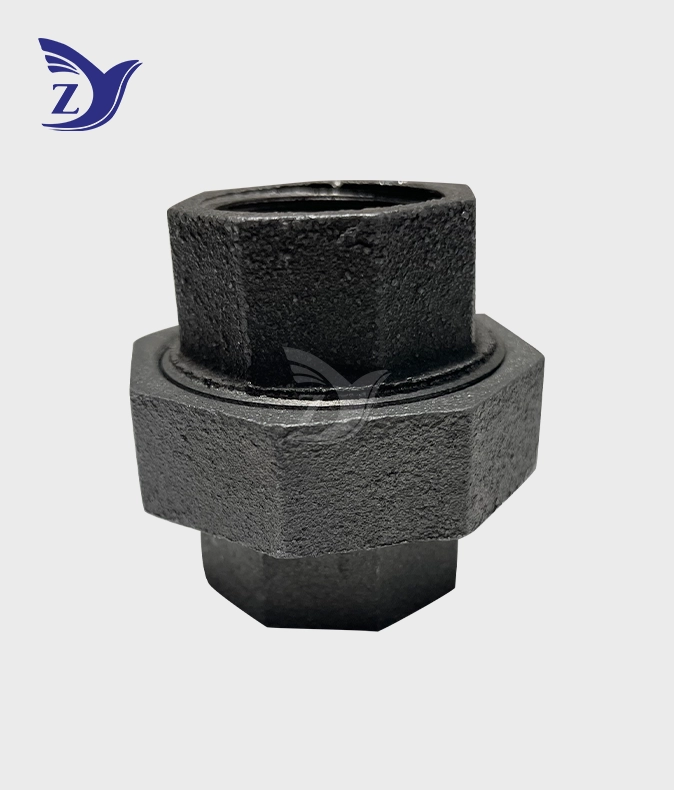
NPT Black Union 330 Pipe Fittings
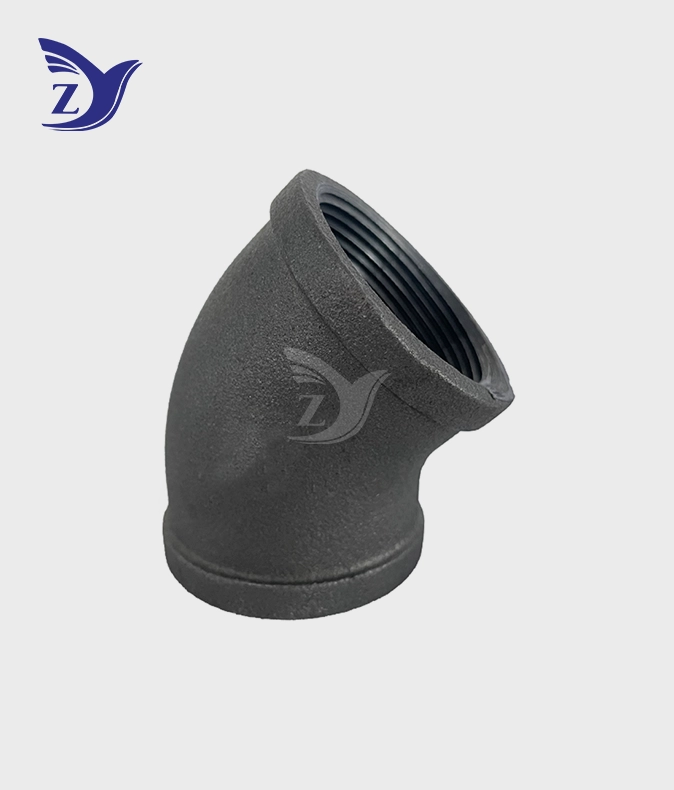
NPT Black Square Face 45° Elbow Pipe Fittings
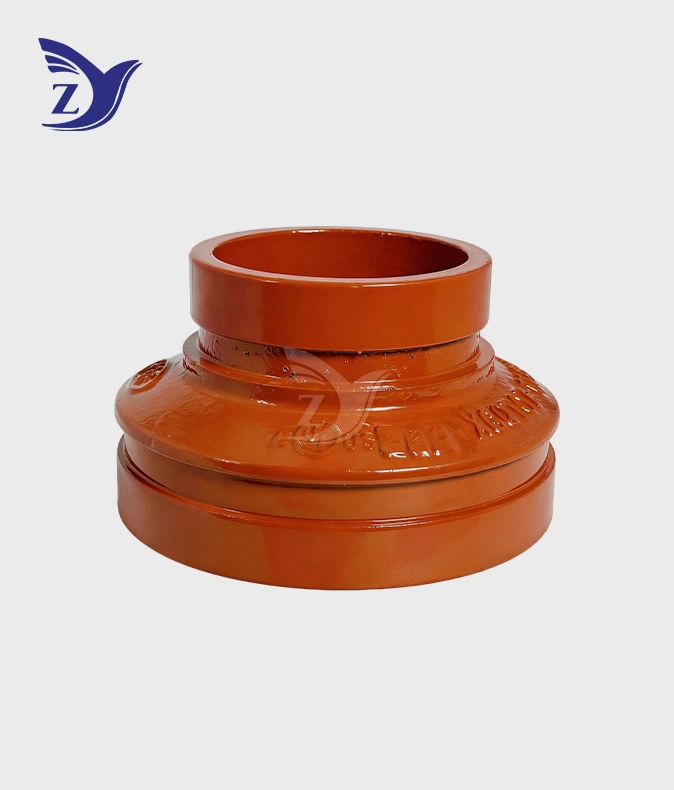
Fire Grooved Reducer
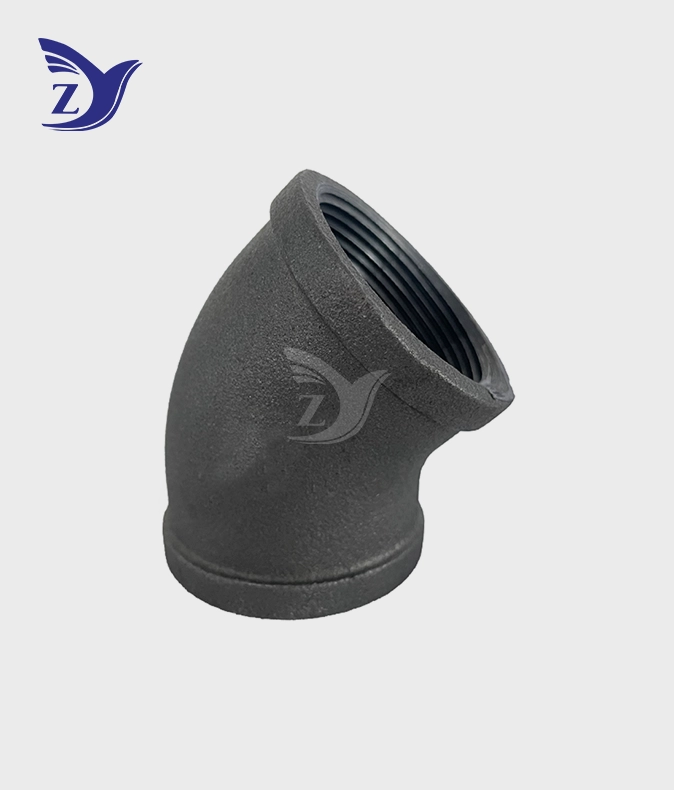
BSPT Black Square Face 45° Elbow Pipe Fittings
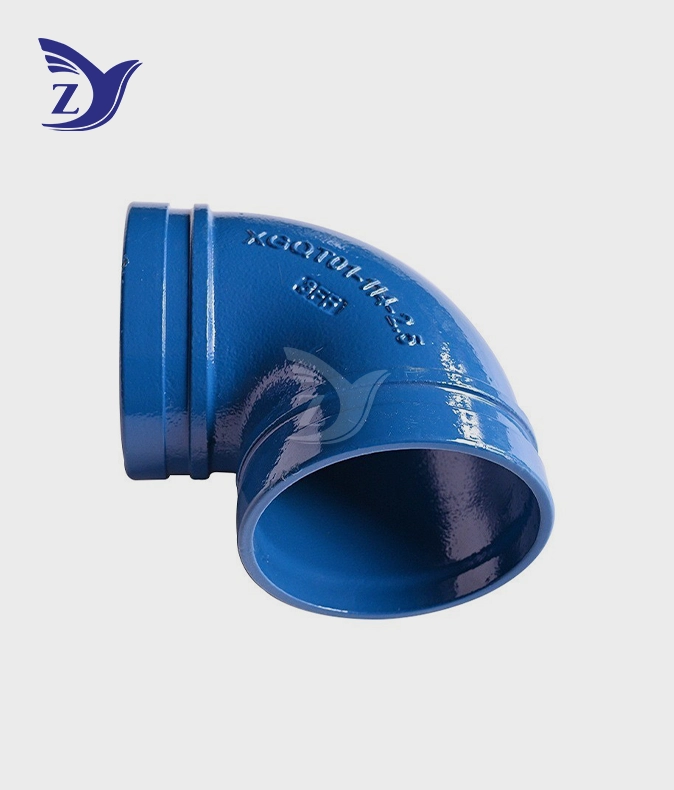
Water Grooved 90° Elbow
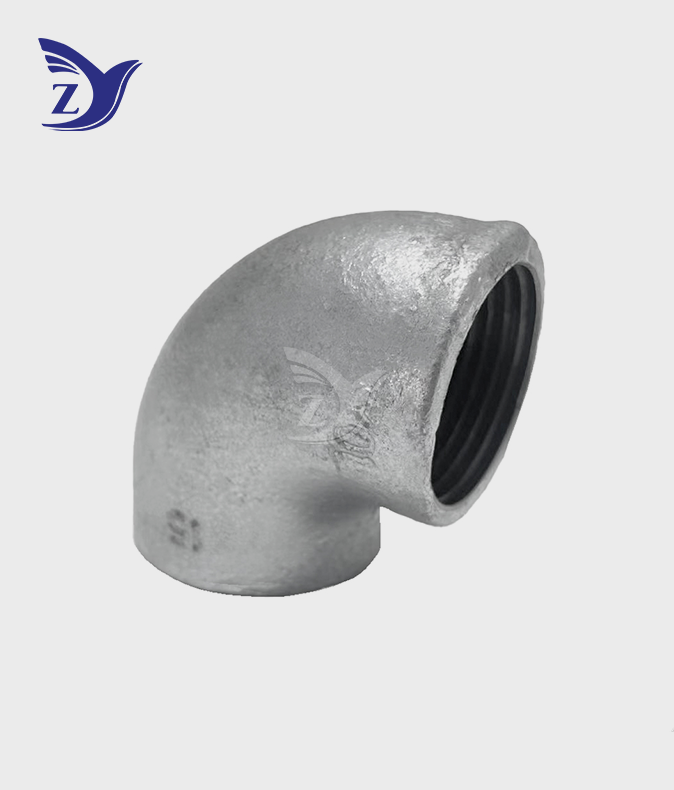
No Hub Electro Galvanized 90° Elbow Pipe Fitting
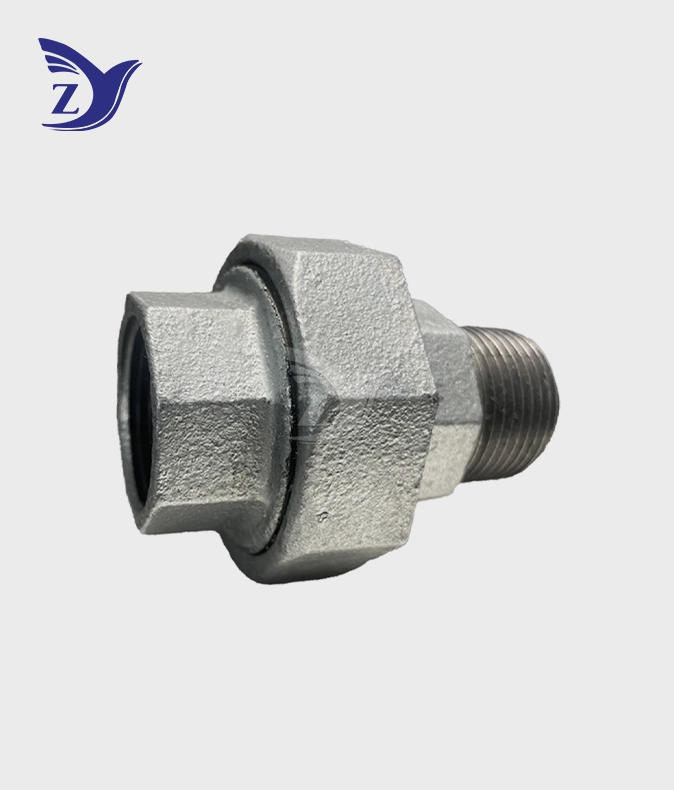
NPT Galvanized Male Female Threaded Union 331 Pipe Fittings
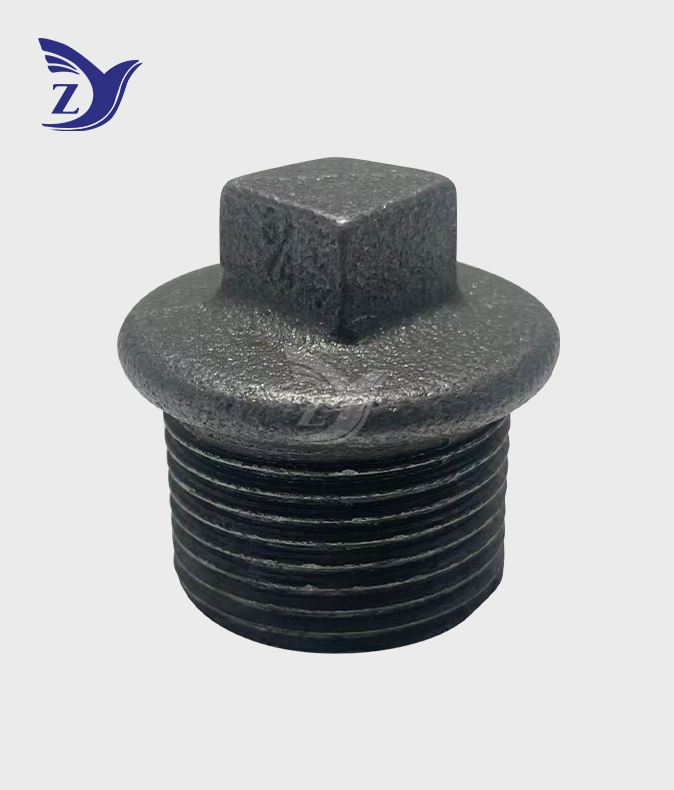
NPT Black Flanged Plug Pipe Fittings