
Jun 22, 2026
What are the advantages of square face coupling over round edge coupling?
It's easy to see why square face couplings are better than round edge couplings for business uses that need precision and dependability. When installing NPT thread square edge reducing street coupling pipe fittings, they offer better wrench contact, higher power capacity, and a lower chance of thread deformation. The profile's flat, square edges make it easier for installation tools to grip. This makes upkeep easier in small areas like those found in fire protection systems, HVAC installations, and petrochemical plants. In contrast to round edge designs, which can slip under high pressure, square face couplings keep their structure intact, providing consistent sealing performance in harsh settings where leakage is not an option.
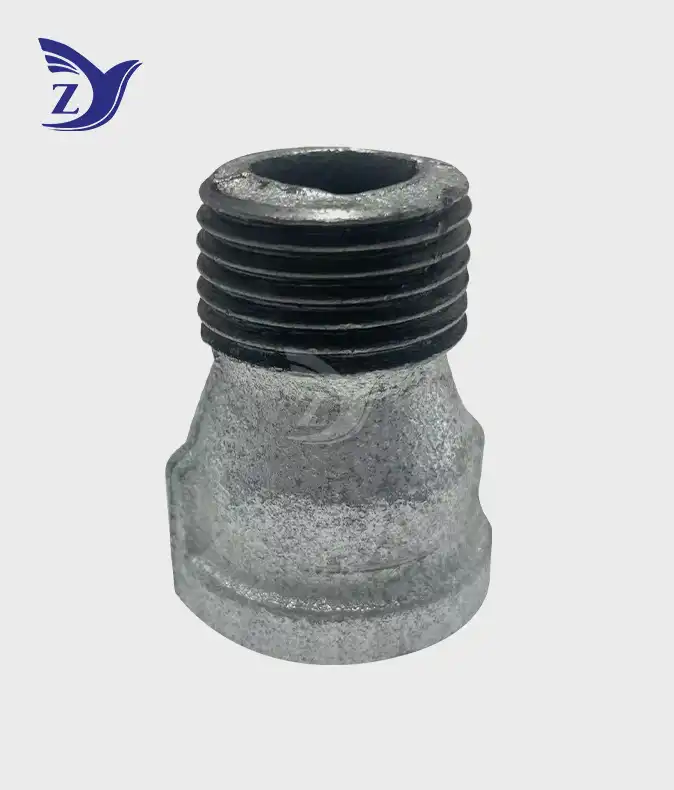
Understanding NPT Thread Square Edge vs Round Edge Couplings
Fundamental Design Differences
The outside band shape is what makes square and round edge connections different from each other. Square face couplings have flat, straight surfaces that are made or cast into the body of the coupling. These surfaces have clear lines at 90-degree angles. When you choose a round edge version, the transitions between the coupling body and threaded parts are smooth and curved. Both can accept NPT tapered threads that meet ANSI/ASME B1.20.1 standards, but the outward shape has a big impact on how NPT thread square edge reducing street coupling pipe fittings are installed.
The NPT threads are the same in both types. They have a 60-degree angle and a ¾-inch curve per foot, which makes a mechanical seal through interference fit. The thread shape isn't the only thing that makes these couplings different; the square vs. round edge name only refers to the outside machining of the coupling body, which is where wrenches contact during installation and removal.
Material Selection and Thread Standards
Because they can handle temperatures from -20°F to 350°F and have a tensile strength of over 40,000 psi, malleable iron NPT thread square edge reducing street coupling pipe fittings made to ASTM A197 standards are used most often in industrial settings. Hot-dipped galvanized finishes that meet ASTM A153 standards protect against rust, which is very important for water supply systems and outdoor installs. The galvanization process adds zinc coats that are usually 3.4 mils thick. These coatings make the metal last a lot longer in wet places.
Precision-threaded manufacturing and high-strength, non-rusting iron that can be shaped ensure consistent dimensions. When combined with square edge shape, these materials make straight pipe couplings that are strong, long-lasting, and perfect for industrial use. The ability to not rust makes the coupling properties very useful in gas delivery networks and public water systems where the cost of replacing parts is much higher than the original investment in materials.
Application Environments
In the past, round edge connections were used in general plumbing situations where looks and the ability to tighten by hand were important. Square edge designs came about to meet the needs of industries that work in tight areas and need to pass maximum power, in places with a lot of vibration, like compressor stations, and with systems that need to be taken apart often for repair. The square shape isn't just for looks; it's also a result of practical engineering that solves installation problems that often happen in petrochemical plants, power plants, and large-scale HVAC distribution systems.
Key Advantages of Square Face Couplings Over Round Edge Couplings
There are real performance benefits to NPT thread square edge reducing street coupling pipe fittings that have an effect on how quickly and reliably they are installed, as well as the overall cost of the system over its lifetime. When choosing parts for fire sprinkler systems, industrial process pipes, or city building projects where failure could have effects beyond just fix costs, these benefits are very important.
Enhanced Wrench Engagement and Torque Application
Square edge couplings have flat sides that make them easier for pipe wrenches, adjustable wrenches, and other specialty fitting tools to grip. When installing in crowded pipe runs or equipment rooms, techs get a good grip on the wrench so it doesn't slip and damage the threads or hurt the installer. This is very important when working with galvanized bendable joints because slipping tools damage the protective zinc layers, making places where rust can start.
For proper NPT thread makeup, the torque needs to be between 40 and 120 foot-pounds, based on the size of the fitting. Square edge geometry lets techs use the right amount of force without depending too much on chain or strap wrenches, which can break weak fittings. The marked edges stop rotational slippage, which is very important when breaking loose stuck parts during maintenance work years after the system was installed.
Superior Sealing Reliability
The main seal is made by tapered interference in NPT threads, but the shape of the coupling body affects how well the seal works. Square edge reducing street connections keep the wall thickness more even around threaded parts. This lowers stress concentrations that can lead to micro-cracking when pressure cycles. When making square profiles, cutting operations are often more carefully controlled than when making rounded profiles. This leads to tighter limits for dimensions.
It has been seen in the field that square-faced designs are less likely to leak in high-pressure gas distribution systems that work above 150 psi. When nearby compressors or pumps vibrate, the rigid body geometry doesn't bend. This is a typical way for round edge fittings to fail, as they gradually come loose under harmonic stress. When standards call for square-edged parts to be used throughout distribution networks, facilities managers who are in charge of compressed air systems regularly report fewer repair calls.
Structural Durability and Thread Protection
When square edge machining, the reinforced shape makes parts of material bigger where they are most likely to be stressed. When reducing street connections change between pipes with different sizes, they put a lot of mechanical stress on the areas where they connect and when they are in use. These stresses are spread out better by square profiles than by rounded forms, which increases the service life of the fitting, especially in systems that go through thermal cycles.
Protection for the thread is another useful feature. The shoulder that is formed by square ends stops the thread roots from being over-tightened, which can damage them. Installers who aren't used to working with round edge fittings often use too much power without feeling it, which damages the thread sides and makes leak paths. Square shoulders have a strong mechanical stop that protects against installation mistakes. This is helpful when managing large teams while projects are being finished quickly.
Comparative Analysis: Square Edge vs Round Edge Couplings in Procurement
Material and Pricing Considerations
When purchasing managers compare square and round edge choices, they only find small price differences, usually less than 5% per unit for normal sizes. This small difference in prices is because the materials and industrial methods for NPT thread square edge reducing street coupling pipe fittings are similar. The materials used in both forms are the same: malleable iron that meets ASTM A197 standards, galvanized coatings that meet ASTM A153 standards, and precise threading that meets ASME B16.3 standards.
When you look at the total costs of ownership, you can see the real cost difference. Square edge fittings have longer service intervals and fewer early failures, which means they cost less to repair parts and require less work for reactive maintenance. Over the course of five years, a Southeast local water authority had 23% fewer fitting repairs after switching their whole distribution system to square edge galvanized malleable connections. The small fee paid up front saved money over the system's lifetime and made it more reliable.
Supplier Reputation and Quality Assurance
Picking dependable sources is just as important as picking the right styles. Manufacturers who keep their ISO 9001 license show that they are dedicated to using consistent quality management systems. Manufacturing companies that make corrosion-resistant, industrial-grade connection parts should show proof that they follow ASME B16.3 size guidelines and ASTM material standards.
Zhiyuan Malleable Steel is an example of a seller who puts quality control first throughout the whole manufacturing process. Thread measuring is done at their factory using L1 Ring and Plug tools to make sure that the NPT threads are accurate to within ± 1 turn. Pressure rates are checked by hydrostatic testing, and Class 150 fittings are tested to a minimum of 450 psi shell pressure. Visual inspection methods check the quality of square edge machining to make sure the surfaces are sharp and free of burrs, which is necessary for the wrench to contact properly.
Real-World Performance Case Study
While a petroleum plant was updating their instrumentation air system, the round edge fittings they already had were leaking all the time. Compressor harmonics caused vibrations that slowly made connections loose, so they had to be tightened every three months across 340 drop points. The plant chose NPT thread square edge reducing street coupling pipe fittings for the repair job after talking with their delivery partner.
The results were convincing: the number of leaks dropped by 87% in the first year after the installation. Maintenance workers said it was much easier to put in valve manifolds that were already full, and the average time it took to connect each fitting went from 12 minutes to 7 minutes. Within 18 months, the project paid for itself because it cut down on repair work and stopped output delays caused by air system failures. This result is a good example of the useful benefits that square edge shapes offer in tough industrial settings.
Conclusion
For industrial pipe uses, square face couplings are clearly better in terms of technology than round edge couplings. NPT thread square edge reducing street coupling pipe fittings have measured benefits throughout their lifetimes. They are easier to tighten with a wrench, last longer, and close more reliably. Professionals in procurement who select these parts for fire safety systems, public infrastructure, and industrial process pipes get installations that need less upkeep and are more reliable over time.
Picking the right material is very important. For example, hot-dipped galvanized malleable iron that meets ASTM A153 guidelines is great for water and gas distribution systems because it doesn't rust. If you follow the steps in ASME B16.3 for proper fitting, the benefits of the design will show up in the field. Working with certified providers who do strict quality control saves project investments and makes sure that rules are followed. The small extra cost of high-quality square-edged parts pays for itself many times over in shorter failure rates, easier upkeep, and longer service intervals in tough industrial settings.
FAQ
What Makes Square Edge Couplings Better for High-Pressure Applications?
When compared to round edge designs, square edge couplings keep wall width and structural support more even. This shape better spreads out stresses caused by pressure, lowering the number of areas with high stress levels that can cause cracks when the pressure changes. The better wrench contact lets you apply the right amount of torque, which is necessary to make sure the threads are fully formed, which is essential for meeting the design pressure ratings. Field testing shows that when square face NPT thread square edge reducing street coupling pipe fittings are used in gas systems working above 150 psi, there are fewer leaks.
Can Square Face Fittings Connect with Round Edge Components?
The rules for threading are the same; both systems use NPT threads that meet ASME B1.20.1 requirements. The outside edge shape doesn't change how well the threads fit together. However, mixing designs within the same system makes servicing more difficult because different wrench methods and torque levels need to be used. The best practice is for all systems to use the same design so that assembly processes and inventory management are always the same.
How Do I Verify Supplier Certifications for Critical Projects?
Ask for proof of ISO 9001 approval, ASME B16.3 compliance with dimensions, and ASTM material standards. Reliable providers give mill test results that explain the material's make-up and how it works. For fire safety uses, you need UL or FM approval. Check the listing marks on goods and use testing organization records to make sure they are real. Quality sellers welcome questions about verifying certifications and keep a lot of paperwork to back up promises that their products are compliant.
Partner with Zhiyuan Malleable Steel for Premium Industrial Pipe Fittings
Zhiyuan Malleable Steel has been casting and making high-quality products for 26 years, and they can help procurement workers who need solid industrial-grade pipe components. Our NPT thread square edge reducing street coupling pipe fittings are made to strict ASME B16.3 standards. We make sure they are of high quality by measuring the L1 thread, testing them under atmospheric pressure up to 450 psi, and checking the thickness of the galvanization according to ASTM A153.
Over 30,000 tons are made every year in over 1,000 different specs at our 50,000-square-meter plant. This makes sure that we have enough inventory for instant project needs. Our dedication to quality and safety is shown by our ISO 9001 certification and CE, UL, and FM approvals. Standard goods can be shipped within two hours because we keep a lot of them in stock. Our ODM/OEM customization options can meet the specific needs of your project that standard lists can't.
We serve fire protection companies, local engineering firms, and industrial distributors all over North America. Our location in Taigu District, Shanxi Province, gives us direct access to the airport and well-established logistics networks. Our technical team can help you choose the best parts for your application by giving you application advice. To find out why top contractors choose Zhiyuan Malleable Steel as their chosen NPT thread square edge reducing street coupling pipe fittings source, email our procurement experts at q1236800000@gmail.com or visit zymalleablepipefitting.com to see all of our products.
References
1. American Society of Mechanical Engineers. (2022). ASME B16.3: Malleable Iron Threaded Fittings - Classes 150 and 300. New York: ASME Press.
2. American Society for Testing and Materials. (2021). ASTM A197: Standard Specification for Cupola Malleable Iron. West Conshohocken: ASTM International.
3. American National Standards Institute. (2020). ANSI/ASME B1.20.1: Pipe Threads, General Purpose (Inch). Washington: ANSI Standards Publications.
4. American Society for Testing and Materials. (2023). ASTM A153: Standard Specification for Zinc Coating (Hot-Dip) on Iron and Steel Hardware. West Conshohocken: ASTM International.
5. National Fire Protection Association. (2022). NFPA 13: Standard for the Installation of Sprinkler Systems. Quincy: NFPA Publications.
6. Hydraulic Institute. (2021). Piping for Pumps: Design Guidelines for Installation and Maintenance. Parsippany: Hydraulic Institute Technical Standards.
Online Message
YOU MAY LIKE
High quality furniture manufacturer
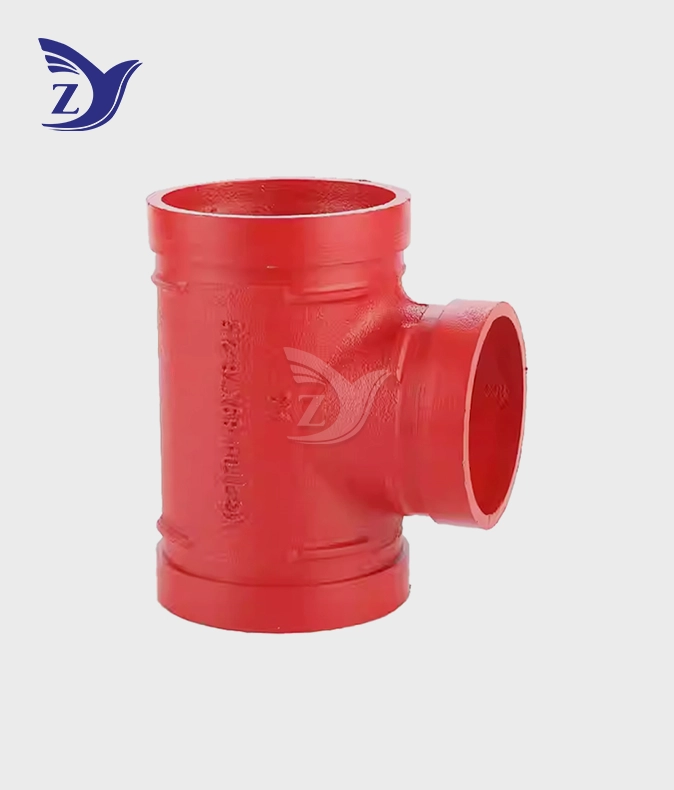
Fire Grooved Reducing Tee
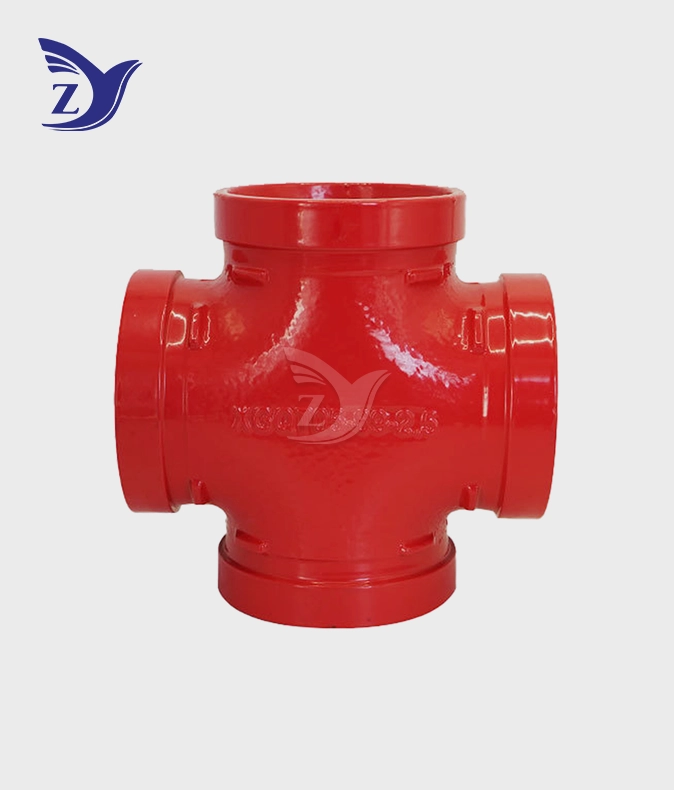
Fire Grooved Cross
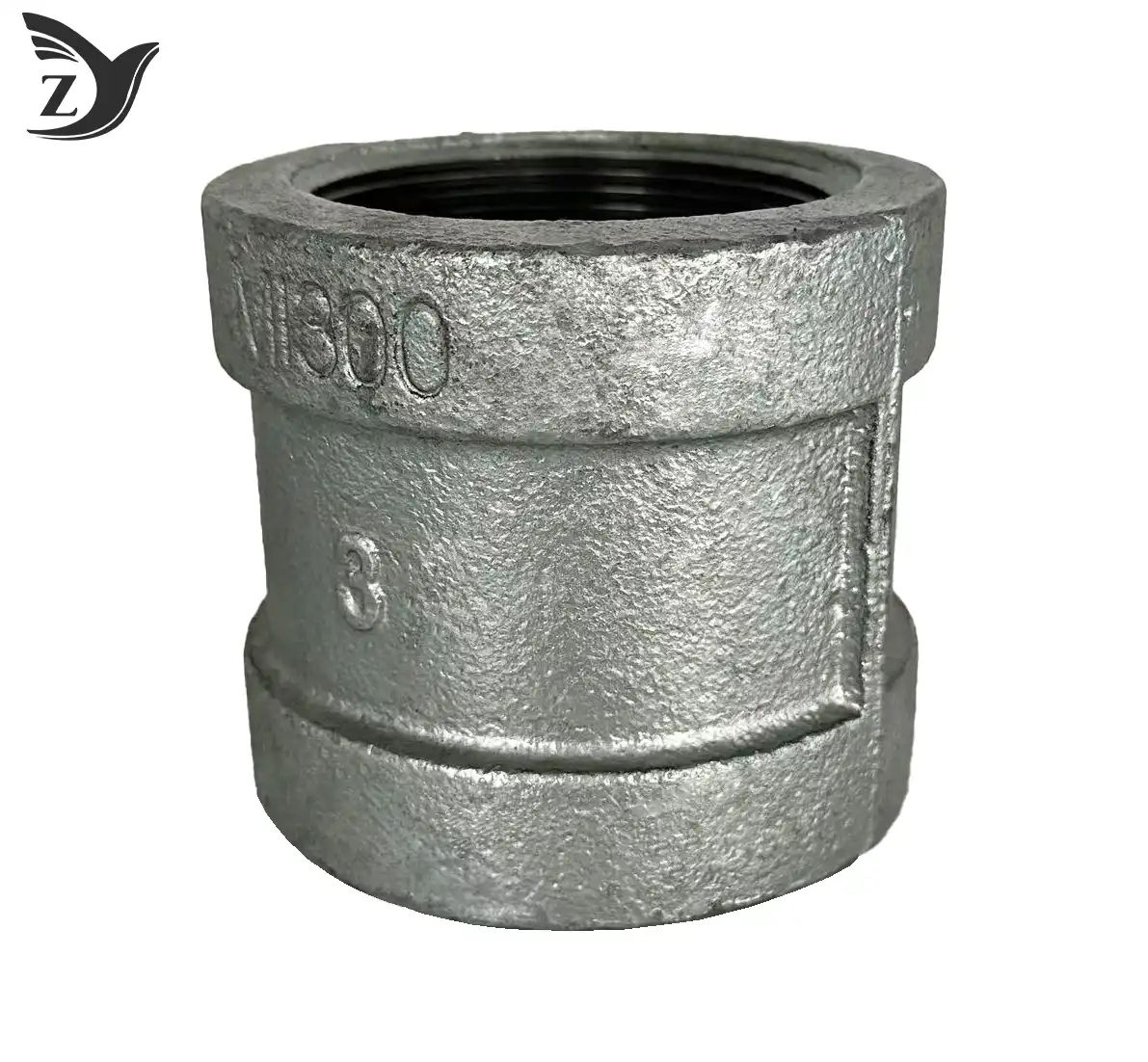
Class 300 Hot Dipped Galvanized Malleable Iron Equal Coupling
NPT Black Square Face Reducing Tee Pipe Fittings
NPT Black Flanged Plug Pipe Fittings
NPT Round Face Galvanized Round Edge Coupling Pipe Fittings
NPT Galvanized Union 342 Pipe Fittings
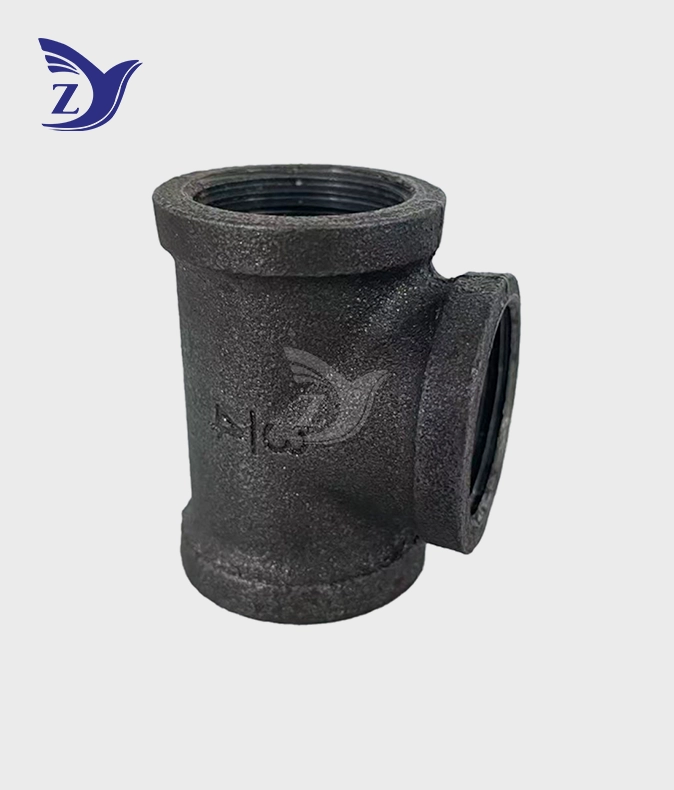
NPT Black Square Face Straight Tee Pipe Fittings