
May 12, 2026
Understanding the difference between reducing tee and straight tee in piping systems
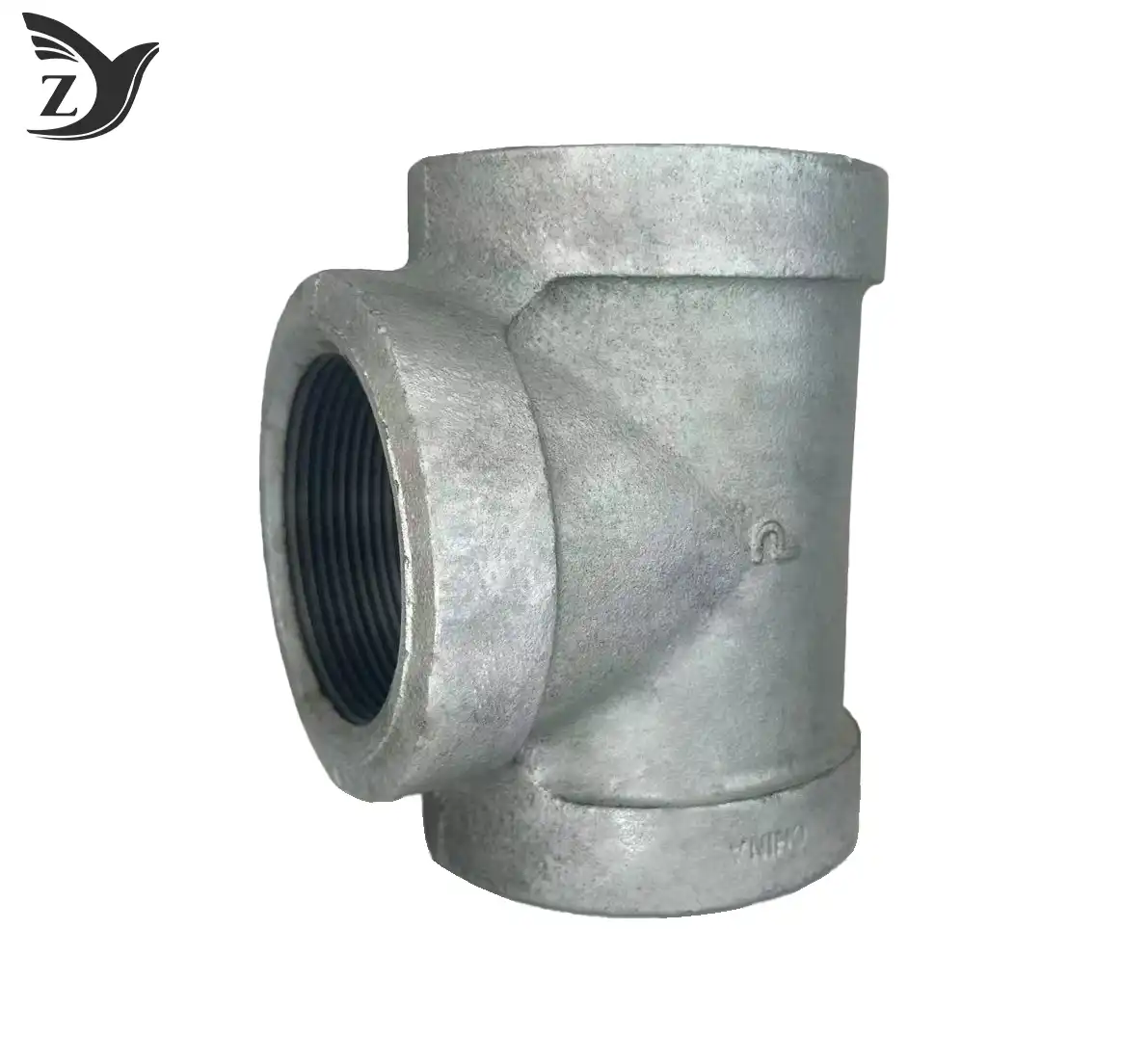
When planning fluid distribution networks for fire safety, city water systems, or industrial process lines, the choice between straight tees and reducing tees has a big effect on how well the system works and how quickly it can be installed. Black round face straight tee pipe fittings are an important type of threaded, pliable iron parts that make three-way equal-bore connections in pipe systems. These NPT/BSPT fittings have a unique reinforced bead at each hole that keeps the structure strong during installs with a lot of torque and pressure spikes. Knowing the right tee setup for your needs can help you avoid expensive redesigns and make sure that links in water, gas, and steam networks don't leak.
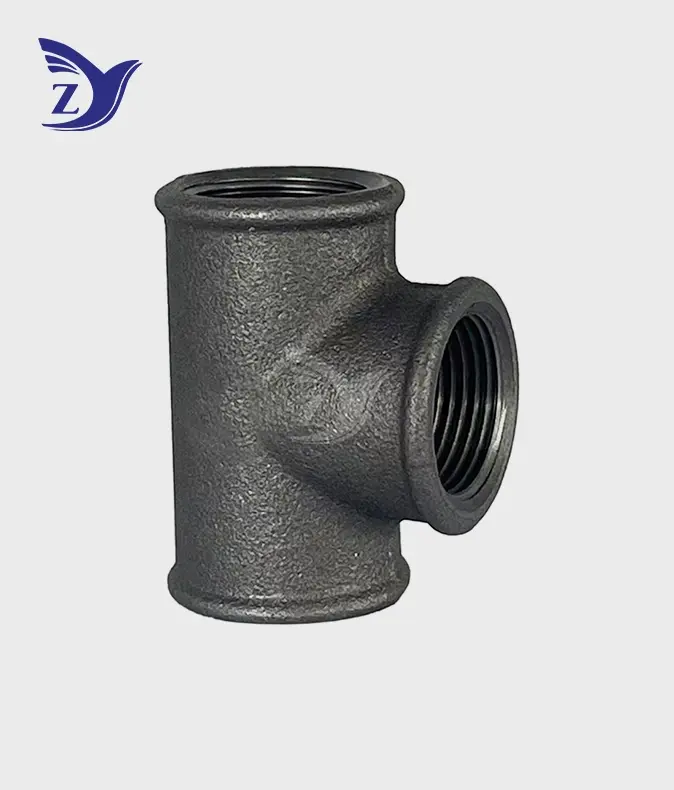
Dimensional and Specification Differences Between Reducing and Straight Tee Fittings
Dimensional factors include more than just the width. They also include center-to-face lengths, changes in wall thickness, and thread contact depths. Black round face straight tee pipe fittings have the same size across all three openings, which makes it easier for wholesalers and sellers to keep track of their inventory. Standard sizes range from 1/8 inch to 6 inches, and Class 150 pressure ratings can handle 300 PSI for oil, gas, and water at room temperature and 150 PSI for full steam at 366°F.
Reducing Tee Dimensional Complexity
Reducing tees add uneven measurements that need to be carefully described. In most cases, the run sizes range from 1/2 inch to 4 inches, and the branch reductions are usually one or two standard sizes smaller. The smaller width of the branch exit speeds up flow in one area, which could make pressure drops and erosion rates higher at the junction point. When municipal water supply companies size pumps and figure out system head losses, they have to take these hydraulic properties into account.
Pressure Rating Considerations
Both types of tees are tested hydrostatically to make sure they can handle pressure, but lowering tees have extra problems with stress concentration. In the area where two different sizes meet, stress peaks happen that need careful foundry control during casting. Some good companies, like Zhiyuan Malleable Steel, use medium-frequency electric furnaces and controlled annealing methods to make sure that the grain structure is regular. This makes sure that the fitting body has the same mechanical qualities all the way through. This level of accuracy in manufacturing is necessary for petrochemical and power generation processes that work close to their highest pressure limits.
For black round face straight tee pipe fittings, wall thickness requirements follow predictable trends, and the material spread is best for even loads. To account for stress concentrations caused by the shape of the branch, reducing tees need smart changes to the width around the point where two branches meet. When purchasing managers look at different suppliers, they should make sure that the sellers follow the size guidelines set out in ASME B16.3 for malleable iron threaded fittings. This way, parts from different makers can be used together.
Comparison of Performance and Suitability in Various Industrial Use Cases
When used in certain situations, the differences in performance between tee types become most clear. Black round face straight tee pipe fittings work great when you need to send equal flow to more than one zone or piece of equipment. The symmetrical hydraulic properties help HVAC systems that send cold water to air handling units that are lined up next to each other. This is because the pressure at each exit stays the same. It is also easier to do vibration analysis, which is an important thing for mechanical workers to think about when they are building pipe support systems.
Reducing Tees in Flow Transition Applications
People who work in the process industries often have to change the size of pipes in tight fitting areas. A reducing tee cuts down on installation time and the number of possible leak places because it gets rid of the need for different reducing fittings. When branching instrument lines from main process pipes, chemical processing plants like this combination because the branch needs smaller diameter tubes for faster response times. In these situations, the black malleable iron construction is better at resisting acidic condensates than steel, which means it lasts longer in harsh settings.
Installation Labor and Maintenance Implications
Different types of tees have different levels of difficulty for installation. Black round face straight tee pipe fittings make it easy to thread and connect pipes, and the force needs are the same for all connections. When they are training apprentices or working on projects with tight deadlines, plumbing workers like this regularity. It's important to pay extra attention to thread contact verification when using reducing tees to make sure the smaller branch connection seals properly without over-torquing, which could crack the fitting body.
Maintenance ease also plays a role in choosing what to choose. Installing straight tees in easy-to-reach places lets you quickly change parts using normal methods. Companies that trade with other countries know this benefit when they choose fits for places that don't have a lot of technology support infrastructure. Threaded connections are used throughout the system so that maintenance crews can take branches apart and service them without having to cut and reweld them. This cuts down on downtime while repairs are being done.
Different configurations have slightly different thermal expansion behavior. When heat is applied, straight tees spread the stress equally across all branches, but lowering tees focus the expansion forces at the diameter change. When heating system designers place parts in relation to set anchors and expansion loops, they take this property into account. This keeps the system from being overstressed when temperatures change.
How to Choose the Right Black Round Face Tee Fitting for Your System?
To choose the right threaded tee fittings, you need to carefully consider a lot of technical and business factors. The first thing that system designers do is write down the working parameters for pressure and temperature. They then make sure that they are compatible with the Class 150 grades that are common for malleable iron parts. Installers of sprinkler systems for fire protection must make sure that the parts they use meet the requirements for FM approval. This includes making sure that the materials are certified and that the sizes match accepted standards.
Thread Compatibility and Sealant Selection
Which thread standard to use depends on where the job is being done and what the specifications say. NPT threading is usually required for projects in North America, while BSPT threads are usually needed for projects in Europe, Asia, and Australia. BSPT's 1:16 taper makes an interference fit that is more slow than NPT's 3/4-inch-per-foot taper, which changes the amount of sealant needed and the pressure requirements. To avoid expensive design mistakes, procurement teams must be clear about the threads they want when they ask for quotes.
It needs to be confirmed that the sealant works with the black finish and system fluid. Most uses for PTFE tape are with water and air, while anaerobic pipe seals work better for gas and oxygen service. Unlike some custom coatings that make it hard for thread compound to stick, the black oxide covering works with both types of sealant. When tees are added to mixed-component setups, valve makers who put together full pipeline systems like how flexible this is.
Supplier Qualification Criteria
When looking at possible black round face straight tee pipe fitting suppliers, you need to look at their manufacturing skills, quality control methods, and shipping reliability. Getting ISO 9001 certification is a good way to make sure that quality management methods are recorded. CE, UL, and FM approvals show that a product meets regional safety standards, which is important for projects that want to be exported. Zhiyuan Malleable Steel has these certifications and can produce more than 30,000 tons of steel every year. This helps large-scale industry and local projects that need a steady supply over a long period of time.
Production machinery has a direct effect on the quality of the product and how quickly it can be delivered. Modern medium-frequency electric furnaces allow precise temperature control during melting, which makes sure that the chemicals used in each production run are always the same. Natural gas-powered annealing kilns provide even heat treatment, getting rid of hard spots that make the metal less flexible. When a manufacturer has more than one furnace, they can handle quick orders and special requests without changing their regular production plans. This is a huge benefit for project-based engineering buyers who need to meet tight building deadlines.
Customization options give designers more freedom to make designs that work for specific uses. When you use ODM/OEM services, you can change thread lengths, face strengthening shapes, or material grades to fit your specific needs. Power companies that need generator cooling systems with non-standard setups can benefit from suppliers who have their own research and development teams and pattern-making facilities. When compared to forcing standard parts into applications that are only slightly right, this expert partnership method lowers project risk.
Conclusion
The difference between reducing and straight tees has a big impact on the design of a piping system, changing how well it works hydraulically, how much work it takes to install, and how much upkeep it needs over time. Straight tees are great for balanced multi-branch systems because they distribute flow evenly and are easy to install. Reducing tees combine size changes into a single part, which saves room and lowers the number of possible leak points in complicated industrial settings. black round face straight tee pipe fittings made from malleable iron that meet ASTM A197 standards give fire protection, public water, and industrial process systems the strength, ductility, and rust resistance they need. Procurement teams can get the right parts for a project's success by choosing approved providers with a wide range of certifications, the ability to customize products, and reliable delivery.
FAQs
What is the primary structural difference between reducing and straight tees?
Straight tees keep the diameters of all three holes the same. This makes the flow routes and load distribution symmetrical. The run and branch joints on a reducing tee have different widths. Usually, the branch outlet is one or two nominal sizes smaller than the run. This shape lets the pipe size change inside the fitting body, but it also puts extra stress where the diameter changes.
Can black round face straight tee fittings handle high-pressure steam applications?
Class 150 malleable iron tees that meet the requirements of ASME B16.3 can handle steam service up to 150 PSI and temperatures as high as 366°F. When compared to coated coats, which can flake zinc, the black finish works best for steam systems. The round face strengthening makes the structure stronger where the threads exit, so it can handle the thermal stress cycle that happens in systems that heat and cool on and off.
How do I verify supplier certifications for international projects?
Ask for copies of the ISO 9001 quality management certificates along with regional approvals like CE for European markets, UL for North American electricity uses, or FM for fire safety systems. Check the validity of the certificate by searching records of the issuing body. Quality providers keep clear records that can be found on their websites, like zymalleablepipefitting.com, showing that they are dedicated to tracking compliance.
Partner With Zhiyuan Malleable Steel for Reliable Threaded Pipe Fittings
Zhiyuan Malleable Steel has been making things for more than twenty years and adds that experience to every black round face straight tee pipe fittings supply relationship we make. At our Taigu plant, we use eight medium-frequency electric ovens and natural gas annealing kilns to make more than 1,000 different types of products every year. This production scale makes sure that both standard orders and OEM needs are always met, helping fire protection companies, municipal engineering firms, and industrial plant owners around the world.
Our dedication to quality goes beyond ISO 9001 approval to include thorough testing methods and the ability to track down materials. Each batch of products goes through tensile testing, pressure proof, and dimensional checking, and records are kept in case a customer wants to do an audit. Fittings are shipped internationally safely in double-layer cardboard boxes that are ready to be installed as soon as they arrive. Standard items are shipped from a large collection within two hours of an order being confirmed. Custom orders benefit from our in-house research and development (R&D) and flexible production schedule.
Engineering assistance sets our business connections apart. Technical staff helps with choosing specifications, clarifying thread standards, and improving system design, making sure you get parts that are perfectly matched to your needs. Our policy for replacing broken products and quick contact help you stick to your project schedule and budget. You can email our purchasing team at q1236800000@gmail.com to talk about your threaded malleable iron fitting needs, get full specs for NPT or BSPT configurations, or set up a visit to our Shanxi manufacturing campus. We give your plumbing systems the quality, dependability, and expert support they need.
References
- American Society of Mechanical Engineers. (2016). ASME B16.3: Malleable Iron Threaded Fittings, Classes 150 and 300. ASME Press.
- ASTM International. (2018). ASTM A197: Standard Specification for Cupola Malleable Iron. ASTM Standards Collection.
- British Standards Institution. (2014). BS 21: Specification for Pipe Threads for Tubes and Fittings Where Pressure-Tight Joints Are Made on the Threads. BSI Group.
- National Fire Protection Association. (2019). NFPA 13: Standard for the Installation of Sprinkler Systems. NFPA Publications.
- Hydraulic Institute. (2017). Piping Systems Design and Selection for Industrial Applications. Hydraulic Institute Technical Standards.
- International Organization for Standardization. (2015). ISO 5922: Malleable Cast Iron - Technical Specifications and Testing Methods. ISO Standards Catalogue.
Online Message
YOU MAY LIKE
High quality furniture manufacturer
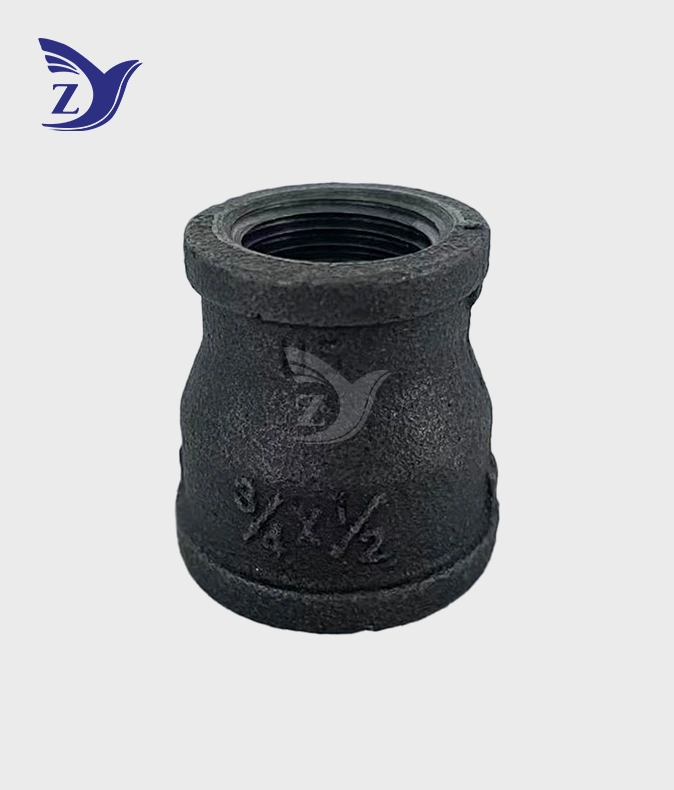
NPT Black Square Face Reducing Coupling Pipe Fittings
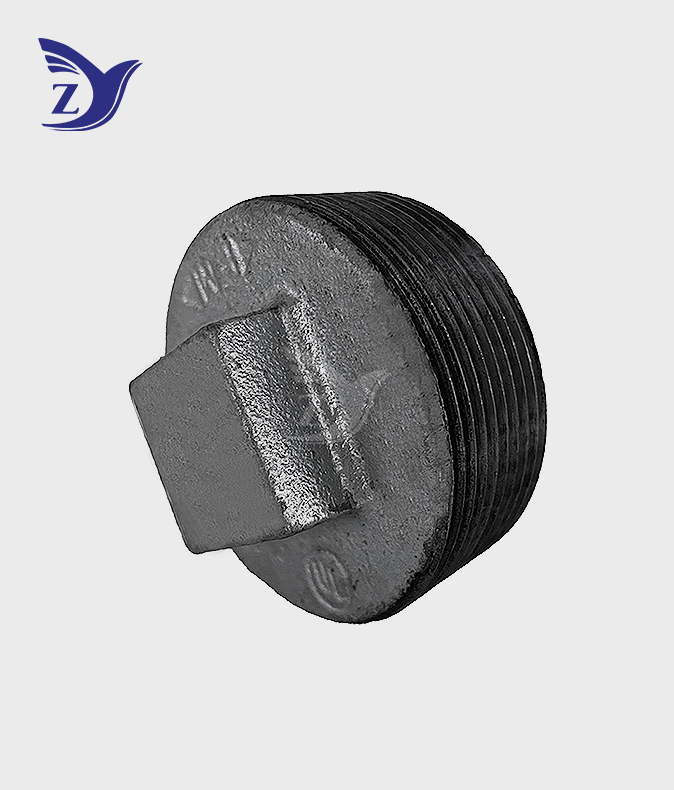
NPT Galvanized Non-Flanged Pipe Plug Pipe Fittings
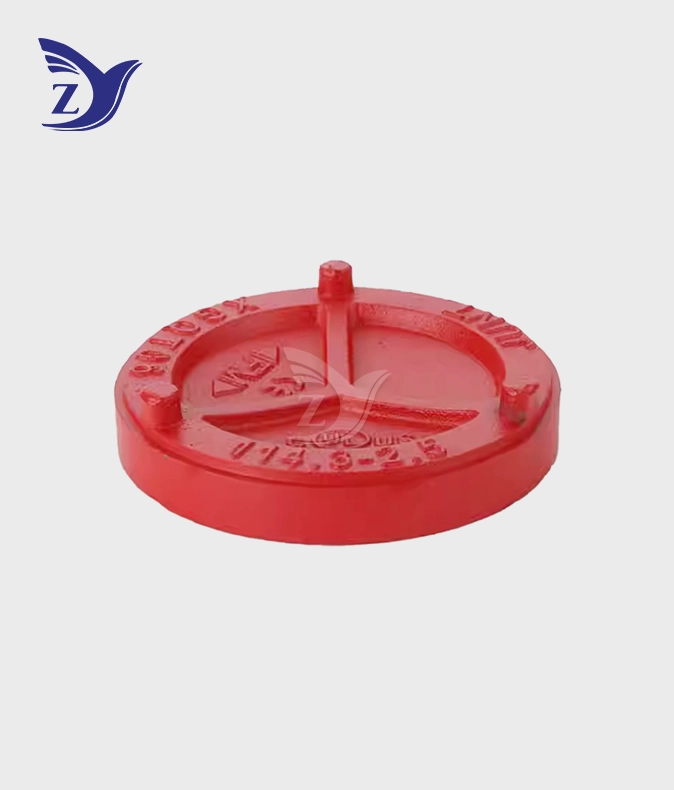
Fire Grooved Blind Flange
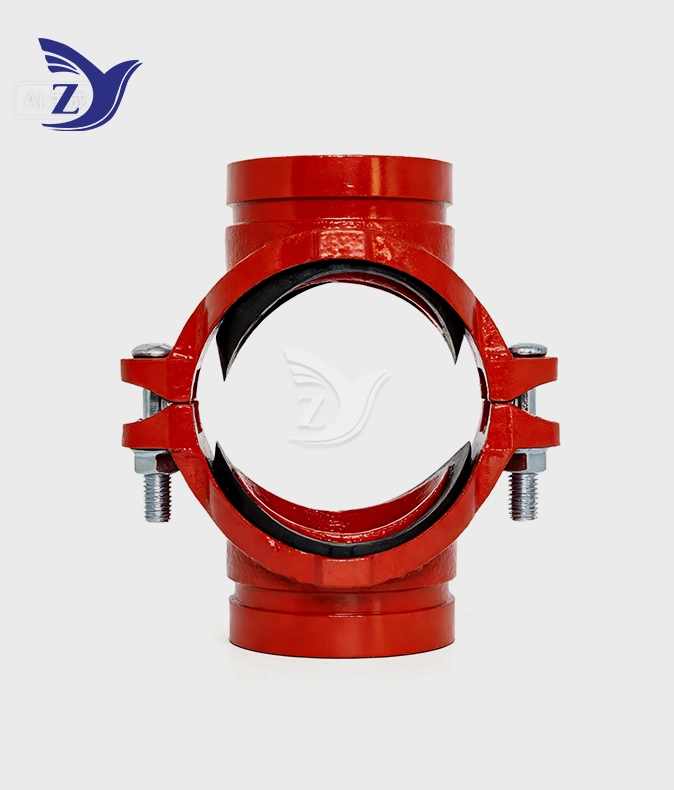
Threaded Mechanical Cross
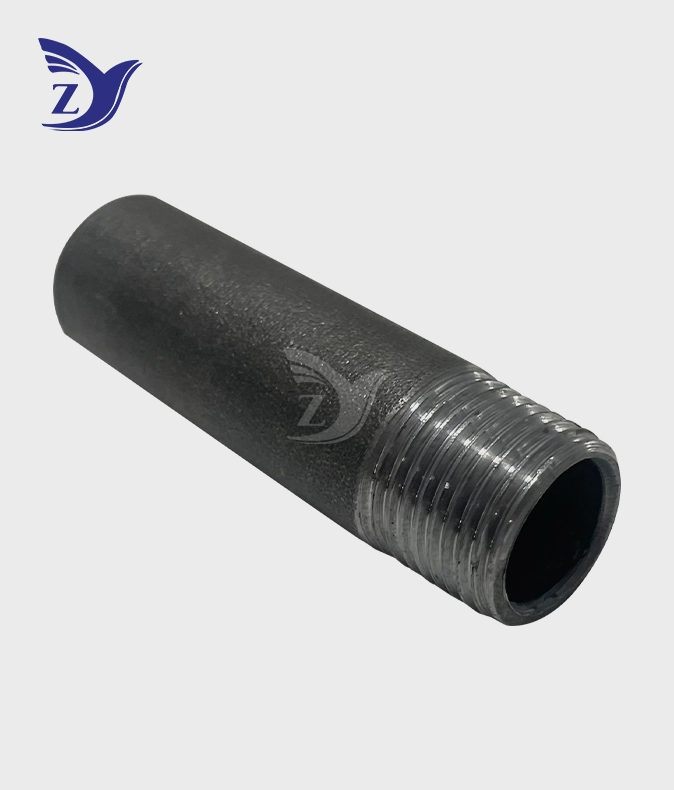
Carbon Steel Pipe Male Threaded Fittings Sand Blasted
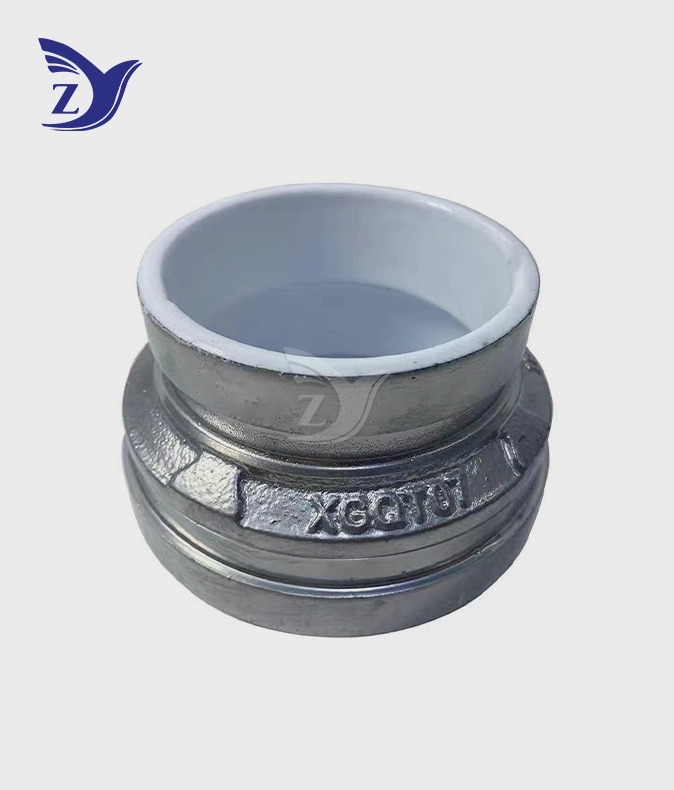
Water Grooved Reducer
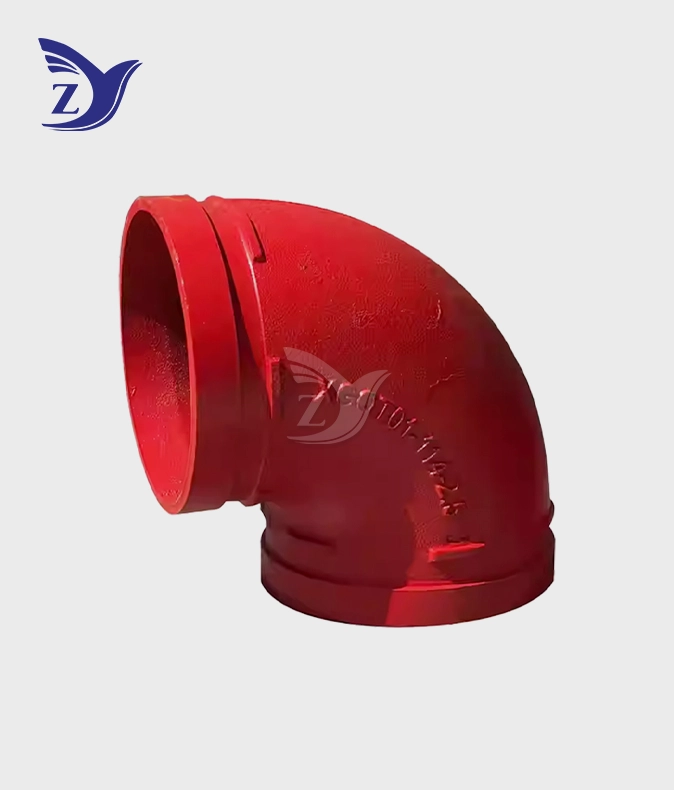
Fire Grooved 90° Elbow
Class 300 Hot Dipped Galvanized Malleable Iron Equal Tee