
Jun 12, 2026
Types of Elbow Pipe Fittings
It is important to know the different types of elbow pipe fittings when you are selecting parts for fire protection systems, city water networks, or industrial process lines. These hidden stars of pipe infrastructure make it possible to change directions while keeping the pressure and flow rates of the system stable. Square face galvanized 90° square edge elbow pipe fittings stand out from the large selection on the market today due to their better sealing abilities and strengthened construction. Beaded elbows, mitered elbows, and unique shapes like 45-degree bends are some of the other common types. Galvanized malleable iron, stainless steel, black steel, and PVC are some of the materials that can be used. Each one is best for a certain type of fluid, pressure level, and weather conditions. If you know which part fits the technical needs and price of your project, you can avoid costly installation mistakes and make the system last longer.
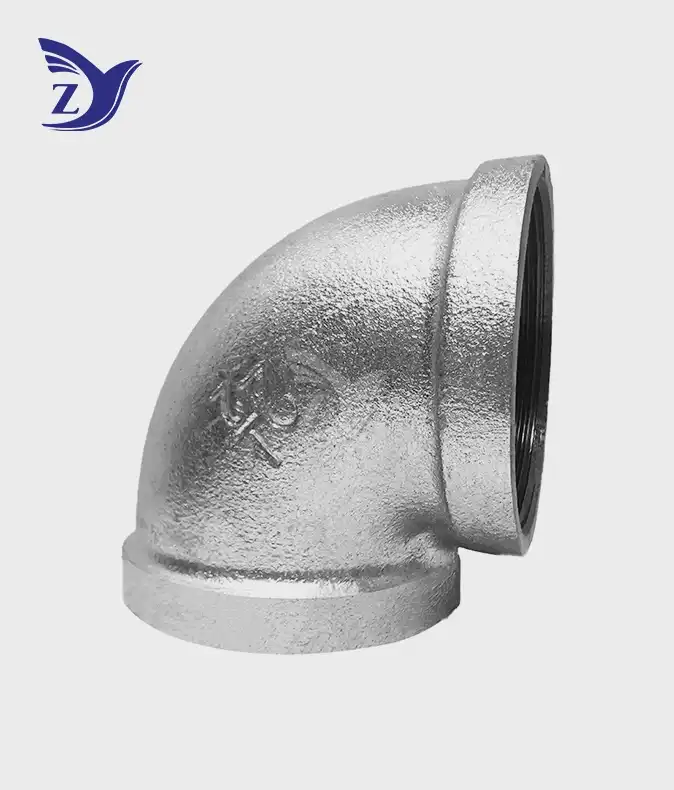
Elbow Pipe Fittings: Types and Characteristics
Elbow fits do a simple but important job: they change the flow of pipe at exact angles without affecting the structure's strength. This part breaks down the main groups and describes what makes them different.
Defining Square Edge Versus Round Edge Elbows
The joining point is what makes square edge and round edge joints structurally different from each other. A flat, rectangular support ring goes around the hole of a square face galvanized 90° square edge elbow pipe fitting, which is also sometimes called a banded fitting. This design gives pipe tools a better grip during high-torque setups, which lowers the chance of thread stripping. Round edge or beaded elbows have a curled lip that makes them look smoother but doesn't help with assembly as much mechanically. We can tell that the square edge design is reliable when we're working with tough jobs like fire sprinkler towers or high-pressure HVAC lines. The extra surface area makes the installation forces spread out more evenly across the fitting body, which is important when you need to tighten connections in a small place or to a specific torque.
Thread Standards: NPT and BSPT Compatibility
Thread arrangement has a direct effect on how well the seal works and how well the system works with it. In North American markets, National Pipe Taper (NPT) threads are common. They have a 60-degree thread angle and make interference fits that depend on thread distortion to lock. The British Standard Pipe Taper (BSPT) threads have a 55-degree angle, which makes a wedge-lock seal as the threads get tighter. Our NPT/BSPT square face galvanized 90° square edge elbow pipe fittings are compatible with both standards, which makes buying them easier for foreign projects and retrofits that use more than one system. Cross-threading NPT and BSPT parts leads to leaks and damaged threads, so checking specs before placing an order keeps your project on schedule and on budget.
Material Selection: Galvanized Steel, Stainless Steel, and Alternatives
The cost-effectiveness, rust protection, and pressure capacity are all affected by the material choice. Galvanized malleable iron has a high tensile strength and a protective zinc covering that keeps it from rusting in damp or outdoor settings. Electro-galvanizing doesn't cover as evenly or thickly as hot-dipped galvanizing does. This means that installations near the coast or near chemicals will last longer. Stainless steel elbows are better at resisting rust, but they cost more up front. This makes them perfect for pharmacy or food-grade pipes that need to be free of contamination. Black steel works best in dry, low-corrosion places like HVAC systems that are closed off, while PVC elbows are better for low-temperature and non-pressure draining. By matching the qualities of the material to the type of fluid, the working temperature, and the environment, you can get the best performance without spending a lot of money.
Dimensional Standards and Pressure Ratings
Accurate dimensional alignment stops system breakdowns and delays during installation. Tolerances for wall thickness, thread pitch, and angle accuracy are set by international standards such as ASTM A197 for malleable iron molds and ISO 5922 for material values. Manufacturers of high-quality fittings use pneumatic leaks tests, which are done under water at 0.6 MPa, to prove the pressure ratings, which are usually PN16 or PN25 for industrial uses. To keep thread orientation within a range of ±0.5 degrees, angles must stay at 90 degrees. If they don't, pipe strain will happen during assembly. When buying zinc 90° square edge elbows, procurement teams can be sure that the fittings will work as expected under practical loads if they ask for technical datasheets that show compliance with these standards.
Comparison and Decision-Making: Choosing the Right Elbow Fittings
Finding the right elbow type means weighing how well it works technically, how it needs to be installed, and your cash. This part lays out the steps you need to take to make smart choices about procurement.
Square Edge Versus Mitered Elbows: Functional Trade-offs
When you need strong mechanical links and reliable pressure handling, square face galvanized 90° square edge elbow pipe fittings are the best choice. Their standardized geometry makes it easier to keep track of supplies and install them in the field. This is because all makers that follow international standards use the same measurements and thread profiles. Welded pipe pieces cut at an angle are used to make mitered elbows. These allow for non-standard changes in direction but may have weak spots at the join seams. Cast square edge elbows are better at resisting wear because they are made of a single piece. This makes them ideal for places with a lot of shaking, like pump discharge lines or systems that experience water hammer. When dealing with large-diameter pipes, cast fittings become too expensive to be practical. Mitered designs work better, but they need to be made by skilled welders and tested without damaging the joint. Square edge elbows are the best choice for most commercial and industrial jobs because they offer the best mix of performance, cost, and ease of installation.
Galvanized Steel Versus Stainless Steel: Cost and Performance Analysis
Whether you choose coated or stainless steel depends on how bad the rust is and how much money you have. Galvanized malleable iron fittings usually cost 40 to 60 percent less than stainless steel parts that do the same job and are resistant to corrosion in fairly harsh settings. Our tests show that hot-dip galvanized square edge elbows can work well for 15 years even when they are constantly exposed to 70% relative humidity and the odd chemical splash. When working with highly corrosive substances, like saltwater, concentrated acids, or highly pure medicinal goods, where even a small amount of zinc leaching is not appropriate, you need to use stainless steel. The passivation layer of the material fixes itself when it gets scratched, making it more reliable over time and in harsh circumstances. At a price that fits project budgets, galvanized fittings are durable enough for use in fire protection systems, city water networks, and general HVAC applications.
Evaluating PVC and Black Steel Alternatives
For draining without pressure, irrigation, and low-temperature uses where chemical protection and light weight are important, PVC elbows are the way to go. They aren't very useful in industrial process pipes because they can't handle high temperatures or heavy mechanical loads. Because black steel elbows don't have any rust protection, they can only be used in dry indoor settings, like heating systems, where the risk of oxidation is low. When looking at the total cost over time, galvanized fittings are usually cheaper than black steel ones in wet places because the costs of replacing and upkeep are higher than the difference in price at first. Because it can't handle high temperatures or pressures, PVC isn't good for tough jobs. For those, galvanized malleable iron is still the best choice. If you understand these trade-offs, you won't use them in a way that puts system safety at risk or causes them to fail early.
Procurement Guide: Buying Galvanized 90° Square Edge Elbow Pipe Fittings
Using good buying strategies to get high-quality parts at low prices and with as few risks as possible in the supply chain. This advice makes it easier for B2B buyers to easily go through the buying process.
Identifying Certified Manufacturers and Suppliers
Work with manufacturers whose products meet ASTM A197, ISO 5922, and other related area standards and are certified by ISO 9001. Certification paperwork proves that quality management systems oversee the whole production process, from checking the raw materials to trying the finished product. Reliable sellers give detailed datasheets with information about pressure ratings, tolerances for size and shape, and the materials used, which can be compared to project requirements. Our 26 years of experience casting and 30,000-ton yearly capacity at Zhiyuan Malleable Steel make sure that the quality of every batch of steel we make is the same. We keep our CE, UL, and FM certifications up to date, which means we meet foreign standards for fire protection and plumbing uses. Before placing big orders, make sure that the manufacturer's claims are true by asking for sample fits to be tested by a third party. This will protect your project from using substandard parts.
Understanding Minimum Order Quantities and Delivery Logistics
To balance the costs of inventory with the stability of supplies, you need to know the minimum order quantities and wait times for each maker. Large distributors usually keep popular sizes like 1/2-inch to 2-inch square face galvanized 90° square edge elbow pipe fittings in stock, which makes it easy to get standard jobs done quickly. Depending on how much it costs to set up the factory, minimum orders for custom specs or sizes that aren't very popular may be between 500 and 2,000 pieces. Our Taigu District center keeps a large inventory, which means that basic products can be delivered within two hours to local customers and faster shipping is available for orders from other countries. Being close to Taiyuan Airport and important traffic routes makes logistics easy, whether you're buying full containers or mixed pallets. By being clear about delivery dates during the quote process, you can avoid project delays caused by longer wait times.
Evaluating Customization and OEM Capabilities
Manufacturers who offer ODM/OEM services can help with projects that need non-standard sizes, unique thread profiles, or special finishes. How much customization is possible depends on how flexible production is and how many engineers are on staff. With our 156 sets of processing tools and 38-person expert team, we can make changes that range from changing the size to creating custom alloys. Giving makers specific drawings and performance standards early on in the procurement process helps them figure out if the job is possible and give accurate quotes. Customization usually adds three to six weeks to lead times compared to standard goods. Making sure that buying plans account for this keeps critical path effects to a minimum. If you can make parts fit your application needs, you won't have to make any changes in the field, which will improve the general performance of the system.
Bulk Purchasing Strategies for Cost Optimization
When you make a volume promise, you can use tiered prices to get big discounts on each unit without lowering the quality. When buyers combine their needs for various projects or make long-term supply deals, they have more power when bargaining with manufacturers. New ideas in packaging, like our double-layer cardboard system, keep things from getting damaged during shipping, which lowers the cost of replacements and keeps projects from being held up. When looking at offers to buy in bulk, make sure that prices for larger quantities don't lower the quality of the inspections or the standards for the materials. Clear pricing systems that break down the costs of materials, labor, and shipping help tell the difference between real bulk savings and quality cuts. Setting up relationships with suppliers based on performance, where steady quality gets them more business, provides motivation for both sides to do their best.
Conclusion
To choose the right elbow pipe fittings, you need to know the practical differences between beaded and square edge designs, how the properties of the material affect its resistance to corrosion, and the technical standards that guide the accuracy of the dimensions. Because they are strengthened and coated with hot-dip zinc, galvanized 90° square face galvanized 90° square edge elbow pipe fittings work well in fire protection, public infrastructure, and industrial process uses. To make sure that ASTM and ISO standards are met, effective buying strikes a balance between checking certifications, planning deliveries, and cutting costs. The fitting will last longer if it is installed and maintained correctly, which protects the health of the system and lowers the costs over its lifetime. Now that B2B buyers know this, they can safely choose fittings that meet technical needs and operating goals.
FAQ
What distinguishes square face galvanized 90° square edge elbow pipe fittings from beaded types?
At the joining point, the square edge has a flat, rectangular reinforcement band that makes it easier for wrenches to grab and better at withstanding pressure. The raised lip on beaded fittings makes them look smoother, but it doesn't help much with high-torque installation.
Can BSPT threaded elbows connect directly to NPT piping systems?
No, BSPT threads have an angle of 55 degrees, while NPT threads have an angle of 60 degrees. When these standards are mixed, the threads get damaged and leak. When switching between standards, system security is kept by using the right thread adapters.
How do you verify galvanized fittings meet potable water safety standards?
Make sure that the galvanization process follows EN 10242 or a similar standard that calls for high-purity zinc (at least 99.99%) and a lead-free mix. Ask for material test results and certificates that show they meet the rules for drinking water contact.
What pressure and temperature ratings apply to galvanized malleable iron elbows?
Normal rates give full PN25 pressure up to 120°C; at higher temperatures, derating is needed. Datasheets from manufacturers give exact performance rates. If you operate outside of the recommended limits, you could lose your warranty and cause the system to fail.
Partner with Zhiyuan Malleable Steel for Reliable Galvanized Elbow Fittings
Zhiyuan Malleable Steel has been casting for 26 years and can produce up to 30,000 tons of steel each year. They serve fire protection companies, municipal engineers, and commercial buyers all over the United States. Our square face galvanized 90° square edge elbow pipe fittings are certified by CE, UL, and FM, which means they meet the toughest international standards. We keep a large collection of standard products, so we can send them within two hours. Our ODM/OEM services can also meet unique needs with accurate dimensions and threading. You can email our expert team at q1236800000@gmail.com to get full datasheets, product samples, or quotes that are tailored to your project. Our dedication to quality and service helps your project succeed from the time you buy the fittings until they are installed. This is true whether you need a reliable provider of square face galvanized 90° square edge elbow pipe fittings for ongoing distribution or a maker partner for special needs.
References
American Society for Testing and Materials. (2022). ASTM A197: Standard Specification for Cupola Malleable Iron. West Conshohocken, PA: ASTM International.
International Organization for Standardization. (2021). ISO 5922: Malleable Cast Iron Fittings. Geneva, Switzerland: ISO.
European Committee for Standardization. (2020). EN 10242: Threaded Pipe Fittings in Malleable Cast Iron. Brussels, Belgium: CEN.
National Fire Protection Association. (2022). NFPA 13: Standard for the Installation of Sprinkler Systems. Quincy, MA: NFPA.
Zinc Coatings Technology Council. (2021). Hot-Dip Galvanizing for Corrosion Protection of Steel Products. Washington, DC: American Galvanizers Association.
British Standards Institution. (2019). BS 21: Specification for Pipe Threads for Tubes and Fittings. London, UK: BSI Group.
Online Message
YOU MAY LIKE
High quality furniture manufacturer
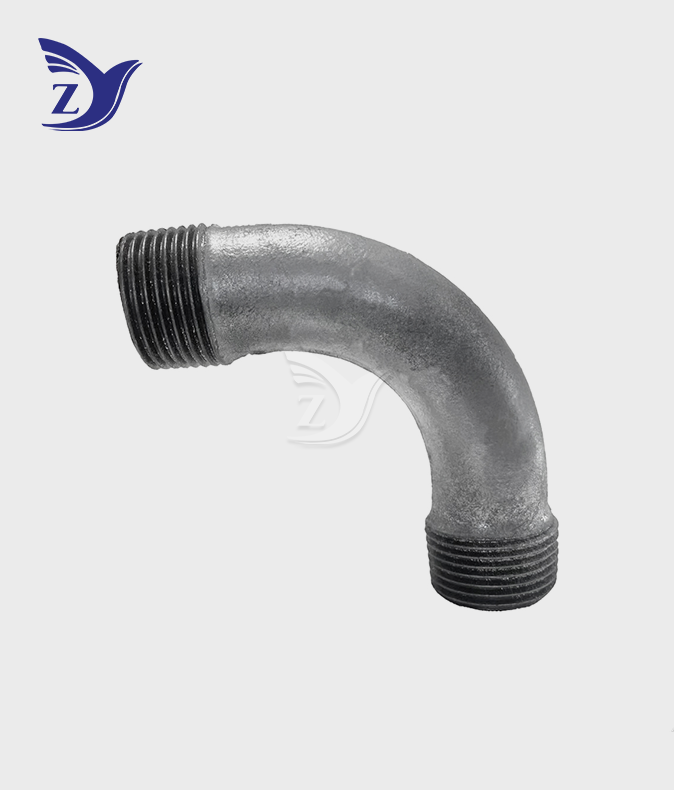
BSPT Round Face Galvanized Round Edge 90° Elbow Pipe Fittings
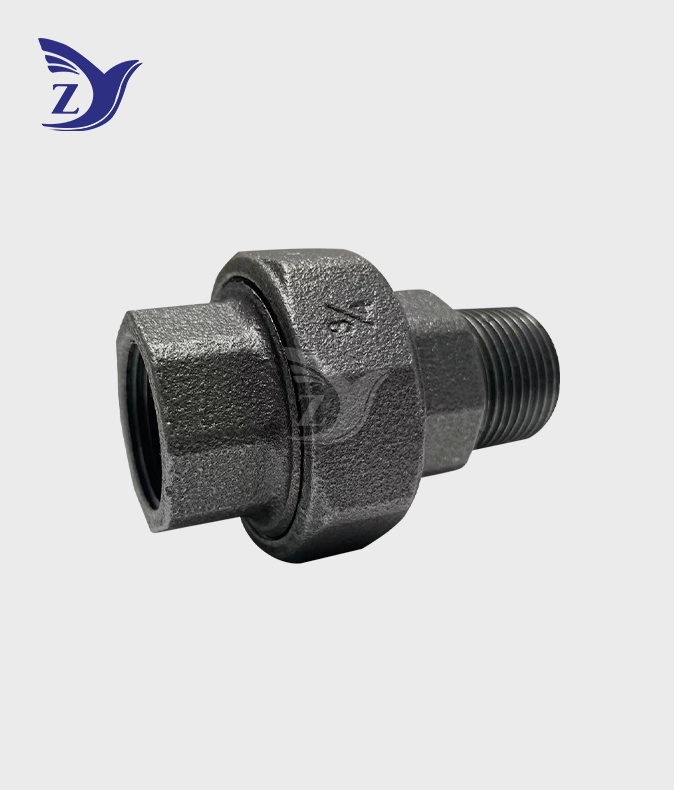
NPT Black Male-Female Union 341 Pipe Fittings
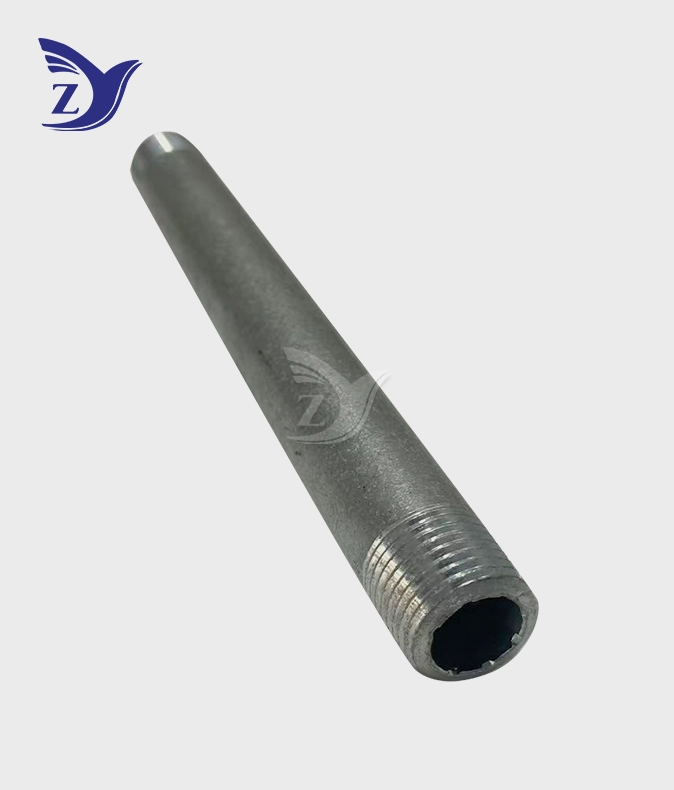
Carbon Steel Pipe Male Threaded Fittings Electro Galvanized
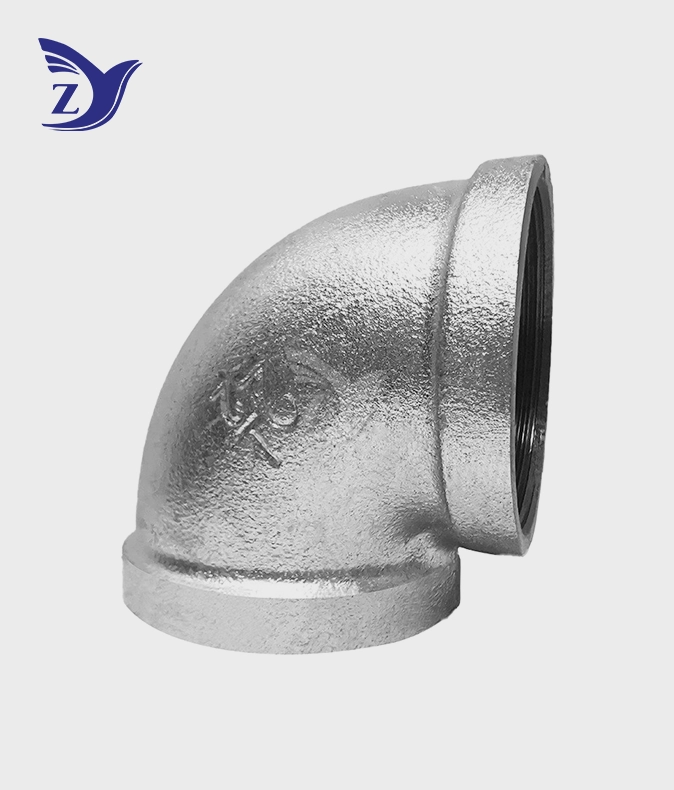
NPT Square Face Galvanized 90° Square Edge Elbow Pipe Fittings
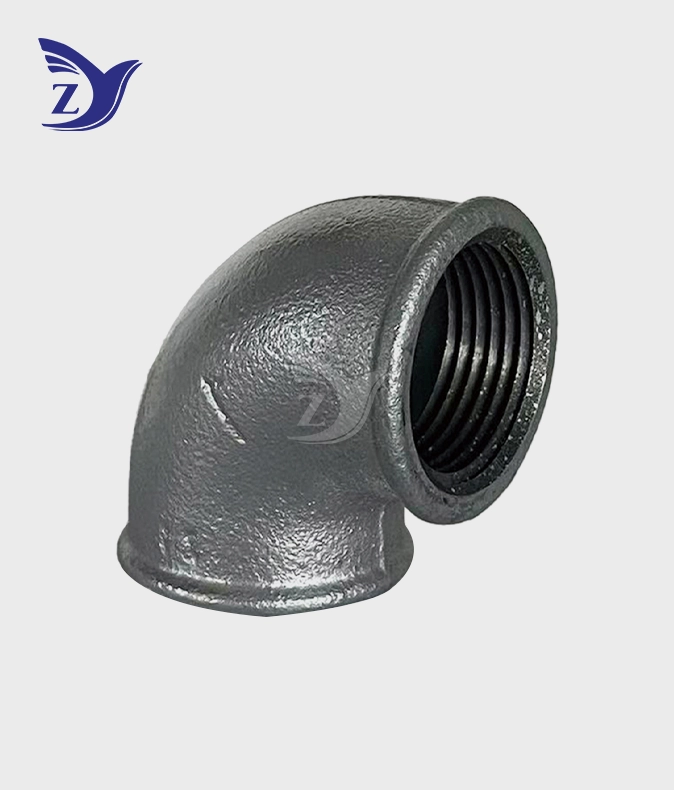
Hot-Dip Galvanized Round Edge BSPT 90° Elbow
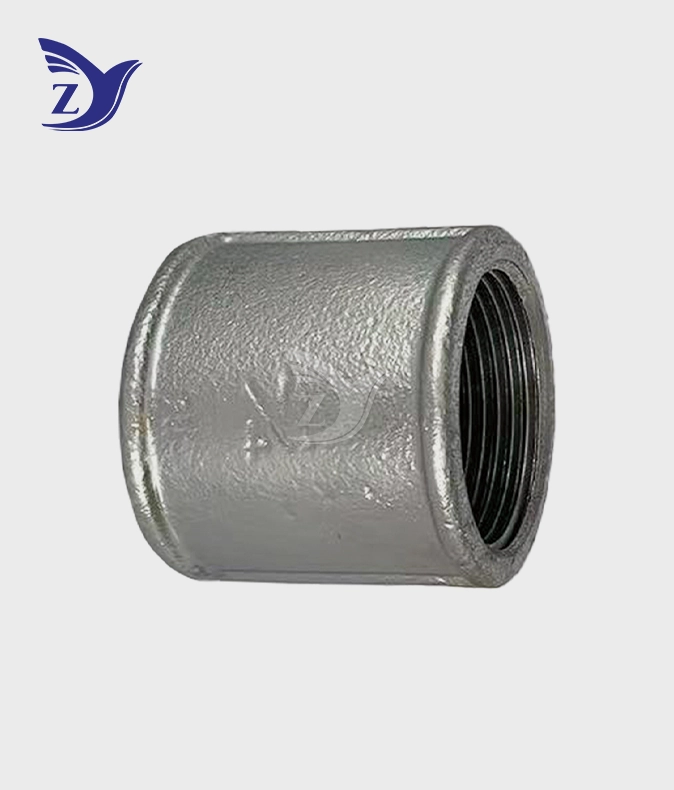
NPT Round Face Galvanized Round Edge Coupling Pipe Fittings
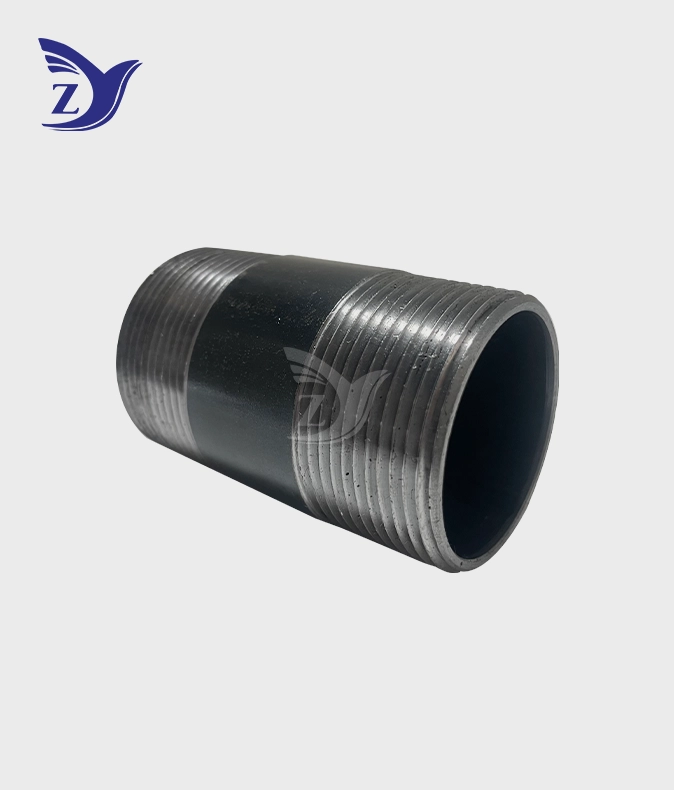
Double Male Thread Oil Tubing
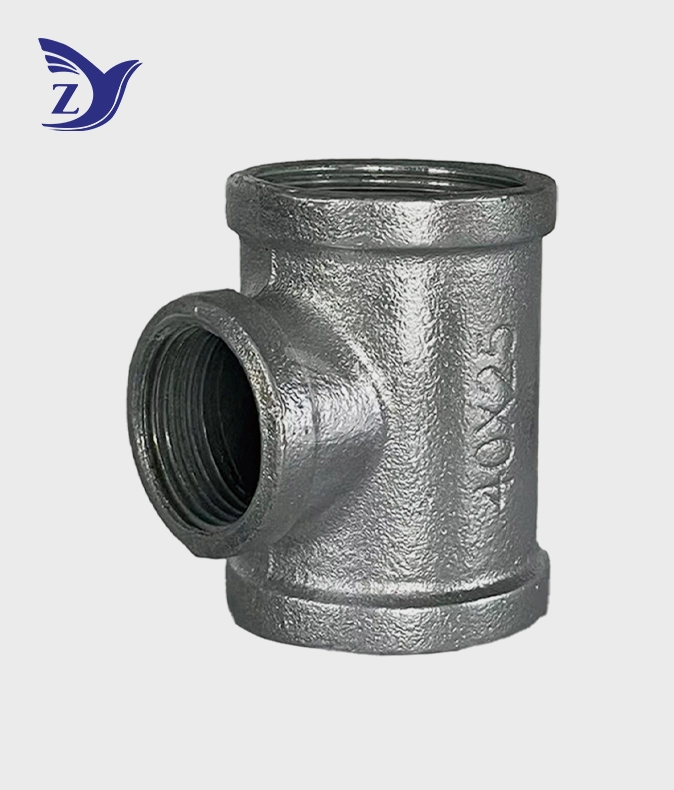
NPT Square Face Galvanized Square Edge Reducing Tee Pipe Fittings