
Jun 12, 2026
Types of Carbon Steel Pipe Fittings
Carbon steel pipe fittings serve as the backbone of industrial piping infrastructure, connecting and directing the flow of water, gas, oil, and other media across countless applications. These fittings—manufactured from durable carbon steel alloys—are engineered to meet stringent international standards including ASTM A234, ASME B16.9, and ISO specifications. Their reliability stems from precise chemical composition control and manufacturing processes that yield fittings capable of withstanding demanding pressure, temperature, and corrosive conditions. Whether you're specifying components for fire protection systems, municipal water networks, or petrochemical facilities, understanding the range of available fittings ensures optimal performance and cost-efficiency in your projects.
Overview of Carbon Steel Pipe Fittings
Carbon steel pipe fittings are needed to connect different pipes so that large networks of pipes can work safely and effectively. The carbon percentage of these parts is generally between 0.05% and 2.0%, and they are cast, forged, or cut. This much carbon makes the metal strong and easy to weld. Making these fittings follows rules like ASTM A105 for cast carbon steel and ASTM A53 for threaded pipe. These rules make sure that the sizes are right and that the fittings can handle 150 psi to over 3000 psi of pressure, depending on the grade and schedule.
The best thing about carbon steel is that it can be used in temperatures from -29°C to 425°C. These parts can be used in a wide range of devices, from those that distribute cold water to those that distribute steam. Fittings made of carbon steel are less expensive than those made of stainless steel when rust resistance can be controlled by coats instead of the metal itself. Because they are so cheap, they work well for big building projects and city buildings where money is tight.
To make these fits last longer, it's very important to treat the surfaces. Hot-dip galvanizing is the best way to keep things from rusting when they are outside. Electro-galvanizing is a lighter and less expensive choice for indoor installations. When you treat something with black oxide, it looks sleek without changing size much. A red finish makes things easier to find and stops them from rusting. When people go shopping, knowing about these treatment options helps them pick out clothes that look good in their environment and are easy to clean.
Types of Carbon Steel Pipe Fittings
Modern plumbing systems are very involved, as shown by the large number of parts that can be used. Each group has its own set of link issues and flow needs that engineers have to deal with when they are making systems.
Threaded Fittings
Most of the time, threaded carbon steel pipe fittings are used to connect pipes up to 2 inches in diameter that are used for low to medium pressure applications. When male threaded fittings are tightened onto female-threaded parts or valves, the NPT threads on the outside make a mechanical connection. The tapered form gets thinner at a rate of 1 in 16. When you use thread glue or PTFE tape with it, you get a joint that doesn't leak and can be used for gas, water, and air service.
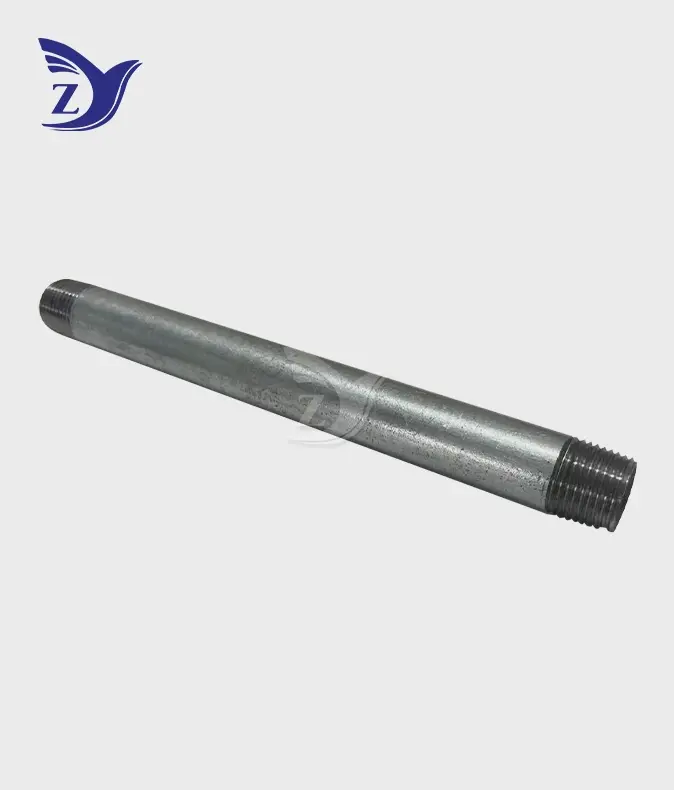
Carbon steel pipe fittings with full threads are a good example of how useful this group is. Two male-threaded pipes can connect to these cylinder-shaped fittings in a straight line because they have threads on the inside of both ends. In the field, full connections can be used to fix things and make changes to the system without the need for welding tools. They usually come in lengths of 2 to 6 inches and pressure ranges of 150 to 3000 psi. Pipe walls have to be at least 40 inches thick before they can be threaded together. This is because the threading process removes material from the wall of the pipe.
Elbows and Bends
An elbow changes the flow direction at a certain angle. Most of the time, 90 degrees and 45 degrees are used. One kind has a radius that is the same as the nominal diameter, and the other has a radius that is 1.5 times the nominal diameter. Because they reduce turbulence and pressure drop, long radius elbows are better for slurry and high-speed fluids where corrosion is a concern. Full-penetration welds can make smooth changes because the ends of butt-weld bends are bent. Threaded joints, on the other hand, are easy to put together for systems with a smaller width.
Tees and Crosses
Tees let branch pipes connect to the main pipe run at a right angle. There are three holes in an equal tee that are all the same diameter. Reducing tees, on the other hand, have a smaller branch exit that lets lines of different sizes connect without the need for separate reducer fittings. Today, four-way links aren't used as much because the point where they meet can cause stress to build up. Cross fittings are still available, though. A person who works in buying should know that crosses take longer to get and cost more because of their shape.
Reducers and Couplings
Reducers change the pipe's thickness from one size to another. The line stays in the middle of the concentrator, which makes a cone shape that is good for vertical pipe runs because it keeps air pockets from forming. Eccentric reducers have an offset shape that keeps one side flat. This is important for systems that drain and condense liquids because it keeps them from building up in horizontal runs. Usually, reducers can only change one size. To change more than one width, you need more than one fitting or factory-made parts.
Caps and Plugs
Pipe ends are joined to an outside part by caps. The cap slips over the pipe end and is generally welded or threaded into place. When you use a plug, you stop the pipe hole from the inside instead of the outside. Plugs with threads can be used to briefly close off a pipe for testing, storing for the winter, or future growth. Caps and plugs are often chosen based on how much access space is available and whether the end is fixed or needs to be taken off every so often.
The building blocks of a pipe system are these kinds of connections. To pick the right one, you need to think about the project's specific flow patterns, pressure needs, and fitting limits.
Comparative Analysis: Carbon Steel vs Other Pipe Fittings
When buying teams know all of the available options for a resource, they can make smart decisions that balance the need to be efficient with the money they have to spend.
Most of the time, carbon steel pipe fittings are used when light rust protection is enough and cost is the most important thing. These treatments can make carbon steel work just as well as stainless steel for most public water, HVAC, and fire safety systems. Stainless steel can cost three to five times as much. When working with acids that eat away at metal, food-grade items, or places that don't let rust happen, you need stainless steel.
This type of steel parts is made of carbon steel that has been coated with zinc. It resists rust better than black carbon steel, but it costs 20 to 30 percent more. A layer that is electro-galvanized is not as thick or lasts as long as one that is hot-dip galvanized. When exposed to water or being outside, hot-dip galvanized steel lasts 15 to 25 years longer than carbon steel. Because it lasts longer, the initial cost is generally worth it for public and business buildings where the cost of rebuilding is higher than the material prices.
The high-temperature strength and rust protection of alloy steel parts with chromium, molybdenum, or nickel are better than those of plain carbon steel. These unique valves work well in power plants, industrial process lines, chemical plants that work with poisonous or hot media, and plants that work above 450°C. Even though they work better, alloy fittings cost two to four times as much as carbon steel fittings.
How well they fit is also affected by how they are made. People who make seamless fits from solid pipe stock don't have to worry about the weld joint that can weaken over time. Seamless fittings are better for big process uses and steam lines with a lot of pressure because they can handle more pressure and last longer without breaking. If you make sure the weld line is hot enough and checked, roll-formed weldable parts are cheaper and can handle light pressure. The grain structure and functional properties of forged fittings are better than those of cast fittings, but they cost more. Cast parts, on the other hand, are less expensive for uses with complex shapes and big diameters.
How to Choose the Right Carbon Steel Pipe Fittings for Your Needs?
To pick the right parts, you need to think carefully about what you need, what the law says, and how the supply chain works.
Application Requirements Analysis
You pick carbon steel pipe fittings based on their pressure and temperature ratings. Fittings made of carbon steel come in different types based on the biggest pressures they can handle at different temperatures. This range of pressures is 150, 300, 600, 900, 1500, and 2500. A Class 150 fitting can take about 285 psi at 38°C, but only 75 psi at 425°C because the material weakens at high temperatures. Engineers must check pressure-temperature tables for that grade to make sure the material is safe to use in the whole temperature range they expect it to be used in.
Watch how well the different types of media work together very carefully. It is easy for carbon steel to work with water, steam, natural gas, and oil. Carbon steel, on the other hand, breaks down quickly in acids, chlorides, and some chemical solutions. The pH, salt content, and oxygen levels of the stuff being moved can help you decide if carbon steel that isn't covered is enough or if protection coats are needed.
Certification and Quality Verification
An honest manufacturer will give you Mill Test Certificates that show the chemical make-up, mechanical properties, and heat treatment records that can be linked to specific production runs. These papers prove that the item meets certain ASTM or ASME standards and let quality checks be done if the item doesn't work right. Approvals that are specific to a field, like UL and FM certifications for fire protection parts, show that they are safe to use in important situations. Certifications like ISO 9001 show that quality is managed in a planned way.
These records make sure that the fitting's shape is within the allowed ranges for thread contact, wall thickness, and center-to-face measures. Sound and magnetic particle screening are two types of non-destructive testing that can find flaws inside a fitting and cracks on the outside that make it less stable. Procurement professionals should ask for these papers from sellers when they are being qualified and make sure that the testing methods match the needs of the project.
Supplier Evaluation Criteria
How often a maker can give is based on how much they can make. This is especially true for big projects that need thousands of parts. Bigger factories that make more than 10,000 tons of goods each year tend to keep more types of goods in stock and have shorter lead times than smaller ones. Logistics prices and delivery times depend on how close two things are to each other. However, as containerized shipping has gotten better, this factor is not as important for planned purchases.
Customization is important for projects that need non-standard sizes, special fittings, or unique finishing needs. When a seller cuts, threads, and treats the surface themselves, they can meet specific needs faster than when they hire someone else to do it. By giving private labeling and unique designs, OEM and ODM services help resellers and dealers stand out in crowded markets.
You can save 15 to 30 percent on prices when you buy in bulk from reputable sellers instead of buying things as they come up. This is because you can be sure of the quality and be the first to know when stocks run out. Aside from unit price, long-term relationships also make it easier to work together on professional help, solving problems in the field, and making new products.
Conclusion
Carbon steel pipe fittings are still very important in business, industry, and public places. All over the world, they are used for fire protection, HVAC, process pipe systems, water distribution, and more because they are strong, cheap, and easy to connect. When engineers and purchasing staff know about the different types, like threaded joints and butt-weld reducers, they can pick parts that work well with the machine. The protective coatings on these parts, which can be as easy as red paint or hot-dip galvanizing, let them work in a lot of different places. The right way to place and take care of them will also make sure they last for decades. For complicated projects to have the supply chain security they need, they need to have strategic relationships with makers that offer full approvals, the ability to personalize, and consistent quality.
FAQs
What distinguishes carbon steel fittings from stainless steel fittings?
Carbon steel has more carbon than stainless steel, while stainless steel has less chromium. Carbon steel is cheaper and stronger because of this mix, but it rusts more quickly without having a coat on it to protect it. Stainless steel doesn't rust as easily as carbon steel because it forms layers of chromium oxide. However, it costs a lot more—often 3 to 5 times as much as carbon steel parts of the same type.
Are threaded carbon steel fittings suitable for high-pressure applications?
As long as the threads are properly engaged and a sealer is used, smaller threaded fittings (less than 2 inches) can handle pressures up to 2000 psi. When there are bigger sizes and more pressure, the joints need to be welded. Because threading thins the wall, it's harder to keep pressure inside during tough working conditions. Either a socket weld or a butt weld is needed.
How can buyers verify supplier certifications and product quality?
Check that the mill test certificates show the chemical make-up and mechanical properties of the parts. They should also have ISO 9001 quality management certification and any approvals that are relevant to your business, like UL or FM for fire protection parts. Manufacturers with a good name will show you proof of testing that did both damage and no damage. Samples should be checked in a different lab to make sure they meet the standards before large orders are placed.
Which surface treatment provides the best corrosion protection?
The best way to keep carbon steel parts from rusting over time is to hot-dip galvanize them. This is especially true in damp places like outdoors. The thick copper covering usually lasts between 15 and 25 years. For indoor uses, electro-galvanizing is a cheaper choice. However, depending on how much corrosion they are subject to, epoxy coatings or upgrades to stainless steel may be needed in some places.
Partner with Zhiyuan Malleable Steel for Reliable Piping Solutions
The Zhiyuan Malleable Steel company has been making carbon steel pipe fittings for over 18 years. They work with industrial sites in the US and other countries, as well as fire defense companies and local building firms. We keep a lot of threaded fittings in stock, like male threaded connectors and full threaded pipe joints in sizes from 1/8 inch to 6 inches. Our plant in Shanxi Province can make up to 30,000 tons of goods every year. On the outside, we can hot-dip galvanize, electro-galvanize, red-coat, sandblast, or add black powder. This way, we can meet the needs of your environment.
With ISO 9001, CE, UL, and FM approvals, we are a licensed company that makes carbon steel pipe fittings. The quality of our goods meets foreign standards, and because we make and sell them ourselves, we can offer fair prices. Our customization services can help OEMs and ODMs get the sizes and styles they need that aren't in stock. Everyday things are sent out from our warehouse within two hours, and we promise to replace any items that are broken. Feel free to email our buying team at q1236800000@gmail.com to talk about your project and get full technical specs and prices. You can see all of our goods at zymalleablepipefitting.com and find out how our fast service and dependable supply chain can help your business grow.
References
- American Society of Mechanical Engineers (2020). ASME B16.9: Factory-Made Wrought Buttwelding Fittings. ASME International, New York.
- ASTM International (2019). ASTM A234/A234M: Standard Specification for Piping Fittings of Wrought Carbon Steel and Alloy Steel for Moderate and High Temperature Service. ASTM, West Conshohocken, PA.
- Nayyar, M.L. (2000). Piping Handbook, 7th Edition. McGraw-Hill Professional, New York, pp. 278-342.
- Ellenberger, J.P. (2016). Piping and Pipeline Calculations Manual: Construction, Design Fabrication and Examination. Butterworth-Heinemann, Oxford, pp. 145-189.
- Mohitpour, M., Golshan, H., and Murray, A. (2007). Pipeline Design and Construction: A Practical Approach, 3rd Edition. ASME Press, New York, pp. 213-267.
- National Fire Protection Association (2021). NFPA 13: Standard for the Installation of Sprinkler Systems. NFPA, Quincy, MA, Chapter 6: System Components.
Online Message
YOU MAY LIKE
High quality furniture manufacturer
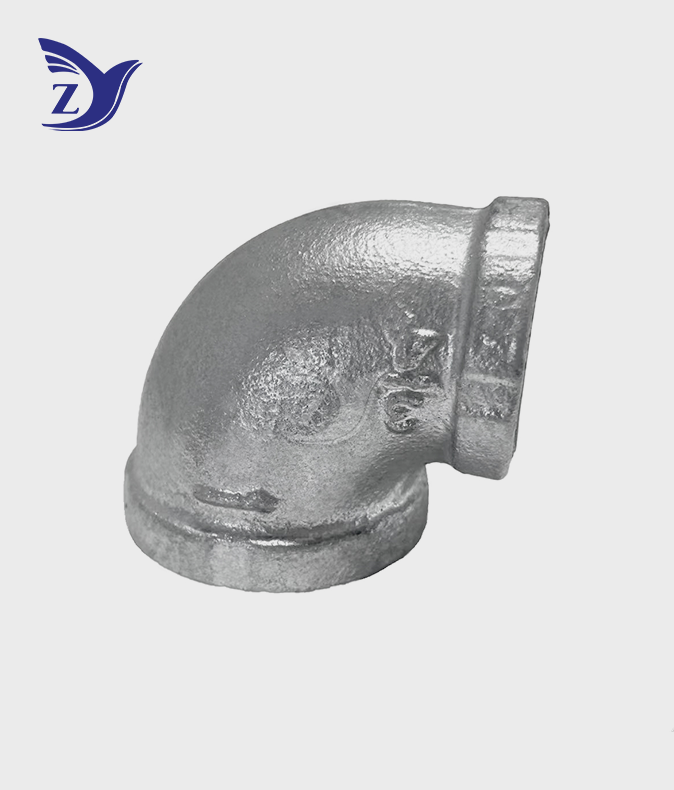
Galvanized NPT 90° Reducing Elbow
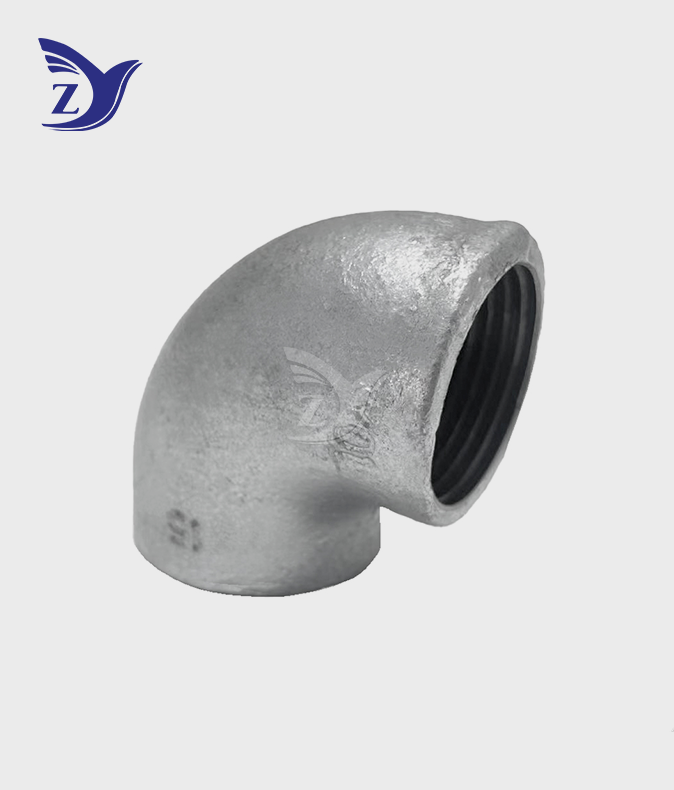
No Hub Electro Galvanized 90° Elbow Pipe Fitting
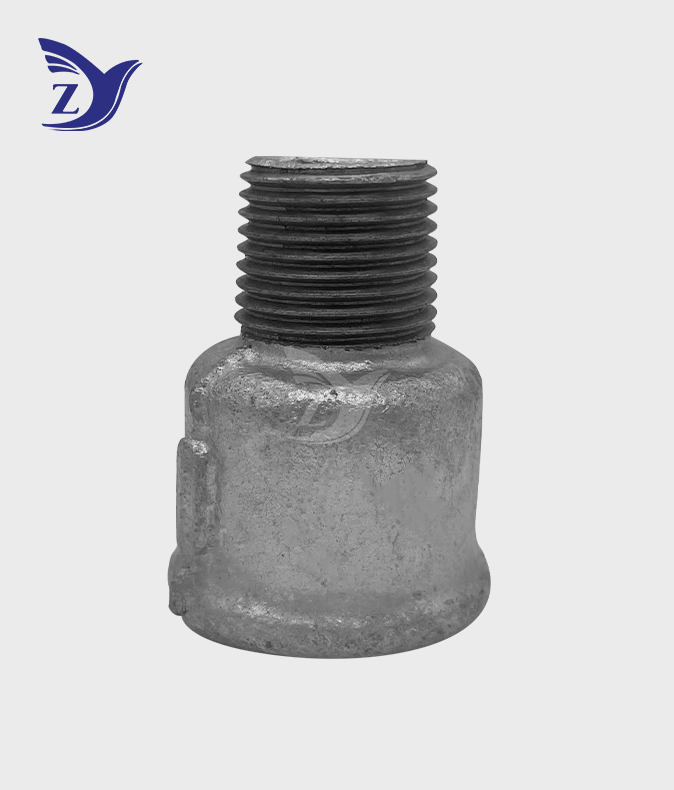
Beaded Galvanized BSPT Round Edge Male-Female Reducing Coupling
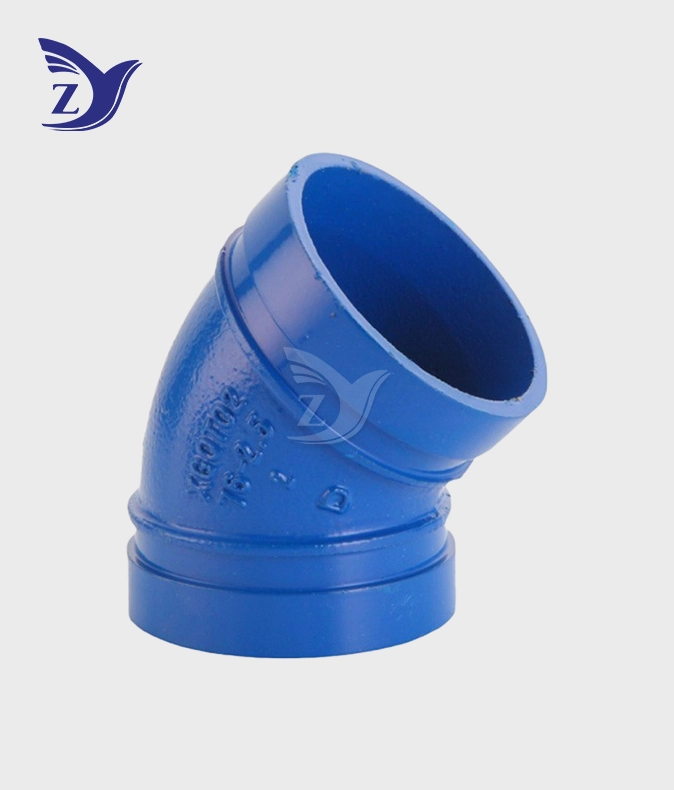
Water Grooved 45° Elbow
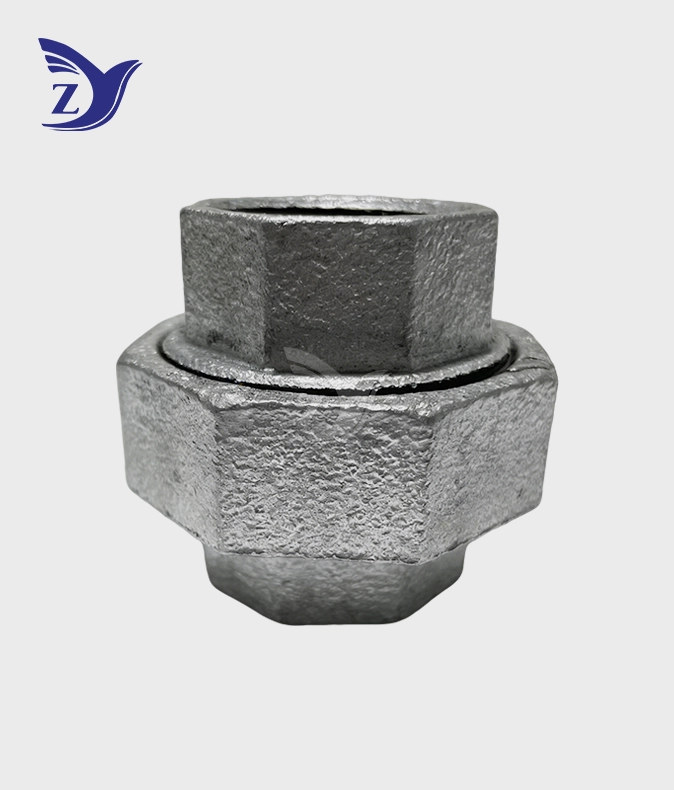
NPT Galvanized Union 342 Pipe Fittings
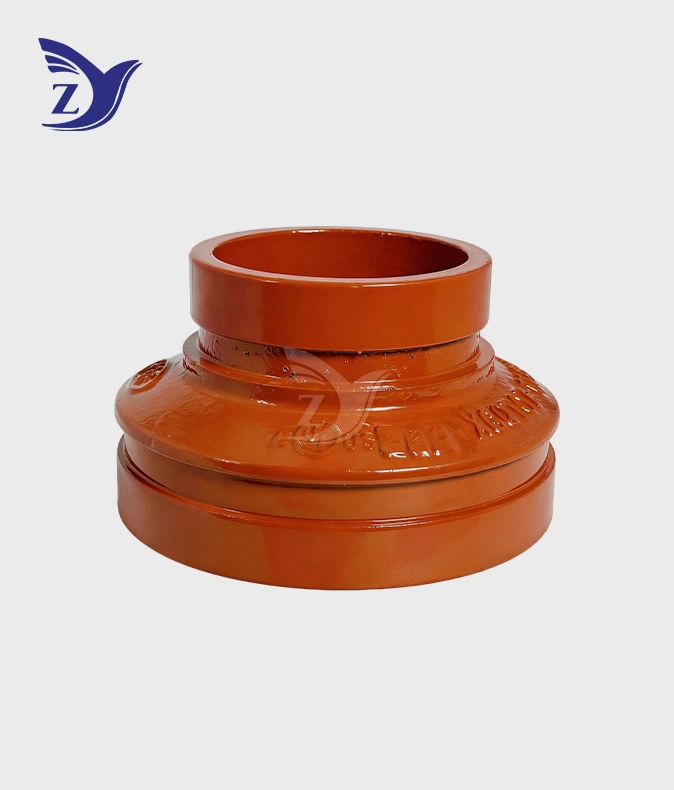
Fire Grooved Reducer
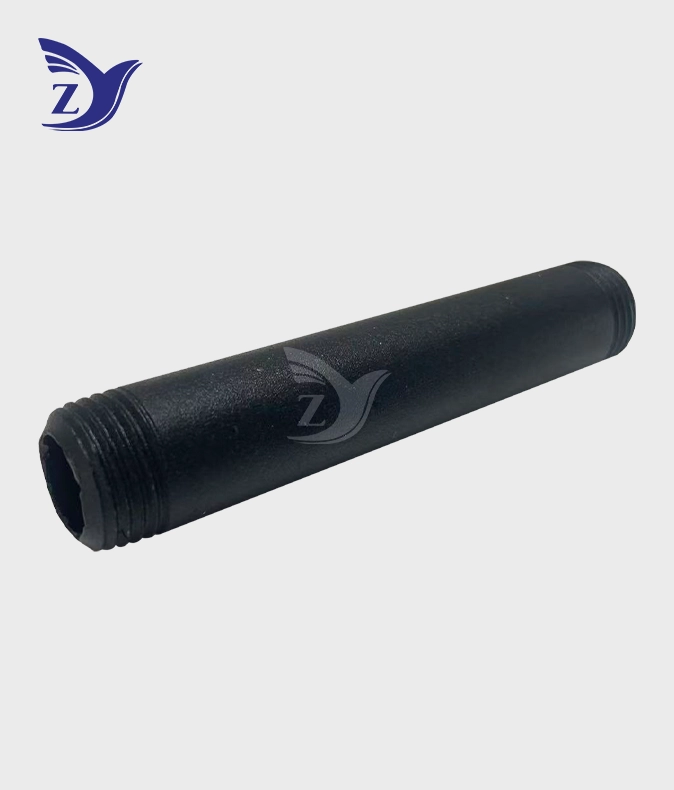
Carbon Steel Pipe Male Threaded Fittings Black Oxide Treated
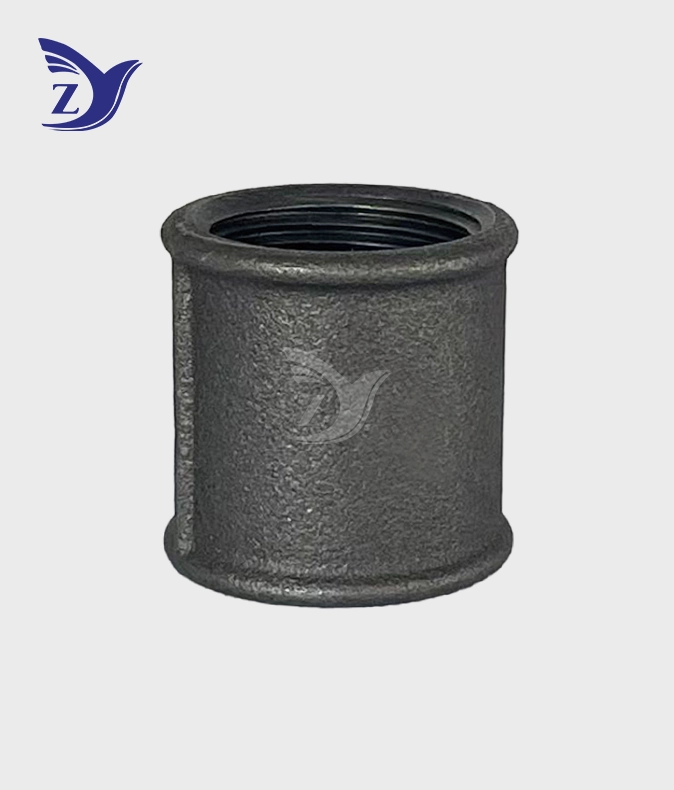
NPT Black Round Face Coupling Pipe Fittings