
Jun 13, 2026
The Complete Procurement Guide to Carbon Steel Threaded Pipe Fittings
When looking for carbon steel pipe fittings for industrial installations, fire protection systems, or public infrastructure, knowing the exact measurements is what makes the difference between a smooth installation and a costly delay. These threaded connections are the backbone of pipe networks in HVAC, gas distribution, and water supply systems. The accuracy of the dimensions has a direct effect on how well the seals work and how long the system lasts. At Zhiyuan Malleable Steel, we have spent more than 18 years perfecting male threaded carbon steel fittings and full threaded connections that meet the strict size requirements set by foreign purchasing teams. This guide tells buying experts, project engineers, and sellers everything they need to know to choose dimensionally compliant fittings that work well in tough conditions.
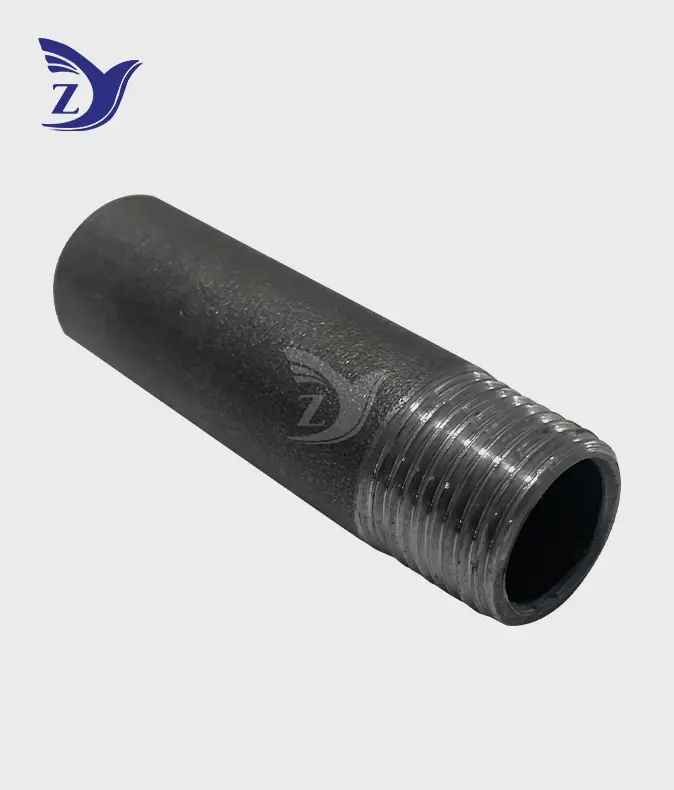
Understanding Carbon Steel Threaded Pipe Fittings
Carbon steel pipe fittings are mechanical joints that are made to join pipe sections by engaging a spiral thread instead of welding. Butt weld joints need special tools and qualified welders to put together. Threaded components, on the other hand, can be put together in the field with standard wrenches and sealants. Either male external threads or female internal threads that have been cut to exact dimensions in line with international standards make up the basic design.
Types of Threaded Fittings and Their Applications
The threaded fitting family includes a lot of different shapes and sizes that are made to solve specific pipe problems. Couplings connect straight pipe runs, elbows change the flow at 90° or 45° angles, tees let you connect branches, and unions let you take the pipe apart for repair. External threads on male threaded fittings connect to female-threaded pipes or parts, while internal threads on both ends of full threaded connections connect two male-threaded pipe sections. When installing sprinkler system laterals quickly is important, fire protection engineering firms often choose carbon steel male threaded fittings. On the other hand, full threaded couplings are preferred for their strong connection strength in buried uses by city water supply projects.
Material Grades and Manufacturing Standards
Carbon steel pipe fittings made from ASTM A105 grade steel have great mechanical qualities and can be used in temperatures ranging from room temperature to 400°C. This forged carbon steel formula usually has a maximum carbon content of 0.35%. It has the best mix of being able to be welded, machined, and have a tensile strength of over 485 MPa. In North America, ASME B1.20.1 sets the measurements for NPT threads, while ISO 7-1 sets the shape for BSP threads, which are common in Europe and Asia. Material tracking through heat number marking lets purchasing teams check chemical makeup certificates, which is a must for projects that need to follow NACE or pressure vessel codes. Zhiyuan Malleable Steel follows ISO 9001 quality standards in all of its production, and every batch that it sends to customers around the world comes with full proof of its material approval.
Comparing Carbon Steel Threaded Pipe Fittings with Other Materials
Choose the right material has a big effect on both the original cost of buying it and the prices over its entire life, including repairs and replacements. In many situations, carbon steel pipe fittings are the best combination of price and performance, but in some cases, the environment calls for a different material.
Carbon Steel Versus Stainless Steel Performance
Carbon steel pipe fittings are about 40–60% cheaper than similar parts made of stainless steel, and they have a higher tensile strength (485 MPa minimum vs. 515 MPa for 304 stainless steel). When parts are exposed to water, chlorides, or acidic conditions, where carbon steel quickly oxidizes without protection, the corrosion resistant trade-off becomes clear. Protective solutions for the surface fill in this performance gap without costing too much. Electro galvanizing uses thinner coats (8-12 microns) that are better for indoor use, while hot dip galvanizing uses a 45-85 micron zinc covering that protects against corrosion for 20 years or more when exposed to the elements. The black oxide treatment gives the metal a nice matte finish, but it doesn't protect against rust very well. This makes it good for oil and gas uses where the process fluid stops oxidation. Zhiyuan Malleable Steel has all of these surface treatments, so buying teams can choose the best amount of safety for the environment without having to use expensive stainless steel when they don't have to.
Thread Connection Methods and Pressure Capabilities
When the benefits of easy fitting outweigh the drawbacks, threaded connections are the best choice for low to medium pressure uses up to 2000 PSI and nominal sizes below 4 inches. Larger diameter high-pressure systems usually use welded butt fittings instead of threaded ones because the threaded joint can be a place where leaks happen and stress builds up. When combined with PTFE tape or pipe thread sealant, the thread contact makes a winding path for closing. However, this mechanical seal is still sensitive to vibrations because it doesn't have any lock mechanisms. It is important to follow the installation torque specs because not tightening enough leaves holes that allow leaks to happen, and tightening too much damages the threads or cracks the fitting bodies. To properly compress a ¾" NPT connection, you need about 40 to 50 ft-lbs of torque, which can be measured with standardized torque wrenches during quality checks of the assembly process, which project managers should make sure are done on all important systems.
Procurement Guide for Carbon Steel Threaded Pipe Fittings
It's not enough to just find the cheapest unit price; you also need to look at the total cost of ownership, which includes consistency in quality, reliability in delivery, and support after delivery. Strategic partnerships with capable manufacturers pay off in the long run by lowering defect rates and allowing responsive technical collaboration.
Supplier Evaluation Criteria and Certification Verification
Material certification documentation should accompany every shipment, providing traceability to the specific steel heat and confirming chemical composition compliance with ASTM specifications. CE marking indicates European safety directive conformance, while UL and FM certifications demonstrate fire protection industry acceptance critical for sprinkler system components. Dimensional inspection reports verified through calibrated gauges confirm thread geometry compliance—procurement managers should request these documents during the quotation evaluation phase rather than after production completion. Manufacturing capacity indicators include equipment inventory (Zhiyuan maintains 156 CNC machines), annual production tonnage (30,000 tons at our facility), and workforce size reflecting organizational stability. Site audits or virtual facility tours reveal production control sophistication through observations like statistical process control implementation, calibrated measurement equipment availability, and finished goods inspection protocols that separate professional manufacturers from trading companies lacking production oversight.
Pricing Structures and Order Logistics Optimization
Volume-based pricing tiers typically offer 8-15% reductions at 10-ton order quantities compared to single-ton purchases, with additional discounts negotiable for annual blanket orders supporting distributor inventory programs. Understanding manufacturing lead times prevents project delays—standard catalog items from established manufacturers often ship within 7-14 days, while custom specifications requiring dedicated production runs extend timelines to 30-45 days. International shipping logistics favor consolidating multiple fitting types into full container loads (approximately 25-28 tons for 20-foot containers) to optimize freight costs that represent 12-18% of landed product cost for trans-Pacific routes. Payment term negotiations should balance supplier financial security with buyer cash flow management—30% deposit with 70% against bill of lading documentation represents common practice for initial orders, progressing to open account terms after relationship establishment through consistent transaction history.
Custom Manufacturing and OEM Partnership Advantages
Projects requiring non-standard dimensions, specialized coatings, or private labeling benefit from manufacturers offering engineering collaboration and flexible production capabilities. OEM partnerships enable distributors to differentiate product offerings through custom packaging, technical documentation localization, and performance certifications addressing specific market requirements. At Zhiyuan Malleable Steel, our technical team collaborates with customers developing specialized fittings for unique applications—recent projects included oversized full threaded couplings for power plant cooling systems and sand-blasted surface fittings for enhanced coating adhesion in marine environments. Our production flexibility accommodates minimum order quantities as low as 500 pieces for custom specifications, accessible to mid-sized distributors establishing differentiated product lines. Customers seeking carbon steel pipe fittings suppliers benefit from our comprehensive quality documentation, competitive pricing reflecting direct manufacturing relationships, and responsive communication through our international sales team at q1236800000@gmail.com.
Conclusion
When buying carbon steel pipe fittings, it's important to know about the thread type requirements, the dimensional tolerance requirements, and the right way to install them. Knowing these things helps procurement professionals write good technical specifications and confidently evaluate suppliers' abilities. Choosing the right surface treatment balances the need for corrosion protection with budget constraints; galvanized options last longer in harsh environments and cost less. Strategic supplier partnerships that focus on certification validity, dimensional verification, and responsive technical support yield long-term value that goes beyond transactional price considerations, especially for projects that need consistent quality across multiple delivery phases.
Partner with a Trusted Carbon Steel Pipe Fittings Manufacturer
Zhiyuan Malleable Steel delivers dimensionally precise threaded fittings backed by ISO 9001 certification and 18 years of manufacturing expertise serving international fire protection, municipal engineering, and industrial customers. Our production capacity of 30,000 annual tons and inventory depth exceeding 1,000 SKUs support both large-scale project requirements and distributor replenishment needs with standard product delivery within 48 hours. Whether you need hot dip galvanized full threaded couplings for corrosive environments, electro galvanized male threaded fittings for indoor installations, or custom OEM specifications with private labeling, our engineering team collaborates to deliver cost-effective solutions meeting your exact dimensional and certification requirements. Contact our international sales team at q1236800000@gmail.com to discuss your upcoming projects, request technical specifications, or schedule a virtual facility tour. Visit zymalleablepipefitting.com to explore our complete product catalog and discover why procurement professionals worldwide trust Zhiyuan as their preferred carbon steel pipe fittings supplier for quality, reliability, and responsive service.
FAQ
What are the standard thread types used in carbon steel threaded pipe fittings?
NPT (National Pipe Taper) threads are most common in North America. They have a 1:16 taper angle that creates interference sealing through thread engagement. BSP (British Standard Pipe) threads are used in European and Commonwealth specifications. They come in parallel BSPP and tapered BSPT variants. These thread standards are not interchangeable, even though they look similar—NPT and BSPT use different pitch diameters that make mixing them impossible for reliable sealing. Procurement specifications must clearly state the required thread standard to make sure they work with existing piping infrastructure.
How can dimensional compliance with international standards be confirmed?
Manufacturers that you can trust will give you certified dimensional inspection reports that show the go/no-go gauge results for thread pitch diameter, taper angle, and overall length measurements. These reports are part of the standard shipping paperwork that comes from reputable manufacturers and are checked by calibrated measurement equipment that meets national metrology standards. For extra peace of mind, you can use a third-party inspection service before the shipment is released. This is especially helpful for large orders or important applications where dimensional non-conformance causes costly project delays.
Are carbon steel threaded fittings suitable for high-pressure service?
For applications up to 2000 PSI, carbon steel pipe fittings work reliably as long as they have the right wall thickness (Schedule 80 for high pressures) and the right installation torque. For applications above this limit or that involve cyclic pressure loading, welded connections are usually used instead of threaded ones because the threaded joint could fail. The pressure rating depends on the material grade, wall thickness, temperature, and the quality of the thread engagement. Refer to ASME B31 piping codes for specific application-specific pressure limits.
References
1. American Society of Mechanical Engineers, "ASME B1.20.1: Pipe Threads, General Purpose (Inch)," ASME International, 2019.
2. American Society for Testing and Materials, "ASTM A105/A105M: Standard Specification for Carbon Steel Forgings for Piping Applications," ASTM International, 2021.
3. International Organization for Standardization, "ISO 7-1: Pipe threads where pressure-tight joints are made on the threads — Part 1: Dimensions, tolerances and designation," ISO Standards, 2020.
4. American Society of Mechanical Engineers, "ASME B16.11: Forged Fittings, Socket-Welding and Threaded," ASME International, 2018.
5. National Fire Protection Association, "NFPA 13: Standard for the Installation of Sprinkler Systems," NFPA Publications, 2022.
6. European Committee for Standardization, "EN 10242: Threaded pipe fittings in malleable cast iron," CEN Standards, 2020.
Online Message
YOU MAY LIKE
High quality furniture manufacturer
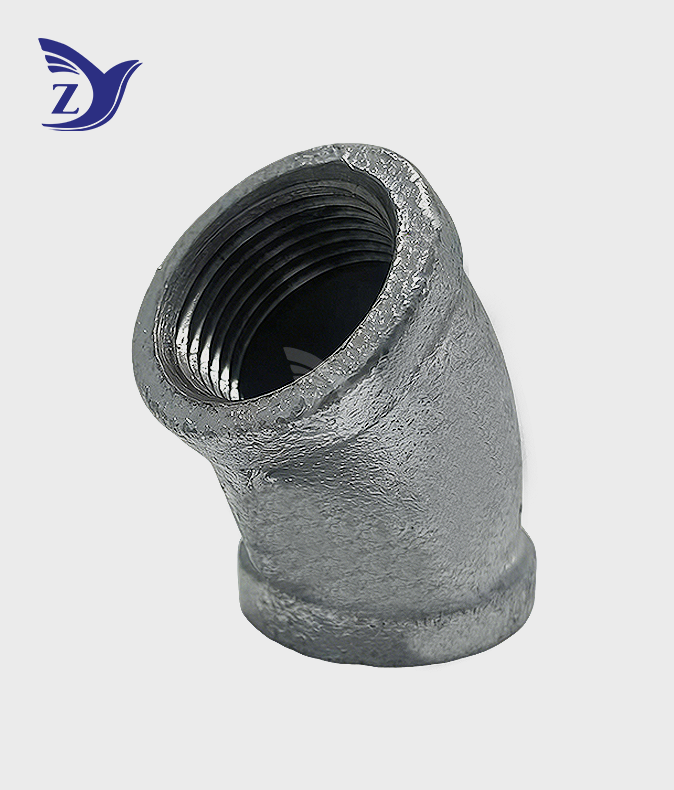
NPT Square Face Galvanized 45° Square Edge Elbow Pipe Fittings
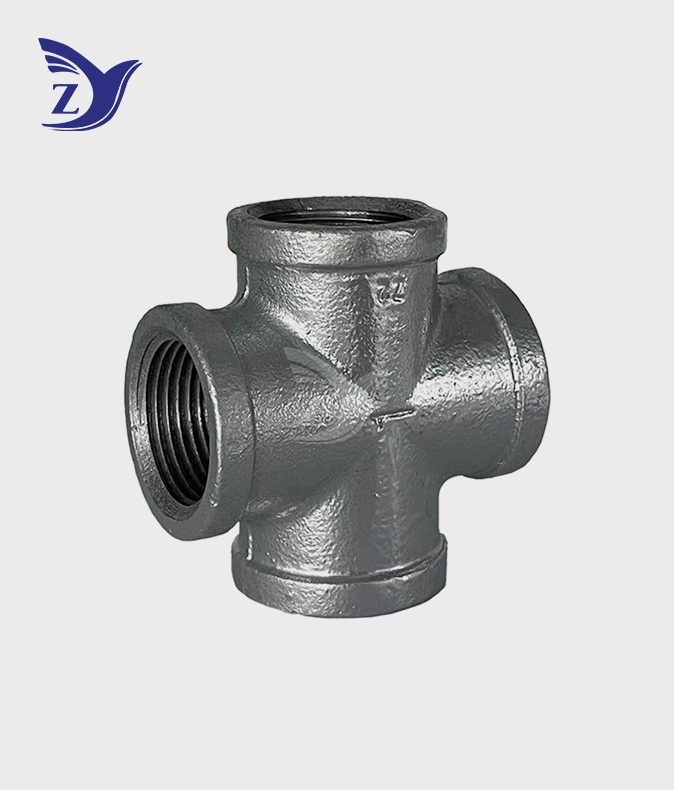
NPT Square Face Galvanized Square Edge Cross Pipe Fittings
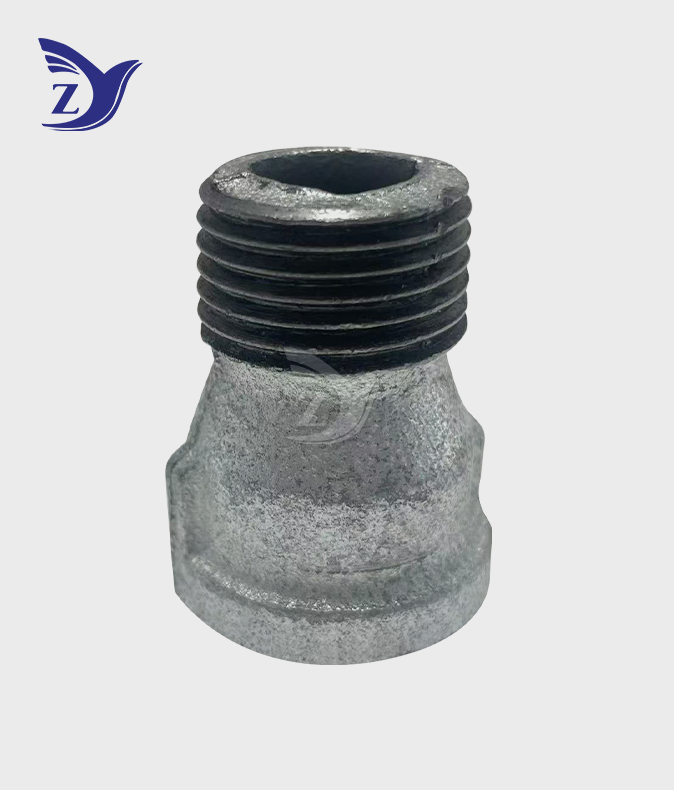
NPT Thread Square Edge Reducing Street Coupling Pipe Fittings
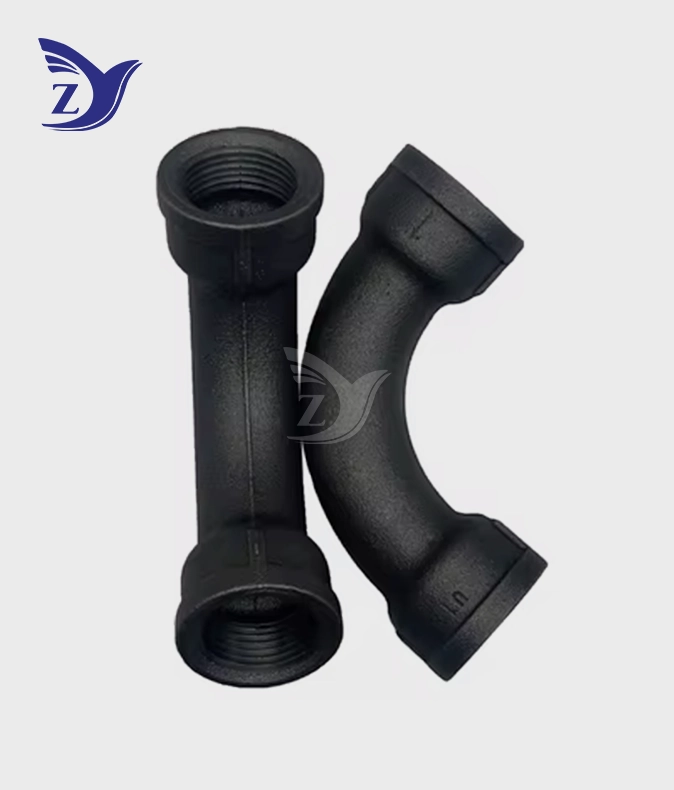
BSPT Black FxF 90° Long Bend Malleable Iron Pipe FittingsFittings
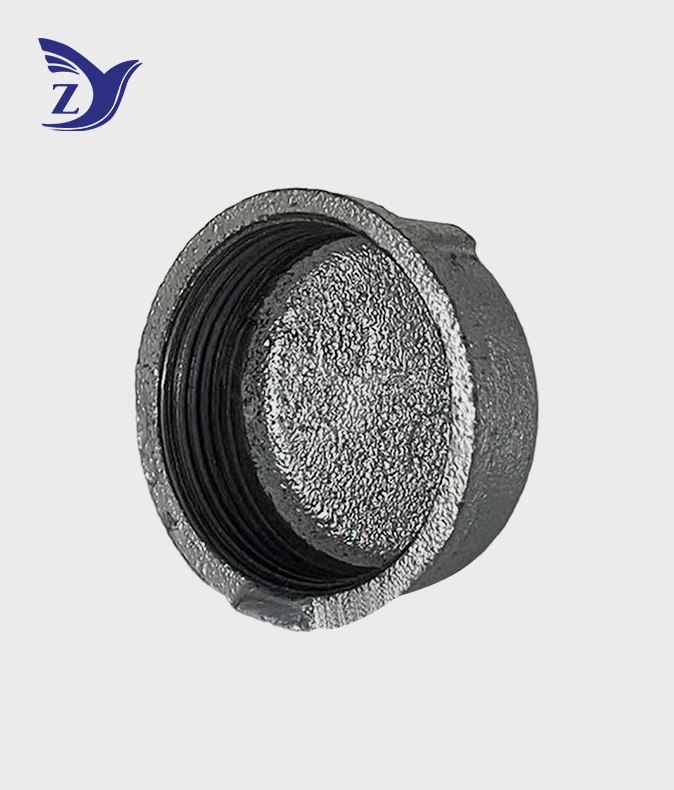
NPT Galvanized Pipe Cap Pipe Fittings
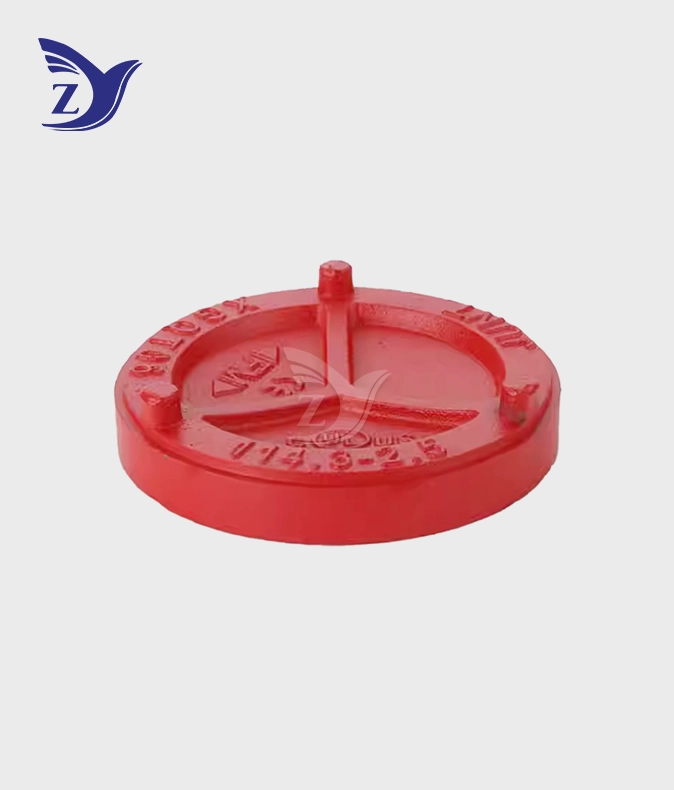
Fire Grooved Blind Flange
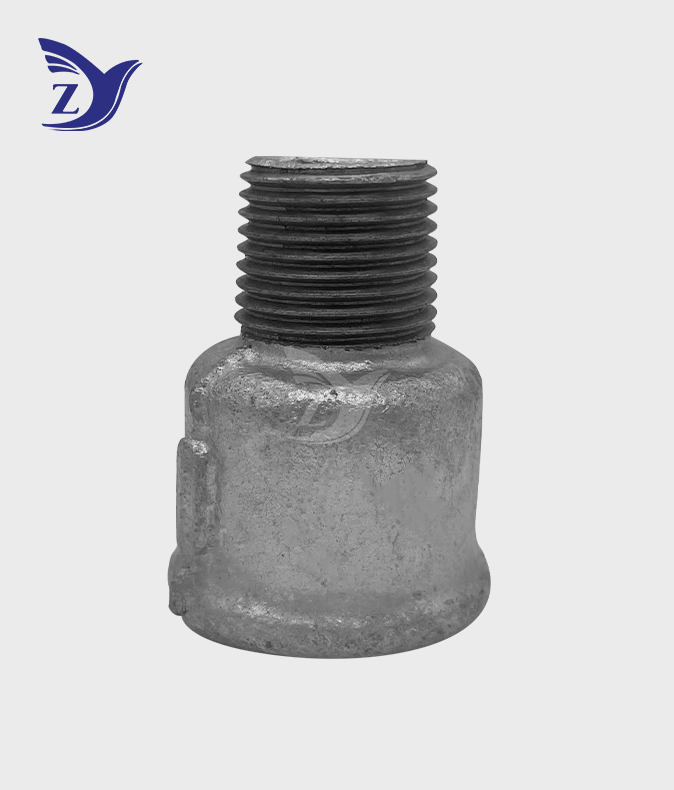
Beaded Galvanized BSPT Round Edge Male-Female Reducing Coupling
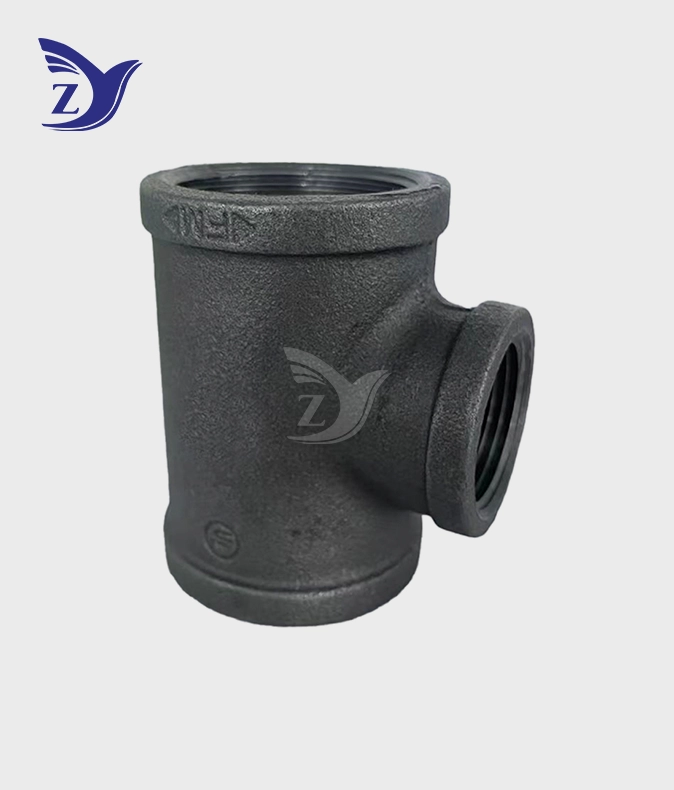
NPT Black Square Face Reducing Tee Pipe Fittings