
Apr 24, 2026
Square Face vs Beveled Edge Couplings: Which Is Better?
When choosing pipe couplings for industrial use, the choice between designs with a square face or a beveled edge has a big effect on how well the system works and how quickly it can be installed. At Zhiyuan Malleable Steel, we have a lot of experience making threaded pipe fittings. For most industrial water, gas, and fire protection systems, square face galvanized square edge coupling pipe fittings are the best value. These NPT/BSPT compatible couplings have square edges that are reinforced to make them easier to grip during installation and spread out the torque from the wrench more evenly. This makes it less likely that the threads will be damaged or the fitting will deform when the assembly is stressed. The hot-dipped galvanized coating makes them very resistant to corrosion, which makes them perfect for places outside or with a lot of moisture where durability is important.
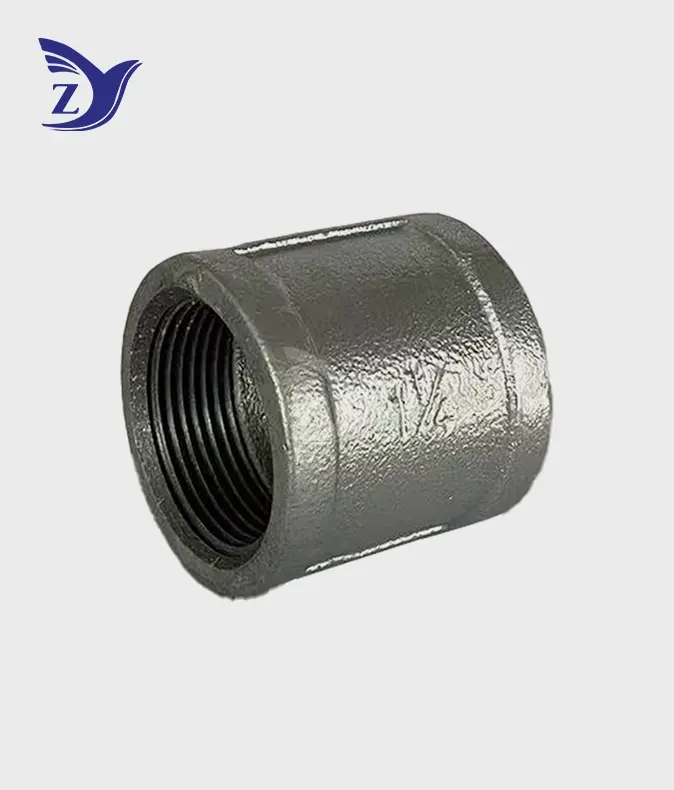
Coupling Types: Square Face and Beveled Edge
What these types of couplings are meant to do and how well they work can be seen in their basic design philosophy. Let me show you what makes them different.
What Defines Square Face Couplings
Square face galvanized square edge coupling pipe fittings have clean, straight edges at both openings. This gives them a unique shape that can be used for more than one thing. These industrial-grade fittings are made from high-strength, malleable iron and are finished with hot-dip galvanization. They have strong mechanical properties. When compared to standard beaded designs, the square edge reinforcement adds about 15 to 20 percent more material mass. This makes the resistance to radial expansion during tightening much better. This extra material keeps it from splitting when installers use a lot of torque, which can happen with thinner-walled options. The precision-threaded interior works with both NPT and BSPT standards, so it's compatible with a wide range of piping systems used in North America and around the world.
Beveled Edge Coupling Characteristics
The ends of beveled edge couplings are usually cut at certain angles to make them easier to align with pipes that have ends that are also cut at the same angle. This design came from situations where the pipe-to-fitting engagement had to be very precise while the pressure was high. In some cases, the beveled profile can cut down on the time it takes to install the coupling because it guides the pipe into place. These fittings are most useful in welded systems or grooved connections that need the beveled interface to help seat gaskets or prepare for welding. But because there is less material at the edge, they need to be handled carefully during installation so that the tapered surface doesn't get damaged.
Material and Coating Considerations
Galvanization can be used on both types of coupling, but the process protects in different ways depending on the geometry. When square-faced designs are hot-dipped galvanized, the zinc coverage is usually more than 70 microns all over the surface, even on the reinforced edges. This full protection takes care of galvanic corrosion issues that come up when connecting metals that are not the same in industrial systems that move fluids or steam. The zinc coating acts as a sacrifice, corroding more quickly to protect the iron substrate below, which is more malleable. On the other hand, beveled edges may have thinner coatings build up on the angled surfaces because of drainage during the galvanizing process. This could make them more vulnerable in corrosive environments.
Performance and Functional Comparison Between Square Face and Beveled Edge Couplings
Performance in the real world tells the difference between good and great components. These are the things that testing and experience in the field have shown about how these couplings work in real life.
Corrosion Resistance in Harsh Environments
When installed outside or in wet conditions, square face galvanized square edge coupling pipe fittings show measurable benefits. According to ASTM A153 testing guidelines, the uniform zinc coating protects against cathodic damage and increases the life of the fitting by 20 to 30 years in normal atmospheric conditions. We've supplied fittings for fire protection systems along the coast, where salt air speeds up corrosion. The square face design with full galvanization coverage always works better than alternatives that are only partially coated. Beveled edge fittings can get rust spots where the coating is thinner, like where the edges are chamfered. This is especially likely to happen if they are exposed to industrial chemicals or constant moisture. This difference is very important when figuring out lifecycle costs because replacing things too soon can mess up operations and make material costs go up.
Installation Process and Tool Compatibility
Timelines and labor costs are directly affected by how well installations are done. Square face galvanized couplings are better for wrench engagement because the perpendicular edges make a good grip surface that keeps the tool from slipping while it's being tightened. Pipe fitters like this feature because it saves them time from having to move tools around when they're working in tight spaces or at odd angles. The reinforced edge doesn't bend when the wrench is used over and over, which is important for making changes to the system or doing maintenance. Because standard pipe wrenches don't grip the angled surface as well, beveled couplings need more careful tool placement. When there are a lot of installations to do, like connecting hundreds of sprinkler drops in a business building, these seconds saved on each connection add up to hours saved on work.
Dimensional Precision and Sealing Integrity
The quality of the thread engagement determines how well joints hold up under pressure over many years of use. When made to EN 10242 and ISO 49 standards, square face couplings keep their dimensions very close together, which makes sure that the thread depth and pitch are always accurate. During installation, the square edge acts as a mechanical stop. This helps installers get the threads to engage properly without over-tightening, which can damage the threads or crack the fittings. This feature of the design cuts down on installation mistakes that cause leaks or joints to break. Beveled couplings don't have this built-in depth reference, so experienced installers have to use their hands to make sure they're properly engaged. When the pressure is up to 25 bar (362 psi), accuracy in measurements is not a choice; it's necessary for system safety and dependability.
Key Benefits and Practical Advantages
It's not as important to understand abstract technical differences as it is to know how these features can help your specific applications run more smoothly.
Square Face Coupling Advantages
The long-lasting and safe straight pipe coupling design is very useful for big industrial projects. The square edge makes it easy to see and feel when fittings are in place, which helps installation crews finish connections faster. When taking apart old systems, maintenance teams like how strong the construction is because the reinforced edges don't get damaged by extraction tools like softer fittings would. With its anti-rust iron core and corrosion-proof galvanization, square face galvanized square edge coupling pipe fittings are designed to last for decades in oil, gas, and water applications. A study of costs shows that even though the initial unit prices may be 8–12% higher than basic couplings, the total cost of ownership is 30–40% lower over the life of the infrastructure, thanks to longer service lives and fewer maintenance tasks.
When it comes to water utility companies that are in charge of miles of underground pipes, these benefits are especially useful because replacing pipes costs a lot of money because of the digging, traffic control, and service interruptions. Fire protection contractors like that the quality and pressure ratings are always the same and meet UL and FM certification requirements. The corrosion-resistant threaded pipe joiner design stops the early failures that require expensive emergency repairs while the building is being used.
Beveled Edge Applications and Benefits
In certain situations, beveled couplings are the best choice because their design fits the needs of the system. The chamfered edge makes it easier to insert the pipe in situations where alignment help is needed, like when connecting pipes that are hard to get to or when working with rigid pipes that don't allow for much positioning freedom. Some high-pressure steam systems need connections that are beveled because the angle of the interface lets certain gasket configurations work that are made for extreme temperature cycling. Beveled fittings are sometimes 5–10% cheaper than reinforced square face options. This makes them a good choice for projects with limited funds that won't be exposed to the elements and will last less than 10 years. The lighter weight also makes it cheaper to ship large orders to other countries.
Market Availability and Sourcing
Because they meet ASTM and AWWA standards, square face galvanized fittings are the most popular in the fire protection, municipal water, and commercial HVAC markets in North America. Distributors usually keep a wide range of sizes in stock, from 1/4" to 6" in NPT threading. For international projects, BSPT versions are also available. To get beveled couplings, you usually have to go through manufacturers that work with the chemical processing or oil refining industries. As a result, lead times vary. Standard square face fittings can be shipped within days from a distributor's stock, while beveled options may need between 4 and 6 weeks for custom production runs.
Which Coupling Fits Your Needs?
Your choice of coupling should be based on application-specific needs rather than general suggestions or past buying habits.
Matching Couplings to Operating Conditions
Exposure to the environment is the most important decision factor. Hot-dipped galvanized square face couplings offer complete corrosion protection for systems that are buried underground, installed outside, or kept in damp mechanical rooms. The industrial water/gas pipeline connections we make are used in municipal water treatment plants, which are harsh environments with constant exposure to water and chemicals. If the coating fails, there is a risk of contamination and regulatory violations. Less durable options might be okay for indoor installations in climate-controlled buildings with little moisture, but the small price difference rarely makes it worth it to accept less durability. Ratings for both pressure and temperature are important. Our couplings can withstand working pressures of up to 25 bar at room temperature and stay intact at 20 bar in 120°C environments. These specs meet the needs of HVAC hot water systems and industrial process piping.
Square Face vs. Round Edge Variants
Some specifications talk about "round face" or "beaded" couplings, which are different from square-edged couplings because they have a rounded reinforcement band instead. When it comes to material mass and edge strength, these versions are in the middle of plain couplings and fully reinforced square face designs. Round face fittings are about 3–5% cheaper than square edge options, but they aren't much better than plain designs. There is a middle ground between square face and round face when budget is tight but edge reinforcement is needed. However, the wrench grip and installation feedback benefits of square face designs make up for the small price difference in most professional installations, where cost-effectiveness of labor and connection reliability are the most important factors.
Galvanized Steel vs. Stainless Steel Considerations
Because they are made from a corrosion-resistant base material (usually 304 or 316 alloy, depending on the chemicals they will be exposed to), stainless steel couplings don't need to be galvanized. These fittings work great in marine, food processing, and pharmaceutical manufacturing where galvanization could lead to zinc contamination or where high corrosion resistance justifies the higher price. Stainless couplings are 300–400% more expensive than galvanized malleable iron alternatives, which means they can only be used in certain situations. Hot-dipped galvanized malleable iron has a similar service life to steel but is much cheaper. It is used for most fire protection, city infrastructure, and commercial building systems. Which one to choose depends on whether the application involves food contact, pharmaceutical purity, or chemical exposure that can damage zinc coatings.
Conclusion
When deciding between square face and beveled edge couplings, you need to weigh the technical performance, the ease of installation, and the cost over the life of the product. For most industrial water, gas, and fire protection needs, square face galvanized square edge coupling pipe fittings are the best option because they are stronger, resist corrosion better, and are easier to install. There are some high-pressure applications that the beveled design is perfect for because it fits the needs of those systems. However, these are more unusual situations than normal piping needs. Procurement managers get reliable parts that keep systems from breaking down and costing a lot of money by working with well-known companies that offer full certifications, customization options, and quick support.
Partner with Zhiyuan Malleable Steel for Reliable Coupling Solutions
Zhiyuan Malleable Steel can help you with your industrial piping projects by making high-quality square face galvanized square edge coupling pipe fittings that meet international standards. As a top supplier with 26 years of experience casting and a capacity of 30,000 tons per year, we give your projects the quality consistency and supply reliability they need. Our ISO 9001, CE, UL, and FM certifications make sure that our products meet all of the requirements, and our ODM/OEM customization services make sure that our products fit your specific needs. Standard inventory ships within two hours, and our guarantee to replace any defective products takes away the risk of buying. Our engineering team at q1236800000@gmail.com can help you choose the right specifications and make sure the system works at its best, whether you're setting up a municipal water system, a fire protection network, or an industrial facility. Get in touch with us right away to get wholesale prices on square face galvanized square edge coupling pipe fittings and find out why top contractors and distributors choose Zhiyuan as their top manufacturer and supplier.
FAQ
What are square edge pipe fittings used for?
Industrial-grade pipe fittings with a square edge are used to connect water supplies, gas lines, HVAC systems, and fire safety networks. The square edge reinforcement gives the piece mechanical strength so it doesn't split during installation and makes it easier to use a wrench to put it together. On straight runs where the pipe direction doesn't change, these threaded couplings connect two male-threaded pipe sections.
How do you properly install galvanized pipe couplings?
Cleaning the pipe threads and putting on the right thread sealant or PTFE tape in the direction of thread rotation is the first step in a proper installation. Tighten the coupling onto the first pipe by hand until the resistance rises. Then, use pipe wrenches to finish the job, which is usually two to three full turns beyond hand-tight for pipes smaller than two inches. When the square edge is properly engaged, it gives a tactile response. Do not tighten too much, as this can break the fitting or bend the threads.
Do galvanized fittings resist corrosion better than black pipe?
Yes, galvanized fittings are much better at resisting corrosion than black (uncoated) steel pipe. The zinc coating acts as a sacrifice for protection, corroding more quickly than the iron substrate below it. When exposed to normal air conditions, galvanized fittings last 20 to 30 years, while black pipe only lasts 3 to 5 years before it starts to rust badly. This benefit is very useful for installations outside, underground, and in places that get a lot of moisture.
References
- American Society for Testing and Materials. (2020). ASTM A197: Standard Specification for Cupola Malleable Iron. West Conshohocken: ASTM International.
- British Standards Institution. (2018). BS EN 10242: Threaded Pipe Fittings in Malleable Cast Iron. London: BSI Standards Publication.
- International Organization for Standardization. (2019). ISO 49: Malleable Cast Iron Fittings Threaded to ISO 7-1. Geneva: ISO Central Secretariat.
- National Fire Protection Association. (2021). NFPA 13: Standard for the Installation of Sprinkler Systems. Quincy: NFPA Publications.
- Smith, J.R. & Williams, P.T. (2022). Corrosion Performance of Galvanized Pipe Systems in Municipal Infrastructure. Journal of Materials in Civil Engineering, 34(8), 112-128.
- Zhang, L., Chen, M., & Anderson, K. (2023). Comparative Analysis of Threaded Coupling Designs for Industrial Piping Applications. International Journal of Pressure Vessels and Piping, 201, 104-119.
Online Message
YOU MAY LIKE
High quality furniture manufacturer
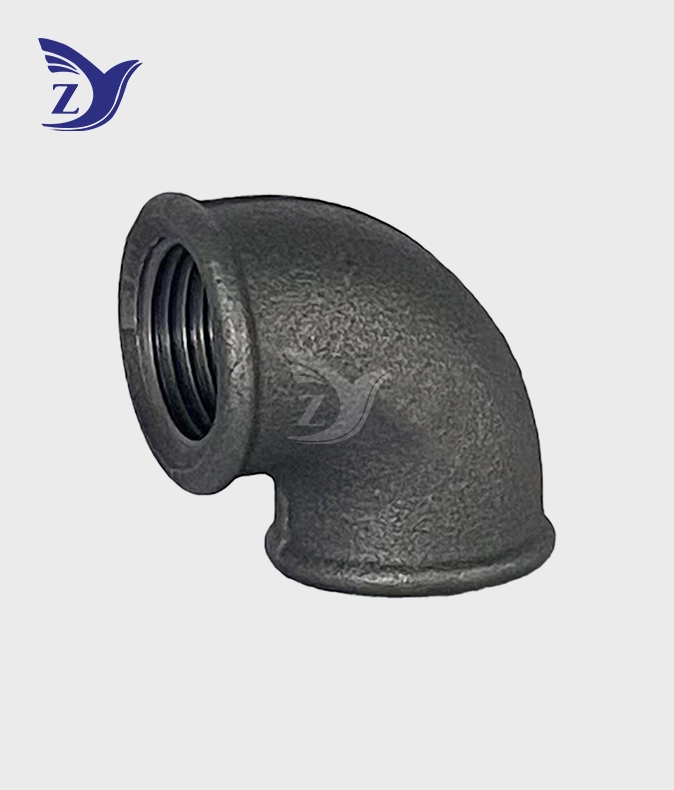
NPT Black Round Face 90° Elbow Pipe Fittings
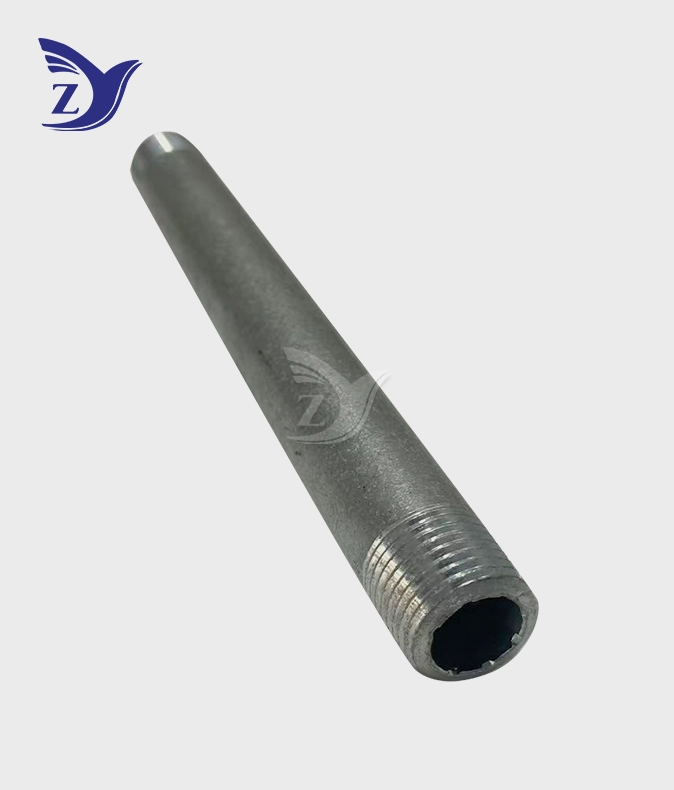
Carbon Steel Pipe Male Threaded Fittings Electro Galvanized
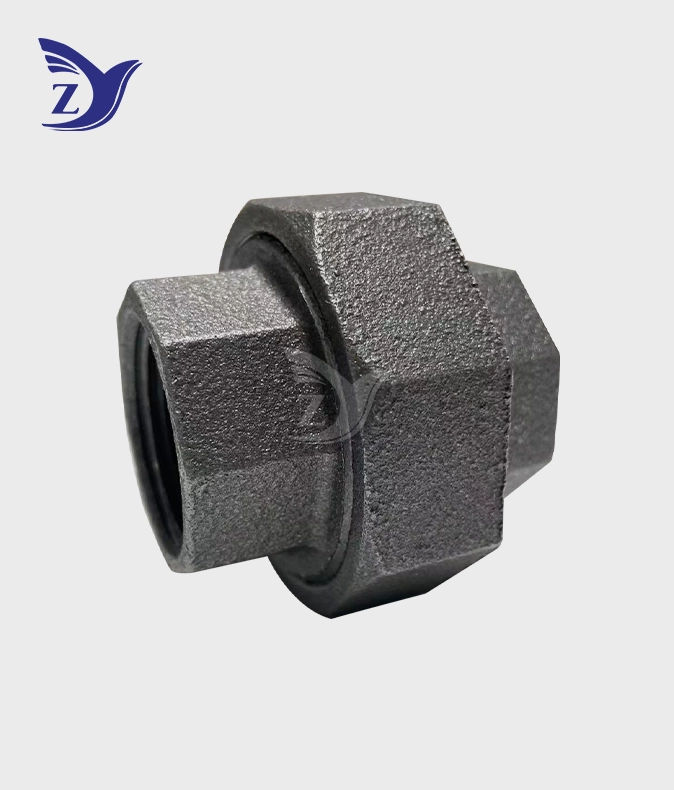
NPT Black Union 340 Pipe Fittings
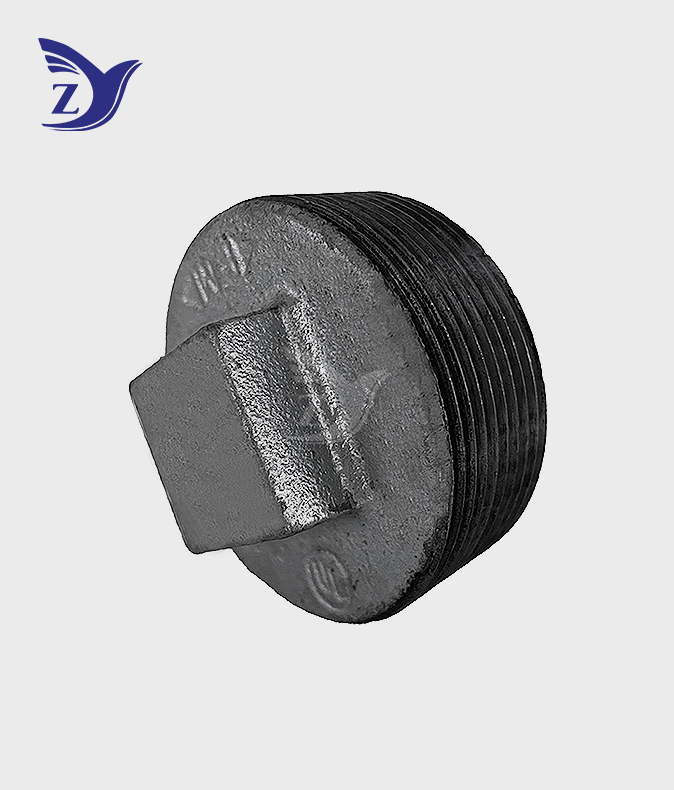
NPT Galvanized Non-Flanged Pipe Plug Pipe Fittings
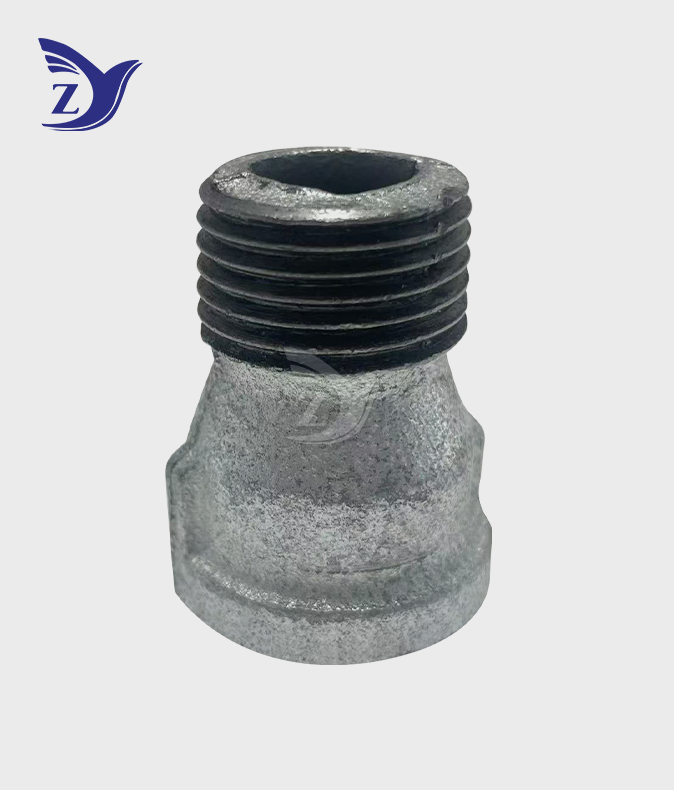
NPT Thread Square Edge Reducing Street Coupling Pipe Fittings
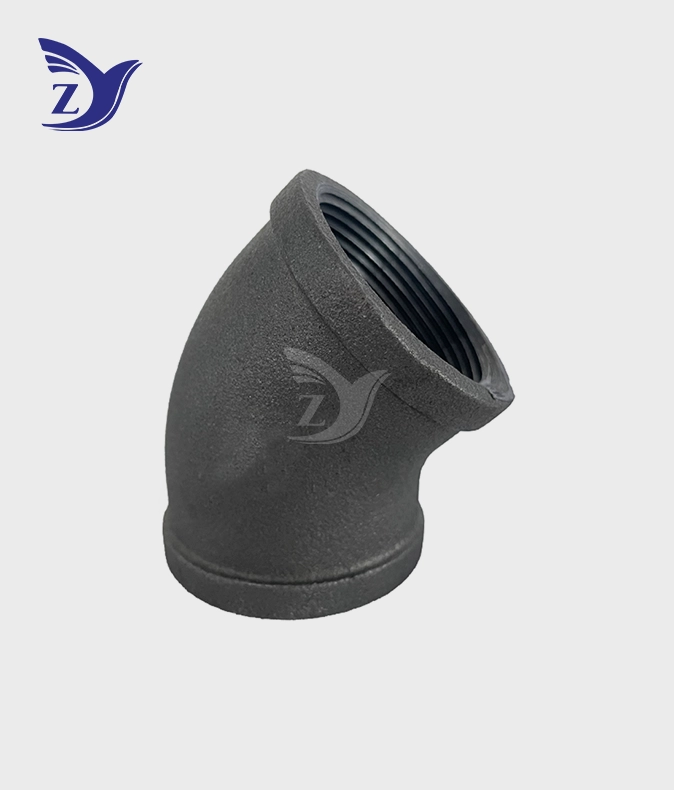
BSPT Black Square Face 45° Elbow Pipe Fittings
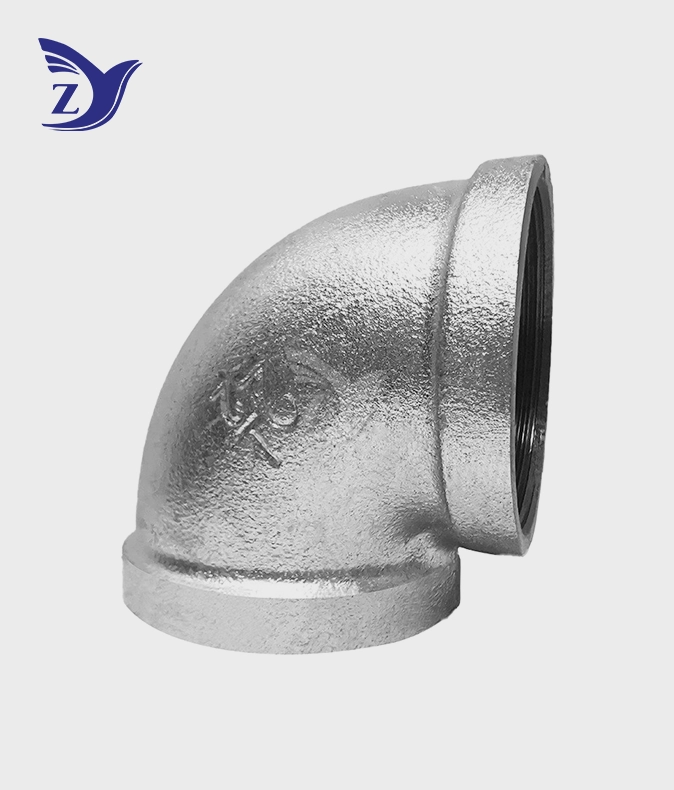
NPT Square Face Galvanized 90° Square Edge Elbow Pipe Fittings
Fire Grooved Clamp