
Mar 25, 2026
Preventing Leaks With Galvanized Non-Flanged Pipe Plug Fittings
Reliable, long-lasting, and reasonably priced sealing solutions are necessary to prevent leaks in industrial pipe systems. The hot-dipped zinc coating and precision-threaded construction of galvanized non-flanged pipe plug pipe fittings provide high corrosion resistance, making them a proven technology for terminal sealing applications. These NPT and BSPT threaded system components are made of malleable iron and have compact profiles, so they close securely and don't interfere with installation. They are indispensable in water, gas, and industrial pipeline applications where the avoidance of leaks is of the utmost importance due to their high strength design and anti-rust qualities.
Understanding Galvanized Non-Flanged Pipe Plug Fittings
Robust sealing solutions are essential for industrial pipe systems because they must be reliable over the long term and endure extreme operating conditions. Terminal closure components such as galvanized non-flanged pipe plugs are needed for sealing female-threaded pipe ends. These plugs are designed to avoid interference with nearby equipment or maintenance issues caused by exterior flanged surfaces.
Material Composition and Construction
Galvanized non-flanged pipe plug pipe fittings are built to last thanks to the malleable iron structure that meets ASTM A197 specifications. In addition to having a remarkable tensile strength of over 300 MPa, this material option is also very flexible, so it can withstand thermal expansion cycles without breaking. The malleable iron is machined precisely to provide thread profiles with either NPT or BSPT threads, according to regional uses and compatibility needs.
These basic materials are made into solutions that are resistant to corrosion by hot-dipped galvanization. The underlying iron is protected from oxidation by the galvanizing process, which provides a zinc coating that is typically 70-85 microns thick. In mild environments, this coating may add 20 to 50 years to the service life by consistently protecting the surface according to ASTM A153 standards.
Thread Standards and Sealing Mechanisms
In accordance with ANSI/ASME B1.20.1 standards, NPT (National Pipe Taper) plugs are characterized by a 60-degree flank angle and a 3/4 inch per foot taper. The thread crests and roots form an interference fit thanks to this shape, which results in a progressive seal that becomes tighter as the system pressure increases. During installation, you may achieve ideal sealing without damaging the fitting or receiving component by incrementally tightening the tapered design.
A Whitworth thread profile with a 55-degree flank angle and 1:16 taper ratio is used in BSPT (British Standard Pipe Taper) versions, which adhere to ISO 7-1 and BS 21 standards. While using the same basic sealing principles via thread deformation and compression, this arrangement ensures compatibility with European and Commonwealth infrastructure.
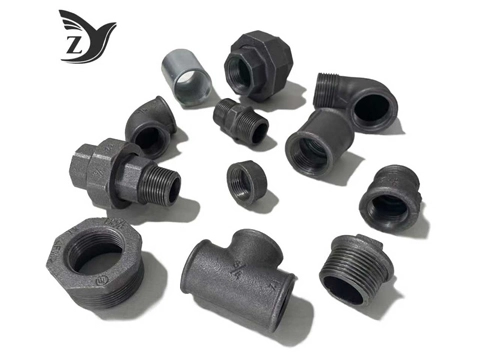

How to Properly Install Galvanized Non-Flanged Pipe Plug Fittings to Prevent Leaks?
Installation methods that optimize the sealing capacity of galvanized non-flanged pipe plug pipe fittings are crucial for effective leak prevention. Optimized performance and prevention of typical failure modes that might threaten system integrity are achieved via professional installation processes.
Pre-Installation Inspection and Preparation
It is essential to examine the pipe plug and receiving fitting thoroughly before installation starts. Verify that the galvanized coating is free of scratches, dents, or other flaws that can reduce its resistance to corrosion. To ensure appropriate engagement, it is important to examine the threads for adequate pitch, cleanliness of the thread surfaces, and the lack of any debris or manufacturing flaws.
The female fitting must be meticulously cleaned to eliminate any trace of pipe compound, metal shavings, or impurities before thread preparation may begin. Be cautious not to over-apply the thread sealant as it might contaminate the system or prevent the thread from engaging properly; instead, choose a suitable sealant that is compatible with the service medium you want to use. Pipe compound or PTFE tape rated for the working pressure and temperature should be used for gas and water applications.
Installation Procedure and Torque Requirements
The first step in a proper installation is to hand-thread the plug into the female fitting until you feel resistance. With this first engagement, NPT threads should be able to spin about three or four times, and BSPT variations should be able to spin around the same amount. Prior to applying wrench tension, the threads should be engaged at their baseline using the hand-tight position.
To properly install a wrench, one must adhere to torque criteria that are determined by the size of the fitting and the pressure rating. When threads are over-torqued, they might break the fitting body, and when they are under-torqued, the sealing is insufficient. To obtain the correct seal compression, it is common practice to tighten smaller sizes (ranging from 1/8" to 1") 1.5 to 2 turns beyond hand-tight, whereas bigger sizes need correspondingly less extra tightening.
Common Installation Mistakes and Prevention
Based on what we've seen in the field, there are a few common installation mistakes that make leak prevention less effective. A typical problem is not enough thread engagement, which happens when the installation is rushed or the female fitting threads are not adequately prepared. In order to have the best sealing performance, it is necessary to have thread contact of at least 50%.
Another common cause of failure is cross-threading, which happens when installers try to push NPT plugs into BSPT fittings or the other way around. This expensive error, which might harm both parts and need fitting replacement, can be avoided by thread standard compliance testing. Even when the installation torque seems acceptable, effective sealing may still be prevented if the threads are contaminated by cutting oil, debris, or the wrong sealants.
Comparing Galvanized Non-Flanged Pipe Plugs with Alternative Fittings
In order to make well-informed procurement choices that take into account cost, performance, and application appropriateness, it is necessary to understand the performance characteristics of various pipe plug possibilities. Depending on the situation and the needs of the system, each material and design variation has its own set of benefits.
Material Performance Comparison
In harsh chemical conditions or underwater uses, stainless steel pipe plugs outperform galvanized alternatives in terms of corrosion resistance. Because of its high premium price, stainless steel is often only practical for high-stakes uses where galvanized protection is inadequate. Stainless steel also has a greater heat conductivity, which might cause thermal bridging in certain uses.
Although black pipe plugs are less costly at first, they do not protect against corrosion at all. Rust usually forms on black iron components after 2–5 years if they are left outside or in damp settings. When comparing galvanized non-flanged pipe plug pipe fittings to their shorter lifespan counterparts, the whole cost of ownership, which includes replacement labor and system downtime, often surpasses the initial savings.
Plugs made of PVC or another polymer have no worries about galvanic corrosion and have great chemical resistance. They aren't ideal for use in industrial systems due to temperature constraints, pressure rating limitations, and thermal expansion properties. Heat cycling effects may cause threaded connections, such as those between polymer plugs and metal fittings, to lose their seals over time.
Flanged versus Non-Flanged Design Considerations
Flanged pipe plugs have an extra bearing surface and may be gasket sealed thanks to the external collar or washer face. The design's projecting flange makes clearance difficult in tight places and adds surface area for dirt buildup or corrosion start, however it may provide improved sealing in certain uses.
It is possible to place galvanized non-flanged pipe plug pipe fitting designs in recessed manifolds, in tight equipment areas, or anywhere else where exterior protrusions may potentially interfere with nearby components since their compact profiles are maintained. In addition to making cleaning and maintenance easier, the lack of flanged surfaces makes sanitary applications more resistant to crevice corrosion.
Procurement Insights: Sourcing Galvanized Non-Flanged Pipe Plug Fittings
When purchasing pipe plugs strategically, it is important to consider not only the price but also the stability of the supply chain, as well as the relevant standards and certifications. Procurement teams may improve their sourcing strategy by learning about supplier competencies and market trends.
Supplier Evaluation Criteria
The acquisition of industrial pipe plugs is not complete without quality certificates. Certification as an ISO 9001 quality management system guarantees uniformity in production and quality assurance. Conformity with performance and safety requirements for pressure vessel, fire protection, and European market applications may be confirmed by industry-specific certifications like UL, FM, and CE marking.
Production capacity, lead times, and customisation abilities are important aspects to consider while conducting a manufacturing capability evaluation. The ability of a supplier's manufacturing infrastructure to accommodate large-scale projects is shown by their yearly production capacity surpassing 30,000 tons. Furthermore, OEM/ODM capabilities allow for the creation of bespoke solutions to address non-standard applications or regionally specialized needs.
Supply Chain Considerations and Lead Times
Planning and budgeting for a project are both profoundly affected by inventory management techniques. Standard product orders may often be fulfilled within hours or days by suppliers with considerable finished goods inventories, while specialized items might take several weeks to produce and arrive. Project managers may better plan procurement operations when they are aware of these lead time discrepancies.
Delivery delays, possible interruptions to the supply chain, and transportation costs are all impacted by geography. While domestic providers may have easier logistics and quicker delivery times, their unit prices could be higher. While working with international suppliers might save money, it usually comes at the expense of lengthier lead times and more complicated logistical coordination. Supplier diversity and a buffer stockpile for mission-critical applications should be part of any risk mitigation strategy.
Quality Assurance and Testing Requirements
Protocols for galvanized non-flanged pipe plug pipe fitting inspection and testing ensure that the final product meets all performance and quality criteria. Verifying dimensions makes that threads are compatible and that new parts will fit correctly with the ones already in the system. Coating thickness testing verifies the quality of galvanization and the predicted lifespan of the coating. The sealing's performance under real-world situations may be confirmed by pressure testing.
Different applications and regulatory environments have different documentation needs. Documentation such as UL listing or FM approval may be necessary for fire prevention applications. For potable water contact, NSF certification is generally a requirement in municipal water systems. Coating analysis paperwork, dimension certifications, and material test reports may be necessary for quality control and traceability in industrial applications.
Ensuring Long-Term Leak Prevention: Maintenance and Quality Checks
Ongoing maintenance programs are essential for sustainable leak prevention. These programs check the integrity of the system and fix possible faults before they cause breakdowns. Proactive maintenance measures extend the life and dependability of galvanized non-flanged pipe plug pipe fittings.
Inspection Protocols and Schedule Development
It is recommended to visually evaluate galvanized coatings on a regular basis for indicators of mechanical degradation, coating loss, or white rust. Although galvanized coatings provide great protection, it is possible to replace them before substrate corrosion starts if their degradation is detected early enough. Outdoor installations need more regular monitoring than their interior counterparts due to the higher levels of environmental exposure.
If you check the system's pressure at regular intervals, you may find seal deterioration before any leaks are obvious. Finding small leaks that may not be noticeable under normal operating conditions is what pressure decay testing is all about. This preventative measure prevents minor leaks from becoming big failures that might damage property or cause system downtime.
Preventive Replacement Strategies
When creating maintenance plans, component lifecycle planning takes into account the component's anticipated service life, replacement costs, and the repercussions of failure. Preventing unanticipated downtime and emergency repairs is possible with important application planning replacement before to estimated end-of-life. When it comes to fire protection systems, this tactic is invaluable since any malfunction might endanger lives.
Lead times, minimum order quantities, and risks of obsolescence should be considered while managing inventory for activities involving maintenance. You may respond quickly to unforeseen breakdowns and save money on carrying expenses by keeping a smart inventory of popular sizes. Streamlining inventory management and reducing procurement complexity may be achieved by standardizing on established suppliers and product lines.
Conclusion
To avoid leaks with galvanized non-flanged pipe plug pipe fittings, it is important to know how to install them correctly and keep them in good repair. For industrial plumbing applications, these components provide the perfect combination of performance, affordability, and resistance to corrosion. Their non-flanged form makes them suitable for installations with little space, and their hot-dipped galvanized finish guarantees years of dependable service. The development of proactive maintenance plans that evaluate system integrity over time, adherence to installation best practices, and good supplier selection are all crucial to success.
Partner with Zhiyuan Malleable Steel for Premium Galvanized Pipe Plug Solutions
Zhiyuan Malleable Steel brings over 26 years of casting expertise and innovation to deliver superior galvanized non-flanged pipe plug pipe fittings that meet the demanding requirements of industrial applications. Our state-of-the-art manufacturing facility in Shanxi Province produces over 30,000 tons annually with more than 1,000 product specifications, ensuring comprehensive solutions for any project scale. With ISO 9001, CE, UL, and FM certifications, our hot-dipped galvanized malleable iron plugs offer unmatched quality and reliability. Contact our experienced team at q1236800000@gmail.com to discuss your specific requirements and discover why leading companies choose Zhiyuan Malleable Steel as their trusted galvanized non-flanged pipe plug pipe fittings supplier for critical infrastructure projects.
FAQ
What makes galvanized coating superior to other corrosion protection methods?
Hot-dipped galvanization creates a metallurgical bond between zinc and the base iron, forming multiple zinc-iron alloy layers that provide both barrier and sacrificial protection. This process typically achieves coating thickness of 70-85 microns compared to paint systems that may only provide 30-50 microns of protection without sacrificial properties.
Can NPT plugs be used in BSPT systems or vice versa?
While both are tapered pipe threads, NPT and BSPT have different thread angles and pitch specifications that prevent proper sealing when mixed. NPT uses a 60-degree thread angle while BSPT uses 55 degrees, creating potential leak paths and possible thread damage when forced together.
What pressure ratings are available for galvanized pipe plugs?
Standard galvanized pipe plugs typically offer Class 150 ratings (300 psi WOG) for general applications and Class 300 ratings (1000 psi WOG) for higher pressure systems. Specific pressure ratings depend on size, wall thickness, and manufacturing specifications.
How long can galvanized pipe plugs be expected to last?
In moderate environmental conditions, properly installed galvanized pipe plugs can provide 20-50 years of service life. Harsh chemical environments, high temperatures, or marine exposure may reduce service life, while indoor applications often exceed the typical range.
What thread sealants work best with galvanized fittings?
PTFE tape and pipe compounds specifically rated for the intended service medium provide optimal sealing. Avoid sealants containing acids or chemicals that could attack the zinc coating, and ensure compatibility with potable water systems when applicable.
References
1. American Society of Mechanical Engineers. "Pipe Threads, General Purpose (Inch)." ANSI/ASME B1.20.1-2013. New York: ASME Press, 2013.
2. ASTM International. "Standard Specification for Zinc Coating (Hot-Dip) on Iron and Steel Hardware." ASTM A153/A153M-16. West Conshohocken: ASTM International, 2016.
3. International Organization for Standardization. "Pipe Threads Where Pressure-Tight Joints Are Made on the Threads." ISO 7-1:1994. Geneva: ISO Press, 1994.
4. British Standards Institution. "Pipe Threads for Tubes and Fittings Where Pressure-Tight Joints Are Made on the Threads (Metric Dimensions)." BS 21:1985. London: BSI Standards Limited, 1985.
5. National Fire Protection Association. "Standard for the Installation of Sprinkler Systems." NFPA 13-2019. Quincy: NFPA Press, 2019.
6. American Water Works Association. "Galvanized Steel Pipe and Fittings for Water Distribution Systems." AWWA C200-12. Denver: AWWA Press, 2012.
Online Message
YOU MAY LIKE
High quality furniture manufacturer
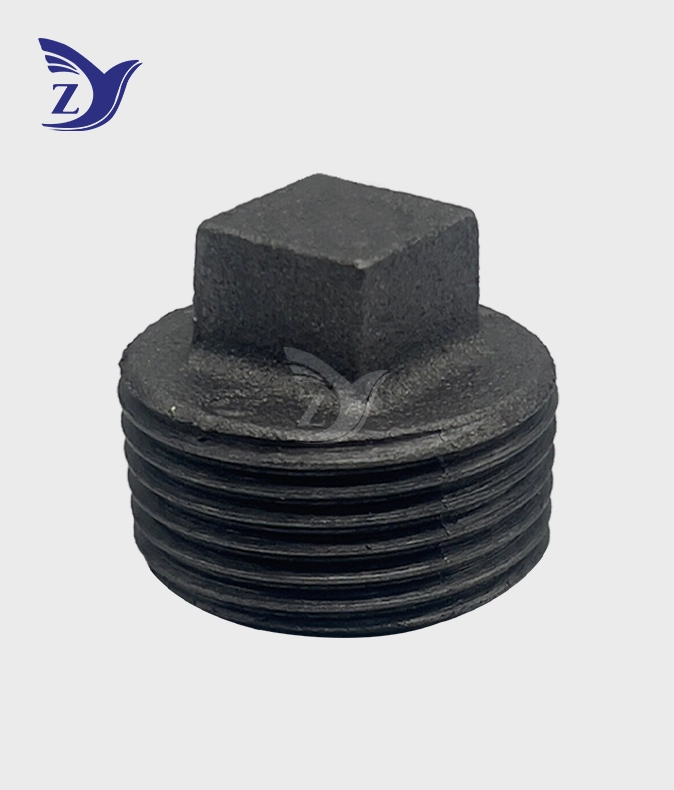
NPT. Black Flangeless Plug Pipe Fittings
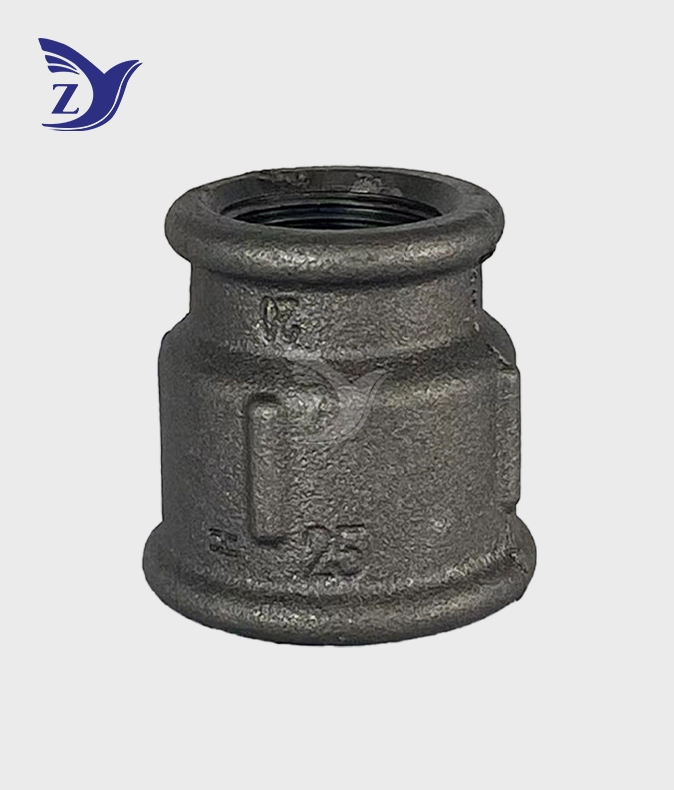
NPT Black Round Face Reducing Coupling Pipe Fittings
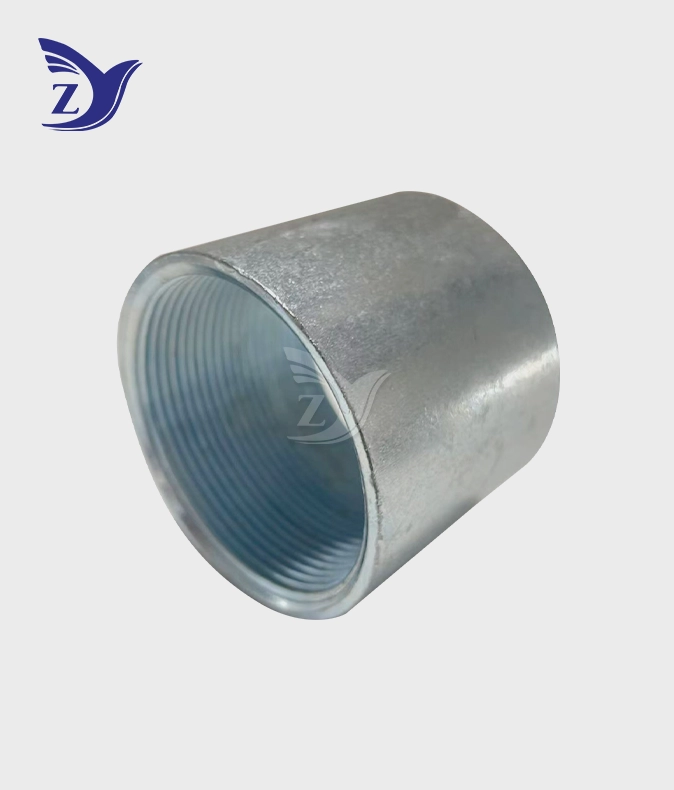
Electro-galvanized full-thread pipe coupling
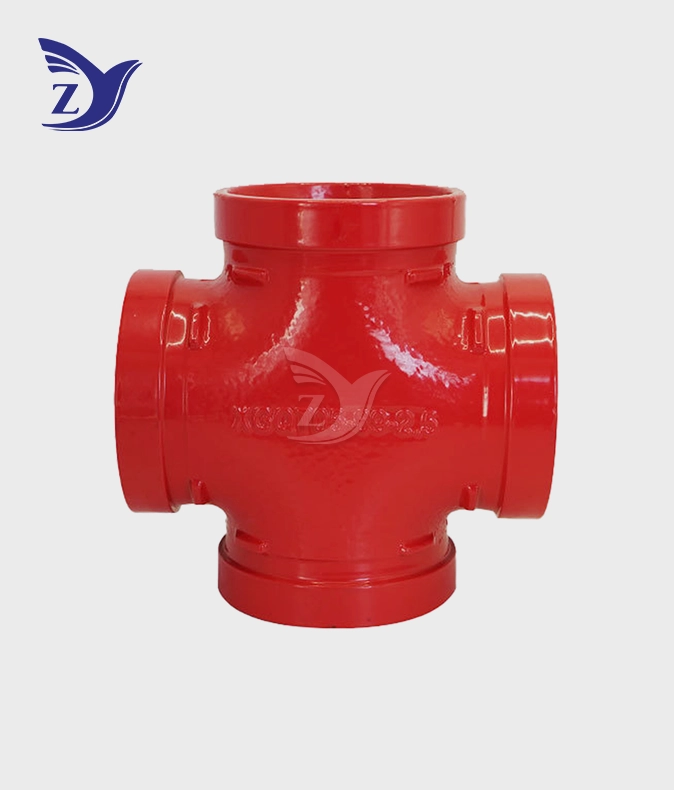
Fire Grooved Cross
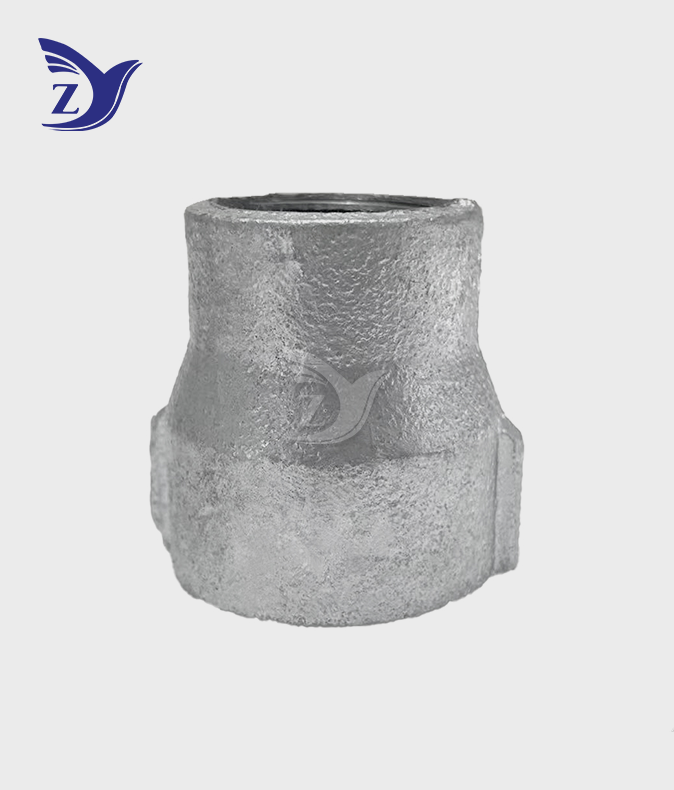
No Hub Electro Galvanized Reducing Coupling Pipe Fitting
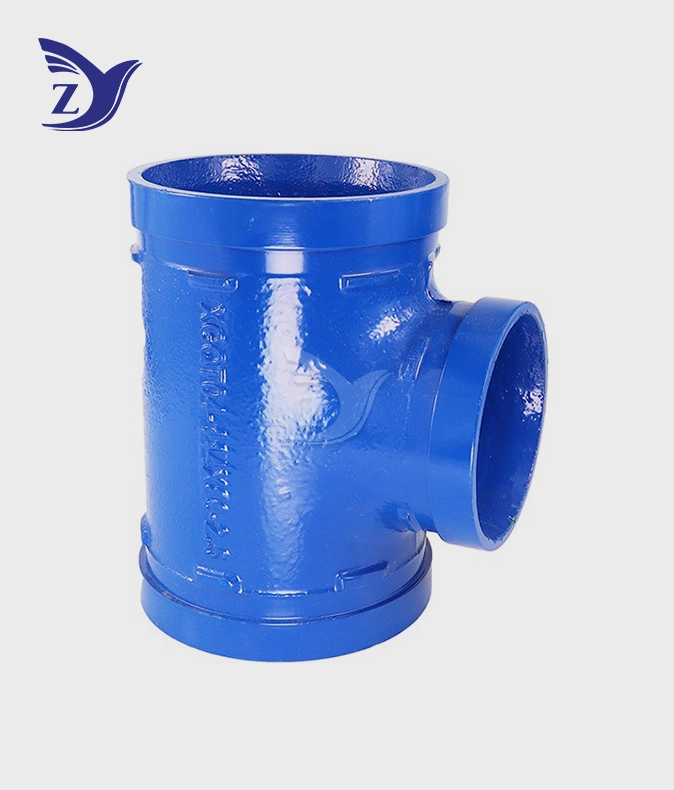
Water Grooved Straight Tee
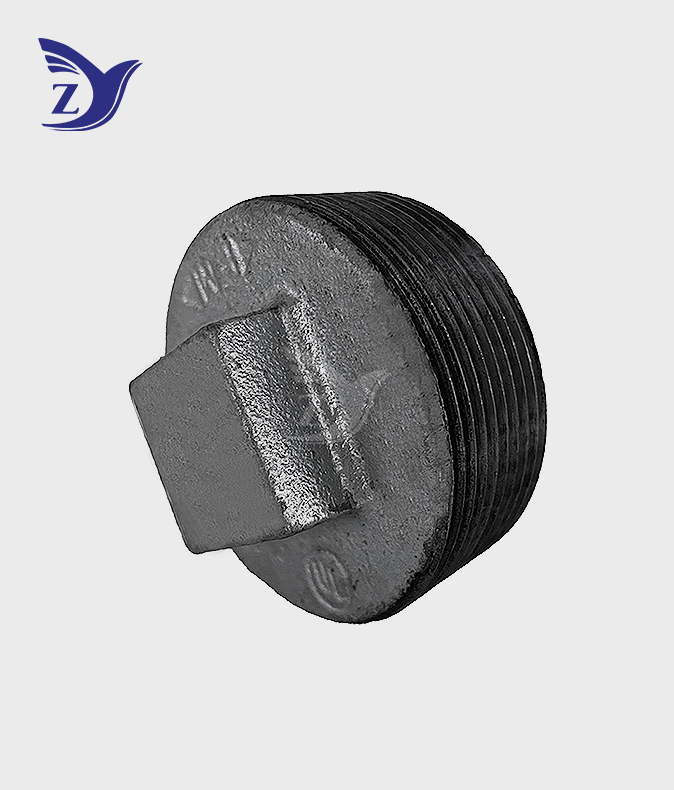
NPT Galvanized Non-Flanged Pipe Plug Pipe Fittings
Carbon Steel Pipe Male Threaded Fittings Hot Dip Galvanized