
Jun 29, 2026
Male vs Female Elbow Difference
Knowing the difference between male and female elbows can help you avoid expensive mistakes and delays in installation when choosing pipe joints for fire protection, HVAC, or industrial water systems. Male elbows have threads on the outside that fit into female-threaded parts, and female elbows have threads on the inside that fit into male-threaded pipes or fittings. The NPT galvanized female-female 90° long radius elbow pipe fittings have internal threads on both ends, which allows direct pipe-to-pipe connections without the need for intermediate nipples. This design saves installation space and lowers the number of possible leak points in complex pipe networks. This difference in threading has a big effect on how parts connect, lock, and work under pressure in tough industrial settings.
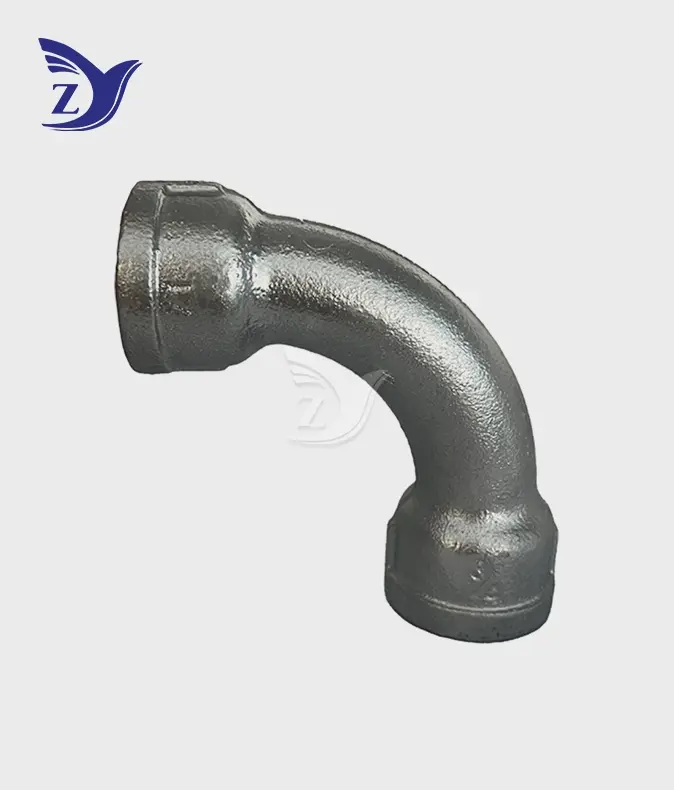
Male and Female Elbows in Pipe Fittings
The way pipe bends are threaded affects how well they fit into a plumbing system and how quickly they can be installed. When put into female parts, male elbows have NPT or BSPT threads on the outside that taper a little to make a mechanical contact. On the other hand, female elbows have threads inside that fit male-threaded lines or valves. This difference in structure affects how parts work together and where they can be put in a system.
Threading Standards and Seal Mechanisms
NPT (National Pipe Thread) is made according to ANSI/ASME B1.20.1 standards and has a 60-degree thread angle and a 1:16 taper ratio. When put together correctly with thread sealant or PTFE tape, this curved shape makes an interference fit that forms a pressure-tight seal. When the male thread moves into the female thread, the taper makes sure that the top of one thread gradually presses against the root of the meeting thread. This creates both a mechanical lock and a fluid barrier. BSPT (British Standard Pipe Taper) works in a similar way, but with different pitch requirements. This makes it important to check for compatibility when buying.
Applications of Male Versus Female Elbows
Most of the time, male elbows link directly to equipment ports, valve inlets, or female-threaded pipes. This is especially helpful when there isn't enough room for separate nipples and couplings. NPT galvanized female-female 90° long radius elbow pipe fittings can take male-threaded pipes from different directions, which makes them perfect for manifold systems and junction points. When connecting two male-threaded pipes at a 90-degree angle, female-female elbows take the place of intermediate nipples. This speeds up assembly and reduces the number of possible leak paths. This design is commonly used for fire sprinkler drop lines and HVAC condensate routes.
System Compatibility Considerations
Before you can choose between male and female elbows, you need to know how the threads on your other system parts are set up. Standard threading designs are often used by fire protection systems to make sure that parts can be used with other parts. Similarly, female-threaded fittings may be required by city water systems to work with both field-cut and field-threaded pipe ends. When threading types don't match, you have to use more adapters, which raises the cost of materials and adds more link places that can weaken the system.
Detailed Overview of NPT Galvanized Female-Female 90° Long Radius Elbow Pipe Fittings
For industrial pipe jobs that need to change directions and join in different ways, the NPT galvanized female-female 90° long radius elbow pipe fittings represent the best choice. These bolts are made from high-strength malleable iron that meets ASTM A197 standards. They have a tensile strength of more than 300 MPa and are flexible enough to handle mechanical shock and heat expansion without breaking.
Material Properties and Galvanization Process
During an annealing heat treatment, malleable iron changes from a weak white cast iron structure to a tougher matrix with lumpy graphite specks. This change in the metal makes it more resistant to contact than regular grey iron. This means that malleable fittings can be used in situations where there is shaking, temperature changing, and physical stress. In the hot-dip galvanisation process, cleaned fittings are put into molten zinc that is about 450°C. This creates a covering that is metallurgically bound and usually more than 70 microns thick (500g/m² coating weight). This zinc layer acts as a sacrifice anode, keeping the iron below from oxidising even if the coating gets slightly damaged. This is a huge benefit for outdoor installations, seaside areas, and uses that will occasionally be exposed to water.
Long Radius Design and Flow Characteristics
In long radius configuration, the middle radius is about 1.5 times the nominal pipe diameter. In standard short radius configuration, the radius is the same as the nominal diameter. By letting the fluid's momentum change more slowly through the direction change, this increased curve path lowers turbulence and pressure drop. In a 2-inch fitting, the difference means that there is about 30% less friction loss than with short radius options. This is a big benefit in systems where maintaining pressure affects pump size and energy use. The better flow profile also stops degradation at the inside radius of the elbow, which increases its useful life in situations where rough slurries or fast-moving fluids are present.
Precision Threading for Reliable Sealing
Thread precision has a direct effect on how reliable the seal is and how much force is needed for assembly. L1 plug gauges that have been calibrated make sure that the internal thread measurements are within the limits set by ANSI/ASME B1.20.1. This makes sure that the engagement depth and taper orientation are correct. The stand-off distance, which is the space left over when hand-tight threads hit their engagement limit, needs to be within certain ranges so that the threads can overlap enough to seal but not bottom out, which could cause the fitting to break. Precision-threaded fittings need less sealant and can make solid seals at lower pressure values. This cuts down on installation time and the chance of over-torquing, which can break malleable iron.
Male vs Female Elbow: Key Dimensions and Installation Considerations
Accurate measurement specifications make sure that the right parts are bought and that the fitting goes smoothly. Knowing the important measurements stops delays in the field that are caused by wrong size or thread mismatch.
Critical Dimensional Parameters
The description of a thread size (½", ¾", 1", 1¼", 1½", 2", etc.) tells you what size pipe the fitting is supposed to fit, not the thread width itself. The long radius standard is based on the length of the centerline radius. This is usually stamped or cast into the fitting body. End-to-center measurements show the distance between the end face of the fitting and its centerline. This can change how space is planned in piping passageways that are already crowded. The pressure rating and structural stability are based on the wall thickness at the base of the threads. Heavy designs offer Class 300 ratings compared to standard Class 150 fittings.
Installation Best Practices
Use a wire brush to clean the threads well and get rid of any manufacturing dust, scale, or old sealant that might be blocking the threads from engaging properly. Apply three to four wraps of PTFE tape around the male thread, starting two threads from the end and going clockwise. This will keep the tape from going into the flow path and blocking strainers or control valves. Thread sealant solutions that are rated for the service they will be used for (like drinkable water, natural gas, steam, etc.) give the assembly process more sealing power and keep things moving smoothly.
Common Installation Pitfalls
Cross-threading happens when parts that aren't lined up right force threads to join in the wrong way, damaging the thread profiles and stopping them from closing properly. To stop this from happening, the threads must be carefully aligned at the start and known to turn easily with little resistance for the first few spins. If you use pipe compound on female threads instead of male threads, you might get hydraulic lock, which is stuck sealant that causes too much pressure during final tightening and could break the fitting. When pipes aren't properly supported near fittings, mechanical loads are transferred that can loosen threaded connections over time. This is especially true in systems that are subject to shaking or heat expansion cycling.
Comparison and Decision-Making: Choosing Between Male and Female Elbows for Industrial Use
To choose the best elbow configurations, you have to weigh the original cost against performance over time, ease of upkeep, and the needs of your unique system. For each application, different efficiency qualities are more important than others.
Long Radius Versus Short Radius Trade-offs
Due to more metal volume and more complicated moulding, NPT galvanized female-female 90° long radius elbow pipe fittings cost about 15 to 25 percent more in material, but this extra cost is often worth it when system analysis shows that pumping costs are lower. A fire protection system that sends 500 GPM through multiple direction changes can lose 8 to 12 PSI more in friction loss with short radius fittings. This means that the system will need bigger pump motors and use more energy over its 30-year service life. In retrofit uses, on the other hand, tight mechanical areas may only be able to fit short radius fittings, so the compact geometry is necessary even though it slows flow.
Galvanized Versus Alternative Materials
Hot-dip galvanized malleable iron is a good choice for most water, air, and low-pressure gas uses because it is both corrosion-resistant and cost-effective. Stainless steel fittings look better and are better at resisting chemicals, but they cost 4 to 6 times more than galvanized options. They are only cost-effective in corrosive media, food-grade systems, or pharmaceutical uses where worries about contamination are greater than the need to save money. Black malleable iron is used for dry indoor uses where oxidation risk is low. It saves a little money and doesn't have the variations in zinc coating that can affect electrochemical tracking systems.
Advantages of Female-Female Elbow Configurations
When two male-threaded pipe ends meet at a right angle, these special fittings make installations easier because they get rid of the need for coupling and nipple units, which take up extra room and add more leak paths. When doing maintenance, this design is especially helpful because to remove a damaged pipe piece, all you have to do is unscrew it from both female fittings. With male-female combinations, you usually have to cut and re-thread the pipe to get it in the right place after replacing it. The symmetrical design also makes it easier to keep track of supplies, since one SKU can be used for multiple installation positions without having to worry about which male end goes which way.
Conclusion
Figuring out the difference between male and female elbow configurations and being familiar with unique designs like double-female long radius elbows lets you make exact specifications that improve system performance, installation efficiency, and costs over the life of the system. In fire protection, HVAC, city water, and industrial process systems, the threading geometry, material properties, and coating quality have a direct effect on how reliable the seal is, how resistant it is to corrosion, and how much upkeep it needs. When making purchasing choices, it's important to weigh the short-term cost against the long-term performance. This means looking at the skills, qualifications, and technical support system of the provider. The precision-threaded, hot-dip galvanized double female 90° long radius elbow is a good example of how careful fitting choice can solve problems with space, improve flow, and last a long time—especially when it comes from a manufacturer with strict quality control and a lot of production capacity.
FAQ
What exactly differentiates male from female pipe elbows?
Male elbows have threads on the outside that screw into female-threaded parts, and female elbows have threads on the inside that accept male-threaded lines. Female-female elbows connect two male-threaded pipes directly without any intermediate nipples. They have internal threads on both sides.
Why choose galvanized female-female fittings over stainless steel alternatives?
Galvanized malleable iron is 15-20% cheaper than stainless steel and is resistant to rust enough for most water and air systems. The hot-dip zinc covering is a cheap way to protect the metal, and the malleable iron is better at resisting heat shock and shaking than cast stainless steel.
How can I be sure that the NPT threaded elbows I order are the right size?
Check that the normal pipe size (NPS) matches the pipes you already have, that the NPT and BSPT threading standards match the parts of the system, and that you choose between long and short radius based on available room and flow needs. For important repair uses, ask for dimensional models.
What quality certifications should I require from suppliers?
Quality management systems are checked by ISO 9001 certification, and fire safety is checked by UL and FM approvals. Get proof that the material meets ASTM A197 standards and approval that it meets ASTM A153 standards for galvanising. ANSI/ASME B1.20.1 conformance is confirmed by thread measuring results.
Partner with Zhiyuan Malleable Steel for Reliable Industrial Pipe Fittings
Since 2006, Zhiyuan Malleable Steel has been making precision-threaded, corrosion-resistant pipe fittings for fire protection companies, city engineers, and industrial sites in North America and other countries. Our factory can make 30,000 tonnes of NPT galvanized female-female 90° long radius elbow pipe fittings every year. These fittings are always available in a wide range of sizes and come with ISO 9001, CE, UL, and FM certifications. We keep a lot of stock on hand, so we can deliver basic configurations within two hours. Our ODM/OEM skills allow us to meet the unique needs of specialised applications. Before our quality team approves a package, every part goes through strict thread gauging, thickness verification during galvanising, and hydraulic testing. You can email our technical team at q1236800000@gmail.com to talk about your project needs, get detailed specifications, or get competitive quotes from a reputable NPT galvanized female-female 90° long radius elbow pipe fittings supplier that is dedicated to quality, dependability, and quick response. You can look at our full line of products and learn how our knowledge can help your building projects by visiting zymalleablepipefitting.com.
References
- American Society of Mechanical Engineers. (2020). ASME B1.20.1: Pipe Threads, General Purpose (Inch). ASME Standards Publications.
- ASTM International. (2019). ASTM A197: Standard Specification for Cupola Malleable Iron. ASTM Volume 01.02 Ferrous Castings.
- ASTM International. (2021). ASTM A153: Standard Specification for Zinc Coating (Hot-Dip) on Iron and Steel Hardware. ASTM Volume 01.06 Coated Steel Products.
- Crane Company Technical Manual. (2018). Flow of Fluids Through Valves, Fittings, and Pipe. Crane Co. Engineering Division, 25th Edition.
- National Fire Protection Association. (2022). NFPA 13: Standard for the Installation of Sprinkler Systems. NFPA Publications, Chapter 6 System Components.
- Underwriters Laboratories. (2021). UL 197: Standard for Commercial and Industrial Gas and Air Fittings. UL Standards & Engagement, Fifth Edition.
Online Message
YOU MAY LIKE
High quality furniture manufacturer
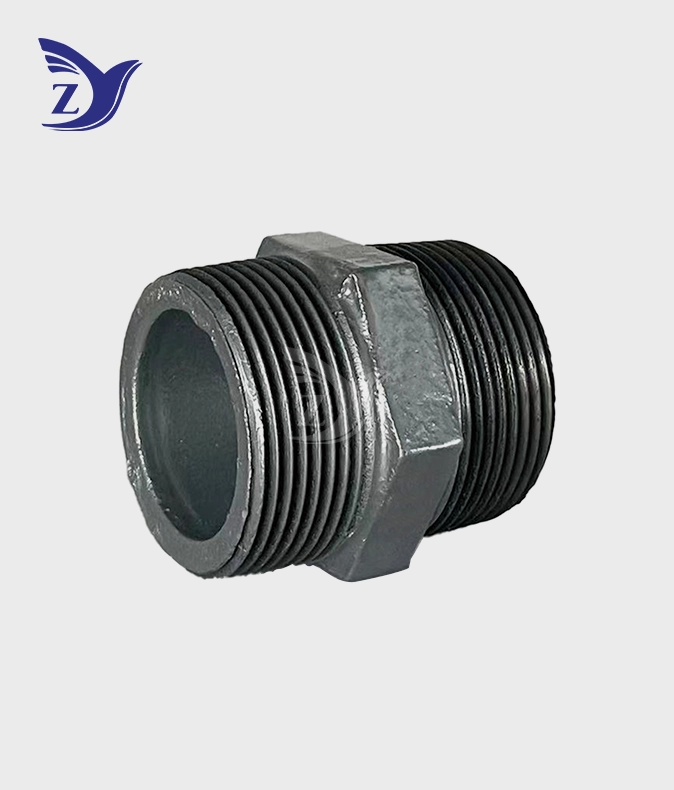
NPT Galvanized Male Nipple Pipe Fittings
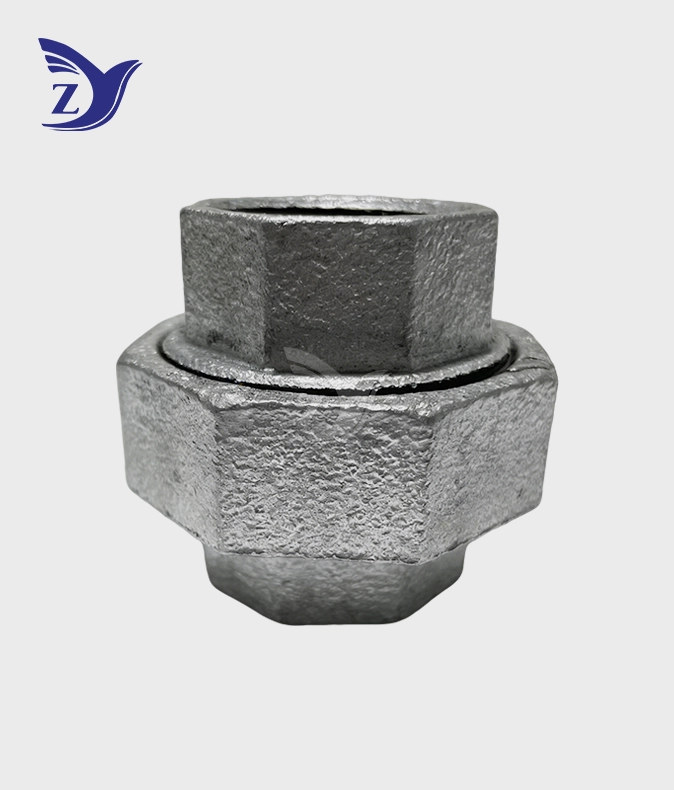
NPT Galvanized Union 342 Pipe Fittings
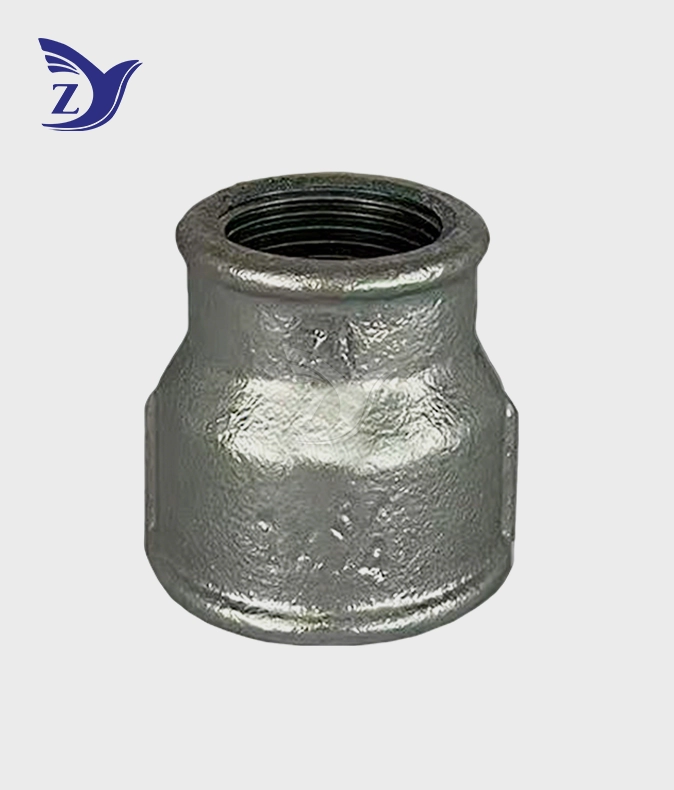
BSPT Round Face Galvanized Round Edge Reducing Coupling Pipe Fittings
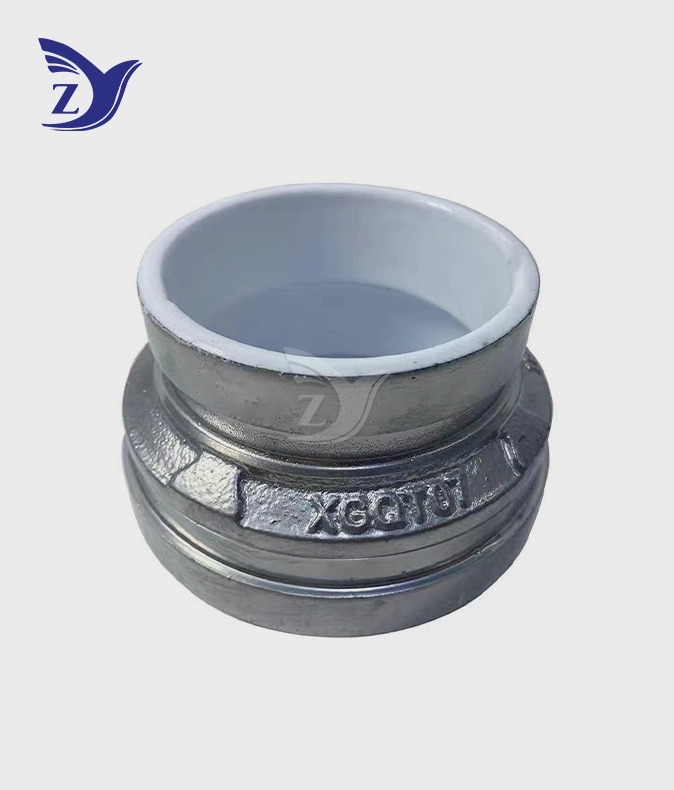
Water Grooved Reducer
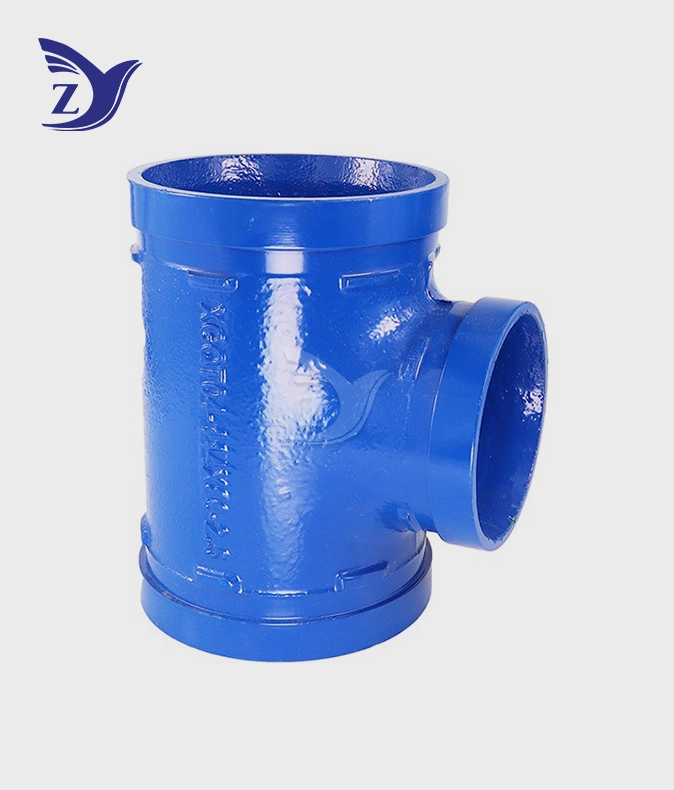
Water Grooved Straight Tee
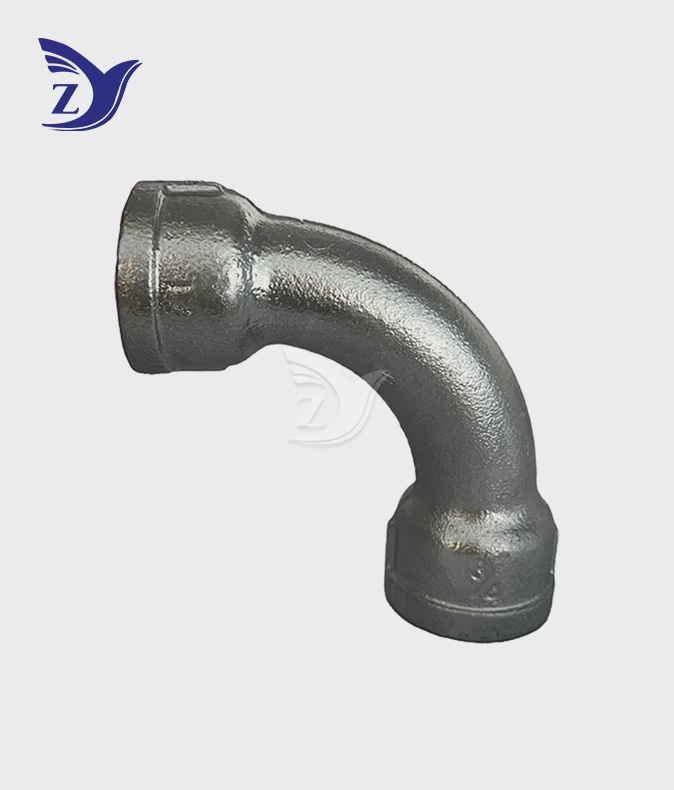
NPT Galvanized Female-Female 90° Long Radius Elbow Pipe Fittings
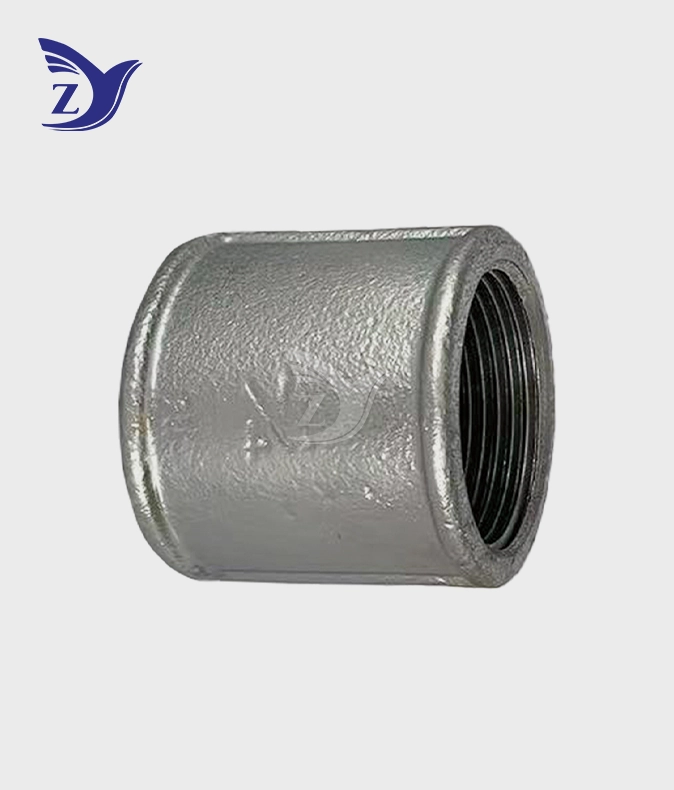
NPT Round Face Galvanized Round Edge Coupling Pipe Fittings
Beaded Galvanized BSPT Round Edge Male-Female Reducing Coupling