
Jun 18, 2026
Is galvanized malleable iron coupling suitable for water pipes?
Engineers and procurement managers often ask if galvanized malleable iron joints work well and last a long time when they are choosing pipe fittings for water distribution systems. The simple answer is yes—galvanized malleable iron couplings can be used with water lines and will reliably fight corrosion and maintain their mechanical strength when placed correctly. These fittings, which include specialized types like NPT thread square edge reducing street coupling pipe fittings, provide safe threaded connections that have been shown to last in municipal, business, and industrial water settings. Their hot-dipped zinc finish keeps them from rusting, and their precision-threaded designs meet ANSI/ASME B1.20.1 standards, which means they won't leak under different pressures.
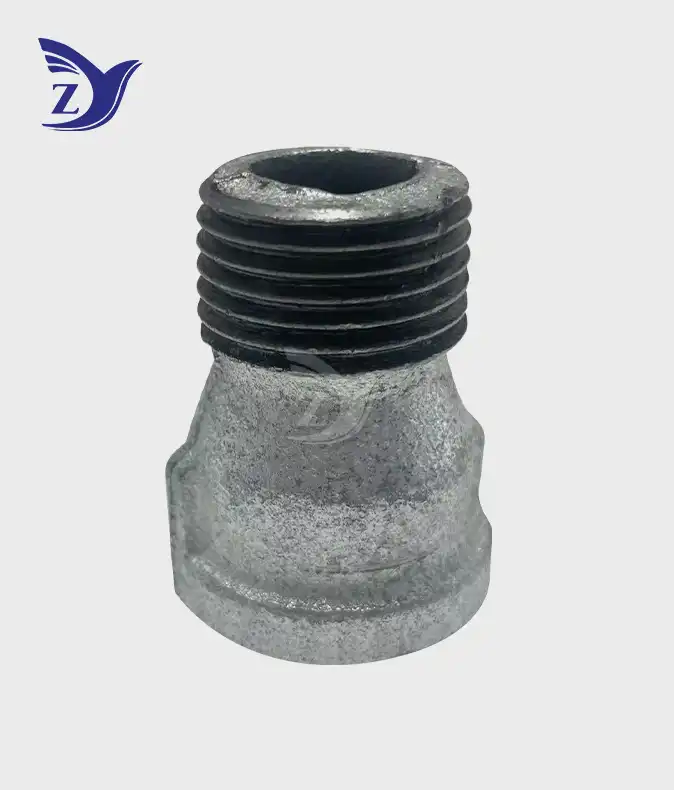
Technical Insights on NPT Thread Square Edge Reducing Street Couplings
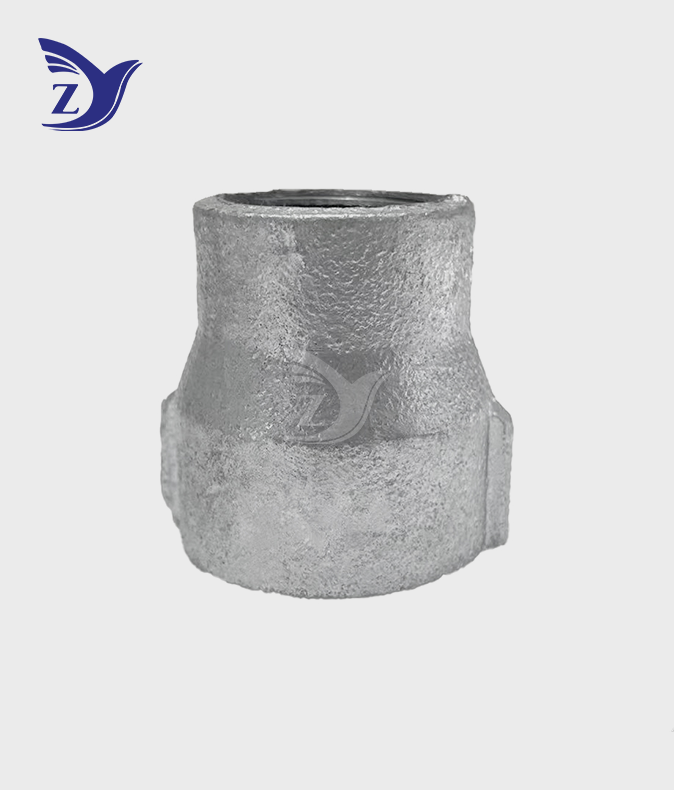
NPT thread square edge reducing street coupling pipe fittings are used in certain ways in pipe systems. Standard couplings have female threads on both ends, but street versions have one male-threaded end and one female-threaded end. This lets two female-threaded parts connect directly to each other without the need for a middle nip. The word "reducing" on the fitting means that it connects pipes of different sizes, like going from a 1-inch main line to a ¾-inch branch circuit. This makes it possible to change the flow rate within a single component.
Material Composition and Performance Characteristics
Usually, these parts are made from three main materials, and each has its own benefits. Galvanized malleable iron is the cheapest choice. It has good resistance to corrosion and high mechanical strength, so it can handle pressures up to Class 150 values, which is about 300 psi at room temperature. Stainless steel models are more expensive, but they last longer in places that rust and keep their shape in marine or chemical-based settings. Brass alternatives have a middling resistance to rust and are very easy to machine for precise threading.
The shape with square edges is a big step forward in engineering. Instead of the usual banded or beaded round shapes, square edges make flat surfaces that keep wrenches from slipping. This lets installers use more force without the fitting deforming. This is especially helpful during repair tasks where seized parts need a lot of force to be removed. The square shape also makes it easier to check visually—any rounding or deformation of the sides shows that the force wasn't applied correctly or that the material is worn out and needs to be replaced.
NPT Thread Standards and Sealing Mechanisms
When the male thread moves into the female hole, the shape of the NPT threads tapers by ¾ inch for every foot of thread length. This makes an interference fit. This curve makes more contact between the flanks, which deforms both thread profiles physically to make a seal. The 60-degree thread angle spreads stress out widely, reducing the number of stress concentration spots that could cause cracks when hydraulic pressure changes.
For effective binding, the thread sealant needs to be applied correctly. Standard NPT threads have a circular leak path between the thread crests and roots that needs to be closed with PTFE tape or pipe dope. This is different from NPTF dryseal designs. When installing something correctly, you should wrap the tape three to five times clockwise (looking at the male thread end), making sure that the tape gets buried in the thread dips as the fitting gets tighter. If there is too much sealant, the threads can become hydraulically locked, which can lead to over-torque and possible breaking. If there is not enough sealant, the threads can leak when the system pressure rises.
Global Sizing and Pressure Ratings
NPT thread square edge reducing street coupling pipe fittings come in standard sizes that fit most water distribution needs, from ⅛-inch nominal pipe diameters to 6 inches nominal pipe diameters. 1-inch x ¾-inch, 1¼-inch x 1-inch, and 2-inch x 1½-inch layouts are common reducing combinations that meet the needs of branch circuits in business buildings and city distribution networks.
Pressure values vary on the size and type of material used. Class 150 malleable iron fittings can usually handle working pressures up to 300 psi when the temperature is below 150°F. At higher temperatures, the values drop because the material's yield strength drops. Stainless steel models can usually handle Class 300 service, which means they can handle 750 psi of working pressure. This makes them good for industrial process uses or high-rise building risers that need extra pressure to make up for elevation head losses.
Comparison and Decision-Making: Galvanized Malleable Iron Coupling vs. NPT Thread Square Edge Reducing Street Couplings
To choose between normal galvanized connectors and specialized NPT thread square edge reducing street coupling pipe fittings, you need to look at a lot of cost and performance factors. Both choices use similar base materials and galvanization methods, but their geometrical differences and functional abilities make them best for different uses.
Material Durability and Corrosion Performance
When made to the same coating specs, standard NPT thread square edge reducing street coupling pipe fittings have the same levels of rust protection. No matter what shape the part is, ASTM A153 hot-dip galvanization gives the same level of security. How long something lasts rests more on the chemistry of the water and how well it is maintained than on the style of the fitting. Galvanized fittings usually last the longest in systems with a pH level between 6.5 and 8.5 and mild dissolved solids. Waters that are active (above 250 ppm chloride) or acidic (pH below 6.0) wear down zinc faster.
The square edge form indirectly improves longevity by making installation more reliable. Because these fittings keep the wrench from slipping, installation mistakes that cause stress concentrations or missing thread contact are less likely to happen. Both of these things lead to failure before their time. When placed correctly, NPT thread square edge reducing street coupling pipe fittings have the same or better field life than standard round-band designs.
Economic Analysis and ROI
Standard joints and NPT thread square edge reducing street coupling pipe fittings don't cost much more than each other at first—usually just 10 to 15 percent more for the unique shape. This small cost is balanced out by less installation labor. Because square edges contact wrenches better, assembly time is cut by about 15 to 20 percent in confined workspaces like those found in retrofit projects and mechanical room installs.
Lifecycle cost research shows that square edge designs are better for uses that need a lot of upkeep. Facilities that need to change their systems often, like factories, hospitals, or data centers with changing infrastructure needs, can benefit from these fits because they make it easier to take them off and put them back on. Over the course of a 25-year facility's life, the time saved by faster upkeep tasks more than makes up for the difference in the original cost of fitting.
Using bulk buying methods to get even better deals on prices. When big projects buy full piping systems from integrated manufacturers like Zhiyuan Malleable Steel, they can get volume discounts that lower the price difference between standard and premium fitting styles. This means that specifying higher-performance parts is still possible even when budgets are tight.
Application Suitability Across Water System Types
NPT thread square edge reducing street coupling pipe fittings are very helpful for industrial water systems like cooling circuits, process water distribution, and fire protection networks. In these places, fittings are often exposed to changes in temperature, vibrations from moving parts, and upkeep that needs to replace parts quickly. The strong wrench engagement and diameter-reduction features of street setups make system design and upkeep easier.
In commercial buildings, like office tower water and HVAC distribution, both types of fittings are used depending on the junction needs. When connecting pipes of the same diameter, main distribution lines usually use standard steel couplings. NPT thread square edge reducing street coupling pipe fittings are only used at branch takeoffs, where the flow needs to be slowed down to serve specific areas. The mixed method gets the best results for both material prices and hydraulic performance.
Standard galvanized connections are the most common type of basic distribution for residential water systems because they are cost-effective. In residential settings, NPT thread square edge reducing street coupling pipe fittings are used at water heater connections, pressure regulator installations, or other transition places where the diameter needs to change in tight areas where standard reducer bushing assemblies are difficult to use.
Case studies from municipal water utilities show that hybrid fitting strategies, which use standard couplings for bulk distribution and specific square edge designs for key junction points, achieve the best balance between system performance, ease of maintenance, and capital expenditure.
Conclusion
When designed, installed, and kept correctly, galvanized malleable iron couplings work well with water pipe systems. Their technical strength, good rust protection, and low prices are what keep them at the top of the list for distributing water in cities, businesses, and factories. Modern designs, such as NPT thread square edge reducing street coupling pipe fittings, build on this base by making complicated connections easier, making installations more reliable, and lengthening the time between maintenance checks. When picking a material, you should weigh the original costs against the costs that will come up over its lifetime, taking into account the chemistry of the water, the pressure that it needs, and your working needs. Working with approved makers makes sure that you can get high-quality parts that are compliant and work reliably in tough business settings.
FAQ
Are galvanized malleable iron couplings safe for potable water systems?
Many countries allow the transfer of potable water using galvanized malleable iron couplings that meet the standards of NSF/ANSI Standard 61 when made by providers who follow the rules. The zinc covering doesn't add any dangerous chemicals in amounts that would hurt the quality of the water. For aesthetic reasons, some places like lead-free brass or stainless steel for pipes inside homes, but galvanized iron is still fine for city mains, business buildings, and industrial potable water systems.
What distinguishes square edge from round edge reducing street couplings?
The NPT thread square edge reducing street coupling pipe fittings create flat areas on the body of the fitting that keep the wrench from slipping when putting it on or taking it off. Because round edge designs have smooth, rounded body curves that make it hard to buy tools, they are not good for high-torque uses. Square edge fittings make assembly faster and maintenance easier. They are especially helpful in tight areas or when dealing with connections that won't loosen and need a lot of force to be removed.
How do NPT threads prevent leaks in water pipe connections?
NPT (National Pipe Taper) threads have a ¾-inch-per-foot curve that makes interference worse as the male thread moves into the female hole. This mechanical deformation makes contact between the flanks, and thread sealer filling the spiral leak path makes a pressure-tight seal. For the fitting to work reliably and not leak for its entire service life, it is important to fix it correctly, including using the right amount of sealant and force.
Partner with Zhiyuan Malleable Steel for Reliable Water Pipe Fittings
If you need help with your water system projects, Zhiyuan Malleable Steel has precisely designed galvanized malleable iron couplings and specialized NPT thread square edge reducing street coupling pipe fittings ready to go. Our manufacturing processes are ISO 9001-certified, we have full CE/UL/FM certifications, and we can make 30,000 tons of parts every year. This means you will get high-quality parts that meet strict international standards. We have full product specs for more than 1,000 different variations, so you can get whole pipe systems from a single reliable source. Our ODM/OEM customization services can be used to meet the specific needs of any project, and our large inventory means that we can supply standard goods within two hours for urgent needs. We offer technical help and reliable supply chains that are necessary for project success. Our drive to defect-free quality and 26 years of experience in casting make us the best in the business. Get in touch with our engineering team at q1236800000@gmail.com to talk about your specific needs and find out how our low prices, ability to adapt to different needs, and quick service turn buying problems into strategic benefits for water infrastructure projects around the world.
References
1. American Society of Mechanical Engineers. ASME B16.3: Malleable Iron Threaded Fittings - Classes 150 and 300. New York: ASME Standards Committee, 2021.
2. American Society for Testing and Materials. ASTM A197: Standard Specification for Cupola Malleable Iron. West Conshohocken: ASTM International, 2020.
3. American Society for Testing and Materials. ASTM A153: Standard Specification for Zinc Coating (Hot-Dip) on Iron and Steel Hardware. West Conshohocken: ASTM International, 2019.
4. American National Standards Institute. ANSI/ASME B1.20.1: Pipe Threads, General Purpose (Inch). Washington: ANSI, 2018.
5. National Sanitation Foundation. NSF/ANSI Standard 61: Drinking Water System Components - Health Effects. Ann Arbor: NSF International, 2022.
6. Underwriters Laboratories. UL 405: Standard for Safety - Fire Department Connections. Northbrook: Underwriters Laboratories Inc., 2020.
Online Message
YOU MAY LIKE
High quality furniture manufacturer
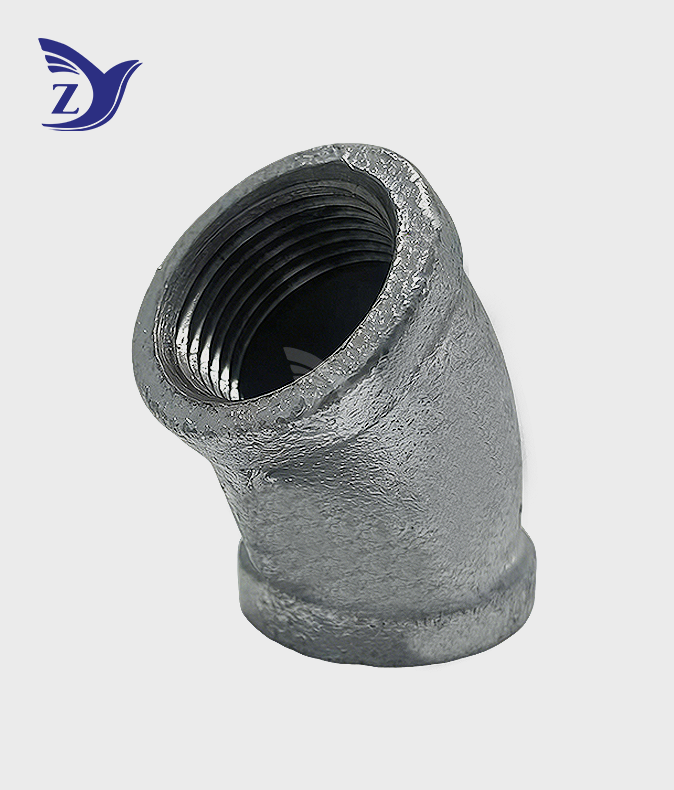
NPT Square Face Galvanized 45° Square Edge Elbow Pipe Fittings
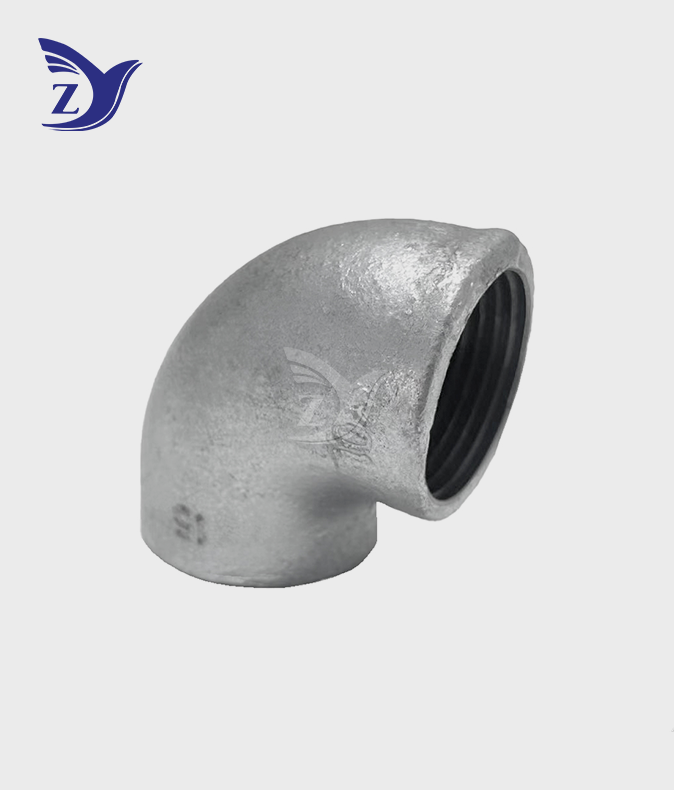
No Hub Hot Dip Galvanized 90° Elbow Pipe Fitting
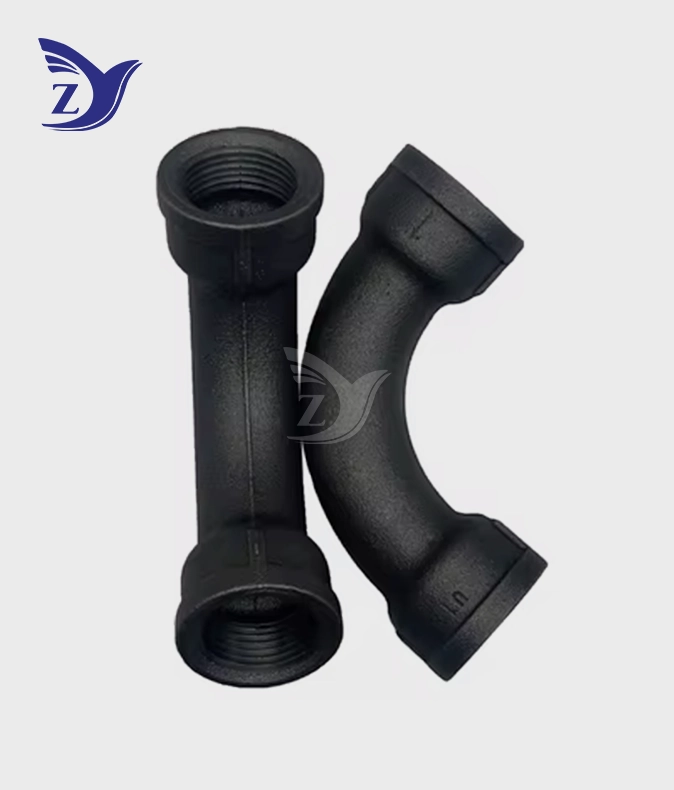
BSPT Black FxF 90° Long Bend Malleable Iron Pipe FittingsFittings
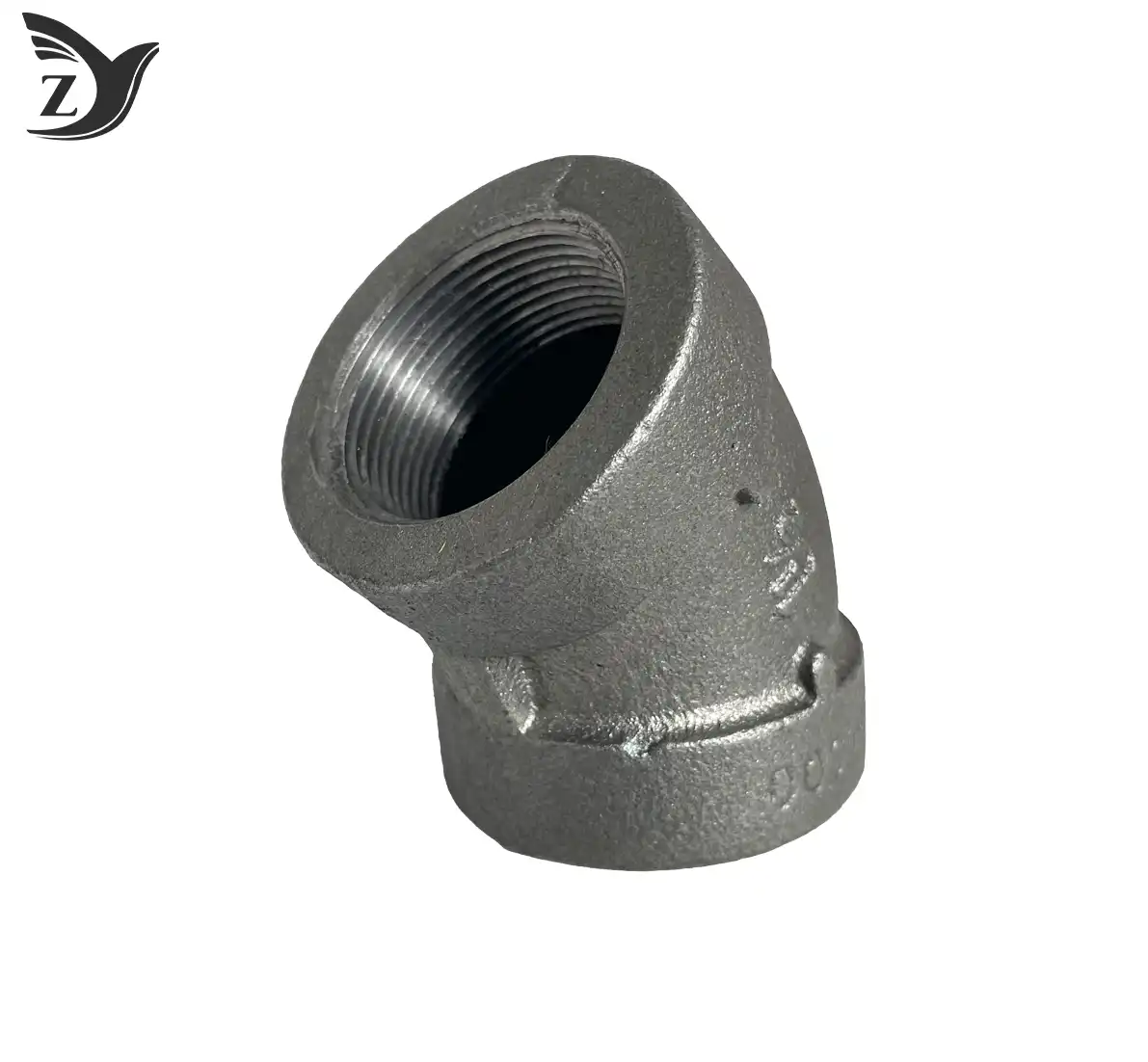
300LB Black Malleable Iron 45 Degree Threaded Elbow Pipe Fittings
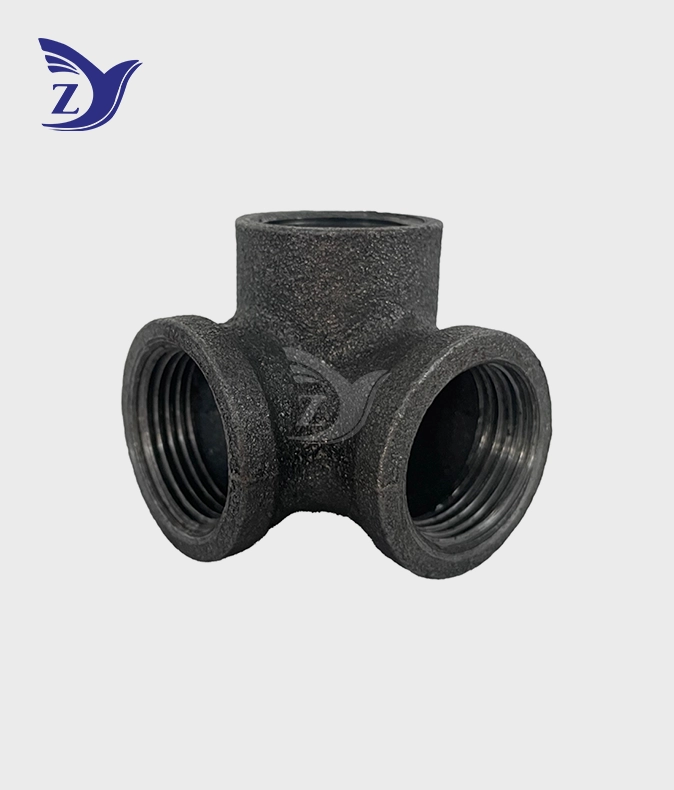
NPT Black Malleable Iron Tee Pipe Fittings
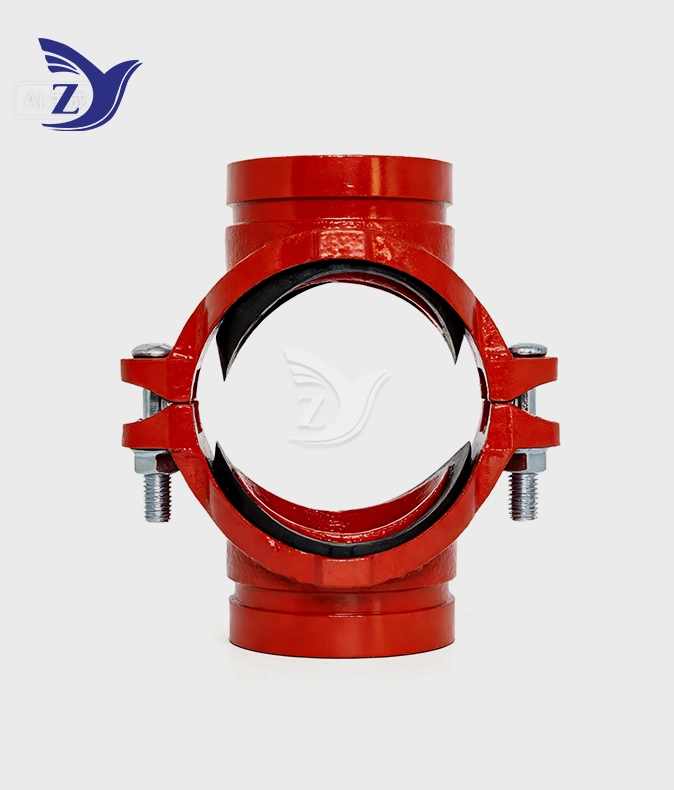
Threaded Mechanical Cross
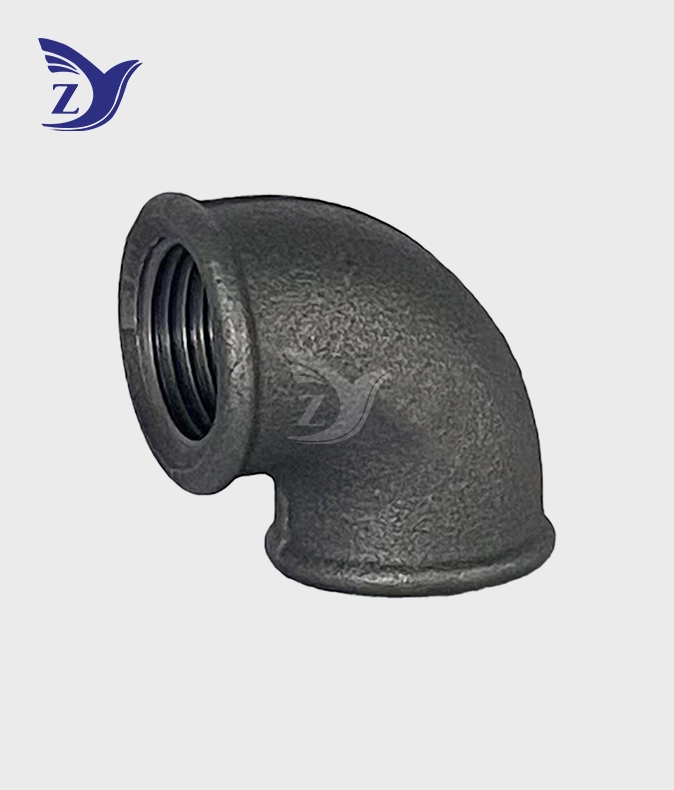
NPT Black Round Face 90° Elbow Pipe Fittings
No Hub Hot Dip Galvanized Reducing Coupling Pipe Fitting