
May 22, 2026
How to seal pipe ends with black flangeless plug pipe fittings?
To close the ends of pipes with black flangeless plug pipe fittings, you need to thread the plug straight into the female-threaded hole, use the right thread sealant, and tighten the fittings to the manufacturer's specs. The flangeless design fits flush with the pipe surface, making a seal that doesn't take up any extra room and works well for water, gas, and industrial systems. This way gets rid of the need for external caps or flanged seals, which speeds up installation and keeps the system's integrity when it's under pressure. The black malleable iron structure makes sure that the pipes will last and not rust in a variety of situations.
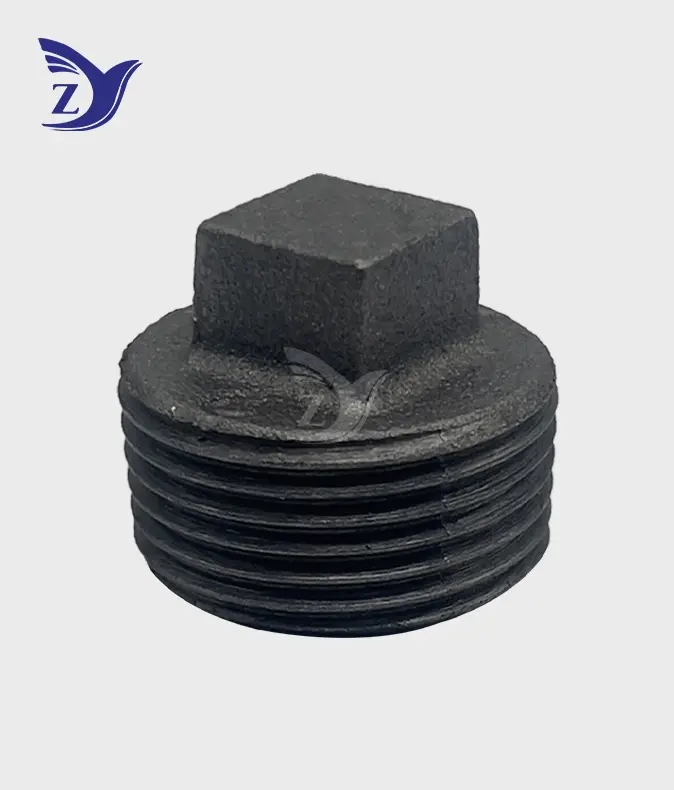
Step-by-Step Guide to Sealing Pipe Ends with Black Flangeless Plug Pipe Fittings
Pre-Installation Preparation
Before putting in an NPT/BSPT suitable pipe end plug, use a wire brush or pipe tap to clean the female-threaded hole very well. Get rid of any metal shavings, old sealant residue, cutting oil, or rust that might be stopping the threads from fully engaging. Compressed air can clear dirt from the threads inside, but you still need to wear safety glasses during this process.
Check that the dimensions are compatible by comparing the thread pitch and thickness to the specs. A thread gauge tells you if your system uses NPT or BSPT standards. Mixing thread types that aren't suitable leads to cross-threading and leaks right away. Check the pipe's internal thread depth to make sure that the threaded length of the plug is long enough to connect properly without bottoming out too soon, which would stop the proper closing compression.
Installation Process and Torque Requirements
Use PTFE thread tape or anaerobic pipe sealant on the plug's outside threads. Wrap the tape clockwise when looking at it from the drive end. For NPT threads, use three to five wraps, making sure that the covering goes to within two threads of the plug's end. Anaerobic sealants are better at resisting vibrations in places where there is mechanical shock or rhythmic pressure because they don't allow oxygen to enter the joint until it is fully joined.
Tighten the black flangeless plug pipe fitting by hand until the resistance goes up significantly. Then, use the right drive tool, which could be an internal hex key or a square socket, based on the design of the plug. Gradually apply force while keeping an eye out for the change in resistance that means the thread is fully engaged. For plugs up to an inch in diameter, it is normal to turn them 1.5 to 3 turns past hand-tight. For bigger sizes, you may need hydraulic wrenches that are set to specific foot-pound values.
It is important not to over-torque, as this can damage threads in metal valve bodies or crack the plug's deep drive socket. On the other hand, not enough torque leaves holes where sealant can't fill in to make up for thread compression that isn't full. Installers with a lot of experience can "feel" when the tightness is just right, but torque wrenches take the guessing out of important jobs.
Pressure Testing and Verification
Do hydrostatic testing at 1.5 times the system's highest working pressure after installation. Turn off all the isolation valves, slowly increase the pressure in the system, and check each durable black flangeless plug pipe fitting for spray or weeping leaks. Putting soap solution around the edge of the plug shows small leaks by making bubbles, before they get worse and cause system problems.
Write down the test results, including how long the pressure held, the temperature of the environment, and the type of fluid used. When materials expand during hot-water or steam testing, they may initially tighten joints. However, when they cool down, leaks may become apparent if the installation wasn't done well at first. Give enough time for stabilization—usually 30 minutes—before calling a pressure test good.
Advantages of Using Black Flangeless Plug Pipe Fittings Over Other Types
Space Efficiency and Installation Simplicity
These plugs' flush-mount design makes them useful in crowded engine rooms, underground vaults, and equipment shelters. With traditional flanged openings, you need to be able to get to the bolts and the wrench around the whole flange circle. This means that the pipes often need to be spaced farther apart or rerouted, which can be expensive. These limitations are taken away by flangeless designs, which make it possible for smaller manifold setups and lower material costs by cutting pipe runs shorter.
Installation takes a lot less work than with flanged options, which need a lot of nuts, seals, and alignment steps. A trained expert can put in a threaded plug in less than two minutes, but it takes 10-15 minutes per connection for a flanged closure to be put in place, including positioning the gasket, tightening the bolts in the right order, and checking for leaks one last time. When you have a lot of termination places in a big project, these time savings add up and have a direct effect on labor costs and project plans.
Long-Term Maintenance and Reliability Benefits
When put correctly, these black flangeless plug pipe fittings last a very long time in the right working conditions. The one-piece design stops gasket degrading, which happens a lot in flanged systems when elastomeric materials harden, crack, or extend when temperatures change. Because malleable iron is naturally stable at temperatures ranging from -20°F to 400°F, it ensures consistent dimensions without the expansion gaps that happen with systems made of more than one part.
Protocols for maintenance inspections are made a lot easier because an eye review is enough for the first screening. In contrast to flanged joints that need to have their bolts re-torqued and their gaskets replaced on a regular basis, threaded plugs only need to be checked for rust or mechanical damage on the outside. This lessens the need for upkeep, which leads to lower lifecycle costs, especially in remote areas where expert trips cost a lot.
Not having any hardware sticking out lowers the chance of damage from bumps, snags, or illegal tinkering. This is especially helpful for underground gas distribution systems because flush plugs don't get damaged by digging and are less likely to be stolen than valuable brass or stainless steel parts with grippy surfaces on the outside.
Procurement and Cost-Effectiveness
When you buy a lot of regular black flangeless plug pipe fittings, you can save money that you can't get with custom-machined ones. Wholesalers and wholesalers keep a lot of stock in sizes ranging from 1/8-inch to 4 inches in diameter, so products can be ordered right away and don't have to wait for long hold times. This level of inventory helps just-in-time building plans and keeps working capital from getting stuck in material piles on-site.
Black flangeless plug pipe fittings are still much cheaper per unit than their stainless steel or brass counterparts, and the price advantage grows with the number of plugs ordered. For big projects with thousands of termination points, the cost per unit is 40–60% less than designed options. This frees up budget funds for other parts of the system. The low cost of purchase and the small amount of work needed for installation create strong total-cost-of-ownership benefits that finance teams easily understand.
How to Select and Source Quality Black Flangeless Plug Pipe Fittings?
Supplier Evaluation Criteria
Give more weight to makers who can show that their quality management systems are third-party certified to ISO 9001 standards. These standards require written processes to control the inspection of raw materials, quality checks during production, and testing of the finished product. Ask for mill test records (MTRs) that show the chemical make-up and mechanical properties of each output lot. Reliable sources make it possible to fully trace each black flangeless plug pipe fitting back to its exact melting point and production date.
Use an accurate measure to make sure that the thread sizes meet ANSI/ASME B1.20.1 (for NPT) or ISO 7-1 (for BSPT). Suppliers of good quality keep inspection rooms with climate control where precise measure tools work within certain temperature and humidity ranges. As for how often the thread gauge is calibrated, trustworthy makers recertify gauges every three months against NIST-traceable master standards.
Check sample goods for flaws in the surface finish, the regularity of the chamfers, and the lack of casting flaws such as holes, sand inclusions, or cold shuts. The thread roots should show smooth grinding, with no broken metal or cutting tool bits stuck in them. The recessed drive socket needs to have clean shape, meaning it can't have any burrs that could damage installation tools or make it harder to transfer power.
OEM Customization and Special Requirements
Large buyers often need changes to the dimensions to work with the system's limitations. With 26 years of experience in casting research and development, Zhiyuan Malleable Steel can make unique black flangeless plug pipe fitting designs for OEM and ODM customers. Custom thread lengths can be made to meet the needs of greater contact, and different drive socket sizes can be used with different types of tools. Upgrades to the materials, such as ductile iron, carbon steel forgings, or rare metals, are used to deal with situations of high pressure, temperature, or corrosion.
Standard catalog items usually have lead times that run from right away for common sizes to two weeks for less common options. Custom production runs take between 4 and 6 weeks, based on how complicated they are and what tools are needed. For international buyers, the ocean freight transit time, which is usually three to four weeks from Asian production hubs to North American ports, plus customs handling and marketing within the country, needs to be taken into account.
Minimum order numbers depend on the maker and the complexity of the product. The minimum order quantity (MOQ) for standard black flangeless plug pipe fittings is usually as low as 500 pieces per size. However, for custom designs, the MOQ may need to be between 2,000 and 5,000 units to support the cost of dedicated tooling. Talk about blanket purchase orders with scheduled releases to find a good mix between the costs of keeping inventory and the price benefits that come from making large promises.
Quality Assurance and Compliance Documentation
International projects need paperwork that shows they meet the standards of the target market. The CE mark meets the standards of the European Union, and the FM (Factory Mutual) and UL (Underwriters Laboratories) marks meet the standards of North American insurance and building codes. Ask for official test results that show that the pressure rating is correct by testing sample groups destructively.
How well the product is packaged has a direct effect on how it is when it arrives. Premium sellers use double-walled cardboard boxes with gaps inside to keep metals from touching during shipping vibrations. Coatings that stop rusting or packing that contains a vapor-phase corrosion inhibitor (VCI) keep moisture out during long ocean voyages. Check that the labels have the necessary information for customs clearing, such as size markings, heat numbers, and the place of origin.
Conclusion
Black flangeless plug pipe fittings seal pipe ends reliably and efficiently, and they can be used in a wide range of industrial settings. Their threaded design makes leak-proof seals by compressing mechanically and activating the sealant. The flush-mount profile lets you place them in tight areas that flanged alternatives can't. For decades of trouble-free service, make sure the fitting is done correctly by checking the thread match, using the right sealant, and keeping an eye on the pressure. Because the material is long-lasting and cheap, these plugs are the best choice for fire protection, city infrastructure, HVAC systems, and industrial process pipes. Choosing high-quality parts from approved makers with a history of success protects the integrity of the system and makes the best use of purchase funds.
FAQs
Can I reuse a black flangeless plug after removal?
Reusing a black flangeless plug pipe fitting relies on how they were installed and how they were taken out. Plugs can be used in non-critical situations as long as they are carefully removed without damaging the threads and are cleaned well. For resealed joints to be reliable, however, thread distortion from the original torqueing and sealant residue in the thread roots must be taken into account. It is best to only use plugs that have been taken out for short-term service or low-pressure tests and not for fixed installations. Important systems need new parts with threads that aren't harmed and the right amount of sealing applied. The low cost of new plugs makes them a cheap way to protect against leak-related failures that cost a lot more to fix.
What thread sealant works best with black malleable iron plugs?
PTFE tape works well in most situations below 400°F and is easy to put together and take apart. Anaerobic liquid seals work great in systems that shake a lot because they harden into a solid plastic that covers surface flaws and locks threads in place. To stop galvanic rust, don't use pipe dope that has graphite or metallic fillers made of different metals. Sealants for gas systems need to be rated for chemical compatibility; check the manufacturer's instructions before using. Don't put sealer on the first two threads; this will keep extra material from getting into the system fluids.
Partner with Zhiyuan Malleable Steel for Superior Sealing Solutions
Zhiyuan Malleable Steel has been making black flangeless plug pipe fittings for 26 years and has a lot of experience with them. Our Taigu plant has 8 sets of medium-frequency electric ovens and strict ISO 9001 quality controls. This means that the dimensions of all of our more than 1,000 products are always accurate. Our factory can make 30,000 tons of black flangeless plug pipe fittings every year, and we have full CE, UL, and FM certifications. Fire protection contractors, municipal planning firms, and industrial plant owners all over North America trust us as a provider.
Our double-layer corrugated packaging makes sure that goods come in perfect condition, and we have a lot of stock so that standard-sized deliveries can be made within two hours of proof of an order. OEM and ODM customization options meet specific fitting needs, different material requirements, and unique size requirements that can't be met by off-the-shelf goods. Our policies for replacing broken products and providing specialized technical help show that we care about our customers' happiness after the sale.
Get in touch with our skilled staff at q1236800000@gmail.com to talk about your pipe closing needs. If you need large amounts to be distributed, special setups for specific uses, or technical help choosing a product, our 38 professional engineers are ready to give you answers that meet all of your needs. You can look at our whole product line at zymalleablepipefitting.com and learn why top builders choose Zhiyuan Malleable Steel for their most important plumbing projects.
References
American Society of Mechanical Engineers. "ASME B1.20.1: Pipe Threads, General Purpose." New York: ASME Standards Committee, 2019.
British Standards Institution. "BS 21: Specification for Pipe Threads for Tubes and Fittings Where Pressure-Tight Joints Are Made on the Threads." London: BSI Group, 2015.
ASTM International. "ASTM A197: Standard Specification for Cupola Malleable Iron." West Conshohocken: ASTM Committee A04, 2020.
National Fire Protection Association. "NFPA 13: Standard for the Installation of Sprinkler Systems—Pipe and Fittings Requirements." Quincy: NFPA Publications, 2022.
International Organization for Standardization. "ISO 7-1: Pipe Threads Where Pressure-Tight Joints Are Made on the Threads—Part 1: Dimensions, Tolerances and Designation." Geneva: ISO Technical Committee, 2018.
Malleable Founders' Society. "Engineering Properties of Malleable Cast Iron: Material Characteristics and Performance Data." Cleveland: Technical Research Committee, 2017.
Online Message
YOU MAY LIKE
High quality furniture manufacturer
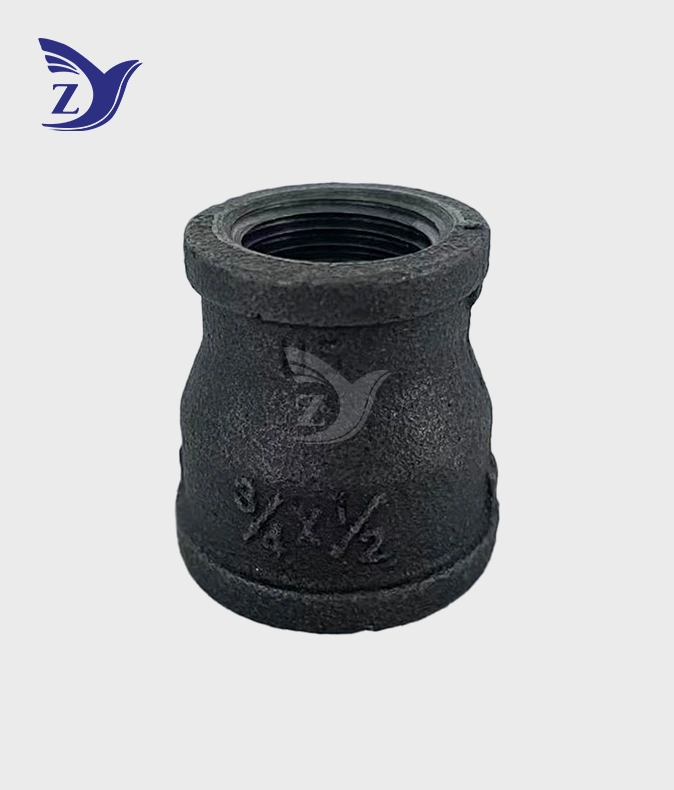
NPT Black Square Face Reducing Coupling Pipe Fittings
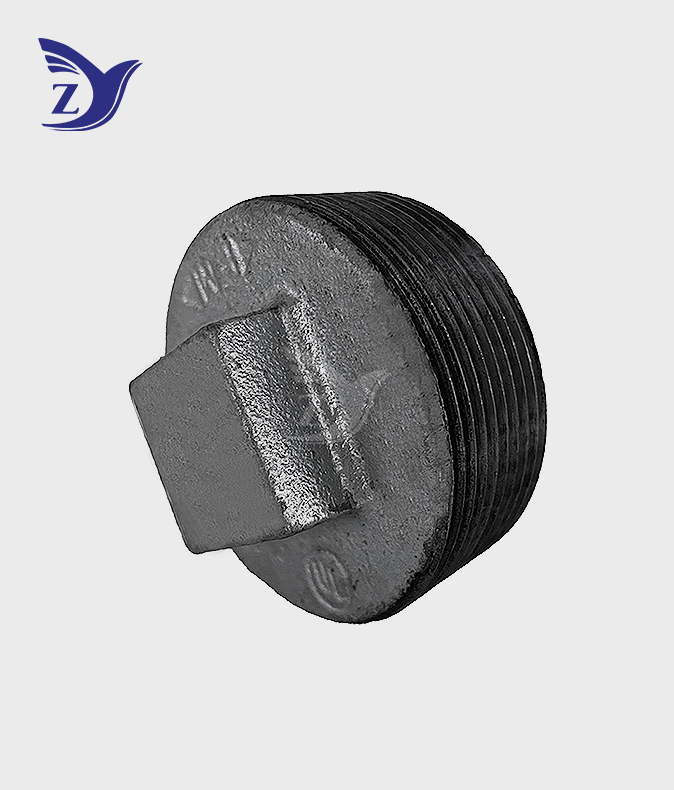
NPT Galvanized Non-Flanged Pipe Plug Pipe Fittings
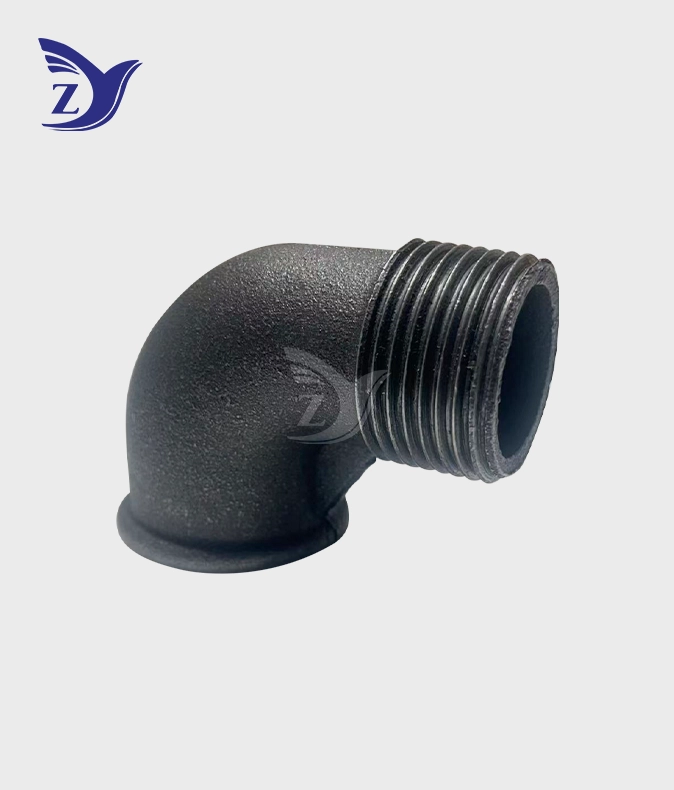
NPT Black Round Face Male-Female 90° Elbow Pipe Fittings
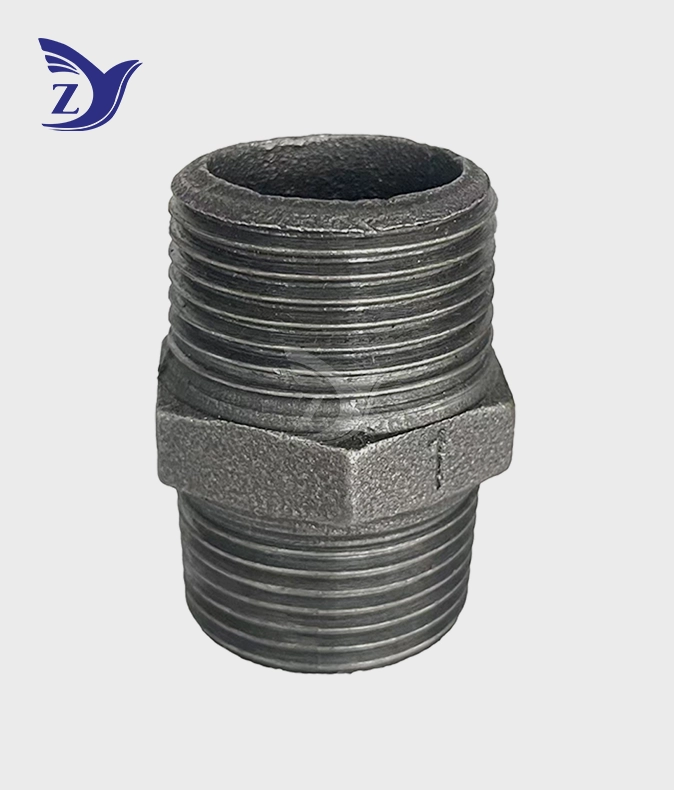
BSPT Black Male Nipple Pipe Fittings
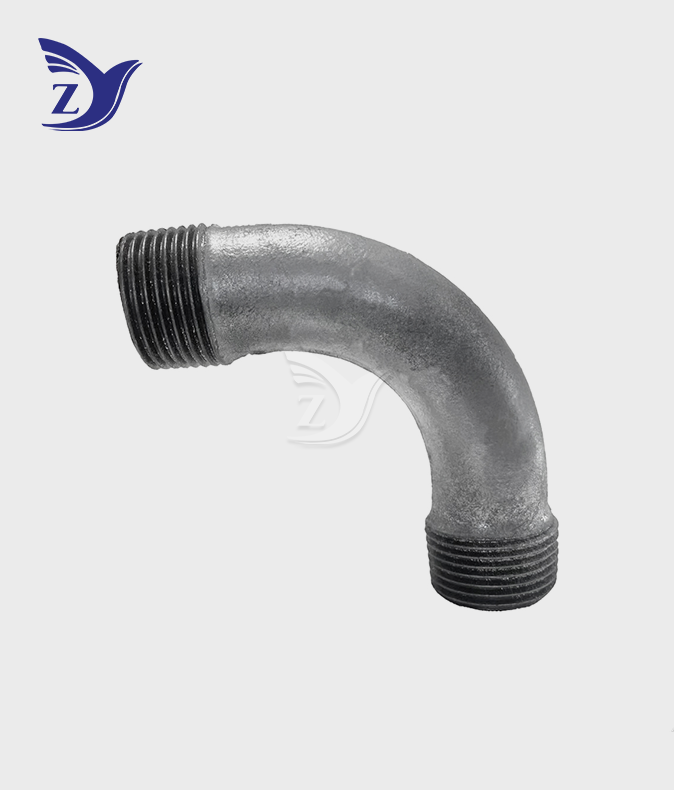
BSPT Round Face Galvanized Round Edge 90° Elbow Pipe Fittings
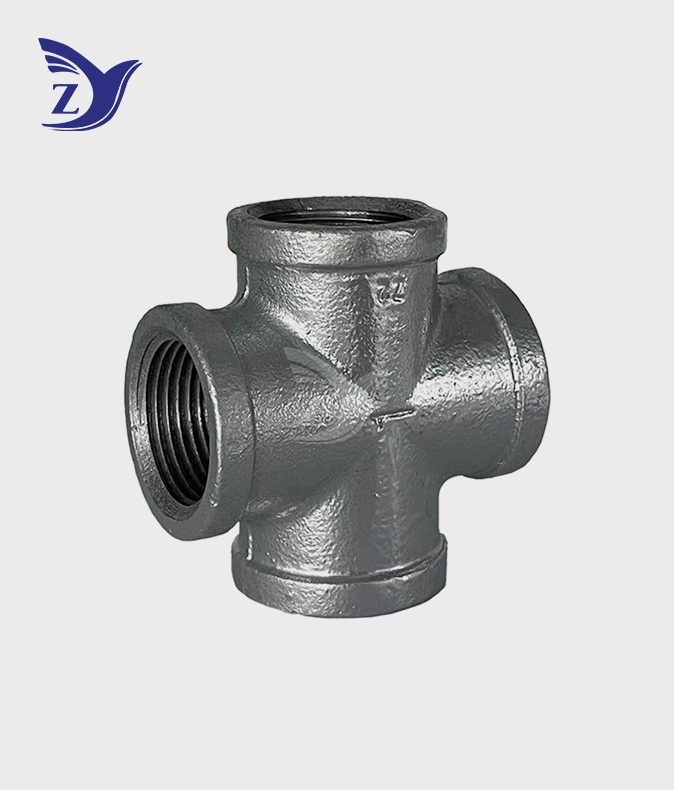
NPT Square Face Galvanized Square Edge Cross Pipe Fittings
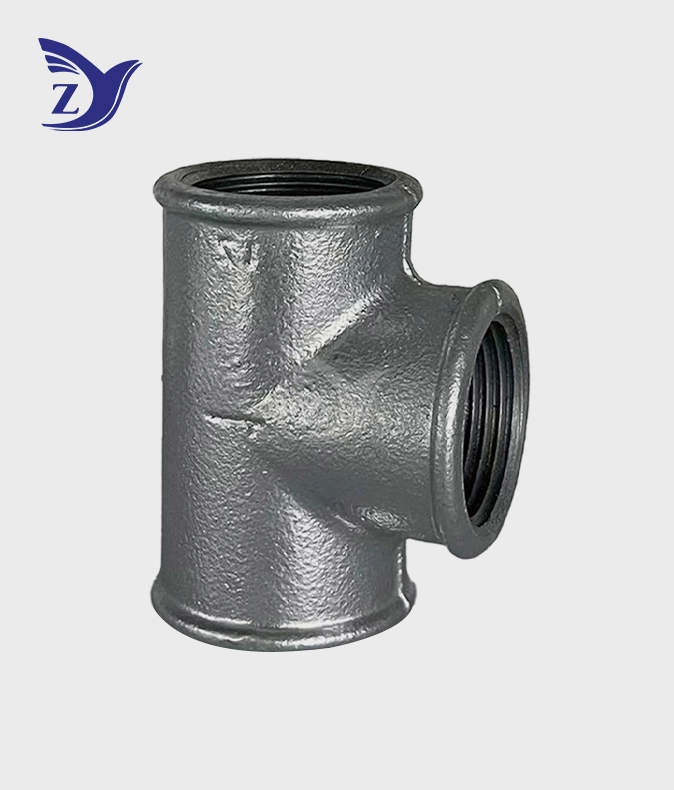
NPT Round Face Galvanized Round Edge Straight Tee Pipe Fittings
Carbon Steel Pipe Male Threaded Fittings Hot Dip Galvanized