
Jun 2, 2026
How to install a galvanized 90° reducing elbow in plumbing?
To ensure leak-free operation, installing a galvanized 90° reducing elbow necessitates careful preparation, accurate thread contact, and the right closing methods. The NPT/BSPT reducing male-female 90° galvanized elbow joins two lines with different sizes at a right angle, so you don't need any other connections. To install something correctly, you must first clean the pipe threads, then use the right thread sealer, hand-tighten the dual-threaded 90° reducing pipe connection, and finish with wrench turns being careful not to over-torque. This hot-dipped galvanized, precision-threaded malleable iron fitting will last for decades if it is installed properly in industrial water and gas pipeline size adaptation uses.
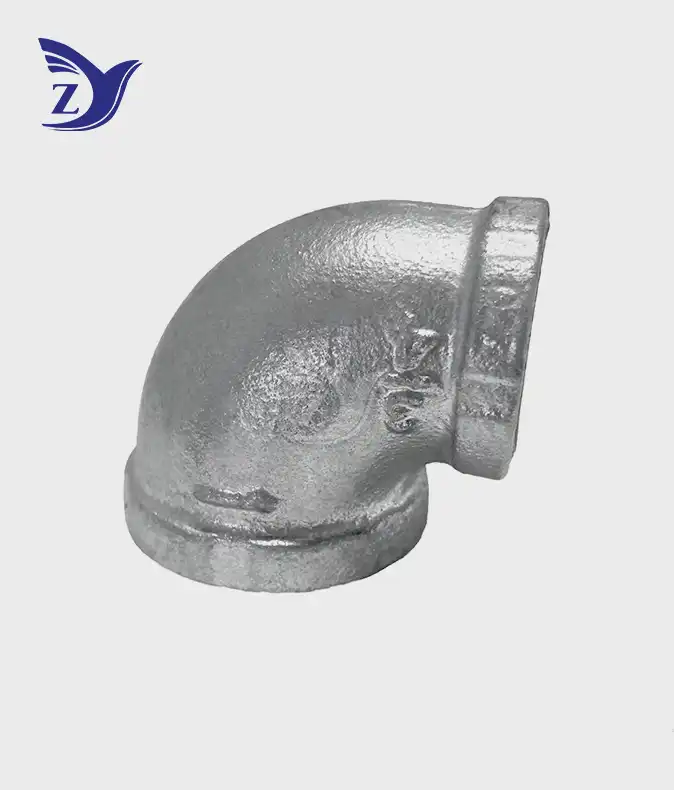
Preparation Before Installation: Key Considerations
Preparation is the key difference between setups that go well and ones that have problems that lead to callbacks and guarantee claims. Before getting their hands dirty, project teams have to look at a lot of different factors to make sure that the parts they choose will work with the current infrastructure.
Material Selection and Compatibility Assessment
In most pipe situations, galvanized 90° reducing elbows have a long life, but knowing how different materials react with each other can slow down rust. Galvanic rusting can happen when you connect galvanized parts to metals that are not the same. Putting galvanized steel and copper together in water systems can speed up the breakdown of the zinc layer through electrochemical processes. In mixed-metal systems, these problems can be fixed with dielectric unions or isolation fittings. There are pros and cons to using galvanized parts instead of others made of stainless steel, black iron, or PVC. Stainless steel is much more resistant to rust, but it costs a lot more. Black iron works well in gas situations where there isn't much moisture. PVC can stand up to chemicals in some drain situations, but it can't handle the high temperatures and high pressures that are common in fire safety or HVAC systems.
The decision matrix shouldn't just show the original buying price; it should also show the total cost of ownership. Galvanized fittings from well-known brands usually last 30 to 50 years, which makes them a good buy even though they cost more up front than non-metallic options that don't last as long.
Essential Tools and Safety Equipment
The right tools make installation go more smoothly and keep galvanized 90° reducing elbows from getting damaged. Pipe wrenches that are the right size for the biggest pipe diameter are part of a basic toolbox. Usually, there are two wrenches to provide backing support. Cleaning brushes for thread get rid of dirt and old sealer. While putting the seals together, deburring tools smooth out the ends of the pipes that have been cut. It should be easy to get to thread tape machines or brush-on pipe dope containers. Safety is very important, even when not using hand tools. Cut-resistant gloves protect your hands from pipes that have just been cut. Wearing safety glasses keeps your eyes from getting hurt by metal shavings or sealer splashes. Steel-toed boots protect your feet in factories where heavy parts can be dangerous.
System Parameters and Design Verification
By looking at how the current system works, you can avoid specs that don't match. Check the outside diameters of the pipes to make sure they are the right size, since real sizes can be different depending on the maker and the pipe plan. Check the system pressure needs against the fitting pressure numbers, making sure to use the right safety factors. Most municipal water systems run at pressures between 40 and 80 PSI. Fire protection systems, on the other hand, may have much higher pressures when the pumps are running. Flow rate estimates show if the smaller diameter will lead to pressure drops or speed increases that are too big to handle. To stop erosion and water hammer problems, water speeds should stay below 8 feet per second. When it comes to gas systems, motion needs to be thought about in terms of pressure and gas makeup.
Step-by-Step Installation Guide
Systematic installation processes make sure that the results are the same for all parts and all installation teams. By following these steps, you can cut down on leaks and make fittings last longer.
Pipe Preparation and Thread Inspection
Clean pipe threads are the building blocks of links that don't leak. Use wire brushes that are made to clean both the inside and outside of threads by getting rid of dirt, old sealant residue, and rust products. Check the threads for damage like threads that are crossed, threads that are crushed, or worn thread peaks. Damaged threads make the cover less reliable and should be fixed by replacing the pipe end or repairing the threads with thread chasers. By deburring the ends of cut pipes, damage to the seals is avoided during installation. Sharp edges can damage pipe dope or shave off thread sealant, making holes for leaks. A simple file or a deburring tool can quickly get rid of these sharp edges and make small chamfers that make it easier for pipes to fit into fittings.
Thread Sealant Application Techniques
Thread sealer choice affects how well a joint works in the long run. PTFE tape that is rated for the job does a good job of sealing around water and many gases. To keep the tape from coming apart during installation, wrap it around the thread in the way that it turns (clockwise when looking at the male thread end-on). For pipes up to 1 inch in diameter, use 3–4 wraps. For bigger sizes, use 5–6 wraps. Overlap each wrap by about half to make sure there is enough covering without too much buildup that could cause fittings to hydraulically split when they are tightened.
Anaerobic pipe seals are better for systems that are likely to shake. These liquid sealants harden when there is no air in the small thread space. This makes lasting seals that won't come loose from vibrations. To keep system fluids from getting contaminated by the sealant, only put it on male threads and start two threads back from the pipe end. Do not put sealant on the threads of the female fitting because there is nowhere for the extra sealer to go. This can damage the fittings mechanically or contaminate the system.
Assembly and Torque Guidelines
Tighten the galvanized 90° reducing elbow by hand on the pipe until the resistance rises to a level that can be seen. Usually, 1-2 threads should be visible beyond the fitting face. Before using wrench force, this hand-tight position makes sure that the threads are properly engaged. To make sure the system doesn't get too stressed, use two wrenches: one to turn the fitting and the other to back up the pipe or current fitting. Instead of sudden hits that can break bendable iron parts, use steady, controlled force. As a general rule, pipes up to 2 inches in diameter should have 1-2 full wrench turns more than hand-tight. Pipes with bigger sizes need proportionally more turns based on thread pitch.
Avoid over-tightening because it hurts the threads and can cause fittings to crack, especially at the elbow radius where the material is under the most stress. Visual cues are helpful; properly tightened joints usually have one to three threads left visible, based on the size of the pipe. When you don't tighten something enough, the threads don't connect properly, which makes the joints weak and more likely to leak when the pressure is changed.
Pressure Testing and Leak Detection
Don't assume that the download worked without checking. Pressure testing finds leaks before systems are put to use, which keeps water harm and expensive fixes from happening. Slowly raise the system's pressure to its working level while keeping an eye on all of its parts. A lot of leaks show up right away when the pressure is raised, looking like drips or streams. But some leaks don't happen until the pressure is stable and the joints have settled. Keep the test pressure up for at least 15 minutes while you check the joints. When soapy water solutions are put on joints, they show small gas leaks by making bubbles. For water lines, check the joints carefully for any signs of water buildup. A small leak that seems harmless at first can turn into a big problem as the leak path gets bigger due to changes in pressure.
Procurement Tips and Supplier Selection for Galvanized 90° Reducing Elbows
More than just comparing prices, strategic buying choices have an effect on the success of a project. Evaluating sources in a number of different areas makes sure that supply lines are reliable and that products are of good quality.
Certification and Quality Verification
Getting ISO 9001 approval shows that a company is dedicated to using consistent quality management systems. Even though this certification doesn't promise that the goods are better, the lack of it makes me worry about how strict the quality control is. Certifications that are specific to a product are more important. Fittings that have UL listings or FM approvals have been tested by a third party and found to meet known safety and performance standards. These certificates are important, especially when it comes to fire safety and following the rules. Ask for test results on the materials that show they meet the appropriate ASTM standards. Reliable makers give certified mill test reports (CMTRs) that show the chemical make-up, mechanical qualities, and measures of the galvanization thickness. These papers make it possible to link the parts that were bought to the exact production batch. This makes quality checks easier and helps with guarantee claims if problems happen.
Evaluating Production Capacity and Delivery Reliability
The supplier's production ability has a direct effect on the feasibility of the project plan. Galvanized 90° reducing elbow manufacturers with substantial production capacity—those that can make tens of thousands of tons of goods every year—can handle big orders without having to extend wait times. With over 1,000 product specs and a production capacity of 30,000 tons per year, Zhiyuan Malleable Steel can offer all of a project's needs from a single source. When compared to getting different types of fittings from different sources, this range makes it easier to make purchases and saves money on shipping. Another sign of dependability is the availability of inventory. Suppliers who keep a lot of finished goods in stock can quickly fill urgent orders. If you need standard goods shipped within hours instead of weeks, you can avoid costly project delays that happen when you don't plan for them. Geographic proximity influences delivery reliability and cost. Suppliers located near major ports or transportation hubs offer logistics advantages for international buyers.
Conclusion
Understanding material properties, adhering to systematic installation methods, and choosing high-quality parts from reputable sources are necessary for installing galvanized 90° reducing elbows properly. These fittings are a cheap way to change the direction of flow and the size of pipes in industrial, fire safety, HVAC, and water transport systems. The hot-dip galvanization process makes surfaces that don't rust and will last for decades if they are put and kept correctly. Instead of just looking at the original buy price, procurement professionals should judge suppliers based on their certifications, production capacity, shipping reliability, and expert support skills. Strategic relationships with suppliers give you access to a wide range of products, help with special engineering, and quick customer service, all of which lower the overall costs and risks of the project.
FAQ
What distinguishes galvanized reducing elbows from black steel equivalents?
The main difference is the zinc layer that is put on through hot-dip galvanization. Because black steel fittings don't have this layer of protection, they are best used for gas uses or in dry places where moisture in the air doesn't speed up rusting. Galvanized 90° reducing elbows are great for water systems and outdoor installs where the extra cost is worth it because they don't rust.
Can these fittings handle steam with a lot of pressure?
Fittings made of malleable iron can handle mild steam pressures and temperatures, but their uses are limited by their pressure class ratings. Class 150 lines can usually handle steam service up to 366°F and the pressures that go with that. For safety reasons, cast steel parts are often needed instead of malleable iron in high-pressure steam uses.
How long does the galvanization coating last in typical water systems?
How long a coating lasts relies on the chemistry, temperature, and flow of the water. Coatings usually last between 30 and 50 years in municipal water systems with a neutral pH. This can be greatly lowered by aggressive water chemistry that has a low pH or a high chloride level. Testing the water quality on a regular basis can help you guess how long a layer will last and plan ahead for refills.
Are special tools required for installation?
Most installs can be done with standard pipe wrenches and thread preparation tools. Some models' square external shape makes it easier to use a wrench in tight areas compared to models with round profiles. You don't need any special tools besides normal plumbing tools.
Partner with Zhiyuan Malleable Steel for Superior Galvanized Fittings
With precision-engineered galvanized 90° reducing elbows that meet the stringent standards of fire protection, municipal building, and industry uses, Zhiyuan Malleable Steel brings 26 years of specialized manufacturing knowledge to your plumbing infrastructure projects. Our plant in Shanxi Province is ISO 9001 approved and can process 30,000 tons of steel each year. It has 156 sets of precise machining tools, modern medium-frequency electric furnaces, and energy-efficient annealing kilns. Our large inventory lets us send standard goods within two hours, and we offer full ODM/OEM customization for unique needs as a trusted galvanized 90° reducing elbow supplier. Our hot-dipped galvanized, precision-threaded, malleable iron parts meet world quality standards thanks to approvals from CE, UL, and FM. Our promise to replace any defects and double-layer cardboard packaging protect your investment from the time you buy it until you put it. You can email our expert team at q1236800000@gmail.com or visit zymalleablepipefitting.com to talk about your project needs, get detailed specs, or get cheap prices for big orders that will lower your overall project costs and make sure the system works well for a long time.
References
- American Society for Testing and Materials. (2019). ASTM A197: Standard Specification for Cupola Malleable Iron. West Conshohocken: ASTM International.
- American Society of Mechanical Engineers. (2020). ASME B1.20.1: Pipe Threads, General Purpose. New York: ASME Press.
- National Fire Protection Association. (2021). NFPA 13: Standard for the Installation of Sprinkler Systems. Quincy: NFPA Publications.
- Revie, R. Winston, & Uhlig, Herbert H. (2008). Corrosion and Corrosion Control: An Introduction to Corrosion Science and Engineering (4th ed.). Hoboken: John Wiley & Sons.
- Stewart, Michael G., & Rosowsky, David V. (1998). "Structural Safety and Serviceability of Concrete Bridges Subject to Corrosion." Journal of Infrastructure Systems, 4(4), 146-155.
- Woodson, R. Dodge. (2017). Plumber's Troubleshooting Guide (2nd ed.). New York: McGraw-Hill Education.
Online Message
YOU MAY LIKE
High quality furniture manufacturer
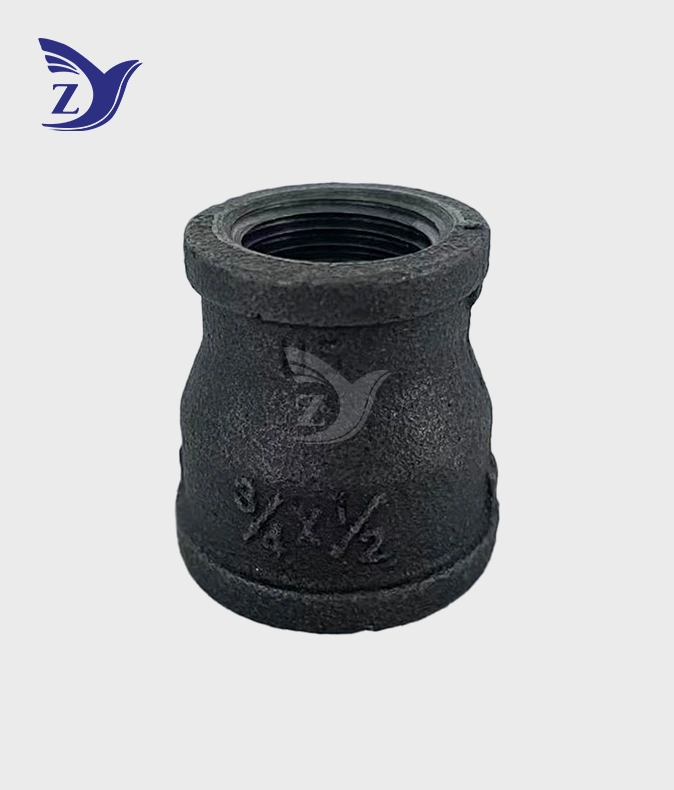
NPT Black Square Face Reducing Coupling Pipe Fittings
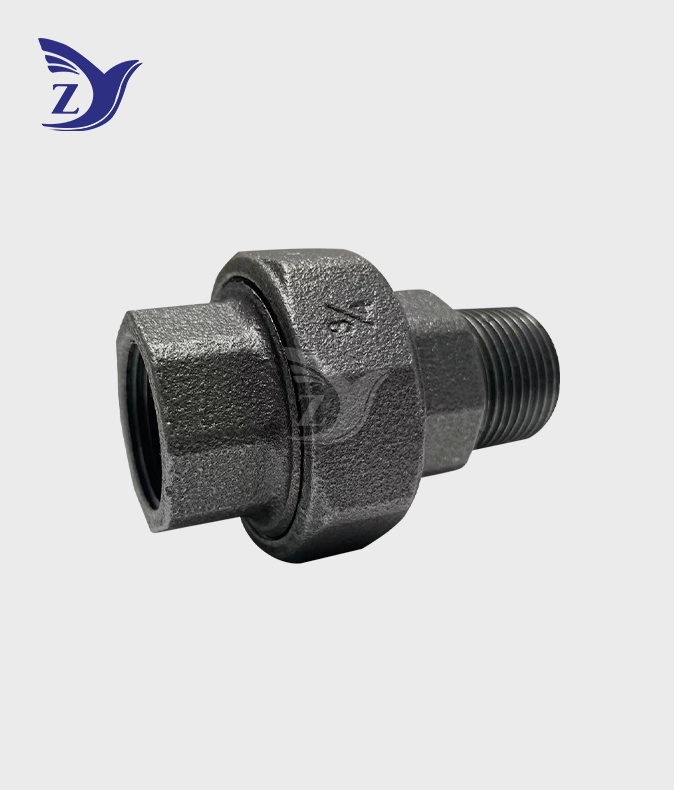
NPT Black Male-Female Union 341 Pipe Fittings
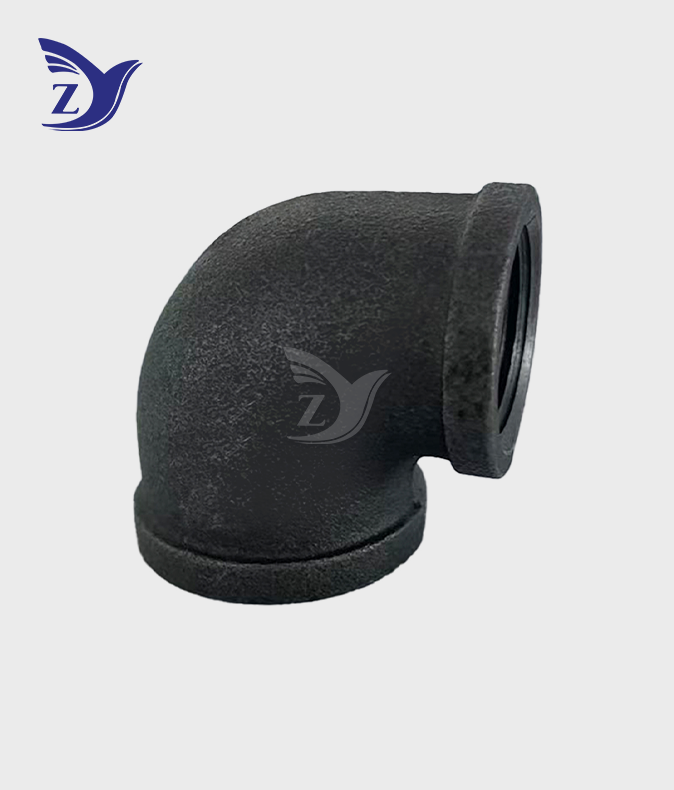
NPT Black Square Edge Reducing 90° Elbow
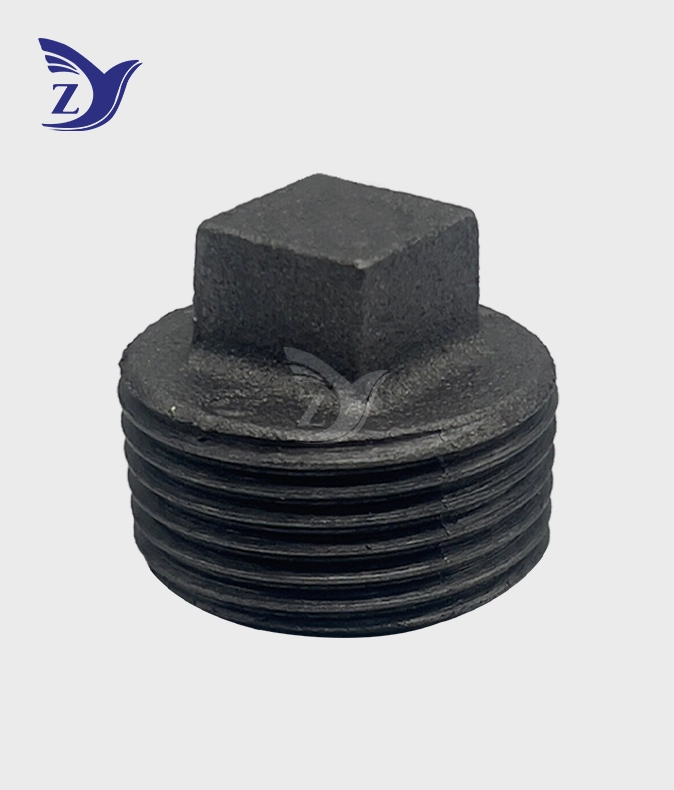
NPT. Black Flangeless Plug Pipe Fittings
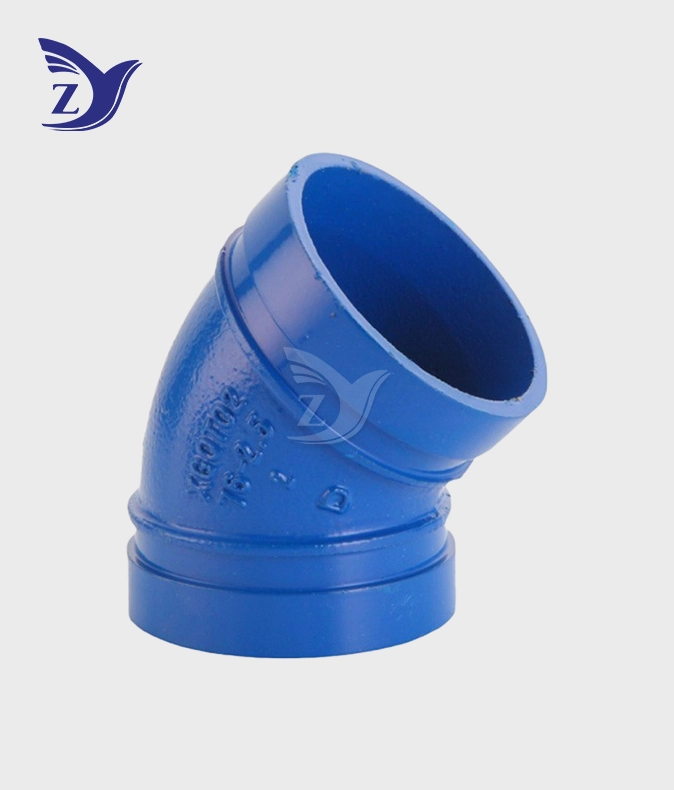
Water Grooved 45° Elbow
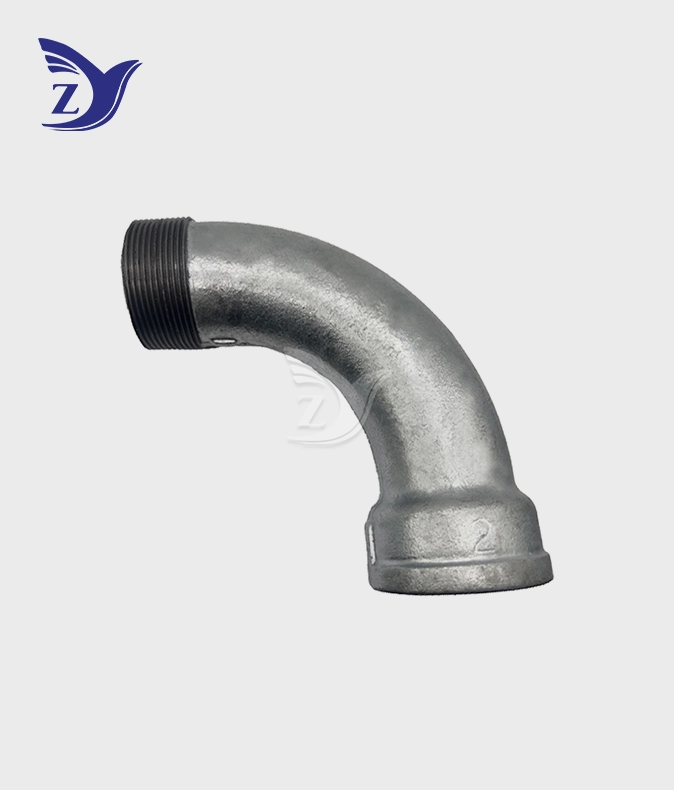
BSPT Galvanized Male Female 90° Long Radius Elbow Pipe Fittings
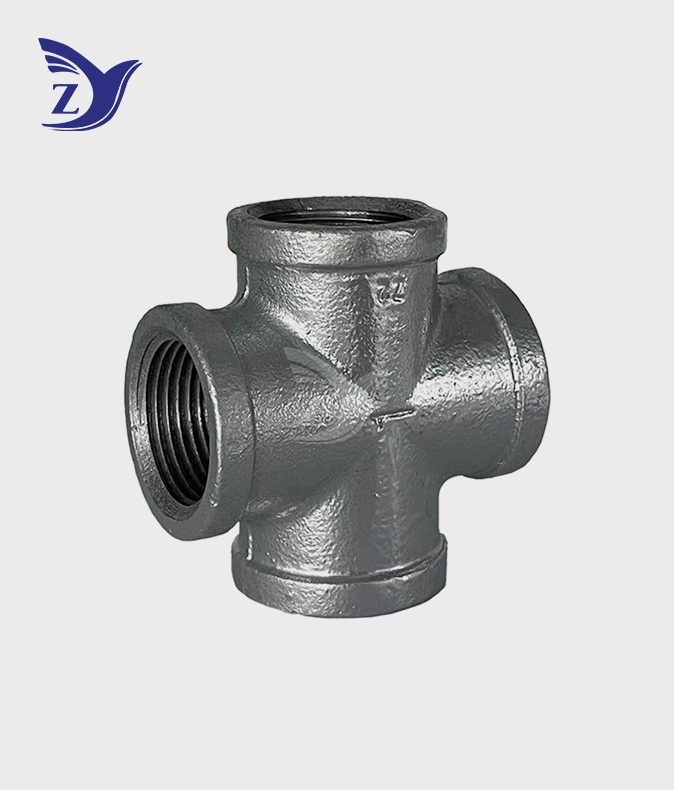
NPT Square Face Galvanized Square Edge Cross Pipe Fittings
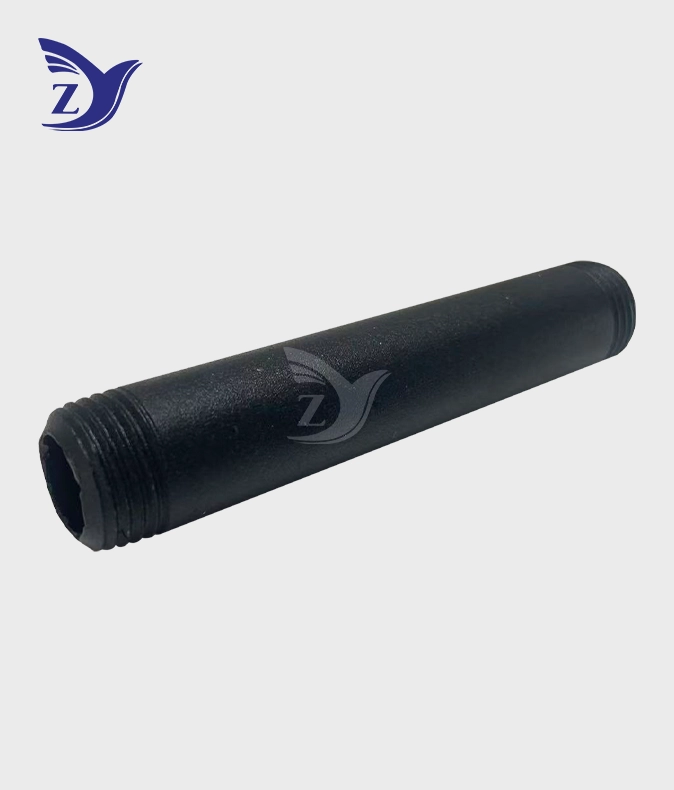
Carbon Steel Pipe Male Threaded Fittings Black Oxide Treated