Jun 4, 2026
How many different types of 90 degree elbows are there?
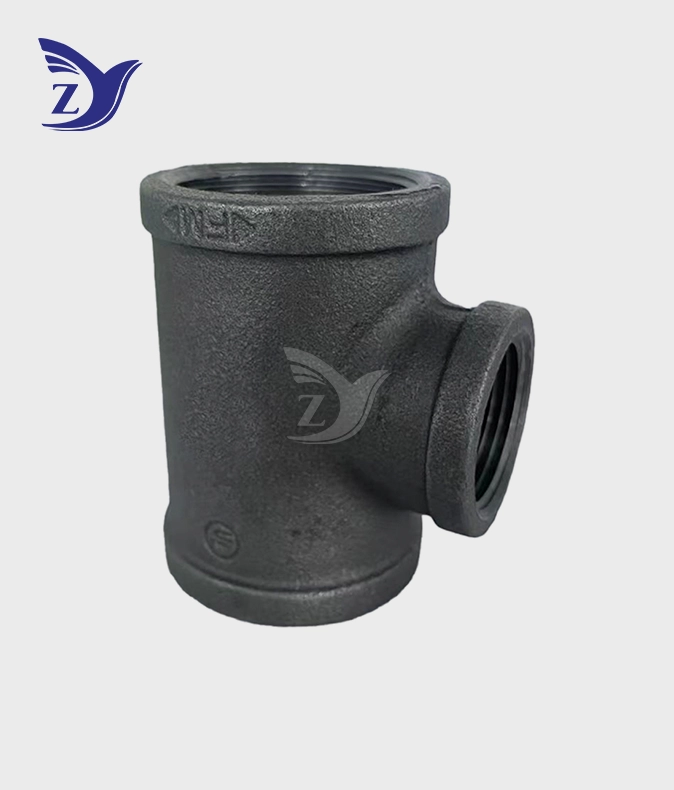
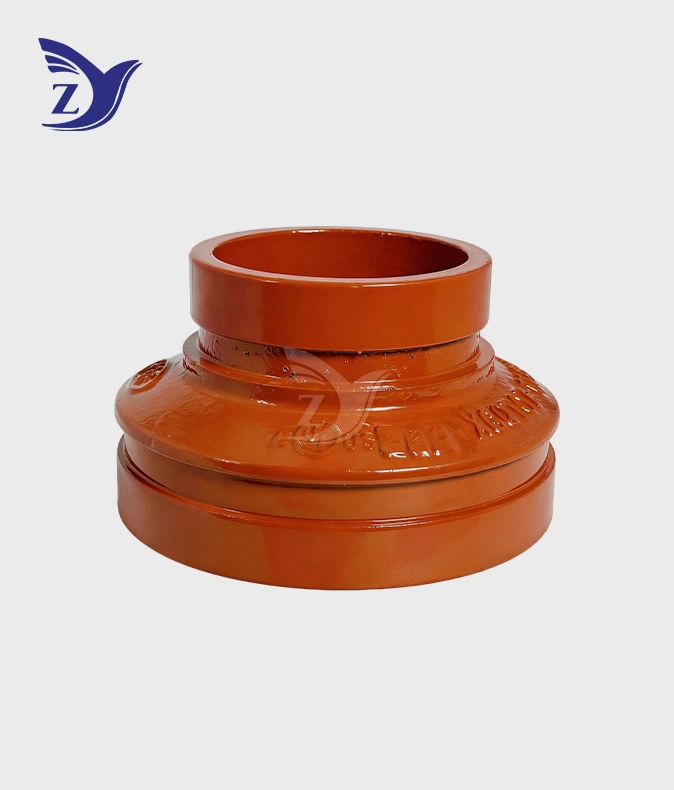
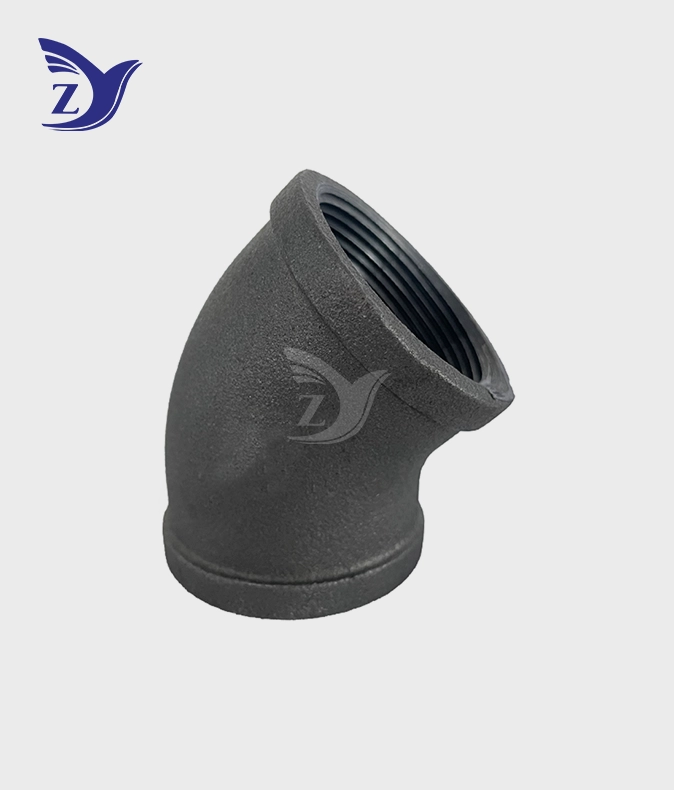
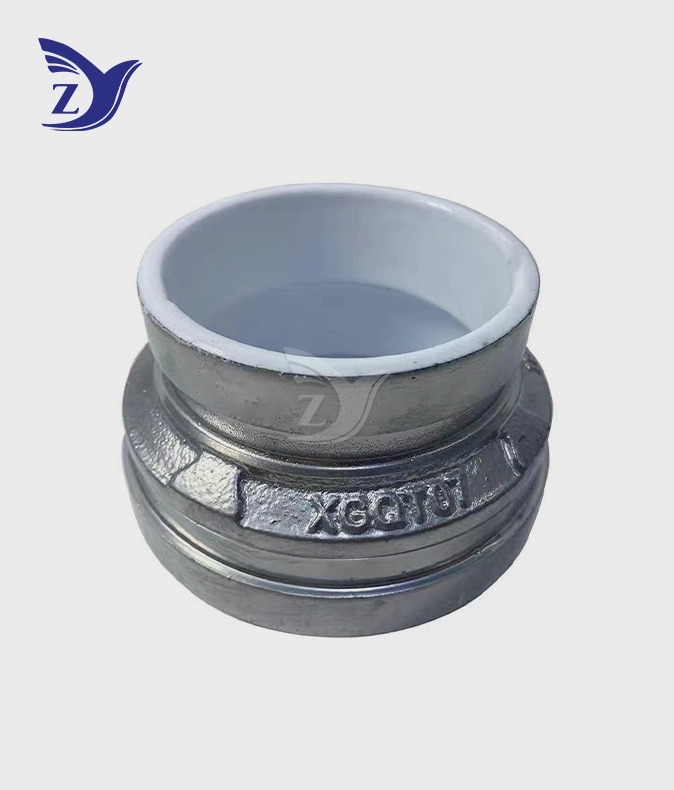
Knowing the different types of 90-degree elbows that are out there can have a big effect on the success of a project when looking for pipeline parts for fire protection, local water systems, or industrial facilities. These fittings are important places where two pipe networks meet and change the flow of liquids or gas at a right angle. Standard elbows, reducing elbows, threaded versions (NPT/BSPT), grooved fittings, and socket weld types are the major groups. Due to its dual functionality—combining directional change with diameter transition—as well as its better rust protection provided by hot-dip galvanization, the galvanized 90° reducing elbow has gained broad adoption across the water supply, HVAC, and gas distribution sectors. Different types of materials, like carbon steel, PVC, malleable iron, and stainless steel, are used for different pressure levels and weather conditions.
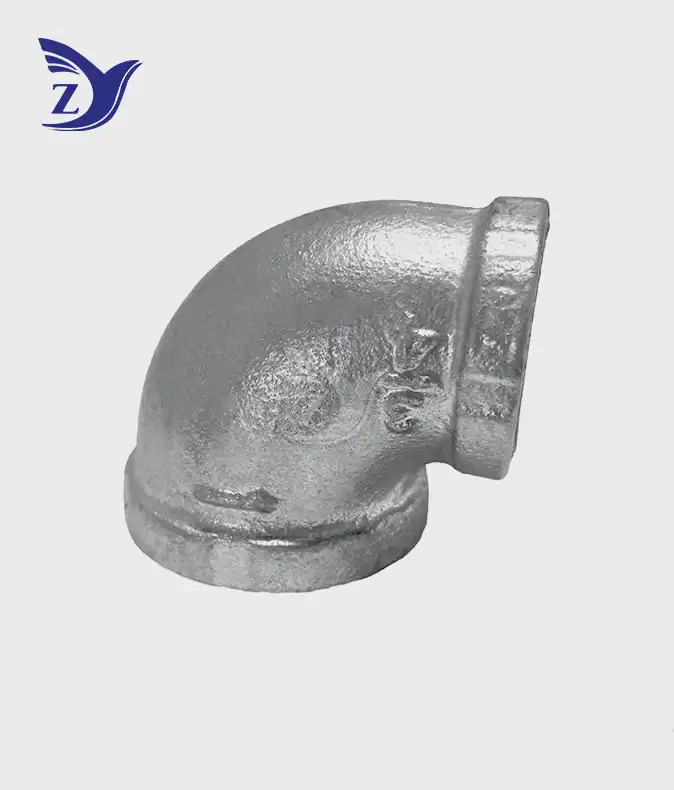
90 Degree Elbows: Types and Applications
Galvanized 90° reducing elbows are important parts of making pipelines because they help engineers work around limited space while keeping flow rates high. There are two main types of these joints based on their structure: standard elbows connect pipes with widths that are the same and reducing elbows connect pipes of different sizes within the same component. This difference is very important when building systems with different flow needs or when making changes to infrastructure that is already in place.
Material Categories and Industry Suitability
Galvanized malleable iron elbows are most common in fire safety and water supply uses. The zinc layer prevents rusting over time in wet places. At Zhiyuan Malleable Steel, we follow ASTM A197 standards when we make our products. This makes sure that the material can handle Class 150 forces of up to 300 psi. Stainless steel alternatives are used in the food preparation and pharmacy industries that need surfaces that are very clean, but they cost more to buy. Black steel fittings are still a cheap option for closed systems like oil pipes that don't need to worry about rusting from the outside. Plastic elbows, which are usually made of PVC or CPVC, are good for moving chemicals and pipes in homes, but they aren't strong enough for high-pressure industrial work.
Threading Standards: NPT vs. BSPT
There are two main types of connection methods: National Pipe Taper (NPT) threads, which are used in North America, and British Standard Pipe Taper (BSPT) threads, which are used in Europe and Asia. Our dual-threaded 90° reducing pipe connectors work with both standards, so foreign trade companies that need to buy tools from more than one origin don't have to worry about compatibility issues. The shape of the curved thread makes mechanical interference that, when combined with PTFE sealing tape, makes joints in hydraulic and gas delivery networks leak-proof. This precision-threaded method is different from grooved fittings that use external clamps and can be installed faster in the field, but they cost more at first.
Comprehensive Guide to Galvanized 90 Degree Reducing Elbows
There is a technical answer called the galvanized 90° reducing elbow that solves three problems at the same time: rerouting flow, changing pipe sizes, and stopping rust. Unlike regular elbows that need separate reducer bushings, which add more places for leaks to happen, this combined design makes construction easier and costs less for procurement managers working on big projects.
Hot-Dipped Galvanization Process and Benefits
Zhiyuan Malleable Steel uses hot-dip galvanizing, which is in line with ASTM A153 standards. This process immerses malleable iron castings in liquid zinc baths, which forms a link between the metals that is more than 85 microns thick. This temporary covering stops water from getting in and protects against corrosion even if it gets scratched during fitting. Testing in city water systems shows that a galvanized 90° reducing elbow can last 30 to 50 years in fairly corrosive settings, which is a lot longer than painted coatings. The zinc layer also doesn't get scaled off by hard water deposits, so it keeps its hydraulic efficiency over the course of its useful life. This is an important factor for heating supply companies that take care of community distribution networks.
Structural Design and Flow Dynamics
Our industrial-grade malleable elbows have strengthened wall sections at bend radii that spread out the stress that builds up when fluids under pressure change direction. In most cases, the reducing configuration goes from bigger male threads at the inlet to smaller female threads at the exit. However, in some cases, the direction can be switched around to meet fitting needs. Different wall thicknesses are allowed for different pressure classes. For example, Class 150 fittings can be used for steam, water, gas, and oil at temperatures up to 150°C. The internal bore shape keeps changes smooth, which reduces turbulence. This design feature cuts friction losses by about 15% compared to options that aren't made well. This hydraulic optimization helps valve makers who put our parts into whole sets of pipeline equipment, especially in pump house installations where saving energy has a direct effect on running costs.
Technical Specifications for Procurement
Size-reducing configurations come in sizes ranging from 2"x1" to 4"x3" in North America. For foreign markets, metric versions are also available. Short radius elbows (radius equal to pipe diameter) work well in setups with limited room, while long radius elbows (1.5x diameter) lower pressure drops in high-flow situations. Our ability to customize includes non-standard sizes that petroleum companies need to work with existing infrastructure. Each batch goes through hydrostatic testing at 1.5 times the rated working pressure, and inspection reports are given to meet the standards of the project-based engineering buyer paperwork. Our square-bodied versions have flat wrench surfaces that let techs apply the right torque in tight machinery areas without rounding thread fittings. This is a useful feature that power plant maintenance teams know about.
Comparing Galvanized 90 Degree Reducing Elbow with Other Elbow Types
The choice of material has a big impact on the total cost of ownership because it affects how much it costs to buy something new and how often it needs to be maintained and replaced. When plumbing hardware dealers and building companies understand these trade-offs, they can make sure that their inventory plans are in line with what the local market needs. Under this framework, the galvanized 90° reducing elbow remains a primary choice for balanced performance.
Galvanized vs. Stainless Steel
Stainless steel elbows are more expensive than galvanized ones, usually three to four times as much. This is because they are used in chemical processing settings that are prone to corrosion or in coastal sites that are exposed to saltwater. The chromium oxide layer on the surface is very good at protecting against acidic condensates and chloride attack. In household and business buildings, galvanized 90° reducing elbow, on the other hand, lasts just as long and costs a lot less for normal water supply and HVAC uses. Our FM and UL licenses prove that we can do a good job in fire sprinkler systems that need to be reliable and don't want to go over budget for city engineering projects. The cost-effective inventory change rates are liked by distribution buyers who are in charge of regional supply lines. This is especially true when working with contractors on fixed-bid projects.
Black Steel vs. Galvanized Options
The cheapest option is uncoated black malleable fittings, which can be used for gas pipes inside buildings and hydronic heating systems that are protected. Since they don't have a protective covering, they rust quickly when water gets into them. This means they can't be used for outdoor hydrant systems or underground water mains. On the other hand, adding galvanization raises the cost of the part by 20–30% while doubling its useful life outside. Companies that provide water and heat to community facilities are making galvanized fittings common more and more so that emergency fixes during freezing weather are less likely to happen. This preventative method lowers lifetime costs even though it requires a bigger initial investment. This makes galvanized pick the better choice for most above-ground uses.
Plastic Alternatives and Limitations
PVC and CPVC elbows are the most common type of elbow used in household drains and low-pressure irrigation because they are easy to weld with solvents and don't corrode when exposed to electricity. But because they can only handle temperatures between 60°C and 90°C and aren't very resistant to pressure, they can't be used in industrial steam lines, compressed air systems, or places where they will be abused mechanically. Fire protection engineering firms never use plastic in sprinkler networks because the Code requires pipes to be made of metal. Our malleable iron reducing elbows can handle the rough conditions of farm wash-down systems and temporary piping on building sites, where fittings are handled many times and hit by heavy equipment.
Conclusion
Understanding the diversity within 90 degree elbow categories—from material choices to threading standards—enables informed procurement decisions aligning technical requirements with budget realities. The galvanized 90° reducing elbow stands out as a flexible solution combining corrosion resistance, size adaptation, and cost efficiency across water, gas, and HVAC applications. By recognizing installation best practices and maintenance protocols, system integrators and municipal engineering companies maximize fitting longevity while minimizing lifecycle costs. Careful supplier selection, emphasizing certifications and manufacturing capacity, ensures project timelines remain intact and quality standards meet rigorous industry expectations.
FAQs
What advantages do galvanized reducing elbows offer in harsh environments?
Hot-dip galvanization makes a zinc barrier that is more than 85 microns thick. This protects the base iron from water, soil contact, and moderate chemical exposure that is common in outdoor installations. The coating acts as a sacrifice, corroding more quickly to protect the structure. This makes galvanized fittings perfect for fire hydrant assemblies that are exposed, HVAC runs on rooftops, and buried water service lines that can get water from the ground. Testing shows that these fittings will last 30 to 50 years in most municipal applications.
How do I determine correct sizing for reducing elbows?
Check the outside diameters of the pipes you already have and compare them to nominal sizing charts. For example, a 2" NPT pipe has an outside diameter of about 2.375 inches. The inlet of the reducing elbow should match the size of your supply line, and the outlet should match the connections on the equipment further downstream. Don't make too many size reductions in one fitting (like from 4" to 1"), because sudden changes cause turbulence and pressure drops. Check hydraulic flow tables to make sure the speed stays within the recommended ranges of 3 to 10 feet per second for water systems.
Can galvanized elbows be used in high-temperature steam lines?
Standard galvanized malleable iron fittings can handle temperatures up to 150°C and are good for low-pressure steam and hot water heating systems. However, when used at higher temperatures, the zinc coating could evaporate and the iron matrix could become more fragile. For steam service, you should specify Class 300 fittings with the right pressure-temperature ratings and refer to ASTM A197 material specifications. For use above 200°C, you may need to use different materials like forged steel.
Partner with Zhiyuan Malleable Steel for Reliable Galvanized 90° Reducing Elbow Supply
Zhiyuan Malleable Steel combines 26 years of casting expertise with ISO 9001-certified manufacturing processes to deliver high-strength, corrosion-proof reducing elbows meeting FM, UL, and CE standards. Our 30,000-ton annual capacity supports both large-scale project demands and customized OEM solutions for fire protection, municipal water, and industrial applications. With ample inventory enabling two-hour delivery of standard sizes and comprehensive NPT/BSPT threading options, we serve wholesale distributors, construction companies, and overseas buyers requiring dependable galvanized 90° reducing elbow manufacturers. Our double-layer packaging ensures damage-free transit, while defective product replacement policies protect your investment. Contact our technical team at q1236800000@gmail.com or visit zymalleablepipefitting.com to request quotes tailored to your specifications. Let us help you optimize pipeline performance with industrial-grade malleable fittings engineered for decades of reliable service.
References
- American Society for Testing and Materials. (2021). ASTM A197: Standard Specification for Cupola Malleable Iron. West Conshohocken: ASTM International.
- American Society of Mechanical Engineers. (2019). ASME B1.20.1: Pipe Threads, General Purpose (Inch). New York: ASME Press.
- Factory Mutual Research Corporation. (2020). FM Approval Standard 1680: Couplings Used in Fire Protection Service. Johnston: FM Approvals.
- National Fire Protection Association. (2022). NFPA 13: Standard for the Installation of Sprinkler Systems. Quincy: NFPA Publications.
- International Organization for Standardization. (2018). ISO 9001: Quality Management Systems—Requirements. Geneva: ISO Standards.
- Underwriters Laboratories. (2021). UL 213: Standard for Safety Rubber Gasketed Fittings for Fire-Protection Service. Northbrook: UL LLC.
Online Message
YOU MAY LIKE
High quality furniture manufacturer