
Jun 6, 2026
How long does hot-dip galvanizing protect BSPT 90° elbow fittings from corrosion?
Depending on the climate, hot-dip galvanized round edge BSPT 90° elbows usually protect against rust for 20 to 50 years. When used in mild conditions indoors or in the country, these parts can last longer than 50 years. Exposure to chemicals and high humidity in the marine or industrial setting shortens security to 20 to 35 years. The zinc covering is over 70 microns thick on average and meets ASTM A153 standards. It works as both a physical barrier and a sacrificial anode, corroding more slowly to protect the malleable iron base below and keeping the system's integrity for decades of use.
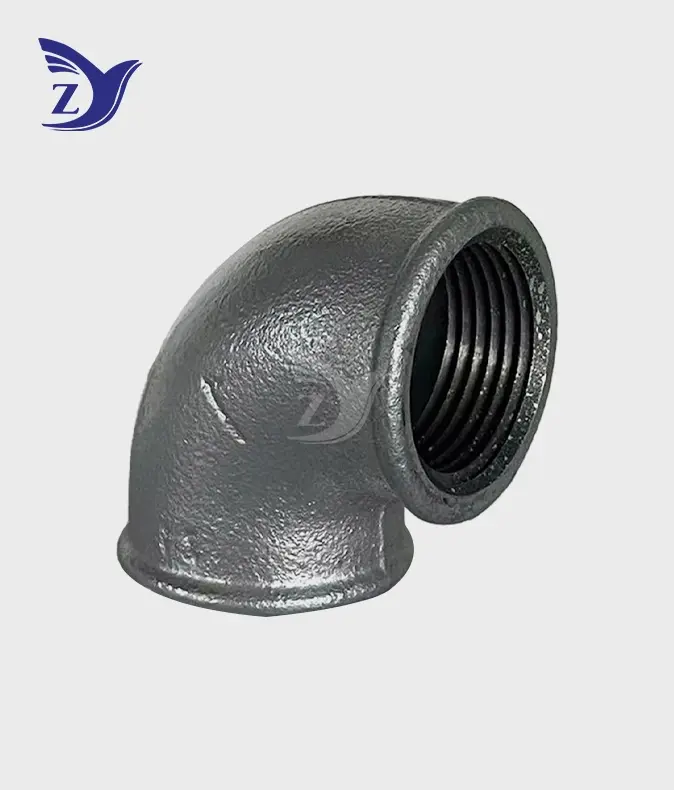
Understanding Hot-Dip Galvanizing and Its Corrosion Protection for BSPT 90° Elbows
The Hot-Dip Galvanizing Process and Coating Formation
For hot-dip galvanizing, iron parts that can be shaped are put into liquid zinc that is about 450°C (842°F). A number of zinc-iron alloy layers are used in this process to form a chemical bond between the zinc and the base metal. There are several layers in the film structure, including gamma, delta, and zeta, and a pure eta zinc layer on top. This structure has many layers, which makes it very sticky and prevents flaking or splitting even when subjected to mechanical stress or changes in temperature.
Protection Lifespan Under Various Industrial Environments
When hot-dip galvanized round edge BSPT 90° elbows are properly galvanized, the zinc covering on them corrodes at regular rates that depend on how they are exposed to the environment. Corrosion rates in rural and residential areas are about 1 micron per year, which means that a normal coating thickness will cover for more than 70 years. Corrosion speeds up to 2–4 microns per year in urban and industrial settings, lasting 20–35 years. Coastal coastal settings are the hardest, with corrosion rates of up to 4–6 microns per year. However, the security still lasts for 15–25 years. These materials last a lot longer than painted or electro-galvanized ones.
Comparing Hot-Dip Galvanizing with Alternative Coatings
Electro-galvanizing uses electricity to place only 5 to 15 microns of zinc, which is mostly for looks and works well in dry, indoor settings. The layer doesn't have the same strong bond with metal as hot-dip galvanizing, and it usually fails after 5 to 10 years of being outside. Painted surfaces need to be maintained regularly and get scratches when they are installed that can lead to rusting. Hot-dip galvanizing doesn't need any upkeep and protects itself through cathodic action, so even if the layer gets scratched, the visible zinc keeps protecting the iron underneath. When you add up the prices of repair, maintenance, and system downtime over the lifecycle, you can see how cost-effective the solution is.
Environmental Factors Influencing Protection Duration
Extreme temperatures, humidity levels, the pH of the earth or fluids around the coating, and chemical contact can all affect how well it works. Chloride ions from salt spray or de-icing products on the coast speed up the breakdown of zinc. Pollutants from factories, like sulfur dioxide, make the air more acidic, which speeds up the rusting process. On the other hand, calcium carbonate in hard water forms protected layers that make coatings last longer. Engineers can choose the right parts and plan repair schedules more accurately when they know about these factors. Material standards, such as ASTM A153 and EN ISO 1461, set minimum coating thickness requirements that make sure there is basic safety in a wide range of situations.
Comparing Hot-Dip Galvanized BSPT Elbows with Alternative Materials and Fittings
Hot-Dip Galvanized Versus Stainless Steel Alternatives
Stainless steel parts are more resistant to corrosion in harsh chemical conditions, but they cost three to five times as much as hot-dip galvanized round edge BSPT 90° elbows that can be shaped. In coastal uses, chloride-induced cracking can still happen in Grade 304 stainless steel. Grade 316, on the other hand, performs better but costs even more. The great majority of water, gas, and low-pressure steam uses are well protected by hot-dip galvanized round edge BSPT 90° elbows, which are also much cheaper to buy and install. The iron base can be shaped easily and is also more resistant to pressure than cast stainless steel fittings, which are more likely to break.
BSPT 90° Elbows Versus 45° Elbows in System Design
Choosing between 90° and 45° bends changes how the system works hydraulically and how easily it can be installed. Sharp 90° turns cause more pressure drops and flow turbulence, but they are useful for system plans that need to fit in small areas. When you use two 45° elbows instead of one hot-dip galvanized round edge BSPT 90° elbow, you lose about 30% less pressure, which makes pumping more efficient in long pipeline runs. But 45° joints need more room to be installed and more connection points, which means there are more places where leaks could happen. When engineers choose elbow angles for different uses, they have to think about how well the hydraulics work, how much room they have, and how much it will cost.
Advantages Over Other Connection Types
There are several reasons why BSPT tapered threads are better than parallel BSPP (British Standard Pipe Parallel) threads, which need extra closing screws or O-rings. The curved shape makes a mechanical seal by interfering with the threads, so the seal stays strong even when the temperature and shaking change. Flanged joints make it easier to take things apart for repair, but they cost a lot more in materials and need gaskets and nuts. Grooved mechanical connections are easy to install, but they need rubber seals that wear out over time and might not work well in high-temperature situations. For fixed pipeline installs, the threaded BSPT connection strikes a good mix between speed, dependability, and cost-effectiveness.
Procurement Insights: Buying Hot-Dip Galvanized BSPT 90° Elbows for Maximum Value
Sourcing from Certified Manufacturers and Suppliers
Quality control starts with choosing the right provider. Manufacturers with a good reputation keep their ISO 9001 certification and follow industry standards like UL and FM for fire safety. Ask for proof, like certificates of materials, records on covering thickness, and pressure test results. Companies that have their own testing labs show that they care about quality control. Heat lot numbers from well-known sources make it possible to track materials from the time they are made in iron to the time they are galvanized and finally inspected. This paperwork is needed to make sure the job is done right and for future guarantee claims.
In a market full of competitors, here is what distinguishes reliable hot-dip galvanized round edge BSPT 90° elbow suppliers:
- Manufacturing Capacity: Standardized processes and economies of scale help large makers whose yearly output is more than 20,000 tons keep quality uniform. Smaller businesses may have lower prices, but it can be hard for them to keep the quality of their products consistent and deliver them on time when demand is high.
- Technical Support: Suppliers who offer technical help help customers choose the best fittings for their needs, which helps avoid costly design mistakes. Having access to expert staff who know about pressure ratings, thread compatibility, and fitting needs is worth a lot more than just the price of the product.
- Quality Documentation: Full mill test records, material certifications that meet ASTM standards, and testing by a third party to back up product promises. Concerns about material replacement or low-quality coatings are raised when suppliers refuse to provide paperwork.
Pricing Factors and Budget Considerations
The price of a hot-dip galvanized round edge BSPT 90° elbow depends on its size, the number of orders it receives, and the state of the market. In bulk, smaller fits (1/2" to 1") cost between $1.50 and $4.00 each, while bigger sizes (2" to 4") cost between $8.00 and $25.00 each. Zinc prices can change by 10 to 15 percent every year because of changes in the market. For big projects, long-term supply deals are a good idea. When you buy more than 1,000 pieces, you get big volume savings. Base prices go up by 20 to 40 percent for custom specs, special certifications, or thread types that aren't normal. When you compare the initial cost of quality zinc fittings to their expected 30–50-year service life, you can see that they are more cost-effective than cheaper options that need to be replaced more often.
Lead Times and International Logistics
Standard galvanized parts usually ship within two to four weeks from well-known makers who keep stock. For scheduling production, casting, galvanizing, and quality checking, it may take 6 to 10 weeks for custom specs or big orders. Depending on the location and shipping method, international shipping can take an extra three to six weeks. While air freight cuts down on travel time, it also makes it much more expensive. For sales over 5,000 pieces, sending them in containers is the most cost-effective option. Total landed cost is affected by customs processing, taxes, and trade rules that are different for each country. International purchasing is easier when you work with experienced freight forwarders who know how to classify pipe fittings.
Warranty Coverage and After-Sales Support
Reputable companies stand behind their goods with guarantees that cover flaws in the materials and the quality of the finish. Most guarantees last between 12 and 24 months from the date of arrival. For high-end items or big jobs, you may be able to get longer guarantees. The warranty terms should make it clear what is covered in terms of binding, material makeup, accuracy in measurements, and pressure performance. After-sales assistance, such as technical advice, help with installation, and replacements for problems, shows that the seller is committed. OEM and ODM services let wholesalers and big contractors make their own labels, special packaging, or changes to the specs. Responding to customer questions within 24 hours is what sets professional sellers apart from commodity providers.
Case Studies & Industry Applications Demonstrating Durability of Hot-Dip Galvanized BSPT 90° Elbows
Fire Protection Systems Performance
A city's fire sprinkler system, which was put in place in 1995 using hot-dip galvanized round edge BSPT 90° elbows, is still working well after 28 years. Every year, checks show that the zinc layer isn't breaking down much, even after being exposed to standing water and regular pressure tests. During water hammer events, the round edge support kept the fittings from breaking like they do with thin-walled options. System experts think that the fittings will last an extra 15 to 20 years before they need to be replaced. This shows how long-lasting quality zinc fittings are and why they are worth the initial investment.
Outdoor Water Treatment Infrastructure
In 2008, hot-dip galvanized round edge BSPT 90° elbows were put in place of painted carbon steel fittings at a seaside water treatment plant that served 50,000 people. With regular salt spray and humidity, the sea environment wore down painted fittings in 6 to 8 years. The zinc fittings have surface rust after 15 years of use, but they still hold their structural integrity and pressure rating. The maintenance staff says that the metal joints have not caused any leaks or failures. By getting rid of the need for frequent emergency fixes and unplanned system shutdowns that interrupted water service, the longer service life cut down on upkeep costs.
Petrochemical Process Pipeline Applications
Hot-dip galvanized round edge BSPT 90° elbows are used in the low-pressure steam and auxiliary water lines of an oil plant. The air around factories has sulfur chemicals and particles that quickly rust steel that isn't covered. Galvanized parts that were put in when the plant was built in 2005 are still in use and aren't breaking down, which would affect how well the system works. The facility's dependability experts say that the zinc coating's cathodic protection stopped the localized pitting corrosion that would have damaged the fitting's integrity. This track record of performance backs up choosing galvanized fittings in similar industrial settings where stopping rust has a direct effect on worker safety.
Maintenance Protocols for Maximum Service Life
Regular inspections make zinc fittings last longer. Visual checks done once a year find damage to the layer from mechanical impact or unusual corrosion patterns that show chemical contact. Zinc loss can be seen by rust-colored iron oxide. To restore protection, cold galvanizing solution can be used to touch up those areas. Monitoring the chemistry of the water stops harsh conditions that speed up the wear of coatings. When the earth is very corrosive, cathodic protection systems are added to underground pipes to help the zinc coating protect them. These proactive repair plans maximize the value over the whole lifetime and stop problems from happening out of the blue.
Conclusion
Hot-dip galvanized round edge BSPT 90° elbows protect against rust for 20 to 50 years in a wide range of industrial settings. The hot-dip galvanizing process creates a mechanical zinc-iron bond that lasts longer than other coats and is still cost-effective for large-scale projects. If you choose the right material—malleable iron that meets ASTM A197 standards and has a zinc covering that is thicker than 70 microns—fittings will be able to handle harsh conditions like sea air and chemicals used in industry. The round edge reinforcement makes the structure stronger and stops harm during installation and fails caused by thermal stress. To get the best total cost of ownership, procurement workers should focus on certified providers who offer full paperwork, expert help, and warranty coverage. Knowing how external factors affect the life of a coating lets you plan its lifecycle and schedule repairs in a way that gets the most out of your investment.
FAQ
How long do galvanized BSPT elbows last in coastal areas?
Due to the chloride-rich salt spray, coastal sea settings are the worst for hot-dip galvanized round edge BSPT 90° elbows. Quality fittings with coatings thicker than 70 microns usually last 15 to 25 years when exposed directly to salt water. If the fittings are farther inland or out of direct salt spray, they will last 25 to 35 years longer. Coastal performance is best when it is checked regularly and touched up with zinc-rich paint in places that are ruined.
What approvals prove the quality of galvanizing?
The standards ASTM A153/A153M and EN ISO 1461 set the minimum width of the layer and the level of adhesion needed for hot-dip galvanized round edge BSPT 90° elbows. ISO 9001 certification shows that a manufacturer has quality control methods in place. UL and FM certifications show that a fire prevention device works as it should. Ask for mill test results that include readings of the coating's weight and an analysis of the material's make-up to show that it meets these standards.
Can BSPT fittings connect to NPT threads?
BSPT and NPT threads look the same, but they are very different. For example, BSPT uses a 55° thread angle, while NPT uses a 60° thread angle, and the size requirements are also different. Forcing threads that don't work together hurts both parts and makes leak routes. Always check to see if the thread type works before installing. There are adapters that can be used to connect BSPT and NPT devices when needed.
Partner with Zhiyuan Malleable Steel for Premium Galvanized Fittings
Zhiyuan Malleable Steel has been making hot-dip galvanized round edge BSPT 90° elbows for 18 years and is very good at it. These elbows will last for decades and not rust. Our 30,000-ton yearly production capacity means that we are always ready to work on projects of any size, and our 50,000-square-meter building is strictly ISO 9001-certified to ensure quality. We keep a lot of products in stock so that we can normally send them within two hours for urgent project needs.
Our expert team offers full OEM and ODM customization services that are made to fit the needs of each project and the needs of the foreign market. Every part goes through a lot of tests to make sure they meet or exceed ASTM A153 galvanizing standards. All of the materials used are fully traceable, and proof paperwork is included. We stand behind our goods with a guarantee that covers any problems and quick expert support that can help with everything from installation questions to application engineering problems. We are a reliable seller of hot-dip galvanized round edge BSPT 90° elbows for fire protection, municipal infrastructure, and industry clients around the world. Our prices are low without lowering the quality standards your projects need.
Email our engineering team at q1236800000@gmail.com to talk about your unique needs and get full specs. You can look at all of our products at zymalleablepipefitting.com and get a price for your next project that fits your needs.
References
American Society for Testing and Materials. (2019). ASTM A153/A153M-19: Standard Specification for Zinc Coating (Hot-Dip) on Iron and Steel Hardware. West Conshohocken, PA: ASTM International.
British Standards Institution. (2017). BS EN ISO 7-1:2017: Pipe Threads Where Pressure-Tight Joints Are Made on the Threads - Part 1: Dimensions, Tolerances and Designation. London: BSI Standards Publication.
Galvanizers Association. (2020). Life Expectancy of Galvanized Steel in Various Environments: A Comprehensive Study. Birmingham, UK: Galvanizers Association Technical Publication.
International Organization for Standardization. (2018). ISO 1461:2009: Hot Dip Galvanized Coatings on Fabricated Iron and Steel Articles - Specifications and Test Methods. Geneva: ISO Standards Catalogue.
National Association of Corrosion Engineers. (2021). Corrosion Protection Methods for Pipeline Fittings in Industrial Applications. Houston, TX: NACE International Technical Report.
Zhang, J., & Morrison, R. (2022). Metallurgical Analysis of Zinc-Iron Alloy Formation in Hot-Dip Galvanizing Processes. Journal of Materials Protection Science, 45(3), 267-284.
Online Message
YOU MAY LIKE
High quality furniture manufacturer
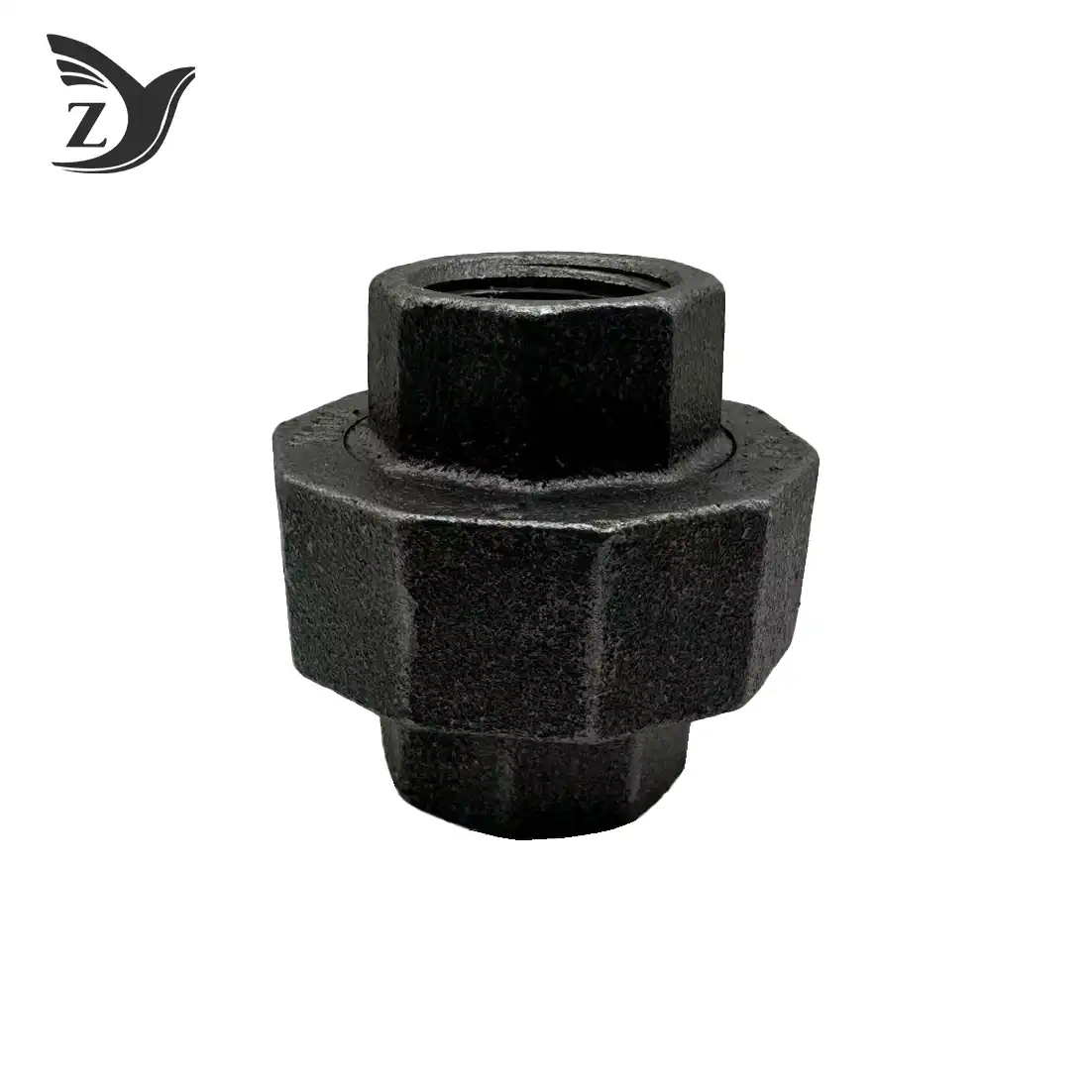
NPT Black Union Class 300 Pipe Fittings
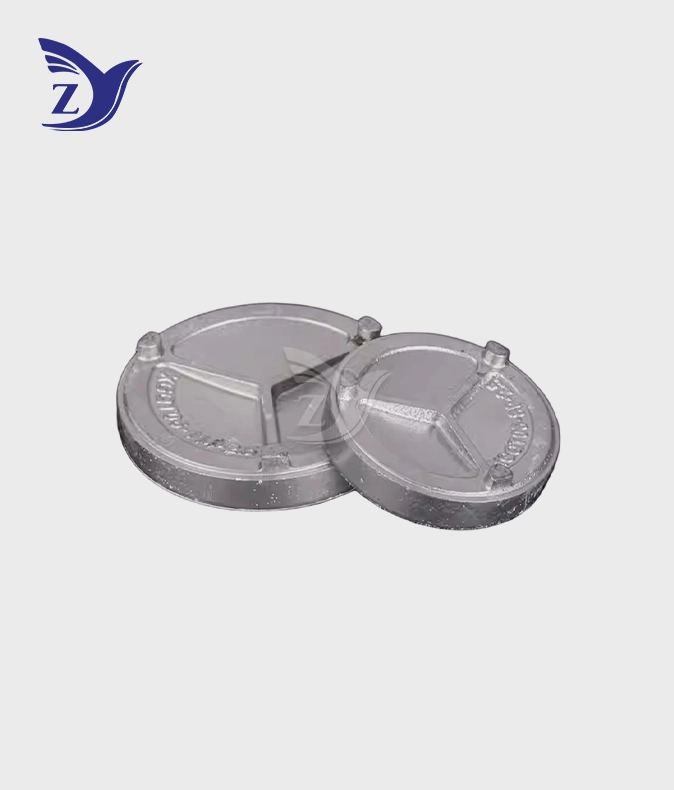
Water Grooved Blind Flange
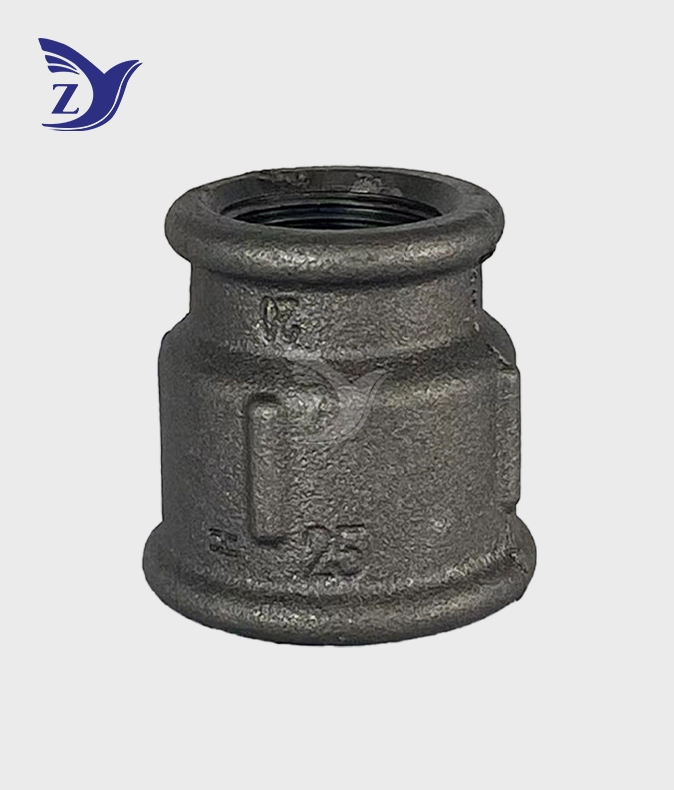
NPT Black Round Face Reducing Coupling Pipe Fittings
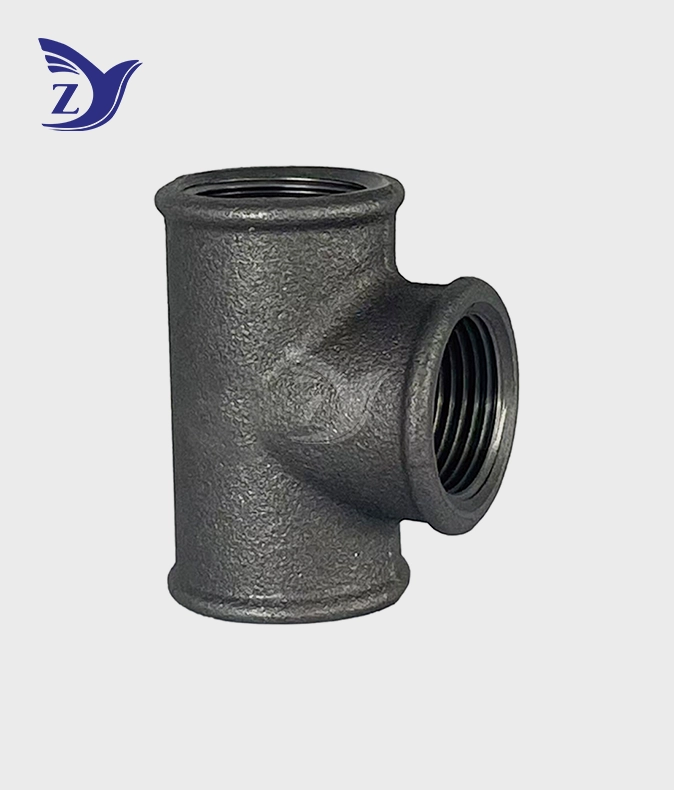
NPT Black Round Face Straight Tee Pipe Fittings
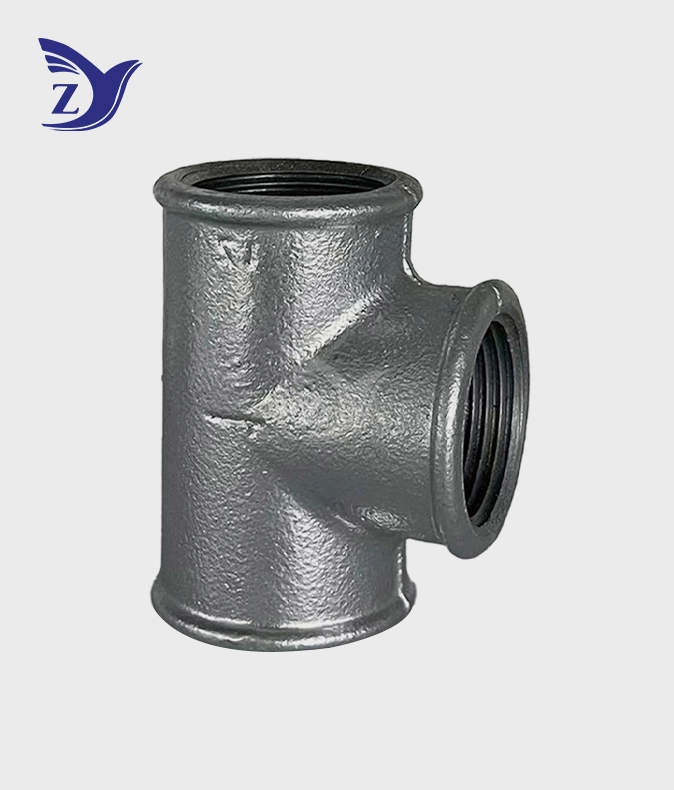
NPT Round Face Galvanized Round Edge Straight Tee Pipe Fittings
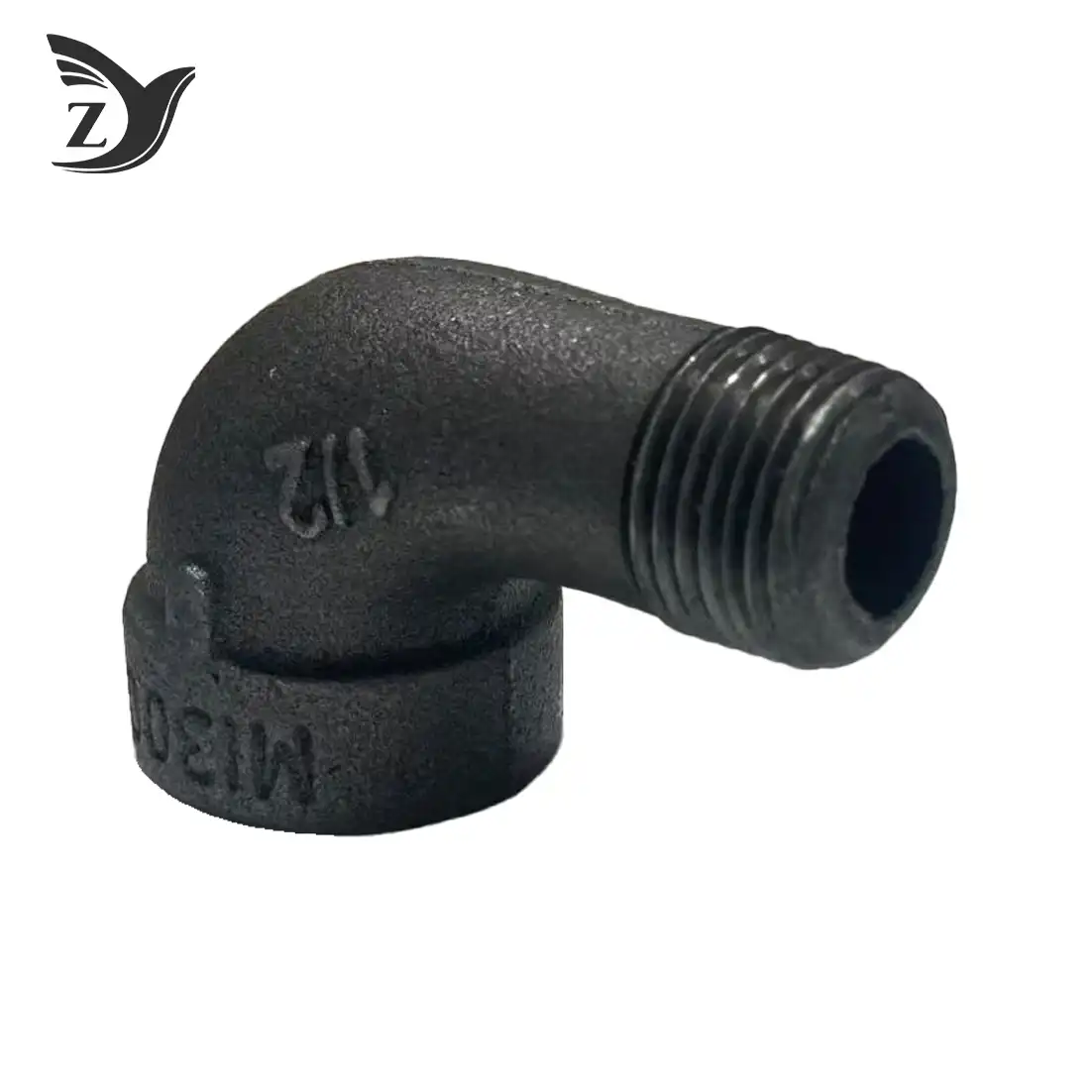
300# Black Threaded 90° Elbow, Male & Female
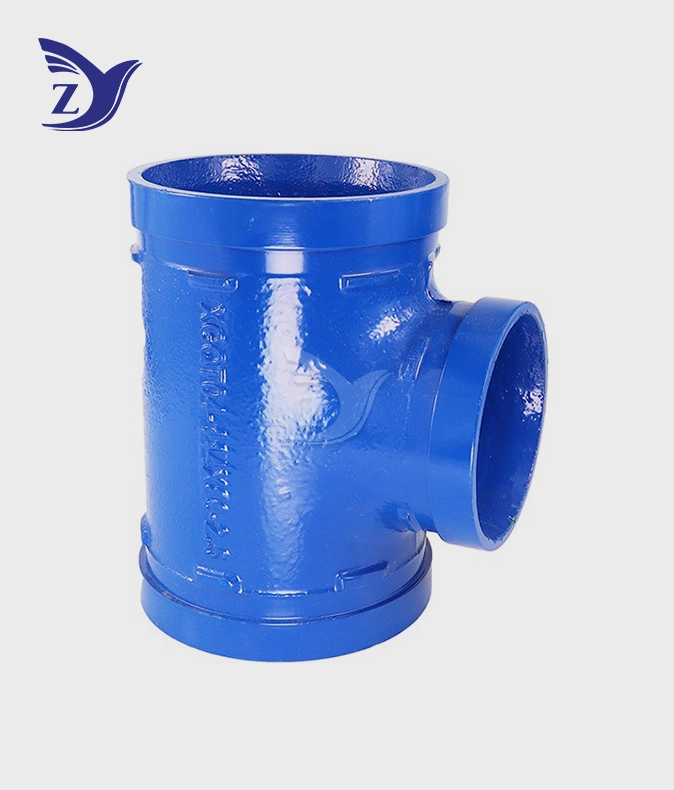
Water Grooved Straight Tee
Beaded Galvanized BSPT Round Edge Male-Female Reducing Coupling