
May 23, 2026
How Galvanized Coating Protects 90 Degree Elbows?
Galvanized coating protects 90-degree elbows in two ways: first, it creates a dense zinc barrier that keeps water, oxygen, and corrosive agents from getting to the malleable iron below; second, it provides cathodic protection that breaks down zinc instead of steel when the surface is damaged. This metallurgical bonding process works especially well on the hot-dip galvanized round edge 90° elbow. Immersion in liquid zinc at about 450°C makes a zinc-iron alloy layer that is 70 microns or more thick. This reinforced round-edge design stops bell-mouthing and thread splitting during installation. This makes it very useful for long-lasting reliability in fire safety systems, local water infrastructure, and industrial gas pipes.
90-degree bends are important parts of pipe networks that show the right way to go in many fields, from fire safety engineering to petrochemical plants. These fittings effectively change the flow of liquids while keeping the system pressure stable. Even high-strength, bendable iron elbows break down quickly when they come into contact with water, acidic soil, chemical pollutants, or high humidity in the air. The buildup of rust weakens structures, which can cause leaks, system breakdowns, and expensive downtime. It turns out that galvanized treatment is the most reliable and cost-effective way to make sure that strict safety standards are met, extend the life of fittings, and lower upkeep costs. This guide talks about what global B2B clients should think about when they want to buy high-performance NPT/BSPT round-edge male-female 90° elbows that meet international quality standards.
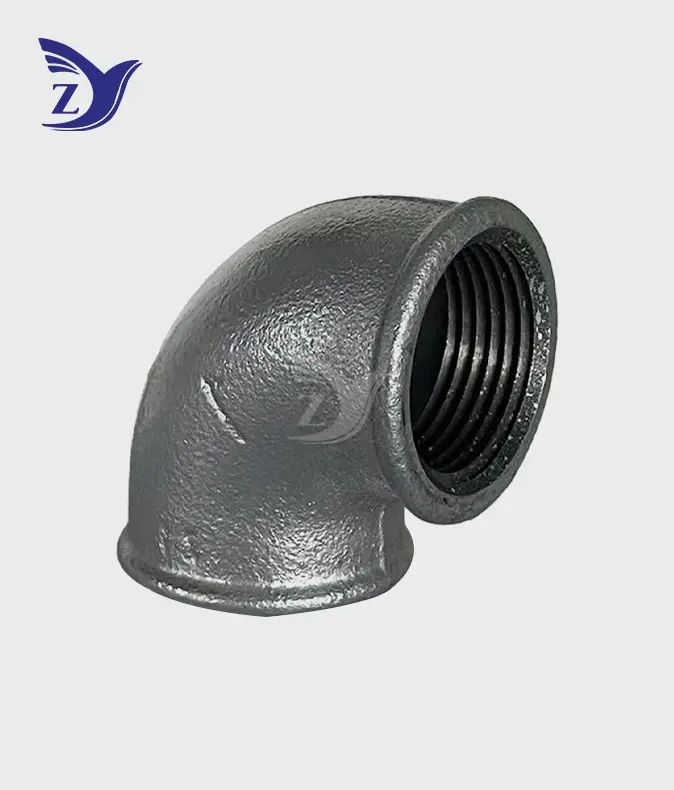
Understanding Hot-Dip Galvanized Coating on 90 Degree Elbows
The Metallurgical Process Behind Hot-Dip Galvanizing
For hot-dip galvanizing, precision-threaded iron elbows that can be shaped are put into a bath of 450°C liquid zinc. During this immersion, the zinc combines with the iron substrate to make a number of layers of zinc-iron alloys, ending with a layer of pure zinc on the outside. Metallurgical bonding makes sure that the two pieces stick together better than surface-applied coats. The zinc layer mass that is made usually goes over 500g/m², which makes it much better at protecting than electro-galvanized options. This method makes an industrial-grade rust shield that can be used in harsh conditions where dual-threaded 90° pipe redirection parts are constantly exposed to chemicals, water, and changes in temperature.
Why Round Edge Design Matters for Galvanized Elbows
The round-edge shape, which is also called "beaded fittings," adds more strengthened material thickness at the female thread hole. This makes the structure stronger where installation stress is concentrated. Installers put a lot of torque on the fitting rim when they tighten tapered NPT or BSPT threads. Designs with sharp edges or plain rims could break under this kind of mechanical stress, especially when working with bigger sizes or high-pressure situations. The rounded collar spreads the stress on the hoop more evenly, which keeps the zinc coating from cracking and makes sure it stays in place during the fitting process. This design benefit is especially important for safe pipe links in fire sprinkler systems and city water networks, where bad things can happen if they fail.
Standards Compliance and Dimensional Accuracy
To make sure that hot-dip galvanized round edge 90° elbows are compatible and reliable, procurement experts must check that they meet international standards. As per ASTM A197, materials made of malleable iron must have a minimum tensile strength of 350 MPa and a stretch of 10%. ASTM A153 sets the standards for galvanizing, including the required layer thickness and ability to stick to metal surfaces. Asme B1.20.1 says that NPT threads should have a 60° angle and a 1:16 tapered ratio, and ISO 7-1 says that BSPT threads should have a 55° angle. At room temperature, Class 150 pressure levels allow up to 300 PSI for water, oil, and gas uses and 150 PSI for saturated steam. According to these specs, engineers can choose the right round-edge 90° bend parts for their projects while still following the rules in different markets.
How Galvanized Coating Protects Against Corrosion and Extends Lifespan?
Dual Protection Mechanism: Barrier and Sacrificial Action
Galvanized coatings protect industrial gas and water duct parts in two ways that work together. The thick layer of zinc acts as a physical shield, keeping corrosive substances from coming into touch with the iron base. Zinc is even more amazing because it acts as a sacrifice anode because of where it is in the galvanic chain. When the covering gets scratched or worn down during transport or installation, zinc corrodes more quickly than iron, which keeps the iron below from oxidizing. The cathodic protection keeps working until the zinc layer is gone, which means the service life is longer even in tough circumstances. When you mix the anti-rust qualities of high-strength malleable iron with hot-dipped galvanized protection, you get a strong defense that can last for decades.
Environmental Factors Influencing Longevity
Service life depends on the factors of the area where the hot-dip galvanized round edge 90° elbows are placed. Outdoor installations in country areas with low pollution may last 50 years or more, while installations near the coast that are exposed to salt air usually only last 20 to 30 years. In industrial settings with acidic emissions or chemical pollution, zinc is used up faster, lowering its lifespan to 15 to 25 years, based on the concentration levels. Conditions of the soil are very important for underground pipes; neutral soils that drain well protect coatings better than acidic soils that get too wet. Changing temperatures cause things to expand and shrink, which could put stress on the bonding of coatings over time. By knowing these things, procurement managers can choose the right corrosion-resistant parts for the job instead of making assumptions about how well they will work in all situations.
Performance Validation Through Real-World Applications
Galvanized malleable iron elbows have been used successfully in outdoor distribution networks for a long time by municipal water treatment plants all over North America. One case study from a water company in the Midwest found that the coating didn't break down much after 35 years of transporting treated water through all four seasons. Petrochemical plants that use these fittings for their process water and firewater systems say they need less upkeep than black steel options. Having both mechanical strength and corrosion resistance is especially helpful for agricultural irrigation networks, where fittings have to deal with dirt touch, fertilizer exposure, and frequent changes in pressure. These tried-and-true uses show dependability in a wide range of industries.
Procurement Insights: Selecting and Buying Hot-Dip Galvanized Round Edge 90° Elbows
Manufacturer Evaluation and Quality Assurance
Finding makers with uniform quality systems and international compliance is the first step to successful sourcing. Check to see if any possible providers of hot-dip galvanized round edge 90° elbows have ISO 9001 certification, which shows that they handle quality in a structured way. Ask for proof that the material meets the requirements of ASTM A197 for malleable iron and ASTM A153 for pickling. Manufacturers with a good reputation give mill test results, measures of coating thickness, and thread gauge confirmation for every batch of products they make. Companies like Zhiyuan Malleable Steel, which has been casting for 26 years and can make 30,000 tons of steel every year, have the production size and quality facilities that big projects need. They have eight medium-frequency electric ovens, two 100-ton natural gas annealing kilns, and electric heating galvanizing systems at their plant. There are full process controls that make sure the quality of the products is the same no matter how many are ordered.
Negotiating Terms for Bulk and Custom Orders
Procurement managers who are in charge of big projects should know what their suppliers can do and where they have the most power in negotiations. Different manufacturers have different minimum order amounts, but most well-known manufacturers are flexible when it comes to orders that are bigger than 500 pieces. There are often volume savings at certain amounts, like 1,000 pieces, 5,000 pieces, or full container loads. Delivery times depend on how much inventory is available and how quickly special orders need to be made. Standard NPT/BSPT sizes in common sizes (1/2" to 2") can usually be shipped within days from stock. However, non-standard sizes or special thread specifications need two to four weeks to be made. Ask for full quotes that include Incoterms, standards for packing (double-layer cardboard protects better during shipping), and payment terms. Manufacturers that offer ODM/OEM customization services can change thread types, finishing requirements, or differences in size to meet local standards or the needs of a particular system.
Quality Verification and Certification Review
Before approving buy orders, check that the products meet the requirements by reading the documentation and, if possible, trying samples. Ask for certified test results on the material that show its chemical make-up and mechanical qualities that meet ASTM standards. Coating weight papers should show that the zinc layer is at least 70 microns thick (500g/m²). According to ASME B1.20.1, thread gauge records show that measurements are accurate. International approvals like CE marking for European markets, UL or FM approval for fire safety uses, and NSF/ANSI 61 for drinkable water contact show that the product is safe for that market. Zhiyuan Malleable Steel guarantees replacements for broken products and keeps up-to-date certifications like CE, UL, and FM. This gives purchasing workers confidence in the stability of the products and the support they will receive after the sale. Independent testing by accredited labs from a third party adds another level of assurance for important uses that need it.
FAQ
What advantages do hot-dip galvanized round edge elbows provide compared to standard fittings?
Hot-dip galvanized round edge 90° elbows protect against rust better and are stronger mechanically. The thick zinc coating (70+ microns) keeps the metal from rusting for decades in outdoor and industrial settings. The strengthened round-edge design keeps the thread from breaking during high-torque installation. Compared to plain-edge or uncoated options, this mix lowers the cost of upkeep, increases the life of the system, and makes it more reliable.
Can these fittings handle extreme environments like coastal or acidic conditions?
Galvanized parts work well in tough conditions, but their usefulness depends on how bad the conditions are. Coastal systems usually last between 20 and 30 years without rusting from salt air. Conditions that are slightly acidic work well, but highly acidic industrial environments speed up the loss of zinc. Knowing certain weather factors helps project planners figure out the right coating thickness and how often to change it.
What is the typical lead time for customized hot-dip galvanized round edge 90° elbow orders?
Standard NPT/BSPT sizes from 1/2" to 2" usually ship within two hours from companies like Zhiyuan Malleable Steel that keep a lot of stock on hand. It usually takes two to four weeks to make something that is made to order and has non-standard threads, special measurements, or special finishing needs. If you buy more than 10,000 pieces, the lead time could go up to 6 to 8 weeks, based on how busy the factory is right now. Getting suppliers involved early on in the planning stages of a project makes sure that deliveries happen on time and in line with building goals.
Conclusion
When purchasing pipe fittings for industrial, municipal, and business use, hot-dip galvanized round edge 90° elbows are the best option because they are stable and cost-effective. Hot-dip galvanizing forms a strong bond between the metals, which protects against rust for decades instead of years. The strengthened round-edge design also keeps them from breaking mechanically like plain-rim options do. By reading this guide and understanding the technical details, installation needs, and buying factors explained, you can make smart choices that combine performance needs with price limitations. If you need fittings for fire safety systems, municipal water infrastructure, industrial gas pipelines, or HVAC installations, galvanized malleable iron elbows are reliable because they meet international standards and have been tested in a variety of real-world settings.
Partner with Zhiyuan Malleable Steel for Premium Galvanized Pipe Fittings
Zhiyuan Malleable Steel can help you with your next pipe job because they have been making specialized steel products for 26 years. Our 50,000-square-meter factory in Shanxi Province makes more than 30,000 tons of hot-dip galvanized round edge 90° elbows every year, with more than 1,000 different product specs. Our quality methods are ISO 9001 qualified, and they are also CE, UL, and FM approved, which means that every fitting meets international standards. We keep a lot of standard goods in stock, so we can send them in two hours. For custom projects with lead times of two to four weeks, our ODM/OEM customization services can meet those needs. Our two-layer cardboard wrapping keeps the products safe while they're being shipped internationally, and our replacement promise shows that we care about making sure our customers are happy. Whether you need industrial-grade male-female 90° elbows for fire safety systems, local water projects, or petrochemical plants, our technical team can help you with the planning, ordering, and fitting processes. Email our sales team at q1236800000@gmail.com to discuss the needs of your project, get specific quotes, or set up a sample review. You can see all of our corrosion-resistant malleable iron fittings that are ready to buy right away at zymalleablepipefitting.com.
References
- American Society for Testing and Materials. "ASTM A153/A153M - Standard Specification for Zinc Coating (Hot-Dip) on Iron and Steel Hardware." ASTM International, West Conshohocken, Pennsylvania, 2019.
- American Society of Mechanical Engineers. "ASME B1.20.1 - Pipe Threads, General Purpose (Inch)." ASME Standards, New York, 2013.
- American Society for Testing and Materials. "ASTM A197 - Standard Specification for Cupola Malleable Iron." ASTM International, West Conshohocken, Pennsylvania, 2018.
- International Organization for Standardization. "ISO 7-1: Pipe threads where pressure-tight joints are made on the threads - Part 1: Dimensions, tolerances and designation." ISO Standards, Geneva, Switzerland, 2015.
- Porter, Frank C. "Corrosion Resistance of Zinc and Zinc Alloys." CRC Press, Taylor & Francis Group, Boca Raton, Florida, 1994.
- American Water Works Association. "Manual of Water Supply Practices M11: Steel Pipe—A Guide for Design and Installation, Fifth Edition." AWWA, Denver, Colorado, 2017.
Online Message
YOU MAY LIKE
High quality furniture manufacturer
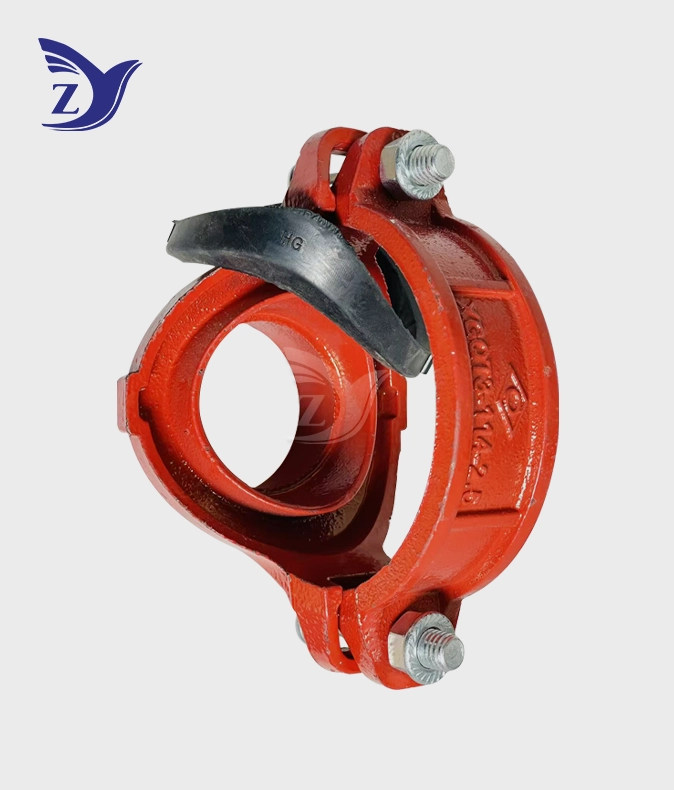
Fire Grooved Mechanical Tee
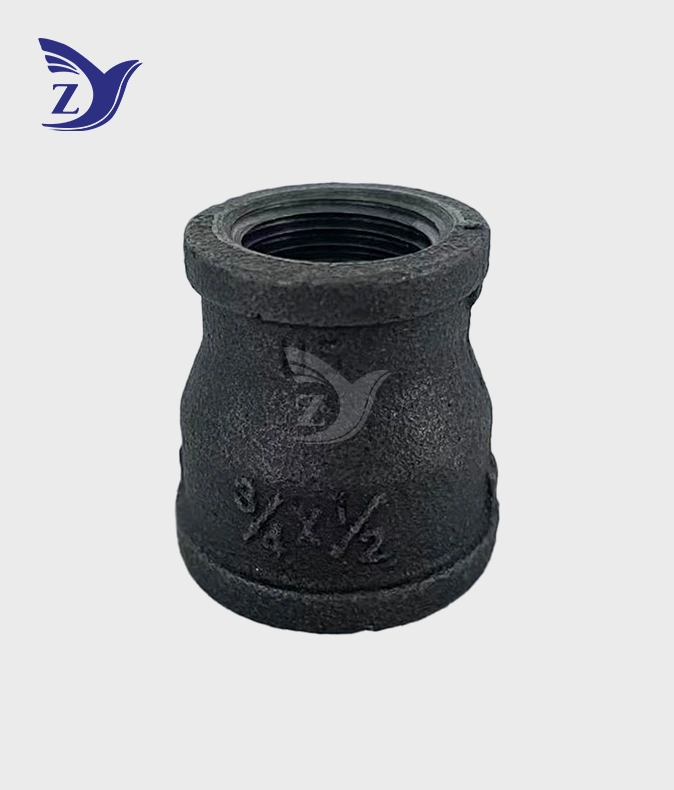
NPT Black Square Face Reducing Coupling Pipe Fittings
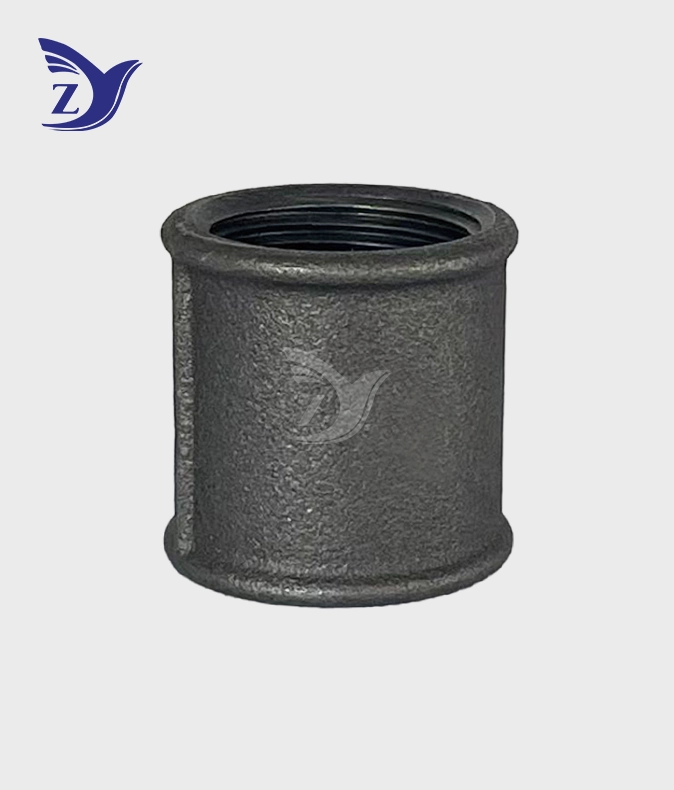
NPT Black Round Face Coupling Pipe Fittings
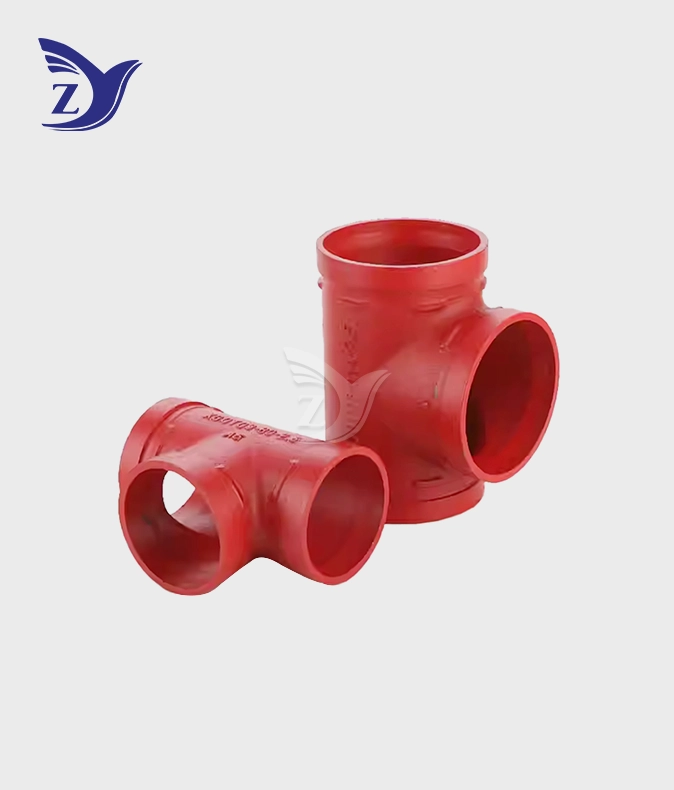
Fire Grooved Straight Tee
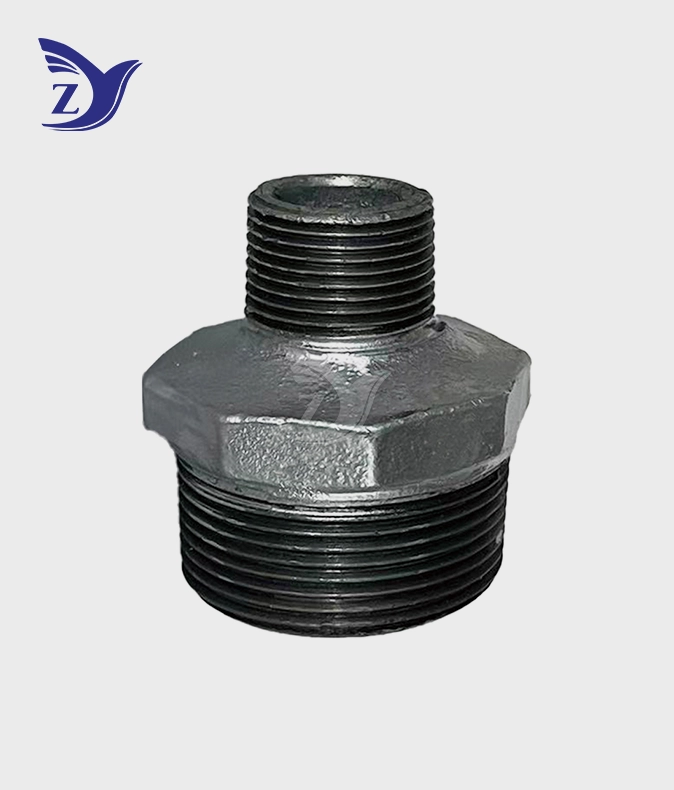
NPT Galvanized Reducing Male Nipple Pipe Fittings
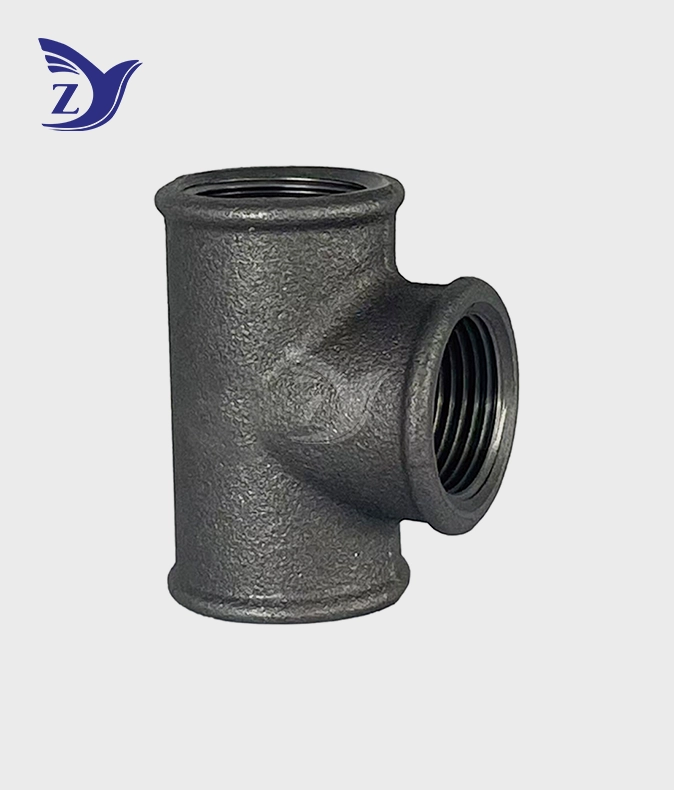
NPT Black Round Face Straight Tee Pipe Fittings
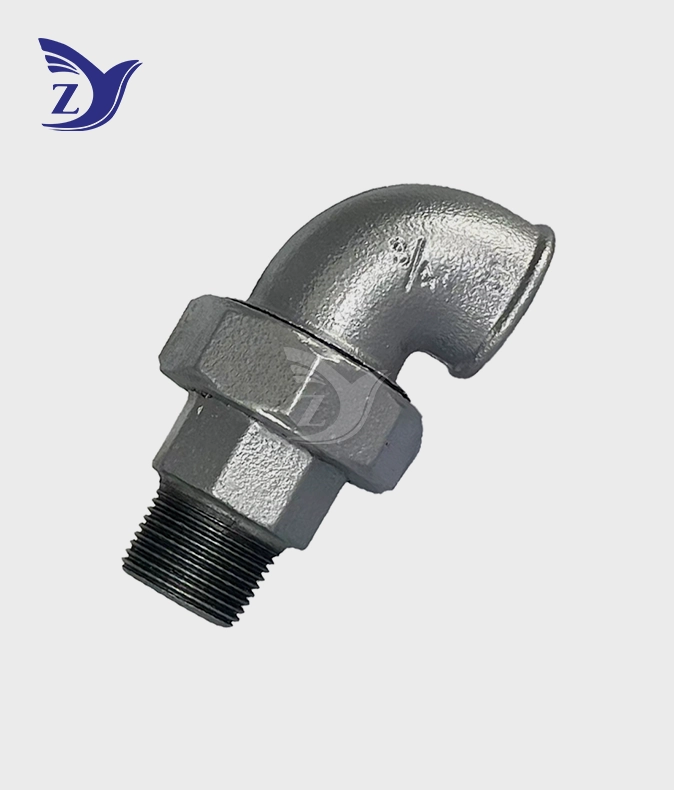
NPT Galvanized Union Elbow Threaded Pipe Fittings with Male and Female Ends
NPT. Black Flangeless Plug Pipe Fittings