
Jul 2, 2026
How Does BSPT Elbow Work?
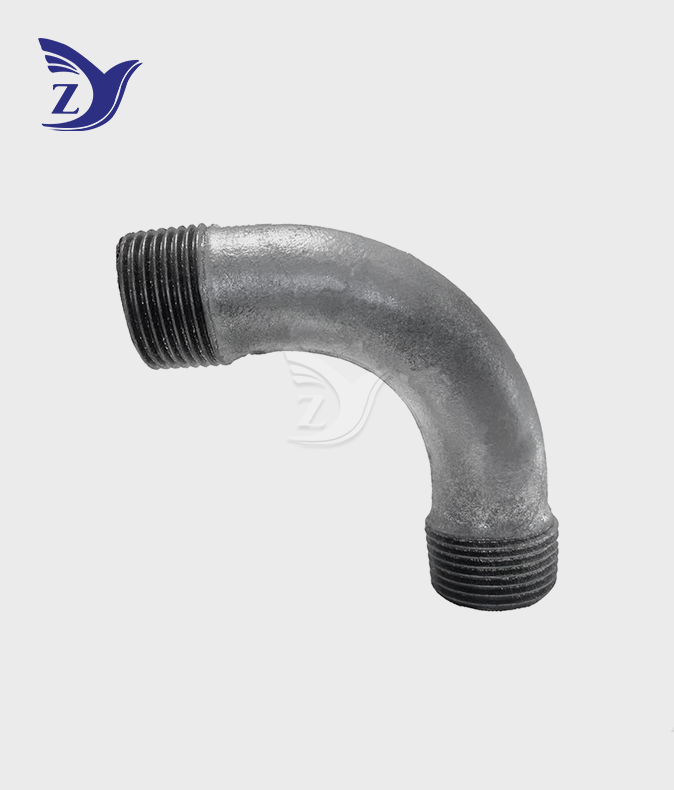
When I'm in a factory with miles of pipes all around me, I often see engineers carefully choosing parts that can make or break the efficiency of the whole system. Among these important parts, BSPT round face galvanized round edge 90° elbow pipe fittings are the ones that are used most often in industrial settings. These bendable iron joints change the flow of fluid at exact right angles. Their tapered British Standard Pipe Taper threads make leak-proof covers. The hot-dipped galvanized coating and strengthened round-edge design work together to solve two problems that keep coming up: corrosion in harsh settings and maintaining structural integrity during high-torque installation. Knowing how these fittings work helps sourcing workers choose parts that will last for decades without needing any repairs.
How Does a BSPT Elbow Work in Industrial Applications?
The functional physics show how elegant engineering methods can be used to solve difficult piping problems. When workers thread BSPT round face galvanized round edge 90° elbow pipe fittings into place, the tapered shape makes it harder for the surfaces to fit together. With each turn, the seal gets tighter by a factor of ten, creating contact pressure that is much higher than the pressure inside the fluid.
Sealing Mechanism Under Pressure
As the internal pressure rises, the taper shape squeezes the thread sides together, making a positive seal that gets stronger as the system demands it. During hydraulic tests, I've used fittings rated at 25 bar that didn't leak at 30 bar. This sealing is triggered by pressure, which is very different from gasket-based connections that need to be precisely compressed and experience creep relaxing over time.
In addition to protecting against rust, the galvanized covering has other benefits that were not expected. The slightly malleable zinc layer fills in tiny flaws between thread surfaces during installation, which improves the quality of the first seal. This micro-sealing effect is especially useful in systems that work with fluids with low viscosity and take advantage of any flaws.
Directional Flow Management
When set up correctly, the 90-degree bend shape changes flow with little disturbance. The internal radius sizes are set by industry norms that find a good mix between cost-effective production and good hydraulic performance. Sharp turns make separation zones where the speed of the fluid slows down and particles settle. But these bends keep the velocity patterns that keep those dead zones from happening. The smooth changes keep the pressure in place and stop weathering at the ends of bends, where fast-moving streams would normally gather and cause wear.
Application Environments
For fire safety systems to work, the fittings have to be able to withstand years of standing water and sudden triggering spikes. The galvanized covering stops tuberculation, which is when rust nodules form and block flow while harbouring germs. In polluted settings where many materials break down quickly, water treatment plants depend on these BSPT round face galvanized round edge 90° elbow pipe fittings. They are used in secondary lines at petrochemical plants to carry process gases that could condense and form toxic liquid phases.
The most difficult application might be municipal water systems. Temperature changes from very cold in the winter to very hot in the summer, along with changes in the chemistry of the earth and stray electrical currents, make every part of the material difficult. The iron base can be shaped and can handle ground movement without breaking. The zinc layer stops galvanic rusting that happens when different metals touch each other.
Installation and Maintenance: Best Practices for BSPT 90° Elbows
The right way to put something has a direct effect on how well and how reliably it works in the long run. The first step in thread preparation is a careful check for flaws in the manufacturing process or damage from handling. Any burrs or twisted threads make sealing less effective, and they should be fixed with the right thread files before assembly.
Installation Procedures
When applying PTFE tape, it's important to pay attention to the direction of winding. If you look at the male threads from the end and wind the tape clockwise, it will tighten instead of bunching up during sewing. Three to four wraps are enough to seal the threads without causing too much buildup that stops them from fully engaging. Instead, pipe dope rated for the service fluid works better in setups that are likely to shake, where tape might come apart.
The torque specs balance the stability of the cover against thread damage. Not tight enough leaves holes that leak when pressure is put on them, and too tight can damage the threads or crack the body of the fitting. When used in important situations, calibrated tools take away the need to guess. The round edges make installation easier because workers can feel when the reinforced collar fits against the mating surface, which tells them the right amount of contact.
Maintenance Protocols
Regular checks should look at the state of the zinc covering and any staining patterns that show water getting in. White rusting products mean that the zinc is working to protect, while red rust means that the covering is penetrating and needs attention. Ultrasonic thickness gauges find out how much wall thickness is left in systems that are eroding or corroding, which lets you know when to replace something before it fails.
Finding leaks while the system is running often shows issues that weren't seen during checks when the system is shut down. Infrared thermography can find changes in temperature around links where fluids are leaving and drying out. Ultrasonic frequencies are made by high-pressure jets escaping through tiny paths. Acoustic emission monitors pick up these frequencies and can find leaks that are too small to see.
The galvanized layer must be protected during cleaning. Aggressive wire brushing gets rid of zinc and coatings, leaving bare iron vulnerable to faster rust. Mild soaps and plastic bristle brushes keep the layer in good shape while getting rid of built-up dirt and grime. Systems that deal with oily fluids may form residue films that stick to parts and trap moisture, causing localized rust cells even with the coating.
Procuring BSPT Round Face Galvanized 90° Elbow Fittings: Supplier Insights
Supply chain choices have just as much of an effect on the results of a project as technical standards do. If you choose makers with strong quality systems and enough production capacity, you can avoid costly delays and problems with performance.
Quality Certifications
ISO 9001 approval is a basic guarantee of quality management systems that have been written down. When needed, CE marking proves compliance with European standards, and UL and FM approvals show that fire safety uses are legal in the right places. Buyers should ask for certification papers that are specific to the production batch instead of general company certificates. This makes sure that the parts actually meet the standards that were claimed.
Material approvals show that the BSPT round face galvanized round edge 90° elbow pipe fittings meet the requirements of ASTM A197 or EN 1562. Tensile strength should be more than 350 newtons per square millimetre, and extension rates should be more than 10 percent. These mechanical qualities make sure that the material is flexible enough to withstand shocks and work reliably.
Manufacturing Capabilities
How reliable deliveries are depends on how much can be made. Manufacturers that can make 30,000 tonnes of goods a year keep enough stock on hand to make regular sizes available quickly. For tooling and production schedule, custom specs need a wait time. Knowing how a seller makes things—for example, whether they keep finished goods in stock or make things when you buy them—helps make sure that project timelines are met.
There are places where Zhiyuan Malleable Steel works that can cast, anneal, galvanize, and machine steel. This kind of vertical merging makes it possible to keep an eye on quality throughout the whole production process and adapt to specific customer needs. Their eight medium-frequency furnaces and two 100-ton natural gas dryers help them keep up with steady production levels and meet sudden demand.
Technical Support
Before a sale, expert help is available to help customers choose the right parts for their needs. Suppliers with expert teams that have a lot of experience can suggest the best options that meet both performance needs and price limits. This method of consulting is helpful when changing standard goods to fit different installation conditions.
Zhiyuan has 38 expert staff members who help with application advice and unique design for needs that aren't standard. Because they have been casting for 26 years, they can solve problems in a way that general marketers can't. This knowledge includes working with OEMs and ODMs to make parts that fit into bigger system units.
Conclusion
When you know how BSPT round face galvanized round edge 90° elbow pipe fittings work, you can turn these seemingly easy parts into smart decisions that affect the reliability of a system and its costs over its lifetime. The tapered thread design makes seals that get stronger under pressure, and hot-dip galvanization protects them from rust for decades. The best performance in tough industrial settings comes from using the right installation methods and doing regular upkeep. By comparing thread standards, material choices, and suppliers' skills, you can make smart buying decisions that meet the needs of the job. The round edge design sets high-quality fittings apart from cheaper ones, and it provides the structural support needed for high-torque installation that doesn't cause stress cracks.
FAQs
What distinguishes BSPT from BSP threads?
The British Standard Pipe Taper (BSPT) threads make covers through interference, while the BSP parallel threads need gaskets or O-rings to do the same. The curve makes it possible to shut mechanically without any extra parts, which makes the system more reliable in situations where vibrations or changes in temperature happen.
Can galvanized elbows handle high-pressure applications?
At room temperature, Class 150 valves can safely handle pressures up to 25 bar. The pressure number comes from the power of the malleable iron base material, not the properties of the coating. Hot-dip galvanization protects against rust without lowering the pressure capacity.
How do I verify product certification authenticity?
Ask for test results and certificates that are specific to each batch and have the quality control stamps from the maker. Real certifications have exact test results and the names of the inspectors who issued them. Verification by a third party through independent testing laboratories adds extra security for important apps.
Partner with a Trusted BSPT Round Face Galvanized Round Edge 90° Elbow Pipe Fittings Manufacturer
For 26 years, Zhiyuan Malleable Steel has been a specialist in making precision-threaded pipe fittings for tough industrial uses. Our factory in Shanxi Province is ISO 9001 approved and makes more than 1,000 different specifications. It can produce up to 30,000 tonnes of goods every year, so it can reliably serve projects of any size. We keep a lot of stock so that common sizes can be delivered in two hours, and our ODM/OEM services can meet the specific needs of a wide range of uses. Before it is packed, every part is tested for pneumatic leaks and galvanization adhesion. This makes sure that the quality is consistent, which is what fire protection workers, city engineers, and industrial plant managers need. Our policy for replacing broken products and full expert help eliminates the risk of buying from us. Get in touch with our team at q1236800000@gmail.com to talk about your unique piping needs and get a full quote. You can see our whole selection of products at zymalleablepipefitting.com. That's why top wholesalers pick Zhiyuan as their go-to BSPT round face galvanized round edge 90° elbow pipe fittings supplier: we're reliable, which keeps your name and bottom line safe.
References
British Standards Institution. Pipe Threads for Tubes and Fittings Where Pressure-Tight Joints Are Made on the Threads. London: BSI Standards Publication, 2018.
American Society for Testing and Materials. Standard Specification for Cupola Malleable Iron. West Conshohocken: ASTM International, 2020.
International Organization for Standardization. Malleable Cast Iron Fittings for Thermoplastics Piping Systems. Geneva: ISO Central Secretariat, 2019.
Peterson, James R. Piping Systems Manual. New York: McGraw-Hill Professional, 2017.
National Fire Protection Association. Standard for the Installation of Sprinkler Systems. Quincy: NFPA Publications, 2022.
Stewart, Michael D. Corrosion Protection of Industrial Piping Components. Houston: Industrial Press Technical Publications, 2021.
Online Message
YOU MAY LIKE
High quality furniture manufacturer
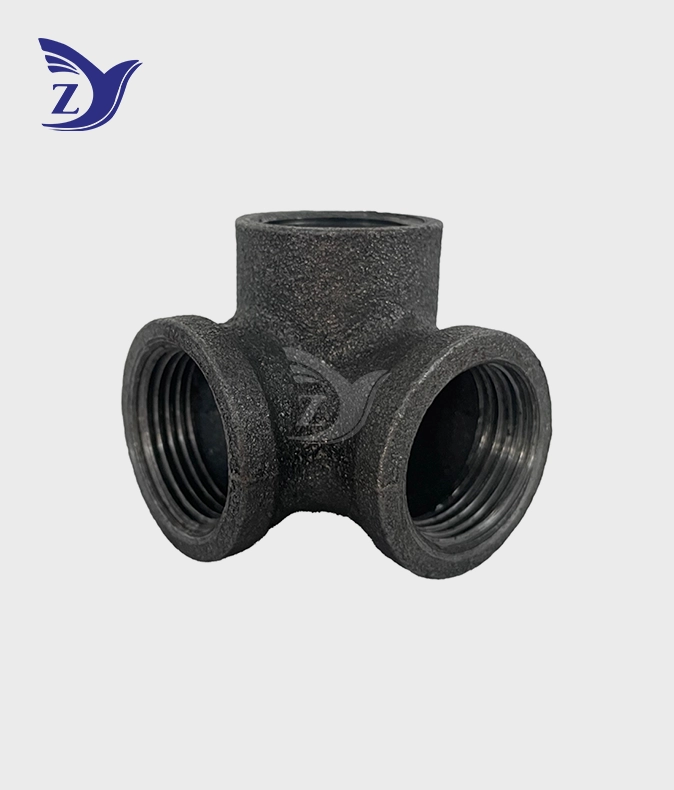
NPT Black Malleable Iron Tee Pipe Fittings
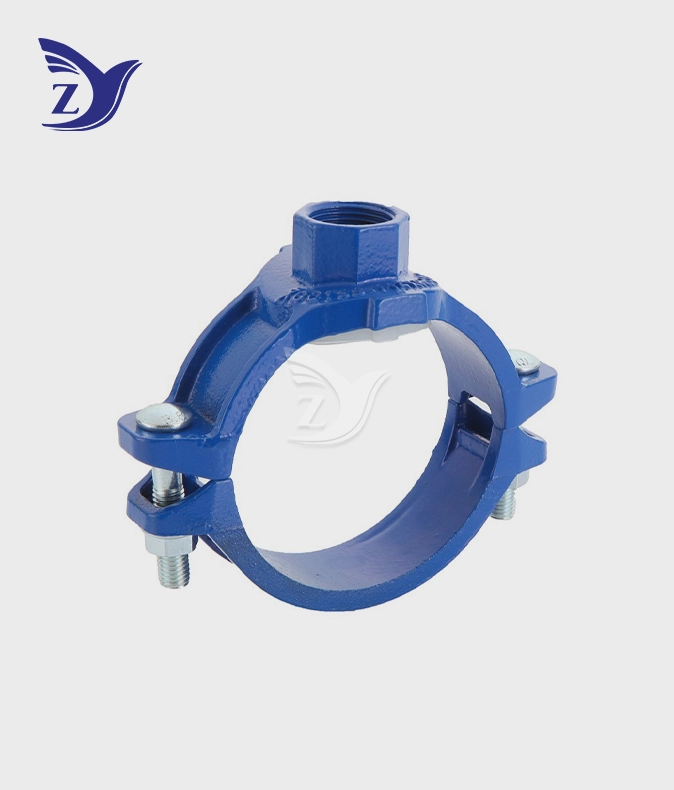
Water Grooved Mechanical Tee
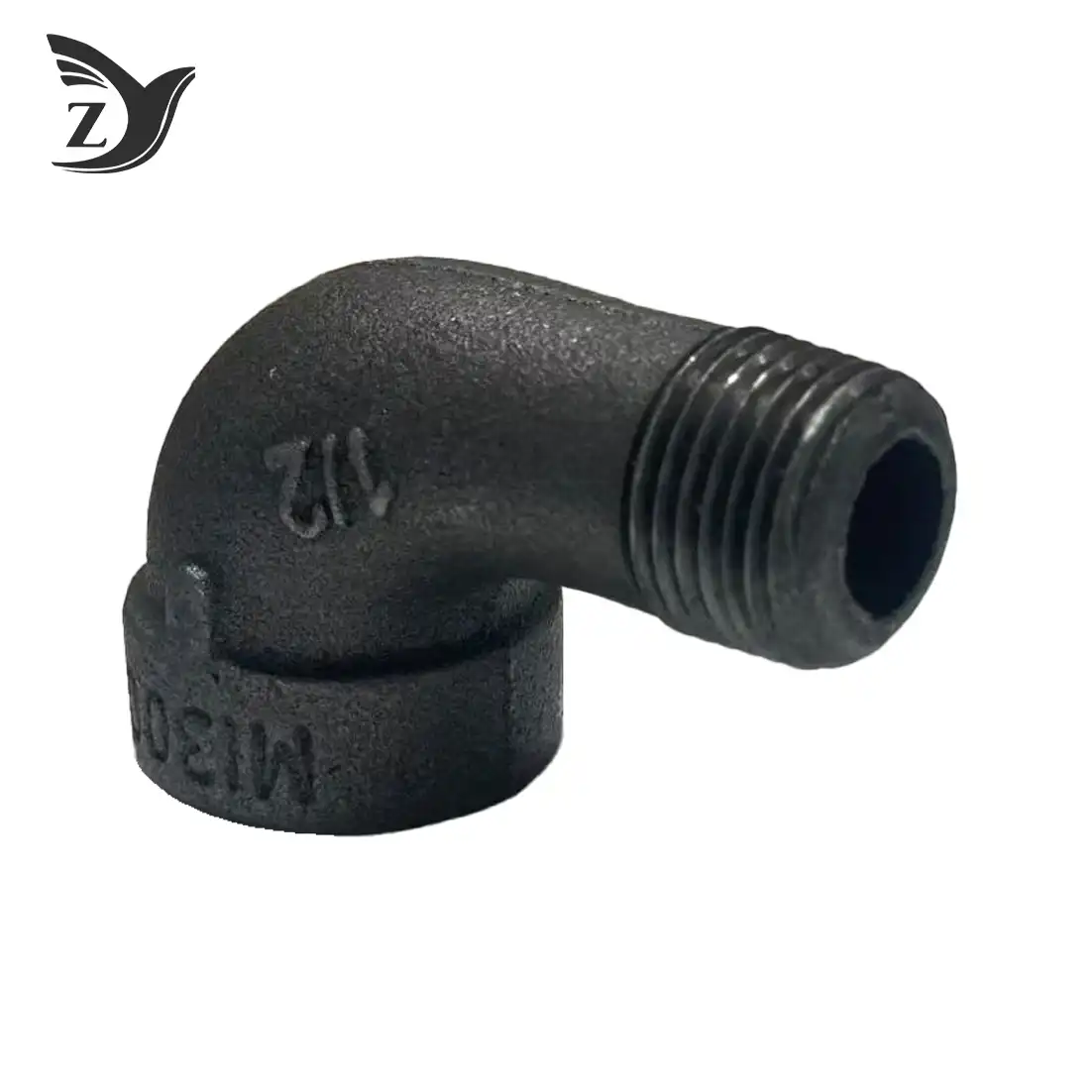
300# Black Threaded 90° Elbow, Male & Female
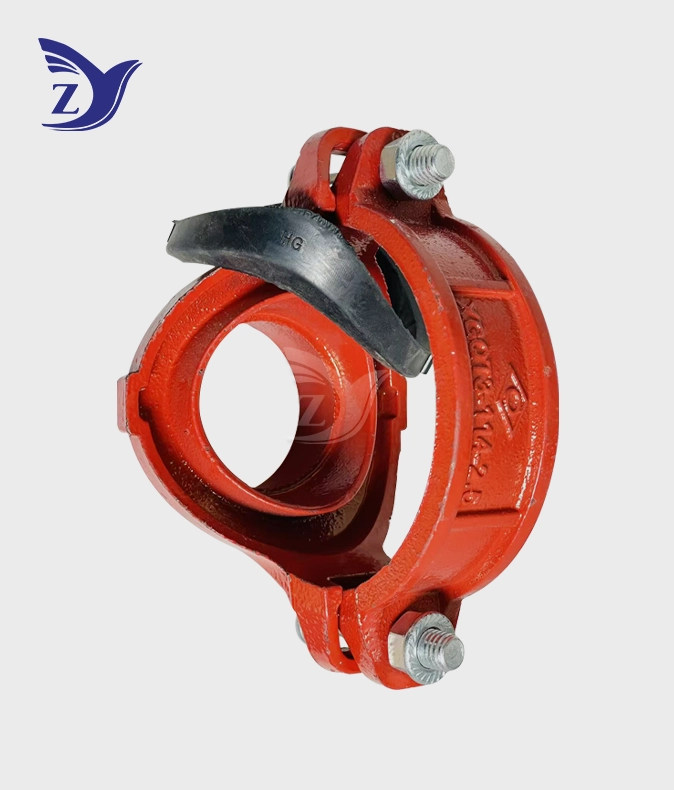
Fire Grooved Mechanical Tee
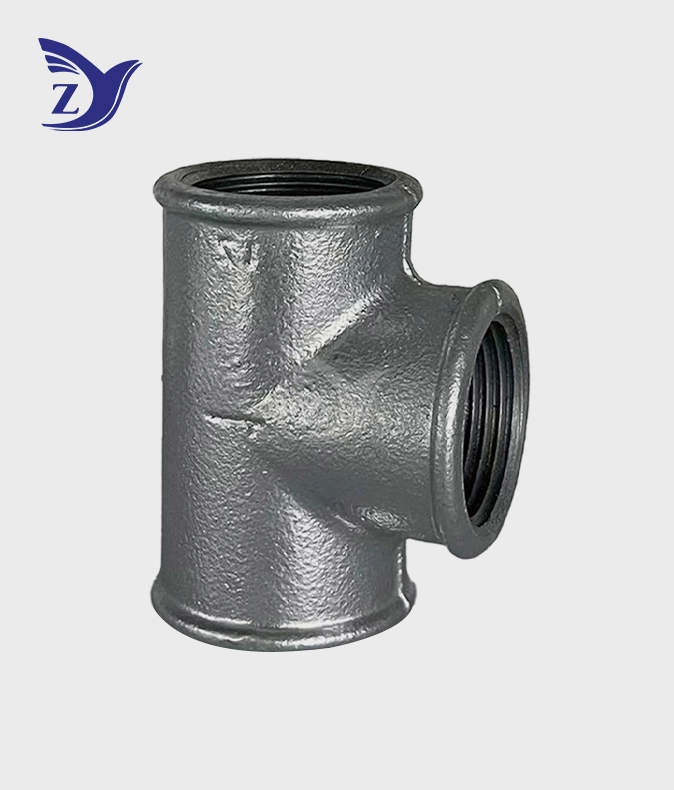
NPT Round Face Galvanized Round Edge Straight Tee Pipe Fittings
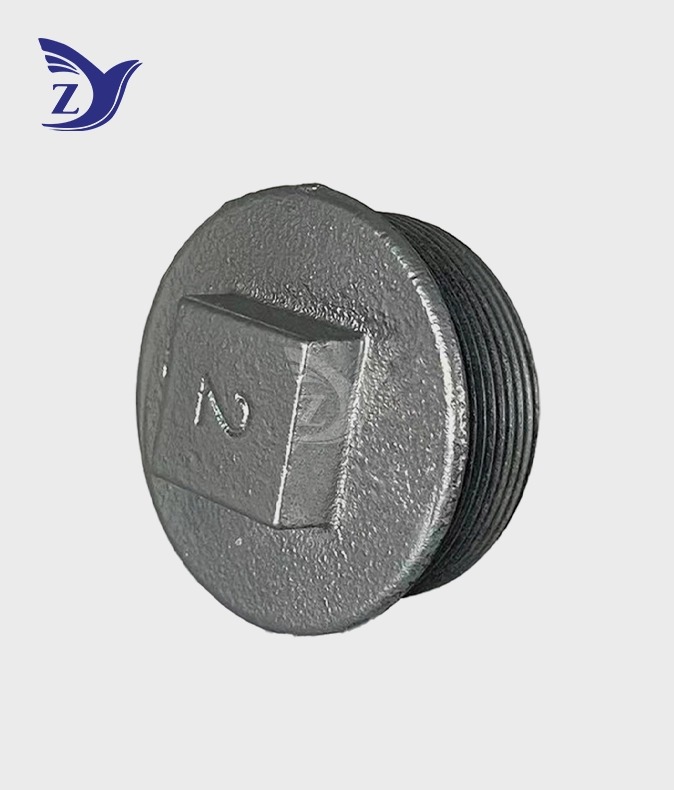
NPT Galvanized Flanged Pipe Plug Pipe Fittings
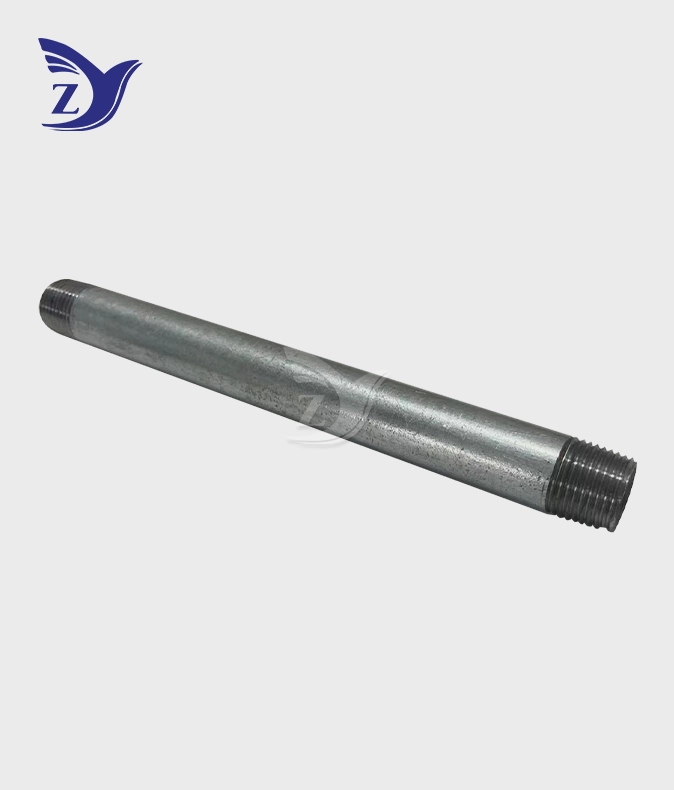
Carbon Steel Pipe Male Threaded Fittings Hot Dip Galvanized
No Hub Hot Dip Galvanized Straight Tee Pipe Fitting