
Mar 21, 2026
How does a pipe union fitting work?
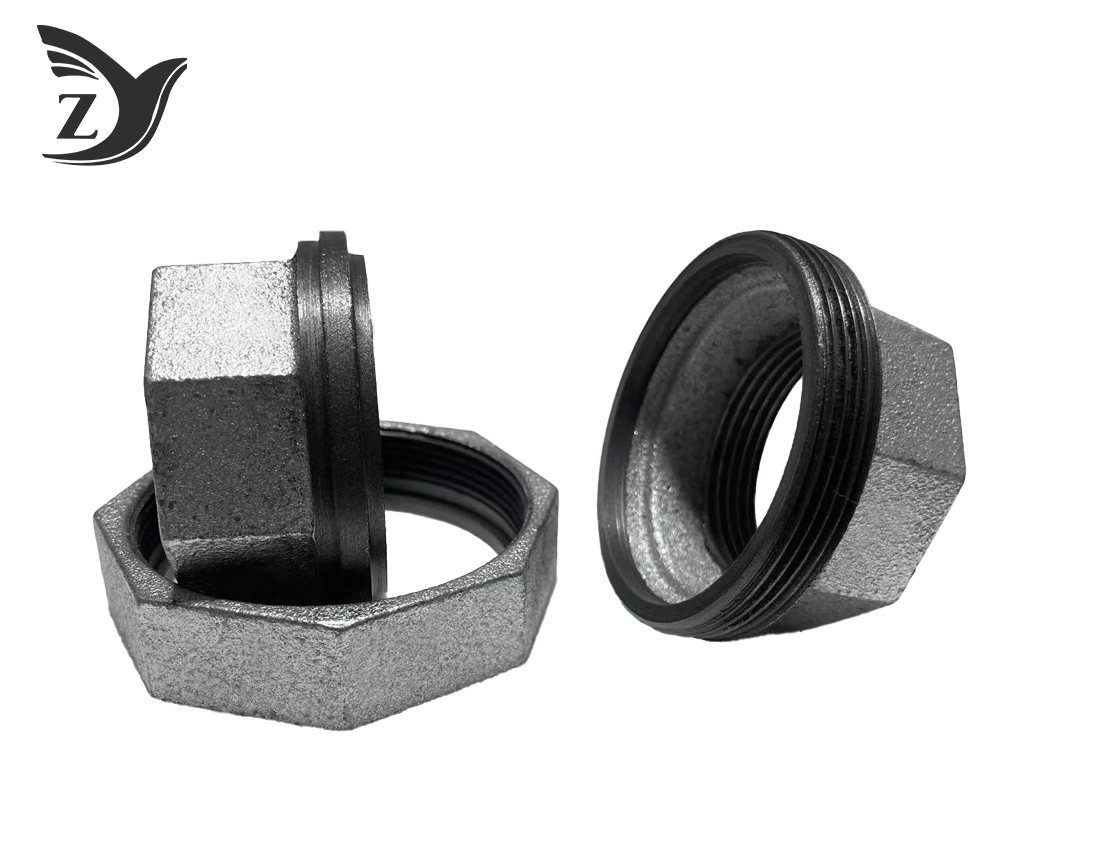
To unite two pipes securely while yet allowing them to be disconnected without cutting or turning nearby plumbing, a pipe union fitting uses a three-piece detachable connection method. A male tail piece, a female body, and a union nut form a seal that cannot be broken by compression of a gasket or by touching metals to metal. In industrial water, gas, and heating systems, where disassembly flexibility is crucial, galvanized union 330 pipe fittings are necessary for maintenance-accessible connections. Their flat seat form requires a gasket to establish hermetic sealing.
Understanding How a Pipe Union Fitting Works
Engineered to securely unite two pipes while allowing simple disassembly without cutting or harming the connecting pipes, pipe union fittings are vital components in industrial piping systems. The innovative three-piece design and detachable functionality of these high-tech connections set them apart from ordinary threaded couplings.
The Working Principle of Union Fittings
A mechanical connection method that strikes a balance between secure joining and maintenance accessibility is at the heart of the basic working concept. Engineers call the "service disconnect point" that galvanized union 330 pipe fittings produce inside rigid pipe networks different from permanent connections like welded joints or conventional couplings. A major problem in the business is getting to valves, instruments, or equipment without tearing up whole sections of pipeline, and this design philosophy solves that problem.
A male tail piece threads into one pipe, a female body attaches to the next pipe, and a union nut brings these components together under regulated torque; this three-piece design is completed by the use of these parts. Technicians may easily access the joint for maintenance, repairs, or equipment replacements by releasing the union nut, thanks to this construction approach.
Sealing Mechanisms and Pressure Resistance
There are two main ways that galvanized union 330 pipe fittings seal: either with flat seats that use gasket compression or with conical seats that use precision-machined metal-to-metal contact. The former ensures that the fittings are leak-tight. Depending on the kind of fitting and the thickness of the wall, the sealing mechanism must be able to resist pressures ranging from 150 PSI to 300 PSI, which are usual in industrial applications.
The geometric design and material qualities are the sources of the pressure resistance capabilities. Superior tensile strength, prevented brittle fracture under wrench torque and maintained ductility for thermal expansion and contraction cycles, is achieved by construction using high-grade malleable iron, as opposed to ordinary gray iron.
Operational Advantages in Dynamic Environments
In dynamic piping applications, galvanized union 330 pipe fittings are favored because to their great operating advantages. In addition to facilitating basic maintenance access, these connections also allow for system modifications, minimize equipment rotation, and enhance installation efficiency.
Reduced maintenance complexity and personnel costs are a result of the minimum specialized tools needed for the connection and disconnection operation. When time is of the essence during an emergency repair, the operational simplicity becomes invaluable for quickly restoring the system. In addition to making it easier to move and install equipment in tight locations, the detachable design eliminates the need for pre-assembled systems.
Detailed Overview of Galvanized Union 330 Pipe Fittings
Galvanized union 330 pipe fittings are a subset of malleable iron connectors designed to withstand corrosion in extreme conditions. When compared to uncoated alternatives, the service life of these fittings is greatly increased due to the protective zinc coatings created by hot-dip galvanization methods.
Material Properties and Manufacturing Standards
In accordance with ASTM A197 standards, high-strength malleable iron is the building block of galvanized union 330 fittings. This material choice guarantees sufficient ductility for mechanical stress and heat cycling applications because to its excellent mechanical qualities, such as a tensile strength exceeding 330 MPa and an elongation rate of at least 8%.
Standards such as ASTM A153 or EN 10242 are strictly adhered to throughout the galvanization process, which necessitates a zinc coating with a minimum thickness of 70 microns and an average coverage of 500 grams per square meter. Even if the coating is slightly damaged during installation or operation, this protective layer will act as a sacrificial anode to prevent corrosion of the substrate.
Thread geometry is another area where manufacturing accuracy is evident. NPT designs adhere to ASME B1.20.1 standards, which call for 60-degree thread angles and 1:16 tapers, while BSPT versions meet ISO 7-1 criteria, which call for 55-degree angles. The correct sealing performance and compatibility with standard pipe components are guaranteed by this precision in dimensions.
Technical Specifications and Compliance Standards
The dimensions, material composition, and performance criteria of Union 330 fittings are governed by a number of international standards. Pressure ratings usually correspond with Class 150 or Class 300 classifications based on wall thickness differences, while ASME B16.39 provides the dimensional framework to ensure interchangeability among manufacturers.
Proper gasket selection is essential for the maximum sealing performance of figure galvanized union 330 pipe fittings, which are characterized by their flat seat shape. Gaskets made of EPDM rubber, PTFE, or metal are all suitable for use in environments with high temperatures, chemicals, or pressure. The compression region of the gasket has to be able to withstand pressure changes of up to 2.5 MPa without compromising the sealing integrity over time.
Operating temperatures may vary from -20°C to 120°C, with the exact range dependent on the gasket material used and the necessary fluid compatibility. With its thermal capabilities, it can withstand standard working cycles without compromising structural integrity, making it ideal for heating, cooling, and process applications in industrial settings.
Size Ranges and Application Compatibility
We can manufacture in a wide variety of sizes, using NPT and BSPT thread arrangements, spanning from 1/8 inch to 4 inches. You may find a wide range of options here to meet the plumbing needs of any home, business, or factory. Consistent performance is ensured across all diameter specifications since each size retains proportionate strength properties.
Galvanized union 330 fittings are perfect for a wide variety of fluid handling applications, such as distributing potable water, transmitting natural gas, circulating heating systems, and creating compressed air networks. These fittings are ideal for use in outdoor settings, subterranean applications, and places with high humidity because of the corrosion protection that hot-dip galvanization provides.
How to Install Galvanized Union 330 Pipe Fittings Correctly?
If you want your galvanized union 330 pipe fittings to last and work as intended, you must follow the installation instructions to the letter. To produce leak-proof, pressure-resistant joints, the installation procedure demands careful component preparation, precise alignment, and application of torque.
Preparatory Steps and Component Inspection
Checking and preparing components thoroughly is the first step to a successful installation. In order to ensure the integrity of the connection, it is necessary to visually inspect each fitting component for thread damage, irregularities in the sealing surface, and coating problems. To make sure the dimensions are up to code, calibrated go/no-go gauges should be used to check the thread engagement.
All dirt, cutting fluids, and foreign matter should be removed from thread surfaces and sealing regions during cleaning processes. Deburring, cleaning, and applying thread compound according to manufacturer requirements are all necessary steps in preparing pipe ends. Gasket inspection and correct size verification are also part of the preparatory step to ensure a smooth installation and avoid sealing failures.
Assembly Procedures and Tool Requirements
Optimal outcomes during assembly need specialized equipment and skills. Important tools include pipe wrenches of the right size, thread sealant compounds with the right rating for the job, and the ability to monitor torque for mission-critical tasks. Pay close attention to the three-piece assembly procedure to avoid cross-threading or misalignment when you first engage the pieces.
Reliable joint functioning is ensured by following these critical assembly steps:
- Before applying wrench tension, make sure all threaded connections are hand-started to avoid cross-threading and to ensure smooth engagement
- Be careful not to contaminate the sealing surfaces while applying thread compound or tape; instead, focus on the male threads only
- Before final tightening, make sure the pipes are properly aligned to avoid stress concentration and early failure
- For most sizes, the manufacturer recommends applying torque levels that are 2-3 turns beyond hand-tight for torque control
These assembly processes guarantee the stability of the joints throughout time and drastically cut down on installation errors. If you follow the instructions to the letter, your fitting will last the lifetime of your business without a hitch.
Common Installation Pitfalls and Prevention Strategies
Overtightening, lack of preparation, or using the wrong tools are common causes of installation problems. The majority of fitting failures are caused by over-tightening, which may cause cracking or thread damage by producing stress concentrations. Although the malleable iron structure offers great ductility, joints may be compromised if subjected to severe torque, which exceeds the material limitations.
In flat seat designs, incorrect gasket compression may occur due to assembly misalignment, which causes unequal stress distribution. To avoid this, make sure the pipe is properly supported and positioned during construction so that the union components may fit together freely. Different formulations of thread compounds are needed for gas, water, and chemical applications, therefore it's important to choose one that matches the anticipated service conditions.
Procurement Insights for Galvanized Union 330 Pipe Fittings
To make the best buying selections for galvanized union 330 pipe fitting needs, procurement managers need a thorough grasp of sourcing methods, quality verification processes, and supplier assessment criteria. In addition to comparing prices, other important aspects of procurement include ensuring quality, establishing reliable delivery times, and developing long-term partnerships with suppliers.
Supplier Selection and Quality Verification
First things first when choosing a reliable supplier: check their credentials for product certification, compliance with their quality system, and production capacity. In addition to adhering to applicable industry standards like ASTM, ASME, and worldwide equivalents, OEM-certified vendors usually have ISO 9001 quality management systems. Quality and dimensional correctness are guaranteed to be constant across all manufacturing batches using this certification methodology.
Documentation of coating thickness, dimensional inspection reports, and material test certifications should all be part of a galvanized product's quality verification routine. Chemical composition analysis, mechanical property verification, and pressure testing findings are all part of the extensive paperwork that reputable suppliers offer to prove that their products meet certain specifications.
The ability to manufacture, the skill to manage inventories, and the regional distribution networks that enable dependable delivery performance are all factors that should be considered when evaluating suppliers. When comparing general casting facilities with limited specialization to established manufacturers with dedicated union fitting production lines, the latter usually offer better availability and consistency.
Ordering Strategies and Cost Optimization
Procurement solutions that work well optimize costs while also managing inventories and meeting delivery needs. When it comes to conventional sizes and configurations that outline high-volume needs across several projects or facilities, bulk purchase agreements may often provide substantial cost benefits.
Procurement experts can arrange orders more effectively and avoid paying too much to hold inventory when they know the minimum order quantities (MOQ). For long-term clients or orders that include many products, many manufacturers are willing to lower their MOQ. Delivery timetables might be affected by seasonal demand changes and project scheduling needs, which should be taken into account while developing the ordering strategy.
Maximizing value while minimizing risk may be achieved via the following procurement considerations:
- Reduced inventory complexity and improved supplier price are two benefits of standardization. One benefit is focusing on common NPT or BSPT configurations
- Ensuring compliance verification and reducing field installation concerns are achieved by the need of thorough test certificates and inspection reports, which contribute to quality documentation
- In order to keep project schedules intact, it is important to set explicit delivery expectations and include penalty clauses for schedule violations
- In order to guarantee performance over the long run, it is important to assess the technical support skills and warranty terms of suppliers
These methods of purchasing reduce the overall cost of ownership for union fittings while simultaneously building long-term connections with suppliers
Global Sourcing and Logistics Considerations
When it comes to large-volume needs or precise specifications, international sourcing prospects may open doors to competitive pricing and specialist production skills. But in order to be compliant with regulations in many regions and for diverse purposes, global procurement requires meticulous attention to shipping logistics, quality standards, and regulatory compliance.
Since galvanized items' coatings must be protected during shipment to avoid damage and guarantee product quality upon arrival, careful packing and transportation are of the utmost importance. To keep the coating intact all the way through the supply chain, reputable producers use protective packaging techniques and follow safe handling standards.
Conclusion
Pipe union fittings are an essential part of any contemporary industrial pipe system, since they allow for easy maintenance while yet maintaining a secure connection. Effortlessly disassembling the three-piece design architecture is possible without cutting or twisting nearby pipes, which greatly simplifies maintenance and lowers operating expenses. When it comes to applications that need resistance to corrosion, mechanical strength, and long-term dependability, galvanized union 330 pipe fittings are the way to go. While other materials may be more expensive, hot-dip galvanization offers superior protection against environmental deterioration without sacrificing reasonable pricing. Making educated decisions that optimize system performance while minimizing total cost of ownership across varied industrial applications requires knowledge of correct installation processes, material comparisons, and procurement strategies.
Partner with Zhiyuan Malleable Steel for Premium Union Fitting Solutions
Zhiyuan Malleable Steel stands as a trusted galvanized union 330 pipe fittings manufacturer with over 26 years of specialized casting experience and a proven track record serving fire protection, construction, and industrial engineering companies worldwide. Our comprehensive product portfolio includes precision-threaded NPT/BSPT union fittings manufactured from high-strength malleable iron with hot-dip galvanization meeting ASTM A153 standards. With an annual production capacity of 30,000 tons and ISO 9001 certification, we guarantee consistent quality, competitive pricing, and reliable delivery for your critical piping projects. Our technical experts provide personalized engineering support and customization capabilities to meet your specific application requirements. Contact our experienced sales team at q1236800000@gmail.com to discuss your union fitting needs and receive detailed quotations backed by our comprehensive warranty and quality assurance programs.
FAQ
What makes galvanized coatings superior to other protective finishes?
Hot-dip galvanization creates a metallurgically bonded zinc layer that provides sacrificial protection even when minor coating damage occurs. The zinc coating thickness typically exceeds 70 microns, offering superior longevity compared to painted or plated alternatives in most environmental conditions.
Can galvanized union 330 fittings be used in potable water systems?
Yes, galvanized malleable iron fittings comply with NSF/ANSI 61 standards for potable water applications when properly certified. The galvanized coating provides excellent corrosion resistance while maintaining water quality standards required for drinking water distribution systems.
How do I verify compliance with industry standards?
Reputable manufacturers provide material test certificates, dimensional inspection reports, and compliance documentation for relevant standards including ASTM A197 for materials and ASME B16.39 for dimensions. These documents should accompany each shipment and include batch-specific verification data.
What gasket materials work best with flat seat unions?
Gasket selection depends on the specific application requirements. EPDM rubber suits most water applications, PTFE provides chemical resistance, and metallic gaskets handle high-temperature services. The gasket must match the pressure rating and chemical compatibility requirements of the intended service.
What causes premature failure in union fittings?
Common failure modes include over-tightening during installation, inadequate gasket compression, misalignment stress, and improper thread preparation. Following manufacturer installation procedures and using appropriate tools significantly reduces premature failure risks.
References
1. American Society of Mechanical Engineers. "ASME B16.39 - Malleable Iron Threaded Pipe Unions Classes 150, 250, and 300." New York: ASME Press, 2017.
2. ASTM International. "ASTM A197 - Standard Specification for Cupola Malleable Iron." West Conshohocken: ASTM International, 2019.
3. British Standards Institution. "BS EN 10242 - Threaded Pipe Fittings in Malleable Cast Iron." London: BSI Group, 2018.
4. Manufacturer's Standardization Society. "MSS SP-83 - Class 150 Corrosion Resistant Gate, Globe, Angle and Check Valves with Flanged and Butt Weld Ends." Vienna: MSS, 2016.
5. National Association of Corrosion Engineers. "NACE SP0169 - Control of External Corrosion on Underground or Submerged Metallic Piping Systems." Houston: NACE International, 2020.
6. Piping Engineering Handbook. "Design and Installation of Threaded Pipe Fittings in Industrial Applications." McGraw-Hill Professional, 2018.
Online Message
YOU MAY LIKE
High quality furniture manufacturer
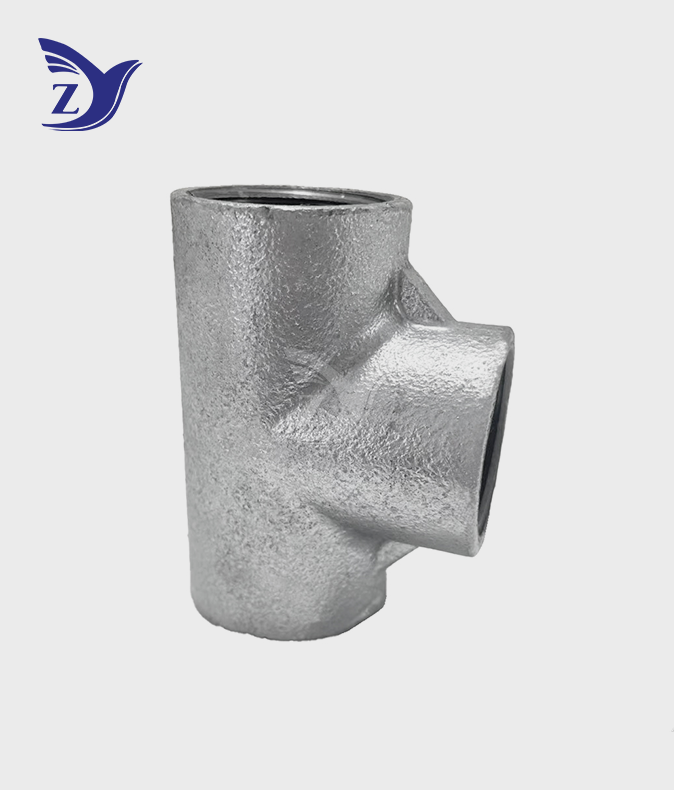
No Hub Hot Dip Galvanized Straight Tee Pipe Fitting
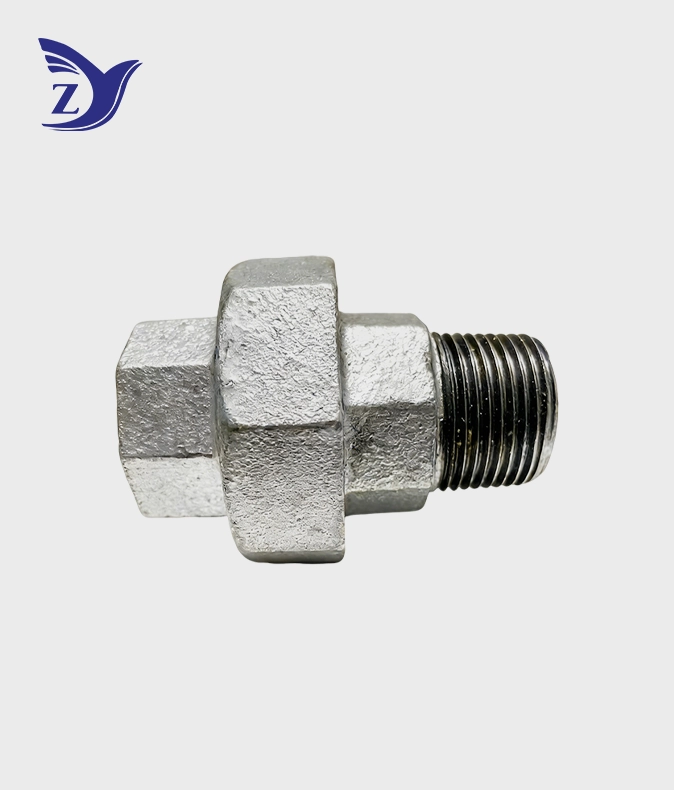
NPT Galvanized Male Female Threaded Union 341 Pipe Fittings
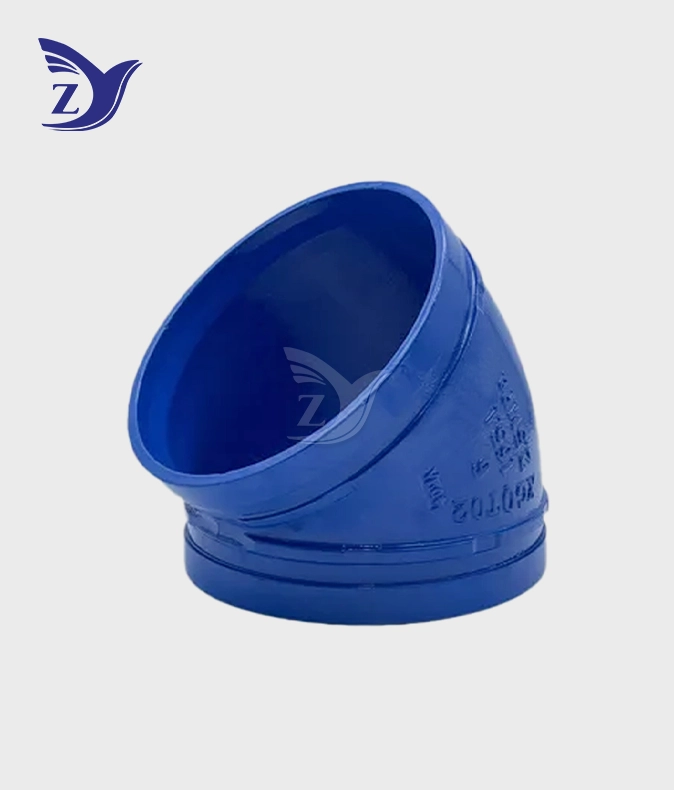
Water Grooved 22.5-degree grooved elbow
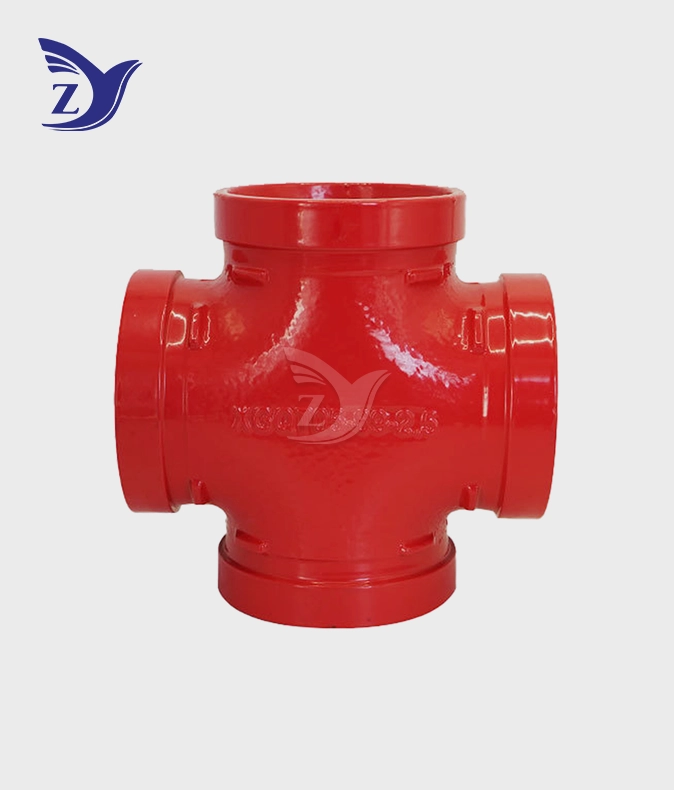
Fire Grooved Cross
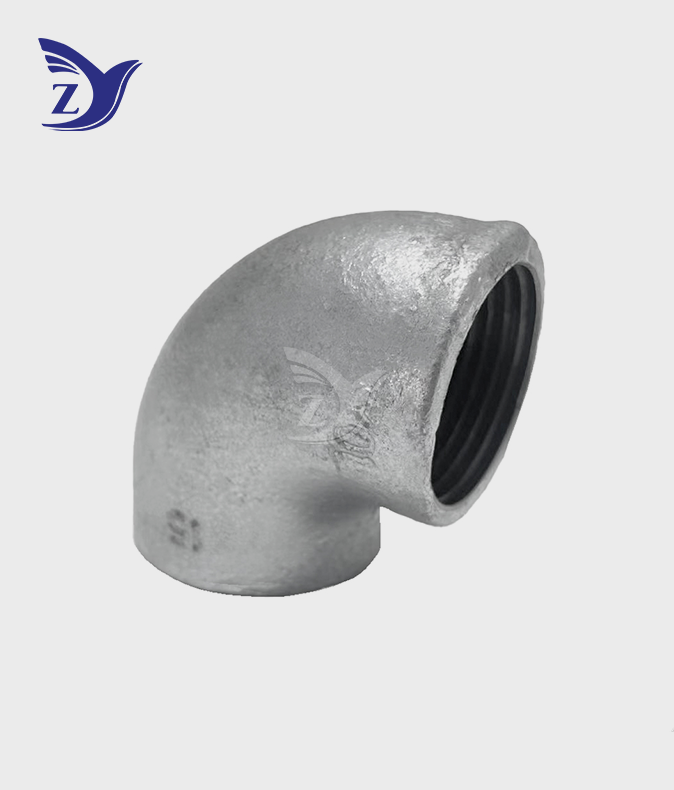
No Hub Electro Galvanized 90° Elbow Pipe Fitting
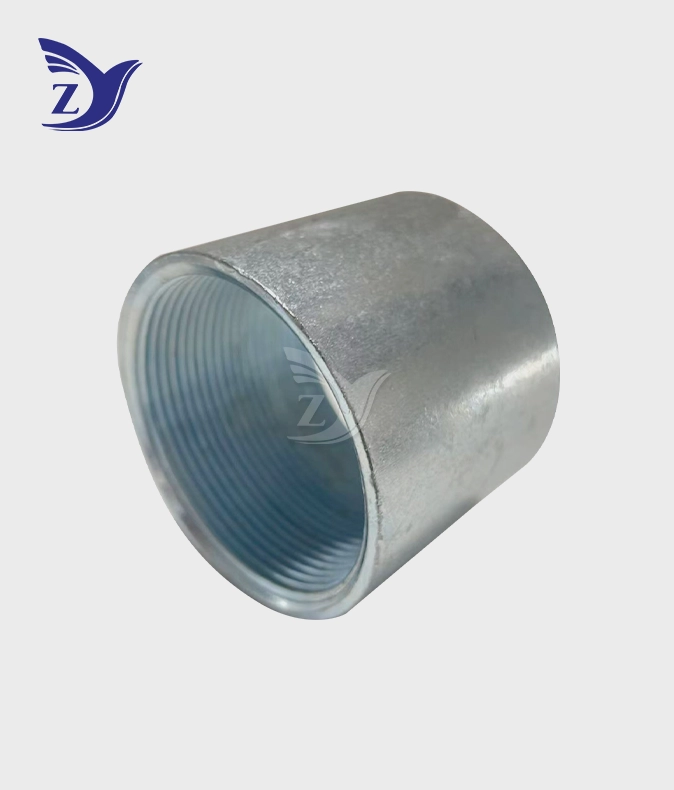
Electro-galvanized full-thread pipe coupling
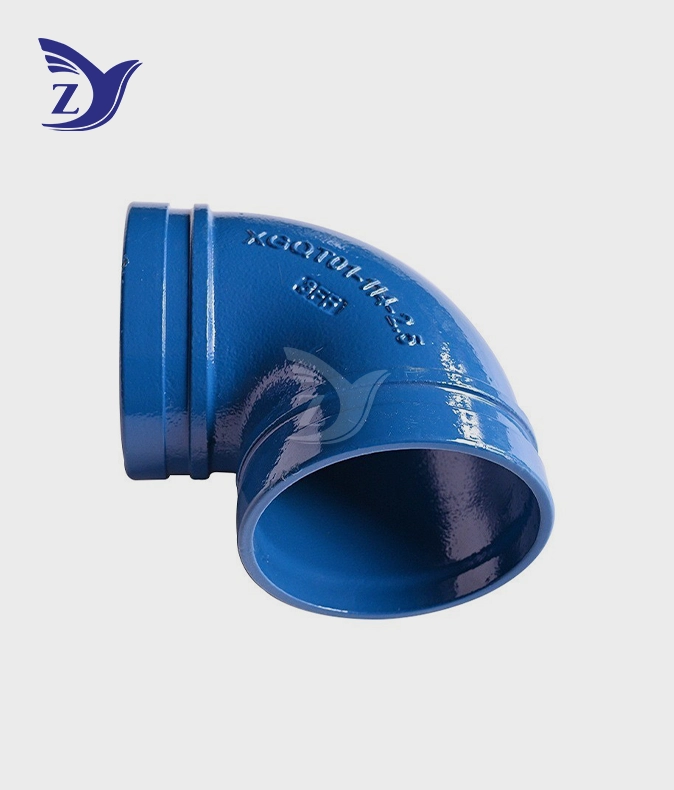
Water Grooved 90° Elbow
Double Male Thread Oil Tubing