
Jun 16, 2026
Grooved Pipe Fitting For Firefighting
People can die when fire safety devices don't work. That's why picking the right way to meet is so important. Grooved pipe fittings have changed the way firefighting equipment is set up because they offer mechanical connections that are easier to keep, faster to install, and more effective under pressure. With these fittings, carefully machined holes are cut into the ends of the pipes and then held in place by housings and gaskets. This makes joins that don't leak and can handle the harsh conditions of fire suppression systems. It is important for procurement managers and system designers working on fire sprinkler networks, hydrant installs, or pump house connections to understand these parts so that they can complete safe, code-compliant projects on time and on budget.
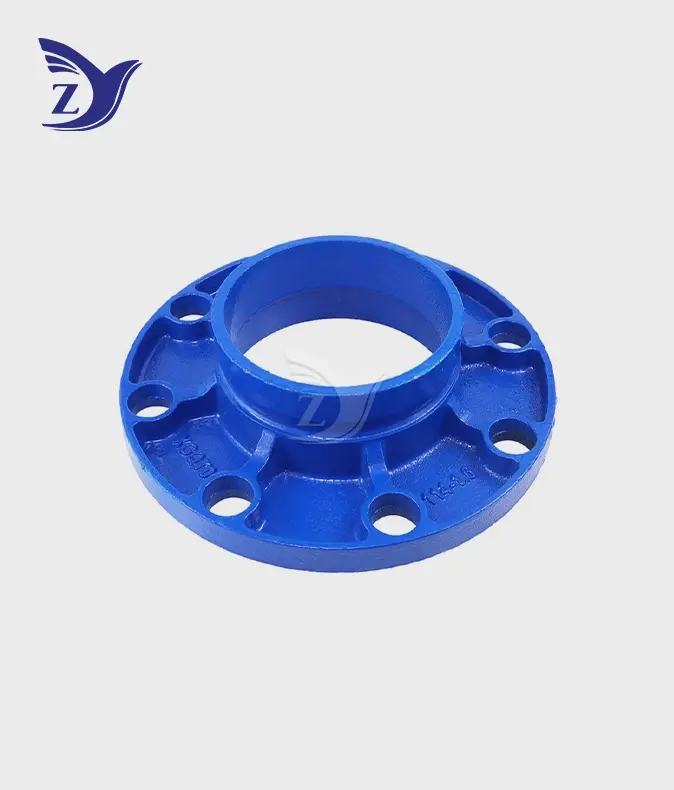
Understanding Grooved Pipe Fittings and Their Role in Firefighting Systems
Learn about grooved pipe fittings and how they are used in firefighting systems. A simple but clever idea is at the heart of how grooved pipe fittings work. The end of the pipe is rolled or cut with a groove, and a case made of two pieces with keys and bolts fits over a rubber gasket that is in the groove. This makes a mechanical seal that keeps the hydraulic integrity while letting the seal be flexible in a controlled way. This design is better than rigid links because it can handle thermal expansion, seismic movement, and shaking, all of which are common problems in fire protection systems.
Core Components and Design Principles
A standard grooved pipe fittings system has a number of important parts that work together. The housing, which is generally made of ductile iron, gives the structure strength and spreads the pressing force evenly around the pipe's outside. The pressure seal and small misalignments can be fixed by the gasket, which is made of EPDM or another fire-rated rubber. The two halves of the housing are held together by bolts and nuts. The pressure levels are carefully set so that the seal is compressed without being damaged. When compared to welding or threading, this way of putting things together doesn't require hot work permits, fewer skilled workers, or even a lot less time.
Fitting Types for Fire Protection Applications
Different fitting designs are needed for fire sprinkler systems to work well in a variety of building plans. Pipes can get around structural problems with the help of 45-degree and 90-degree elbows. Branch links to water heads or zone control valves are made possible by tees and crosses. As the flow needs change across the distribution network, reducing valves switch between pipes with different sizes. With mechanical tees with outlets, you can connect two lines at right angles without having to cut or join the main line. Straight pipe pieces can be joined together with rigid or flexible couplings. Flexible couplings allow for angular deflection for settling or earthquake movement. Zhiyuan Malleable Steel has a full range of fittings, including elbows, tees, crosses, reducers, clamps, flanges, and grooved pipe fittings. This means that wholesalers and contractors can easily handle their supply chains by only having to buy from one place.
Material Selection for Durability and Compliance
The choice of materials has a direct effect on how long the system lasts and how well it meets fire rules. Ductile iron is still the most common material for houses because it is strong for its weight and doesn't rust when covered properly. Fittings made of stainless steel are used in specific situations where the weather or water is toxic. Carbon steel choices are cheaper for projects that will be underground or hidden, where looks are less important. Coating methods, like powder, galvanized, or epoxy coats, keep rust and chemicals from getting through. The materials used for gaskets must be approved by UL and FM for use in fire services and be compatible with the system's design parameters for temperature and fluids. Zhiyuan's products have great anti-corrosion and rust protection, so they will last a long time and require little upkeep, even in harsh environments.
Comparison of Grooved Pipe Fittings with Traditional Fittings in Fire Protection
Knowing how grooved pipe fittings are different from other methods helps buying teams make smart choices that balance costs at the start, costs for labor, and long-term dependability.
Installation Speed and Labor Requirements
For welded connections to work, you need licensed welders, hot work permits, fire watches, and checks after the weld. Depending on the size and location of the pipes, a skilled welder might make 15 to 20 joints every day. For grooved pipe fittings, on the other hand, you don't need to weld. Every day, a two-person crew can put together 80–100 joints using simple hand tools. This fourfold rise in productivity directly leads to lower labor costs and faster project finish. Threaded fittings can be put together without tools for small diameters, but they aren't useful for sizes bigger than two inches because the threads get stuck and the joint stability is compromised. Flanged connections allow for easy disassembly, but they need to be perfectly lined up, have multiple bolt tightening processes, and take up a lot more weight and room than grooved pipe fittings.
Leak Prevention and System Integrity
Grooved pipe fittings are great at stopping leaks because the sealing force is evenly distributed and the gasket tension is managed. The gasket fits into the gap, and the case puts equal pressure on the whole outside. This design can handle small pipe irregularities and surface flaws that would make threaded joints less reliable. According to data from fire protection engineering companies, grooved pipe fittings systems always meet or beat the NFPA 13 hydrostatic test standards on the first try. Threaded and welded systems, on the other hand, often need to have leaks fixed. Thermal cycling, water hammer, and building settlement can all cause pipes to move. The flexible connection design can handle these movements. Over time, these conditions can break hard welded joints or open threaded connections.
Maintenance Access and System Modifications
Fire safety systems need to be checked, tested, and sometimes changed to fit changes in the building. Grooved pipe fittings can be taken apart and put back together without any special tools or supplies. A repair worker can take off a piece to change a valve or add a sprinkler head and then quickly put it back together using the same fittings. Any changes to welded systems need to be cut, fitted, welded, and inspected. Corrosion can make threaded connections stop, which makes taking the parts apart dangerous. This edge in serviceability lowers long-term ownership costs and keeps business running as smoothly as possible during upkeep. These are two things that procurement managers are looking at more and more when figuring out the total cost of ownership.
Installation and Technical Standards for Firefighting Grooved Pipe Fittings
Installing systems correctly is important for making sure they work and follow the rules, so engineering teams and workers need to know a lot about technology.
Step-by-Step Installation Procedures
Preparing the pipes correctly is the first step in installation. The pipe end needs to be square-cut, smoothed out, and free of any oil or dirt that could make it hard for the gasket to seal. Grooves are cut or made with special tools that make sure the depth and width measurements match AWWA C606 or the manufacturer's instructions. The seal is put in the groove so that it fits all the way around the outside without turning. The housing pieces are put on top of the seal so that the keys fit into the grooves. Bolts are then inserted and tightened. For normal fire protection uses, torque specs run from 45 to 75 foot-pounds, but they depend on the size of the fitting and the manufacturer. Zhiyuan's grooved pipe fittings don't need to be welded, so they can be installed safely even in small areas that don't have a lot of air flow or where there is a risk of fire.
Compliance with Fire Protection Standards
Grooved pipe fittings that are used in fire sprinkler systems have to follow a number of different rules. NFPA 13 lists the performance standards for fire system parts, such as the maximum pressure, temperature, and approved materials. ASTM F1476 specifies the performance standards for grooved pipe fittings used in fire safety systems. It talks about pressure values of up to 300 PSI and allowed size differences. UL and FM approvals show that certain fitting types have been through strict tests for use in the fire service. Installation paperwork needs to have material certificates, records of pressure tests, and as-built plans that show where and how to install the fittings. Zhiyuan has an ISO 9001 quality system certification and products that are approved by CE, UL, and FM. This makes sure that all of their specifications meet both local and foreign standards so that they can keep supplying large quantities of goods to many engineering projects.
Common Installation Issues and Prevention
A number of construction mistakes can damage the functionality of the system and should be avoided by training and quality control. When there isn't enough torque, seals aren't squeezed enough, which can lead to leaks. When it comes to smaller sizes, too much pressure can damage seals or crack housings. Pipes that aren't lined up right cause uneven gasket tension and premature gasket failure. If something gets stuck between the cover and the gap, it stops the seal from working properly. Grooves that are damaged by bad cutting tools or handling make surfaces that aren't smooth enough for seals to fit properly. To find these problems before expensive rework is needed during pressure testing, good workers use installation plans, torque verification procedures, and eye inspection protocols.
Conclusion
Grooved pipe fittings are now the most popular way to join fire safety systems because they are faster to install, more reliable, and have a higher term value. Engineering and procurement workers can quickly build better fire safety infrastructure if they know about fitting types, material choices, installation standards, and buying strategies. By looking at providers' certifications, capacity, responsiveness, and expert support, you can find partners who can help the project succeed from the specifications all the way through long-term system operation. As building deadlines get shorter and fire safety rules get more complicated, grooved pipe fittings technology keeps changing to meet these needs while keeping the basic benefits that made the technology so useful in the first place.
Partner with Zhiyuan Malleable Steel—Your Trusted Grooved Pipe Fittings Manufacturer
Fire safety workers all over the world can get help from Zhiyuan Malleable Steel, which has more than 26 years of experience with casting research and pipe production. Our wide range of products, which includes elbows, tees, crosses, reducers, clamps, flanges, and threaded fittings, makes it easy to buy everything you need for installing fire sprinklers, hydrants, and pump houses all in one place. Manufacturing in Shanxi Province, which can produce 30,000 tons per year, guarantees a steady supply in bulk. This is backed by ISO 9001, CE, UL, and FM certifications that meet international fire safety standards. Our grooved pipe fittings are the best at making connections because they seal tightly, can withstand high pressure, and are bendable enough to bend with the pipe for safe long-term use. We can help your project succeed from design to commissioning by having a large collection of standard products that can be delivered in two hours, the ability to customize products through ODM/OEM, and replacement guarantees for products that are broken. Get in touch with our team at q1236800000@gmail.com to talk about your needs with a grooved pipe fittings provider you can trust for quality, delivery, and expert support. At zymalleablepipefitting.com, you can find full product specs and technical tools.
FAQ
What pressure ratings do grooved fittings provide for fire sprinkler systems?
For fire safety purposes, standard grooved pipe fittings usually have pressure values of 300 PSI, which is a lot higher than the 150–175 PSI working pressures that are common in sprinkler systems. This gives enough of a safety cushion for NFPA 13-required hydrostatic tests at 200 PSI. For special uses with pumps or high-rise systems, higher pressure values are possible.
Can grooved connections be used for underground fire protection piping?
When properly protected against rust, grooved pipe fittings work well for uses underground. Protective treatments like galvanizing or epoxy should be used on fittings and housings. Due to the depth of the grave and the state of the dirt, extra safety steps may need to be taken. Many places let grooved pipe fittings go underground as long as they are put according to the manufacturer's directions and the building code.
How do grooved fittings accommodate building movement and pipe expansion?
Flexible grooved pipe fittings let you bend them at different angles and move them along an axis while keeping them in place. This makes them suitable for heat expansion, building settlement, and earthquakes. This flexibility keeps stress from building up at links, which could break stiff joints. When needed, expansion loops or offset setups give you more room to move.
References
1. National Fire Protection Association. "NFPA 13: Standard for the Installation of Sprinkler Systems." 2022 Edition.
2. American Water Works Association. "AWWA C606: Grooved and Shouldered Joints." 2021 Standard.
3. ASTM International. "ASTM F1476: Standard Specification for Performance of Gasketed Mechanical Couplings for Use in Piping Applications." 2020.
4. Factory Mutual Research Corporation. "FM Approval Guide: Fire Protection Piping Systems and Components." 2023.
5. Underwriters Laboratories. "UL 213: Standard for Safety Rubber Gasketed Fittings for Fire Protection Service." 2019 Edition.
6. American Society of Mechanical Engineers. "ASME B16.9: Factory-Made Wrought Buttwelding Fittings and Comparison with Mechanical Joining Methods." 2021.
Online Message
YOU MAY LIKE
High quality furniture manufacturer
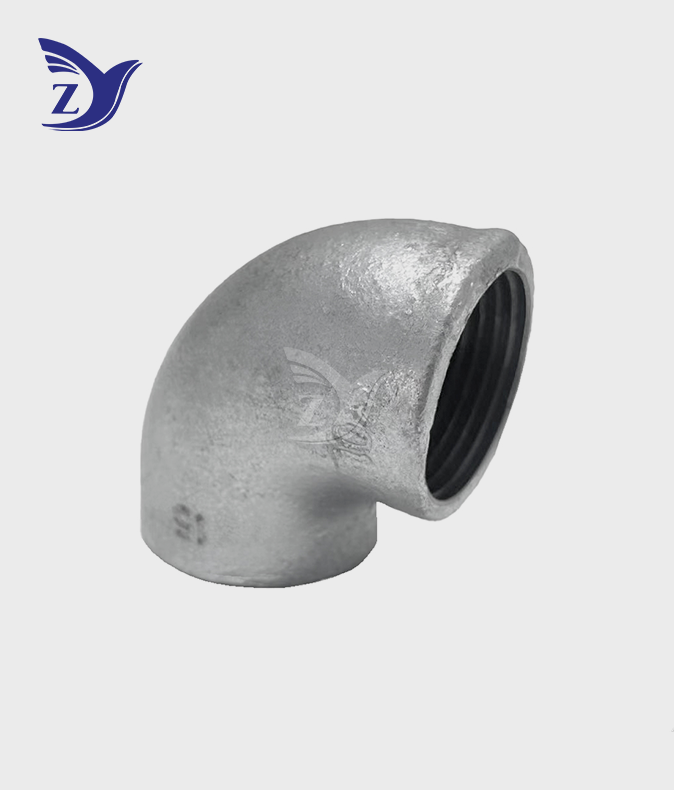
No Hub Hot Dip Galvanized 90° Elbow Pipe Fitting
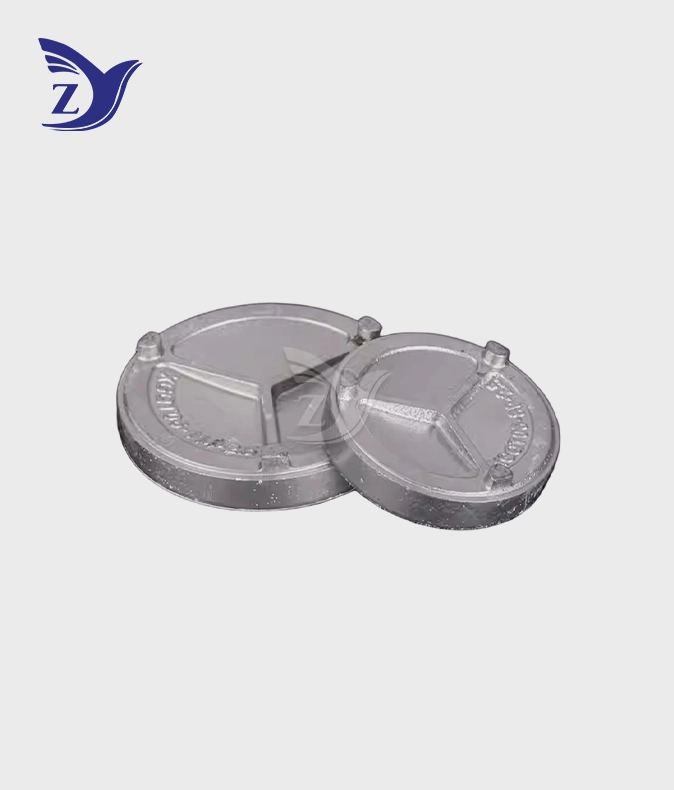
Water Grooved Blind Flange
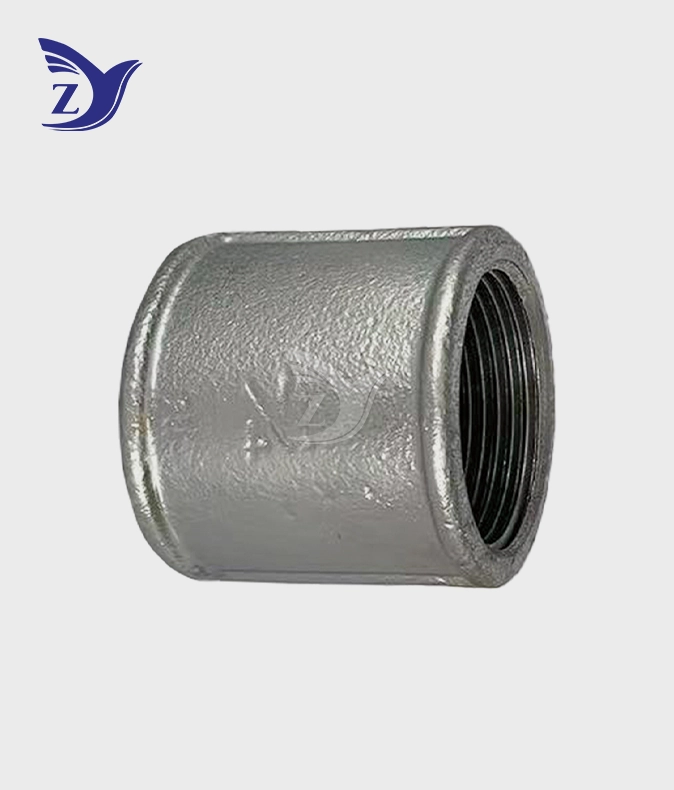
NPT Round Face Galvanized Round Edge Coupling Pipe Fittings
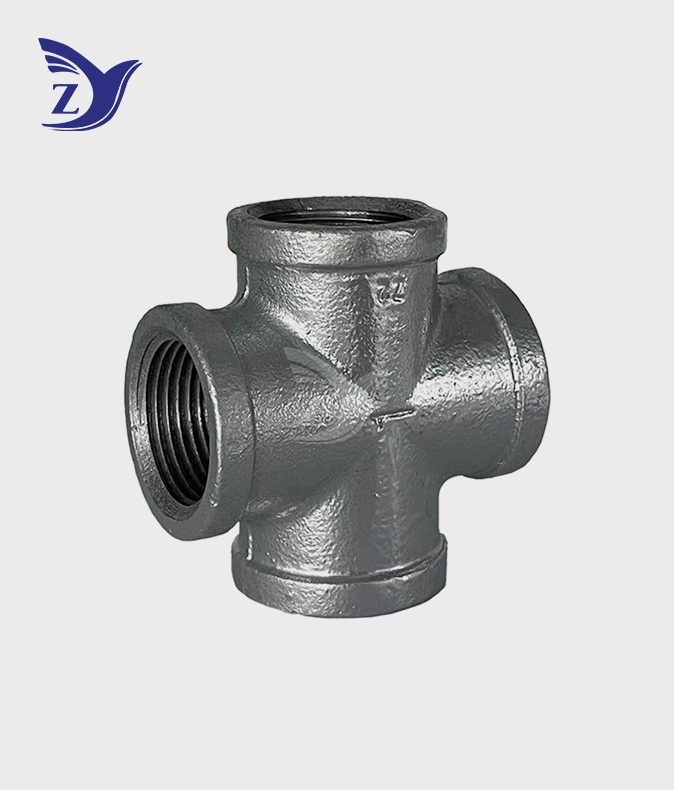
NPT Square Face Galvanized Square Edge Cross Pipe Fittings
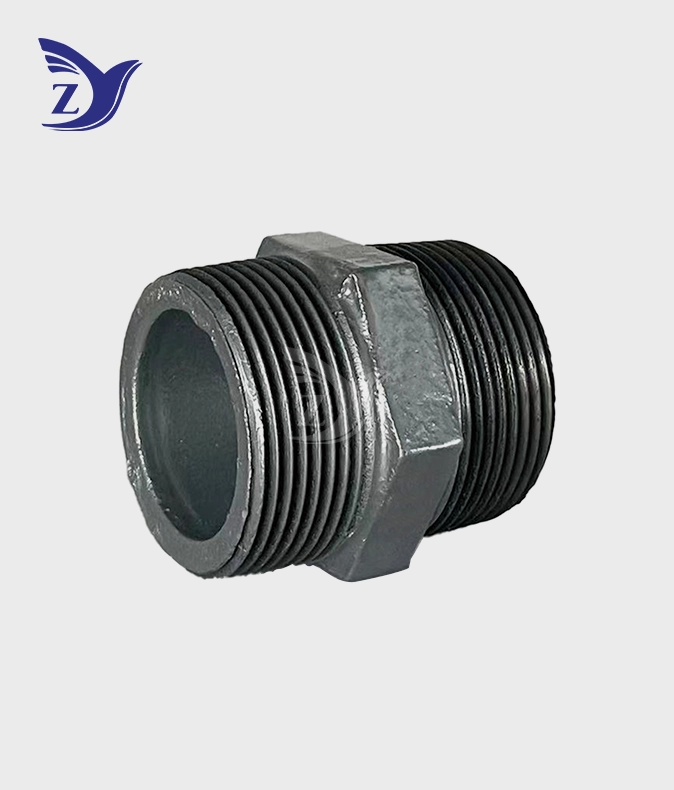
NPT Galvanized Male Nipple Pipe Fittings
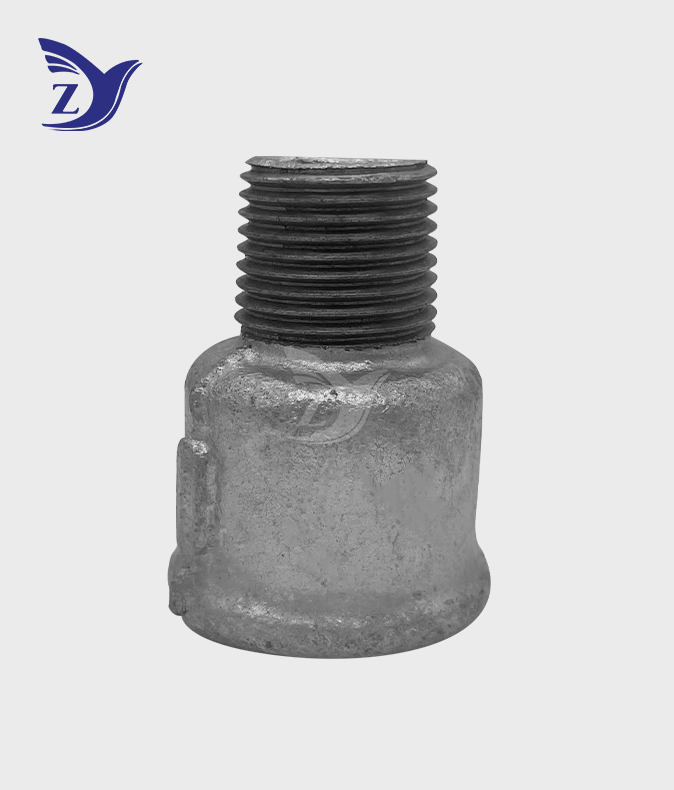
Beaded Galvanized BSPT Round Edge Male-Female Reducing Coupling
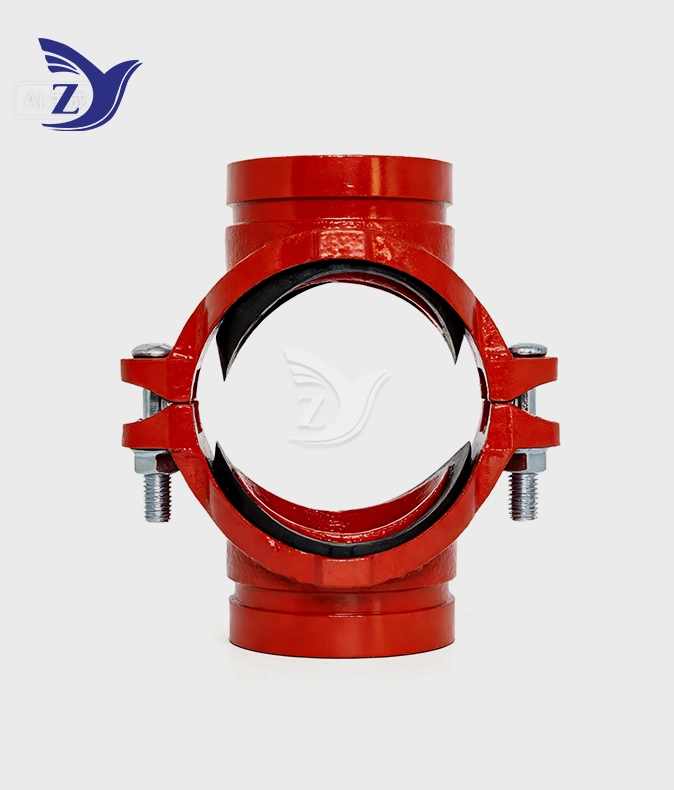
Threaded Mechanical Cross
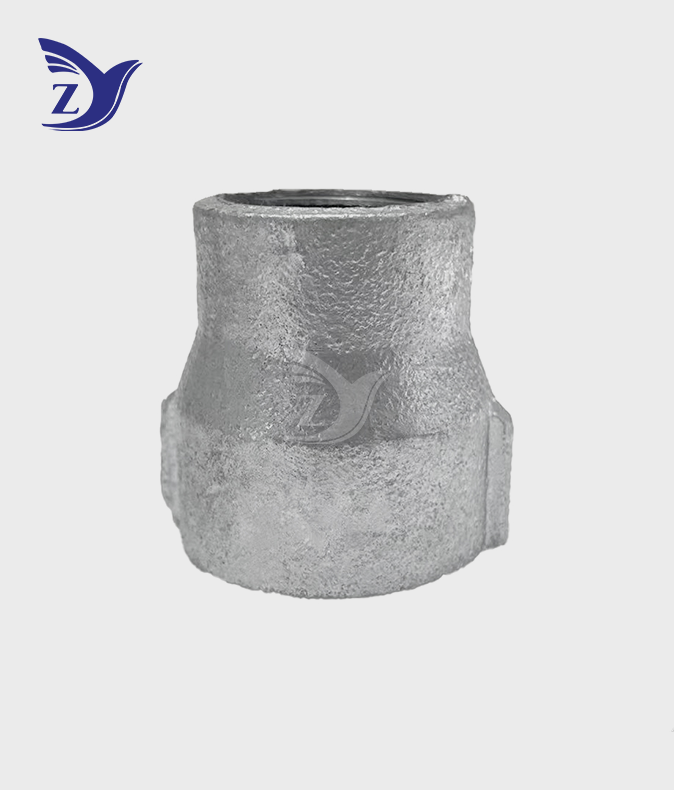
No Hub Hot Dip Galvanized Reducing Coupling Pipe Fitting