
Jun 17, 2026
Galvanized Square Edge Straight Tee Pipe Fittings Performance Analysis
When looking at NPT square face galvanized square edge straight tee pipe fittings, success depends on three main factors: the ability to fight corrosion through hot-dip galvanization, the strength of the structure from the malleable iron casting, and the ability to close without leaks through precision NPT threading. These fittings work great in industrial water, gas, and fire control systems that need to be strong and reliable under pressure. Knowing about their material properties, pressure ratings, and installation features helps procurement pros make smart choices that lower lifetime costs while keeping operations safe.
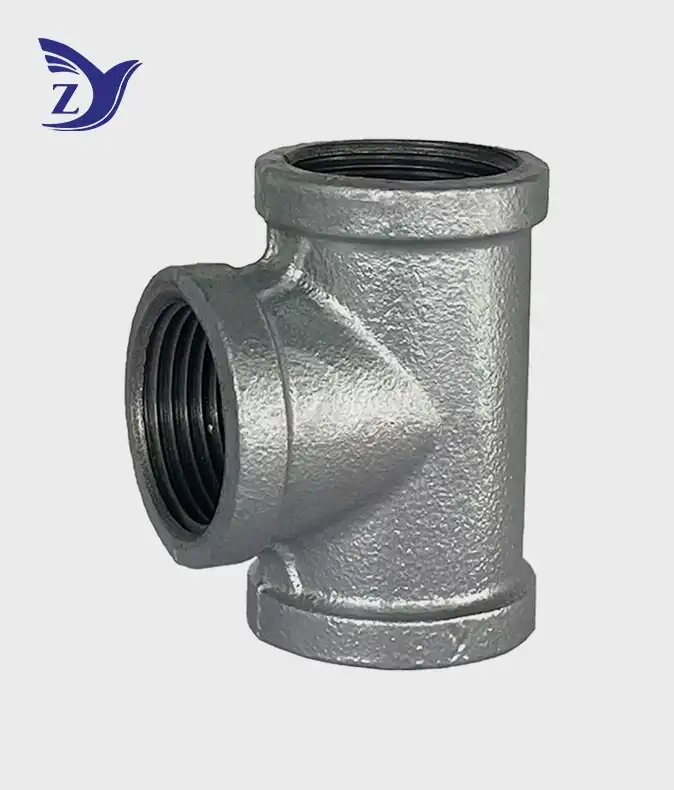
Understanding Galvanized Square Edge Straight Tee Pipe Fittings
What Defines Square Edge Construction?
Standard fittings have a rounded bead shape, but square edge straight tees have a flat, strengthened band at each threaded exit. This difference in geometry is useful, not pretty. The extra width of the material at the hole makes the hoop stronger, so the fittings can handle the wrenching forces needed to properly engage the NPT thread. Installers who work in places with a lot of vibrations or big pipe schedules won't have to worry about splitting and cracking, which can cause system breakdowns and expensive repairs.
Material Composition and Standards Compliance
These fittings are made from iron that can be shaped and meets ASTM A197 standards. The weak white cast iron is heated and cooled to make it more flexible and resistant to shock. This material has a tensile strength of more than 350 MPa and can stretch without breaking. As per ASTM A153, the hot-dip galvanization process puts on a zinc layer that is at least 86 microns thick. This creates protective anodic protection that keeps the base metal from oxidizing. This two-layer defense—a ductile core and a zinc barrier—affords protection against the main ways that industrial pipes fail: brittle fracture and rust piercing.
Application Across Industrial Sectors
Fire protection companies use NPT square face galvanized square edge straight tee pipe fittings for sprinkler distribution lines because steel that isn't protected from water would quickly rust. The zinc layer keeps rust particles from clogging nozzles and keeps the pressure levels at up to 300 psi for oil, gas, and water service. These fittings are used by municipal water companies in outdoor pump stations and valve rooms, where soil corrosion and freeze-thaw cycles make the materials last less long.
Installers of HVAC systems like how cost-effective and long-lasting chilled water and steam transfer systems are. The flexible iron design reduces vibrations better than hard steel fittings, which lowers noise transfer and wear and tear on the machinery. In petrochemical plants, zinc tees are used in process water lines, cooling circuits, and low-pressure gas distribution. These areas need materials that don't rust, and threaded connections are easier to keep up than soldered joints because of how often they are inspected.
Performance Analysis and Comparative Review
Pressure Rating and Temperature Limits
According to the ASME B16.3 Class 150 approval, these fittings can handle pressures of up to 300 psi at room temperature for use with gas, oil, and water. When saturated steam is used, the grade drops to 150 psi. This is because of the heat stress and the chance that the galvanization will break down above 392°F (200°C). Operating conditions must be taken into account in the procurement requirements. For example, cold water systems in city infrastructure work well within these limits, but steam heating networks may need to have the zinc coating checked on a regular basis to make sure it is still in good shape.
Corrosion Resistance Mechanisms
The zinc covering protects in two ways: it acts as a buffer and a shield, and it also conducts electricity. At first, the thick layer of zinc stops air and moisture from getting to the iron base. As climate wears away at this barrier, the zinc rusts more quickly and easily, giving up its own protection to protect the metal below. This electrochemical trait stops galvanic corrosion, which happens when different metals touch each other in electrolytes, which happens a lot in industrial plumbing that uses a mix of metals.
Installation Efficiency and Reliability
When compared to round bead options, NPT square face galvanized square edge straight tee pipe fittings take about 20% less time to install because the flat wrench-gripping surface lets workers apply consistent force without slippage. The stronger edge structure can handle being over-tightened better than standard fittings, so installation crews with different levels of skill won't damage the structure.
Thread contact level has a direct effect on the quality of the seal. To get the right tension, NPT tapers need to be turned 3–4 full turns past hand-tight. This is a requirement that is often not taken into account in field installs. The square face shape gives workers both visual and tactile feedback, which helps them know when the engagement is right. This useful benefit cuts down on calls for leaks and failed system pressurization.
Procurement Insights for B2B Clients
Supplier Qualification Criteria
Checking for ISO 9001 approval is the first step in reliable buying. This shows that quality control is carried out throughout the entire manufacturing process. Zhiyuan Malleable Steel keeps up with foreign standards by getting certifications like CE, UL, and FM. This shows that the products are safe in all areas where they are regulated. Buyers in bulk should ask for mill test records that list the material's make-up, tensile strength, and zinc covering thickness for random production samples.
Customization and OEM Services
Buyers who want to export can benefit from providers who offer private marking, changing dimensions, and changing thread patterns. ODM can meet the needs of specific regions, like meeting the standards of the Canadian Standards Association (CSA) or the Australian Standards. Customized package layouts, like Zhiyuan's double-layer cardboard protection, lower freight damage and make inventory management easier for wholesalers who serve more than one market.
Bulk Ordering Advantages
Making promises to buy in bulk can lead to better prices and more efficient scheduling of production. When hundreds or thousands of NPT square face galvanized square edge straight tee pipe fittings are needed for big jobs, consolidated packages save money on freight costs per unit. Strong logistics networks, like Zhiyuan's closeness to the Taiyuan transportation hub (30 minutes from the airport), make foreign shipping and just-in-time delivery easier for meeting building deadlines.
Pricing and Value Considerations
Cost Analysis Framework
For NPT square face galvanized square edge straight tee pipe fittings, the price per unit runs from $3 to $15, based on the size. Most commercial uses require diameters between 1/2" and 2". By comparing the initial cost to the total cost of ownership, you can see the value offer of galvanized fittings: a modest initial investment, low upkeep needs, and longer replacement cycles save over 40% over the lifecycle compared to replacing cheaper alternatives more often.
Material Trade-offs
Stainless steel parts don't rust, but they are expensive for jobs that need to stay within a budget. When zinc coating is enough to protect against external exposure, like on outdoor water lines, indoor HVAC systems, and protected industrial pipes, galvanized malleable iron works just as well for a lot less money. The higher price of stainless steel is justified by settings with strong acids or chlorinated water in amounts above a certain level or high-temperature steam systems above 400°F.
PVC and CPVC options work well for some water uses, but they aren't as strong or able to handle high pressures or temperatures as metal fittings. When compared to solvent-welded plastic joints, threaded metal links make it easier to change parts and make changes to the system.
Optimizing Performance and Longevity of Galvanized Square Edge Straight Tees
Installation Best Practices
Eighty percent of early mistakes can be avoided by properly preparing the thread. Before putting on sealant, clean the threads well, getting rid of scale, dirt, and production waste. Use PTFE tape that is rated for the service fluid. For example, white tape is rated for water, yellow for gas, and pink for oxygen-safe uses. Wrap the line clockwise (looking at the fitting exit) with three to four layers that overlap. Leave the first thread bare to keep the sealer from getting on it.
Environmental Considerations
Chemical contact speeds up the loss of zinc. Systems that deal with acidic vapor, chlorine water, or industrial wastewater should have regular check schedules built in. Visual checks for the formation of white rust (zinc oxide) show that the protected covering is wearing away and needs to be fixed before perforation happens. NPT square face galvanized square edge straight tee pipe fittings put under thermal stress when temperatures change quickly, especially when temperatures rise and fall quickly.
Maintenance Protocols
Every year, check exposed zinc parts for coating integrity by looking for rust bleed-through or mechanical damage. When a coating fails in a certain area, touch-ups with cold galvanizing solution (with at least 85% zinc content) can make it last longer. For preventative maintenance to be possible without having to do a lot of digging, buried or concealed pipes need inspection entry points at the fitting sites.
Case Studies Demonstrating Improved Outcomes
Municipal Water Distribution Upgrade
A water authority in the Midwest replaced 2,400 old black iron branch connections with NPT square face galvanized square edge straight tee pipe fittings at 15 pump stations. Over five years, service interruptions caused by leaks went down by 67%, and the cost of repair work dropped by $180,000 per year. Soil corrosion used to mean that fittings had to be replaced every 4 to 6 years, but the zinc coating stopped that. Based on current state reports, the component should now last 18 years or more.
Industrial Fire Suppression Retrofit
A chemical factory improved its dry pipe sprinkler system by adding hot-dip galvanized fittings after condensation caused internal rust that clogged the nozzles. After the retrofit, tests showed that no particles had accumulated over three years. This is different from the old black iron design, which needed to be flushed every three months. Insurance companies were happy with the improvements to system stability, which led to a 12% drop in premiums and the end of production interruptions caused by fake alarms caused by corrosion debris.
HVAC System Longevity Study
Galvanized malleable iron tees were put in place throughout the chilled water distribution pipes that serve 30 buildings on a university campus. Fifteen years of performance data showed that 98.5% of fittings survived with no breakdowns due to pressure. This is in contrast to buildings that used untreated fittings, which had a 35% replacement rate. Even though the original material costs were 18% higher, operational consistency and fewer emergency repairs proved that the initial specification choice was the right one.
Conclusion
NPT square face galvanized square edge straight tee pipe fittings improve the performance of industrial fluid distribution systems by making them more resistant to rust, strengthening the structure, and connecting them precisely. When you combine the flexibility of malleable iron with the safety of hot-dip zinc, you get rid of both the mechanical stress and environmental degradation that weaken system reliability. When procurement workers look at different choices for fire suppression, city infrastructure, HVAC projects, or petrochemical pipes, they get measurable benefits like longer system uptime, less upkeep, and shorter service life. The best results for the project are guaranteed by specifications that are based on pressure grades, material standards, and lifetime cost analysis.
FAQ
What distinguishes galvanized from stainless steel tees?
Galvanized fittings are made of zinc-coated iron that can be shaped and shaped. It is resistant to rust and can be used in most water, gas, and low-pressure steam uses. It is also much cheaper than stainless steel. Stainless steel is more resistant to chemicals and can handle temperatures above 400°F. The higher cost is only worth it when working conditions are worse than what galvanized steel can handle or when the law requires it.
Can square edge fittings handle high-pressure applications?
NPT square face galvanized square edge straight tee pipe fittings with a Class 150 rating can handle 300 psi at room temperature for use with water, oil, and gas. For high-pressure systems that need Class 300 grades, parts with thicker walls must be made to stricter standards. Fitting pressure class should always be matched to pipe schedule and system design pressure, with safety gaps for short-term circumstances.
How do I verify supplier product quality?
Ask for proof of approval that includes ISO 9001 compliance, material test results that prove the makeup according to ASTM A197, and measures of coating thickness according to ASTM A153. Reliable sellers keep third-party certifications like UL or FM approvals and use heat lot numbers to make it easy to track their products. Sample fittings should have a uniform zinc covering, clean thread geometry, and straight edges that are all the same.
Partner With Zhiyuan Malleable Steel for Reliable Galvanized Pipe Fitting Solutions
Zhiyuan Malleable Steel can help you with your industrial pipe projects because they have been making for 26 years and can make up to 30,000 tons of steel each year. Our NPT square face galvanized square edge straight tee pipe fittings are manufactured in strict accordance with ASME B16.3 and ISO 9001 standards. They are also backed by CE, UL, and FM certifications that make sure they meet all foreign market regulations. As a reliable provider, we offer detailed specs for over 1,000 different product versions and fast shipping—standard items leave our Shanxi production site and are on their way within two hours.
Our ODM/OEM customization services, double-layer protective packing, and promise to repair faulty products are all good for procurement managers. Whether you're looking for fire suppression retrofits, city infrastructure growth, or industrial process pipes, our expert team can help you find the best products for the job. These products will work well and last a long time. For your next job, you can email our team at q1236800000@gmail.com or visit zymalleablepipefitting.com to get quotes, technical details, and volume prices. We offer logistics solutions that are suited to the delivery needs of wholesale wholesalers, system designers, and engineering companies in both North America and Europe.
References
1. American Society of Mechanical Engineers. (2022). ASME B16.3: Malleable Iron Threaded Fittings, Classes 150 and 300. New York: ASME Press.
2. ASTM International. (2021). ASTM A197/A197M-15: Standard Specification for Cupola Malleable Iron. West Conshohocken: ASTM International.
3. ASTM International. (2020). ASTM A153/A153M-16a: Standard Specification for Zinc Coating (Hot-Dip) on Iron and Steel Hardware. West Conshohocken: ASTM International.
4. National Fire Protection Association. (2019). NFPA 13: Standard for the Installation of Sprinkler Systems. Quincy: NFPA Publications.
5. Revie, R. W., & Uhlig, H. H. (2008). Corrosion and Corrosion Control: An Introduction to Corrosion Science and Engineering (4th ed.). Hoboken: John Wiley & Sons.
6. Singh, R. (2017). Applied Welding Engineering: Processes, Codes, and Standards (2nd ed.). Oxford: Butterworth-Heinemann.
Online Message
YOU MAY LIKE
High quality furniture manufacturer
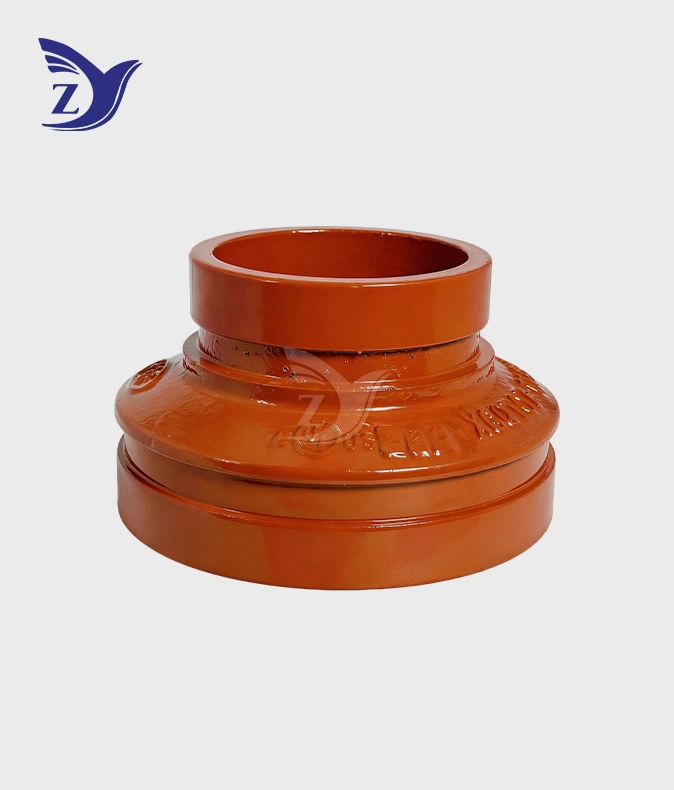
Fire Grooved Reducer
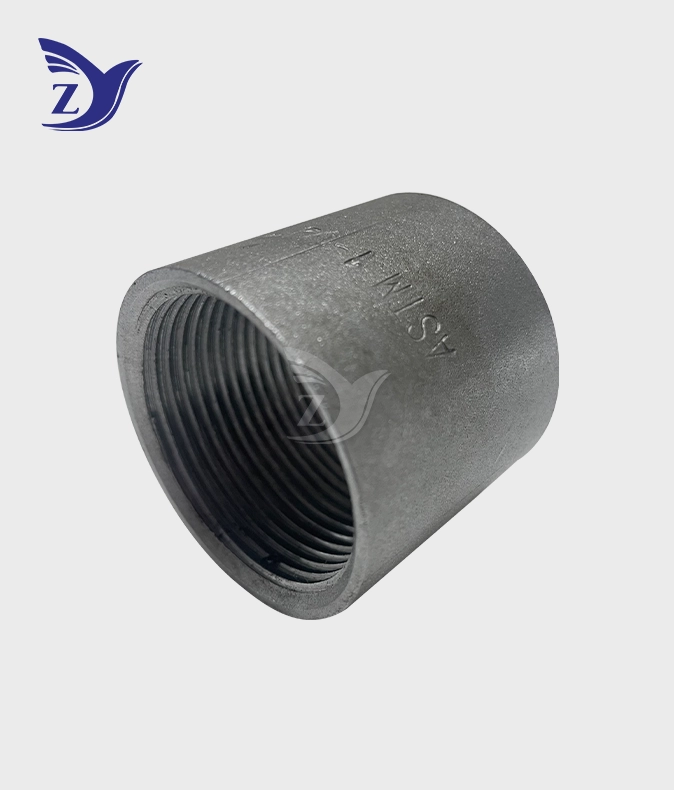
Carbon Steel Full Threaded Coupling Fittings Sand Blasted
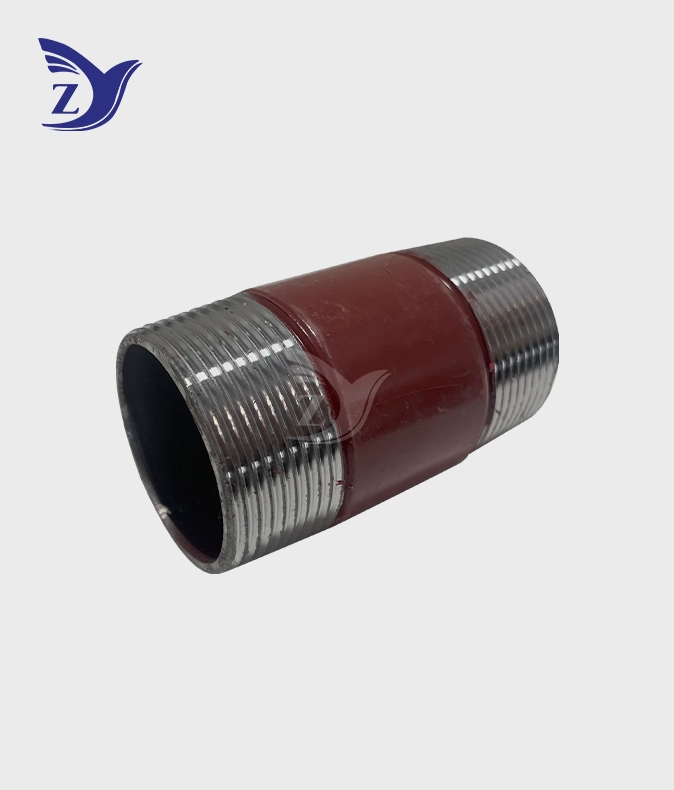
Carbon Steel Pipe Male Threaded Fittings Red Coated
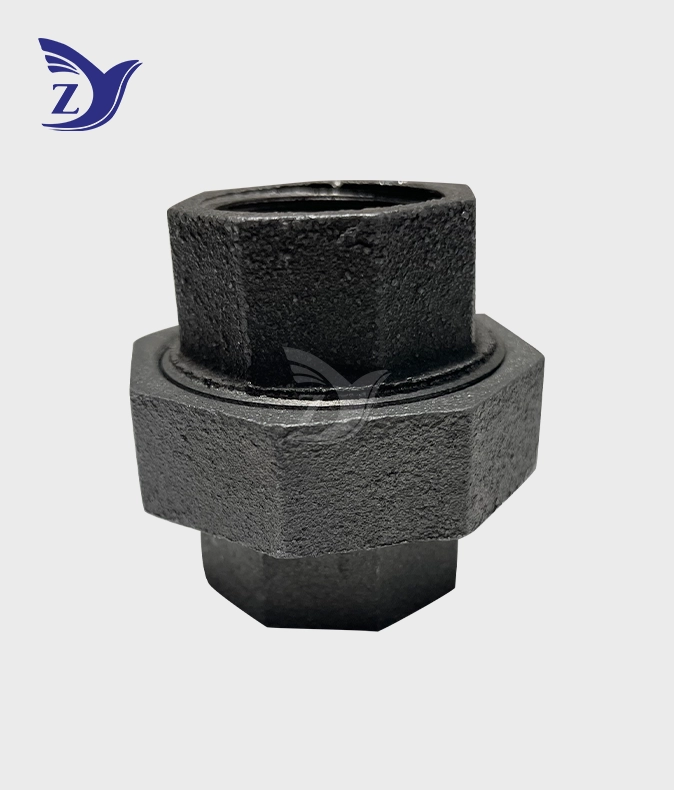
NPT Black Union 330 Pipe Fittings
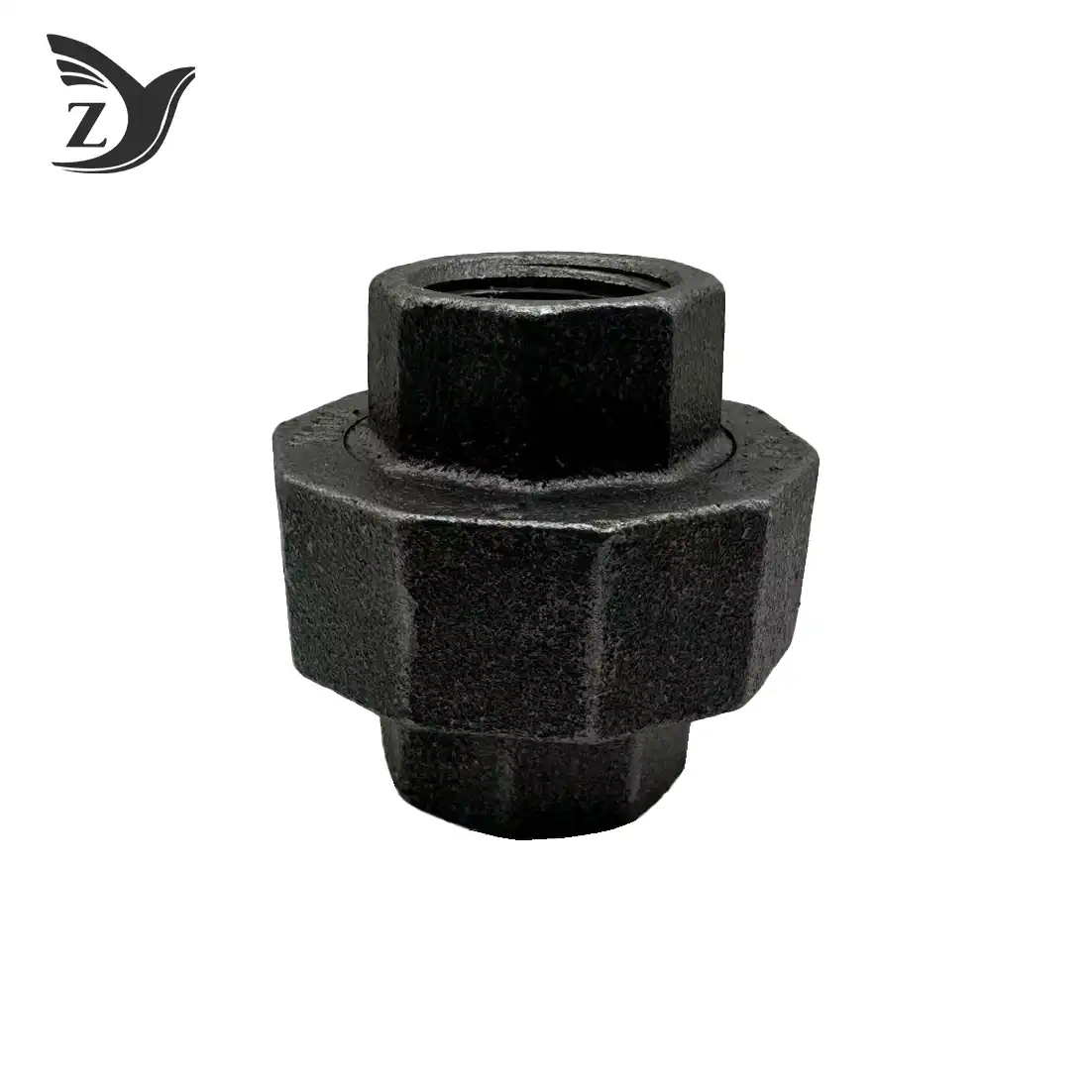
NPT Black Union Class 300 Pipe Fittings
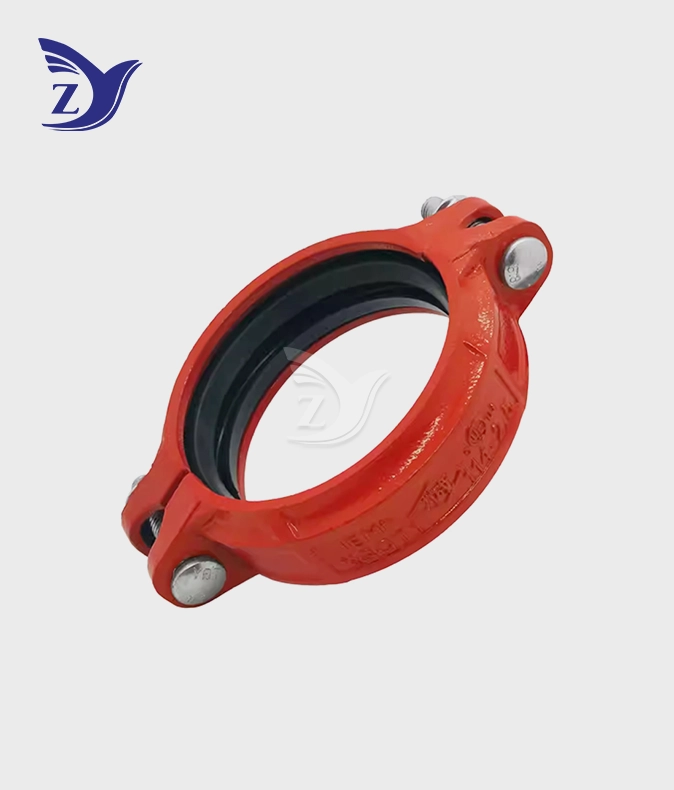
Fire Grooved Clamp
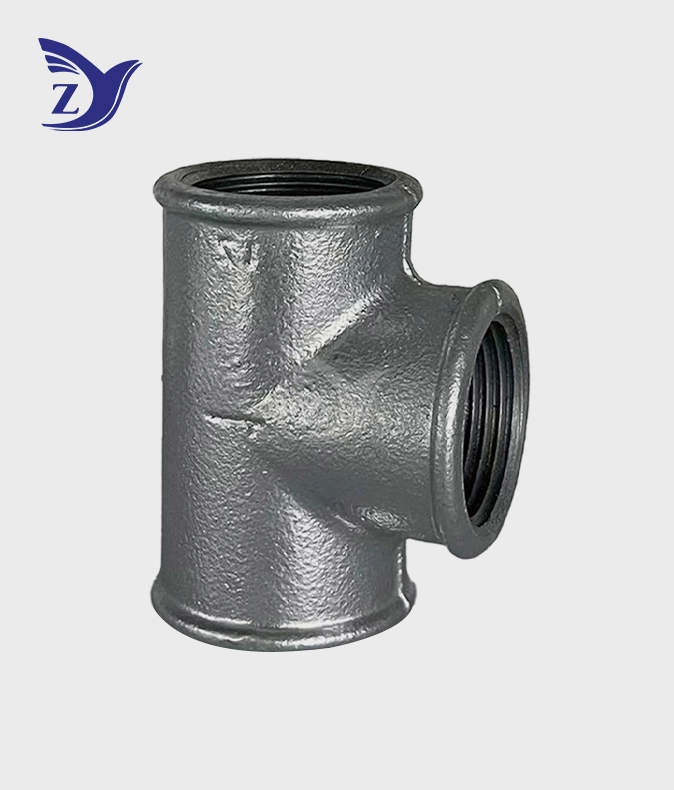
NPT Round Face Galvanized Round Edge Straight Tee Pipe Fittings
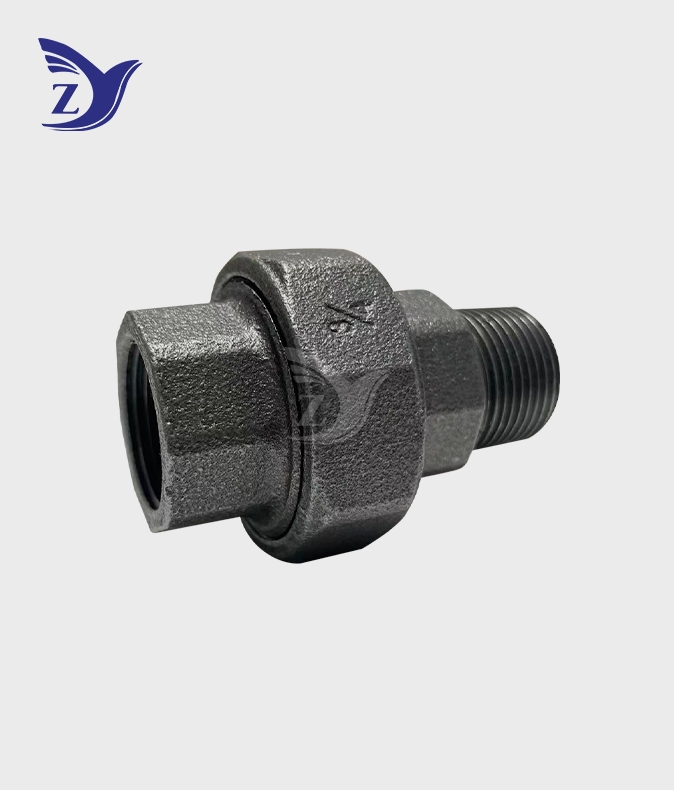
NPT Black Male-Female Union 331 Pipe Fittings