
Jun 23, 2026
Does a coupling pipe fitting rust?
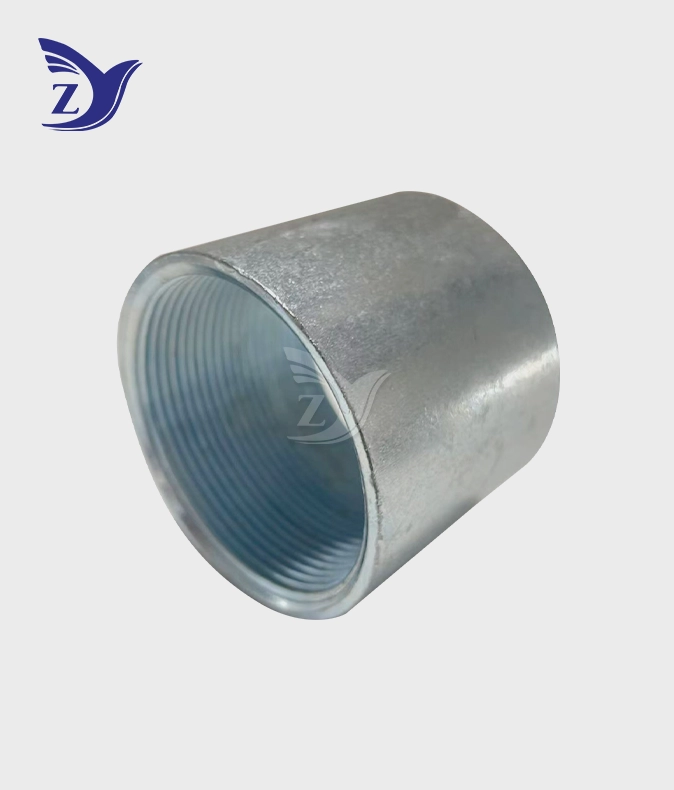
When procurement managers and engineers are choosing pipe fittings for industrial, city, or fire protection systems, they are always asked the same question: does a coupling pipe fitting rust? The short answer is that it varies on the material you choose and how you treat the surface. Carbon steel fittings that haven't been treated will rust quickly if they are exposed to air and water. However, BSPT square face galvanized square edge coupling pipe fittings made from black heart malleable iron and coated with hot-dip zinc don't rust at all. The galvanization process adds more than 500g/m² of zinc, which is about 70 microns thick. This creates a protective layer that stops rust from forming even in wet or chemically harsh conditions. This makes the fittings suitable for use in fire sprinkler systems, HVAC installations, and municipal water networks where dependability is essential.
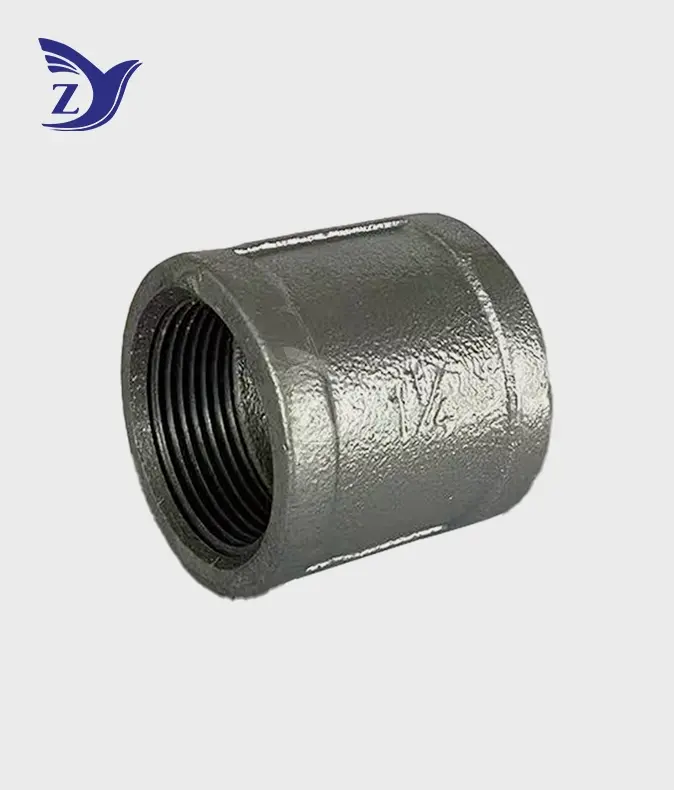
Understanding Corrosion and Rust in Coupling Pipe Fittings
Rust is the obvious result of electrochemical decomposition, which is when iron mixes with air and water to make iron oxide. In places with industrial pipes, like fire safety systems in high-rises or public water distribution networks, this wear and tear risks the stability of the system, causes leaks, and costs a lot of money in lost time.
What Causes Rust in Pipe Fittings?
When three things come together, corrosion happens. These are an anode made of metal (like iron), an electrolyte (like water or wet air), and an electron route. If carbon steel parts are exposed to moisture in the air for more than a few hours without being treated to protect them, they start to rust right away. In places with salt spray, toxic vapors, or acidic droplets, the rate speeds up by a huge amount. For example, pipes in fire sprinkler systems that are full of still water are perfect for interior corrosion if they are not protected properly.
This weakness is made worse by environmental factors. Installations near the coast are attacked by chloride ions, and industrial sites have to deal with sulfur chemicals and acidic waste. Even HVAC systems inside that change between hot and cold weather make condensation, which makes rust more likely.
Material Comparison for Corrosion Resistance
Different base materials have different levels of resistance to corrosion:
Black Heart Malleable Iron (KTH330-08, KTH350-10): This material is very flexible and good at resisting rust when it is coated. The annealing process that turns iron into a pliable metal gets rid of brittle carbides. This makes fittings that can handle installation stress without breaking, and the zinc layer keeps the surface from rusting. BSPT square face galvanized square edge coupling pipe fittings utilize this base to achieve optimal durability.
Carbon Steel: Carbon steel is cheap, but it is also weak, so it needs protective coats or cathodic protection systems. In damp places, rust shows up within days if it is not treated.
Stainless Steel (304, 316): It has chromium oxide passivation, which makes it very resistant to rust. But stainless steel is three to five times more expensive than galvanized iron that can be shaped, and it can still get chloride damage in some types of water.
Brass: Brass doesn't rust or corrode easily, but it loses its zinc when it comes into contact with harsh water, which weakens the structure over time.
Galvanized malleable iron strikes the best mix between efficiency and cost-effectiveness. Its resistance to corrosion is about the same as stainless steel in most situations, and it's still cheap enough for large-scale business or municipal tasks. The 300–350 N/mm² tensile strength and <150 HB hardness of the material make it long-lasting even at 300 psi, which is the normal working pressure for pipes and fire protection systems.
BSPT Square Face Galvanized Couplings Specifications and Standards
Knowing the technical details of a product helps people who buy things make sure it fits their needs and works with other products in different foreign supply chains.
Defining BSPT Threading and Square Face Design
ISO 7-1 standards are used for British Standard Pipe Taper (BSPT) threading, which has a 1:16 taper ratio and a 55-degree Whitworth thread angle. This shape makes the contact tighter as the male pipe threads into the coupling. This makes a mechanical seal that is pressure-tight and can be improved with thread sealer or PTFE tape.
The terms "square face" or "square edge" refer to bands that are stronger at the coupling's holes. This style gives you about 15 to 20 percent more material mass than regular beaded fits, so it can be used for more than one thing. The reinforcement stops radial cracking when workers use a lot of power during assembly, keeps the dimensions from changing when the temperature changes, and gives pipe tools a safe place to grip without hurting the fitting body. BSPT square face galvanized square edge coupling pipe fittings are designed to handle 300 psi of water, oil, and gas (WOG) service and 150 psi of steam service. These rates are valid for temperatures up to 120°C, which means that the fittings can be used for both low-pressure steam systems and cold water distribution.
Key Technical Parameters
The accuracy of the thread shape has a direct affect on how well and how long the seal lasts:
- Thread Standard: BSPT that meets ISO 7-1 standards with a 1:16 taper
- Thread Angle: For the best contact area, the thread angle should be 55 degrees (Whitworth profile).
- Pitch Accuracy: Always within a ±0.1mm range during production runs
- Zinc Coating: ASTM A153 says it must be at least 500g/m² (70+ microns).
- Material Grade: Black heart malleable iron that can be shaped and meets KTH330-08 or KTH350-10 standards
- Tensile Strength: At least 300–350 N/mm², confirmed by tests in batches
Dimensional uniformity is important, especially for big purchases. Changes in the thread pitch or taper angle make fitting harder and threaten the integrity of the bond. Reliable producers, like Zhiyuan Malleable Steel, keep process controls in place to make sure that all of their 30,000-ton-a-year production is accurate in terms of size.
BSPT vs. NPT Thread Comparison
When buying things from other countries, procurement teams often get BSPT and NPT (National Pipe Taper) threads mixed up. Both make tapered seals, but there are important factors that make them incompatible:
Thread Angle: BSPT uses Whitworth threads with an angle of 55 degrees, while NPT uses threads with an angle of 60 degrees. Because of this, pushing threads that don't fit together hurts both parts and makes leak paths.
Thread Pitch: BSPT and NPT have different pitches per inch for standard sizes that are the same. This means that even if the threads look the same, they can't be used together.
Method of Sealing: BSPT relies more on thread sealer to fill in small gaps, while NPT gets tighter mechanical interference when put together correctly.
Rusting Effects: Mixing thread types makes tiny holes where water can gather, which speeds up localized rusting. This problem doesn't happen when BSPT parts are matched throughout a machine.
BSPT is still the best choice for parts used in projects in Europe, Asia, or other places that follow British standards. Most jobs in North America need NPT drilling. By checking thread standards before making big purchases, you can avoid expensive problems with compatibility during installation.
How to Choose and Procure BSPT Square Face Galvanized Couplings?
When making strategic purchase choices, it's important to find a balance between quality assurance, cost savings, and the dependability of the supply chain. This is especially important when buying things for big infrastructure or construction projects.
Evaluating Manufacturer Credentials and Quality Systems
Verification of certification is the basis of evaluating a seller. Although ISO 9001 certification means that quality control systems have been recorded, other product-specific certifications give even more confidence:
- Material Certifications: Ask for test results that confirm the tensile strength, stiffness, and make-up of the material. Genuine makers give batch-specific paperwork that shows how the material was made from casting to hardening.
- Performance Standards: Make sure that the fitting sizes and material qualities meet the requirements of ISO 49, BS EN 10242, and ASTM A197. For fire safety uses, you might be legally bound to get FM approval or UL listing.
- Coating Quality: Adherence to ASTM A153 or ISO 1461 provides the right amount of zinc covering mass. Ask for thickness values from more than one coating thickness gauge, not just weight numbers.
- Pressure Testing: Hydrostatic testing is needed to confirm the Class 150 grade. Reputable makers put production models under 1.5 times their working pressure to make sure there are no leaks or deformations.
Zhiyuan Malleable Steel keeps a close eye on quality throughout the whole production process. BSPT square face galvanized square edge coupling pipe fittings from this facility are produced using 8 sets of medium frequency electric furnaces for exact control of the melt chemistry, 2 natural gas annealing kilns for the best microstructure, and special galvanizing furnaces that meet environmental standards. The company meets the quality standards for more than 1,000 product specs with the help of 38 technical staff who manage production.
Order Quantity Considerations and Logistics Planning
Buying in bulk can save you a lot of money, but you need to plan carefully:
- Economic Order Quantities: Shipping costs per unit are 30–40% less for container load quantities (20–25 tons per 40-foot container) than for less-than-container-load quantities. Coordinate orders from different job sites so that containers are full.
- Lead Time Management: Standard steel joints ship within two to four weeks from well-known makers who keep stock. It could take 6 to 8 weeks to schedule production, cast, anneal, and galvanize items that don't come in normal sizes or specs.
- Storage Requirements: Galvanized fittings can be stored outside better than most other options, but covering boxes keeps water from building up in the connection threads. With the right keeping, a product will stay in good shape for 12 to 18 months without going bad.
- Documentation: Commercial bills, packing lists, material certifications, and maybe even certificates of origin are needed for international shipping. Zhiyuan is an experienced seller that has been serving foreign markets for 18 years and knows how to handle export paperwork well.
Procurement strategy should evaluate the total cost of ownership, not just the unit price. Fittings from authorized makers that cost a little more up front often have lower lifetime costs because they fail less often and come with warranty support and technical help that stops specification mistakes.
Conclusion
When made from metal materials that aren't protected, coupling pipe fittings do rust. But when properly galvanized, malleable iron couplings don't rust for decades. Fittings with a hot-dip zinc covering of more than 500g/m², a durable black heart malleable iron base, and precise BSPT threading can be used for demanding fire protection, public water, HVAC, and industrial uses. When compared to stainless steel options, square edge reinforcement makes the structure stronger and the fitting more reliable while keeping the cost low. To do good procurement, you need to check the certifications of the manufacturers, make sure they follow ISO and ASTM standards, and work with experienced suppliers who can offer expert help and quality assurance all along the supply chain.
FAQ
How long does galvanized coating prevent rust on coupling fittings?
Quality galvanized coatings that meet ASTM A153 standards (minimum 500g/m² zinc) usually protect against rust for 30 to 50 years in regular weather and for 15 to 25 years in industrial or naval settings that are fairly corrosive. The coating level, external factors like chemical and humidity exposure, and whether the zinc layer stays solid all affect how long something will last in service. Small scratches can heal themselves with cathodic protection, but deep gouges that show the base metal need to be fixed.
Can galvanized malleable iron couplings be used in underground applications?
It is best for galvanized fittings to be used in neutral-pH, dry or slightly wet soils for underground installations. Soils that are highly acidic (pH below 5) or highly alkaline (pH above 9) may speed up zinc corrosion and may need extra protection like coating systems or cathodic protection. Testing the soil's resistivity helps guess how fast it will rust. Using corrosion-resistant tape to wrap parts gives them extra security in harsh soil conditions.
How do I verify galvanized coating quality when receiving shipments?
Visually check the parts to make sure they have a uniform gray finish with no bare spots, runs, or too much roughness. To check the zinc depth, use a magnetic coating thickness measure. The results should be higher than 70 microns. Genuine makers give material certificates that show the coating weight according to ASTM A153. Test reports should match the batch numbers on the package. Send back packages that have red rust, flaking paint, or not enough paperwork.
Partner with Zhiyuan Malleable Steel for Reliable Galvanized Pipe Fittings
Zhiyuan Malleable Steel makes approved BSPT square face galvanized square edge coupling pipe fittings to strict ISO 9001 standards. They have 18 years of experience casting and can make 30,000 tons of them every year. Our black heart malleable iron connections have precise BSPT threading, Class 150 pressure ratings, and a zinc finish that is hot-dip galvanized over 500g/m² to make them very resistant to corrosion. We are a reliable provider to fire protection companies, local engineering firms, and industrial businesses all over the world. We offer full OEM/ODM customization, full material standards (CE, UL, FM), and quick technical help for developing specifications. Email our team at q1236800000@gmail.com to talk about the needs of your project, get product samples, or get bulk prices for your next purchase. You can look at our full selection of bendable steel fittings, curved parts, and custom casting options for tough B2B uses at zymalleablepipefitting.com.
References
1. American Society for Testing and Materials. "ASTM A153: Standard Specification for Zinc Coating (Hot-Dip) on Iron and Steel Hardware." ASTM International, 2020.
2. British Standards Institution. "BS EN 10242: Threaded Pipe Fittings in Malleable Cast Iron." BSI Standards Publication, 2019.
3. International Organization for Standardization. "ISO 49: Malleable Cast Iron Fittings Threaded to ISO 7-1." ISO Technical Committee, 2018.
4. Porter, Frank C. "Corrosion Resistance of Zinc and Zinc Alloys." CRC Press, 2016.
5. National Fire Protection Association. "NFPA 13: Standard for the Installation of Sprinkler Systems—Component Material Requirements." NFPA, 2022.
6. American Water Works Association. "AWWA Manual M11: Steel Pipe—A Guide for Design and Installation Including Corrosion Control." AWWA Publications, 2017.
Online Message
YOU MAY LIKE
High quality furniture manufacturer
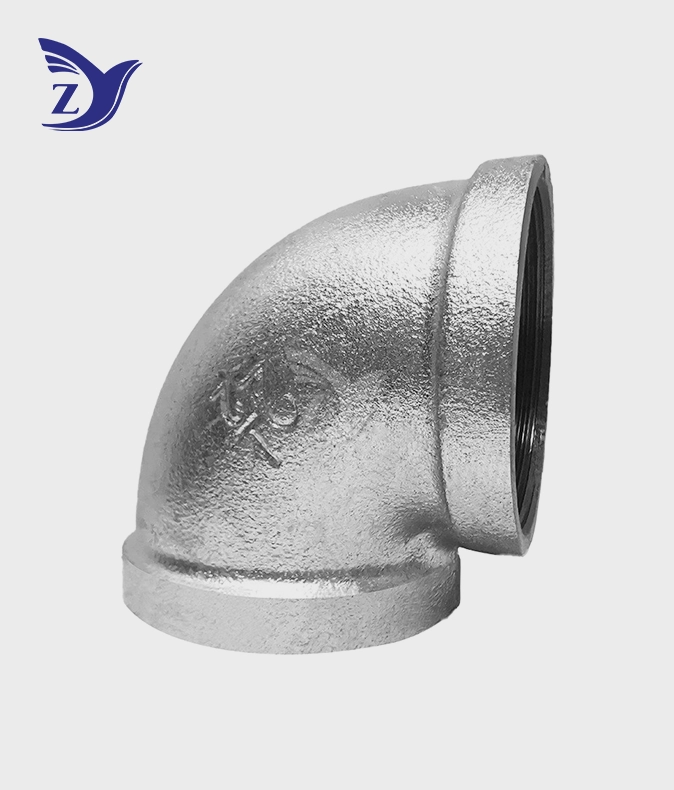
NPT Square Face Galvanized 90° Square Edge Elbow Pipe Fittings
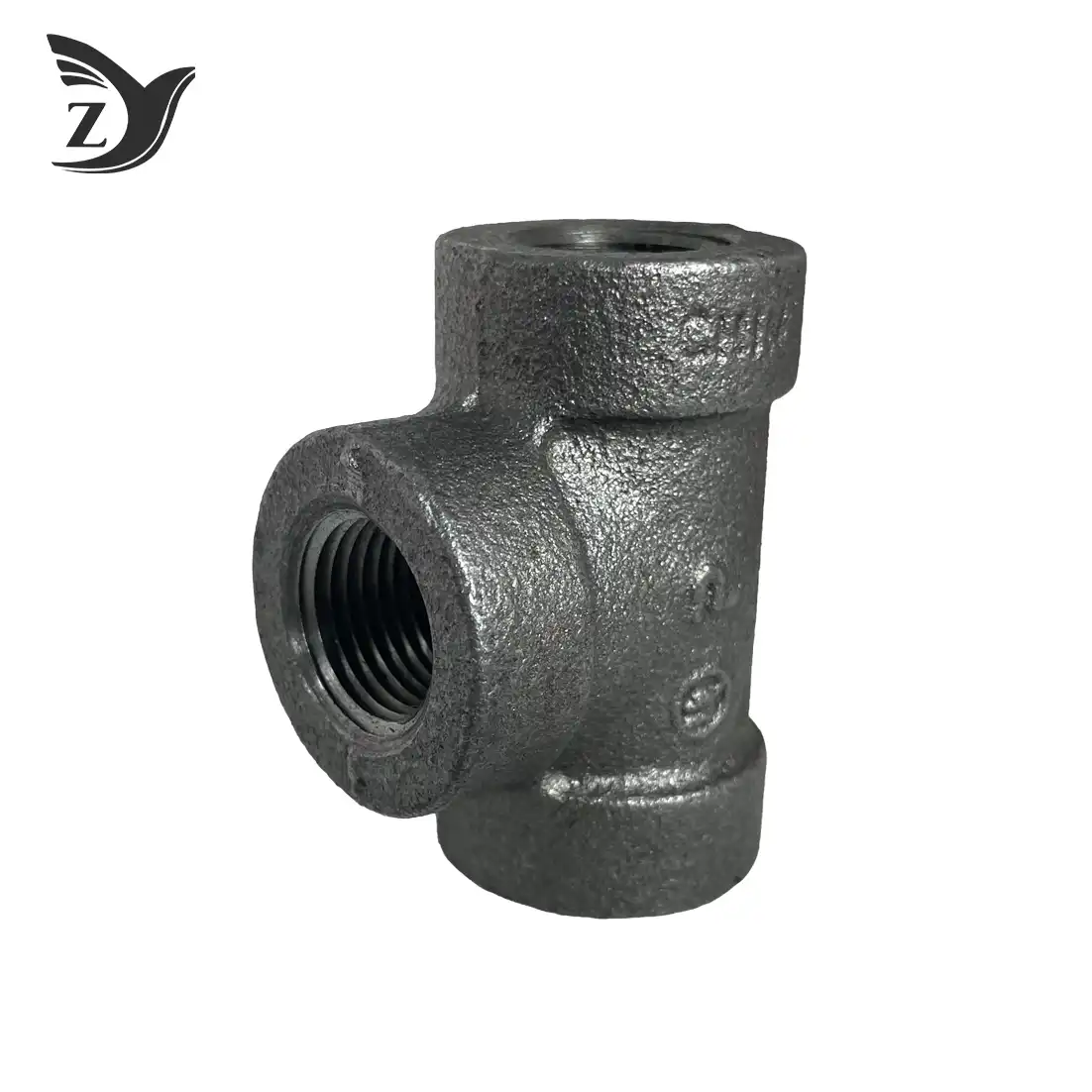
Black 300# Malleable Cast Iron Tee Pipe Fitting
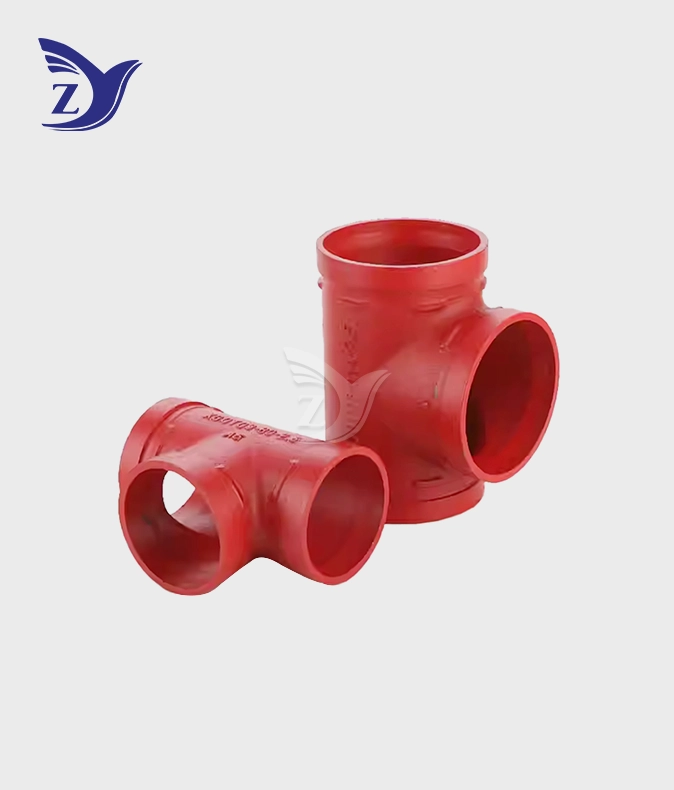
Fire Grooved Straight Tee
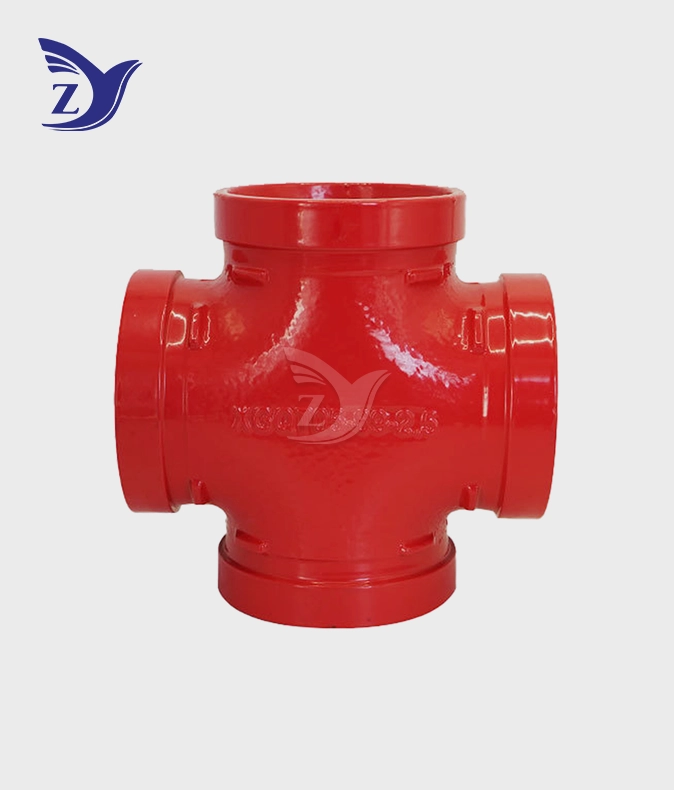
Fire Grooved Cross
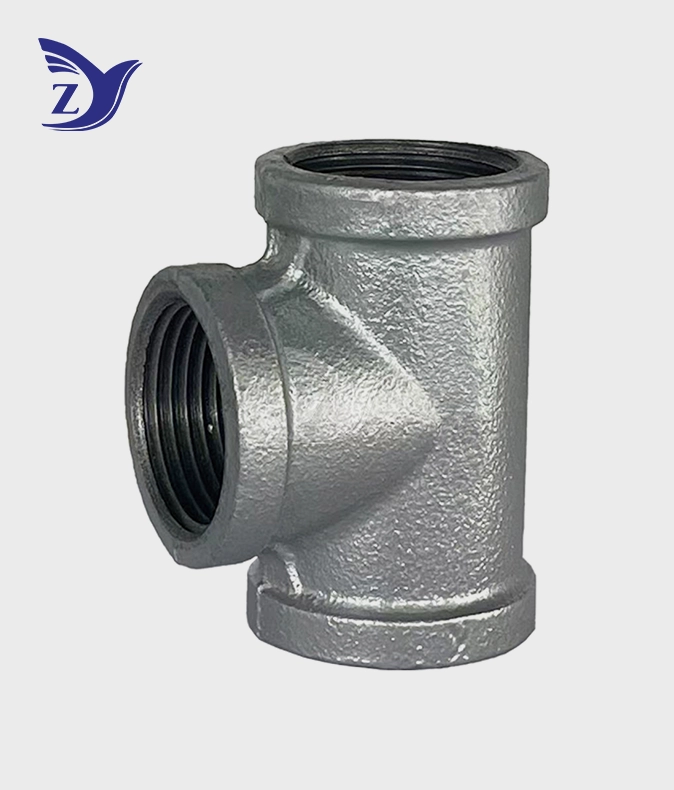
NPT Square Face Galvanized Square Edge Straight Tee Pipe Fittings
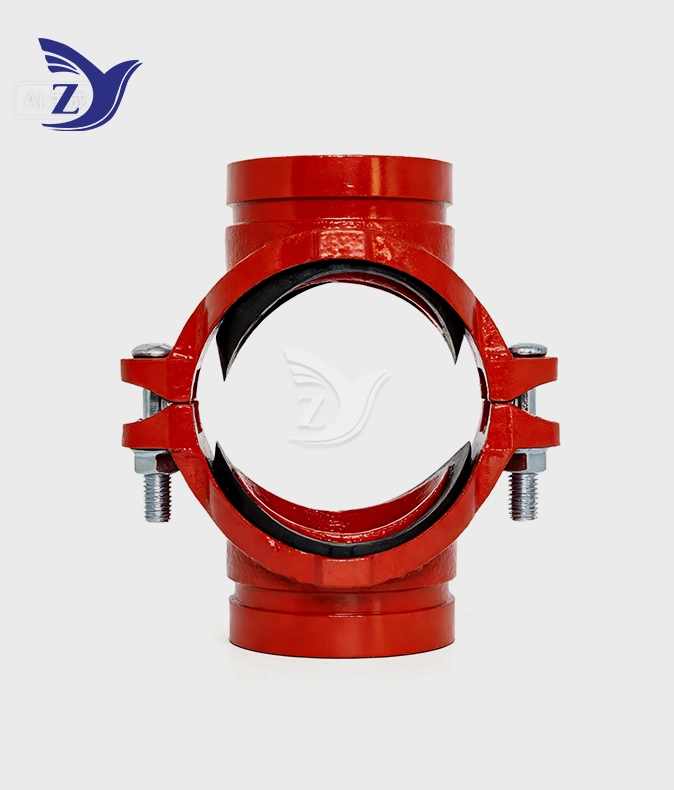
Threaded Mechanical Cross
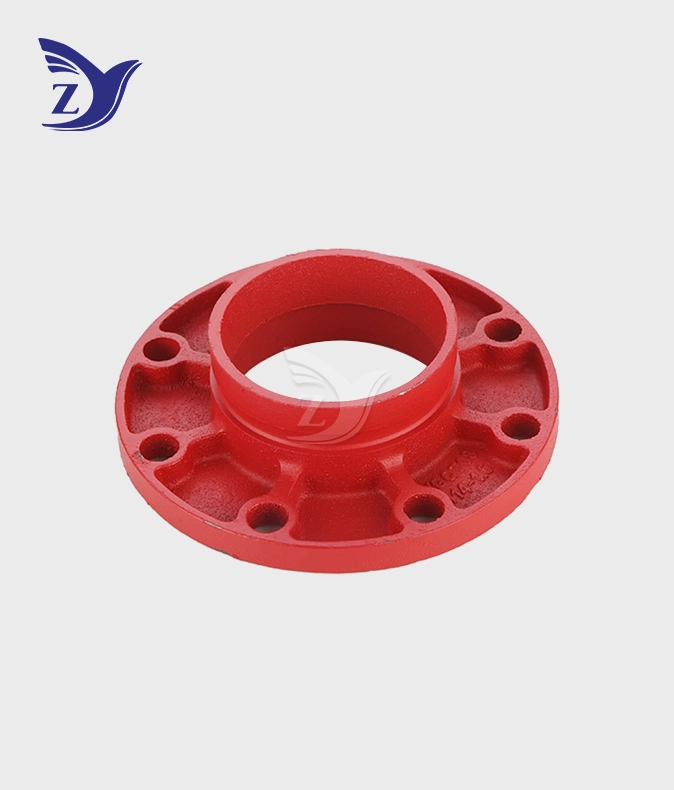
Fire Grooved Flange
Electro-galvanized full-thread pipe coupling