
Mar 25, 2026
Do you need to solder a galvanized pipe cap?
The answer is no; galvanized pipe cap pipe fittings should never be soldered. No soldering is necessary to form a tight, leak-proof seal with galvanized caps because of their NPT or BSPT threading systems. Applying heat to galvanized surfaces causes the zinc coating to degrade and generate noxious fumes, endangering both the safety of workers and the fitting's corrosion protection. For dependable sealing performance in industrial settings, these threaded caps should be installed correctly using pipe dope or Teflon tape.
Understanding Galvanized Pipe Caps and Fittings
The end closures for piping systems are galvanized pipe caps, which are made of pliable iron or steel and coated with zinc using hot-dip galvanization methods. With their increased resistance to corrosion, these caps are ideal for use as either permanent or temporary closures in pipeline systems that carry water, gas, or industrial fluids.
Material Composition and Manufacturing Standards
The high-grade malleable iron used to make modern galvanized pipe cap pipe fittings is in accordance with ASTM A197 standards, so it is very resistant to impact and has great ductility. By applying a zinc coating that is thicker than 70 microns, the hot-dip galvanization process forms a protective layer that prevents the underlying metal from rusting. The production process follows international standards such as ISO 9001 and is compatible with both the National Pipe Taper (NPT) and the British Standard Pipe Taper (BSPT) threading systems.
The precision-threaded design allows for metal-to-metal sealing without the need for further welding or soldering processes, thanks to the 1:16 taper ratio. Manufacturers in industrial areas that prioritize quality use stringent quality control procedures, making use of state-of-the-art casting workshops that are outfitted with medium frequency electric furnaces and galvanizing facilities that prioritize environmental protection.
Applications Across Industrial Sectors
In many industrial contexts, the integrity of the system depends on the quality of the pipe termination. Galvanized pipe cap pipe fittings are used by municipal water systems for stub-outs for future usage, so they may expand without damaging the current infrastructure. Galvanized caps are the go-to for sprinkler system terminations in the fire protection engineering industry. These caps are corrosion resistant, so you can trust them for both indoor and outdoor installations for years to come.
Galvanized coatings provide moisture resistance qualities that are useful in compressed air systems in factories because they stop internal rust from building up and contaminating pneumatic equipment. Threaded caps provide maintenance benefits over welded counterparts because to their detachable nature. This allows system improvements to be made without cutting procedures.
Installation Methods for Galvanized Pipe Caps: Is Soldering Necessary?
Threaded installation techniques are necessary for galvanized pipe cap pipe fittings, which reduce the requirement for soldering processes. These fittings are engineered with exact NPT or BSPT threading, which mechanically interferes between the thread roots and crests to generate pressure-tight seals.
Proper Threading Techniques
To start the installation process, make sure the threads on the pipe and the cap are clean by removing any debris or old sealing compounds. Installers use pipe dope or high-quality Teflon tape to seal the male threads, making sure there is an equal coating and no extra material that might contaminate the system.
In order to obtain the best possible sealing during the tightening process, it is necessary to apply the torque correctly so as not to overstress the malleable iron structure. Enough compression of the seal is usually achieved by hand-tightening and then turning with the proper pipe wrenches for one or two revolutions. While soldered connections are more permanent, this mechanical sealing method is more dependable and yet allows for easy removal for system maintenance.
Why Soldering Damages Galvanized Systems
Skilled contractors always avoid the many performance and safety risks that come with heating galvanized pipe cap pipe fittings. When heated at high temperatures, the zinc coating vapourizes, producing harmful vapors that may severely harm workers' respiratory systems. Furthermore, the galvanized coating is destroyed by heat damage, leaving the underlying steel vulnerable to rapid corrosion, which drastically shortens the service life.
Additionally, soldering's thermal expansion and contraction cycles may cause stress concentrations in malleable iron fittings, which can cause them to fracture or fail under operating pressures. In situations when heat cycling or vibration loads are present, modern threading systems outperform soldered junctions in terms of sealing performance.
Maintenance and Longevity of Galvanized Pipe Caps and Fittings
Galvanized pipe cap pipe fitting terminations provide a longer operating life and consistent system performance when properly maintained. Scheduling inspections at regular intervals helps find problems before they cause damage to the system or endanger users.
Inspection and Maintenance Protocols
Checking for corrosion or mechanical damage, as well as thread integrity and coating quality, should be the primary goals of visual examinations. Due to zinc coatings' sacrificial nature, little surface oxidation is usually an indication of proper protective function, not component failure. Nevertheless, in order to avoid system contamination, immediate action is necessary in the case of significant coating loss or exposure of the base metal.
Optimizing inventory management and minimizing system downtime may be achieved by maintenance teams documenting inspection results and replacement schedules. When compared to disposable alternatives, the reusable galvanized caps provide significant financial benefits, especially in massive industrial systems with hundreds of termination points that may need access on a regular basis.
Environmental Considerations and Performance Factors
Galvanized pipe cap pipe fittings are subjected to extra environmental challenges when used outside, such as ultraviolet radiation, temperature fluctuations, and air pollution. The exposure to salt spray makes coastal installations much more difficult, yet galvanized coatings, when placed correctly, provide great resilience to marine settings.
While chemical exposure is an issue in industrial process settings, the controlled atmosphere of an indoor application usually results in a longer service life. To guarantee optimum performance throughout the planned service life of a system, it is important to verify, during system design, if galvanized coatings are compatible with different delivered media.


Choosing and Procuring Galvanized Pipe Caps and Fittings for B2B Needs
Thoroughly assessing specifications, supplier capabilities, and needs for long-term support is crucial for the successful purchase of galvanized pipe components. Commercial purchasers need to check that the product complies with all regulations and standards before making a final decision based on the total cost of ownership.
Specification Requirements and Standards Compliance
To make sure everything fits and works as it should, project specs should spell out threading standards (NPT vs. BSPT), pressure ratings, and coating needs in detail. Class 300 fittings are suitable for applications involving greater pressures, whereas Class 150 fittings are capable of handling typical industrial pressures up to 300 PSI at room temperature.
Fire suppression systems often need UL or FM certifications, but municipal water systems could demand NSF compliance. Regional certifications, such as CE marking, may be necessary for international projects, which might impact the time it takes to pick suppliers and complete purchases.
Supplier Evaluation and Quality Assurance
The documented production methods, quality control procedures, and traceability systems of dependable suppliers show that their products consistently have high quality. Suppliers need to have sufficient inventory and manufacturing flexibility to satisfy delivery deadlines, which makes production capacity crucial for major projects.
For intricate projects that need non-standard dimensions or specs, the capacity to provide both standard and bespoke configurations is a valuable asset. Suppliers who provide installation instructions and technical assistance reduce project risks and expenses by ensuring appropriate execution.
Conclusion
To guarantee safe and successful installation methods, it is important to know that soldering galvanized pipe cap pipe fittings is unnecessary and possibly hazardous. The threaded components are designed to be easily removed for maintenance and expansion purposes, and they provide dependable sealing even when mechanical interference is present. In a wide variety of industrial settings, the performance and cost-effectiveness of systems over the long term depend on the careful selection, installation, and maintenance of galvanized caps.
Partner with Zhiyuan Malleable Steel for Superior Galvanized Pipe Solutions
Zhiyuan Malleable Steel delivers precision-engineered galvanized pipe cap pipe fittings manufactured to international standards with over 26 years of casting expertise. Our NPT/BSPT compatible caps feature hot-dipped galvanized coatings and precision threading for reliable industrial performance. With 30,000-ton annual capacity and comprehensive certifications including ISO 9001, CE, UL, and FM approvals, we serve as your trusted galvanized pipe cap pipe fittings supplier for projects requiring quality assurance and timely delivery. Contact our technical team at q1236800000@gmail.com to discuss your specifications and experience our commitment to manufacturing excellence.
FAQ
Do galvanized pipe caps require soldering for proper installation?
No, galvanized pipe caps never require soldering. These fittings use NPT or BSPT threading systems with sealing compounds to create leak-proof connections. Soldering damages the protective zinc coating and releases toxic fumes.
Can galvanized caps be reused after removal?
Yes, galvanized caps can often be reused if carefully removed and inspected for thread damage or coating deterioration. Proper removal techniques and thread cleaning ensure reliable reinstallation performance.
What sealing materials work best with galvanized pipe caps?
Pipe dope or high-quality Teflon tape provides optimal sealing performance with galvanized threads. These materials fill minor thread imperfections while allowing proper torque application without galling.
How do galvanized caps compare to stainless steel alternatives?
Galvanized pipe cap pipe fittings offer excellent cost-effectiveness with good corrosion resistance, while stainless steel provides superior chemical compatibility at higher initial costs. Application requirements determine the optimal material choice.
What pressure ratings apply to standard galvanized pipe caps?
Class 150 galvanized caps typically handle 300 PSI at ambient temperatures and 150 PSI at elevated temperatures. Class 300 options accommodate higher pressure applications up to 600 PSI depending on temperature conditions.
References
1. American Society for Testing and Materials. "Standard Specification for Malleable Iron Castings." ASTM A197/A197M-15, 2015.
2. British Standards Institution. "Pipe Threads for Tubes and Fittings Where Pressure-tight Joints Are Made on the Threads." BS EN ISO 7-1:2013.
3. National Institute for Standards and Technology. "Safety Guidelines for Hot-Dip Galvanizing Operations." NIST Technical Publication 1800-23, 2019.
4. International Organization for Standardization. "Galvanized Coatings on Iron and Steel - Requirements and Test Methods." ISO 1461:2009.
5. American National Standards Institute. "Pipe Threads, General Purpose (Inch)." ANSI/ASME B1.20.1-2013.
6. Occupational Safety and Health Administration. "Zinc Oxide Exposure Limits in Industrial Applications." OSHA Technical Manual Section IV, Chapter 2, 2018.
Online Message
YOU MAY LIKE
High quality furniture manufacturer
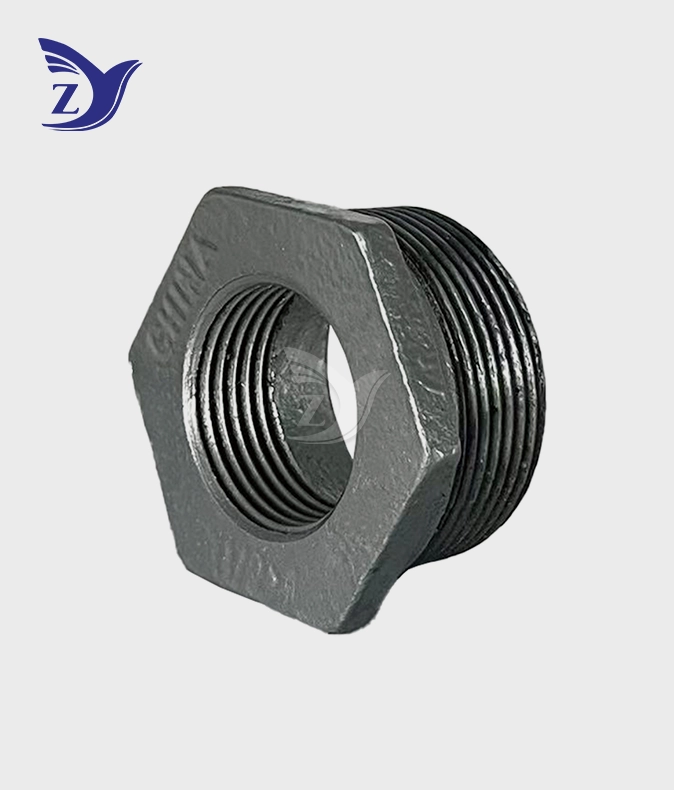
NPT Galvanized Bushing Pipe Fittings
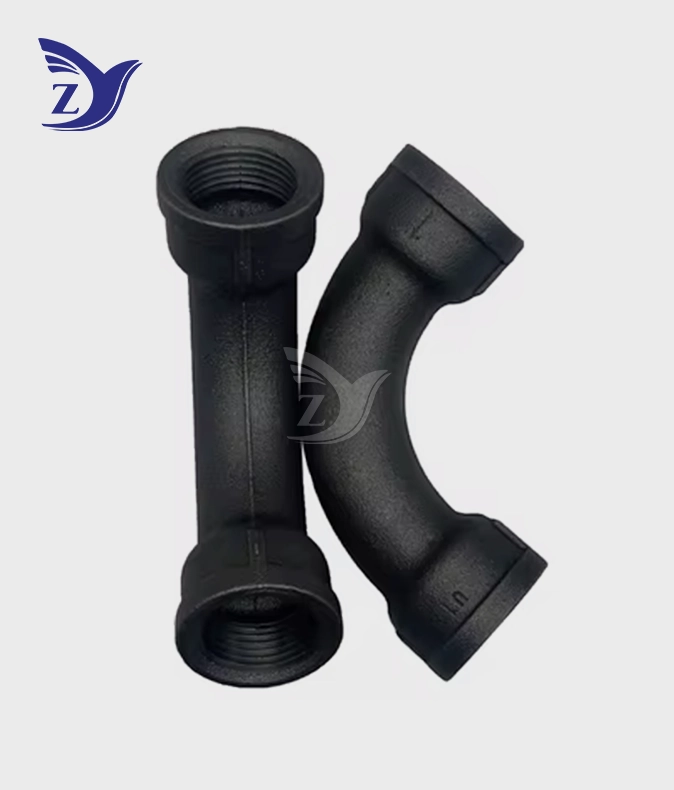
BSPT Black FxF 90° Long Bend Malleable Iron Pipe FittingsFittings
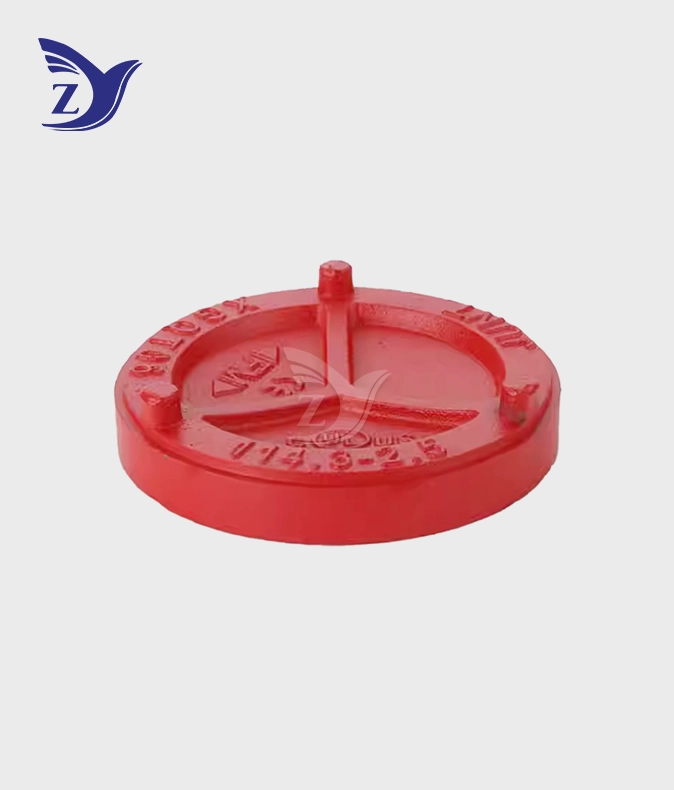
Fire Grooved Blind Flange
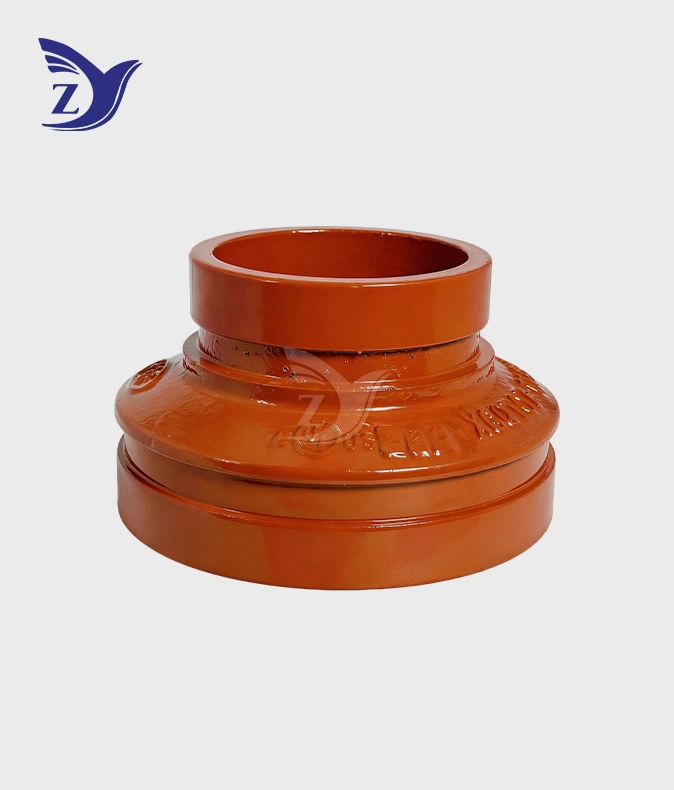
Fire Grooved Reducer
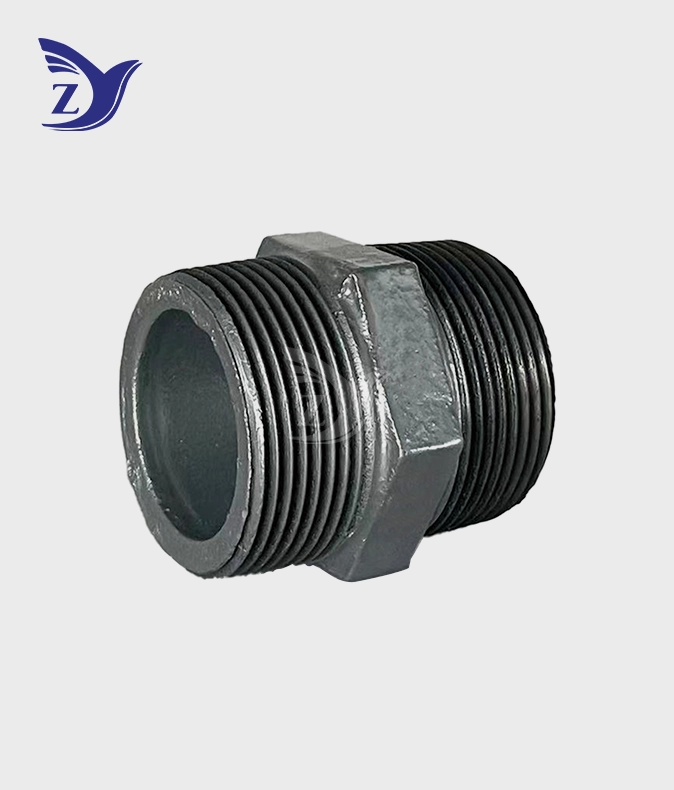
NPT Galvanized Male Nipple Pipe Fittings
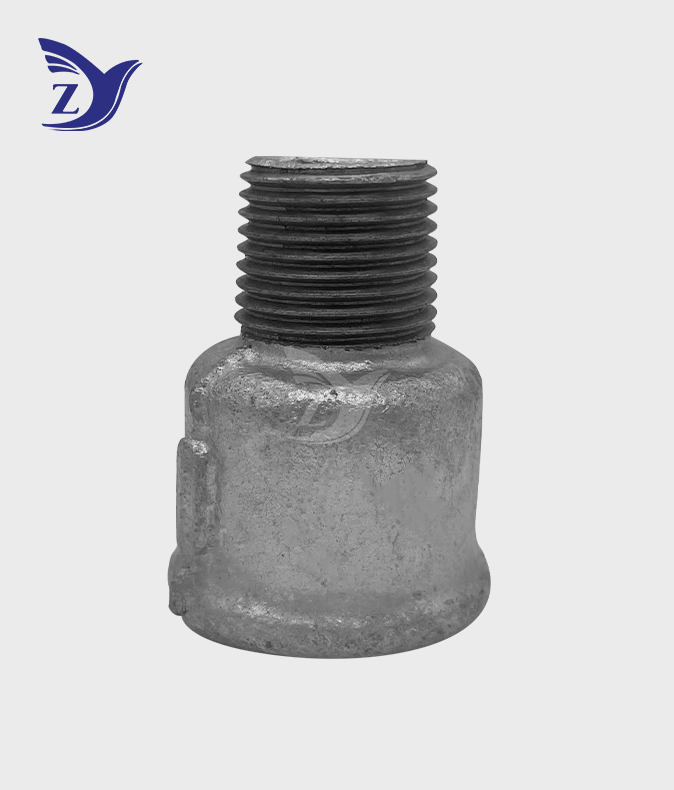
Beaded Galvanized BSPT Round Edge Male-Female Reducing Coupling
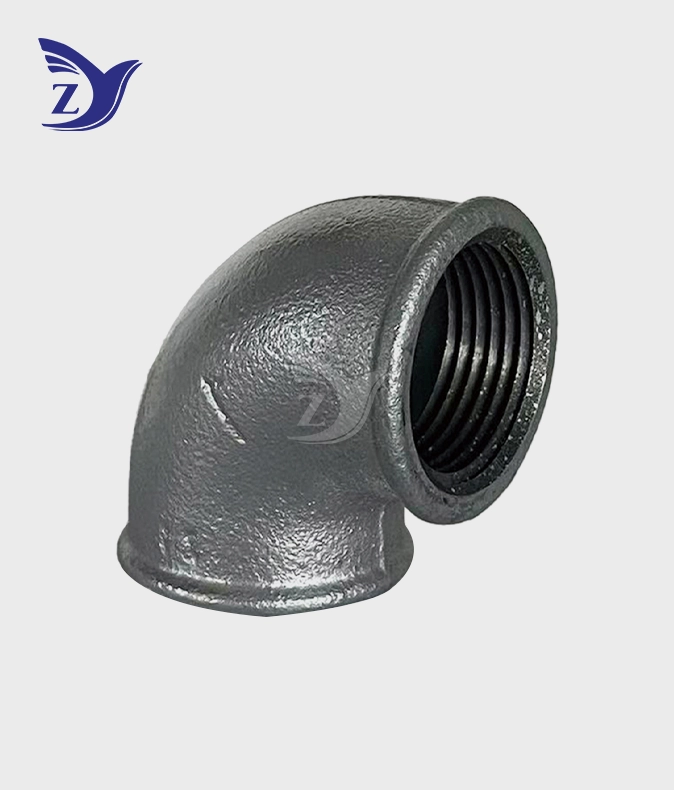
Hot-Dip Galvanized Round Edge BSPT 90° Elbow
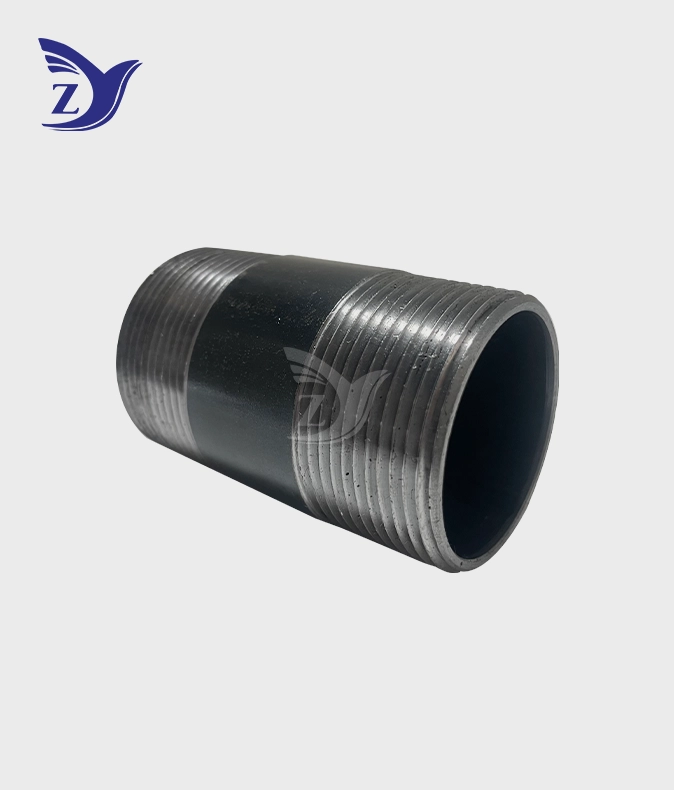
Double Male Thread Oil Tubing