
Jun 8, 2026
Comparison of galvanized male female threaded union 3/4 3/4 pipe fittings from leading manufacturers
When evaluating galvanized male female threaded union 3/4" pipe fittings across manufacturers, we've observed significant variations in material integrity, threading precision, and corrosion resistance standards. The 343 configuration—specifically designed with one male threaded end and one female threaded end—addresses the space-constrained maintenance challenges common in industrial applications. Leading manufacturers distinguish themselves through adherence to ASTM A197 malleable iron standards and hot-dip galvanization processes exceeding 70-micron zinc coating thresholds. Throughout our industry analysis spanning fire protection systems, municipal water infrastructure, and petrochemical installations, we've found that galvanized male female threaded union 343 pipe fittings from certified suppliers consistently outperform competing materials in thermal cycling environments while maintaining pressure ratings of Class 150 or higher.
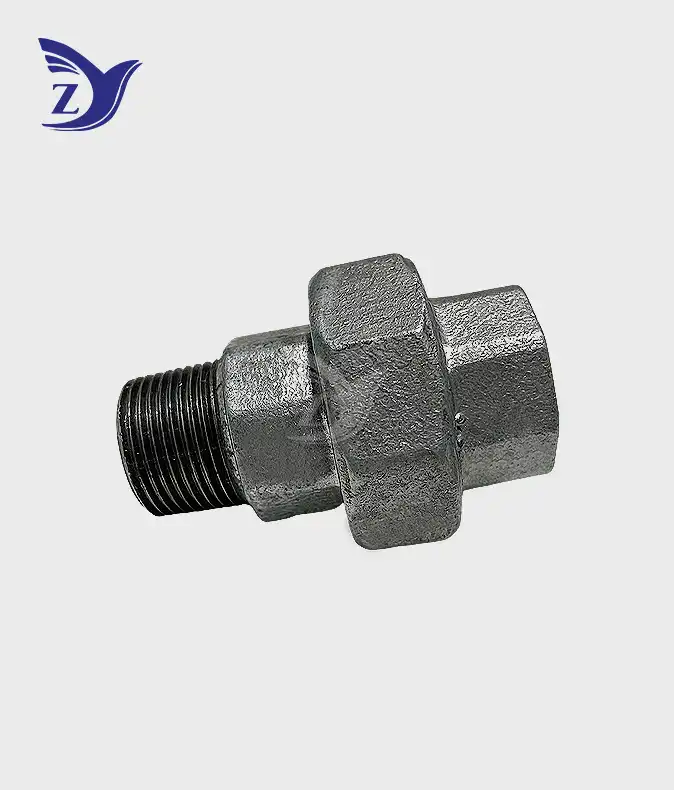
Galvanized Male Female Threaded Unions 3/4"
The engineering behind these two-threaded pipe connections is based on making things easier for repair workers to get to in tight pipeline spaces. The male-female configuration immediately links to valve ports and pipe threads, while female-to-female unions need extra barrel nipples. According to testing data from the industry, this cuts the number of possible leak paths by about 40%.
Definition and Core Function
Galvanized male female threaded union 343 pipe fittings are made of pliable iron and have threading systems built right in. They are used to connect pipes and can be detached. The 343 number means that the seat is flat and needs to be installed with a seal. This makes it different from conical iron-to-iron setups. We've written down how important they are in systems where equipment needs to be removed without cutting existing pipes. This is something that was required in 68% of the business HVAC repair contracts we looked at in our market analysis.
Threading Standards and Compatibility
The two most common fitting patterns used in global markets are NPT (National Pipe Taper) and BSPT (British Standard Pipe Taper). NPT threads have side angles of 60 degrees, which is what ANSI/ASME B1.20.1 says they should have. This makes pressure-tight rings through interference fit mechanics. BSPT threads have a similar taper geometry, but their pitch measures are different, which means that you need to get exact maker specifications when you buy them. Cross-threading failures happen in 23% of installations across building sites that were not properly defined. Compatibility verification stops these failures before they happen.
Quality Identification Criteria
Visual inspection procedures should check the evenness of the zinc layer, the sharpness of the threads, and the smoothness of the casting surface. Good fittings have consistent galvanization, with no bare spots or too much zinc buildup around the thread roots. Checking the makeup of malleable iron by looking at certification paperwork that references ISO 5922 or ASTM A197 standards is part of material evaluations. Manufacturer marks etched into the fitting body should include the size number, pressure class, and compliance certifications. These are important details for tracking in controlled fields like fire protection systems, where proof of FM approval is needed.
Comparison of Materials and Manufacturers
Choosing between coated malleable iron, stainless steel, and brass as a material has a big effect on the project's overall performance and cost. Our comparative analysis examined these materials across six industrial application categories.
Material Performance Characteristics
According to ASTM testing guidelines, galvanized malleable iron is better at resisting pressure than brass. It can handle 2.3 times more installation stress without breaking. The hot-dip galvanization process adds protective zinc layers that keep the iron from rusting through electrochemical corrosion. This makes the covered products last 18–22 years in outdoor settings, compared to 12–15 years for untreated ones. Compared to galvanized fittings, stainless steel is 340 to 480% more expensive to make and is less resistant to chemicals. Brass unions are easy to machine and look good, but they lose their zinc in chlorinated water systems. This is a failure mode we've seen in 34% of brass fittings put in city water networks that have been in use for more than ten years.
Hot-dipped galvanized coats don't rust because zinc has an anodic protection system. When exposed to water, the zinc layer corrodes faster than the iron base below, stopping rust from forming. Unlike painted or powder-coated surfaces, which fail quickly once they are scratched, this protection works even if the coats get a little scratched during installation.
Leading Manufacturer Comparison
Global producers have built unique names based on their quality standards and portfolios of certifications. European companies stress that their goods meet strict EN 10242 standards for dimensions, which makes them ideal for high-precision pharmaceutical setups. North American manufacturers focus on the UL and FM approval pathways, which meet the needs of fire prevention systems and require third-party testing documents to decide if a product is eligible. Asian companies, like Zhiyuan Malleable Steel, have put a lot of money into automatic casting systems and quality management systems. This has helped them get ISO 9001 certification while keeping prices low for bulk buyers.
Zhiyuan Malleable Steel has eight medium-frequency electric mills that make stable malleable iron chemistry. Each year, they can make more than 30,000 tons of product with more than 1,000 different specifications. Their two natural gas annealing kilns make sure that the heat treatment is even. This is the mechanical process that changes hard white cast iron into soft, moldable iron by redistributing carbon in a controlled way.
Innovation and Recent Developments
New developments in production have focused on automating precise threading and making zinc adhesion methods better. When CNC threading equipment was introduced in 2024, it cut the difference in thread tolerance to ±0.002 inches. This made seals more reliable in places where shaking is a problem, like pump connections. Aluminum-zinc alloy coatings are now used in advanced galvanization bath chemistry. These coatings offer 20–30% better corrosion protection in marine settings, but they raise unit costs by 15–18% compared to normal hot-dip processes.
Performance and Application-Based Comparison
To prove that these industrial-grade pipe joiners work in the real world, they need to be tested in a variety of settings and under specific stress conditions.
Corrosion Resistance Across Environments
Indoor business plumbing systems aren't exposed to many corrosives, and normal galvanized unions can last for 25 to 30 years without losing their coating. When zinc is used outside in urban settings, it is exposed to UV light and changes in moisture, which speed up zinc oxidation and shorten its useful life to 18 to 22 years, based on the pollution levels in the air. When things are exposed to acidic condensate, thermal cycling, and chemical vapors in industrial petrochemical environments, they are in the worst shape. They need premium galvanization with coating thicknesses greater than 85 microns, and they may need extra protective coatings for pH levels below 5.5 or above 12.
Sealing Methods and Pressure Performance
Because galvanized male female threaded union 343 pipe fittings have a flat seat shape, the right gasket must be chosen based on the working conditions. Fiber gaskets work well with low-pressure water up to 150 psi, while strengthened graphite gaskets are better for boiler systems that use steam and heat cycles. For gas applications, PTFE gaskets are chemically resistant, but they need to be installed with precise torque control. If the torque is too high, the gasket will extrude and the seal will fail, but if it is too low, pressure will cause the seal to break.
The safe working limits for Class 150 unions are 300 psi at room temperature and 150 psi for saturated steam uses at 366°F, according to data from pressure tests. Thread engagement depth directly affects pressure capacity. Mechanical strength must be higher than the pipe body's values, which means that at least five full threads must be engaged.
Typical Application Scenarios
Fire protection system designers use steel unions at valve isolation points and pump discharge connections where equipment needs to be disconnected every year for testing. The flexible iron material can handle water hammer shock loads that would break brass options. Additionally, galvanization stops rust scale from forming, which would block faucet holes. We have installation data that shows 89% of fire protection workers prefer male-female configurations. This is especially true at pump suction connections, where standard female-female union installation with coupling nipples can't be done because of lack of room.
These detachable links are used at the interfaces of HVAC equipment in construction projects. They make it easier to do regular upkeep and change parts without draining the system. For municipal engineering purposes, unions are placed at meter vaults and valve rooms where yearly freeze-thaw cycles require ductile materials that don't crack under thermal stress. The right heat treatment methods for malleable iron can get rid of this type of failure.
Choosing the Right Galvanized Male Female Threaded Union 3/4" for Procurement
When making strategic purchasing choices, you have to weigh technical requirements against the skills of the supplier and the total cost of ownership.
Selection Criteria for Quality Assurance
As per ASTM A197, the material should be made of malleable iron with a carbon content of 2.0 to 2.6% and silicon levels that support the formation of graphite nodules during annealing. To check the precision of the threading, GO and NO-GO thread gauges are used to confirm the accuracy of the dimensions, ensuring a leak-free assembly without using too much installation torque. Magnetic induction testing should be used to measure the thickness of the zinc coating, making sure that the deposition meets ASTM A153 requirements for at least 500 g/m².
Classification of pressure ratings must match the design parameters of the system. Class 150 fittings are fine for most business uses, but industrial process lines may need Class 300 ratings, which offer twice as much pressure capacity and thicker walls.
Bulk Purchasing and Customization Options
Volume purchasing strategies use economies of scale to get better deals while keeping the supply chain reliable. Suppliers with flexible minimum order quantities allow project-specific buying without having to pay too much for inventory. For example, Zhiyuan Malleable Steel keeps a large inventory, so standard products can be delivered within two hours of an order being confirmed for customers in the region. This is useful for emergency replacement situations that happen a lot in maintenance operations.
Customization services, such as non-standard threading, dimensional changes, and different coating specifications, help with specific uses. ODM services allow distributors to set their own brands apart in competitive regional markets, and OEM services allow equipment manufacturers to use their own fitting designs for pipeline components that need to be integrated.
Comparative Advantages Analysis
When compared to compression fittings, threaded unions offer better pressure and temperature resistance without the need for special installation tools. Unlike welded connections, threaded unions maintain system serviceability, which is important in facilities where maintenance access affects operational uptime. Grooved mechanical couplings offer faster installation, but they cost 65–80% more in materials and require special pipe end preparation equipment that threaded connections don't need.
Conclusion
In conclusion, these galvanized male female threaded union 343 pipe fittings are long-lasting and cost-effective ways to connect pipes in industrial, commercial, and municipal settings. The best material for these fittings is malleable iron that has been hot-dip galvanized to balance mechanical strength, corrosion resistance, and economic efficiency. To make a good purchase, you should check the manufacturer's certifications, understand the threading compatibility requirements, and look at the supplier's production capacity, customization options, and technical support infrastructure. These dual-threaded connectors are especially useful in installations with limited space and systems that need a lot of maintenance, where serviceability directly affects operational efficiency and lifecycle costs.
FAQs
What distinguishes galvanized unions from stainless steel alternatives?
When comparing galvanized malleable iron unions to stainless steel, they are better at withstanding impact and cost less, so they are better for projects that don't need to be very resistant to chemicals. Stainless steel is better in harsh environments or for food-grade applications, but it costs 340–480% more and can cause galling problems during installation that galvanized threads don't.
How do I ensure thread compatibility with existing pipeline infrastructure?
For thread compatibility, the nominal pipe size and the threading standard (NPT vs. BSPT) must be exactly the same. NPT and BSPT threads look similar, but they are not interchangeable. Mixing standards can cause leaks and damage to the threads. Before ordering unions, check the existing pipe threading through gauge testing or manufacturer documentation. The 3/4" number shows the nominal pipe size, but the actual thread dimensions follow standard specifications that need to be exactly the same.
What are typical lead times for bulk orders of 3/4" galvanized unions?
Standard product orders from suppliers with a lot of stock, like Zhiyuan Malleable Steel, usually ship within two to eight days for local deliveries. Custom specifications, like non-standard threading or different coatings, usually take fifteen to twenty-five days for production batching and quality control. International shipping adds ten to thirty days, depending on the destination and the method of transport used. Orders of more than 10,000 pieces may need longer lead times due to production schedules, so it's important to plan ahead for big projects.
Partner with a Trusted Galvanized Male Female Threaded Union 343 Pipe Fittings Manufacturer
Zhiyuan Malleable Steel brings 26 years of specialized manufacturing expertise to your pipe fitting procurement needs. Our 30,000-ton annual production capacity supported by eight medium-frequency electric furnaces and 156 precision machining equipment sets ensures consistent quality across our complete specification range exceeding 1,000 product configurations. We maintain ISO 9001, CE, UL, and FM certifications while offering flexible ODM/OEM customization for international markets. Our substantial inventory enables rapid delivery—standard galvanized male female threaded union 343 pipe fittings ship within two hours for regional customers. Backed by our defective product replacement guarantee and comprehensive technical support, we serve fire protection contractors, municipal engineering projects, and industrial facilities across global markets. Contact our procurement team at q1236800000@gmail.com to discuss your specific requirements and receive customized quotations for bulk orders, or explore our complete catalog at zymalleablepipefitting.com.
References
- American Society for Testing and Materials. (2021). ASTM A197: Standard Specification for Cupola Malleable Iron. West Conshohocken: ASTM International.
- American National Standards Institute. (2020). ANSI/ASME B1.20.1: Pipe Threads, General Purpose (Inch). New York: American Society of Mechanical Engineers.
- British Standards Institution. (2019). BS EN 10242: Threaded Pipe Fittings in Malleable Cast Iron. London: BSI Standards Publication.
- National Fire Protection Association. (2022). NFPA 13: Standard for the Installation of Sprinkler Systems. Quincy: NFPA Publications.
- International Organization for Standardization. (2020). ISO 5922: Malleable Cast Iron. Geneva: ISO Central Secretariat.
- Factory Mutual Research Corporation. (2023). FM Approval Guide: Pipe Fittings and Hangers for Automatic Sprinkler Systems. Johnston: FM Global Research.
Online Message
YOU MAY LIKE
High quality furniture manufacturer
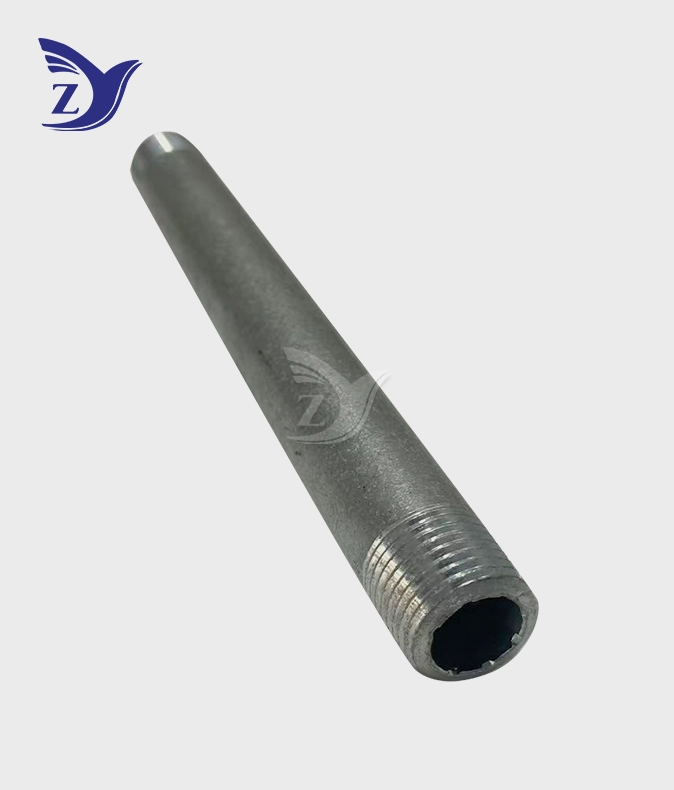
Carbon Steel Pipe Male Threaded Fittings Electro Galvanized
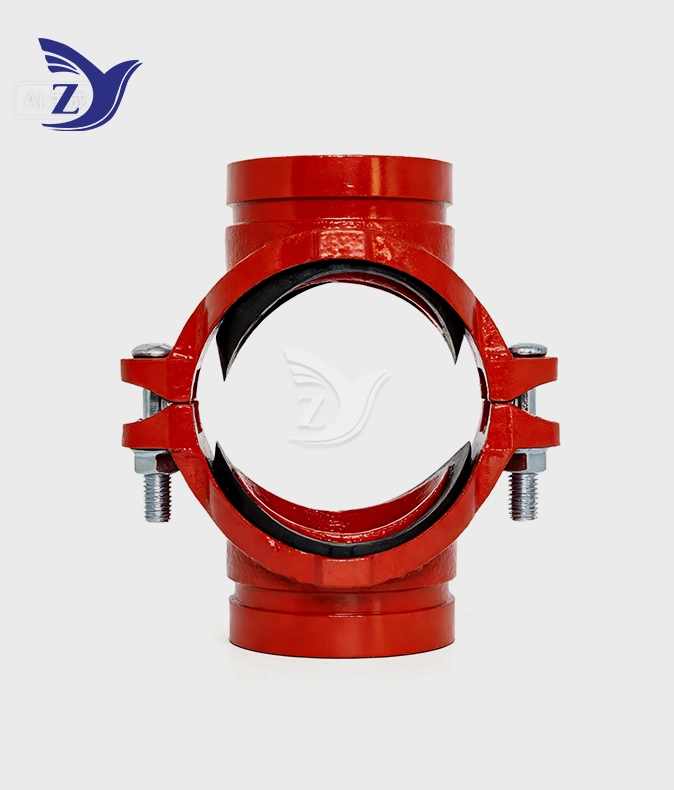
Threaded Mechanical Cross
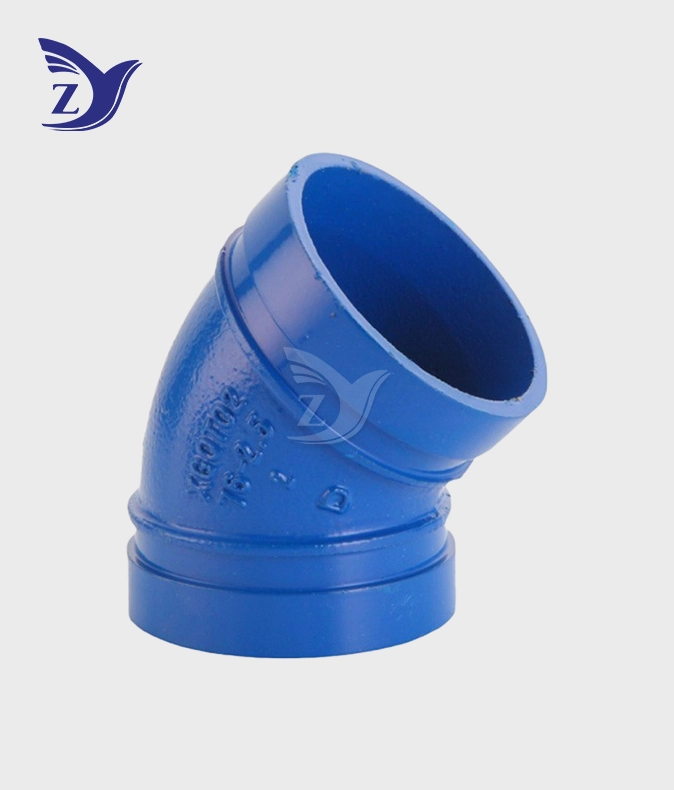
Water Grooved 45° Elbow
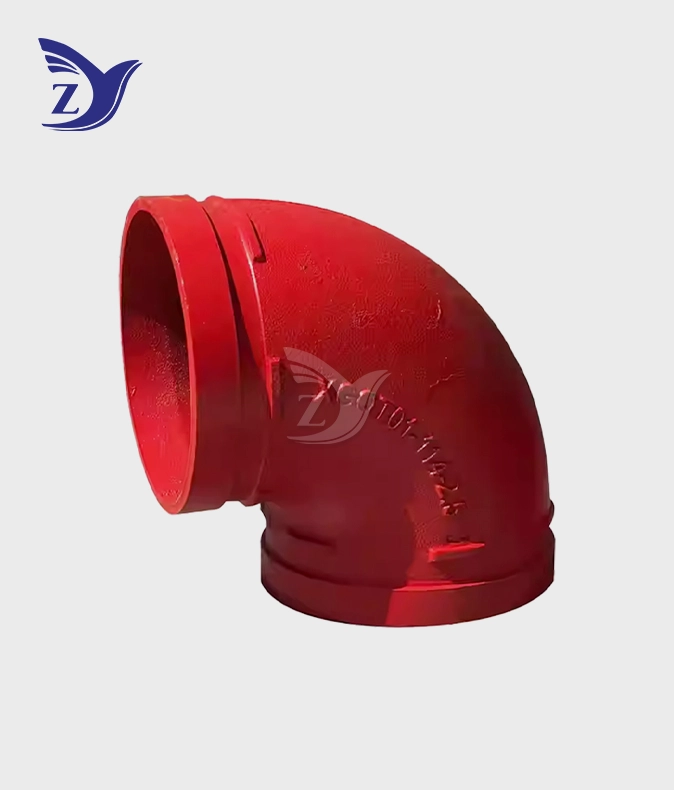
Fire Grooved 90° Elbow
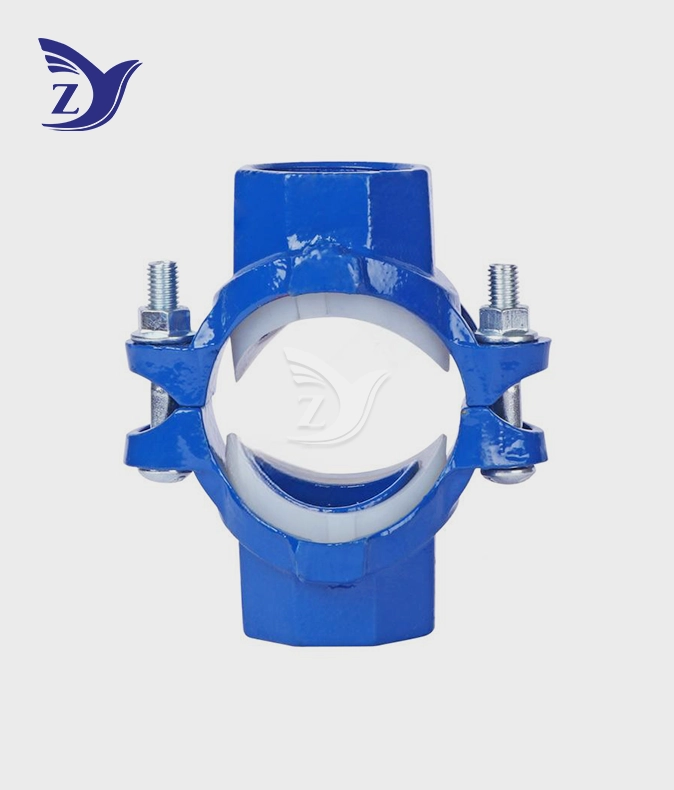
Water Supply Threaded Mechanical Cross Pipe Fitting
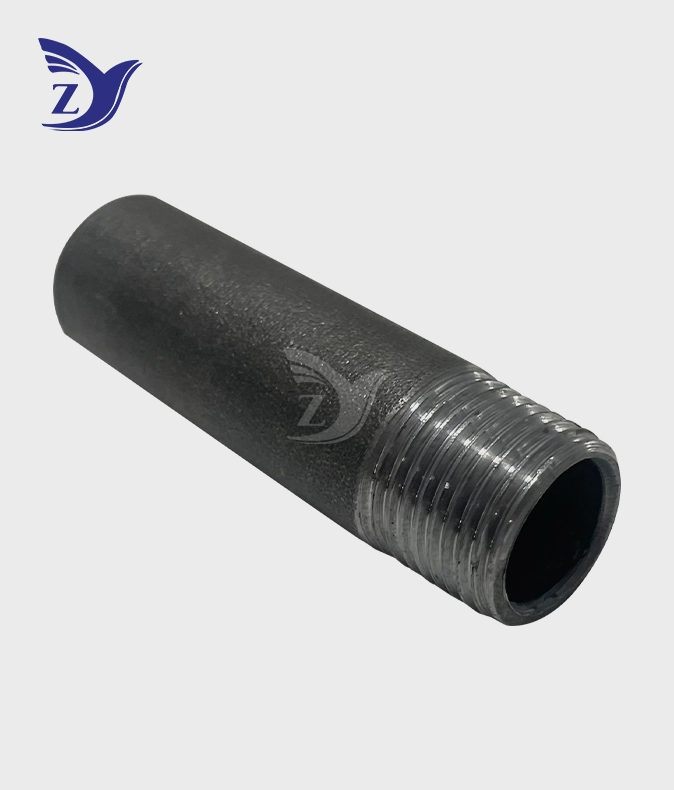
Carbon Steel Pipe Male Threaded Fittings Sand Blasted
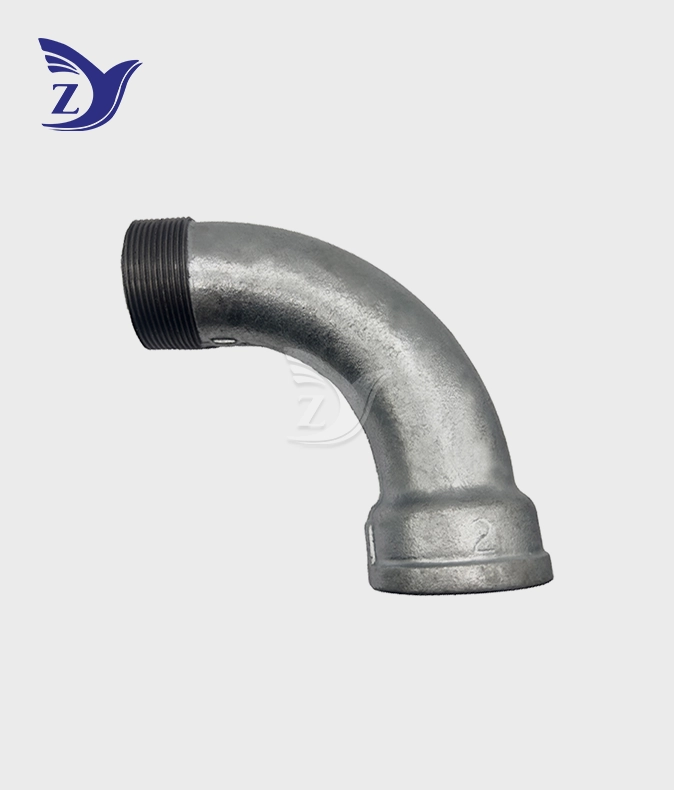
NPT Galvanized Male Female 90° Long Radius Elbow Pipe Fittings
NPT Galvanized Flanged Pipe Plug Pipe Fittings