
Jul 1, 2026
Common Variations of BSPT Elbow
If you're looking for threaded pipe fittings for industrial projects, knowing all of your choices can mean the difference between a system that works perfectly and one that needs constant upkeep. BSPT round face galvanized round edge 90° elbow pipe fittings are just one style of a larger family of BSPT elbows. There are different angles, surface treatments, material grades, and edge reinforcement designs for each of these fittings. Each is made to fit a certain pressure level, climate, and mounting needs. When you're choosing parts for fire control systems, local water networks, or petrochemical plants, knowing about these differences will help you find the right fitting for the job.
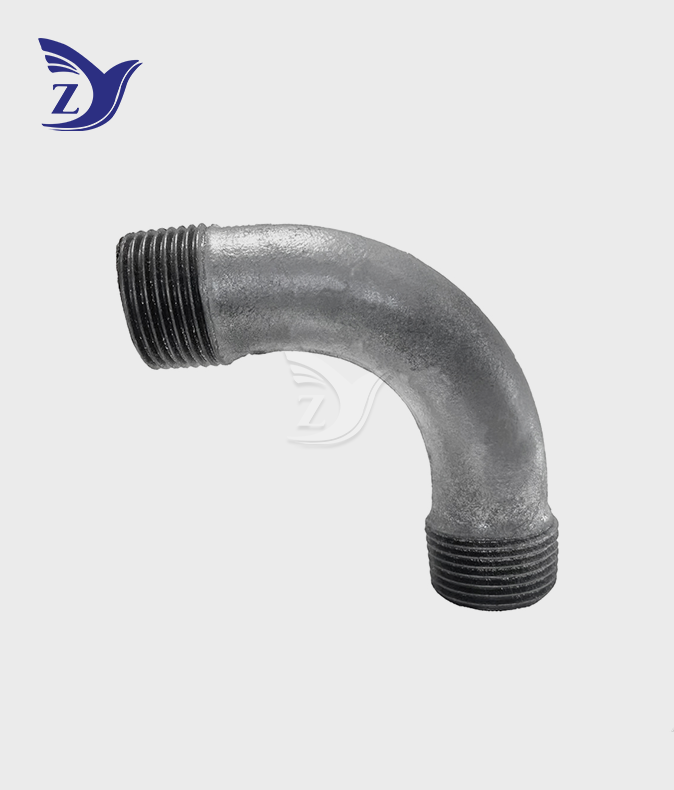
BSPT Elbow Fittings: Types, Materials, and Dimensions
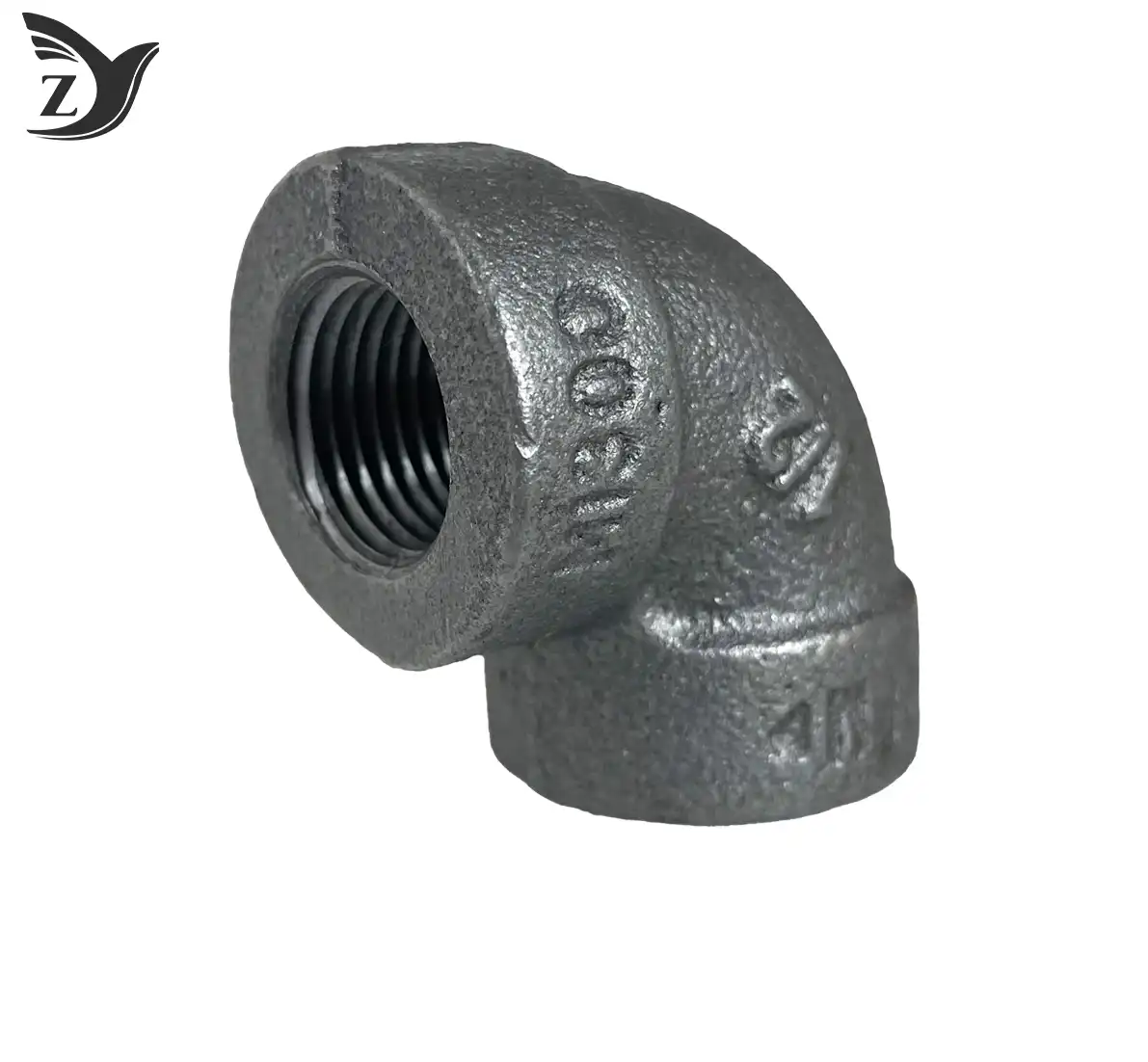
The BSPT elbow is a directional connection that is based on the British Standard Pipe Taper thread system. This threading standard has a flank angle of 55 degrees and a taper ratio of 1:16. Instead of using gaskets or O-rings, thread interference creates a metal-to-metal seal. The round face design, which is also known as a beaded edge, makes the female thread hole stronger by adding a collar around the edge. This structural improvement avoids radial expansion forces during assembly and makes the hoop stronger than options with a plain face.
Material Options and Their Performance Characteristics
Conforming to ASTM A197 or EN 1562 standards, black heart malleable iron is still the most popular choice for heavy-duty uses. This material is very flexible and very resistant to shock, which is very important for systems that are vibrating or changing temperatures. When BSPT round face galvanized round edge 90° elbow pipe fittings are made at places like Zhiyuan Malleable Steel's production lines in Taigu, Shanxi, they go through controlled heating processes in natural gas kilns to get the exact microstructure they need to be reliable.
Stainless steel types are better at withstanding chemicals in harsh settings where galvanic rusting is a risk. For certain uses, brass parts are needed because they don't spark and are easier to machine for unique changes. Which of these materials to use relies on things like the chemistry of the fluid, the temperature ranges that they can handle, and the total cost of ownership over their whole time.
Thread Identification and Dimensional Standards
Mismatches during installation can be very expensive if you don't correctly spot BSPT threads. The tapered shape makes BSPT threads different from parallel BSPP threads, which need extra closing parts. When compared to NPT threads, which are popular in North America, BSPT threads have a slightly different angle and pitch. This means that they can't be used with NPT threads without adapters.
The sizes given are based on ISO 7-1 standards, and range from 1/8 inch to 6 inches in nominal diameter. Specifications for wall thickness depend on the pressure class. For example, Class 150 fittings can handle 25 Bar at room temperature. The length of the thread contact directly affects the stability of the seal. For leak-proof performance, there should usually be at least four full threads. When coordinating specifications across international projects where different standards may exist at the same time, these technical factors become very important to know.
BSPT Round Face vs Other Elbow Fitting Types: Head-to-Head Comparison
You need to know how different styles work in real life in order to choose the best elbow layout. This study looks at the main differences that affect choices about what to buy and how long a system will last.
Thread Profile and Sealing Mechanism Differences
The interference fit of the tapered threads in BSPT fittings makes pressure-tight seals that get tighter as the assembly force rises. NPT threads work in a way that is similar to metric threads, but their different sizes make them incompatible. BSPP threads, on the other hand, use dowty washers or bonded covers that are rubbed against a parallel thread face.
The round edge BSPT design works great in places where water hammer or pressure spikes are likely to happen. For example, when fire sprinkler networks are turned on, the reinforced collar keeps the fittings from breaking, which could happen with plain-faced fittings under the same stress circumstances. Testing from setups in industrial plumbing systems shows that failure rates are up to 40% lower when normal configurations are swapped out for round edge fittings in places where vibrations are common.
Surface Treatment Comparisons
Active cathodic protection is provided by hot-dip galvanization, which uses a zinc covering that is usually thicker than 500g/m², or about 70 micrometers. This electrochemical barrier gives up its own life to keep the base metal from rusting. This makes outdoor projects that are open to moisture and temperature changes last longer. Other methods, like electroplating, provide thinner protection that works well in controlled indoor settings but doesn't last as long as needed for tough circumstances.
When you look at the total cost of ownership, BSPT round face galvanized round edge 90° elbow pipe fittings bends have big benefits. Buying these fittings may cost 15-20% more at first than plain black ones, but they will save you money in the long run because they won't break down as often and won't need as much labor to repair them. This investment in better surface protection is especially helpful for systems that are placed near the coast or in industrial settings with acidic waste.
Applications and Industry Use Cases of BSPT Galvanized Round Edge 90° Elbow Fittings
Fire Protection and Safety Systems
Round edge fittings that are compatible with NPT and BSPT are used in wet pipe sprinkler systems to keep the water flow steady throughout the distribution networks. The round face design can handle pressure spikes that happen when valves open quickly and send hydraulic shock waves through the system or during a real fire. Galvanized sides stop rust from forming on the inside, which could block sprinkler heads or mess up flow estimates during an emergency.
Installation case studies from business building projects show that the system is reliable for more than 25 years with little upkeep if the right round edge configurations are chosen. This record of performance backs up plans for life safety systems where failure could lead to property damage or even death.
Municipal Infrastructure and Utility Networks
Corrosion-resistant industrial water pipeline relocation components are used all over the infrastructure of water treatment plants and delivery systems that serve residential areas. When put in underground vaults, BSPT round face galvanized round edge 90° elbow pipe fittings can handle soil moisture and stray electrical currents that speed up the rusting of ferrous metals that aren't secured. The high-strength, anti-rust, malleable iron construction doesn't crack when the ground settles and doesn't get damaged by impact during installation.
After switching from plain black iron parts to round face galvanized fittings, a local water authority that serves 150,000 people said that 60% fewer joints failed. Because it was more reliable, emergency repairs cost less and service interruptions didn't happen as often, which was good for customer happiness.
Industrial Manufacturing and Process Systems
For secondary pipe systems that handle cooling water, lubrication oil, and low-pressure steam, chemical processing plants and power plants need precision-threaded parts. The NPT/BSPT round edge galvanized malleable elbow meets the standards for Class 150 pressure levels and has the corrosion protection needed in industrial settings with chlorides or acids.
OEM equipment makers who put pipe parts into packaged systems value suppliers who can answer technical questions quickly and deliver custom configurations quickly. Fittings like these are used in utility distribution networks in equipment used to make semiconductors, food, and medicines. They help keep the networks clean and reliable, which has a direct effect on the quality of the products and the time they can be used.
Conclusion
To find your way around the different types of BSPT elbow fittings, you have to balance technical requirements with the needs of the application. The round face galvanized design is a designed answer to certain failure modes that happen a lot in pressurized pipe systems, especially those that are exposed to shaking, temperature changes, or corrosive environments. The efficiency and lifetime costs of a system are affected by the materials used, the thread standards, the surface treatments, and the reinforcing features. If procurement workers take the time to learn about these differences, they can help their companies choose parts that provide solid service while also making the best use of budgets across project portfolios. The ideas in this guide help you make smart choices based on technical knowledge and facts from real-life success situations.
FAQs
Can I mix NPT and BSPT threaded fittings in the same system?
There are differences in the sizes of NPT (60-degree flank angle and different pitch) and BSPT (55-degree flank angle) that make straight substitution not dependable. Cross-threading might look like it makes partial seals, but pressure testing usually shows that there are leaks. When system needs require mixing thread types, the safest way to do it is to use adapter parts that are specifically made to work with different standards. Keeping different inventories that are clearly labeled by standard stops installation mistakes that could damage the system from happening by chance.
How long does hot-dip galvanization last on outdoor installations?
Service life varies on how it is exposed to the environment, but coatings that meet ASTM A153 standards and are put correctly should last 20 to 30 years in temperate areas. In coastal areas with salt air, this may be cut down to 15 to 20 years, but in dry areas, it can last longer than 30 years. The zinc coating sacrifices itself at predictable rates, and measures of its thickness during checks show how much longer it will last. Planning replacement during routine maintenance windows before the coating fails keeps you from having to pay for fixes and downtime in an emergency.
What torque specifications should I use for different fitting sizes?
The torque needs change based on the size and pressure class of the joint. As a general rule, 1/2-inch fittings typically require 25 to 35 foot-pounds, 1-inch sizes need 40 to 60 foot-pounds, and 2-inch components may require 80 to 120 foot-pounds. Always check the manufacturer's specs for exact numbers, since differences in wall thickness and material grades affect the best power. Using measured torque tools keeps installation teams from messing up the quality of the assembly by under-tightening (which can lead to leaks) or over-tightening (which can damage threads).
Partner with a Trusted BSPT Round Face Galvanized Round Edge 90° Elbow Pipe Fittings Manufacturer
Zhiyuan Malleable Steel has been making castings and pipe fittings for more than 26 years, so they can meet the needs of your project. Our factory in Taigu, Shanxi, has quality systems that are ISO 9001 certified and also CE, UL, and FM approved, which lets us sell our products all over the world. Our annual production capacity is 30,000 tons, and we make more than 1,000 different types of products. We keep a large enough inventory to support fast fulfillment, and standard things ship within two hours of order approval.
Our streamlined way of making things includes eight medium-frequency electric ovens, 156 sets of precise machining tools, annealing kilns that use natural gas, and environmentally controlled galvanizing operations. Because of this vertical merging, both large-scale production and flexible customization to meet OEM needs are possible. No matter if you need to buy standard galvanized elbows by the container load or non-standard designs that aren't common, our engineering team works together to find solutions that meet your needs.
You can look through our full product catalogue at zymalleablepipefitting.com, or you can email our technical support team at q1236800000@gmail.com to talk about your unique needs. We stand behind our goods by guaranteeing replacements for broken items and giving you a lot of technical information to help with your quality control processes. Let us show you why Zhiyuan is the BSPT round face galvanized round edge 90° elbow pipe fittings provider of choice for top contractors, distributors, and system designers across North America.
References
British Standards Institution. (2018). Pipe Threads for Tubes and Fittings Where Pressure-Tight Joints Are Made on the Threads: Taper External and Parallel or Taper Internal Threads. BS EN 10226-1:2004.
American Society for Testing and Materials. (2017). Standard Specification for Cupola Malleable Iron. ASTM A197/A197M-15.
International Organization for Standardization. (2019). Pipe Threads Where Pressure-Tight Joints Are Made on the Threads — Part 1: Dimensions, Tolerances and Designation. ISO 7-1:1994.
Nayyar, M. L. (Ed.). (2020). Piping Handbook (8th ed.). McGraw-Hill Professional. Chapter 4: Pipe, Tube, and Fittings Standards.
American Society for Testing and Materials. (2016). Standard Specification for Zinc Coating (Hot-Dip) on Iron and Steel Hardware. ASTM A153/A153M-16a.
European Committee for Standardization. (2015). Malleable Cast Iron Fittings with Compression Ends for Polyethylene (PE) Piping Systems. EN 1562:2012+A1:2015.
Online Message
YOU MAY LIKE
High quality furniture manufacturer
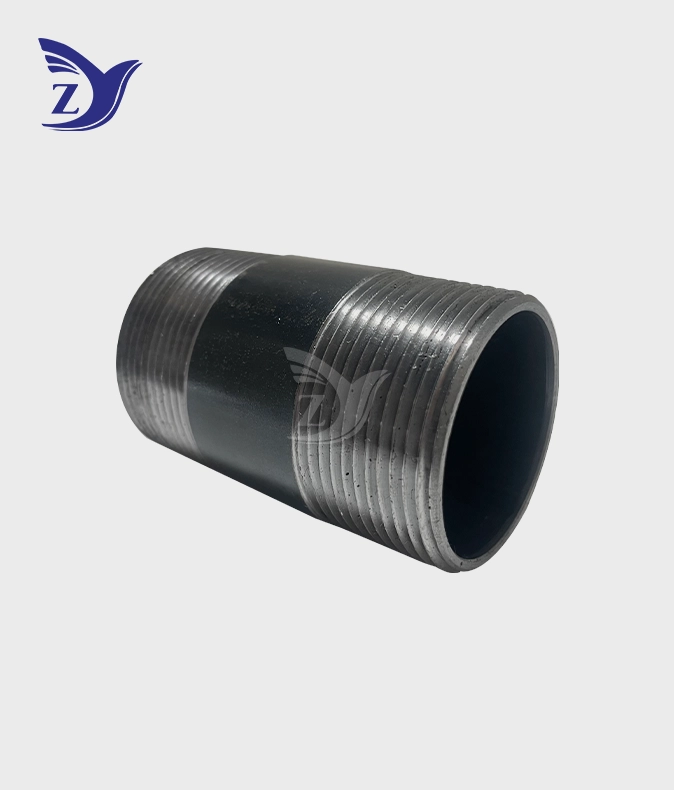
Double Male Thread Oil Tubing
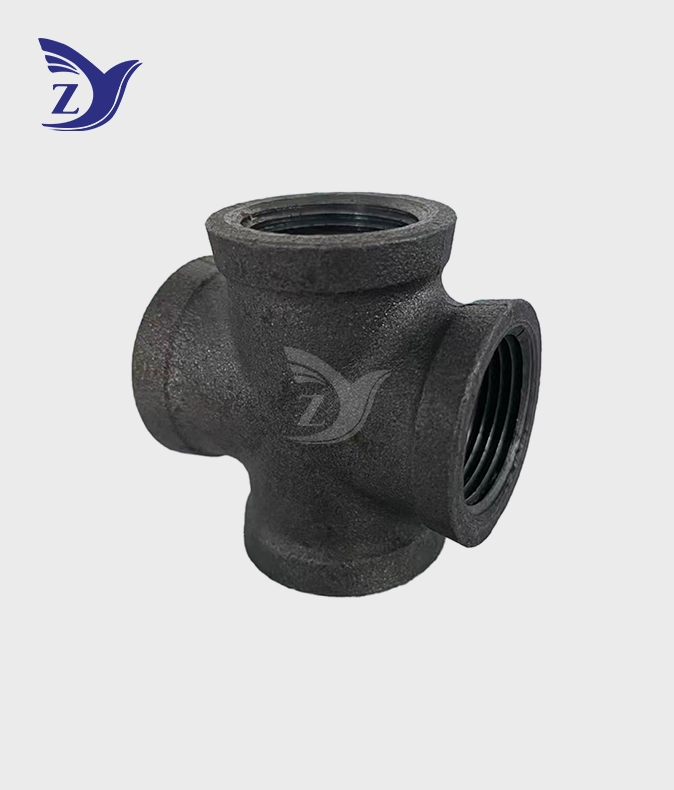
NPT Black Square Face Cross Pipe Fittings
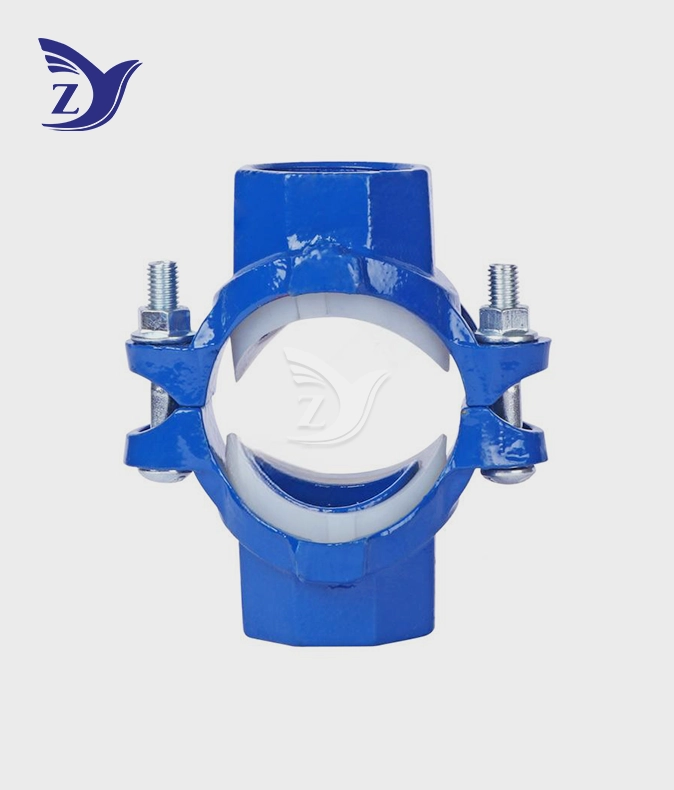
Water Supply Threaded Mechanical Cross Pipe Fitting
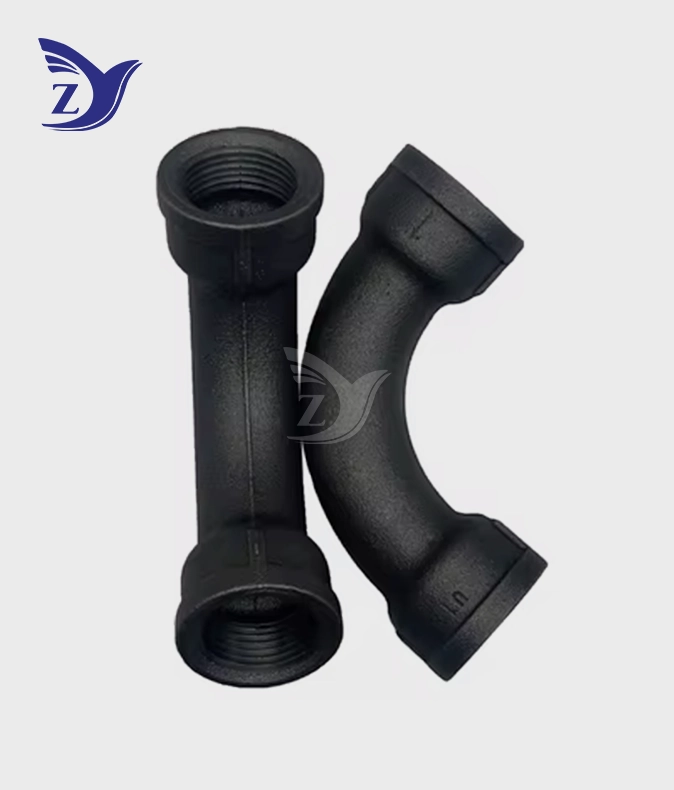
BSPT Black FxF 90° Long Bend Malleable Iron Pipe FittingsFittings
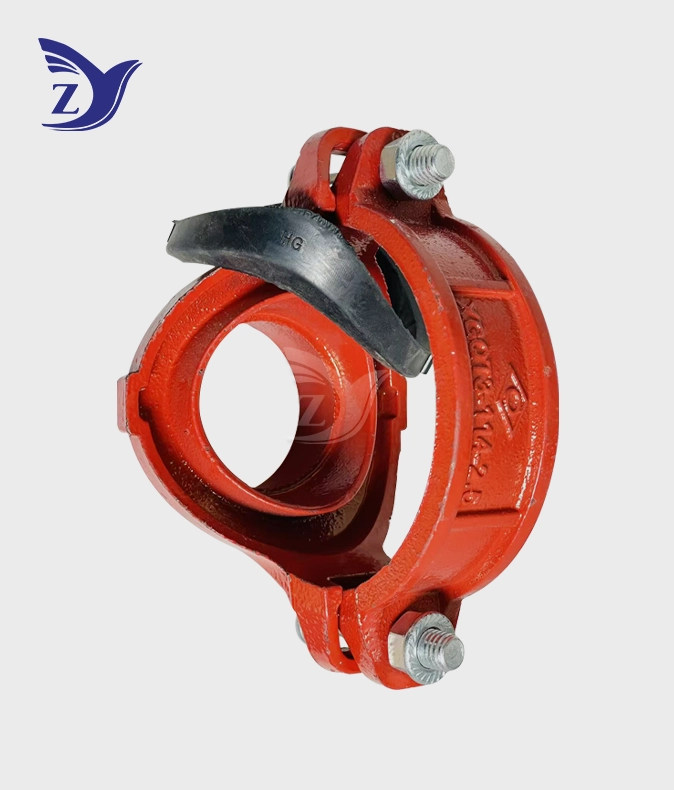
Fire Grooved Mechanical Tee
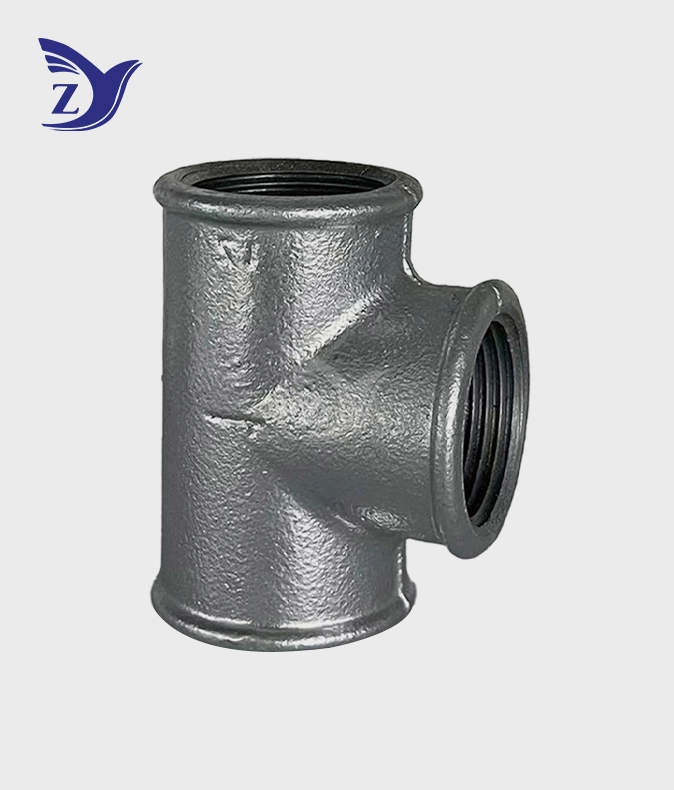
NPT Round Face Galvanized Round Edge Straight Tee Pipe Fittings
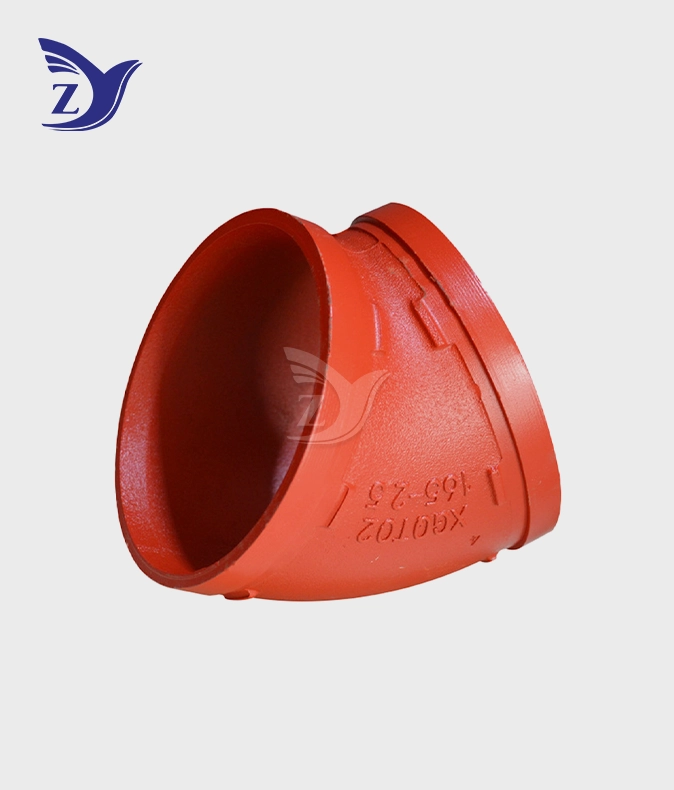
Fire Grooved 45° Elbow
300LB Black Malleable Iron 90 Degree Elbow Pipe Fitting