
Jun 12, 2026
Carbon Steel Pipe Fittings Market
The market for carbon steel pipe fittings is still an important part of industrial infrastructure. It meets important needs in the energy, fire protection, and city building sectors. These parts, which come in threaded, welded, and grooved styles, make it possible for pipes that carry water, gas, oil, and chemicals to link securely. When buying teams know about material grades, surface treatments, and compliance standards, they can choose fittings that meet performance, cost, and regulation needs while also being reliable in harsh settings for a long time.
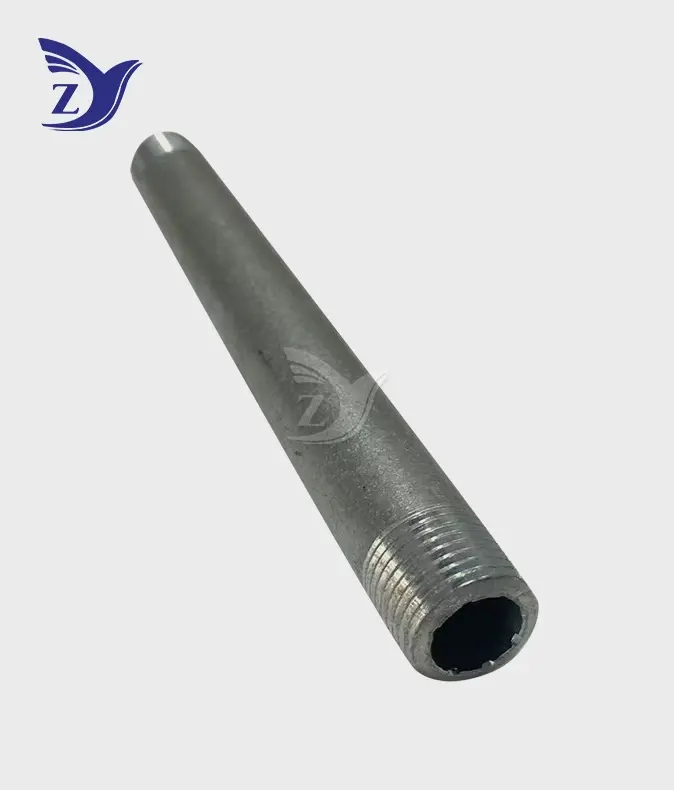
Carbon Steel Pipe Fittings: Types, Specifications, and Standards
Defining Carbon Steel Threaded Pipe Fittings and Their Core Functions
Carbon steel pipe fittings are the building blocks of many pipe systems that need to be taken apart and serviced easily. Male threaded fittings and full threaded pipe couplings, on the other hand, let workers quickly connect or disconnect pipeline pieces without having to use special tools. This way of thinking about design solves a problem that keeps coming up in fire sprinkler systems, HVAC systems, and city water distribution networks: how to balance structure stability with operating flexibility. The threads have standard tapers, usually NPT (National Pipe Thread) in North American markets. This makes sure that products from different makers can work together and prevents installation mistakes that could put system safety at risk.
Material Grades and Corrosion Protection Options
The chemical make-up of carbon steel has a direct effect on how well fittings work when they are stressed and exposed. Forged ASTM A105 valves are very strong in high-pressure situations, and A234 WPB grades work great in bonded designs that need to be resistant to impact. Surface treatments make things last a lot longer. Hot dip galvanized coatings are great for fire hydrant connections and city gas lines because they prevent rust better than other coatings when used outside in wet conditions. Electro galvanized finishes are a cheap way to protect plumbing inside, while black oxide treatments work best in controlled settings like industrial process lines. Red-coated versions keep out rust and make them stand out, which makes maintenance checks easier in complicated buildings with many systems.
Industry Standards Governing Quality and Compliance
Certification systems are used by procurement workers to check the integrity of a product before it is deployed. ISO 9001 quality control systems make sure that production methods are always the same, and UL and FM approvals make sure that fittings are safe for use in fire protection systems, which is something that system integrators who work with business buildings have to do. Dimensional standards set by ASME B16.9 stop problems with fit-up during installation, which cuts down on labor costs and project delays. These certificates show that the products have been through strict testing procedures such as pressure cycles, tensile strength checks, and checks for dimensional tolerances. Heat number tracking, in which each batch is linked to metallurgy test records, makes sure that people are held accountable, which is very important in dangerous places like petrochemical plants and power plants.
Carbon Steel Pipe Fittings Market Comparison: Material, Grades, and Price Evaluation
Carbon Steel Versus Alternative Piping Materials
When looking at different types of materials, carbon steel pipe fittings stand out as being clearly better than others. Stainless steel is better at resisting corrosion, but it costs three to four times as much as other materials, so it can't be used for big government projects with limited funds. Even though ductile iron fittings can handle grave stress well, they don't have the thread accuracy or adaptability that carbon steel does. Galvanized malleable iron is a good compromise because it protects against rust and is cheap. However, carbon steel is easier for wholesalers who serve multiple industries to handle their inventory because it is more common and comes in standard sizes. The choice depends on what's most important for the application: chemical protection, cost, or speed of installation.
Seamless Versus Welded Construction Trade-offs
How the fittings are made has a big effect on how well they work. Extrusion methods make seamless fittings, which don't have weld gaps that can become corrosion start points. This makes them better for important fire protection systems and transporting high-purity chemicals. Their even grain structure can handle pressure spikes better than soldered ones. On the other hand, welded valves made from rolled plate are cheaper when used in HVAC and sewage systems with lower pressure. X-ray inspection procedures make sure that the weld is solid, but buyers must check the testing paperwork. Schedule matching between fittings and pipe, which makes sure that the wall thickness stays the same, stops turbulence-induced erosion. This is a technical detail that sets experienced sellers apart from cheap vendors.
Pricing Dynamics and Value Engineering Strategies
The prices on the market right now represent the unstable nature of raw materials and the region's manufacturing capabilities. The prices of carbon steel pipe fittings are usually 40–60% less than those made of stainless steel. This can save a lot of money when ordering a lot of them for building projects. Hot dip galvanizing processes raise the price of base fittings by 15 to 25 percent, but they lower the cost of upkeep over 20 years, giving you a better total cost of ownership. When you buy in bulk from manufacturers like Zhiyuan Malleable Steel, which can produce more than 30,000 tons of steel every year, you can get volume savings that you can't get through multi-tier distribution lines. When negotiating wait times versus inventory carrying costs, it's important to find the right balance between just-in-time delivery and buffer stock for fixes that come up out of the blue. This is where seller responsiveness becomes a secret value factor.
Procurement and Supply Chain Insights: Buying Carbon Steel Pipe Fittings Efficiently
Optimizing Purchase Channels and Order Volumes
When you deal directly with a carbon steel pipe fitting supplier, you can get benefits that you can't get through middlemen. The 50,000-square-meter production plant and 156-unit machining capacity of Zhiyuan Malleable Steel can handle both one-time orders and special runs. This means that smaller companies don't have to worry about minimum order amounts, which can hurt their cash flow. Full standard ranges—more than 1,000 different product options—help wholesalers serving regional markets cut down on the number of suppliers they need to work with and make the buying process easier. Online platforms are convenient, but they don't always have expert support to help with clarifying specifications. This leaves a hole that leads to costly buying mistakes. During project crises, when fast shipping or emergency access to stock stops building delays that cost thousands of dollars every day, the trade-off between price and service becomes very clear.
Navigating International Logistics and Lead Time Management
Global sources adds complexity that needs to be planned for ahead of time. It usually takes 35 to 45 days for containers to travel from Shanxi Province to U.S. ports, so orders need to be placed 60 to 75 days before they are needed on-site to account for production and transit delays. To avoid delays at the port, export paperwork like bills of lading, certificates of origin, and customs statements must match up exactly with records kept by importers. The fact that Shanxi is only 40 kilometers from Taiyuan's infrastructure and only 30 minutes from the airport speeds up domestic operations. However, foreign buyers should check with the seller about their experience with freight forwarders and tariff classification to avoid unexpected increases in landed costs. Choosing the Incoterms (FOB, CIF, or DDP) changes who is responsible for insurance and customs processing, which changes the total risk of buying.
Customization Benefits for Specialized Project Needs
Standard stock items work for 70–80% of pipe jobs, but custom jobs need solutions that are made just for them. Custom thread setups work with specific pieces of equipment, and non-standard lengths cut down on the work that needs to be done to cut the threads on-site. Specialized coatings, like epoxy linings for chemical service that corrodes, make fittings last longer in tough settings where regular treatments break down quickly. The R&D team at Zhiyuan works together to make changes to products by turning engineering ideas into designs that can be made. This feature is very helpful for businesses that make valves and fittings that are put together as full pipeline packages, as well as for foreign trading companies that need to find unique goods for export markets. Fit and finish are checked with prototype samples before full production starts. This keeps expensive rework during the installation phases to a minimum.
Future Trends and Market Outlook of Carbon Steel Pipe Fittings
Material Science Advancements Enhancing Performance
New metal mixtures use tiny alloying elements like vanadium and niobium to make the grains smoother without making the price go up a lot. These changes to the steel's structure make it more resistant to impact in low-temperature settings. This means that carbon steel can be used in cooling and cryogenic systems that used to only use stainless metals. Advanced heat treatment procedures, such as rapid cooling techniques, improve hardness profiles while keeping the ability to weld. New ideas in quality control, like automatic ultrasound testing, find flaws below the surface that can't be seen with the naked eye. This lowers the number of failures that happen in the field. These small changes add up to real cost savings over the life of the project. This is especially helpful for infrastructure projects that will be used for decades.
Supply Chain Resilience and Geopolitical Considerations
Recent problems have shown where international buying networks are weak. Manufacturers who keep their domestic production capacity and sources of raw materials varied, like Zhiyuan's Shanxi businesses that use the supply of steel in the region, offer stability during times of trade tensions between countries. Some U.S. buyers choose to buy from North American providers even though the prices are higher because they value supply security over small cost saves. Tariffs and changes in trade policy are always changing the way competition works, so geographically diversifying suppliers is an important part of risk management. Buyers want clear supply lines that can show where materials come from more and more. This is important for both ethical sourcing and keeping up with changing import rules that affect carbon steel goods.
Sustainability Initiatives Reshaping Manufacturing Practices
As environmental laws get stricter around the world, factories are under more pressure to cut down on waste and pollution. Carbon steel is naturally recyclable, which makes it a better choice than plastics when it comes to sustainability, though the amount of energy needed to make it needs to be looked at closely. Forward-thinking suppliers put money into electric arc furnace technology and integrating renewable energy, which lowers their carbon footprints without lowering the quality of their products. Solvent-heavy treatments are being replaced by water-based sealing systems, which lower VOC pollution during finishing processes. When buyers are in line with their companies' sustainability goals, they give more weight to sellers who show they care about the environment by having ISO 14001 certifications and clear reporting of emissions. This change turns environmental compliance from a legal requirement into a way to stand out from the competition, especially when working with clients who have strict ESG buying policies.
Conclusion
The market for carbon steel pipe fittings is always changing because of new materials, changes in the supply chain, and efforts to be more environmentally friendly. To be successful at buying, you need to know a lot about pressure levels, corrosion protection choices, and certification standards, as well as how to balance scientific specs with real-world costs. Direct relationships with manufacturers make operations easier and allow for customization for specific uses. As the world's need for infrastructure grows, buyers who put supplier dependability, full service, and regulatory compliance at the top of their list of priorities will be able to handle volatile markets and get the high-quality parts they need for safe, long-lasting piping systems in a wide range of industrial settings.
FAQ
What advantages do carbon steel threaded fittings offer over welded connections?
When it comes to upkeep and fixes, threaded fittings are easier to get to than fixed welded joints. Full threaded pipe connections let you break pipes quickly without using cutting tools. This cuts down on downtime while you make changes to the system. This design is very important for fire sprinkler systems that need to be tested and parts replaced on a regular basis. Installation doesn't need any special welding tools or qualified workers, which cuts down on labor costs and speeds up project plans.
How do surface treatments impact long-term fitting performance?
For outdoor uses, hot dip galvanized coatings offer the best rust protection and increase service life by 20 to 30 years in wet areas. Electro-galvanized treatments are cheaper and work well with indoor water. In controlled industrial settings, black oxide processes keep the dimensions of things from changing while stopping rust. Red-coated valves protect against corrosion and make them easier to find during checks of more than one system. The choice of treatment should be based on the level of outdoor exposure and the available funds.
Which certifications validate supplier quality and product safety?
ISO 9001 certification proves that production processes are consistent, and UL and FM approvals prove that parts are safe for use in fire protection systems. The CE mark shows that European rules have been followed. Linking parts with heat numbers and metallurgical test records makes people responsible, which is very important for pressure tank safety. Before buying a lot of something, buyers should ask for mill test papers that say the chemical composition and mechanical qualities meet the standards.
Partner with a Trusted Carbon Steel Pipe Fittings Manufacturer
Zhiyuan Malleable Steel has been making specialized steel products for 26 years and works with fire protection contractors, city engineers, and industry buying teams all over North America. Our factory in Shanxi makes more than 30,000 tons of threaded fittings every year. These include male threaded configurations and full threaded pipe joints. The surfaces can be hot dip galvanized, electro galvanized, or red coated. Our quality systems are backed up by ISO 9001, UL, and FM certifications, and we can send standard products within two hours for pressing project needs. Customization through ODM/OEM meets special needs that off-the-shelf options can't meet. Get in touch with our team at q1236800000@gmail.com to talk about your carbon steel pipe fittings needs with a dependable source that will provide you with high-quality, low-cost products that come with full technical support and warranties for replacing any broken products.
References
- American Society of Mechanical Engineers. ASME B16.9: Factory-Made Wrought Buttwelding Fittings. New York: ASME Press, 2018.
- ASTM International. ASTM A234/A234M-19: Standard Specification for Piping Fittings of Wrought Carbon Steel and Alloy Steel for Moderate and High Temperature Service. West Conshohocken: ASTM International, 2019.
- Ferguson, James R. Industrial Piping Systems: Design, Installation, and Maintenance. Boston: McGraw-Hill Professional, 2020.
- National Fire Protection Association. NFPA 13: Standard for the Installation of Sprinkler Systems. Quincy: NFPA Publications, 2022.
- Smith, Peter and Jones, Robert L. Corrosion Control in Pipeline Infrastructure: Materials Selection and Surface Treatment Technologies. London: Elsevier Science, 2021.
- Zhou, Wei and Chen, Li. Global Steel Pipe Fittings Market Analysis: Manufacturing Trends and Regional Supply Chain Dynamics. Singapore: Industrial Research Publications, 2023.
Online Message
YOU MAY LIKE
High quality furniture manufacturer
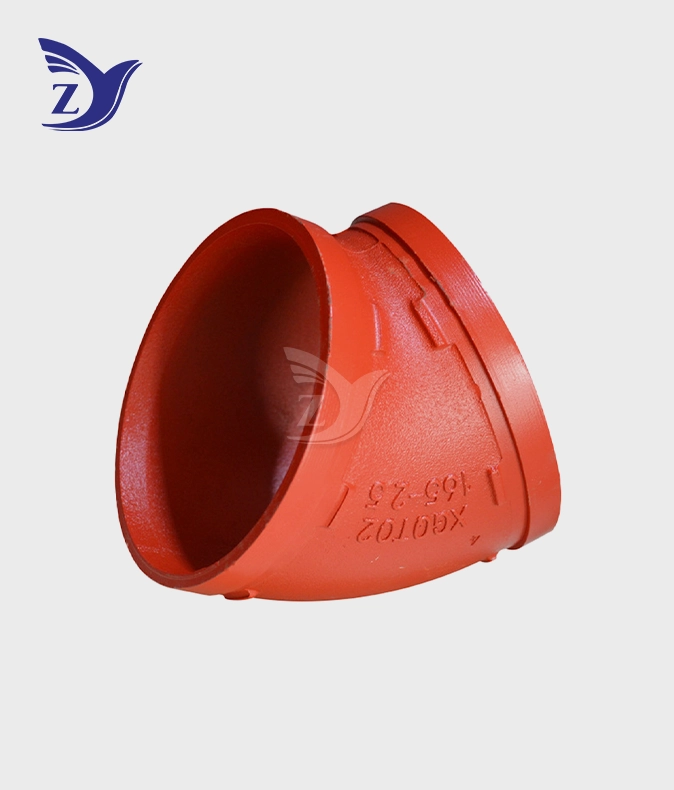
Fire Grooved 45° Elbow
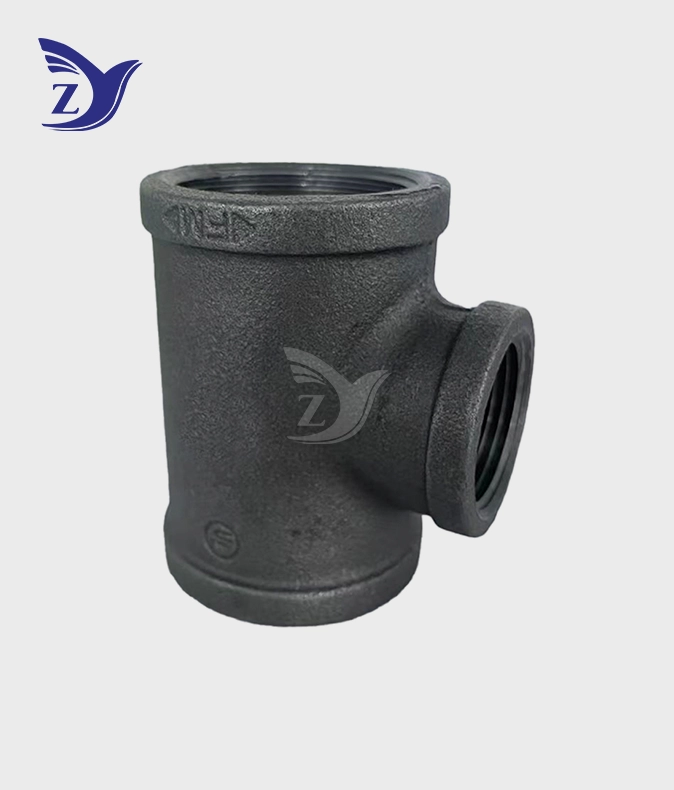
NPT Black Square Face Reducing Tee Pipe Fittings
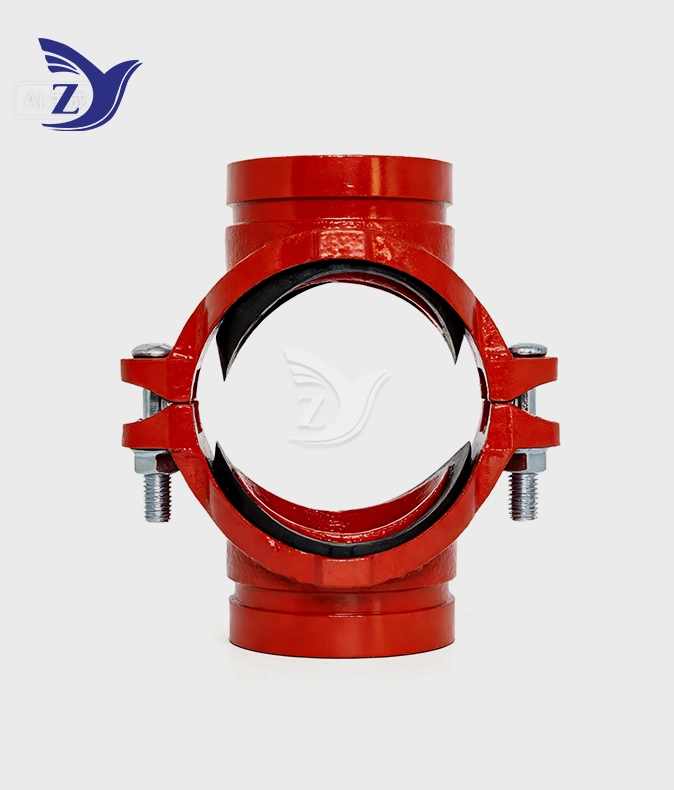
Threaded Mechanical Cross
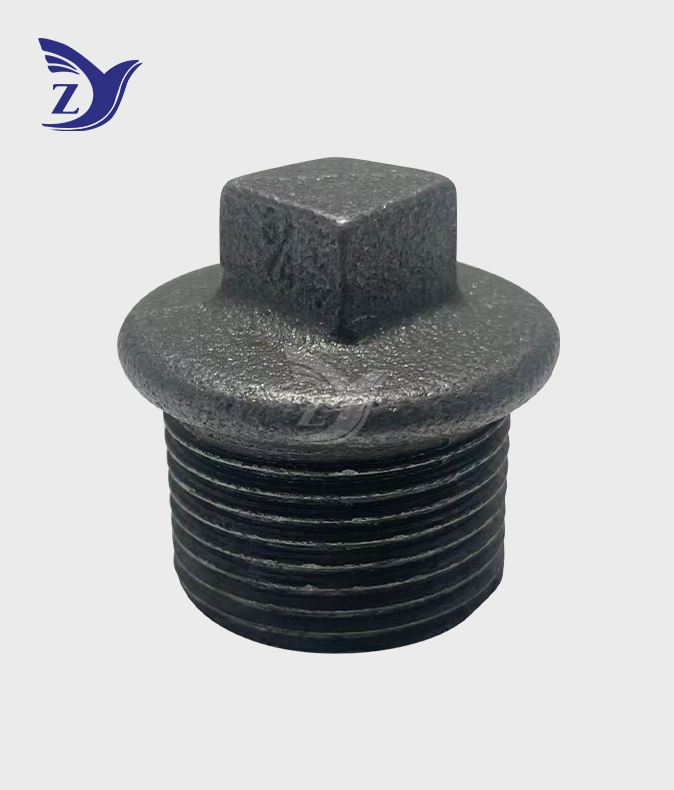
NPT Black Flanged Plug Pipe Fittings
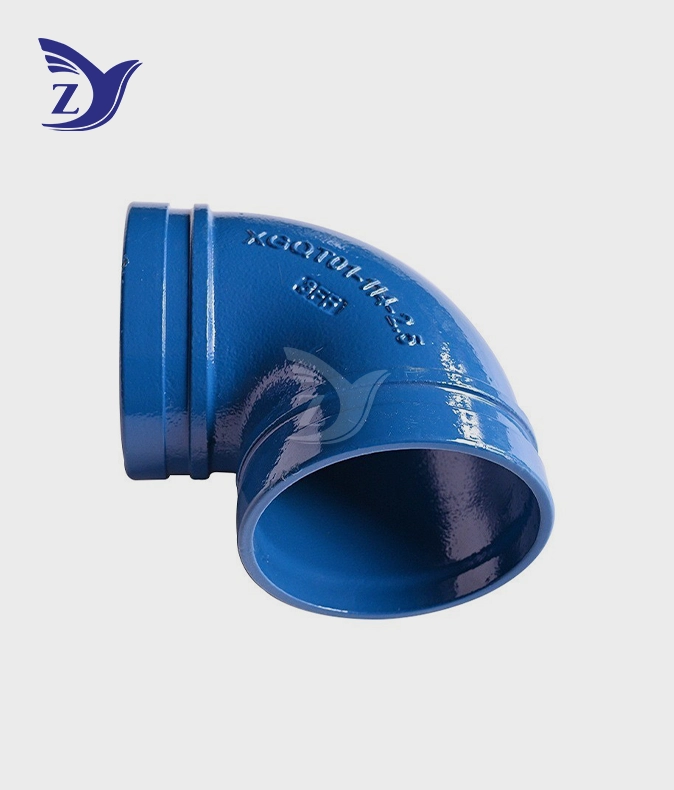
Water Grooved 90° Elbow
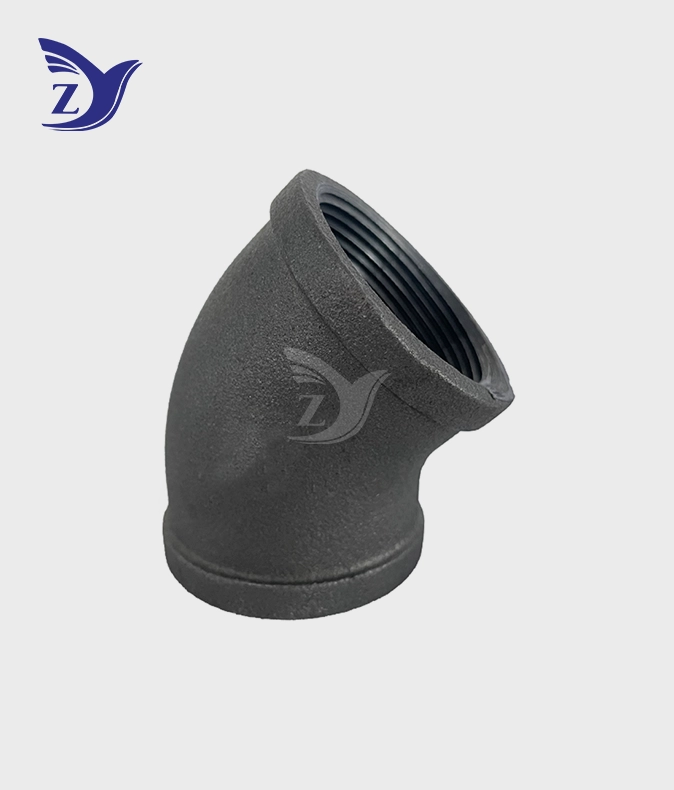
NPT Black Square Face 45° Elbow Pipe Fittings
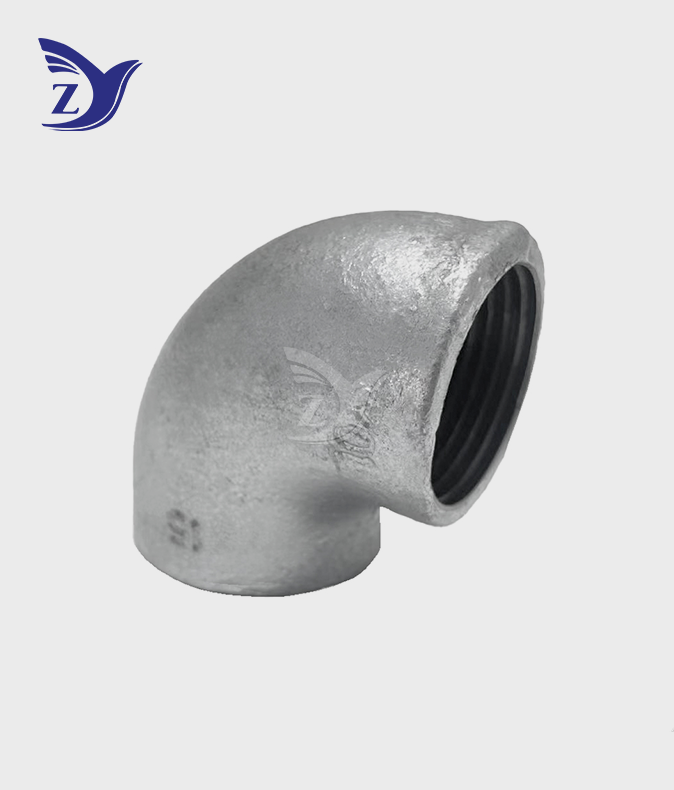
No Hub Electro Galvanized 90° Elbow Pipe Fitting
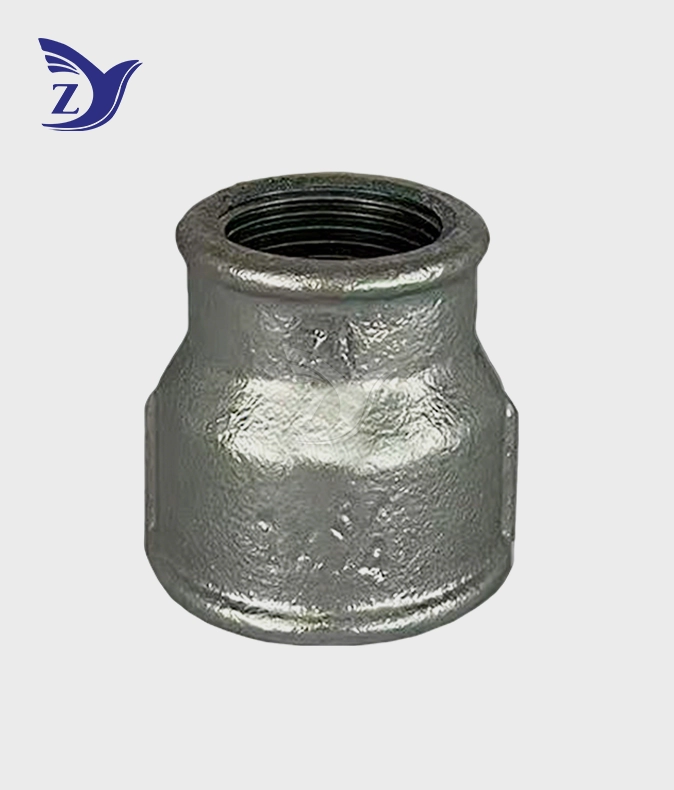
BSPT Round Face Galvanized Round Edge Reducing Coupling Pipe Fittings